
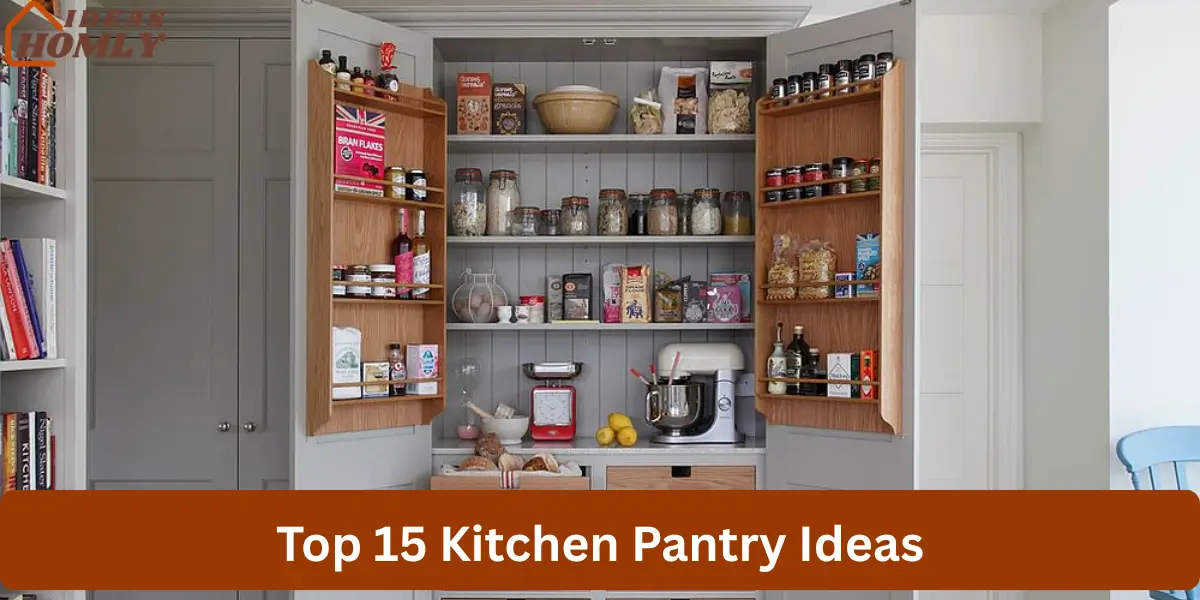

A cluttered kitchen can make even simple cooking feel frustrating. I have noticed that when pantry storage is well organized, the entire kitchen becomes easier to use and far more enjoyable.
A thoughtfully planned pantry helps keep ingredients visible, appliances stored properly, and everyday cooking supplies within reach.
Many homeowners today explore different kitchen pantry ideas to improve both storage and efficiency without expanding the kitchen itself.
In this guide, I will share practical pantry designs that can help you organize food, reduce clutter, and create a kitchen space that feels calm, functional, and easy to manage every day.
Smart Kitchen Pantry Ideas for Better Storage
A well-planned pantry can completely change how a kitchen functions. I often notice that when storage becomes organized, cooking feels easier and less stressful.
Different kitchens need different pantry solutions. Some homes benefit from large walk-in spaces, while others rely on compact storage designs.
Below are practical pantry ideas I recommend when someone wants better organization, easy access to ingredients, and a cleaner kitchen environment.
1. Walk-In Kitchen Pantry
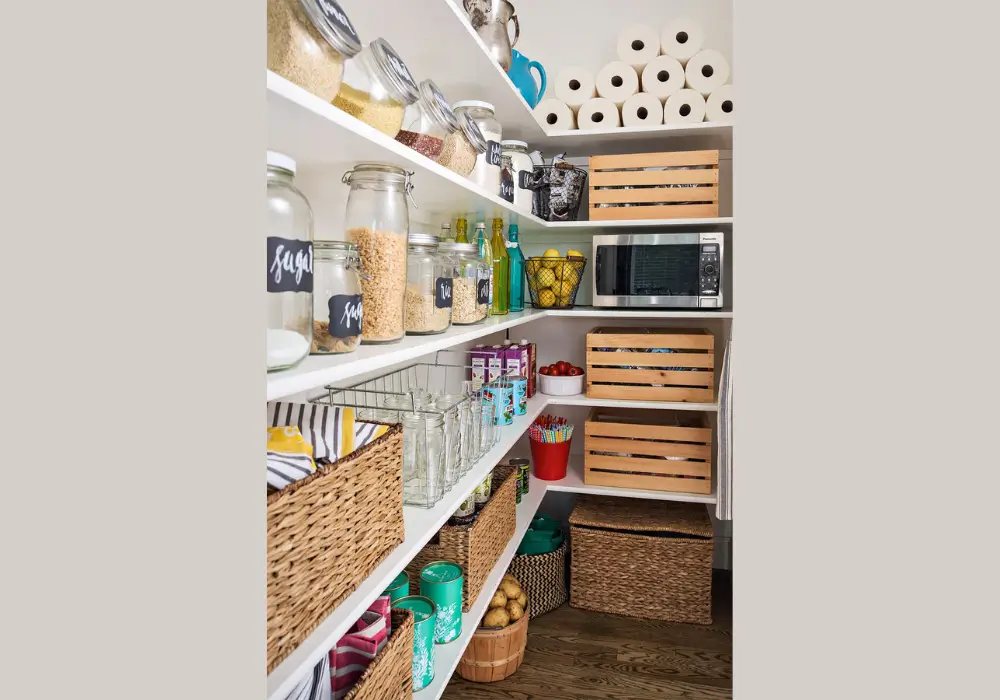
A walk-in pantry gives you a dedicated space for storing groceries, appliances, and kitchen essentials. I often recommend this option for homes with enough extra room. It allows everything to stay organized without crowding the main kitchen cabinets.
Most walk-in pantries include multiple open shelves that make items easy to see. I like arranging ingredients by category such as baking supplies, canned foods, and snacks. This simple system makes daily cooking much more efficient.
You can also add baskets, labeled containers, or small drawers inside the pantry. These details help maintain order while keeping the space visually clean and easy to maintain.
2. Pull-Out Pantry Cabinets
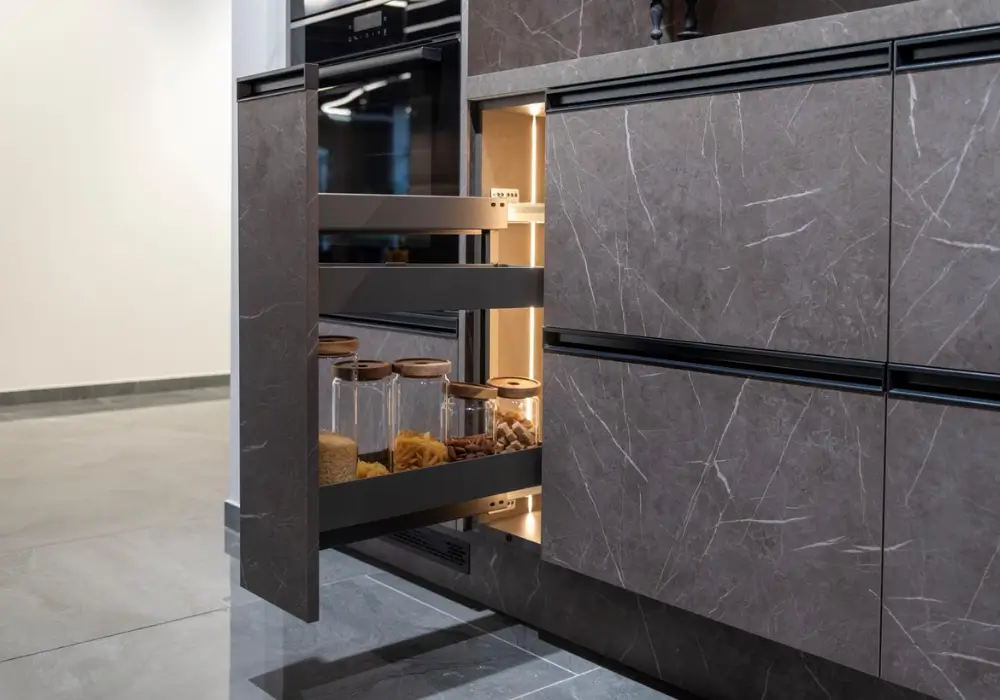
Pull-out pantry cabinets are one of the smartest solutions for small kitchens. I often suggest them when homeowners want more storage without adding bulky cabinets.
These tall cabinets include sliding shelves that move outward when you pull them. The design allows you to see everything at once instead of reaching into deep shelves.
I usually recommend placing this pantry near the cooking area for quick ingredient access. It saves space while keeping the kitchen looking sleek and organized.
3. Butler’s Pantry
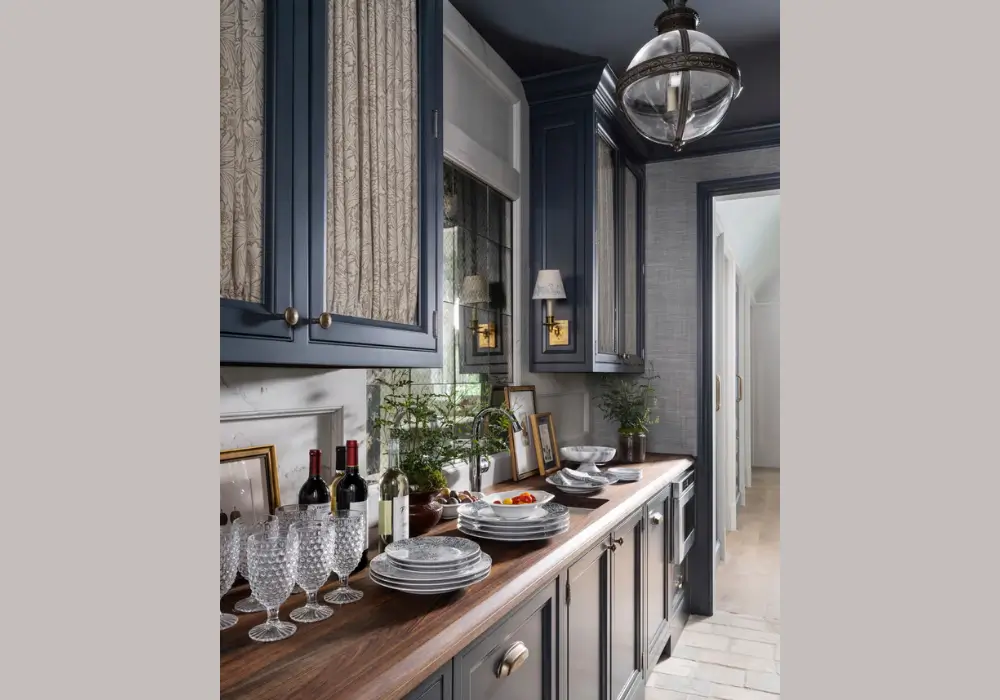
A butler’s pantry creates a separate space for additional storage and food preparation. I often see this design placed between the kitchen and dining area.
This pantry typically includes cabinets, countertops, and sometimes a small sink. Many homeowners use it to store dishes, coffee machines, or serving trays.
I like how a butler’s pantry keeps the main kitchen less crowded. It also provides extra preparation space during gatherings or large family meals.
4. Open Shelf Pantry
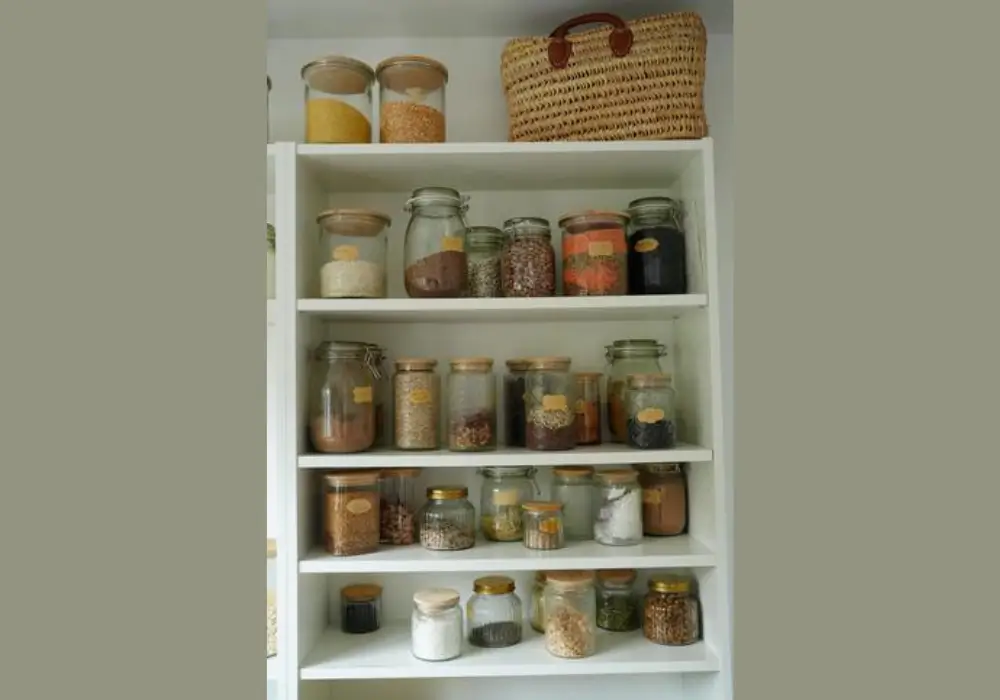
Open shelving can make a pantry feel more accessible and visually appealing. I often recommend this idea for people who like seeing their ingredients at a glance.
Instead of hiding everything behind cabinet doors, the shelves display jars, baskets, and containers. This setup encourages better organization because everything remains visible.
I usually suggest using matching jars and labeled containers. The pantry then looks clean, balanced, and easy to maintain.
5. Corner Pantry
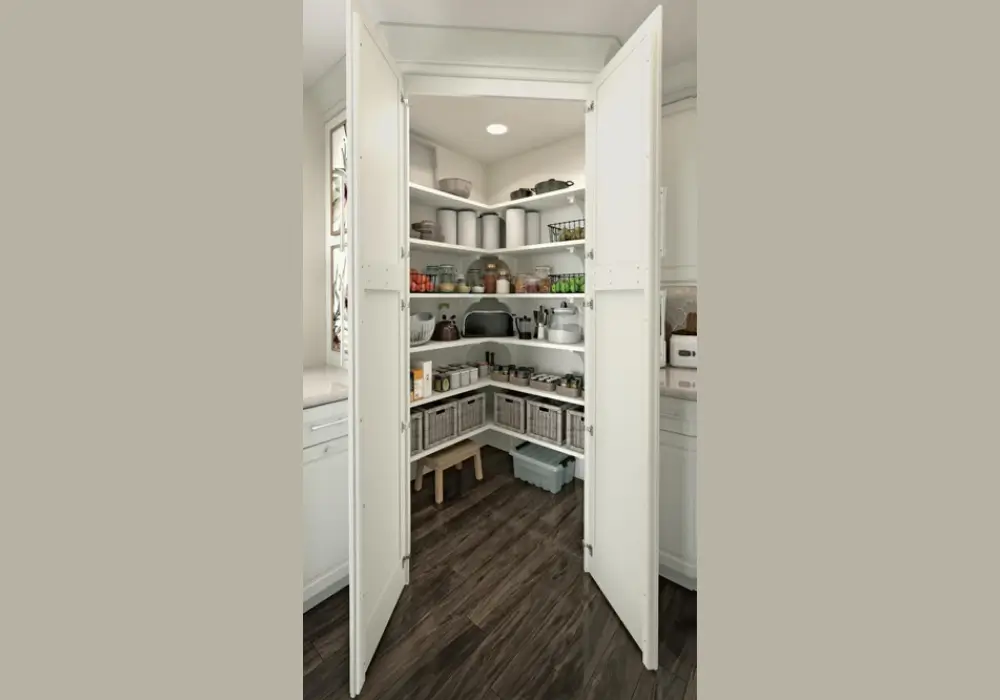
Corner pantries use areas of the kitchen that often remain unused. I recommend this solution when wall space feels limited.
These pantries usually feature angled shelves that extend deep into the corner. They provide surprising storage capacity while maintaining a compact footprint.
I like organizing the shelves by frequently used items on the front and less used products in the back. This approach keeps the pantry practical and easy to navigate.
6. Pantry with Sliding Barn Door
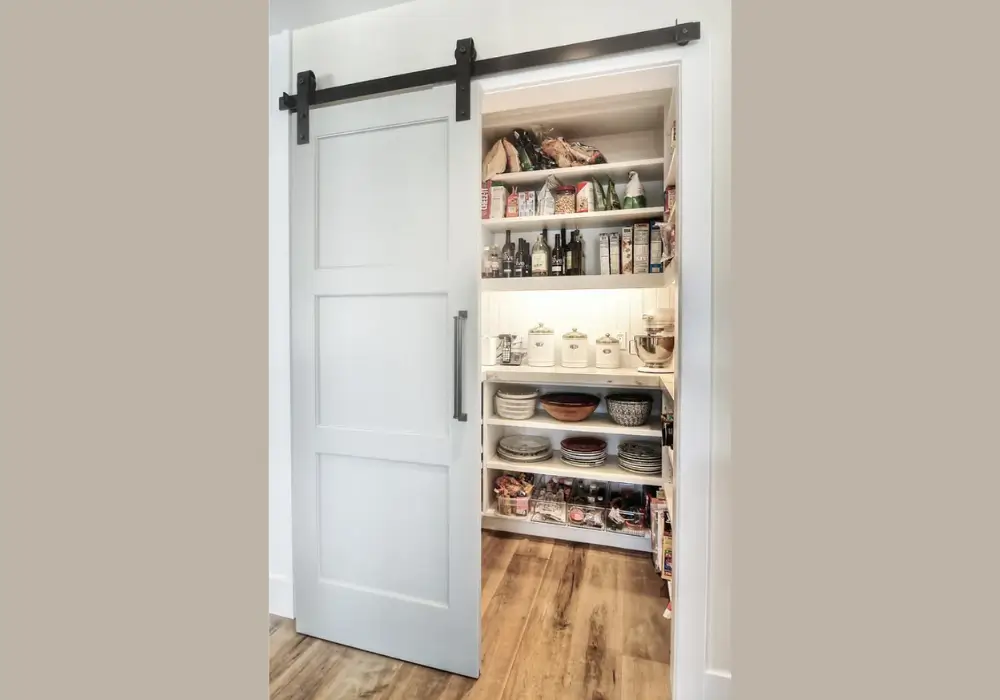
A pantry with a sliding barn door adds both function and personality to the kitchen. I often recommend this style when someone wants a practical design feature that also stands out visually.
The sliding door saves space because it moves sideways instead of swinging open. This makes it perfect for kitchens with tight layouts.
I find that this design works especially well in farmhouse kitchens. The door becomes a decorative feature while still keeping the pantry neatly hidden.
7. Hidden Pantry Cabinet
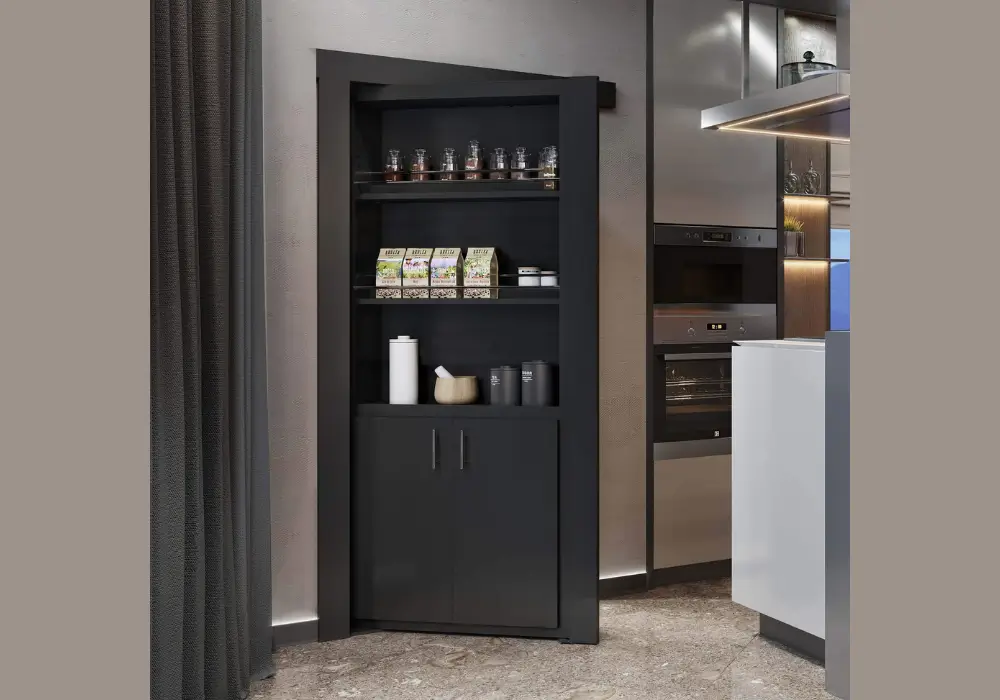
A hidden pantry cabinet blends seamlessly into the kitchen design. I like this idea when homeowners want a clean and minimalist look.
The pantry door often looks like part of the surrounding cabinetry. When closed, it becomes almost invisible within the kitchen wall.
Inside, the pantry can contain shelves, drawers, and storage baskets. This design keeps the kitchen organized while maintaining a sleek appearance.
8. Pantry with Glass Doors
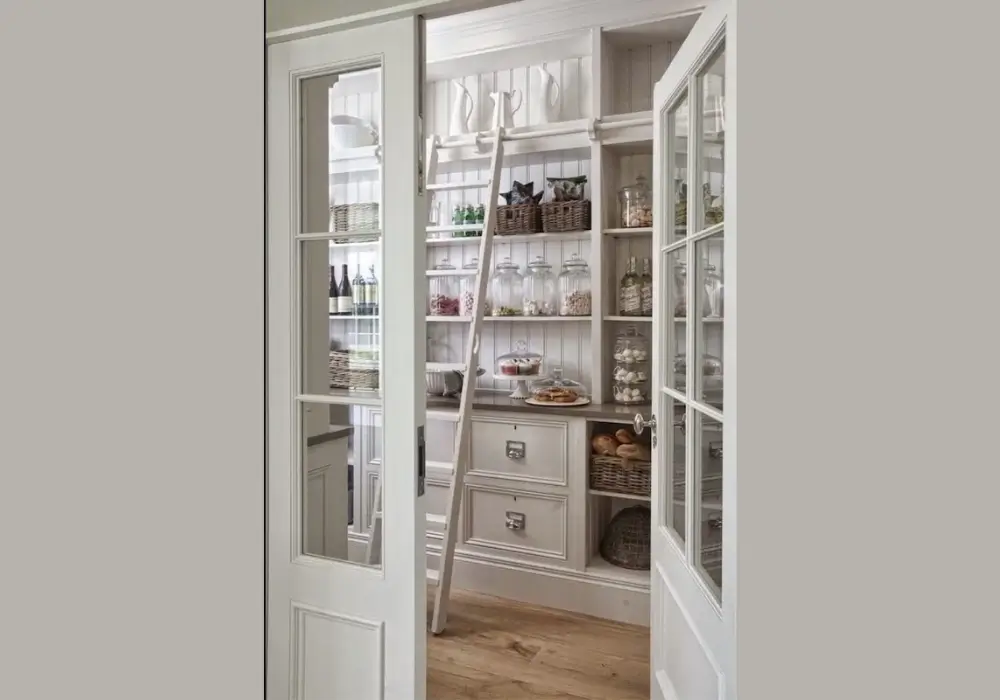
Glass door pantries combine storage with display. I often recommend this option for kitchens where organization also becomes part of the decor.
The transparent doors allow you to see neatly arranged jars, containers, and baskets. This encourages keeping the pantry tidy.
I usually suggest using uniform containers and labels behind the glass. This creates a clean and visually pleasing pantry design.
9. Pantry Drawer System
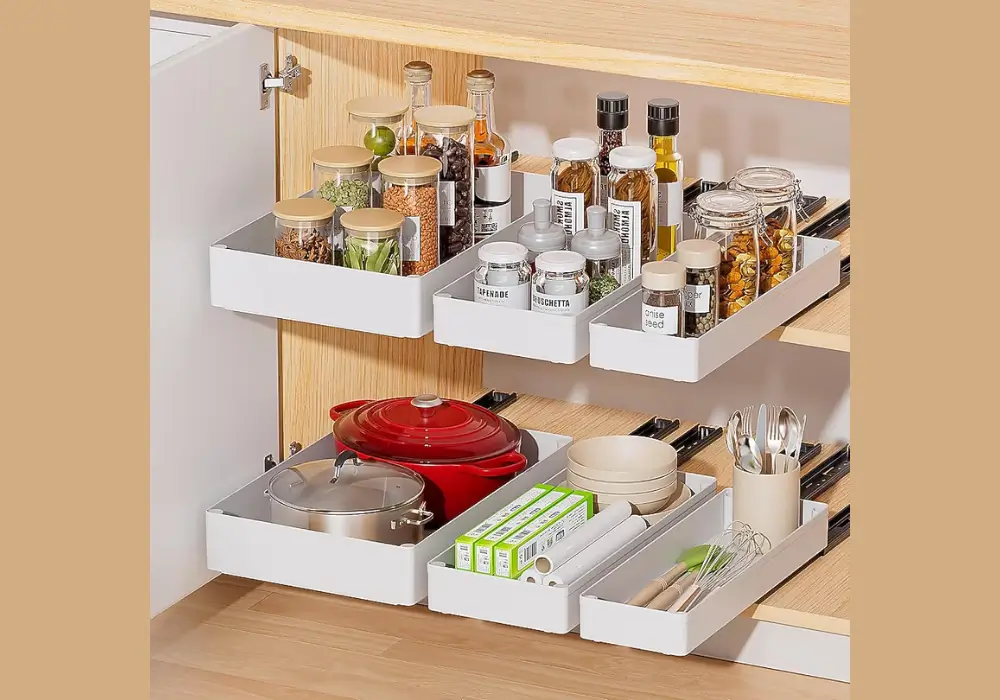
Pantry drawers provide an alternative to traditional shelves. I often recommend this design for people who struggle to reach items stored deep inside cabinets.
Large drawers slide out completely, making every item visible and accessible. You can organize snacks, dry goods, and packaged foods neatly inside.
I find that drawer systems reduce clutter and prevent food from getting lost in the back of shelves. This design improves both organization and convenience.
10. Pantry with Labeled Containers
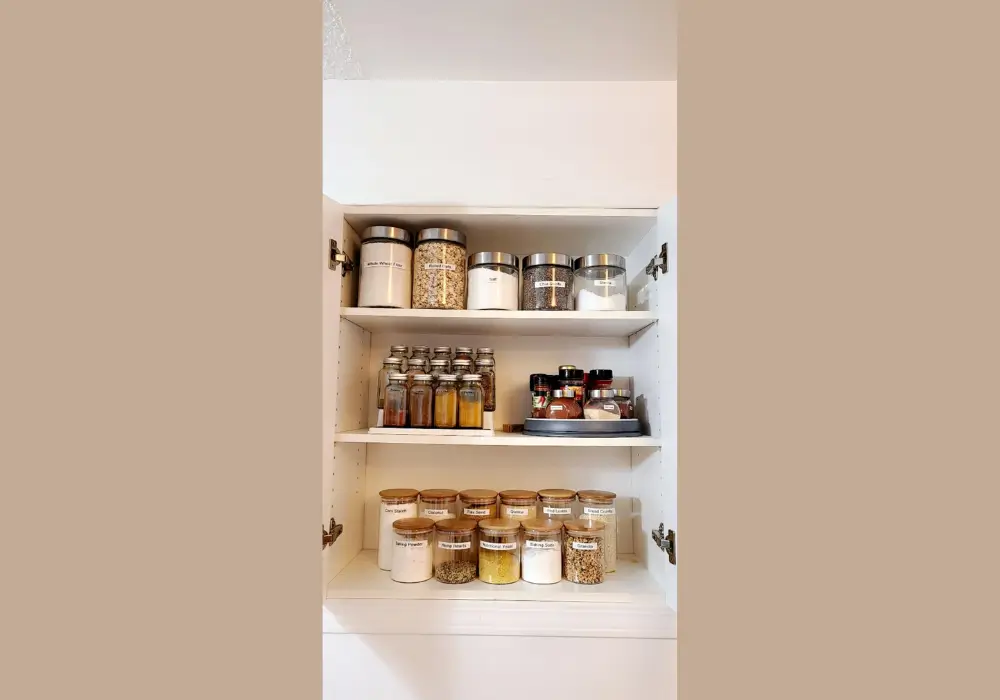
Using labeled containers is one of the simplest ways to improve pantry organization. I often start with this idea when helping someone reorganize their kitchen.
Clear containers allow you to quickly see ingredients like rice, flour, pasta, and grains. Labels make it easier for everyone in the household to locate items.
I usually arrange containers by category to keep the pantry structured. This small change makes the kitchen feel more organized and efficient every day.
11. Vertical Storage Pantry
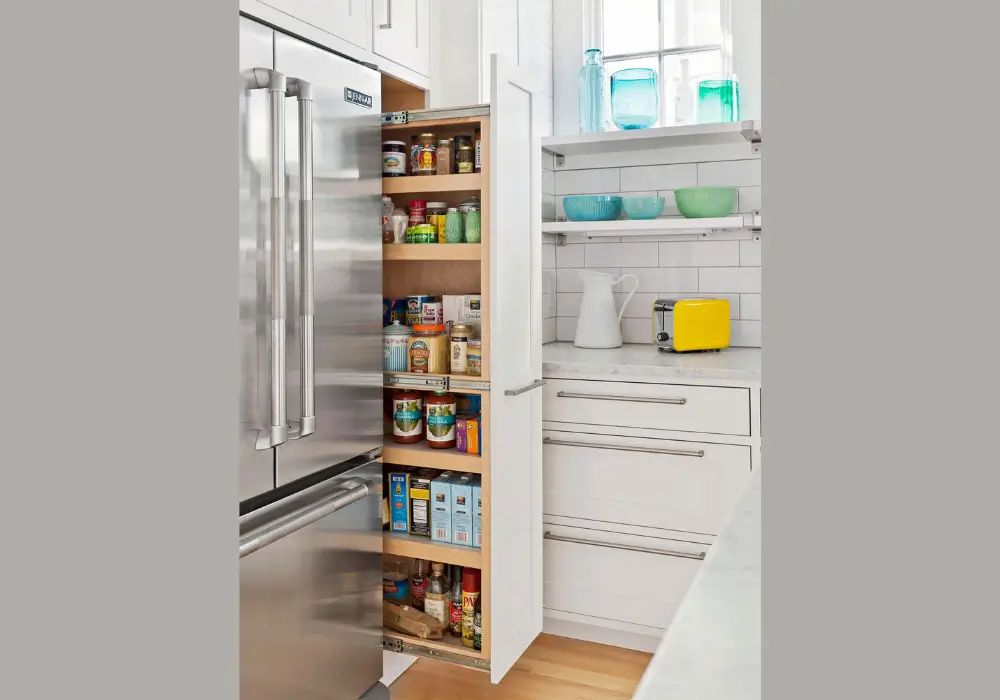
A vertical storage pantry focuses on height instead of width. I often recommend this solution for kitchens where floor space is limited but wall space is available. Tall shelving allows homeowners to store a large number of items without making the kitchen feel crowded.
These pantries usually include floor-to-ceiling shelves that maximize every inch of available space. I like arranging everyday ingredients on middle shelves while storing less used items higher up.
Using baskets or small bins on upper shelves keeps everything organized. This simple system helps maintain order while making the most of vertical kitchen space.
12. Pantry with Built-In Lighting
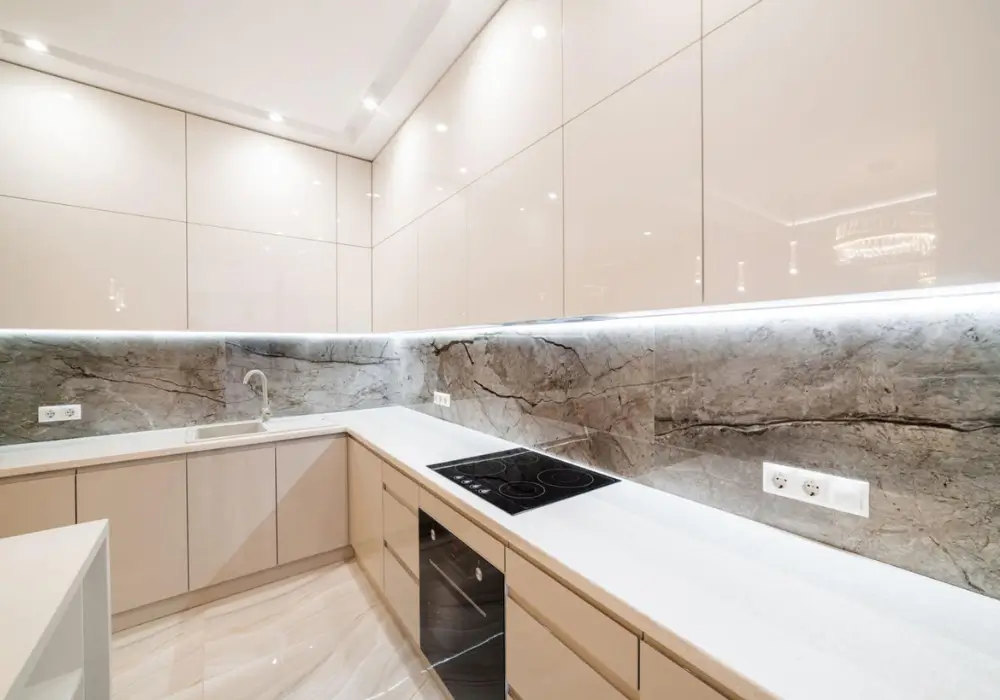
Lighting can completely change how a pantry functions. I have noticed that many kitchens struggle with dark pantry corners where items become difficult to find.
Built-in LED lighting solves this problem by illuminating every shelf clearly. It allows you to quickly locate ingredients and keeps the pantry practical during busy cooking times.
I usually recommend placing soft lights under each shelf or along the pantry walls. The lighting improves visibility while also giving the pantry a modern and polished appearance.
13. Rustic Wooden Pantry
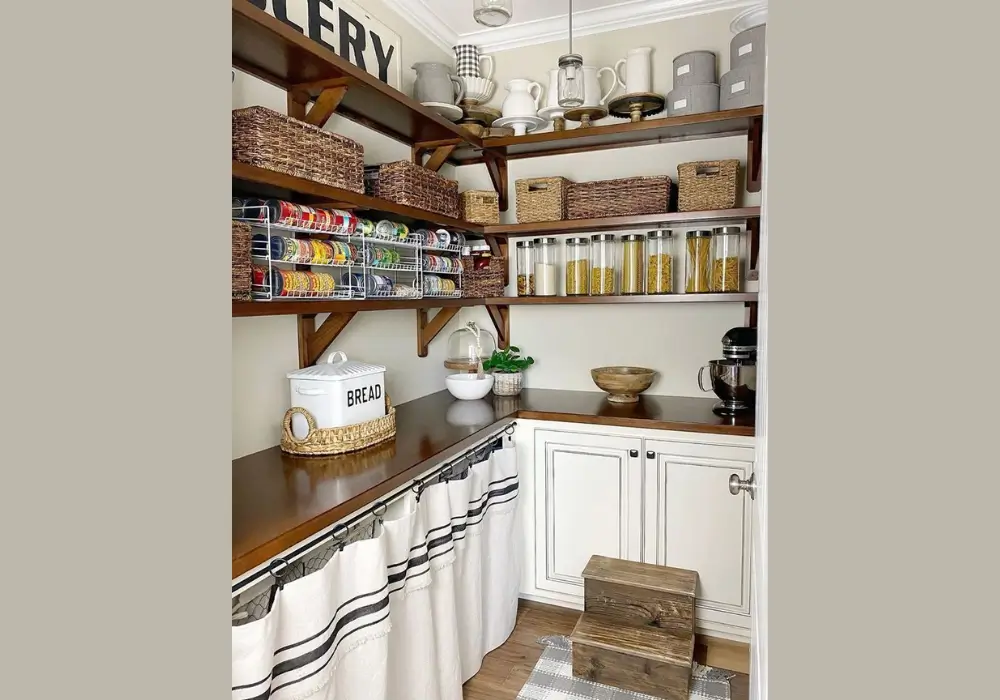
A rustic wooden pantry adds warmth and natural character to a kitchen. I often suggest this idea for homes that feature farmhouse or traditional design styles.
Wooden shelves, woven baskets, and natural textures create a cozy and welcoming storage space. The materials feel durable while also giving the pantry a timeless look.
I like combining reclaimed wood shelves with simple storage containers. This balance keeps the pantry functional while maintaining its rustic charm.
14. Pantry with Appliance Storage
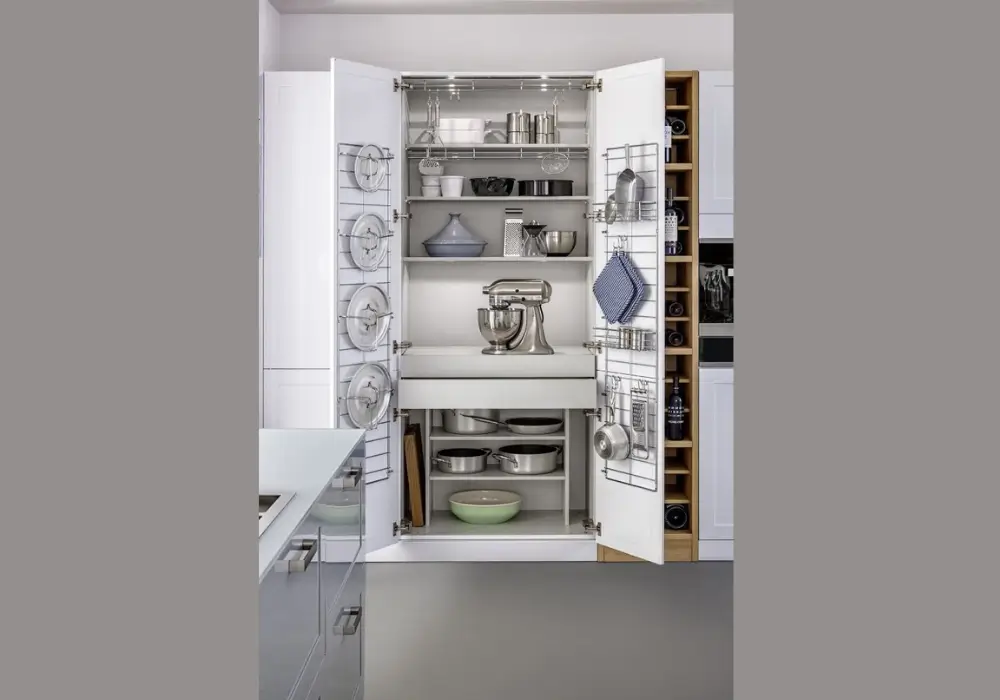
Small kitchen appliances can easily crowd countertops if they do not have a proper storage area. I often recommend creating a pantry section specifically for appliances.
Shelves inside the pantry can store mixers, blenders, coffee machines, or toasters. This keeps the main kitchen counters clear while still keeping appliances easy to reach.
I usually place heavier appliances on lower shelves for convenience. This arrangement makes the pantry both practical and organized for everyday cooking tasks.
15. Minimalist Pantry Design
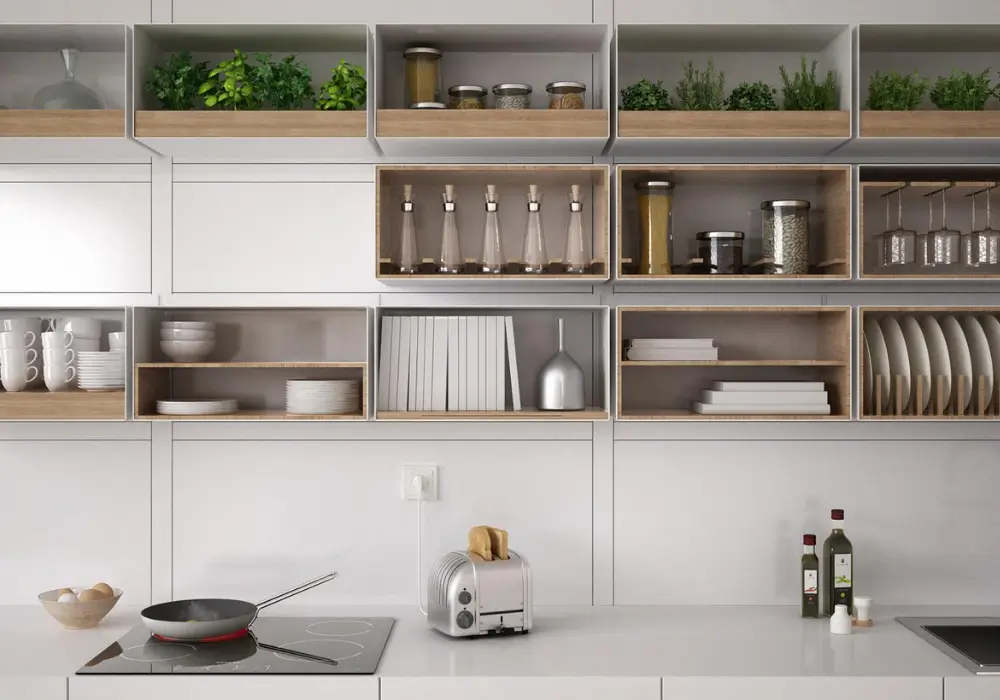
A minimalist pantry focuses on simplicity and order. I recommend this approach when someone wants a clean and calming kitchen environment.
The design usually includes neutral shelves, matching storage containers, and minimal visual clutter. Every item has a designated place, which keeps the pantry tidy.
I like using clear jars, simple labels, and balanced shelf spacing. This style creates a peaceful pantry that feels organized and easy to maintain every day.
Practical Tips for Organizing a Kitchen Pantry
Keeping a pantry organized makes everyday cooking easier and more efficient. I always focus on simple systems that help ingredients stay visible and easy to access.
Clear storage containers are one of the first things I recommend. They allow you to quickly see ingredients like rice, flour, or pasta without opening multiple packages. Grouping similar foods together also helps maintain order and saves time while cooking.
Another helpful approach is using vertical space wisely. Taller shelves or stackable bins increase storage without crowding the pantry. Good lighting also improves visibility and prevents items from getting lost in darker corners.
When everything has a clear place, the pantry becomes easier to maintain. A well-organized pantry not only stores food properly but also keeps the entire kitchen feeling calm and functional.
| Pantry Feature | Best Use | Benefit |
|---|---|---|
| Pull-Out Shelves | Narrow cabinets | Easy access to stored items |
| Clear Containers | Dry foods | Quick visibility and neat storage |
| Vertical Shelving | Small kitchens | Maximizes storage space |
| Drawer Storage | Snacks and packets | Better organization |
| Pantry Lighting | Walk-in pantries | Improved visibility |
Conclusion
A well-designed pantry can make a remarkable difference in how a kitchen functions every day. From compact pull-out cabinets to spacious walk-in storage, the right pantry setup keeps ingredients organized and easy to reach.
I always believe that thoughtful storage reduces clutter and makes cooking far more enjoyable. Simple changes such as labeled containers, smart shelving, and proper lighting can transform even a small pantry into a highly efficient space.
By exploring practical kitchen pantry ideas, you can create a storage system that fits your lifestyle while keeping the kitchen clean, organized, and ready for daily use.
FAQs
In my experience, the best approach is grouping similar items together and using clear containers. This makes ingredients easy to find and keeps the pantry visually tidy. Simple labeling also helps everyone in the household know where things belong.
A pantry usually stores dry goods such as pasta, rice, flour, canned foods, snacks, and baking ingredients. I also recommend keeping frequently used cooking supplies in the pantry so they stay easy to reach during meal preparation.
Pantry shelves typically work best when they are around 12 to 16 inches deep. This depth allows enough storage without pushing items too far back. I prefer shallower shelves because they keep ingredients visible and accessible.
Walk-in pantries provide more storage and better organization when space allows. However, cabinet pantries can work just as well in smaller kitchens. The most important factor is creating a system that keeps items easy to reach and well organized.