
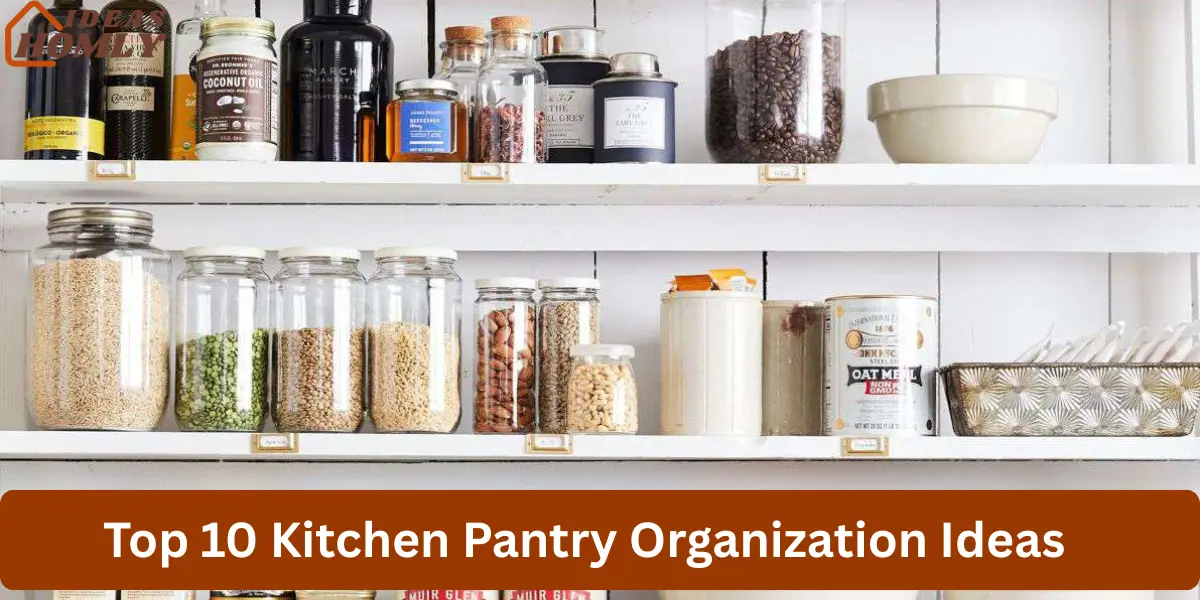

An unorganized pantry can quickly make a kitchen feel chaotic. When shelves become crowded and ingredients are hard to find, even simple cooking tasks start to feel frustrating.
I have noticed that a well-organized pantry not only saves time but also makes the entire kitchen feel calmer and easier to manage. Exploring practical kitchen pantry organization ideas can help transform cluttered shelves into a clean and efficient storage space.
With a few thoughtful changes, it becomes much easier to keep groceries visible, maintain order, and make everyday cooking far more convenient.
Smart Kitchen Pantry Organization Ideas for a Clutter-Free Space
A well-organized pantry makes daily cooking far more efficient. I often notice that when ingredients are easy to see and reach, the entire kitchen feels calmer and more functional.
Many pantries become messy simply because items lack a proper storage system. With the right organization methods, even a small pantry can feel spacious and easy to manage.
Below are practical pantry organization ideas that I often recommend for creating a cleaner and more efficient kitchen storage space.
1. Clear Container Pantry System
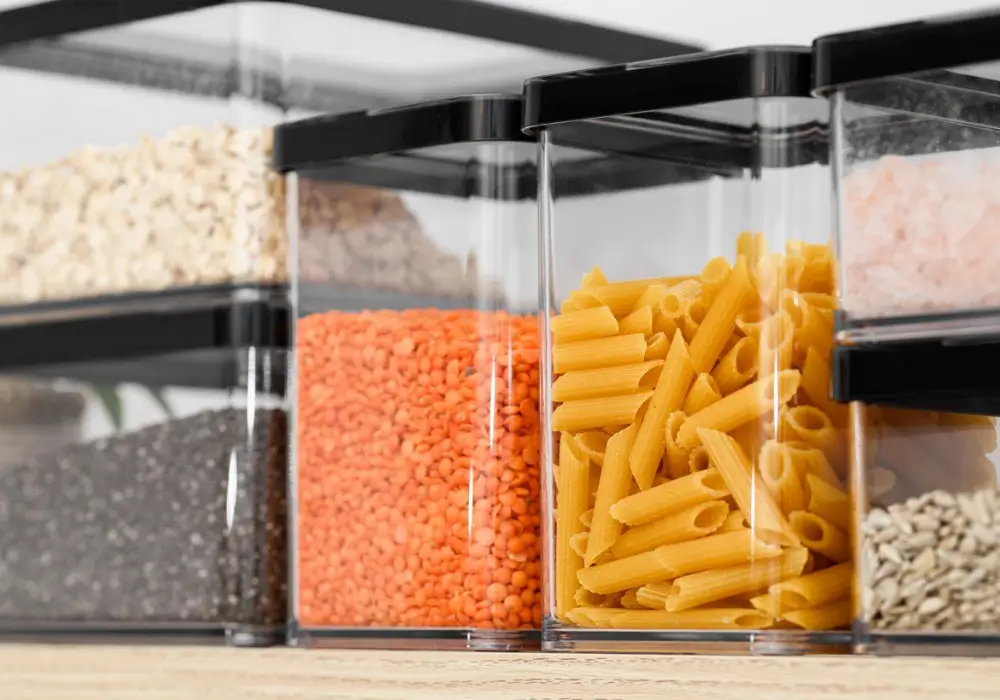
One of the simplest ways to organize a pantry is by using clear containers. I often recommend transferring dry ingredients such as flour, rice, pasta, and grains into transparent jars. This instantly removes clutter from mismatched packaging.
Clear containers allow you to see how much food remains without opening every package. This small change saves time while cooking and prevents buying duplicate groceries.
I also like using airtight containers because they help preserve freshness. When containers match in size and style, the pantry shelves immediately appear more structured and visually organized.
2. Labeled Pantry Storage
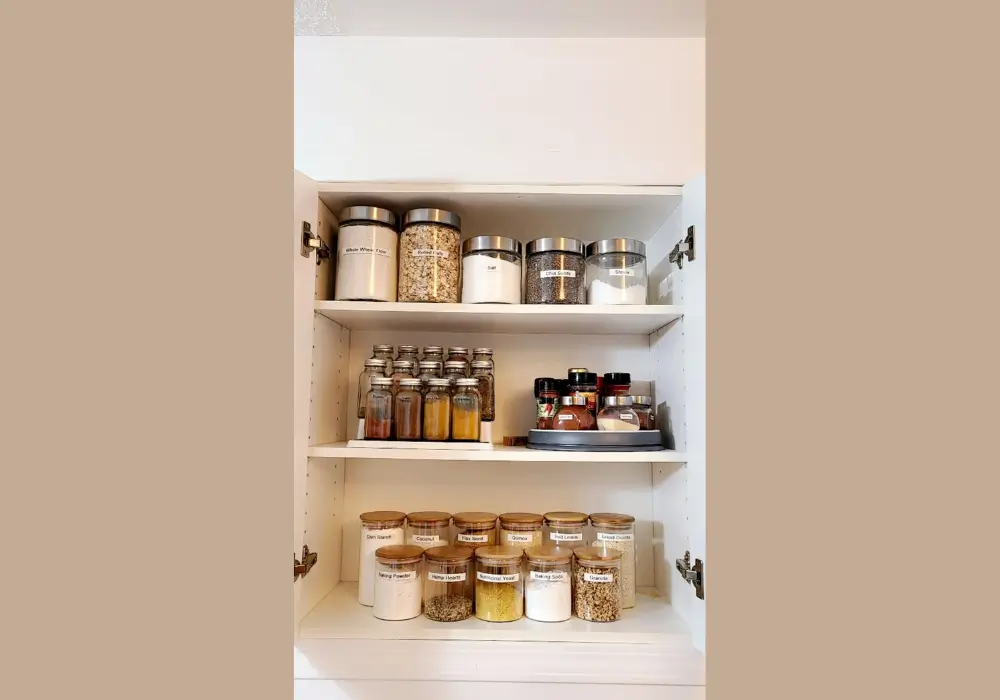
Labels can completely change how a pantry functions. I always suggest labeling containers, baskets, and shelves so every item has a clear place.
When ingredients are labeled, everyone in the household can easily return items to the correct spot. This keeps the pantry organized even after frequent use.
Labels also help identify similar ingredients quickly during cooking. I often find that labeled storage reduces confusion and maintains order in busy kitchens.
3. Tiered Shelf Organizers
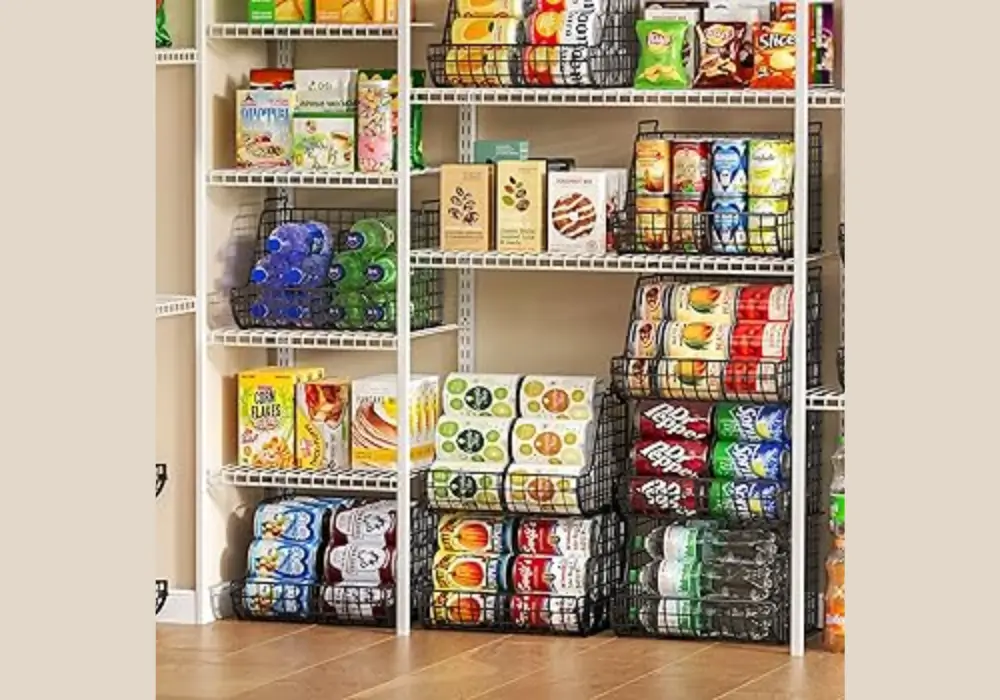
Tiered shelves are extremely helpful for organizing canned foods and small jars. I often recommend this solution when pantry shelves feel crowded.
These organizers raise items in the back so everything becomes visible. Instead of stacking cans on top of each other, each row remains easy to access.
Tiered shelves also prevent ingredients from getting lost behind other items. This simple addition improves both visibility and pantry efficiency.
4. Pantry Drawer Organization
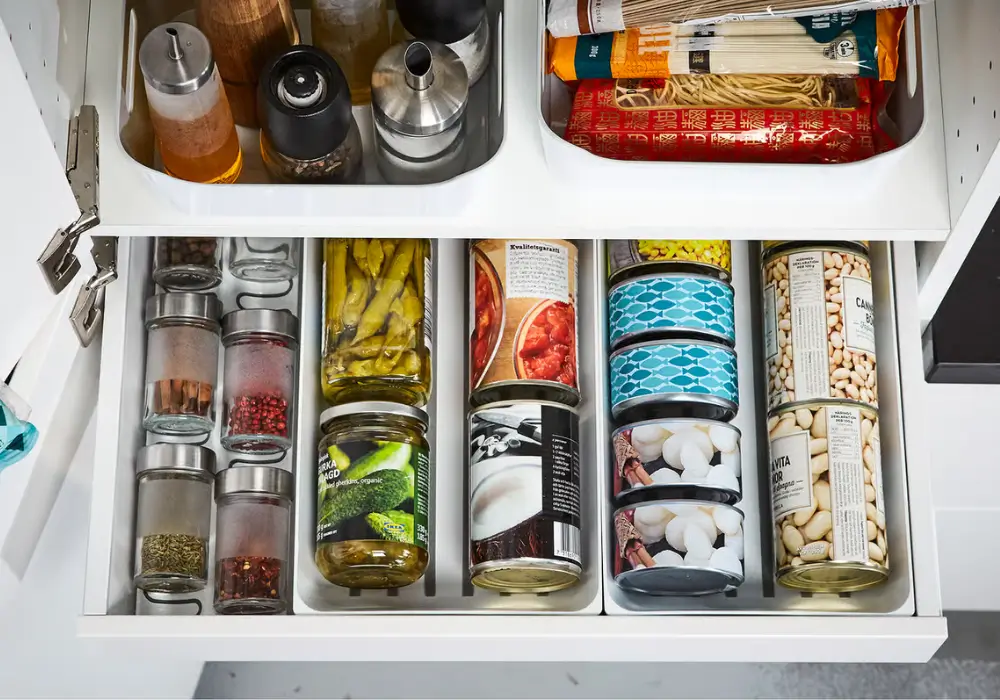
Drawers provide a practical way to organize pantry items that usually create clutter. I frequently recommend using drawers for snack packets, baking supplies, or small packaged foods.
When drawers slide open, everything becomes visible at once. This prevents items from disappearing in the back of deep shelves.
Dividers inside drawers can also help separate different categories. This small system keeps the pantry structured and easy to maintain.
5. Basket Storage System
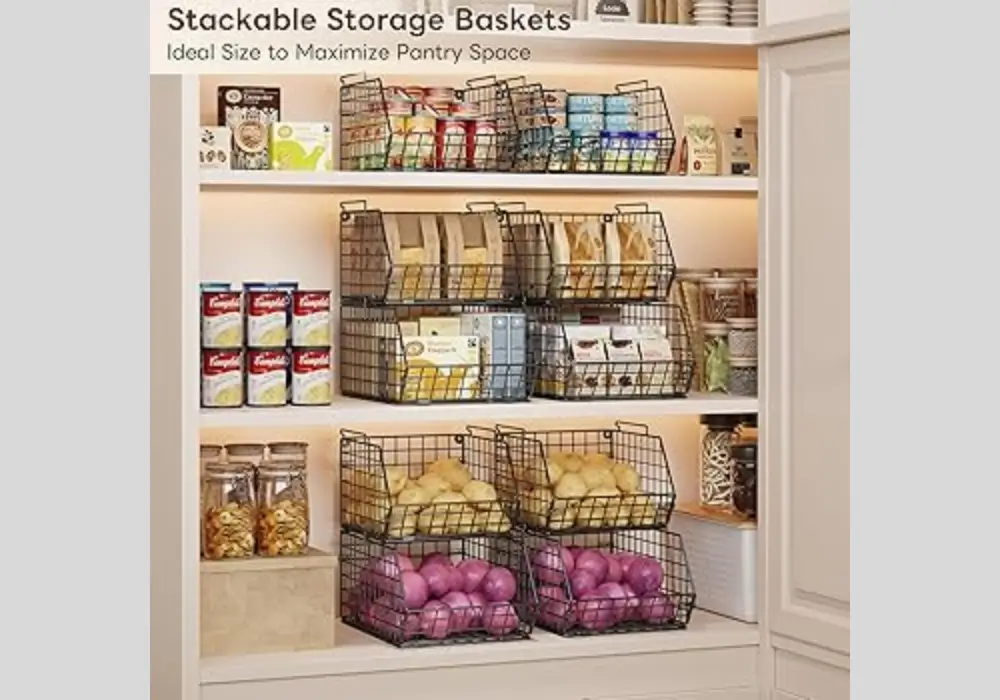
Baskets are excellent tools for grouping similar pantry items. I often use them to organize snacks, breakfast foods, or packaged ingredients.
Instead of placing everything directly on shelves, baskets create dedicated storage zones. This keeps the pantry from looking messy.
Baskets also make it easier to remove an entire group of items at once. I find this method especially useful in family kitchens.
6. Vertical Storage Pantry Setup
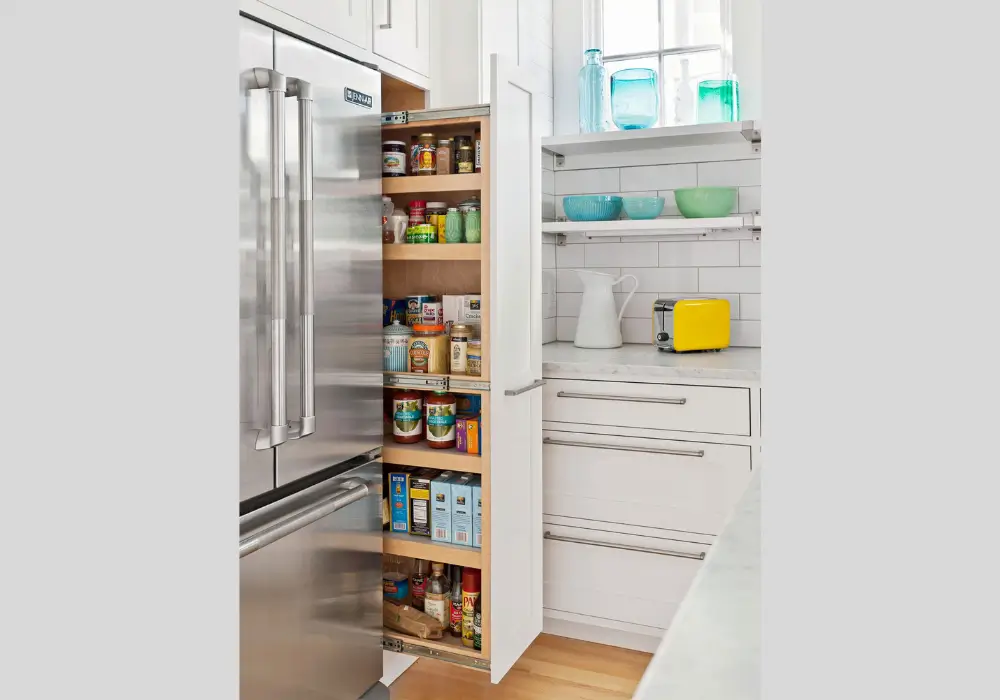
Using vertical space is one of the most effective pantry organization strategies. Many pantries waste valuable space above eye level.
Tall shelves allow you to store additional ingredients without expanding the pantry. I usually place frequently used items on middle shelves for convenience.
Upper shelves can hold bulk ingredients or extra grocery supplies. This layout maximizes storage while keeping the pantry functional.
7. Lazy Susan Pantry Organizer
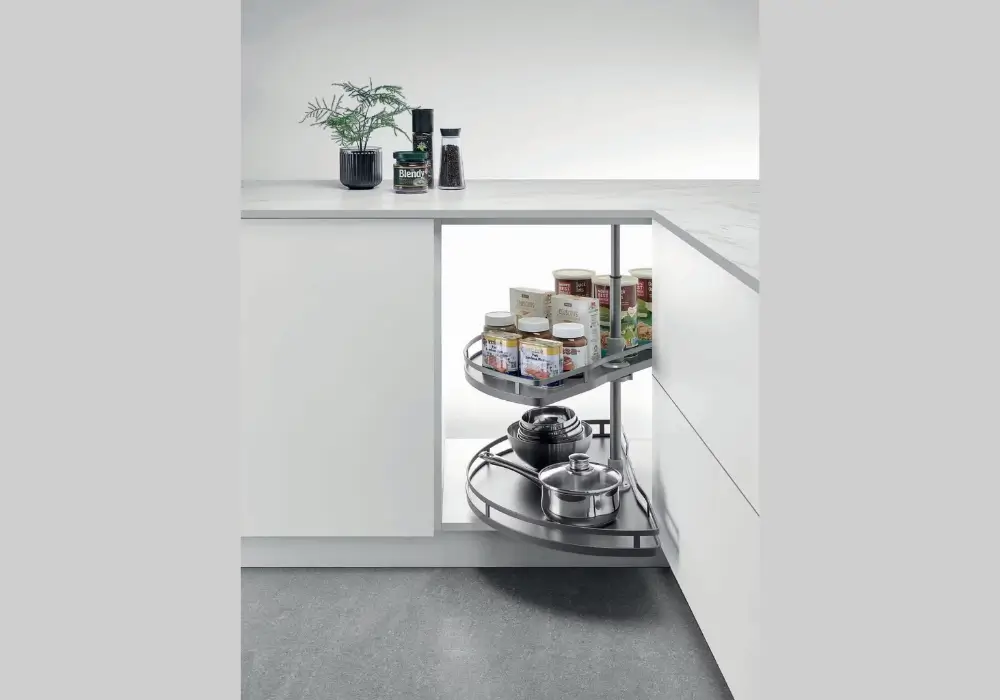
Lazy Susans work perfectly for organizing smaller pantry items. I often place them on shelves that store sauces, condiments, or spice jars.
The rotating tray allows quick access to items stored in the back. Instead of reaching behind other containers, you can simply turn the tray.
This simple tool keeps small bottles organized and prevents shelves from becoming cluttered. It also improves visibility inside the pantry.
8. Door Storage Pantry Racks
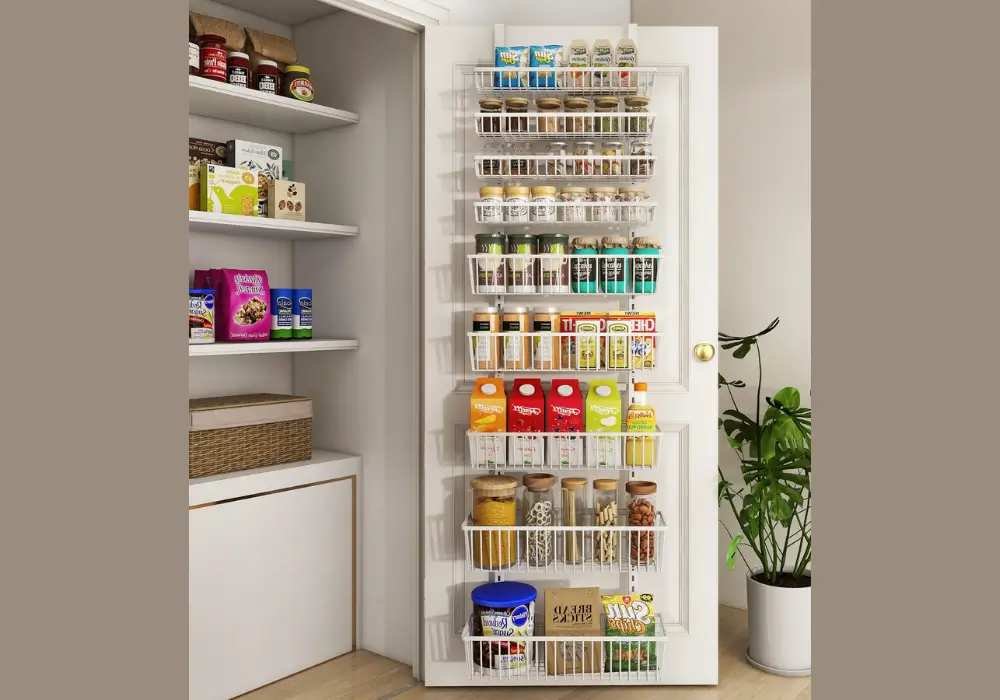
Pantry doors often offer valuable storage space that many people overlook. I usually recommend installing racks or narrow shelves inside the door.
These racks can hold spices, small jars, or packaged ingredients. This keeps frequently used items easy to reach.
Using door storage also frees up shelf space inside the pantry. The result is a more efficient and organized layout.
9. Pantry Zone Organization
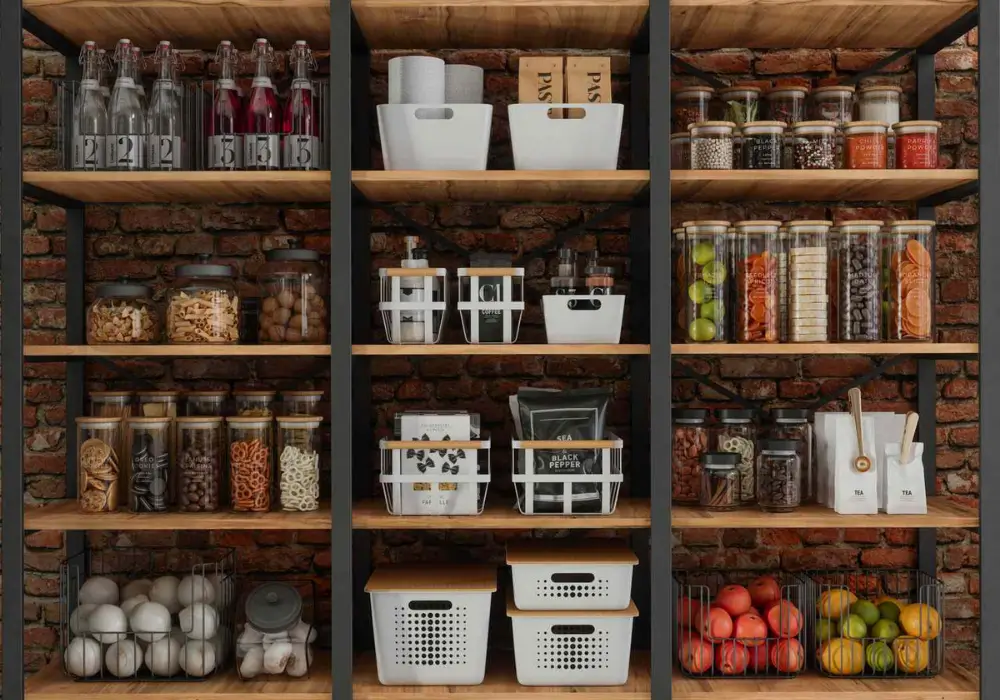
Creating zones inside the pantry helps maintain long-term organization. I usually divide pantry shelves into categories such as snacks, baking supplies, canned foods, and grains.
Each section then holds similar ingredients. This prevents items from mixing together and creating clutter.
When groceries arrive, placing them into the correct zone becomes simple. Over time, this system keeps the pantry consistently organized.
10. Minimal Pantry Organization
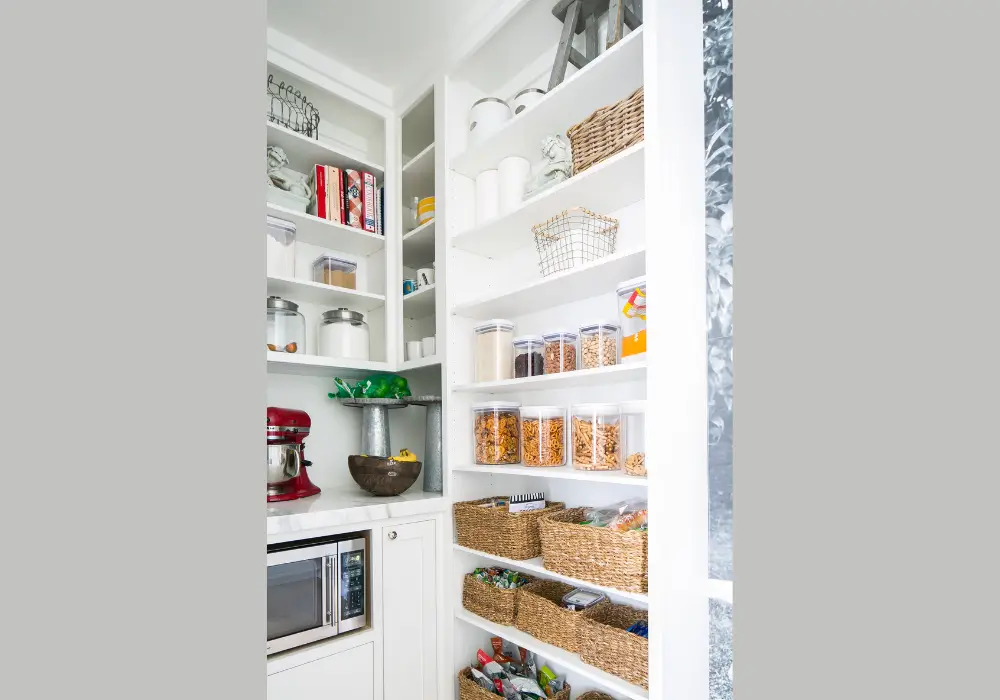
A minimalist pantry focuses on simplicity and order. I often recommend removing unnecessary packaging and keeping shelves visually clean.
Matching containers, neutral baskets, and limited decorations create a calm storage space. This approach also encourages better organization habits.
When fewer items appear on shelves, it becomes easier to maintain order. The pantry then feels spacious and easy to manage every day.
Practical Strategies to Maintain an Organized Pantry
Keeping a pantry organized requires simple habits and a clear storage system. I always focus on methods that keep ingredients visible and easy to access.
Small changes such as containers, proper grouping, and regular checks can prevent clutter from building up again. These strategies help maintain order even in busy kitchens.
Use Containers to Control Clutter
Containers help remove the chaos created by different food packages. I often recommend airtight containers for dry ingredients like rice, flour, and pasta.
They keep food fresh while making the pantry shelves look more structured and organized.
Group Similar Foods Together
Grouping similar items makes a pantry much easier to navigate. I usually keep snacks in one area, baking ingredients in another, and canned goods on a separate shelf.
This system prevents ingredients from mixing together and saves time when cooking.
Maximize Vertical Pantry Space
Using vertical storage helps increase pantry capacity without adding new shelves. I recommend stacking bins or using taller shelves to utilize empty upper areas.
This approach allows more ingredients to fit while keeping the pantry organized.
Rotate and Check Pantry Items Regularly
Regularly checking pantry items helps maintain freshness and organization. I usually move older items to the front so they get used first.
This habit reduces food waste and keeps the pantry from becoming overcrowded.
Pantry Organization Tools and Benefits
| Organization Tool | Best For | Key Benefit |
|---|---|---|
| Clear Containers | Dry ingredients | Easy visibility |
| Basket Storage | Snacks & packets | Keeps items grouped |
| Tiered Shelves | Canned foods | Better access |
| Lazy Susan | Sauces & jars | Easy rotation |
| Door Racks | Small items | Extra storage space |
Conclusion
A well-organized pantry can make a noticeable difference in how smoothly a kitchen operates. When ingredients stay easy to see and reach, cooking becomes quicker and far less stressful.
I have often found that small changes like clear containers, labeled storage, and smart shelf organization can completely transform a cluttered pantry. The goal is not just to make the shelves look neat but to create a system that stays practical for everyday use.
By applying simple kitchen pantry organization ideas, you can maintain a cleaner space, reduce food waste, and keep your kitchen running efficiently every day.
FAQs
The best approach is to create a simple system that keeps ingredients visible and grouped by category. I often recommend using clear containers, labels, and storage baskets. These tools help maintain order and make items easier to find during cooking.
Keeping shelves organized requires consistent habits. I usually suggest returning items to their designated spots and avoiding overcrowding shelves. Regularly checking and reorganizing the pantry also helps prevent clutter.
Airtight clear containers work best because they keep ingredients fresh while making them easy to identify. I prefer stackable containers because they save space and keep pantry shelves looking neat.
Dry foods such as flour, rice, pasta, cereal, sugar, and grains store best in containers. Keeping these ingredients sealed protects them from moisture and pests while maintaining freshness.