


The kitchen sink handles some of the busiest tasks in any home, from washing dishes to preparing ingredients. I often notice that the right sink can change how comfortable and efficient a kitchen feels during everyday use.
Size, material, and installation style all influence how well the sink fits into the overall layout. While exploring different layouts and designs, I realized that thoughtful kitchen sink ideas can improve both functionality and appearance.
Choosing the right sink design not only makes cleaning easier but also helps create a kitchen that feels more organized and practical.
Practical Kitchen Sink Ideas That Improve Everyday Kitchen Use
A kitchen sink does much more than hold water for washing dishes. When I analyze well-designed kitchens, the sink often plays a central role in how smoothly daily tasks happen.
The right sink design can make cleaning faster, improve food preparation, and even enhance the overall appearance of the kitchen.
Different sink styles offer different advantages depending on the kitchen layout and cooking habits. Some sinks provide larger basins for washing cookware, while others focus on saving space or adding modern convenience.
Choosing the right design can significantly improve how comfortable the kitchen feels during everyday use.
1. Farmhouse Apron Front Sink
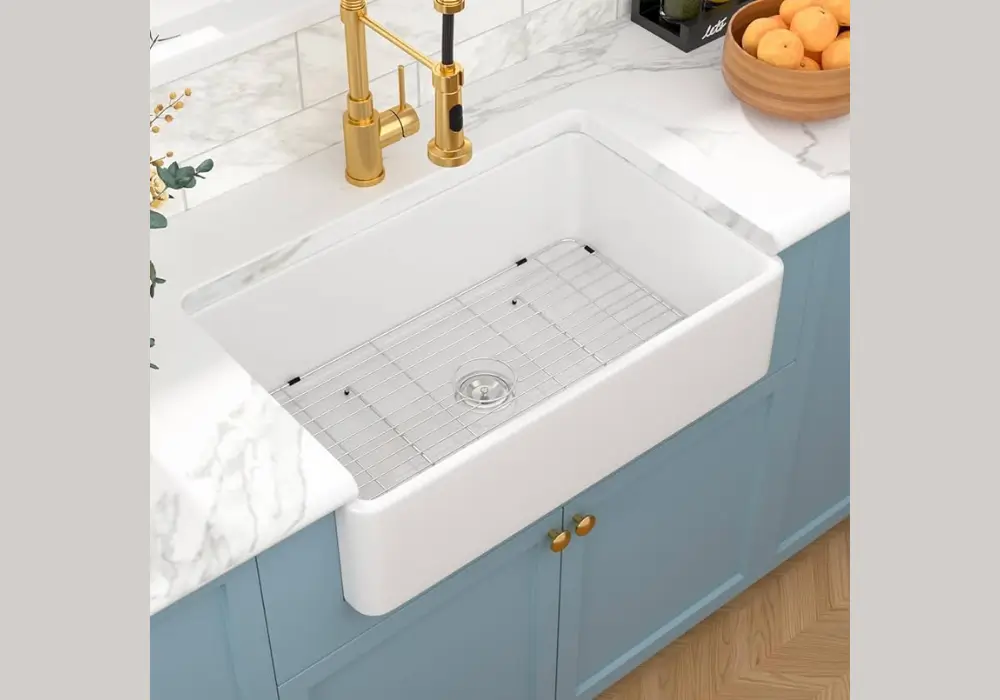
Farmhouse sinks remain one of the most recognizable kitchen sink styles. I often see homeowners choose this design because the deep basin makes washing large pots, pans, and baking trays much easier. The exposed front panel also adds a traditional character that stands out in many kitchens.
These sinks usually feature ceramic or fireclay materials that provide durability and a clean appearance. The large basin allows plenty of space for soaking dishes and handling heavy cookware without difficulty.
Another advantage is comfort during use. Because the sink sits slightly forward, it reduces the need to lean over the counter while washing dishes. This design improves both convenience and efficiency in daily kitchen tasks.
2. Undermount Kitchen Sink
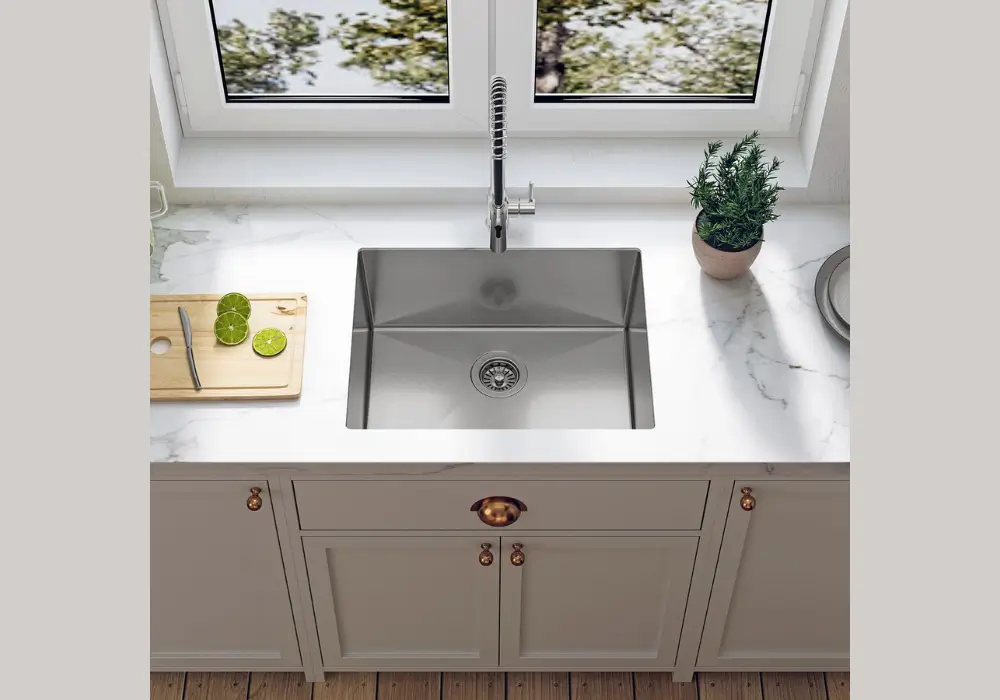
Undermount sinks create a seamless transition between the countertop and the sink basin. I often recommend this design for modern kitchens because it keeps the countertop surface smooth and uncluttered. The sink attaches beneath the counter instead of resting on top.
This installation style makes cleaning easier. Crumbs and water can be wiped directly from the countertop into the sink without getting stuck on the rim.
Undermount sinks also create a more minimal appearance. They blend naturally with stone countertops such as granite or quartz, allowing the countertop surface to remain the visual highlight of the kitchen.
3. Double Bowl Kitchen Sink
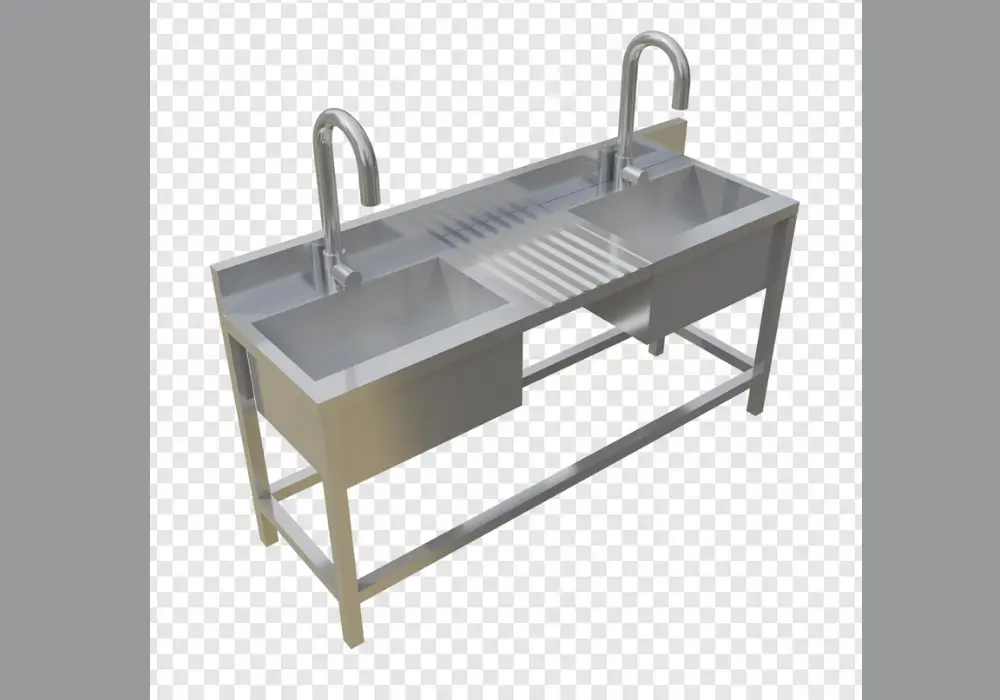
Double bowl sinks offer flexibility for kitchens where multiple tasks happen at the same time. I often see families prefer this design because one basin can hold dirty dishes while the other remains available for rinsing or food preparation.
This setup allows better organization during busy cooking sessions. For example, vegetables can be washed in one bowl while dishes soak in the other.
Another advantage is improved workflow. By separating tasks into two basins, the sink area stays more organized and efficient. This design works especially well in kitchens where cooking and cleaning often happen simultaneously.
4. Single Bowl Deep Sink
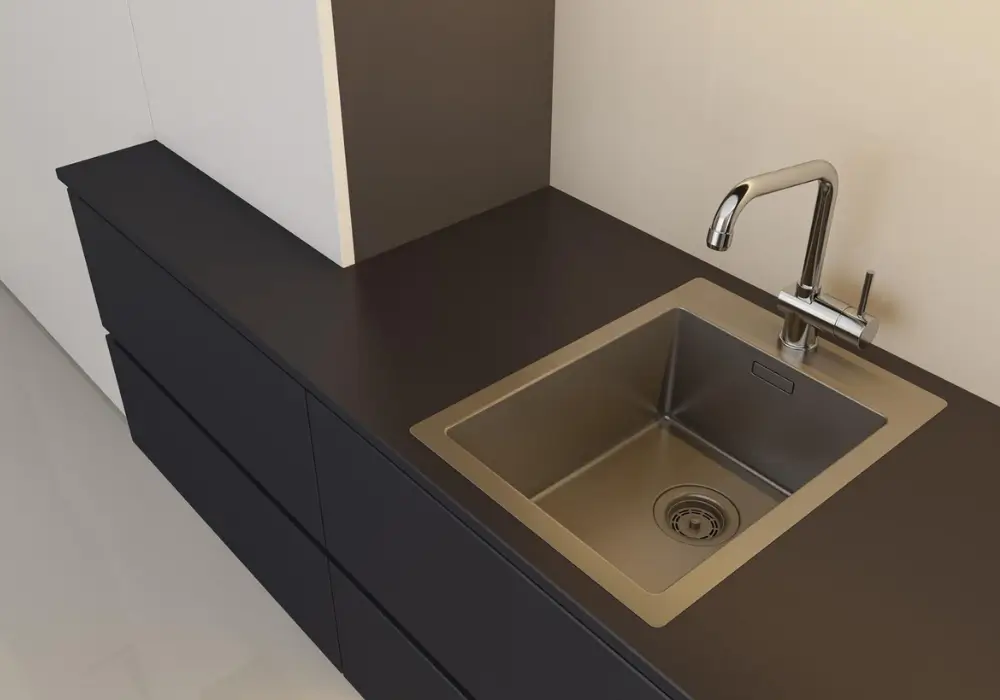
A single bowl deep sink provides a large uninterrupted basin that handles oversized cookware easily. I often recommend this option for people who frequently cook with large pots, roasting pans, or baking trays.
The spacious basin allows dishes to fit comfortably without bumping into a divider. This makes washing bulky kitchen equipment much simpler.
Another benefit is simplicity. Without multiple compartments, the sink maintains a clean and modern appearance while offering maximum space for washing and rinsing tasks.
5. Workstation Kitchen Sink
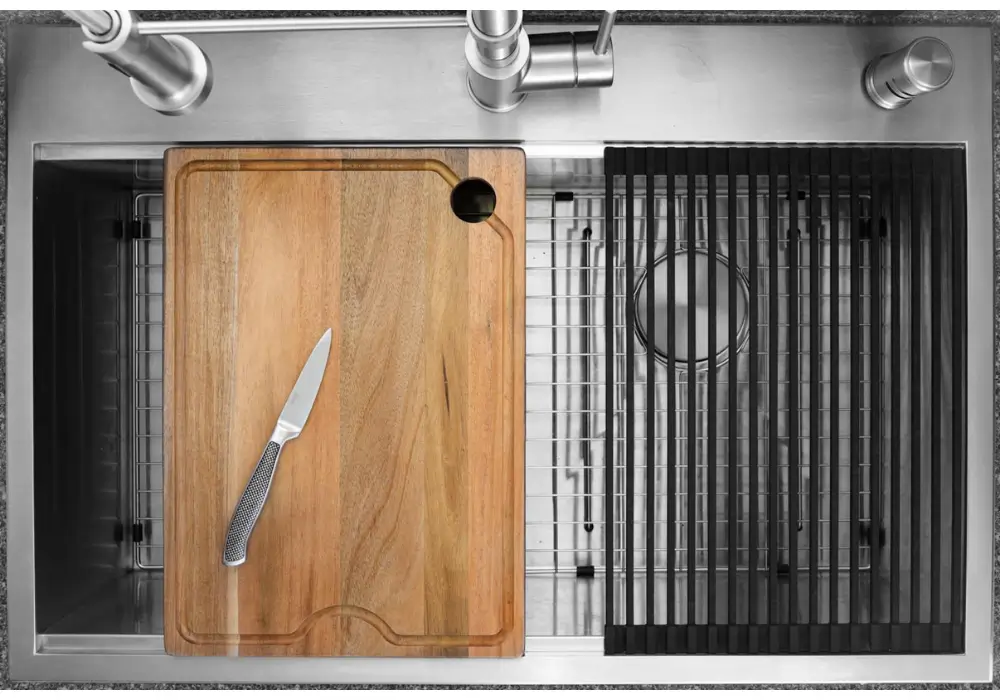
Workstation sinks combine multiple functions within the sink area itself. I often admire this design because it includes built-in accessories such as cutting boards, drying racks, and strainers that slide along the sink edges.
These accessories transform the sink into a small food preparation station. Vegetables can be chopped, washed, and drained directly above the sink without using extra counter space.
This design is especially helpful in kitchens with limited workspace. By combining preparation and cleaning in one area, the workstation sink improves efficiency and reduces clutter.
6. Granite Composite Sink
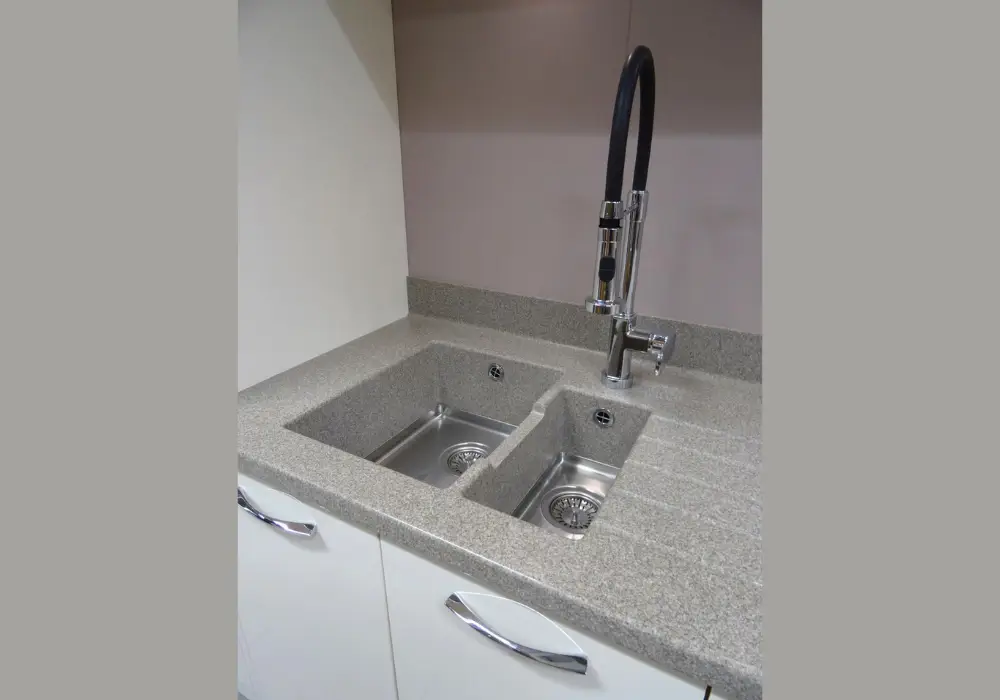
Granite composite sinks combine crushed stone particles with resin to create a durable surface. I often recommend this material for homeowners who want a sink that resists scratches, heat, and stains.
The matte texture also adds a modern appearance that complements contemporary kitchen designs. Many kitchens choose dark tones such as black or charcoal for a bold look.
Another advantage is durability. Granite composite sinks maintain their appearance even with heavy daily use, which makes them suitable for busy kitchens.
7. Corner Kitchen Sink
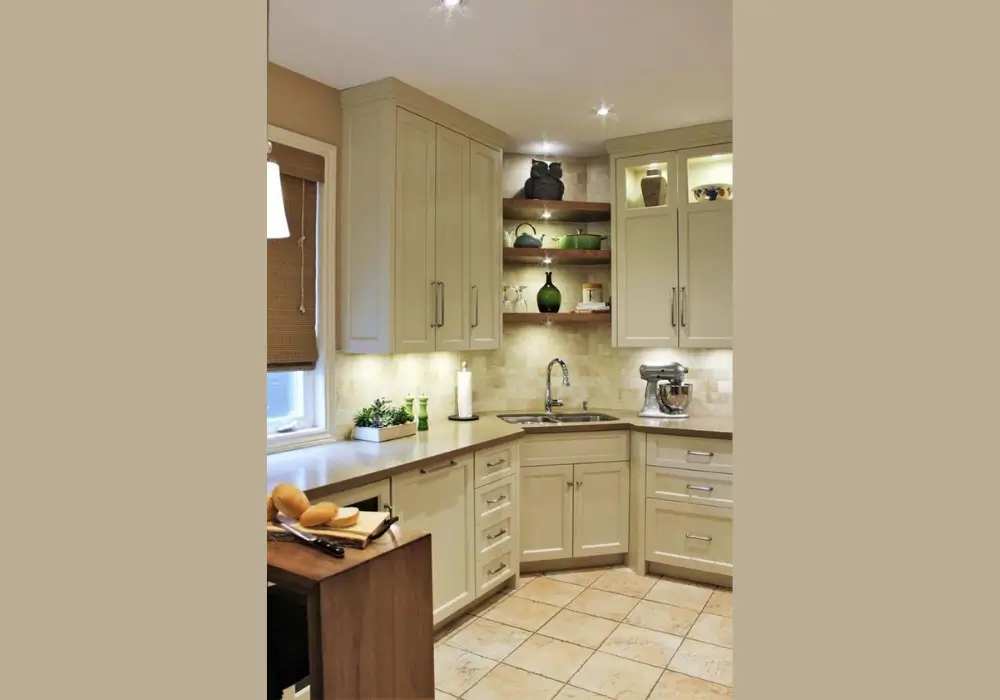
Corner sinks make use of areas that often remain unused in kitchen layouts. I sometimes see this design used in compact kitchens where maximizing counter space becomes important.
By placing the sink in the corner, additional countertop areas remain available for food preparation. This arrangement can also create a unique and efficient workflow.
Corner sinks often include two small basins that fit neatly into the angled cabinet. This layout helps utilize space that might otherwise go to waste.
8. Integrated Sink and Countertop
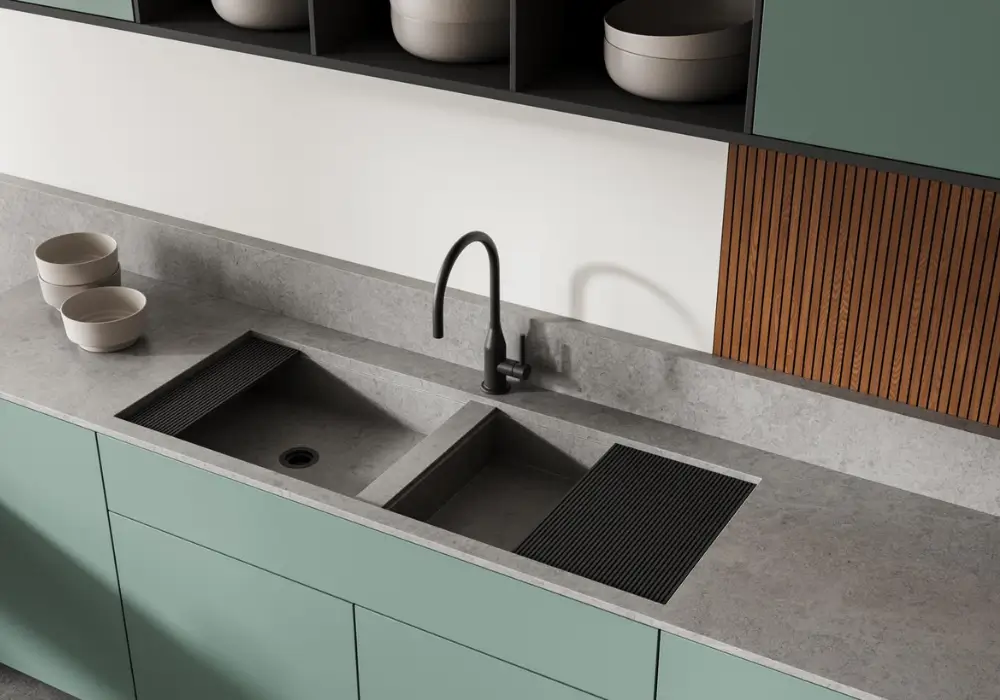
Integrated sinks create a seamless design where the sink and countertop appear as one continuous surface. I often appreciate this approach because it eliminates visible seams and edges.
This design improves hygiene and cleaning. Without joints or gaps, food particles and water cannot collect around the sink edges.
Integrated sinks also create a sleek and modern appearance. Many contemporary kitchens use solid surface materials to achieve this smooth and minimal look.
9. Copper Kitchen Sink
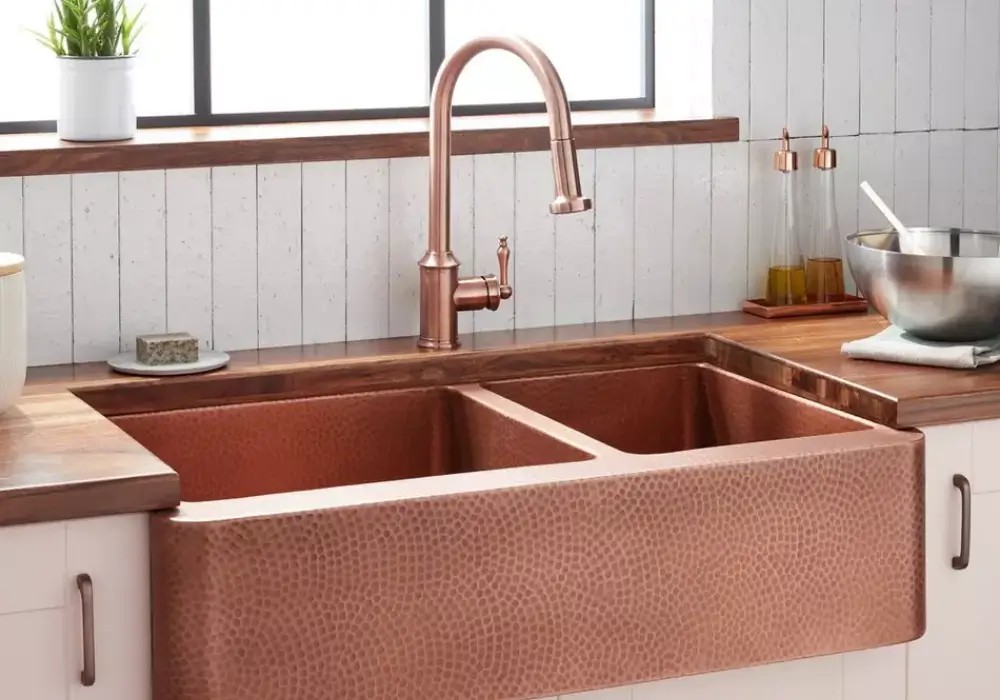
Copper sinks introduce warmth and rustic character into the kitchen. I often see them used in farmhouse or traditional kitchens where natural materials play an important role in the design.
The surface of copper develops a natural patina over time. This gradual color change adds personality and uniqueness to the sink.
Copper also offers natural antibacterial properties. This feature can help maintain better hygiene in the kitchen while adding a distinctive visual element.
10. Black Matte Kitchen Sink
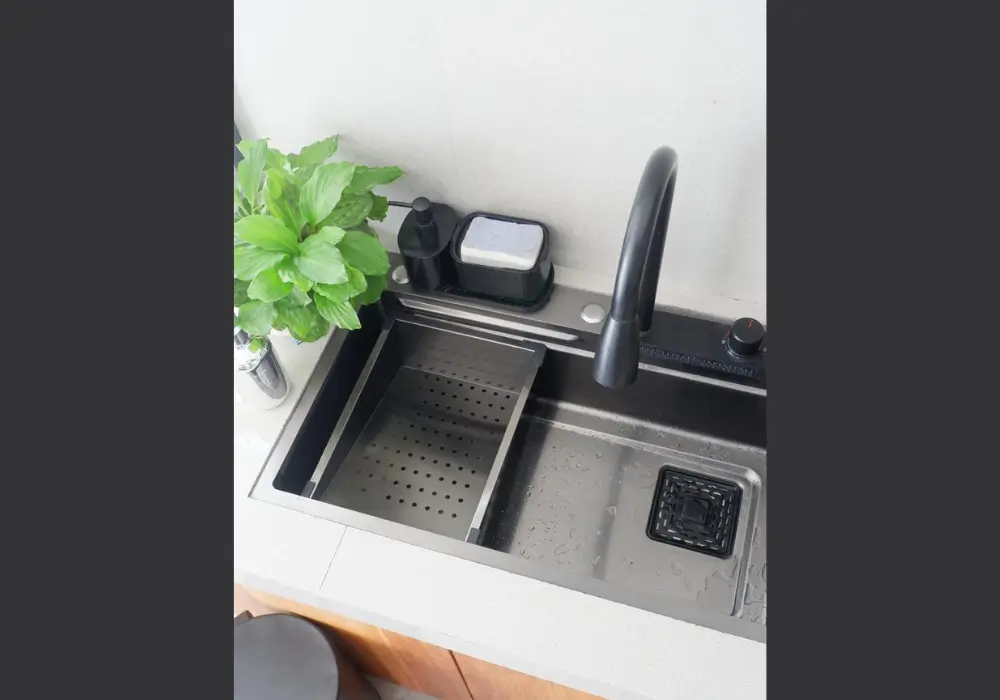
Black matte sinks create a bold and modern focal point in the kitchen. I often recommend them when homeowners want contrast against lighter countertops or cabinets.
The matte finish reduces glare and creates a sophisticated appearance. Many contemporary kitchens pair black sinks with matching faucets for a coordinated design.
Another advantage is practicality. Matte surfaces tend to hide water spots and fingerprints better than glossy finishes, which helps maintain a cleaner look.
11. Smart Touchless Kitchen Sink
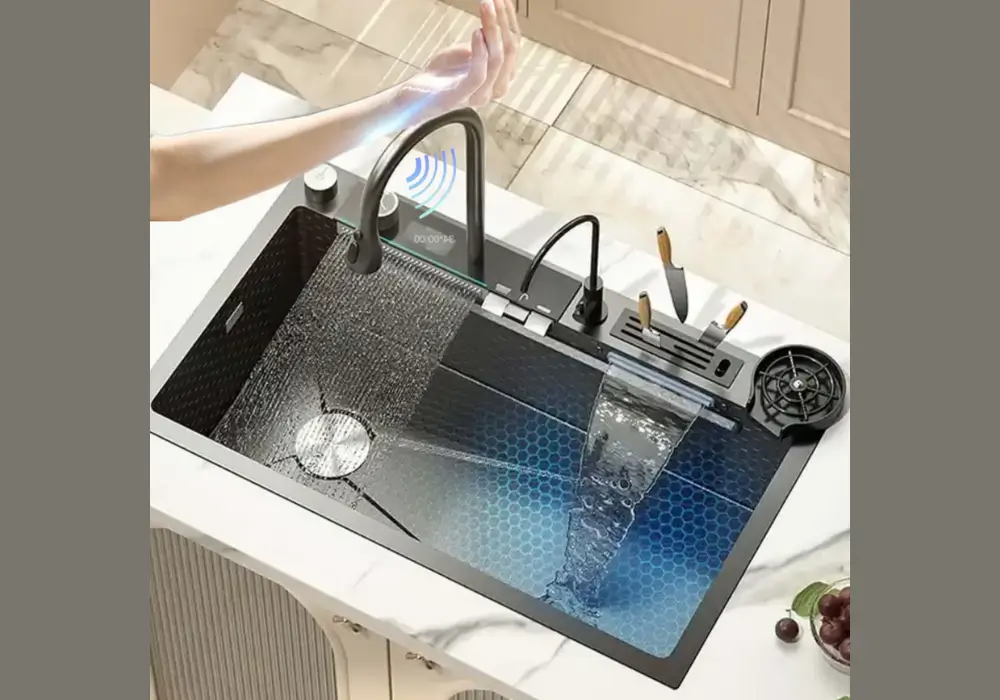
Touchless sinks introduce modern convenience into the kitchen through motion sensor technology. I often see this feature in newer kitchens where hygiene and efficiency are important priorities.
The sensor allows water to start flowing when hands move near the faucet. This makes it easier to wash hands or rinse dishes without touching the handle.
Touchless systems also help reduce the spread of germs during cooking. Because the faucet remains hands-free, the sink stays cleaner while improving overall kitchen hygiene.
Important Things to Consider Before Choosing a Kitchen Sink
Choosing the right kitchen sink involves more than selecting a design that looks attractive. When I evaluate different kitchens, I usually start by considering how the sink will function during daily tasks. A sink should support washing, food preparation, and cleaning without making the workspace feel cramped.
Material, size, and installation style also influence long-term convenience. Some sinks resist scratches better, while others focus on visual appearance. By carefully thinking about these factors, homeowners can select a sink that remains practical and durable for everyday kitchen use.
Choose the Right Sink Material
Sink material affects durability, maintenance, and overall appearance. I often recommend stainless steel or granite composite sinks because they resist stains and scratches well.
Fireclay and copper sinks offer distinctive looks, but they may require slightly more care. Choosing the right material helps ensure the sink remains functional for many years.
Select the Best Sink Size for Your Kitchen
Sink size should match both the countertop space and the cooking habits of the household. Larger sinks work well for washing bulky cookware, while compact sinks suit smaller kitchens.
I usually suggest measuring the cabinet space carefully before choosing a sink to ensure proper installation.
Consider Your Kitchen Layout
The placement of the sink should support the kitchen workflow. In many kitchens, the sink sits between the refrigerator and cooking area to create a natural preparation zone.
This layout helps reduce unnecessary movement during cooking and cleaning tasks.
Think About Maintenance and Durability
Every sink material requires a different level of care. Some finishes show water spots more easily, while others resist stains and scratches.
I often suggest choosing a sink that balances durability with easy cleaning so it stays attractive with minimal effort.
Match the Sink with Your Countertop Style
A sink should complement the countertop rather than compete with it. Undermount sinks pair well with stone countertops, while farmhouse sinks add character to rustic kitchens.
Matching materials and colors helps create a balanced and cohesive kitchen design.
| Sink Type | Best For | Style |
|---|---|---|
| Farmhouse Sink | Large Kitchens | Traditional |
| Undermount Sink | Modern Kitchens | Minimal |
| Double Bowl Sink | Busy Kitchens | Practical |
| Granite Composite Sink | Heavy Use | Contemporary |
| Copper Sink | Rustic Kitchens | Decorative |
Conclusion
The kitchen sink plays a central role in how efficiently a kitchen works every day. When I look at well-designed kitchens, I often notice that the right sink choice improves both comfort and functionality.
From farmhouse sinks to modern workstation designs, each option offers unique benefits depending on cooking habits and kitchen layout.
Choosing the right sink means considering durability, size, and how it fits into the overall design. A thoughtfully selected sink can simplify cleaning tasks while also enhancing the kitchen’s appearance.
With the right design, the sink area becomes a practical workspace that supports daily cooking and cleaning routines.
FAQs
Granite composite and stainless steel sinks are known for their durability. They resist scratches, heat, and stains better than many other materials. With proper care, these materials can maintain their appearance and performance for many years.
Farmhouse sinks are very practical for everyday use because they usually have deep basins. The extra depth allows large cookware to fit comfortably. Many homeowners also appreciate the comfortable front design that reduces the need to lean forward while washing dishes.
Granite composite and stainless steel sinks are known for their durability. They resist scratches, heat, and stains better than many other materials. With proper care, these materials can maintain their appearance and performance for many years.
Stainless steel sinks are usually the easiest to maintain because they resist stains and require simple cleaning. Granite composite sinks also perform well since they hide scratches and water spots better than many glossy materials.