
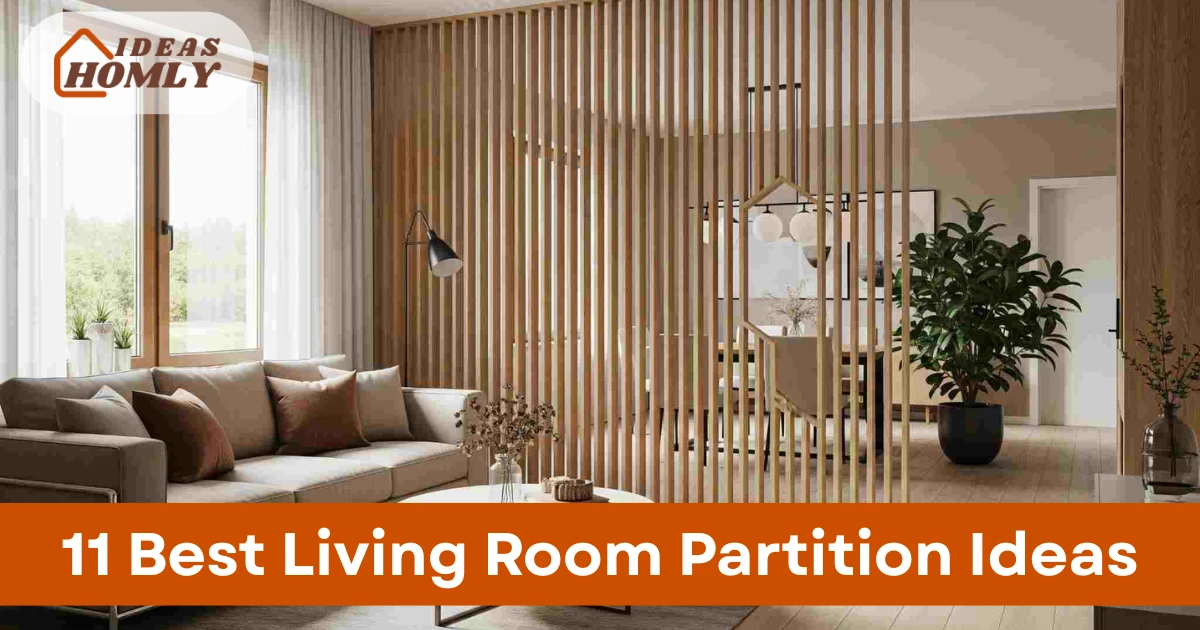

I often feel like my living room is just one giant box where everything from the sofa to the dining table fights for attention. You do not need a construction crew to create separate zones that make your floor plan feel more organized and private.
Why Adding A Living Room Partition Improves Your Daily Life
Creating distinct zones helps your brain switch from work mode to relaxation mode without moving into a completely different room in the house. I find that a well placed divider stops the television noise from bothering people who are trying to enjoy a quiet meal nearby.
Using a partition allows you to hide the inevitable clutter of a home office or a kid’s play area from your main seating space. It is much easier to enjoy a movie when you aren’t staring at a pile of laundry or a desk covered in messy papers.
Vertical dividers provide a great opportunity to add more style and texture to a room that might otherwise feel a bit flat or boring. I like how a simple screen can act as a piece of art while serving a functional purpose for everyone in the home.
Most open floor plans lack the architectural character that older homes have so a divider helps recreate that cozy and intentional feeling of separate rooms. It keeps the space looking professional and well planned rather than just a random collection of furniture in a large hall.
1. Open Backed Bookshelf Dividers
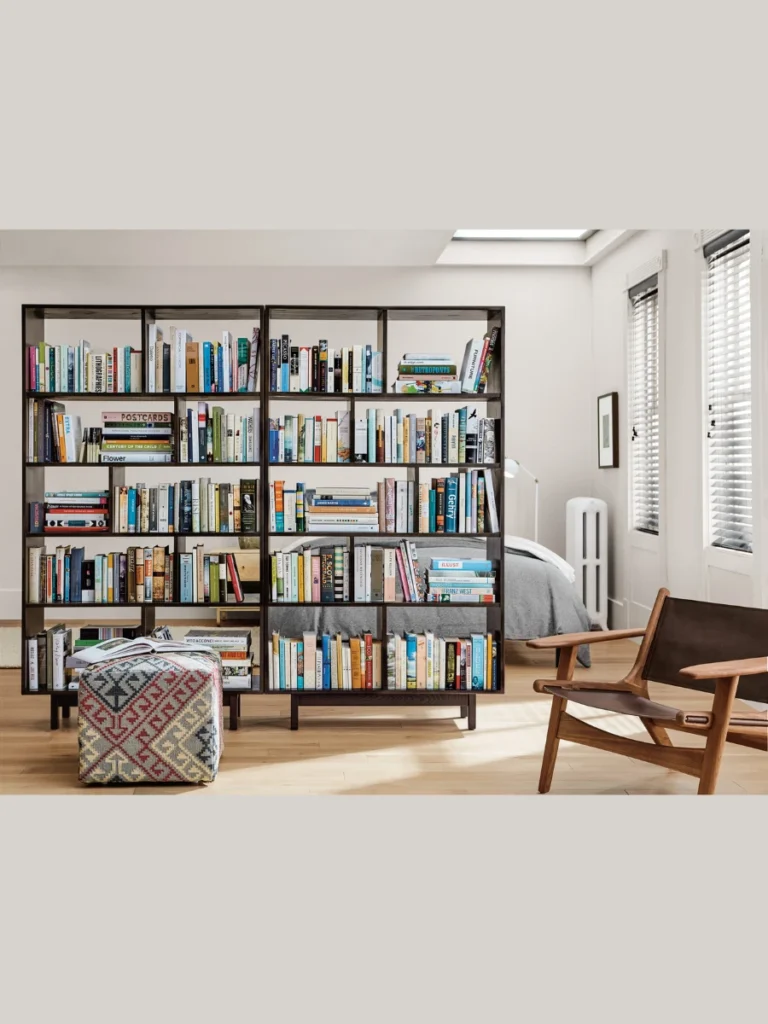
I find that using a tall bookshelf without a back panel is the smartest way to divide a room while keeping it feeling airy. It allows light to pass through from the windows while providing a massive amount of extra storage for your favorite novels and plants.

Baitiane Metal Wall Art Decor- Pine Tree Rustic Cabin Decoration - Modern Home Hanging for Living Room, Bedroom, Office, Farmhouse - Elegant Gift Idea for Housewarming Indoor & Outdoor (S) 15.8"x8.7"
Baitiane Metal Wall Art Decor- Pine Tree Rustic Cabin Decoration - Modern Home Hanging for…
You should choose a unit that reaches almost to the ceiling to create the illusion of a real wall without the permanence of drywall. I like to mix books with decorative glass vases and small sculptures to keep the shelves from looking too heavy or cluttered.
This setup works perfectly for separating a reading nook from a busy entryway where you want a bit of a visual buffer from the door. It gives you a place to display your personality through your collection of items while clearly marking where one zone ends and another begins.
Make sure to secure the shelf to the wall or floor so it stays sturdy even if someone bumps into it during a busy party. I always suggest using a finish that matches your other furniture to ensure the new divider looks like a natural part of your home.
2. Sliding Glass And Metal Panels
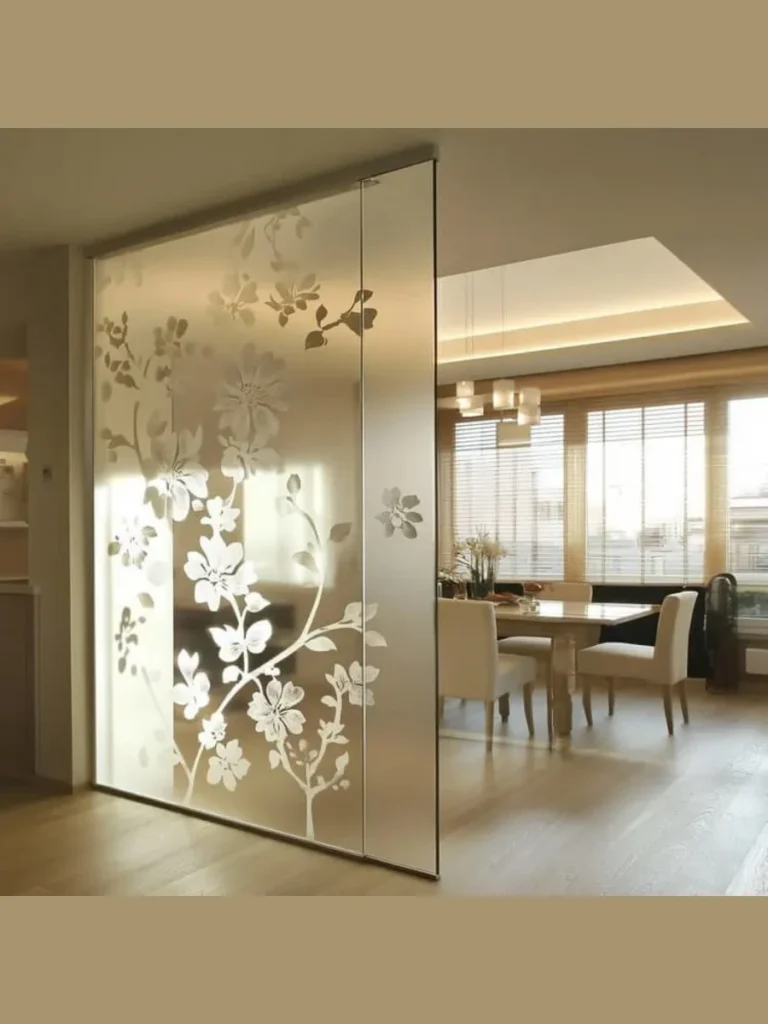
Glass panels with thin metal frames offer a sleek and modern way to define a room without losing a single drop of natural sunlight. I love how they provide a clear boundary that feels high end and professional like something you would see in a luxury loft.
You can choose frosted or fluted glass if you need a bit more privacy for a home office area while still keeping the space bright. It stops the room from feeling like a small dark box which is a common problem with solid walls or heavy curtains.
The sliding mechanism allows you to open the space back up whenever you want to host a large gathering or clean the floors with ease. I find that the industrial look of the black metal frames adds a sharp and clean contrast to soft white or grey walls.
Installing these usually requires a professional touch for the tracks but the result is a permanent upgrade that significantly increases the value of your home. It is a smart investment for anyone who wants a flexible living space that can adapt to different needs throughout the day.

BATHEBRIGHT Led Strip Lights 15M,Music Sync RGB Bluetooth Color Changing Flexible LED Light Strips,with Smart App Control Remote, Led Lights for Bedroom Room Lighting Flexible Home Decoration
BATHEBRIGHT Led Strip Lights 15M,Music Sync RGB Bluetooth Color Changing Flexible LED Light Strips,with Smart…
3. Floor To Ceiling Wooden Slats
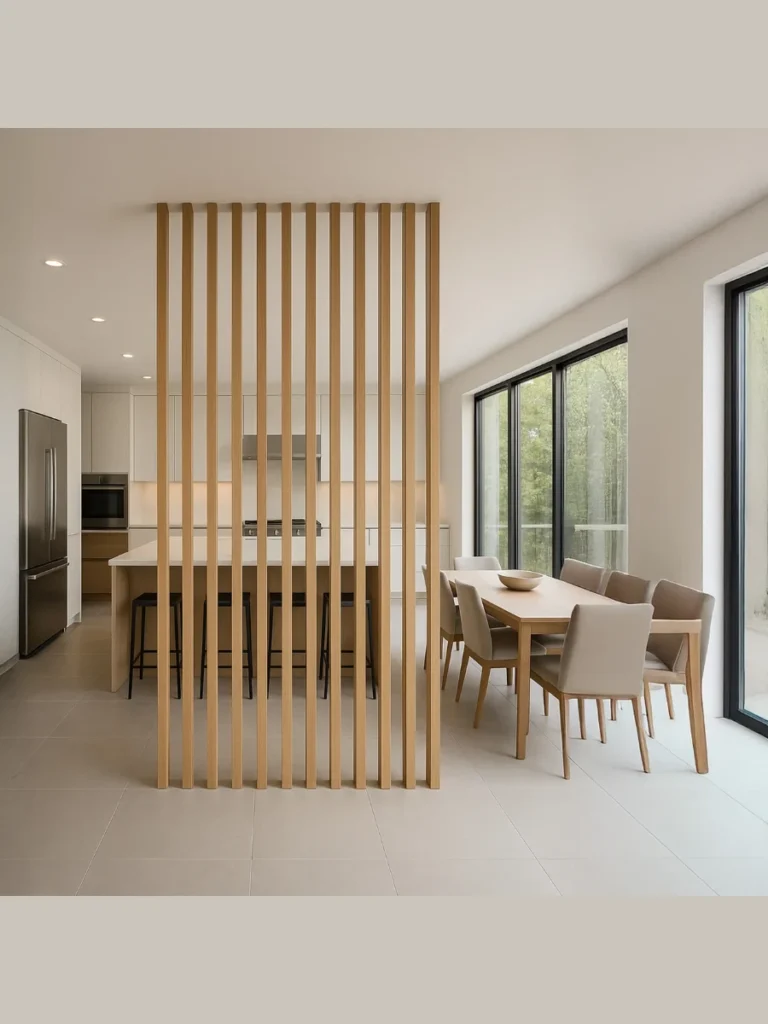
Vertical wooden slats provide a beautiful organic texture that feels warm and inviting while creating a very strong sense of separation between zones. I enjoy how the gaps between the timber pieces allow a glimpse of the other room without giving everything away at once.
You can paint the wood to match your trim or leave it natural to lean into a more bohemian or Japanese inspired interior design style. I find that the repetitive lines of the slats create a sense of rhythm and calm that makes the whole living room feel more peaceful.
This idea is particularly effective for entryways where you want to block the direct view of the sofa from anyone standing at the front door. It creates a small foyer area that feels private and intentional while still being part of the larger and more open living space.

Dollhouse Furniture Set, 38 Pcs Miniature Doll House Accessories with Dogs and Cat ,Kitchen Bedroom Living Room Bathroom Furniture, Toy for Kids Ages 3+ Boys Girls, Great Gift Idea
Dollhouse Furniture Set, 38 Pcs Miniature Doll House Accessories with Dogs and Cat ,Kitchen Bedroom…
I recommend using a hard timber like oak or walnut so the slats do not warp over time from changes in the room’s temperature or humidity. It is a relatively simple project that adds a custom architectural detail to your home for a very reasonable price compared to built-in cabinets.
4. Hanging Macrame Or Fiber Art
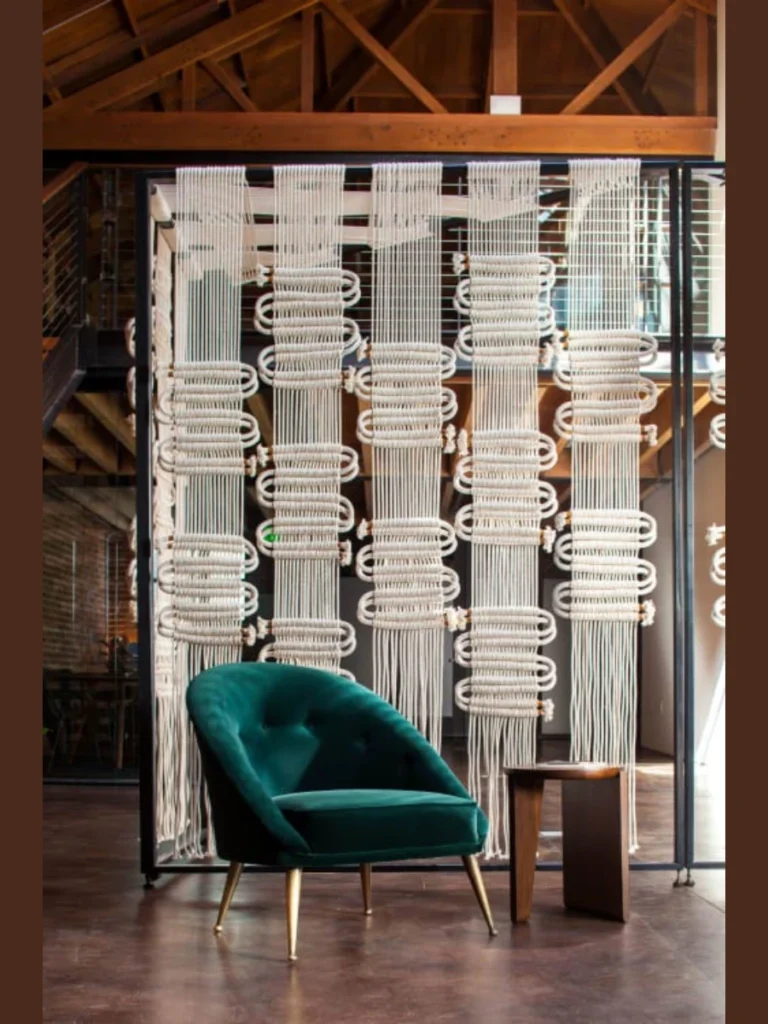
If you want a soft and relaxed vibe then a large hanging macrame piece acts as a beautiful and lightweight divider for a bedroom or lounge. I love the intricate knots and the textured fringe that add a handmade and cozy feel to a modern apartment or house.
These fiber partitions are very easy to install since you only need a few sturdy hooks in the ceiling to hold the wooden support rod. I find that they work best in low traffic areas where you want to create a visual boundary without needing a solid or heavy barrier.
The way the light filters through the woven threads creates a soft and dappled effect on the walls that feels very soothing during the evening hours. It is a great way to add a bit of a bohemian flair to your home without spending a lot of money on furniture.
I suggest choosing a neutral cream or off white color to keep the room feeling bright and open even with a large hanging piece in the center. It is an affordable and artistic solution that you can easily swap out or move whenever you feel like changing your decor.
5. Freestanding Folding Privacy Screens
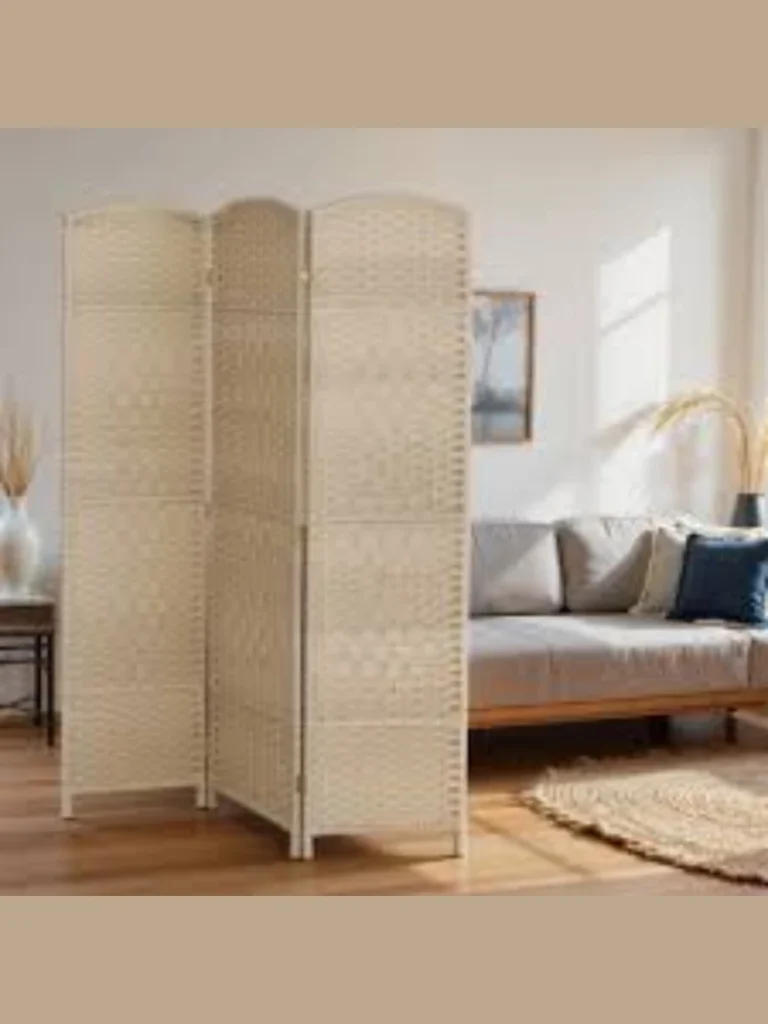
A classic folding screen is the most flexible partition idea because you can move it around the house whenever your needs change for the day. I keep one in my living room corner to hide my workout gear or my messy hobby table when guests arrive unexpectedly.

RANTILA 3 Panel Room Divider, 6 Ft Tall Folding Privacy Screen Freestanding Room Partition Wall Dividers, 102''W x 20''D x 71''H, Grey
RANTILA 3 Panel Room Divider, 6 Ft Tall Folding Privacy Screen Freestanding Room Partition Wall…
You can find screens in almost any material from carved wood and woven rattan to silk panels with beautiful hand painted landscape scenes on them. I like how they can stand alone as a decorative accent piece even when they are not actively being used to divide the space.
These are perfect for renters who cannot make permanent changes to the walls or ceilings but still want to define their living and dining areas. I find that a three panel screen provides just enough coverage to create a private nook for a desk or a comfortable armchair.
Look for a screen with two way hinges so you can fold it in either direction to fit into tight corners or around existing furniture pieces. It is a timeless accessory that provides instant privacy and a bit of a vintage charm to any room you put it in.
6. Indoor Plant Walls And Trellises
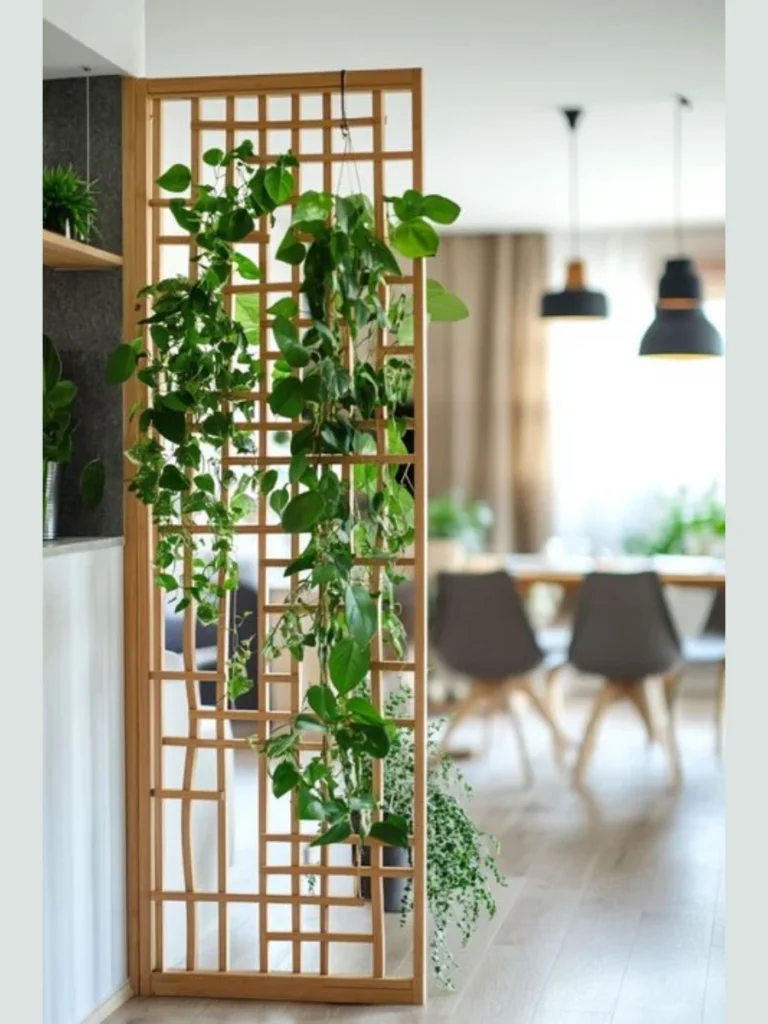
Living walls made of climbing plants or tiered pots offer a breath of fresh air and a vibrant green screen for your main living area. I love using a tall metal trellis with ivy or pothos to create a natural boundary that grows and changes over time.
The plants act as a natural air purifier while providing a soft and organic texture that makes the room feel much more alive and healthy to live in. I find that staring at a wall of greenery is far more relaxing than looking at a plain white wall or a wooden board.

Adjustable White Ceiling Curtain Rod Bracket, 1-8m Flexible Sliding Track System for Living Room Decor, 5.4m (17.7ft) Single Rail, Easy Installation, Modern Home Accessories
Adjustable White Ceiling Curtain Rod Bracket, 1-8m Flexible Sliding Track System for Living Room Decor,…
You will need to ensure the plants get enough light in the center of the room so I suggest using low light varieties if you are far from a window. It is a smart way to bring the outdoors inside while solving the problem of a large and undefined floor plan.
I recommend using a waterproof tray at the base of your plant wall to protect your flooring from any accidental spills during your weekly watering routine. It creates a stunning focal point that guests will always mention and admire when they walk into your beautiful home.
7. Tension Rod Sheer Curtains
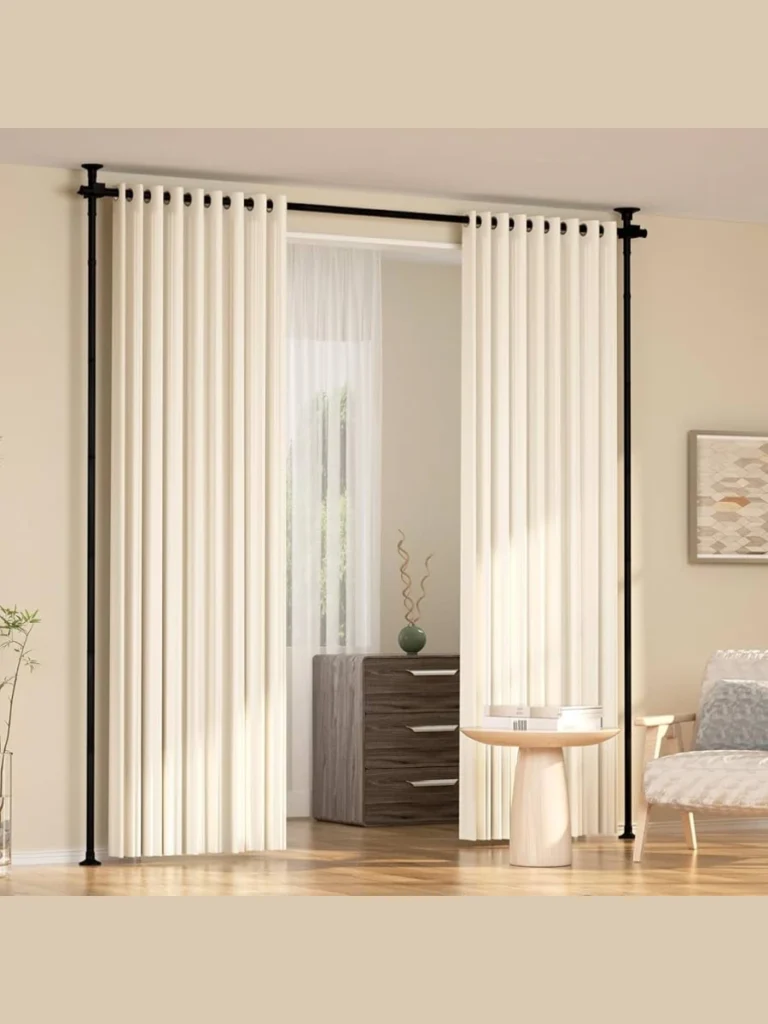
Using a tension rod with sheer white curtains is a very affordable and no damage way to separate a studio apartment into living and sleeping zones. I find that the fabric adds a soft and romantic movement to the room that feels very airy and light rather than heavy.
The sheers provide a bit of visual privacy while still allowing you to see the shapes and light from the other side so the room stays connected. I usually double the number of panels to create more folds and a more expensive look for just a few extra dollars.

VEVOR Room Divider, 4 Panel Room Divider, 136" W Folding Privacy Screen and Portable Partition Divider for Room Separation, Freestanding Room Partitions for Office, Bedroom, Study, Grey
VEVOR Room Divider, 4 Panel Room Divider, 136" W Folding Privacy Screen and Portable Partition…
It is a great solution for high ceilings where traditional folding screens might look too small or out of proportion with the rest of the architecture. I enjoy how I can pull the curtains back during the day to let the room breathe and close them at night for a cozy feel.
Make sure the tension rod is strong enough to hold the weight of the fabric without slipping down the walls over a long period of time. I think this is the best option for people on a budget who want to make their home feel more organized and private without any tools.
8. Low Height Storage Cabinets
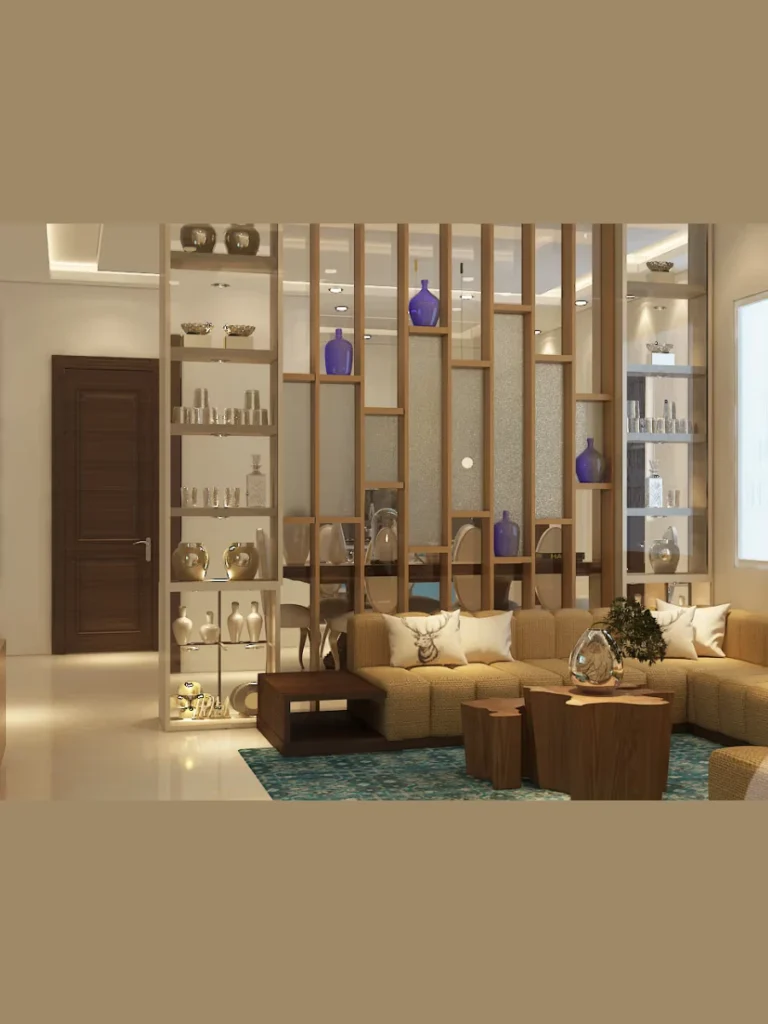
I find that using a long and low cabinet is the perfect way to mark a boundary without cutting off the visual flow of your room. It creates a solid physical barrier that defines the lounge area while leaving the top half of the space completely open and bright.
You can use the flat top surface as a secondary sideboard for serving drinks or displaying your favorite framed family photos and ceramic vases. I like how this provides a functional landing spot for keys or mail if the back of the cabinet faces your front door.
Choosing a unit with doors on both sides allows you to access your stored items from the living room or the dining area with equal ease. I find that this dual-purpose furniture makes a small home feel much more efficient and professionally organized during a busy day.
Make sure the back of the cabinet is finished or painted if it is going to be visible to anyone sitting on your sofa or chairs. I suggest adding a small runner rug on one side to further emphasize the transition between the two different functional zones of the floor.
9. Rope And Twine Vertical Screens
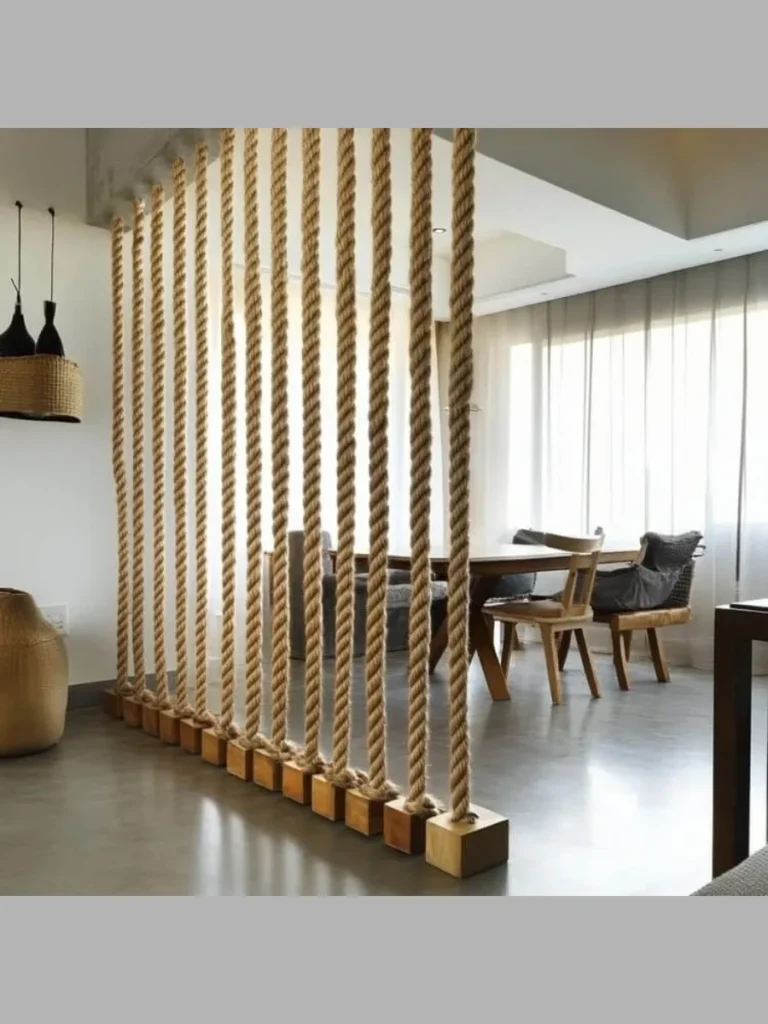
Creating a screen from thick jute rope is a very affordable DIY project that adds a unique coastal or nautical vibe to your home. I love how the vertical lines of the rope create a semi-private wall that still feels incredibly light and very airy to the eye.
You only need two wooden beams at the top and bottom to anchor the ropes and keep them perfectly straight and under constant tension. I find that the natural brown color of the fiber adds a warm and earthy texture that complements almost any modern interior design style.

White Led Strip Lights for Bedroom Small Dimmable LED Lights Strip 16.4ft Super Bright Flexible LED Tape Lights Rope Light for for Room Home Decor Luces Leds for Living Room Kitchen Vanity Mirror
White Led Strip Lights for Bedroom Small Dimmable LED Lights Strip 16.4ft Super Bright Flexible…
This idea is perfect for those who want a divider that feels more like a piece of custom art than just a standard piece of furniture. I often see people vary the thickness of the rope to create an interesting and rhythmic pattern that catches the light beautifully.

Favemtsl 4-Panel Room Divider, Steel Privacy Screen, 63" x 70.9", Anthracite Folding Partition for Bedroom, Living Room, Dining Room Decoration and Creating Secluded Space
Favemtsl 4-Panel Room Divider, Steel Privacy Screen, 63" x 70.9", Anthracite Folding Partition for Bedroom,…
The gaps between the ropes allow you to keep an eye on the rest of the house while still feeling like you have your own private space. I think this is a brilliant solution for a home office nook where you want a bit of separation without feeling totally isolated.
10. Decorative Laser Cut Metal Panels
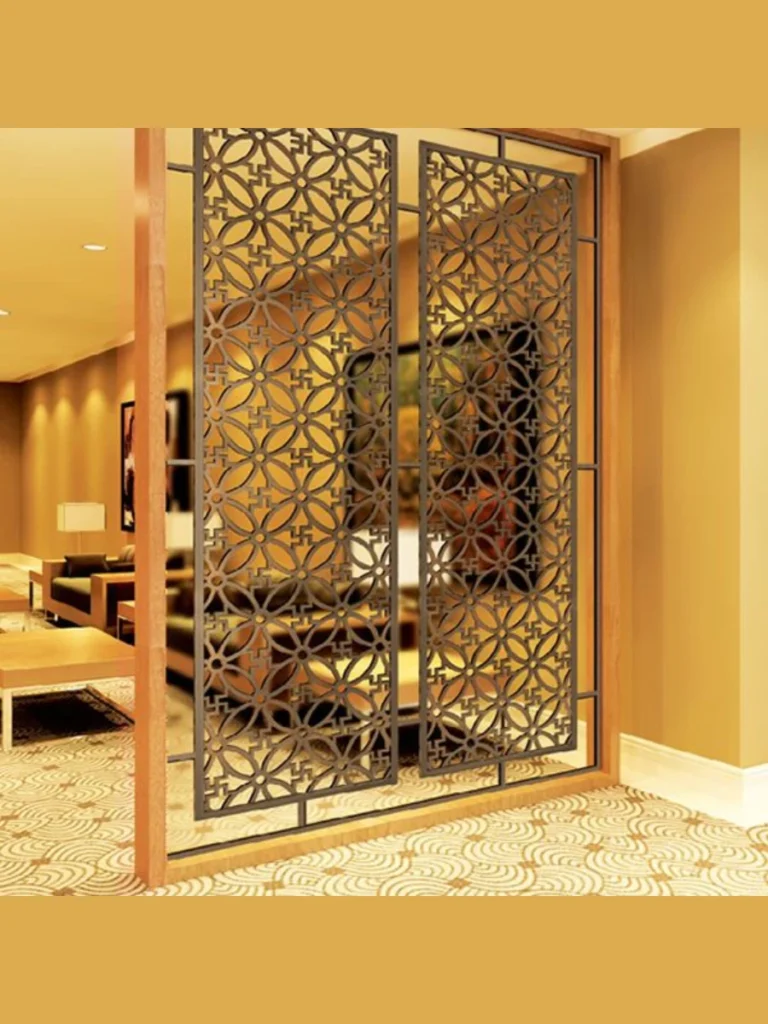
Laser cut panels offer a sophisticated and artistic way to divide a room with intricate patterns that cast stunning shadows across your floors. I find that the metallic finish adds a touch of modern luxury that makes any plain living room look like a designer showroom.
These panels are usually quite thin so they do not take up much floor space which makes them ideal for smaller apartments or tight corners. I love how the geometric or floral cutouts provide a high level of style without blocking the important flow of air or light.
You can mount them on a sliding track or fix them permanently to a small wooden frame to act as a stationary and very sturdy divider. I find that the black or gold powder-coated finishes are particularly popular for creating a sharp and clean contrast against light walls.
I suggest using these in a foyer or entryway to create a grand first impression for anyone who walks through your front door for the visit. It is a durable and high-quality option that stays looking brand new for many years with almost no maintenance or cleaning required.
11. Repurposed Vintage Window Frames
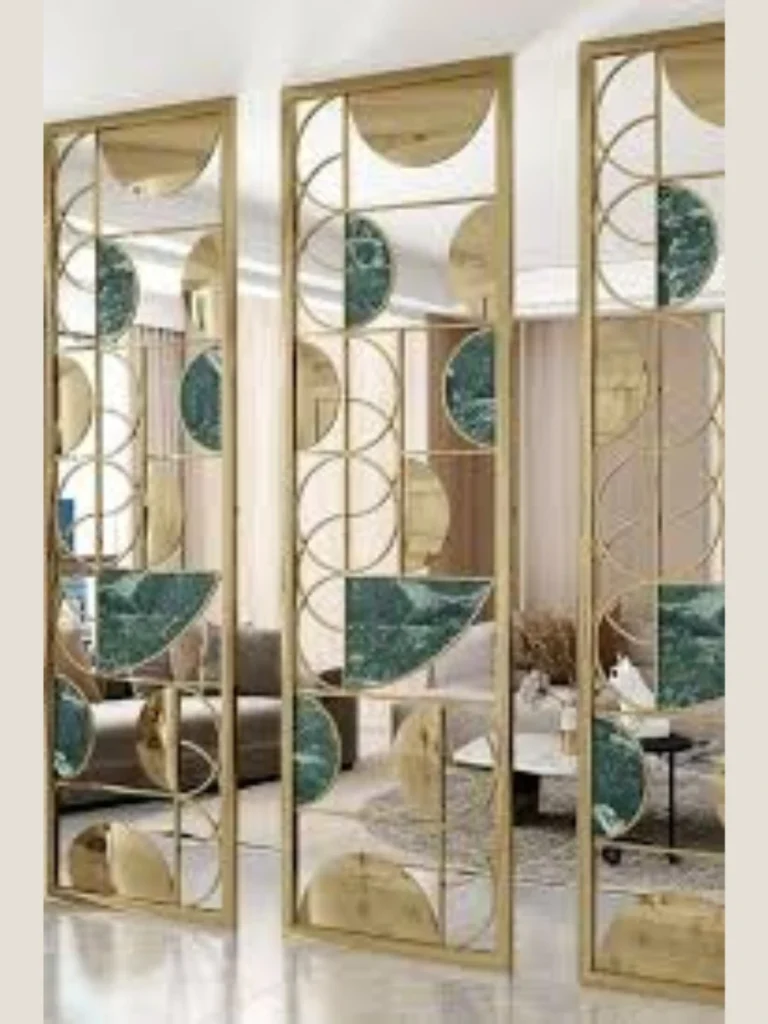
Hanging old wooden window frames from the ceiling is a fantastic way to add a bit of a rustic or farmhouse character to your home. I enjoy how the original glass or empty panes create a sense of history and charm that you simply cannot buy at a store.
You can use clear fishing wire or heavy-duty chains to suspend the frames at the perfect height to separate your sofa from your dining table. I find that this creates a very clear visual boundary that keeps the room feeling open while adding a clever architectural detail.
If you want a bit more privacy you can replace the clear glass with frosted film or even pieces of colorful stained glass for a bright look. It is a great way to recycle old building materials and give them a second life as a focal point in your house.
Make sure the ceiling hooks are screwed into a solid joist to safely handle the weight of the heavy wooden frames and any glass. I think this is a wonderful project for anyone who loves a bit of a vintage or shabby-chic aesthetic in their living environment.

Korser 110" Boneless Modular Sectional Sofa with Chaise, L-Shaped Comfy Corduroy Fluffy Couch with Deep Seat and Side Pockets, Flexible Module Combination for Living Room, No Assembly, Side Pockets
Korser 110" Boneless Modular Sectional Sofa with Chaise, L-Shaped Comfy Corduroy Fluffy Couch with Deep…
Comparison of Popular Partition Types
| Partition Type | Privacy Level | Light Flow | Mobility |
| Bookshelf | Medium | Medium | Low |
| Glass Panel | Low | High | Medium (if sliding) |
| Folding Screen | High | Low | High |
| Plant Wall | Medium | Medium | Medium |
Top Tips for Choosing Your Living Room Divider
- Measure the height of your ceiling twice to ensure freestanding or tension units will fit securely without wobbling.
- Consider how much light you are willing to lose in the zone furthest from the windows before picking a solid material.
- Match the frame or wood color to your existing coffee table or flooring to make the partition look like a built-in feature.
- Think about the traffic flow and ensure the divider does not block the main walking paths through your living and dining areas.
Conclusion
I hope these suggestions help you realize that you can define your home without committing to expensive and messy construction projects. Most of these ideas allow you to stay flexible as your family grows or as your personal style shifts over the coming years.

Paper Room Divider with Shelves, Retractable Wall Divider, Accordion Room Partition, Folding Decorative Privacy Screen for Home, Office, Studio, Exhibition
Paper Room Divider with Shelves, Retractable Wall Divider, Accordion Room Partition, Folding Decorative Privacy Screen…
Your living room should feel like a collection of purposeful spaces that work together to support your daily life and hobbies. I find that once you mark a clear boundary for your office or dining area you will feel much more productive and relaxed.
Do not be afraid to mix and match different textures like soft fabrics and hard metals to find a look that feels uniquely yours. I personally love how a simple shelf or a few plants can turn a boring hall into a professionally designed and warm living space.
Take your time to measure your room and consider how the light moves through the windows during different hours of the long day. I think you will be delighted by how much larger and more organized your home feels with just one clever and stylish partition.
FAQs
I suggest using a low profile divider like a sheer curtain or an open backed shelf to keep the small space from feeling too cramped. These options provide the zoning you need without blocking the light or making the room feel like a tiny and dark box.
I find that a basic tension rod with a pair of lightweight curtains is the most budget friendly and high impact solution available today. You can also repurpose a bookshelf you already own by turning it sideways to act as a functional and free room divider.
Most heavy wooden screens are stable on low pile carpets but you might need to adjust the angle of the panels for better balance. I always recommend placing the screen in a low traffic area to prevent anyone from accidentally knocking it over during a busy evening.
If you want to completely block the view then a floor to ceiling option like wooden slats or tall shelving is your best bet. I prefer a waist high cabinet if I want to keep the room feeling open while still marking a clear transition between different zones.
Heavy fabric curtains or solid wooden bookshelves filled with books act as a great natural buffer that absorbs a bit of the household sound. While they won’t stop all noise they certainly help create a quieter and more private atmosphere for your reading or work.
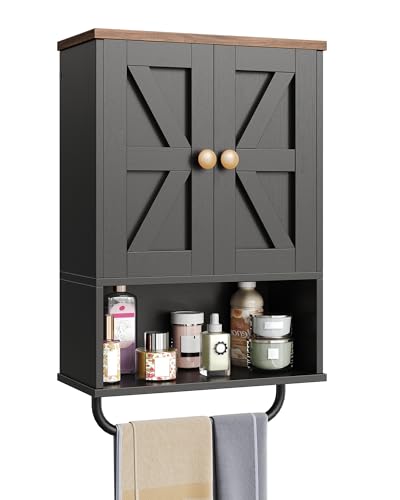
CHOEZON Bathroom Wall Cabinet, Medicine Cabinet with Open Partition and Towel Bar, Rustic Storage Cabinet with Open and Hidden Storage Space, for Bathroom, Living Room, Kitchen, Black and Walnut
CHOEZON Bathroom Wall Cabinet, Medicine Cabinet with Open Partition and Towel Bar, Rustic Storage Cabinet…
Related Posts
- Top 12 Bathroom Accessories Ideas
- 13 Best Candle Holder Ideas
- Top 14 Wall Shelves Ideas
- 15 Best Fall Home Decor Ideas
- Top 10 Living Room Light Ideas
- 11 Best Coffee Table Style Ideas