
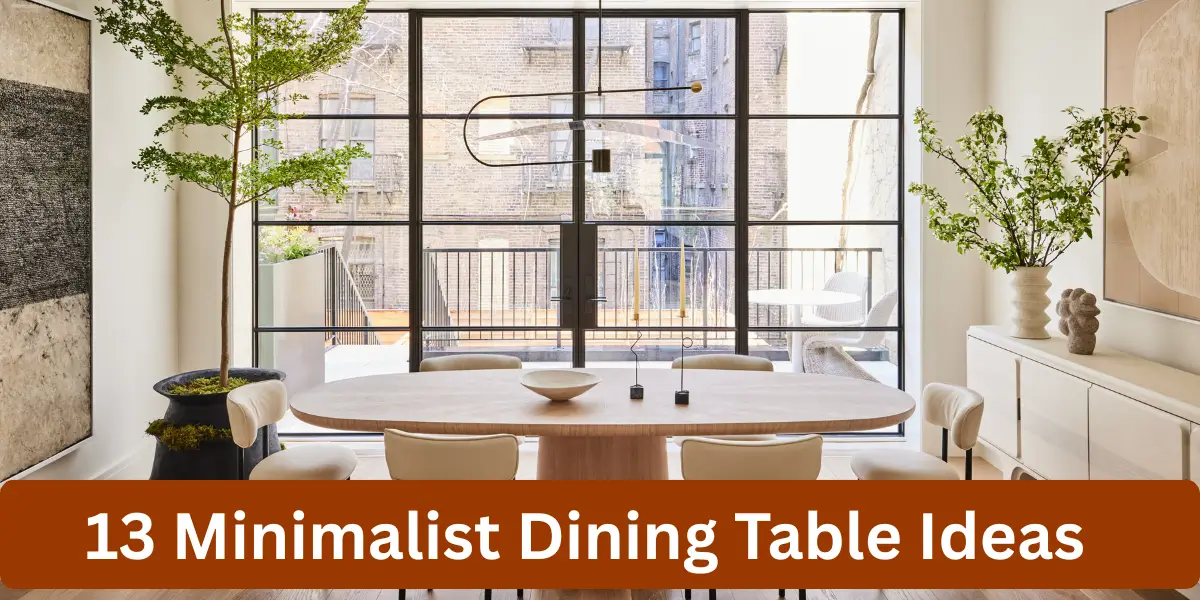

A cluttered dining space can quietly affect how a room feels and functions. I have learned that when the table design is simple and intentional, the entire area becomes calmer and more inviting.
Clean lines, balanced proportions, and thoughtful materials create a refined atmosphere without overwhelming the eye.
In this guide, I will share carefully selected minimalist dining table ideas that focus on clarity and function. With the right shape and finish, you can create a dining setting that feels modern, practical, and effortlessly composed.
What Defines a Truly Minimalist Dining Table?
A minimalist dining table prioritizes proportion, clean geometry, and purposeful design. I always focus on structure first because unnecessary ornamentation disrupts visual clarity.
Material selection also matters. Natural wood, glass, or stone should feel refined and intentional rather than decorative.
When simplicity meets quality craftsmanship, the table becomes a calm and balanced focal point.
1. Slim Solid Wood Table
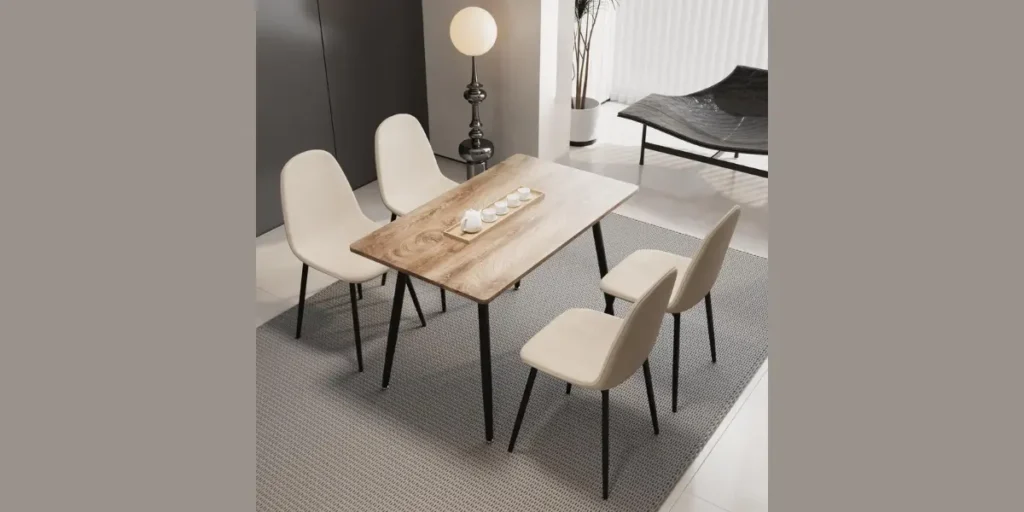
A slim, solid wood table delivers warmth without visual heaviness. I prefer light oak or ash because their subtle grain patterns enhance texture while maintaining a clean aesthetic. Thin profiles keep the structure refined.
Straight edges and simple joinery define this design. I avoid excessive detailing to preserve clarity.
This table style works beautifully in open-plan spaces. It introduces organic character while maintaining minimalist discipline and everyday durability.
2. White Rectangular Minimal Table
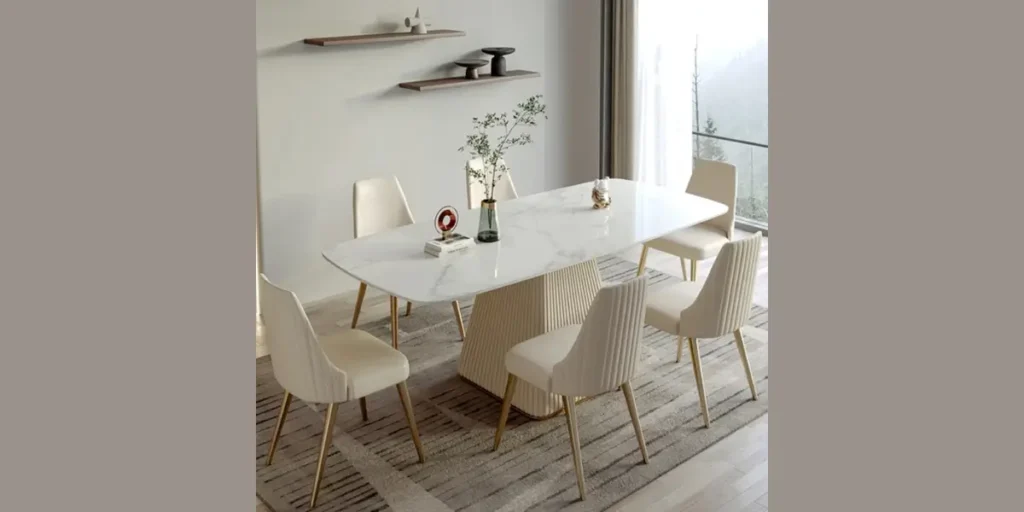
A white rectangular table creates brightness and architectural structure. I often choose matte finishes to prevent glare and maintain softness. The crisp silhouette enhances order.
The clean surface allows the surrounding décor to breathe. I keep accessories minimal to maintain visual calm.
This design suits contemporary interiors that value simplicity. It reflects light effectively and supports balanced spatial flow.
3. Scandinavian Light Wood Table
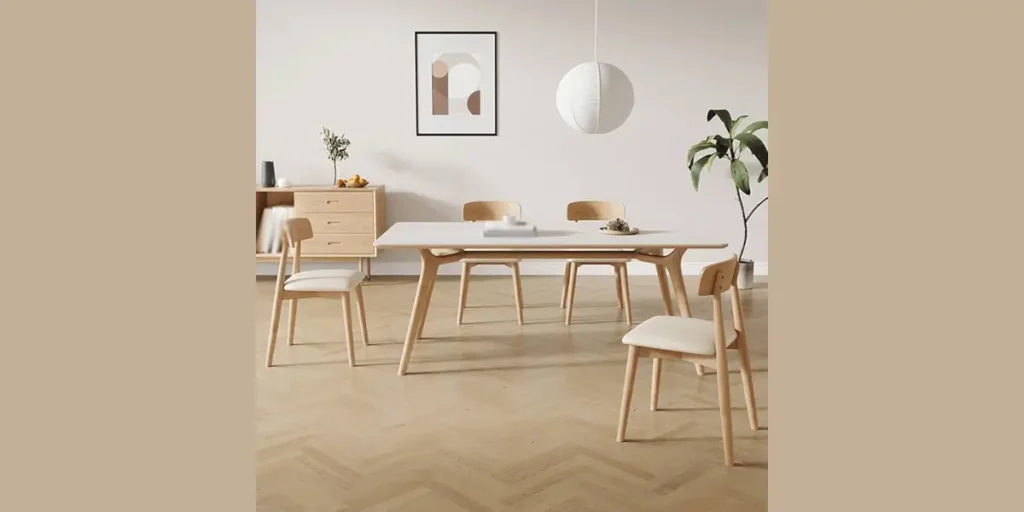
Scandinavian-inspired tables emphasize functionality and balance. I admire their slender legs and natural finishes that feel effortless yet precise.
Light-toned woods contribute to an airy atmosphere. I ensure proportions remain harmonious with surrounding furniture.
This style promotes comfort and understated elegance. It blends simplicity with practical craftsmanship for everyday use.
4. Glass Top Minimal Table
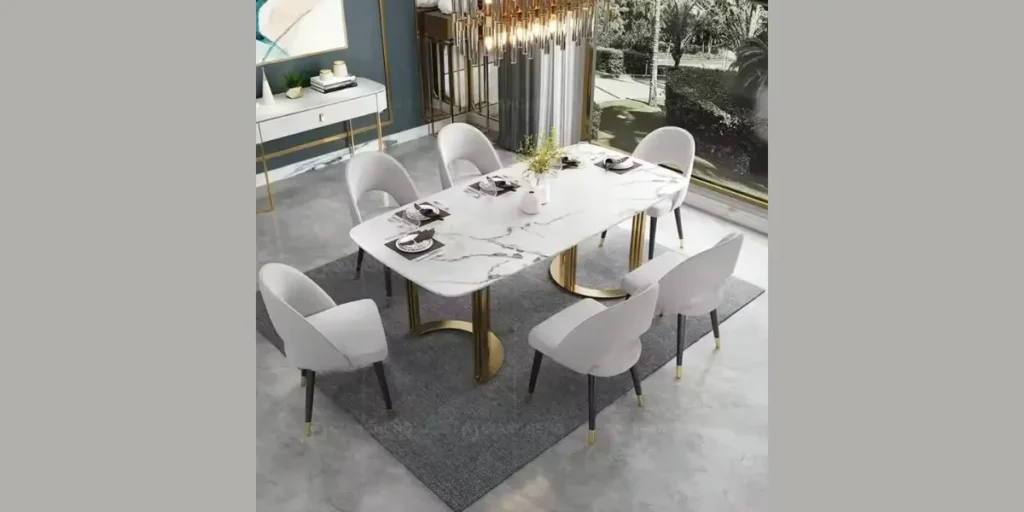
A glass top table enhances openness and transparency. I use tempered glass to ensure safety and durability.
The transparent surface reduces visual bulk, making compact dining areas feel larger. I pair it with subtle bases for balance.
This option suits modern apartments and minimalist interiors. It creates lightness while maintaining structural clarity.
5. Black Matte Minimal Table
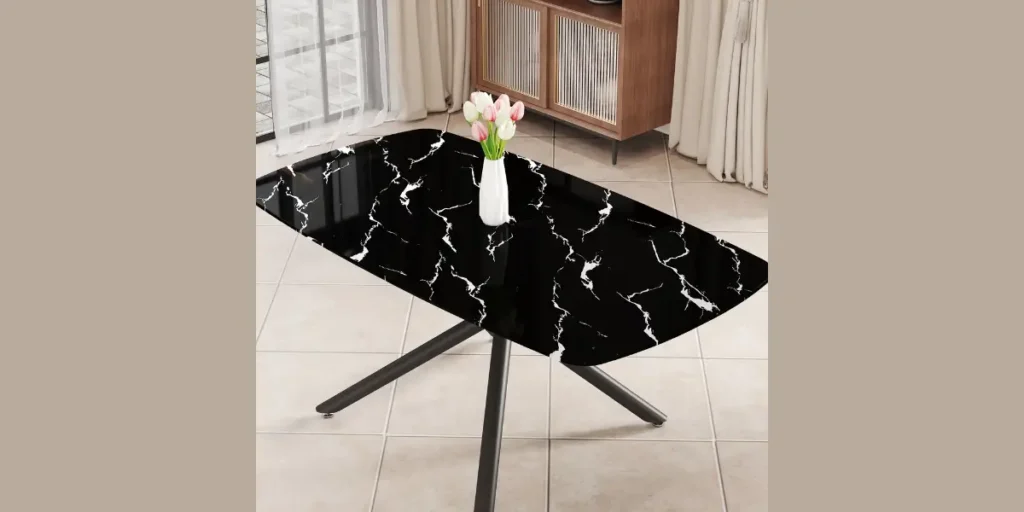
A black matte table introduces depth without excess decoration. I appreciate how the muted finish absorbs light and grounds the room.
Clean lines and sharp edges define this design. I balance the darker tone with neutral surroundings.
This style adds sophistication while preserving minimalist simplicity. It works especially well in monochromatic interiors.
6. Round Pedestal Minimal Table
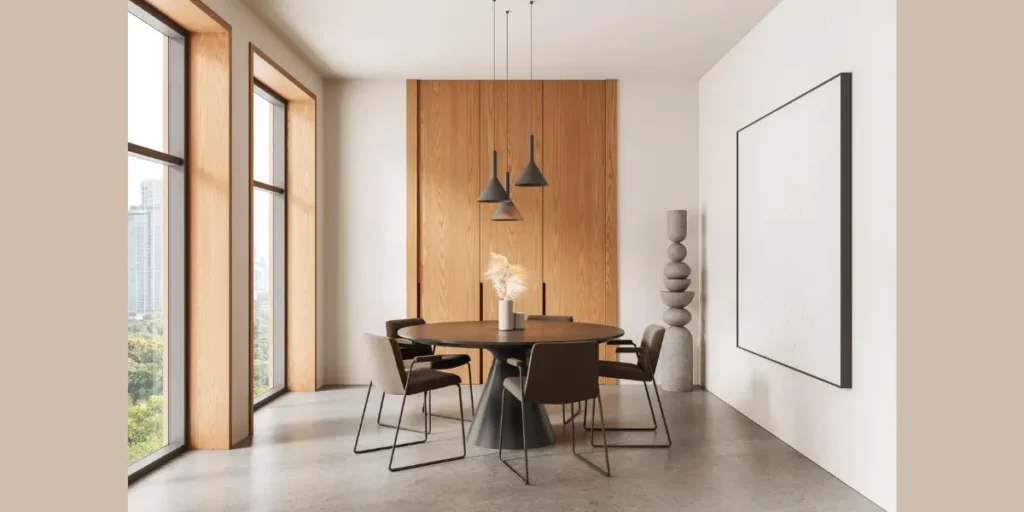
A round pedestal table improves circulation and seating flexibility. I often recommend this design for smaller rooms that require openness.
The single base eliminates corner interruptions. I ensure the pedestal proportion supports stability.
This table maintains simplicity while enhancing flow. It encourages conversation and comfort within a minimalist layout.
7. Concrete Minimal Table
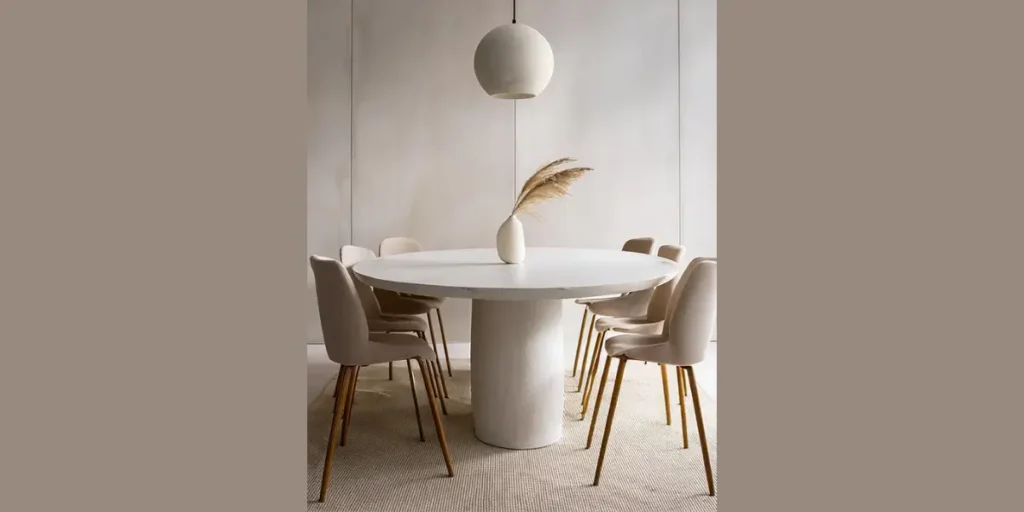
A concrete table delivers a subtle industrial character within minimalist boundaries. I choose smooth finishes to maintain refinement.
The solid structure provides durability and architectural presence. I soften the look with warm lighting.
This design balances strength and simplicity. It anchors modern spaces without excessive visual distraction.
8. Slim Metal Frame Table
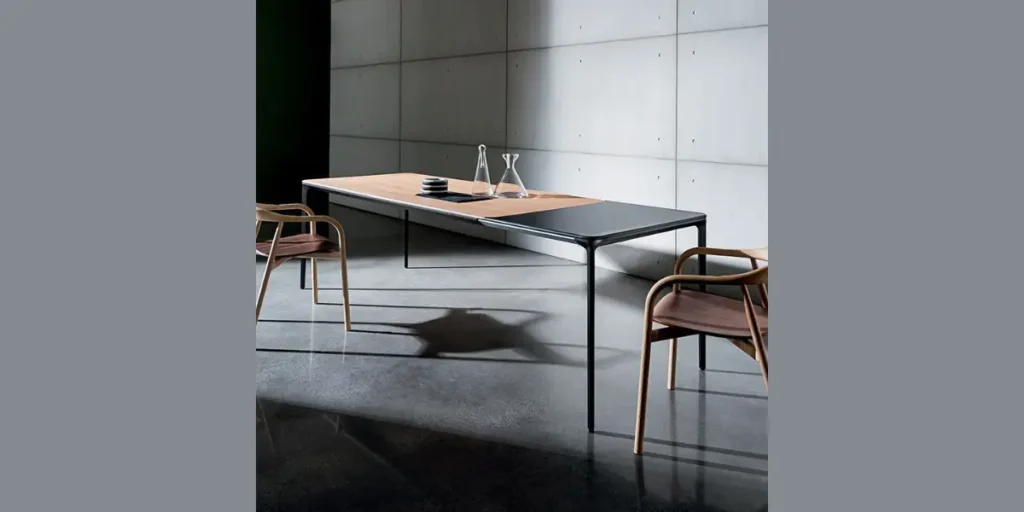
A slim metal frame table keeps the structure light and defined. I prefer powder-coated finishes for durability and clean appearance.
The thin legs create visual space beneath the tabletop. I combine metal frames with wood or glass tops for contrast.
This option fits urban minimalist interiors. It supports functionality while preserving clarity and balance.
9. Floating Base Dining Table
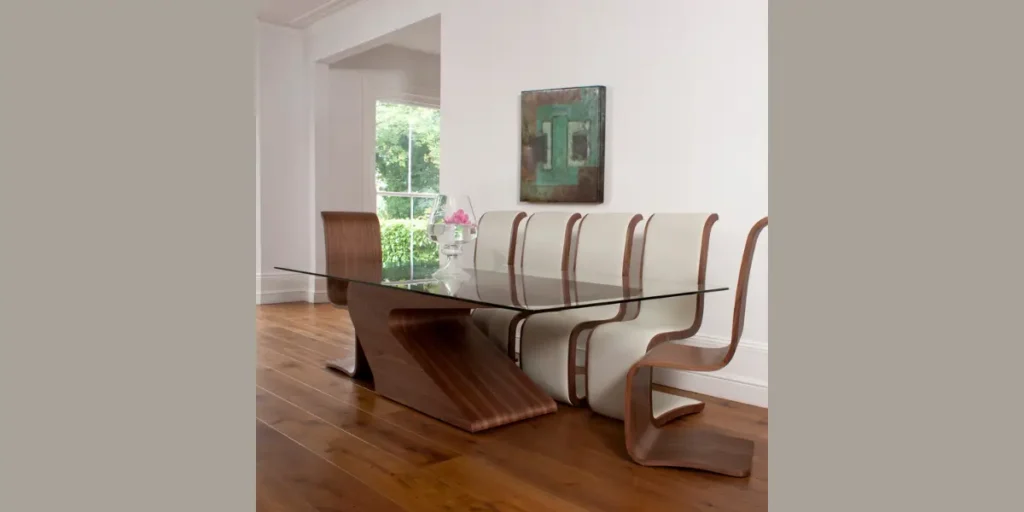
A floating base dining table creates the illusion of weightlessness. I often recommend this design when I want the table to feel architectural yet restrained. The recessed base makes the top appear suspended.
This subtle detail adds interest without clutter. I ensure the base remains structurally strong despite its hidden profile.
Floating designs suit contemporary minimalist interiors. They provide visual intrigue while maintaining clean lines and disciplined simplicity.
10. Natural Oak Slab Table
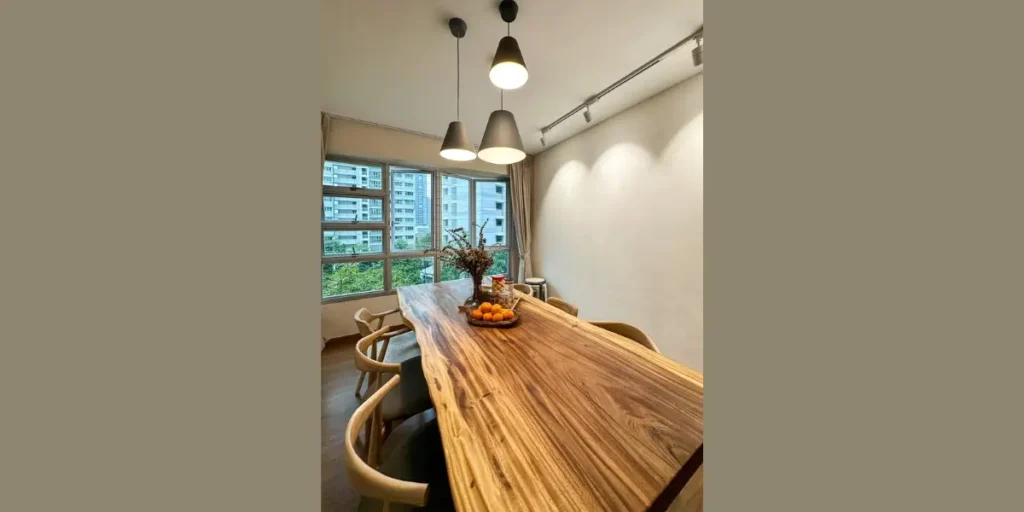
A natural oak slab table balances minimalism with organic warmth. I prefer straight cut edges rather than live edges to maintain cleaner geometry. The visible grain adds quiet character.
The simplicity of the slab allows craftsmanship to stand out. I keep the base understated to avoid visual competition.
This style feels grounded and authentic. It works beautifully in neutral dining spaces where texture replaces ornamentation.
11. White Marble Minimal Table
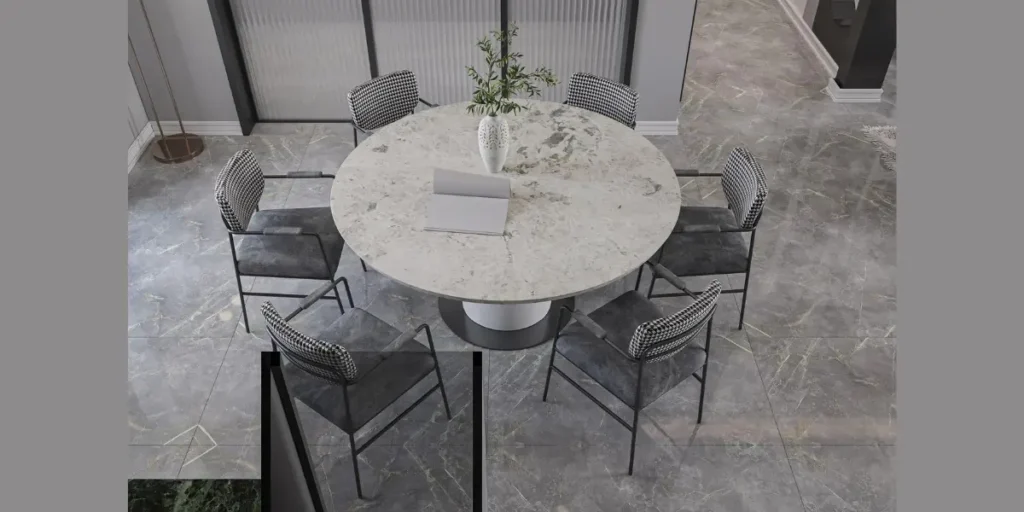
A white marble table introduces refined elegance within minimalist boundaries. I select slabs with subtle veining to avoid overwhelming the design. The polished surface enhances light reflection.
Marble requires proper sealing for longevity. I always balance the cool surface with soft seating textures.
This option elevates modern dining areas. It combines simplicity with sophistication while maintaining structural clarity.
12. Extendable Minimal Table
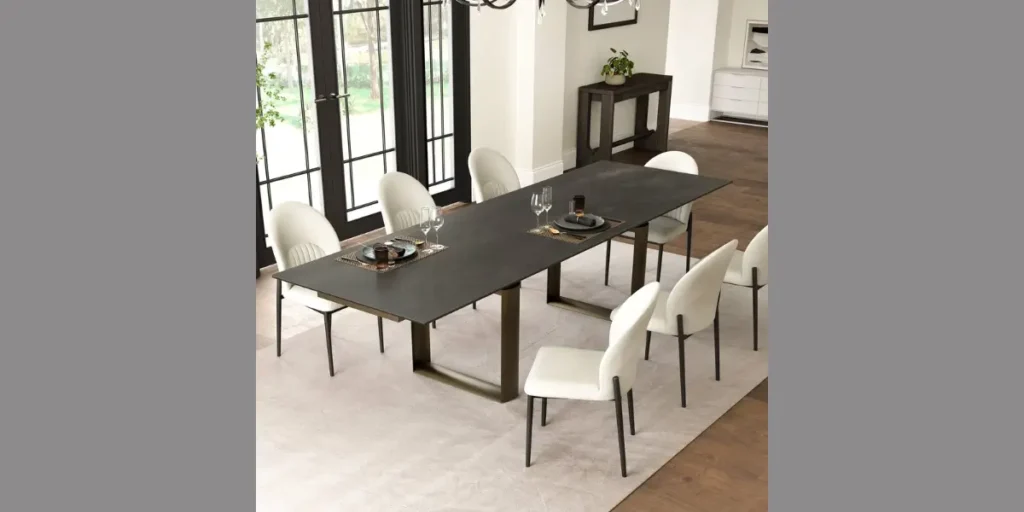
An extendable minimalist table prioritizes function without sacrificing design. I recommend concealed extension mechanisms to preserve the table’s clean silhouette.
The structure remains sleek even when expanded. I ensure the joints align seamlessly for visual consistency.
This design adapts to gatherings while maintaining simplicity. It supports both daily meals and larger occasions without adding clutter.
13. Square Compact Minimal Table
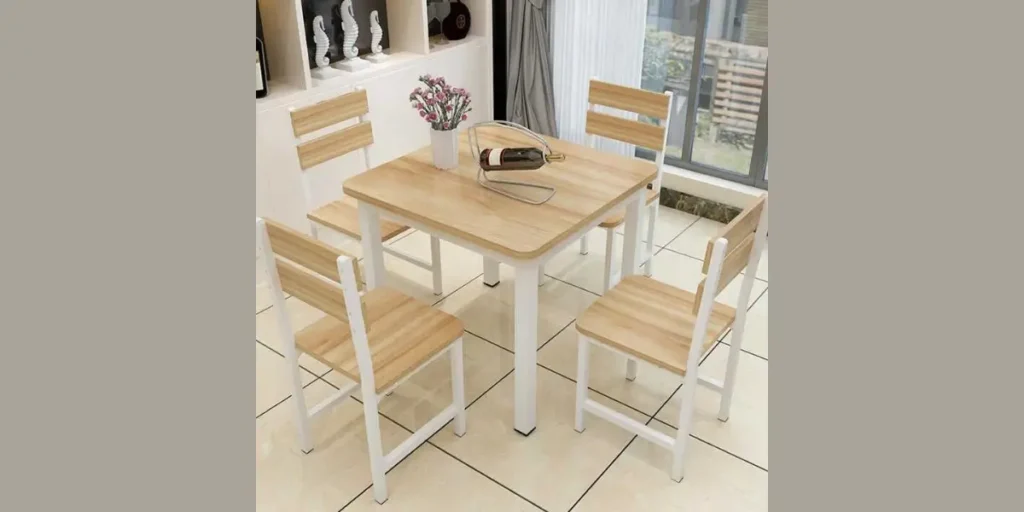
A square compact table maximizes smaller dining areas. I often use this design in apartments where balance and proportion matter most.
The symmetrical shape creates visual harmony. I select slim legs to maintain openness beneath the surface.
This table style delivers efficiency and clarity. It supports minimalist living by combining practicality with understated elegance.
Designing a Balanced Minimal Dining Space
Creating a balanced minimal dining space requires discipline and intention. I always begin by simplifying the layout so the table becomes the quiet focal point rather than competing with surrounding elements.
Neutral tones, clean architectural lines, and uncluttered surfaces help maintain visual calm. When every piece serves a clear function, the room feels composed rather than empty.
Lighting plays an essential role in maintaining balance. I prefer soft, natural light paired with simple pendant fixtures that echo the table’s form. Oversized décor can quickly disrupt minimal harmony, so I limit accessories to one or two purposeful accents. The goal is refinement, not decoration.
Material consistency also strengthens cohesion. When the flooring, chairs, and table share complementary tones or finishes, the space feels intentional.
I avoid unnecessary layering and instead focus on proportion, texture, and thoughtful spacing. Minimalism succeeds when restraint and quality guide every decision.
Conclusion
Minimalist dining table ideas prove that simplicity can feel powerful when executed with precision. I always believe the table should create balance rather than demand attention.
Clean silhouettes, thoughtful materials, and disciplined proportions shape a dining space that feels calm yet intentional. Whether you choose light wood, marble, or a slim metal frame, the key lies in restraint and quality.
When clutter disappears, craftsmanship becomes the true highlight. By focusing on functionality and visual harmony, you can create a dining area that feels modern, comfortable, and timeless without relying on excess decoration.
FAQs
A minimalist dining table features clean lines, simple geometry, and minimal detailing. The design focuses on proportion and material quality rather than decorative elements. Every component serves a clear structural or functional purpose.
Yes, minimalist tables often work exceptionally well in compact rooms. Their slim profiles and uncluttered forms improve visual openness and make the space feel more spacious and organized.
Light wood, glass, marble, and concrete are popular choices. I usually recommend materials with subtle textures and neutral finishes to maintain clarity without adding visual noise.
Both work well depending on the room’s palette. White enhances brightness and openness, while black adds depth and contrast. The decision should complement the surrounding environment.