
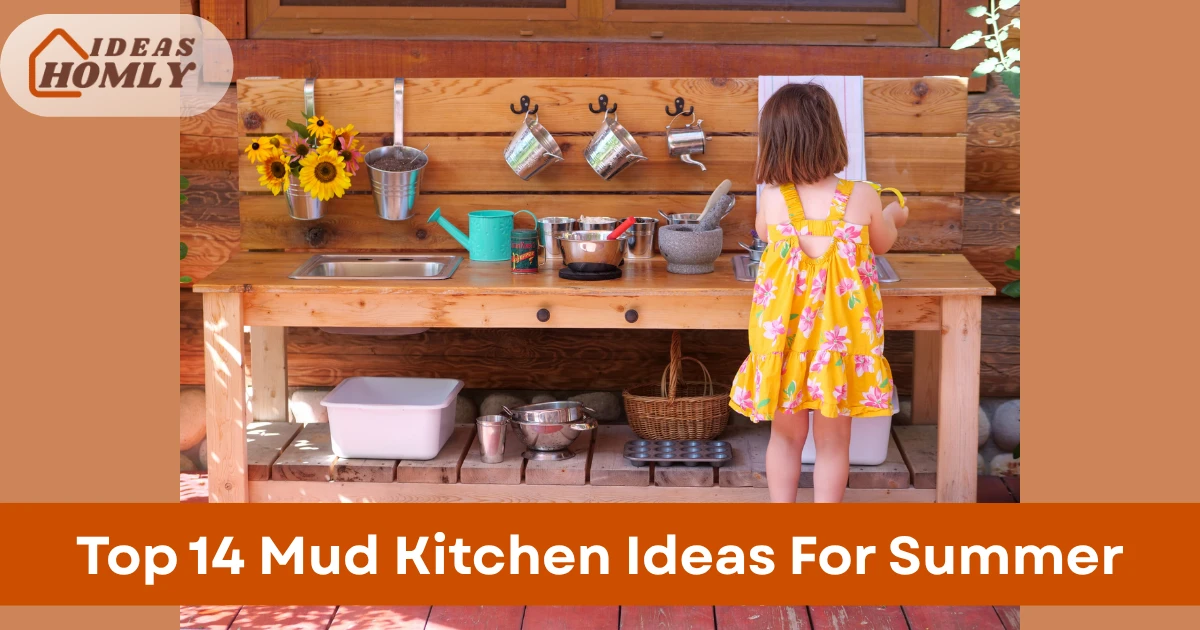

Summer Mud Kitchen Ideas for Outdoor Kids’ Play
Summer mud kitchen ideas for outdoor kids play help me turn ordinary backyard time into a meaningful, creative activity for children. I focus on simple setups that use mud, water, and natural materials without making the process complicated or expensive.
I enjoy creating outdoor spaces where kids can mix, pour, and experiment freely in a safe environment. These summer setups also help reduce screen time and encourage real hands-on sensory learning.
I usually design these ideas using items already available at home instead of buying special equipment. This keeps the activity budget-friendly while still offering full creative freedom for kids.
What Is a Mud Kitchen and How Does It Work for Kids
A mud kitchen is a simple outdoor play setup where kids use mud, water, sand, and natural items for creative cooking-style activities. I see it as a pretend kitchen placed outside where children can mix, pour, and experiment freely without strict rules.
This setup usually includes basic items like old pots, bowls, spoons, buckets, and sometimes wooden tables or pallets. Kids use these items to “cook” imaginary food, which makes the activity both fun and highly engaging.
A mud kitchen works through open-ended play, meaning there is no fixed way to use it or a right answer. Children decide what to make, how to mix materials, and what story they want to create during play.

Frogprin Outdoor Mud Kitchen for Kids, Wooden Play Kitchen with Planter Box
Frogprin Outdoor Mud Kitchen for Kids, Wooden Play Kitchen with Planter Box
From my experience, kids naturally start role-playing when they see a mud kitchen setup outdoors. They often pretend to be chefs, café owners, or even food servers, which builds imagination.
1. Backyard Wooden Pallet Mud Kitchen for Summer Play
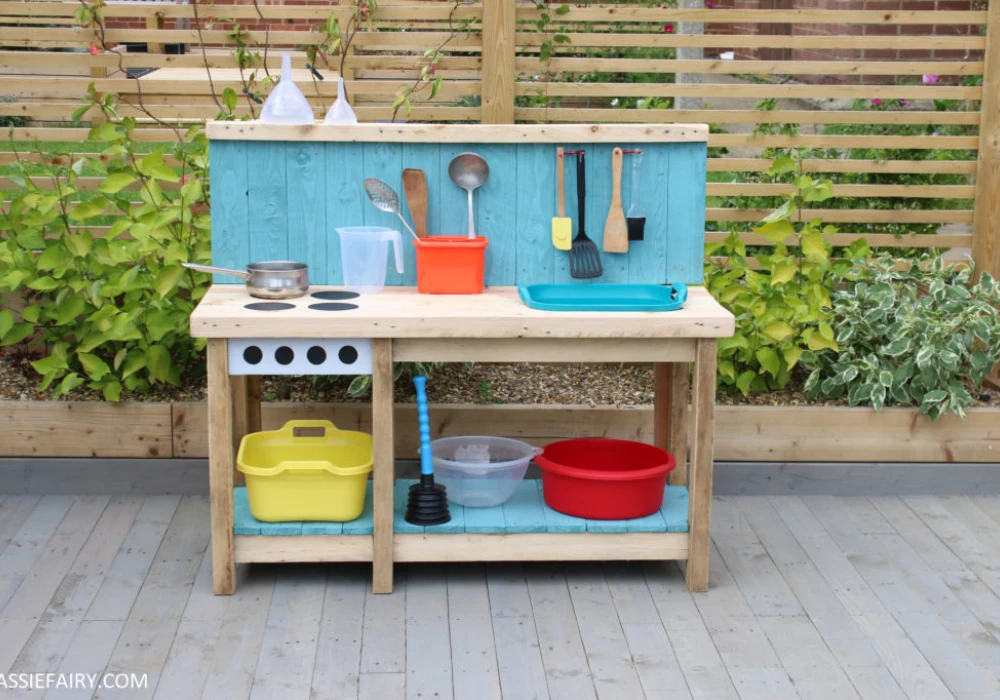
A backyard wooden pallet mud kitchen works perfectly for summer because it creates a stable outdoor play station using simple materials.
I like using old wooden pallets since they already provide a ready-made structure that feels like a mini kitchen for children.
This setup allows kids to mix mud, water, sand, and leaves in a cooking-style imaginative play environment.
They naturally start role-playing cooking activities, which improves creativity and communication skills.
2. Water and Mud Mixing Station for Sensory Summer Play
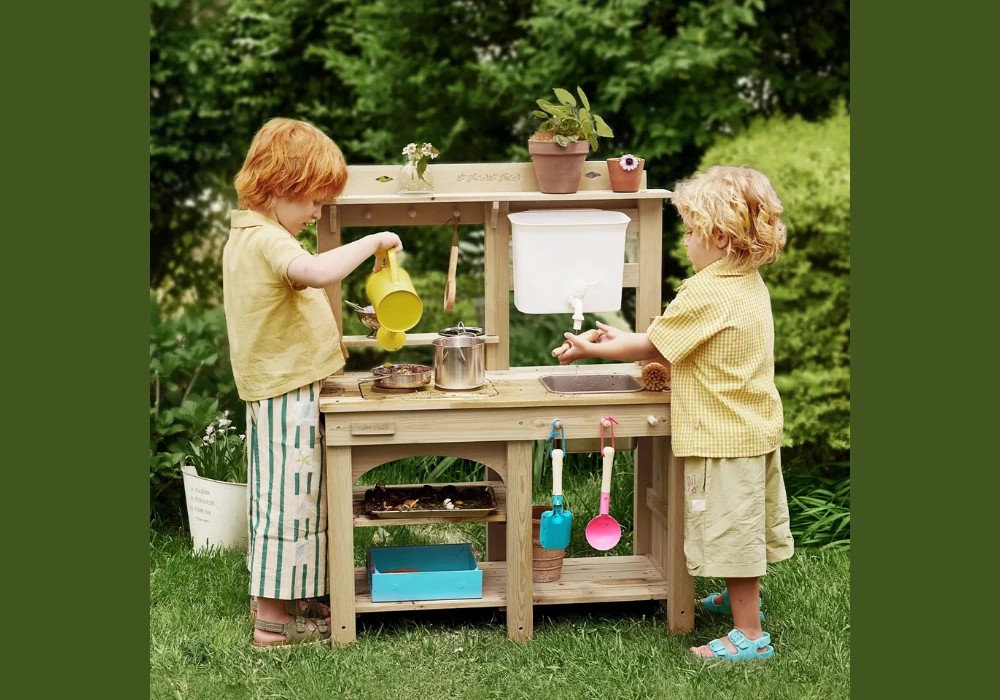
A water and mud mixing station works best in summer because kids naturally enjoy water-based activities in warm weather.
This setup includes buckets, bowls, and small tubs arranged at different levels for easy access.
I always make sure the surface has proper drainage so water does not collect and create slippery areas.

Wooden Mud Kitchen for Kids with Running Water Sink, Outdoor Play Kitchen
Wooden Mud Kitchen for Kids with Running Water Sink, Outdoor Play Kitchen
In my opinion, this idea becomes more interesting when natural elements like stones, flowers, and sticks are added.
3. Compact Balcony Mud Kitchen for Small Summer Spaces
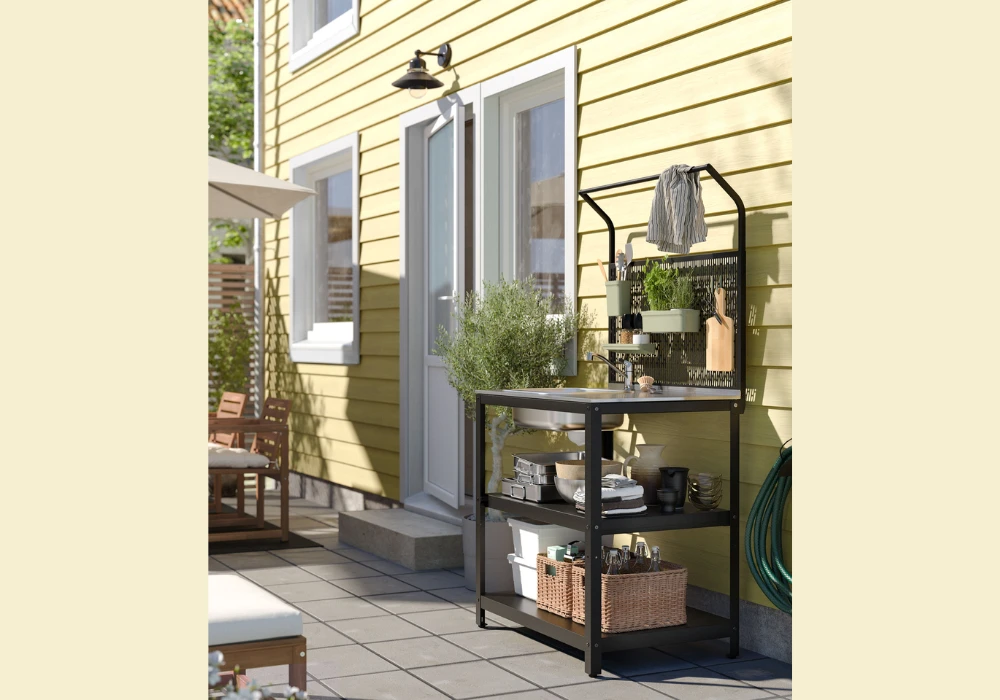
A compact balcony mud kitchen is a great solution for families living in apartments with limited outdoor space.
This version uses small trays, plastic tubs, and lightweight containers instead of heavy wooden setups.
I personally prefer foldable tables or storage boxes to create a temporary kitchen setup. This makes cleanup easy and keeps the balcony usable for other daily activities.
From my observation, children still show full interest in these small setups if they are designed properly.
4. Nature-Inspired Mud Kitchen Corner for Summer Outdoor Play
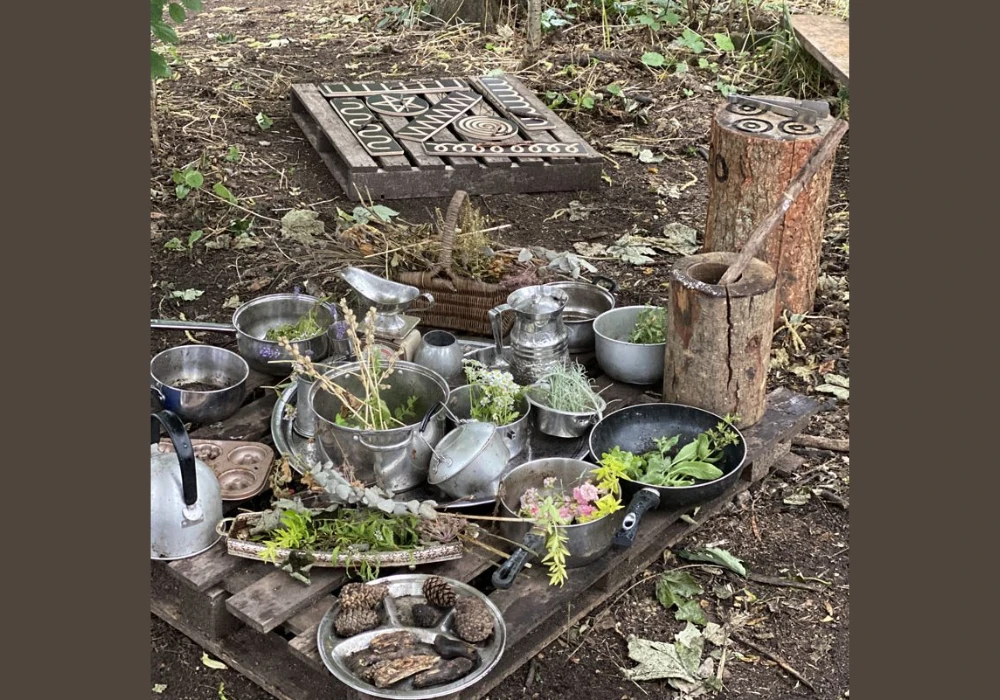
A nature-inspired mud kitchen corner creates a calm and creative outdoor space using plants, soil, and natural objects.
This setup includes leaves, sticks, stones, flowers, and mud as the main play materials. It encourages kids to use their imagination instead of relying on artificial toys.
I usually avoid overloading the space with man-made items to keep the natural feel strong. This helps children understand how real outdoor elements can be used in play.
In my experience, kids become more curious about nature when they regularly play in such setups.
5. Recycled Container Mud Kitchen for Summer Play
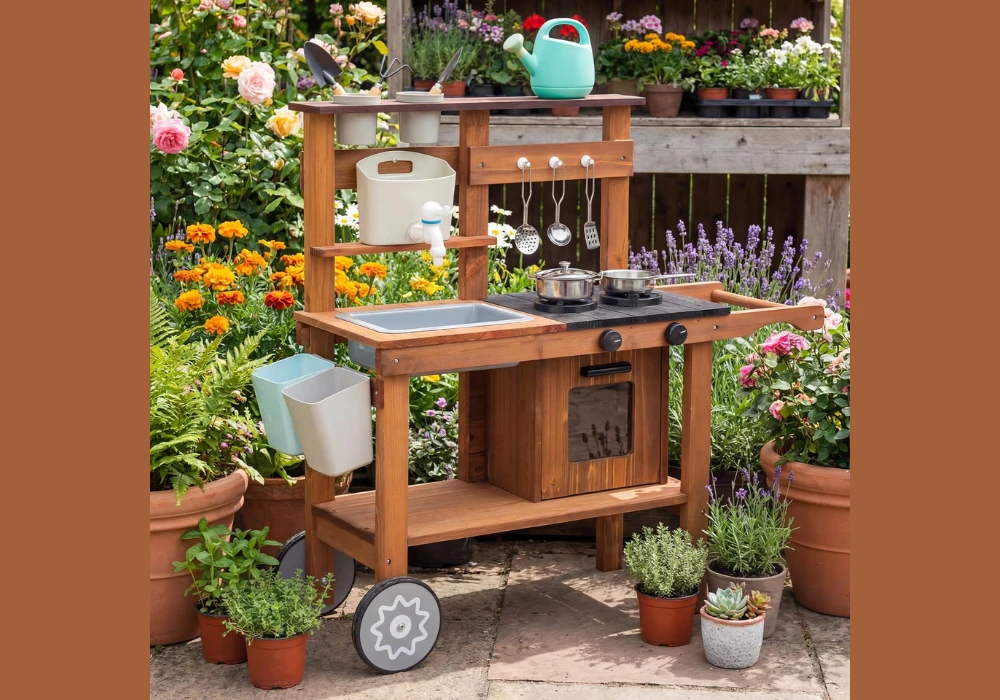
A recycled container mud kitchen works well for summer because it uses old household items instead of buying new materials. I often reuse plastic boxes, jars, and buckets to create a simple but engaging outdoor play station.
This setup helps children learn how everyday waste items can turn into creative play tools. It also teaches them basic reuse habits while they enjoy messy sensory activities outside.

Wooden Mud Kitchen for Kids with Working Faucet and Removable Sink
Wooden Mud Kitchen for Kids with Working Faucet and Removable Sink
I prefer arranging containers at different heights so kids can easily reach and mix materials. This makes the setup more interactive and keeps children busy for longer play sessions.
From my experience, kids enjoy this style because they feel like they are using “real kitchen tools.” It adds excitement without requiring any extra spending from parents.
6. Portable Mud Kitchen Cart for Flexible Summer Play
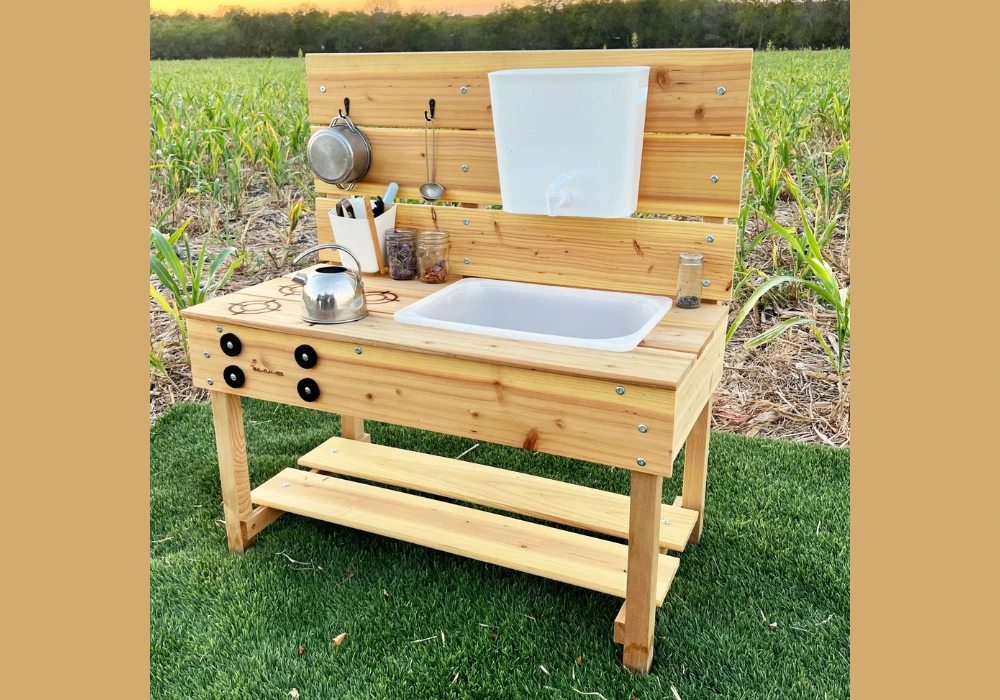
A portable mud kitchen cart is useful for summer because it allows easy movement between indoor and outdoor spaces. I like using a small trolley or rolling cart to create a flexible play station for kids.
This setup is perfect when you want to shift play areas based on shade or weather conditions. It keeps children engaged without restricting them to one fixed location.
I usually place lightweight bowls, spoons, and small containers on the cart for easy access. This makes the setup simple to clean and quick to rearrange after playtime.
In my opinion, portability is helpful for parents who want controlled messy play.
It allows supervision without limiting the child’s creativity.
7. Chalkboard Mud Kitchen Combo for Creative Summer Learning
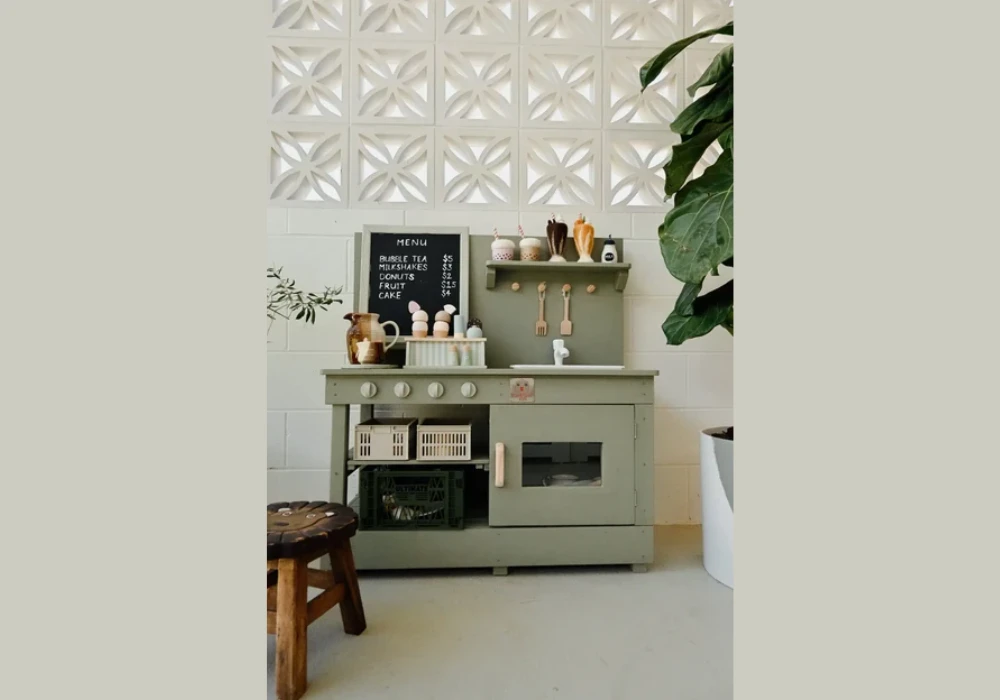
A chalkboard mud kitchen combo adds a learning twist to outdoor summer play.
I like combining a small chalkboard with a mud kitchen so kids can “write menus” while playing.
This setup encourages imagination because children start naming their dishes and drawing food ideas. It connects writing, drawing, and sensory play in one activity.
I prefer placing the chalkboard next to the mud station for easy interaction.
This helps children switch between writing and mixing without stopping their play flow.
From my experience, kids love pretending they are running a real café.
It improves communication skills and keeps them entertained for hours.

Titanium Cutting Boards For Kitchen,Ebony Wood Cutting Board,Double Sided Metal Chopping Board With Handle And Juice Groove, Idea Kitchen Appliances For Meat And Charcuterie
Titanium Cutting Boards For Kitchen,Ebony Wood Cutting Board,Double Sided Metal Chopping Board With Handle And…
8. Garden Bed Mud Kitchen for Natural Summer Setup
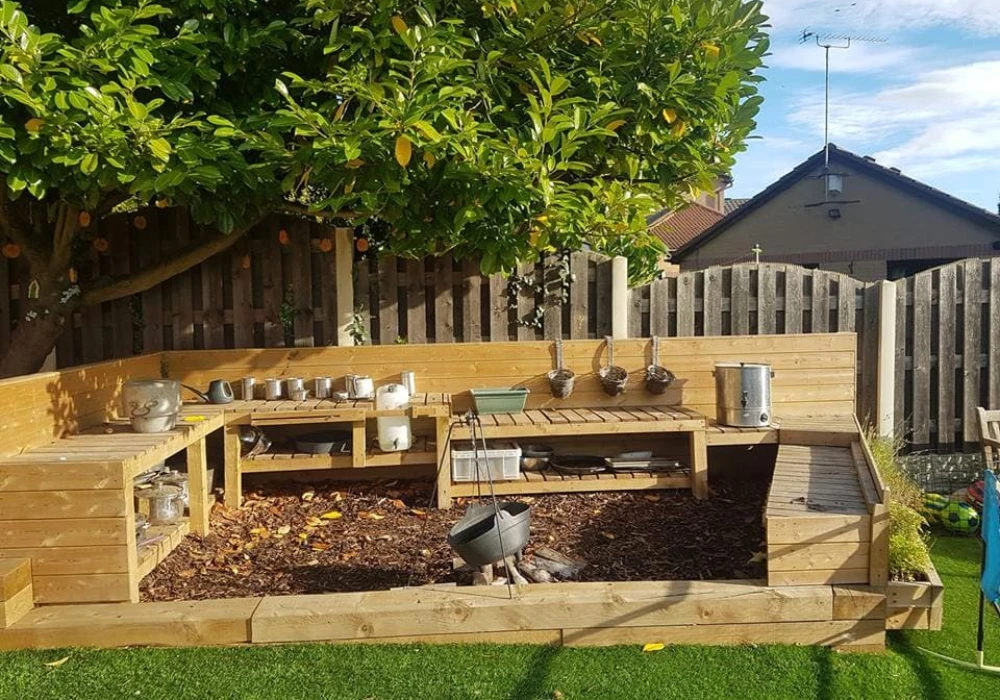
A garden bed mud kitchen works best when you already have a small garden space at home. I often use raised soil beds to create a natural cooking and mixing area for children.
This setup blends real plants with mud play, making the experience more realistic.
Kids can pick leaves, dig soil, and mix natural materials freely.
I always ensure the plants used are safe and non-toxic for children. This keeps the play area safe while still feeling natural and open.
In my opinion, this idea connects children deeply with nature during the summer.
It also helps them understand how soil and plants work together.
9. Beach Style Mud Kitchen with Sand and Water Play
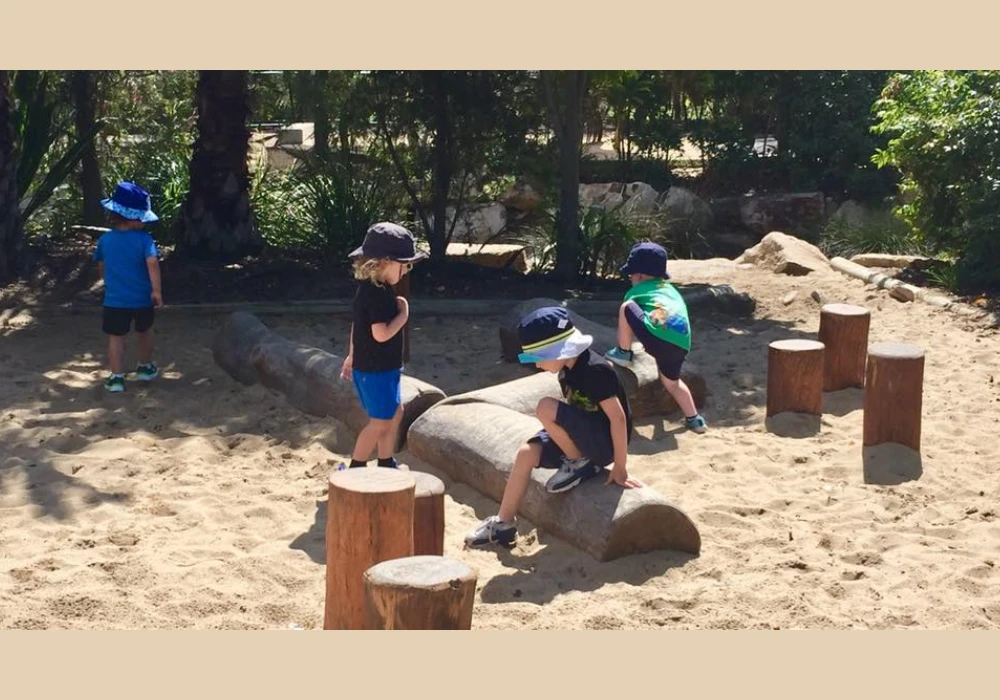
A beach-style mud kitchen brings summer vacation vibes directly into your backyard. I like mixing sand and water to create a beach-like cooking experience for kids.
This setup usually includes sand pits, small buckets, and water containers for mixing.
It gives children a chance to explore texture changes between dry and wet materials.
I prefer adding shells, pebbles, and small toys to make it more engaging.
It creates a realistic beach feel without needing to travel anywhere.
From my observation, kids stay highly active in this setup because it feels different from normal play. It also improves sensory awareness through touch and movement.
10. Indoor-Outdoor Transition Mud Kitchen Setup
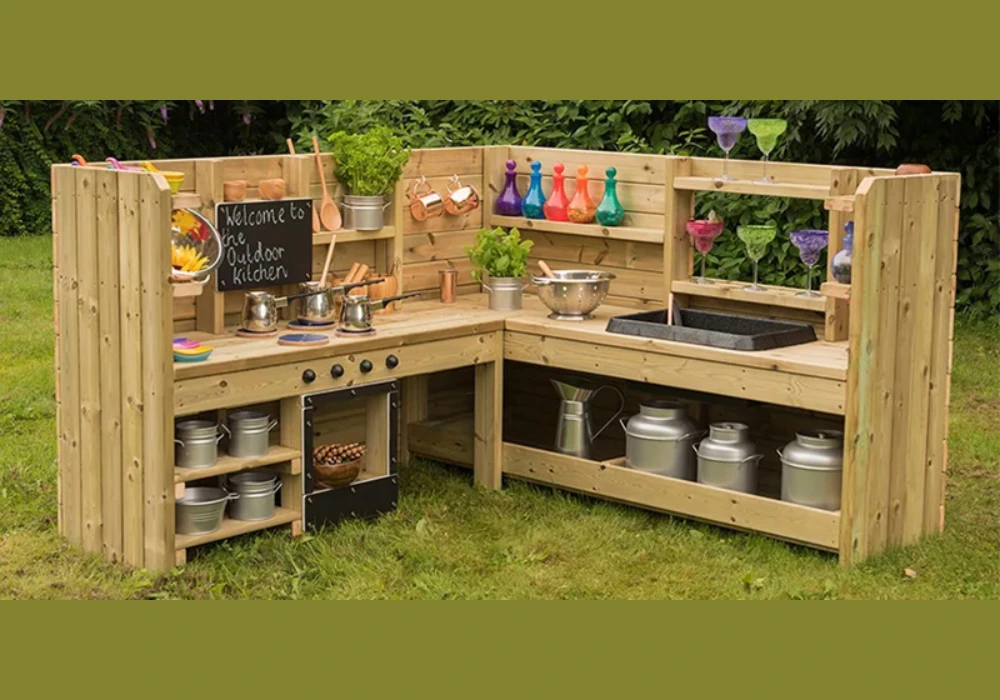
An indoor-outdoor transition mud kitchen is useful for unpredictable summer weather. I designed this setup so children can move play activities between inside and outside easily.
This usually includes lightweight trays and washable materials that can be carried quickly. It allows continuous play even when sudden heat or rain interrupts outdoor time.
I prefer using waterproof mats so cleanup becomes simple and fast.
This reduces stress for parents while keeping children engaged.
In my experience, this setup is very practical for daily summer routines.
It keeps play flexible without limiting creativity.

Costzon Wooden Kids Play Kitchen, Outdoor Mud Kitchen with Removable Sink, Water Box & Faucet, Stove Top, Storage Shelves, Fun Backyard Pretend Kitchen Playset for Boys Girls 3+ (Blue)
Costzon Wooden Kids Play Kitchen, Outdoor Mud Kitchen with Removable Sink, Water Box & Faucet,…
11. STEM-Based Mud Kitchen Science Mixing Station
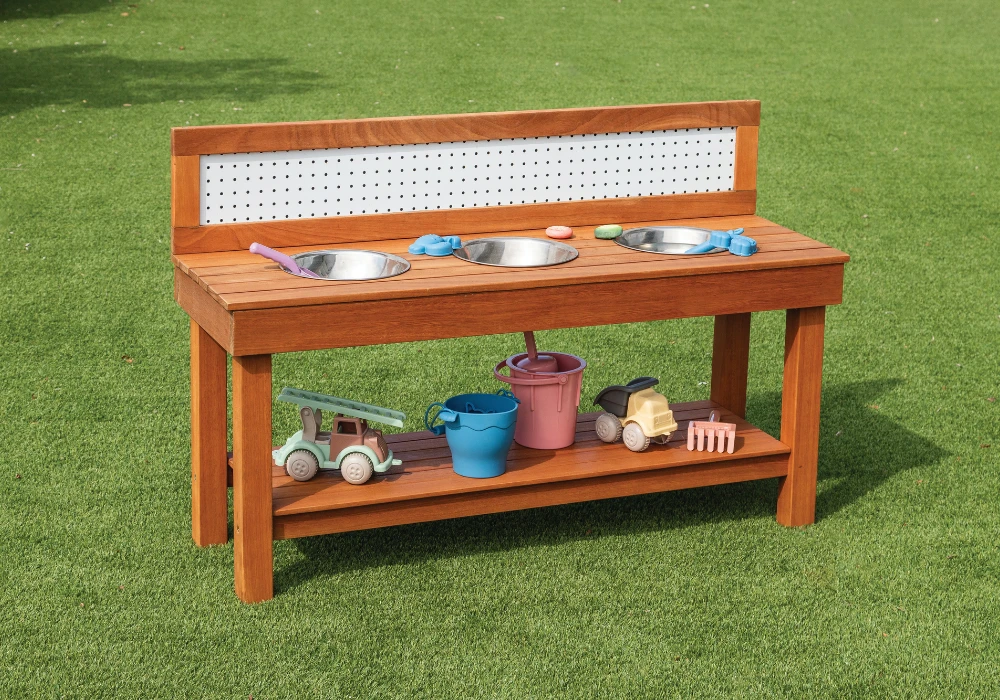
A STEM-based mud kitchen adds a learning element to summer outdoor play.
I like using it to show kids how mixing different materials changes texture and color.
This setup includes measuring cups, spoons, and containers for controlled mixing.
It introduces basic science concepts in a fun and natural way.
I usually encourage kids to guess outcomes before mixing materials.
This builds curiosity and simple problem-solving skills.
From my perspective, children learn better when science feels like play.
This setup makes learning feel natural instead of forced.
12. Rain-Friendly Covered Mud Kitchen for Summer Protection
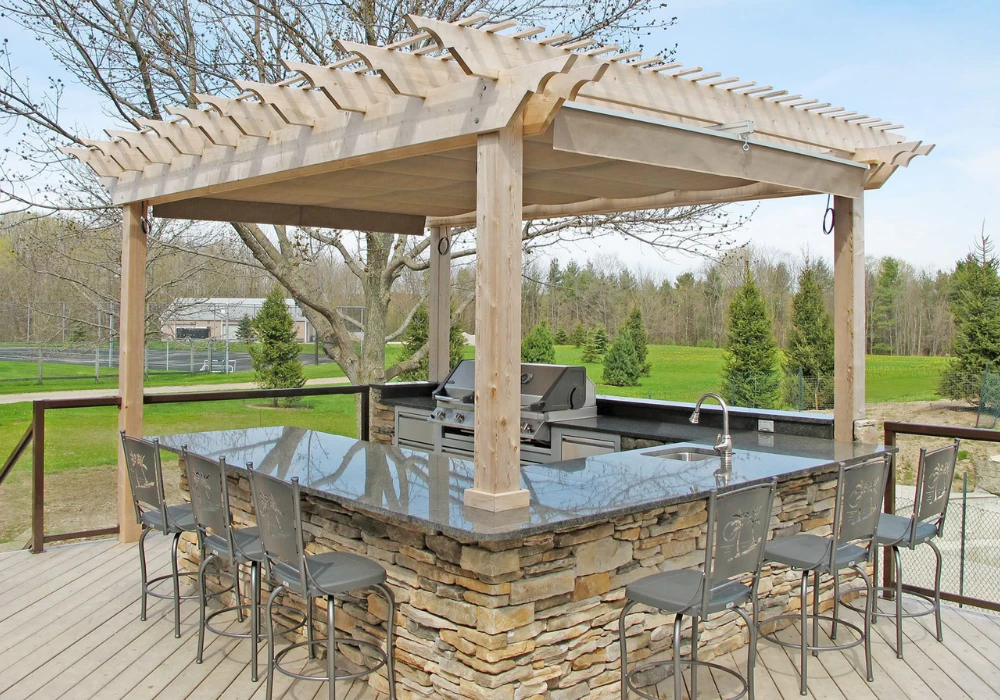
A rain-friendly covered mud kitchen is helpful during unpredictable summer weather. I usually add a simple roof or shade cloth to protect the play area.
This setup allows kids to continue playing even when light rain or strong sun appears. It keeps the mud area usable for longer periods.
I prefer using waterproof covers that are easy to install and remove.
This gives flexibility without making the setup permanent.
In my experience, children enjoy playing even more when light rain is involved.
It adds a natural sensory experience to their activity.
13. Group Play Mud Kitchen for Social Summer Activities
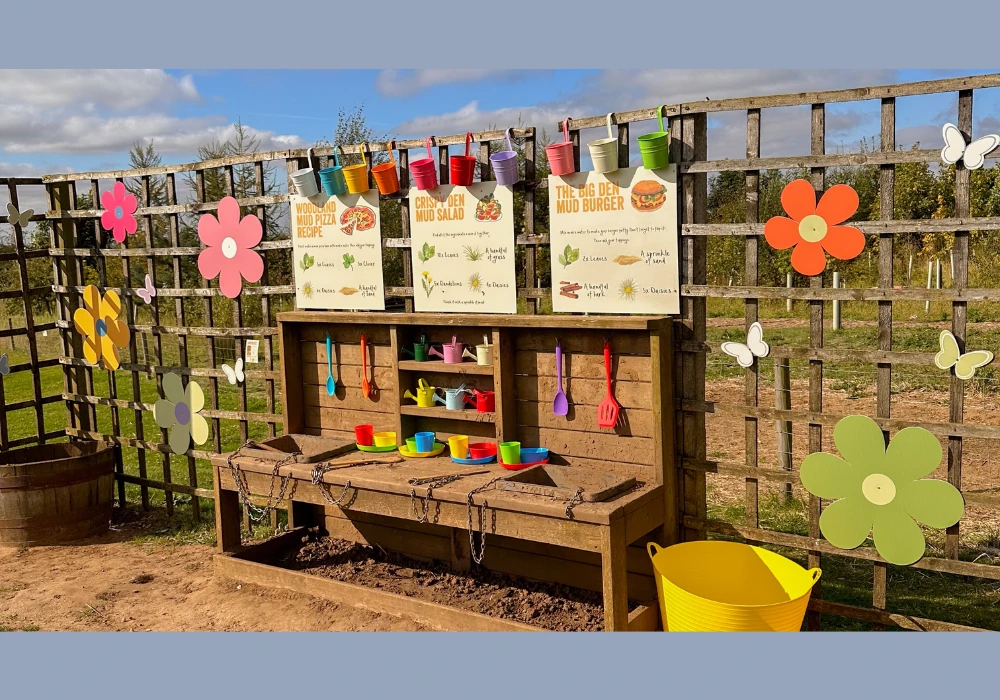
A group playing mud kitchen is ideal when multiple children play together during the summer. I designed this setup to encourage sharing, teamwork, and social interaction.
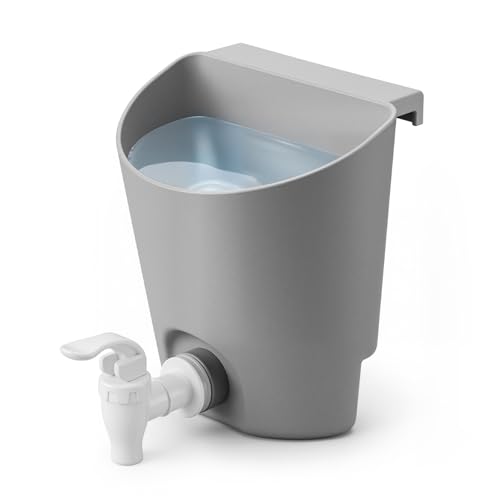
Mudflow Mud Kitchen Water Dispenser with Tap - Play Sink with Running Water for Kids, 0.9L Water Tank & Detachable Spigot - Outdoor Mud Kitchen Accessories, Toddler Sensory Water Play Toy, Age 3+
Mudflow Mud Kitchen Water Dispenser with Tap - Play Sink with Running Water for Kids,…
This includes multiple stations so children can cook, mix, and serve together. It reduces conflicts and increases cooperative play.
I like arranging roles such as chef, mixer, and server during group play. This helps children understand teamwork in a fun environment.
From my observation, group setups improve communication skills naturally. Kids learn how to interact and share without formal teaching.
14. Minimalist Natural Mud Kitchen for Simple Summer Play
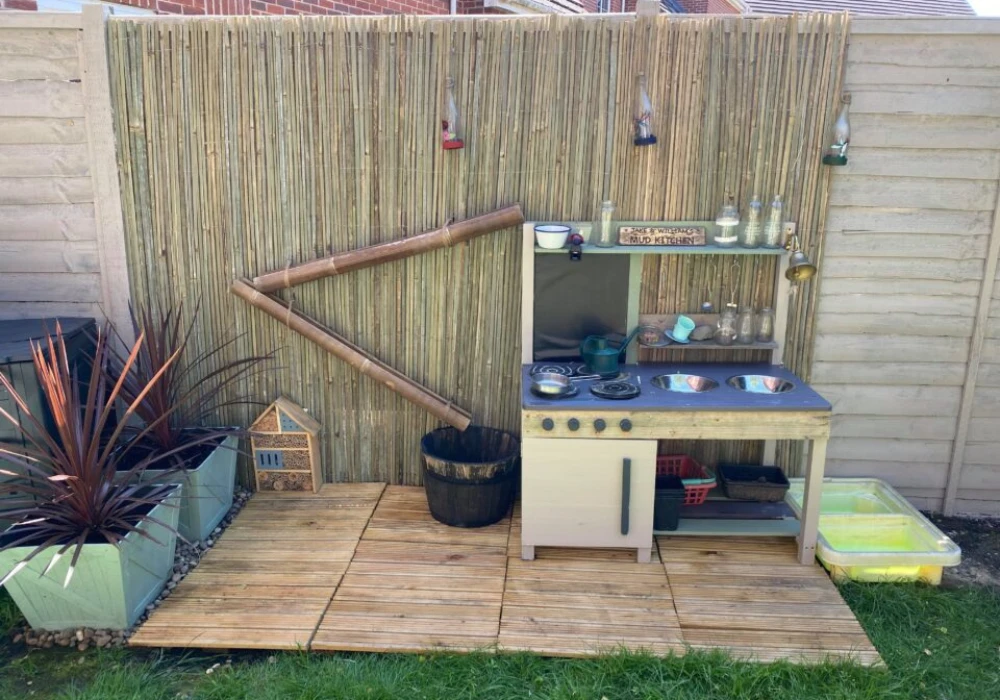
A minimalist natural mud kitchen focuses only on essential materials for simple outdoor play. I prefer this setup when I want children to use imagination without too many tools.
This includes basic items like soil, water, sticks, and a few bowls. It removes distractions and encourages pure creativity.
I usually set this up in quiet garden corners with minimal interference. This helps children focus deeply on their play.
In my opinion, less structure often leads to more creativity. Kids naturally invent new games when fewer items are provided.
Safety Tips for Kids Mud Kitchen Summer Play Area
Safety in a summer mud kitchen matters because kids often mix water, soil, and random outdoor materials. I always supervise younger children to make sure they do not put unsafe objects in their play mix.
I avoid using sharp tools or broken containers in the play area to reduce any risk of injury. Only soft plastic, wooden, or child-safe items work best for this kind of outdoor setup.
I also check the soil quality to ensure it is clean and free from harmful waste or chemicals. This small step keeps the entire play environment safe and stress-free for parents.
I encourage kids to wash their hands after every mud kitchen session to maintain hygiene. This habit helps them enjoy messy play without bringing dirt inside the home.
Materials Guide for Summer Mud Kitchen Setup
A well-planned materials list makes any mud kitchen easier to build and manage at home.
I always prefer using simple and reusable items that do not require extra spending.
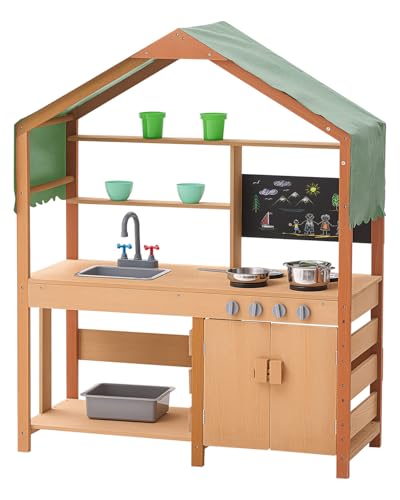
VEVOR Mud Kitchen for Kids Outdoor, Wooden Mud Kitchen Set with Canopy, Mud Kitchen for Kids Outdoor Backyard with Stoves, Planter Boxes, 2 Sink, Faucet, Blackboard, Cookware Pot
VEVOR Mud Kitchen for Kids Outdoor, Wooden Mud Kitchen Set with Canopy, Mud Kitchen for…
| Category | Items Used | Purpose |
|---|---|---|
| Base Setup | Wooden pallets, old tables | Structure for kitchen area |
| Containers | Buckets, bowls, tubs | Mixing and storing mud |
| Tools | Spoons, ladles, cups | Stirring and pouring |
| Natural Items | Stones, leaves, sand | Sensory play elements |
| Extras | Chalkboard, pots | Creative role play |
I like keeping materials flexible so kids can change their play style anytime.
This flexibility helps them stay engaged without feeling restricted.
I also rotate items every few weeks to keep the setup fresh and interesting.
Small changes often bring new excitement to the same play area.
Maintenance and Cleaning Guide for Mud Kitchen Setup
A clean mud kitchen setup helps maintain long-term usability during the summer season. I usually clean the area after every major play session to avoid the buildup of dried mud.
I prefer rinsing containers with water immediately after use to prevent hard stains.
This makes the cleaning process faster and reduces effort later.
I also store tools in a dry box to protect them from weather damage.
Proper storage extends the life of reusable play items.
I occasionally refresh the soil area by adding new, clean soil when needed.
This keeps the play surface soft and enjoyable for kids.
Conclusion
A summer mud kitchen gives children a healthy way to enjoy outdoor play while learning through experience. I have seen how simple setups can keep kids engaged for hours without screens.
These ideas work best when I focus on safety, creativity, and natural materials.
Small changes in setup often bring big improvements in play quality.
I prefer keeping the design flexible so children can explore their imagination freely.
This approach helps them build confidence through self-directed activities.
Overall, a mud kitchen is not just play equipment; it becomes a learning space at home. It supports creativity, sensory development, and meaningful outdoor interaction.

ROBOTIME Kids Mud Kitchen, Wooden Mud Kitchen for Kids Outdoor with Real Water Play Sink, BBQ Grill, Coffee Maker & Planting Station, Large Storage Outdoor Play Kitchen, Kitchen Toys for Ages 3+
ROBOTIME Kids Mud Kitchen, Wooden Mud Kitchen for Kids Outdoor with Real Water Play Sink,…
FAQs
A mud kitchen is an outdoor play area where kids mix mud, water, and natural items. It encourages creative role play and sensory learning through hands-on activities.
A mud kitchen is safe when I use clean materials and supervise younger children. Proper hygiene and safe tools make it a secure outdoor activity.
Basic materials include buckets, bowls, spoons, soil, and water. Natural items like leaves and stones also improve play experience.
I clean containers with water and remove leftover mud immediately. Regular cleaning keeps the setup safe and ready for next use.
Mud kitchens are suitable for children aged 3 to 10 years. Younger kids need more supervision during play activities.
Related Posts
- 15 Best Summer Toe Nail Ideas
- Top 10 Summer Wallpaper Ideas
- 11 Best Summer Long Nail Ideas
- Top 12 Summer Beach Ideas
- 13 Best Summer Wardrobe Design Ideas
- Top 14 Summer Almond Nail Ideas
Recommended for You
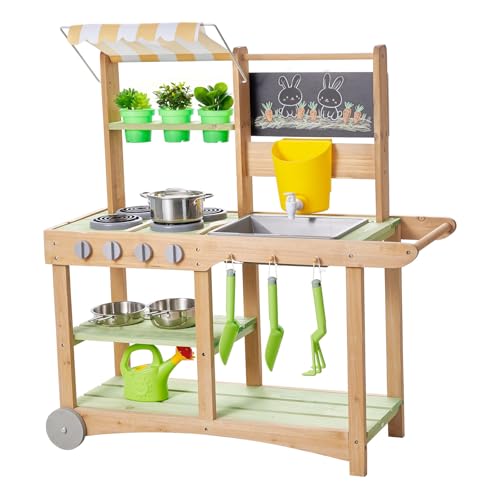
VEVOR Mud Kitchen, Outdoor Mud Kitchen for Kids, Wood Outdoor Play Kitchens with Spoons, Sink, Sunshade Canopy, Swivel Wheels, Cookware Pots and Accessories, Wooden Play Kitchens for Home, Lawn
VEVOR Mud Kitchen, Outdoor Mud Kitchen for Kids, Wood Outdoor Play Kitchens with Spoons, Sink,…

Costzon Wooden Kids Play Kitchen, Outdoor Mud Kitchen with Removable Sink, Water Box & Faucet, Stove Top, Storage Shelves, Fun Backyard Pretend Kitchen Playset for Boys Girls 3+ (Green)
Costzon Wooden Kids Play Kitchen, Outdoor Mud Kitchen with Removable Sink, Water Box & Faucet,…

TOP BRIGHT 4 in 1 Mud Kitchen for Kids, Outdoor Playhouse for Water Play
TOP BRIGHT 4 in 1 Mud Kitchen for Kids, Outdoor Playhouse for Water Play

HONEY JOY Mud Kitchen, Wooden Outdoor Play Kitchen for Toddlers, Removable Sink, Chalkboard, Kids Kitchen Playset, Mud Table, Pretend Play Mud Kitchen for Kids Outdoor, Gift for Boys Girls
HONEY JOY Mud Kitchen, Wooden Outdoor Play Kitchen for Toddlers, Removable Sink, Chalkboard, Kids Kitchen…

Costzon Mud Kitchen, Wooden Kids Potting Bench w/Removable Faucet, Sink, Stoves, Rotation Knobs, Planter Boxes, Trellis & Cooking Accessories, Mud Kitchen for Kids Outdoor 3-8 (Yellow)
Costzon Mud Kitchen, Wooden Kids Potting Bench w/Removable Faucet, Sink, Stoves, Rotation Knobs, Planter Boxes,…

HONEY JOY Mud Kitchen, 3-Piece Modular Wooden Toddlers Play Kitchen/Pizza Counter Playset/Oven Barbecue Grill, Play Food and Accessories, Little Chef Pretend Mud Kitchen for Kids Outdoors, Natural
HONEY JOY Mud Kitchen, 3-Piece Modular Wooden Toddlers Play Kitchen/Pizza Counter Playset/Oven Barbecue Grill, Play…

Outdoor Mud Kitchen Accessories, Mud Kitchen Accessories, UV-Resistant Plastic Burners and Knobs, 4-Inch Diameter, Spinning Knobs, 8-Piece Set for Kids Play Kitchen
Outdoor Mud Kitchen Accessories, Mud Kitchen Accessories, UV-Resistant Plastic Burners and Knobs, 4-Inch Diameter, Spinning…
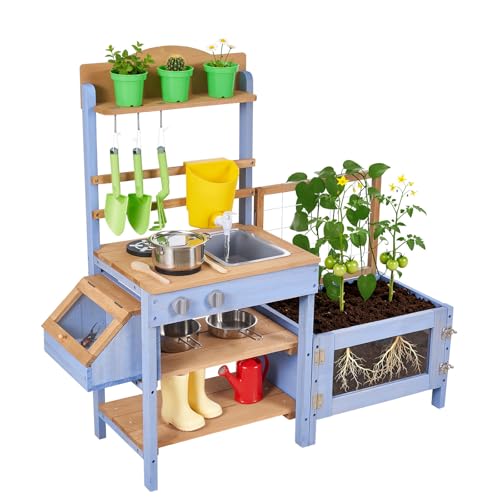
VEVOR Mud Kitchen, Outdoor Mud Kitchen for Kids, Wood Outdoor Play Kitchens with Planting Box, Critter Catcher Container, Tank, Sink, Cookware Pots and Accessories, Wooden Play Kitchens for Lawn, Yard
VEVOR Mud Kitchen, Outdoor Mud Kitchen for Kids, Wood Outdoor Play Kitchens with Planting Box,…
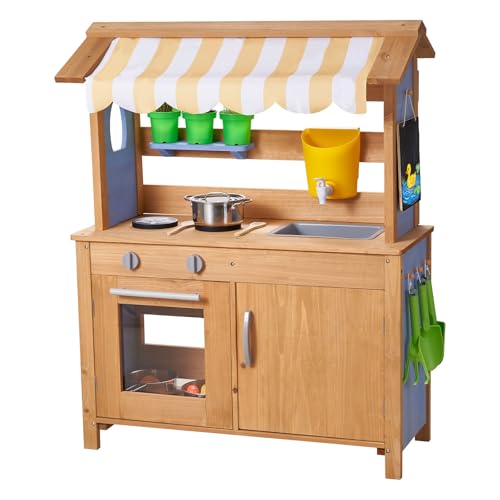
VEVOR Mud Kitchen, Outdoor Mud Kitchen for Kids, Wood Outdoor Play Kitchens with Spoons, Sink, Tank, Sunshade Canopy, Shovels, Cookware Pots and Accessories, Wooden Play Kitchens for Home, Lawn
VEVOR Mud Kitchen, Outdoor Mud Kitchen for Kids, Wood Outdoor Play Kitchens with Spoons, Sink,…

HONEY JOY Mud Kitchen, Fir Wood Outdoor Play Kitchen for Toddlers & Picnic Bench Set, Chalkboard, Sink, Cooking Accessories, Pretend Play Outdoor Mud Table for Kids Outdoors, Natural (Natural)
HONEY JOY Mud Kitchen, Fir Wood Outdoor Play Kitchen for Toddlers & Picnic Bench Set,…

HONEY JOY Mud Kitchen with Planter Box and Running Water, Fir Wood Kids Potting Bench Mud Table, Water Tank & Chalkboard, Sensory Outdoor Play Kitchen for Toddler Girls Boys(Blue)
HONEY JOY Mud Kitchen with Planter Box and Running Water, Fir Wood Kids Potting Bench…

EInilata Checkerboard Wood Mixing Bowl, Compatible with 4.5 & 5 QT KitchenAid Tilt-Head Stand Mixer. Wooden Bowl for Mixer with Stainless Steel Locking Base, Natural Wood. Kitchen Gift Idea.
EInilata Checkerboard Wood Mixing Bowl, Compatible with 4.5 & 5 QT KitchenAid Tilt-Head Stand Mixer.…