
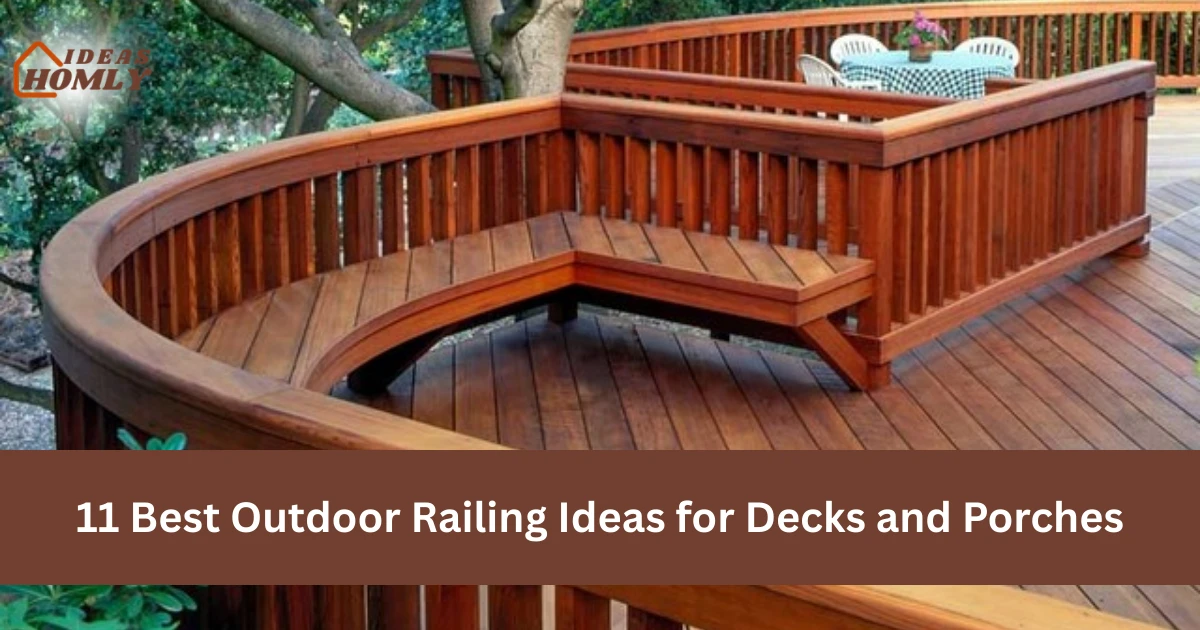

The best outdoor railing ideas improve both safety and curb appeal at the same time. When I choose the right railing for my deck or porch, I protect my family and upgrade my home’s exterior in one smart move.
Outdoor railings are not just barriers. They define the look of your balcony, porch, patio, and outdoor stairs. A well-designed railing can make a basic deck look professional and thoughtfully designed.
Many homeowners focus only on flooring or furniture. I always say the railing quietly controls the entire visual balance of the outdoor space. When it looks good, everything else looks better.
Now let’s go through the top outdoor railing ideas that actually work in real homes.
1. Modern Horizontal Metal Outdoor Railing
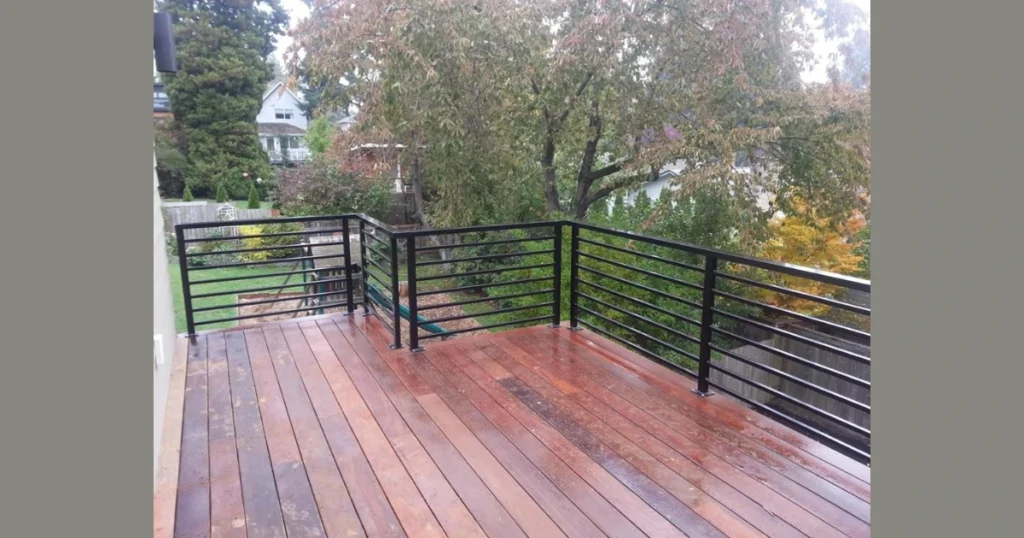
Modern horizontal metal railing gives your outdoor space a clean and structured look. I recommend this style for homes with contemporary or minimalist architecture.
This outdoor railing design usually uses powder-coated steel or aluminum bars. The horizontal lines create a wider visual effect, which makes small decks feel more open.
2. Classic Wooden Deck Railing for a Warm Look
Classic wooden outdoor railing remains one of the most popular choices. I often suggest this option for traditional homes and farmhouse-style properties.
Wood railings create warmth that metal cannot replicate. Cedar and pressure-treated lumber work best because they resist insects and moisture better than standard wood.
3. Cable Outdoor Railing for a Clean and Open View
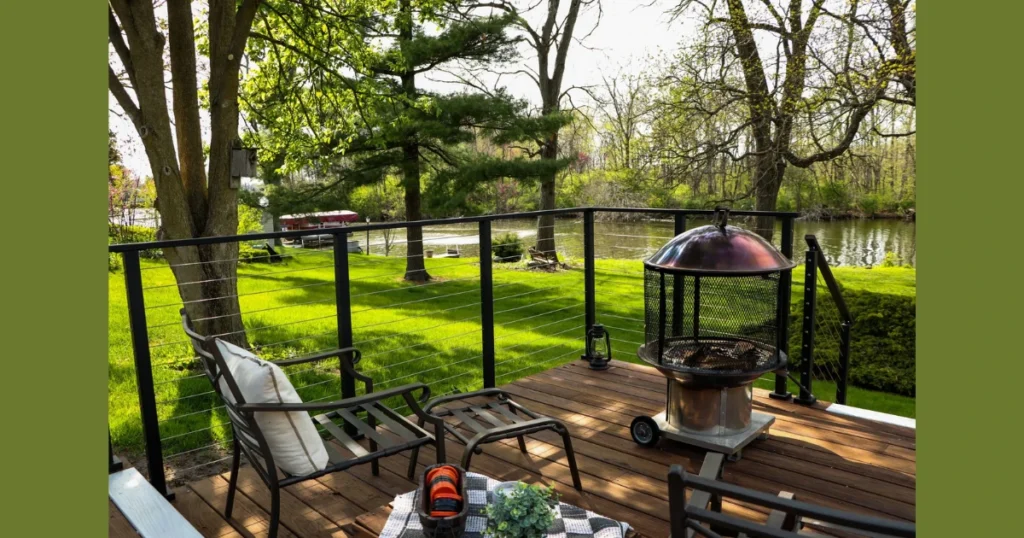
Cable outdoor railing offers a sleek and airy appearance. If you want to preserve your backyard view, this design works beautifully.
This system uses stainless steel cables stretched between metal or wooden posts. The thin cables keep the area safe while allowing maximum visibility.
4. Glass Panel Outdoor Railing for a Premium Finish
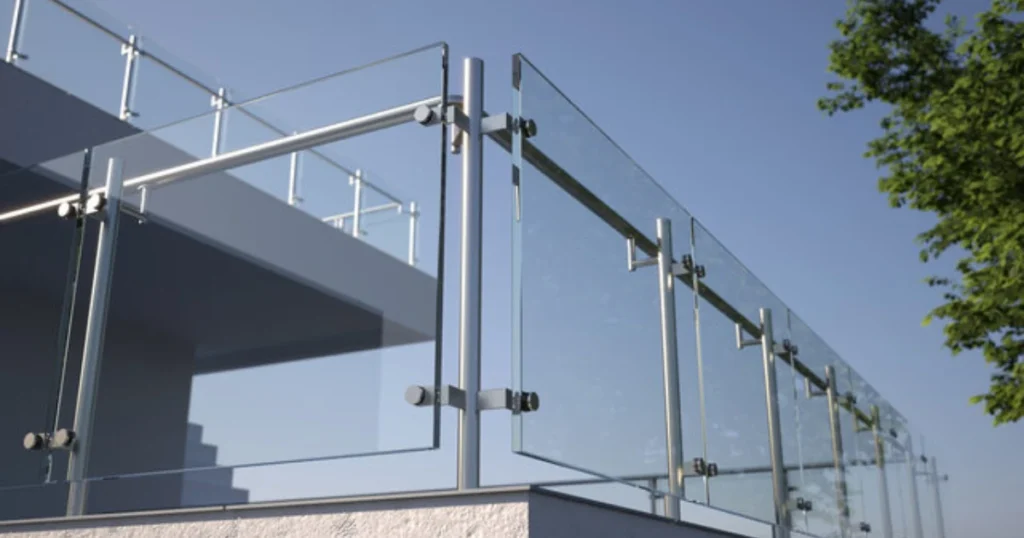
Glass panel outdoor railing creates a high-end look instantly. If you want a clean and polished outdoor design, this option stands out.
Tempered safety glass panels attach between metal or aluminum frames. The panels block wind but maintain full visibility.
What You Should Consider Before Choosing an Outdoor Railing
Before selecting from these outdoor railing ideas, you should evaluate a few practical factors. I always check these points first:
- Weather conditions in your area
- Maintenance time you can commit
- Budget range
- Home architectural style
- Local building codes
| Railing Type | Maintenance Level | Budget Range | View Visibility | Best For Style |
|---|---|---|---|---|
| Horizontal Metal | Low | Medium | Medium | Modern homes |
| Wooden Railing | Medium to High | Affordable | Medium | Traditional homes |
| Cable Railing | Low | Medium | High | Contemporary homes |
| Glass Panel | Medium | Premium | Very High | Luxury designs |
5. Composite Outdoor Railing for Low Maintenance Living
Composite outdoor railing gives you the look of wood without constant upkeep. I often suggest this option to homeowners who want durability without spending weekends staining boards.
Manufacturers make composite railing from recycled wood fibers and plastic. This material resists rot, insects, and moisture much better than traditional lumber.
6. Wrought Iron Outdoor Railing for Timeless Elegance
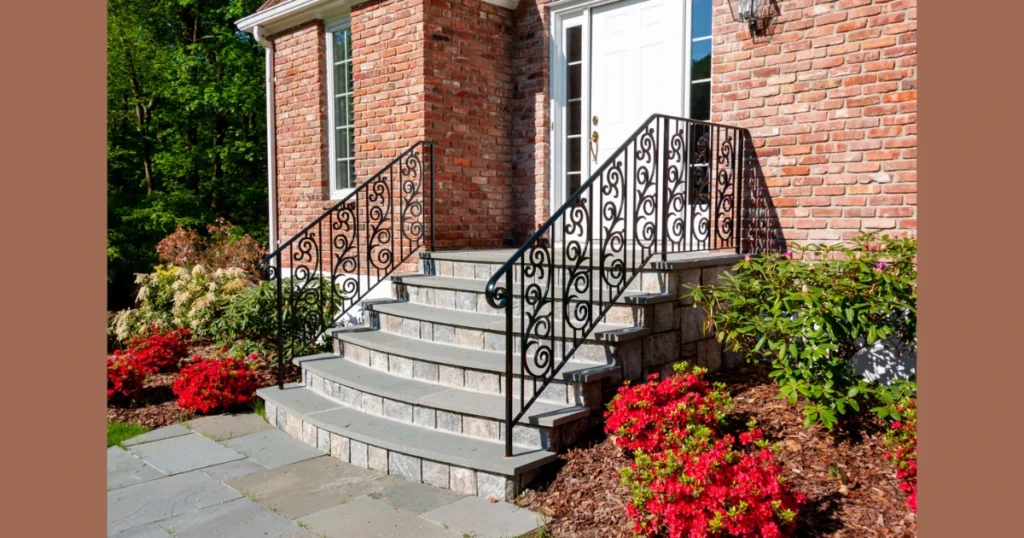
Wrought iron outdoor railing adds strength and classic charm. If your home has traditional architecture, this style blends beautifully.
Iron railings often feature vertical balusters with subtle curves or decorative details. The design adds character without overpowering the exterior.
7. Farmhouse Style Outdoor Railing with Cross Pattern
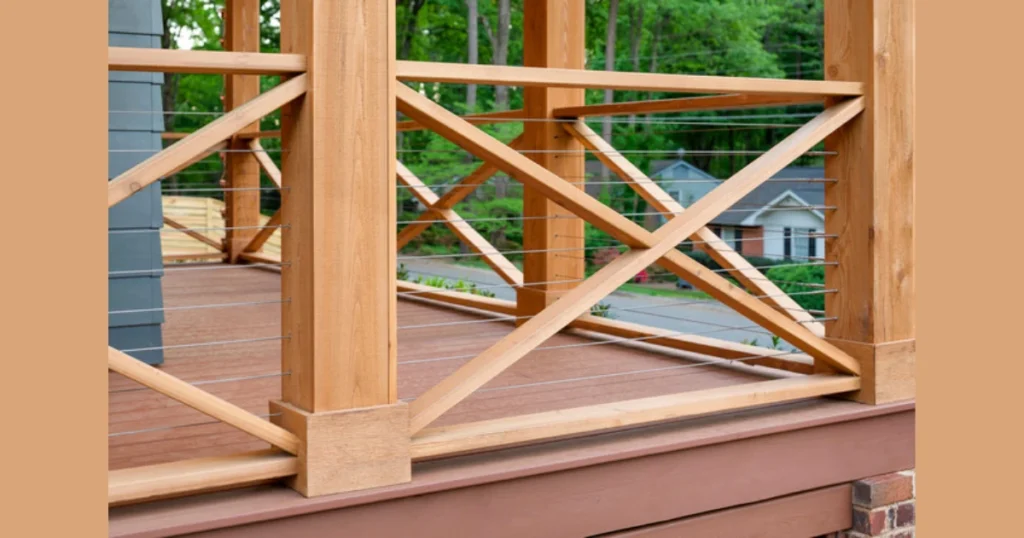
Farmhouse outdoor railing brings a relaxed and welcoming vibe. I personally enjoy this style because it feels simple yet intentional.
This design often includes wooden posts with X-pattern cross beams. White paint or natural stain both work well.
8. Aluminum Outdoor Railing for Lightweight Durability
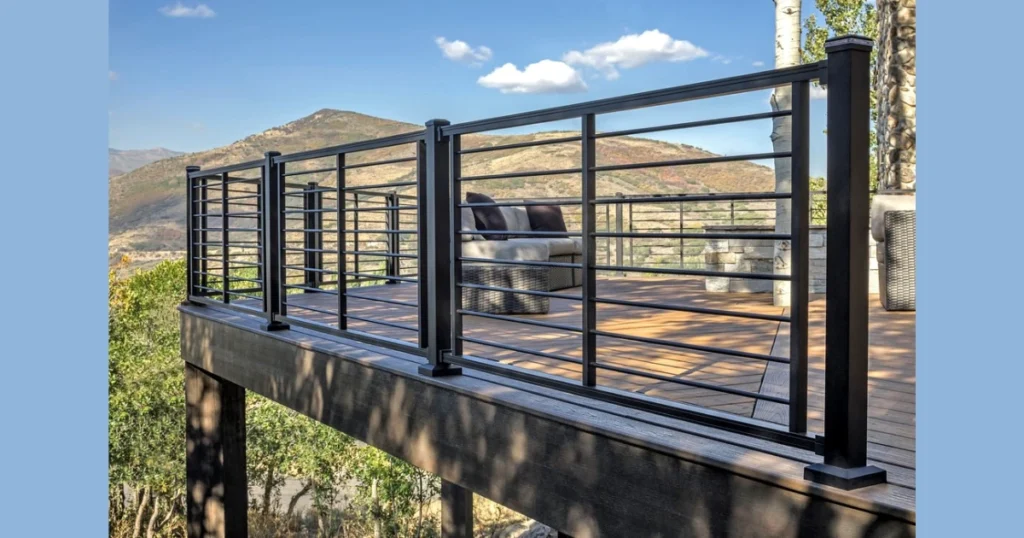
Aluminum outdoor railing provides durability without heavy weight. I recommend this for homeowners who want strength without bulky structure.
Aluminum resists rust naturally. Powder coating improves color longevity and scratch resistance.
9. Decorative Baluster Outdoor Railing for Custom Style
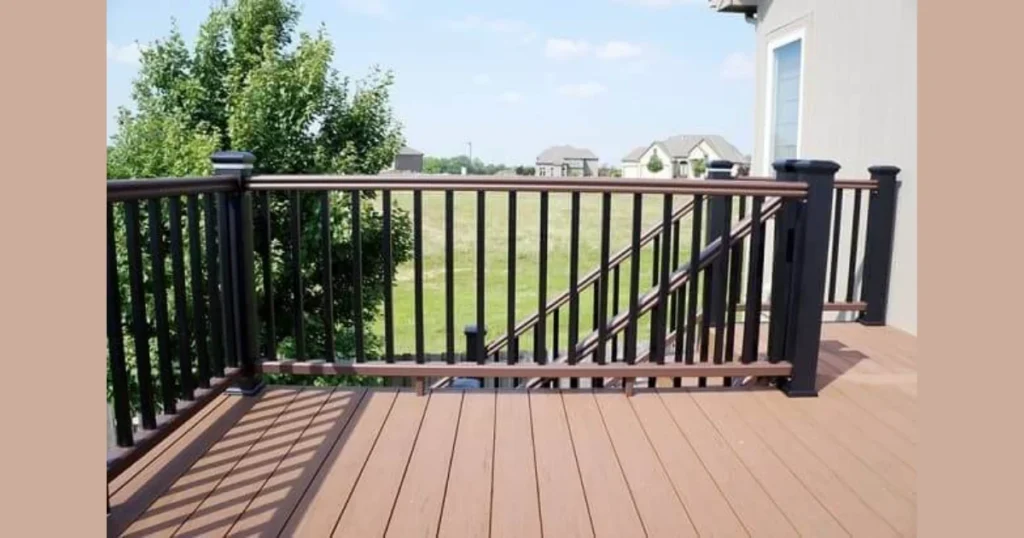
Decorative baluster outdoor railing adds personality to a standard frame. I often suggest this option when someone wants subtle design details.
Balusters come in metal, wood, or composite materials. Some feature geometric shapes while others stay simple and vertical.
Budget Comparison for Popular Outdoor Railing Ideas
Budget matters when planning outdoor upgrades. I always break railing choices into three general cost categories.
| Budget Level | Best Outdoor Railing Options | Why Choose It |
|---|---|---|
| Affordable | Pressure-treated wood, basic metal railing | Lower material cost, simple design |
| Mid-Range | Composite railing, aluminum railing | Better durability, lower upkeep |
| Premium | Glass panel railing, custom wrought iron | High-end appearance, strong structure |
How I Match Outdoor Railing Ideas with Home Style
Choosing the right outdoor railing depends on your home’s design language. I always match railing style with exterior elements.
- Modern homes look best with horizontal metal or cable railing.
- Farmhouse properties pair well with wooden cross pattern designs.
- Traditional brick homes suit wrought iron railings.
- Luxury homes benefit from glass panel systems.
- Coastal houses perform well with composite or aluminum railing.
When railing complements siding, roofing, and landscaping, the entire exterior feels cohesive.
10. Vertical Metal Baluster Outdoor Railing for Clean Structure
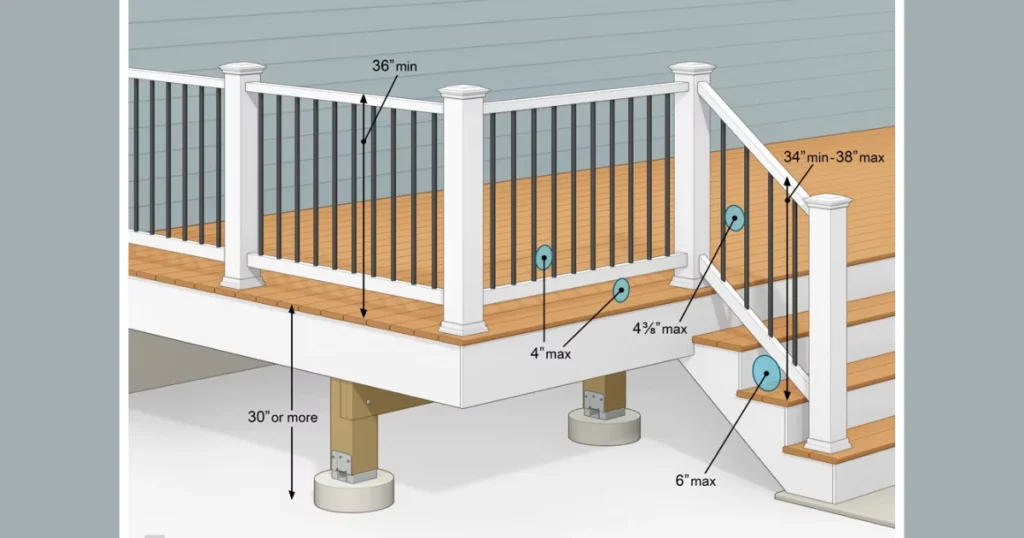
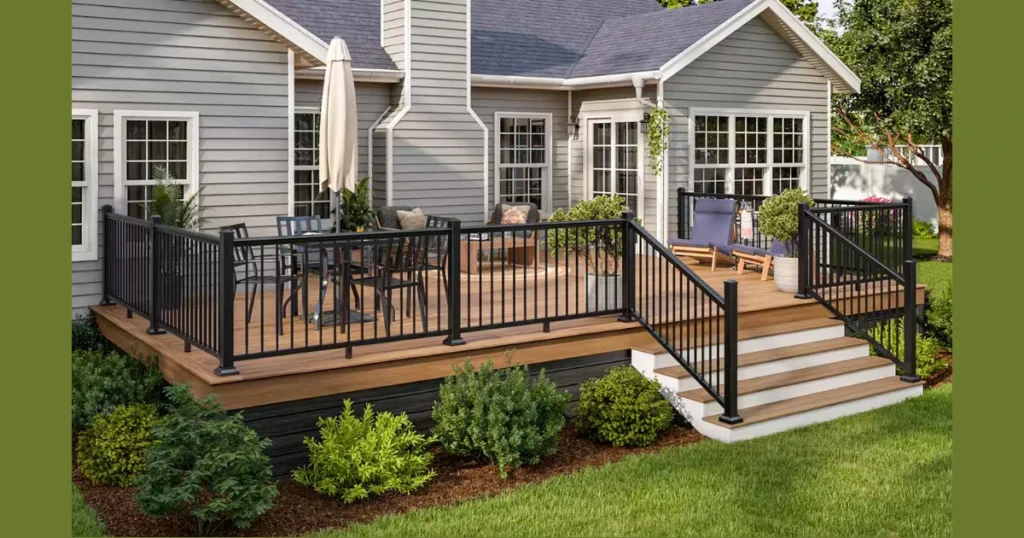
Vertical metal baluster outdoor railing offers a simple and strong look. I often recommend this design for homeowners who want safety without complex detailing.
This style uses evenly spaced vertical metal bars between sturdy posts. The clean lines suit both modern and traditional homes.
11. PVC Outdoor Railing for Affordable and Weather Resistance
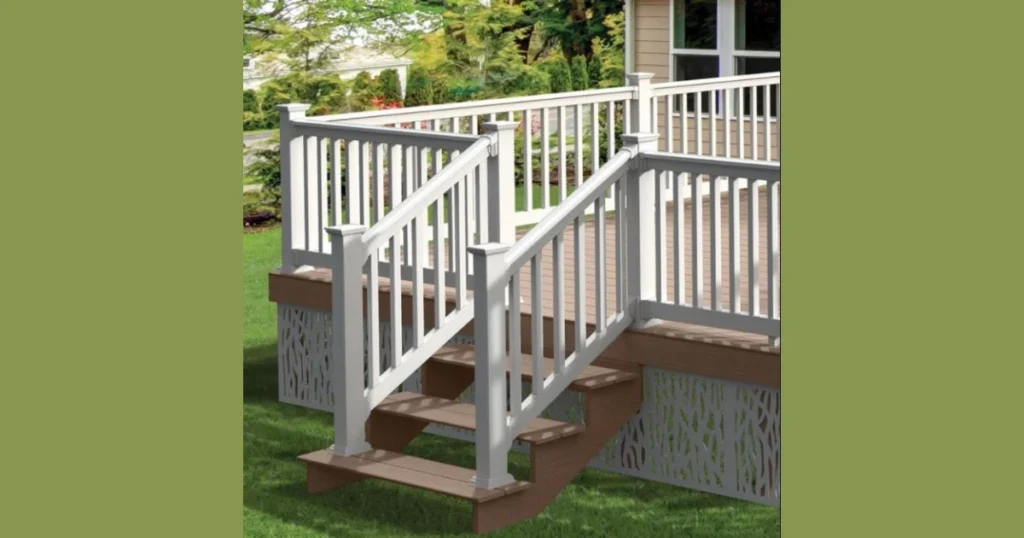
PVC outdoor railing provides a cost-friendly and low-maintenance solution. I suggest this option when budget matters but appearance still counts.
PVC resists moisture, insects, and fading. It does not splinter like wood, which makes it safer for families with kids.
Practical Guide to Choosing the Best Outdoor Railing for Your Home
Choosing the best outdoor railing ideas requires practical thinking. I always evaluate safety, material durability, budget, and design compatibility before deciding.
Here are the key factors I consider:
1. Safety and Building Code Compliance
Outdoor railing must meet local height and spacing requirements. Most residential deck railings require at least 36 inches in height.
Baluster spacing should prevent children from slipping through. I always check local regulations before installation.
2. Weather Resistance
Your climate should guide your material choice. Coastal areas need corrosion-resistant options like aluminum or composite.
Rain-heavy regions benefit from treated wood or PVC. Hot climates require UV-resistant finishes.
3. Maintenance Commitment
Every outdoor railing material requires some care. Wood needs sealing, while glass needs frequent cleaning.
If you prefer minimal work, choose aluminum, composite, or PVC railing systems.
4. Budget Planning
Initial cost matters, but long-term cost matters more. Sometimes cheaper wood ends up costing more due to maintenance.
Outdoor Railing Maintenance Chart
Proper maintenance extends railing lifespan. I follow this simple reference table:
| Railing Type | Cleaning Frequency | Maintenance Type | Lifespan Range |
|---|---|---|---|
| Wood | 2 to 3 times yearly | Stain or seal every 2 years | 10 to 15 years |
| Composite | 1 to 2 times yearly | Wash with mild soap | 20+ years |
| Aluminum | 1 to 2 times yearly | Basic cleaning | 20+ years |
| Wrought Iron | 2 times yearly | Repaint when needed | 15 to 20 years |
| Glass Panel | Monthly cleaning | Glass-safe cleaning | 20+ years |
| PVC | 1 to 2 times yearly | Basic wash | 20 years |
Installation Tips for Long-Lasting Outdoor Railing
Proper installation determines durability. Even the best outdoor railing ideas fail with poor setup.
I always recommend:
- Secure posts deeply into framing
- Use corrosion-resistant fasteners
- Ensure level alignment before tightening
- Seal joints against moisture
- Inspect annually for loose components
If you lack experience, hire a professional installer. Safety should never become a DIY experiment.
Conclusion
The best outdoor railing ideas combine safety, style, and durability. When I choose a railing, I focus on long-term value instead of short-term appearance.
Metal and aluminum offer strength with low upkeep. Wood provides warmth but requires maintenance. Composite and PVC reduce long-term work. Glass creates a premium look but needs regular cleaning.
If you match your railing to your home style, climate, and budget, you will feel confident in your decision. That confidence matters more than trends.
I hope this guide helps you narrow your choice and move forward without confusion.
FAQs
Aluminum and composite railing systems last the longest. They resist rust, moisture, and insect damage better than wood.
Pressure-treated wood and PVC railing are generally the most budget-friendly options for homeowners.
Aluminum, composite, and PVC railing require minimal upkeep. Simple cleaning usually keeps them in good shape.
Tempered glass panels are strong and safe when properly installed. They must meet building code standards.
Most residential deck railings require a minimum height of 36 inches. Always check local building regulations.
You can install some railing systems if you have experience. However, professional installation ensures structural safety.
Modern metal, cable, and glass railing systems often increase curb appeal and resale value when installed properly.