
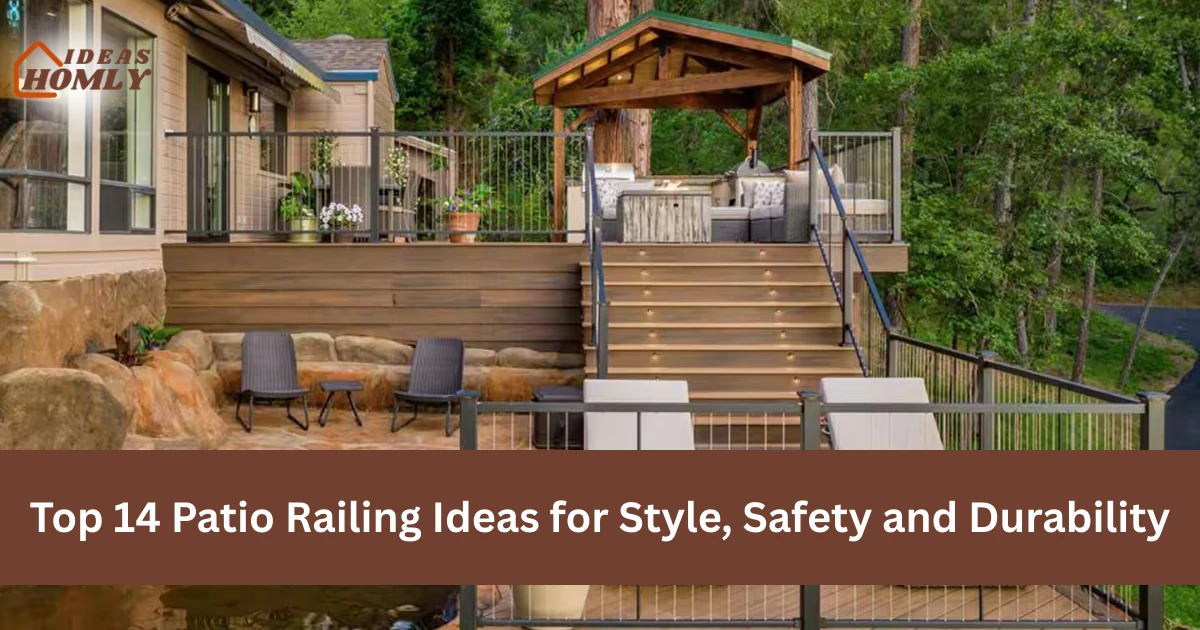

Top 14 patio railing ideas help you choose the right balance between design, durability, and safety for your outdoor space. If you are upgrading your patio, the railing plays a bigger role than most people think. It defines the look, protects your family, and increases your home’s curb appeal.
I have worked on patios that looked average until the railing changed everything. The right patio railing design can make a small deck feel premium or give a simple backyard a finished look. In this guide, I will share practical patio railing ideas that you can actually install in real homes without overcomplicating things.
Why Choosing the Right Patio Railing Matters
Patio railing affects both safety and appearance at the same time. It protects kids, pets, and guests while shaping the overall outdoor style. A poor choice can make your patio look outdated or high maintenance.
I always tell homeowners to think beyond design alone. You need to consider weather resistance, maintenance, budget, and how the railing matches your exterior walls, flooring, and landscaping. Let’s now move to the best patio railing ideas that balance beauty and function.
1. Classic Wood Patio Railing for a Warm and Natural Look
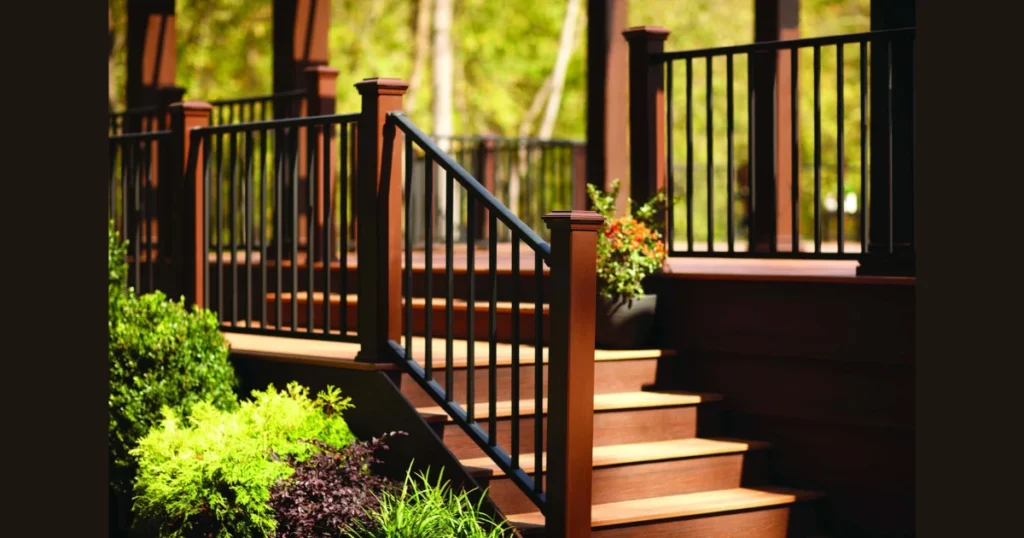
Wood patio railing remains one of the most popular patio railing ideas for a reason. It brings warmth, texture, and a traditional outdoor charm that blends well with gardens and backyard patios.
Pressure-treated pine works well for budget projects, while cedar and redwood resist moisture better. I personally prefer cedar because it holds up nicely in changing weather and looks beautiful even as it ages.
Wood railing requires regular sealing or staining to prevent rot and fading. If you do not mind a little maintenance, this option gives you flexibility in design, color, and shape.
2. Modern Metal Patio Railing for Strength and Clean Lines
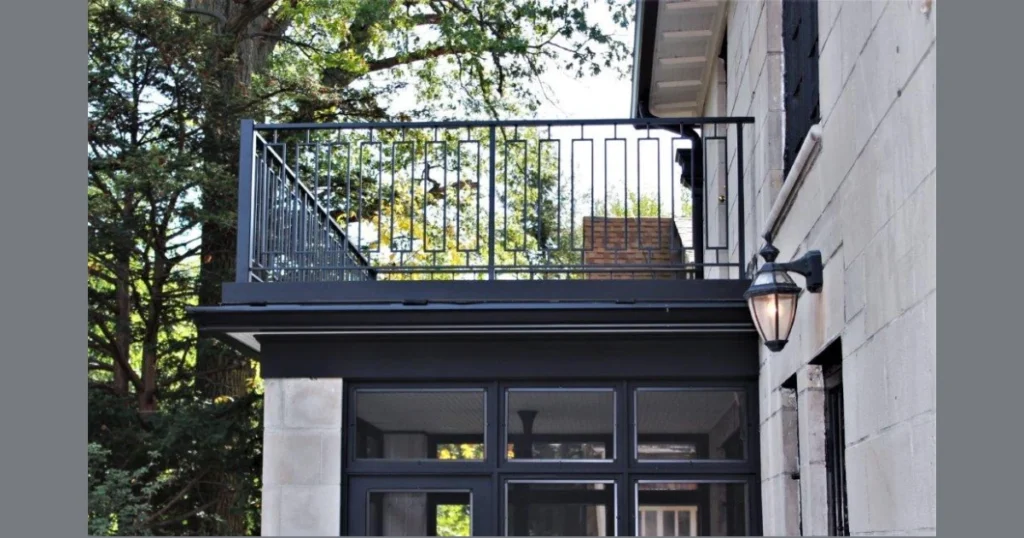
Metal patio railing delivers durability with a sleek appearance. Steel and aluminum railings suit contemporary homes and urban patios perfectly.
Powder-coated aluminum resists rust and requires very little maintenance. I often recommend aluminum for homeowners who want long-lasting results without constant repainting.
Metal railings also allow creative patterns like vertical bars, geometric panels, or minimalist frames. They look structured and professional, especially in modern patio settings.
3. Glass Patio Railing for an Open and Luxury Feel
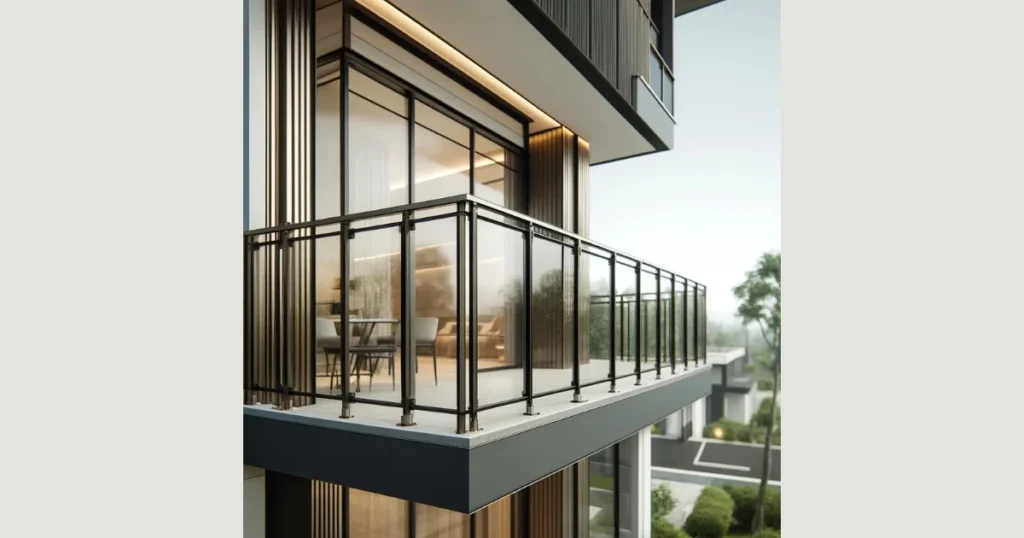
Glass patio railing creates an open and spacious atmosphere. It keeps your view clear while maintaining safety, which makes it perfect for elevated patios or scenic backyards.
Tempered glass panels provide strength and safety. Many homeowners choose frameless glass systems because they look clean and elegant.
Glass requires occasional cleaning to remove fingerprints and dust. If you enjoy natural light and uninterrupted views, this patio railing design works beautifully.
4. Cable Patio Railing for a Contemporary Outdoor Style
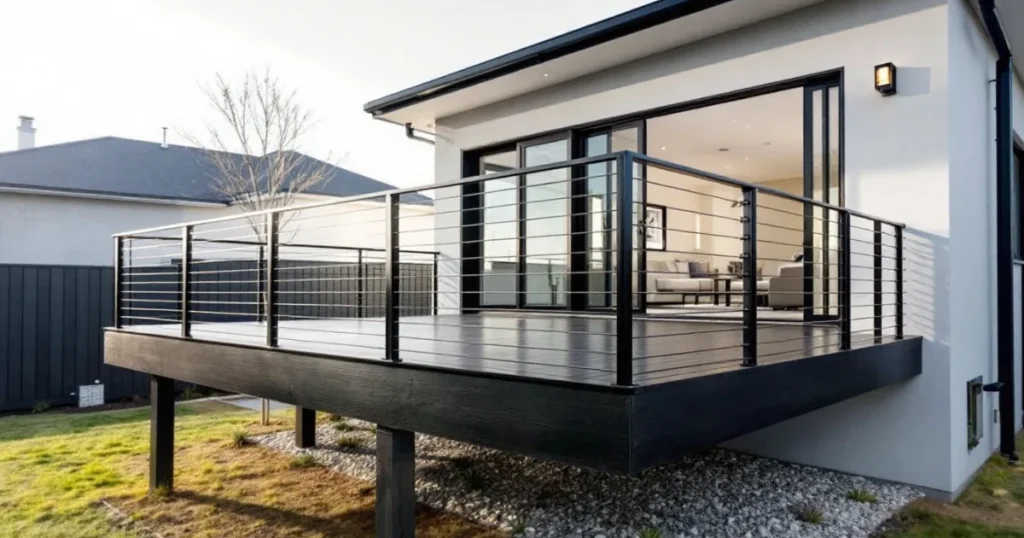
Cable patio railing offers a modern look with minimal visual obstruction. Stainless steel cables run horizontally or vertically between posts, creating a lightweight structure.
This railing style works great in coastal areas or modern backyard patios. I like cable systems because they feel open yet secure.
Regular tension checks keep cables tight and safe. If you want something modern but less heavy than metal bars, cable railing makes sense.
5. Composite Patio Railing for Low Maintenance Living
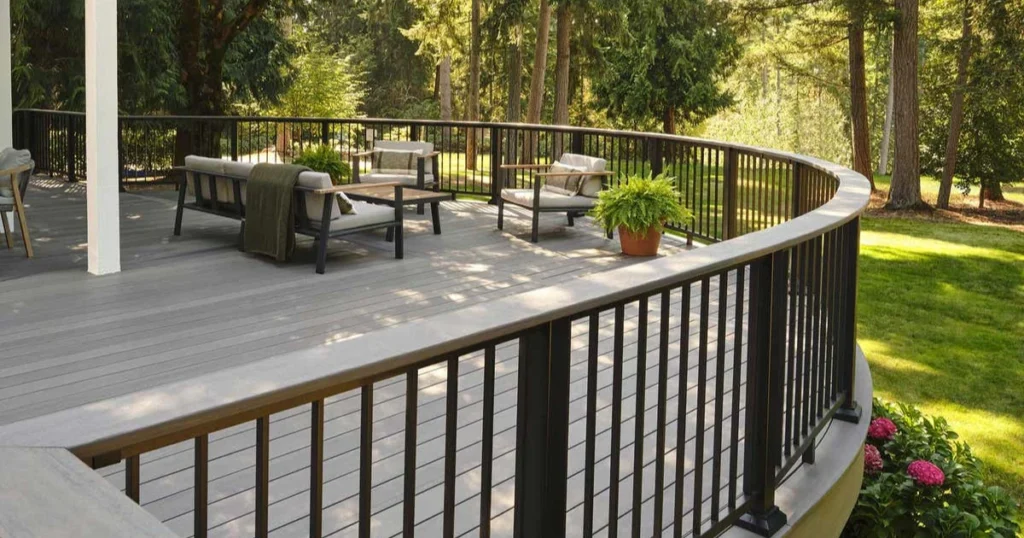
Composite patio railing gives you the look of wood without constant upkeep. Manufacturers combine recycled wood fibers and plastic to create durable outdoor railing systems.
Composite railing resists moisture, insects, and fading better than natural wood. It works well in rainy or humid climates.
I often suggest composite railing for busy homeowners who do not want yearly staining. It costs more upfront but saves time and maintenance later.
6. Wrought Iron Patio Railing for Decorative Appeal
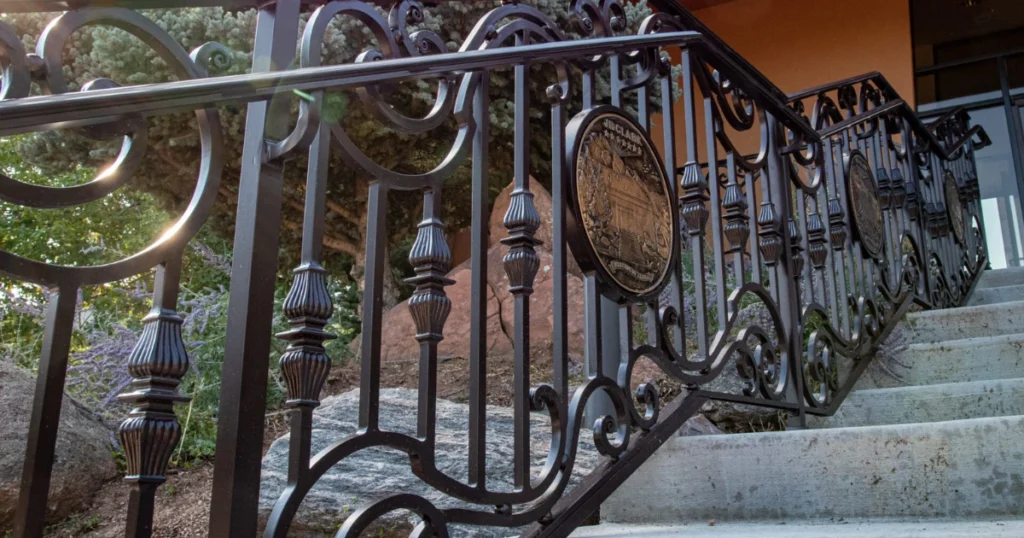
Wrought iron patio railing adds character and decorative detail. It suits traditional homes, Spanish-style exteriors, and vintage-inspired patios.
You can choose from curved patterns, scroll designs, or simple vertical bars. Wrought iron feels sturdy and solid.
However, iron requires protective coating to prevent rust. If maintained properly, it can last decades and elevate your patio’s appearance.
7. Horizontal Slat Patio Railing for a Modern Finish
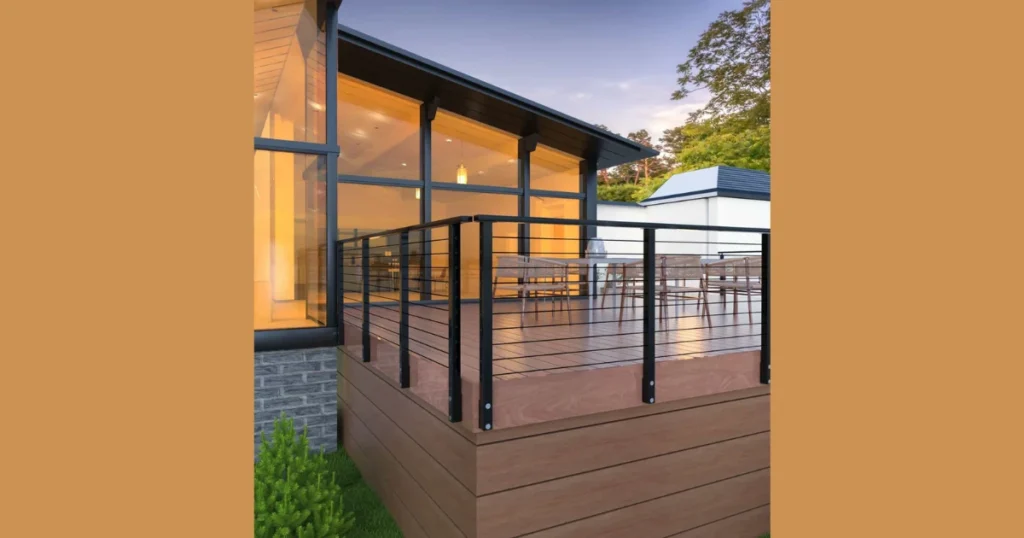
Horizontal slat patio railing creates a clean and structured look. Wood or metal slats run parallel across the frame, adding strong visual lines.
This design works well with modern architecture and contemporary outdoor furniture. It gives privacy without fully blocking airflow.
I usually recommend metal slats for durability. Wood slats look beautiful but need sealing to maintain their finish.
8. Vinyl Patio Railing for Affordable and Easy Maintenance
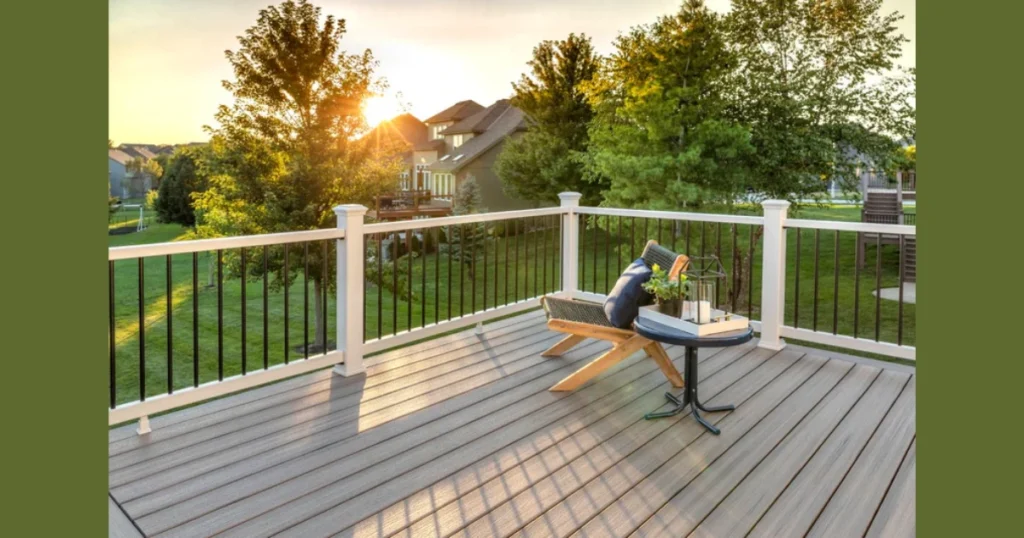
Vinyl patio railing offers a clean look with minimal upkeep. It resists moisture, insects, and fading, which makes it suitable for outdoor use.
Many homeowners choose vinyl railing because it does not require painting or sealing. A simple wash with water keeps it looking fresh.
Vinyl works well for family patios where durability matters more than decorative detail. It is budget-friendly and available in multiple colors and styles.
9. Rustic Log Patio Railing for a Natural Outdoor Vibe
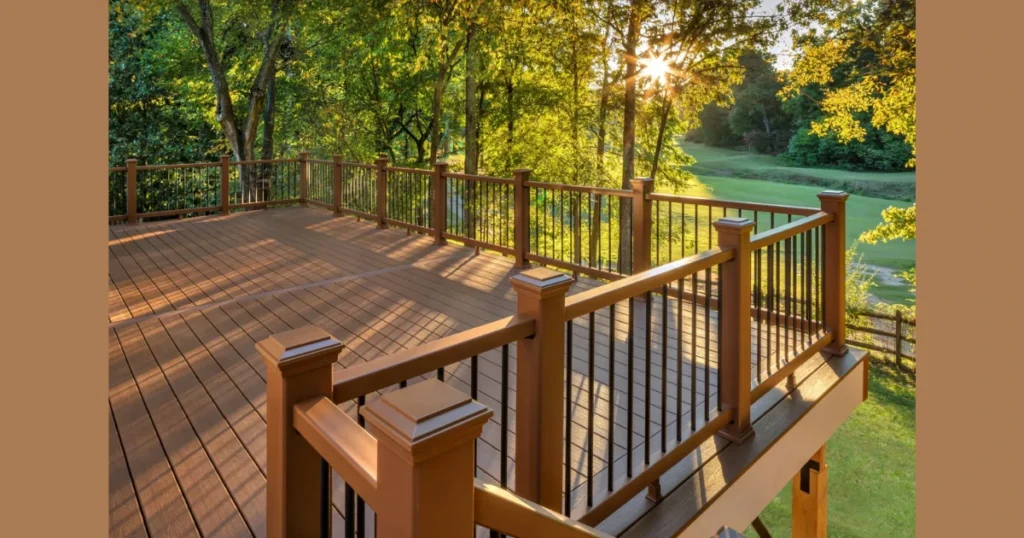
Rustic log patio railing creates a cabin-style appearance instantly. It uses raw or shaped logs to bring a countryside feel to your patio.
This patio railing idea suits mountain homes, farmhouse exteriors, and large backyards. It pairs beautifully with stone flooring and wooden decks.
Log railing needs sealing to protect against moisture and pests. If you enjoy natural textures and a bold outdoor look, this design feels authentic.
10. Stainless Steel Patio Railing for Long-Term Durability
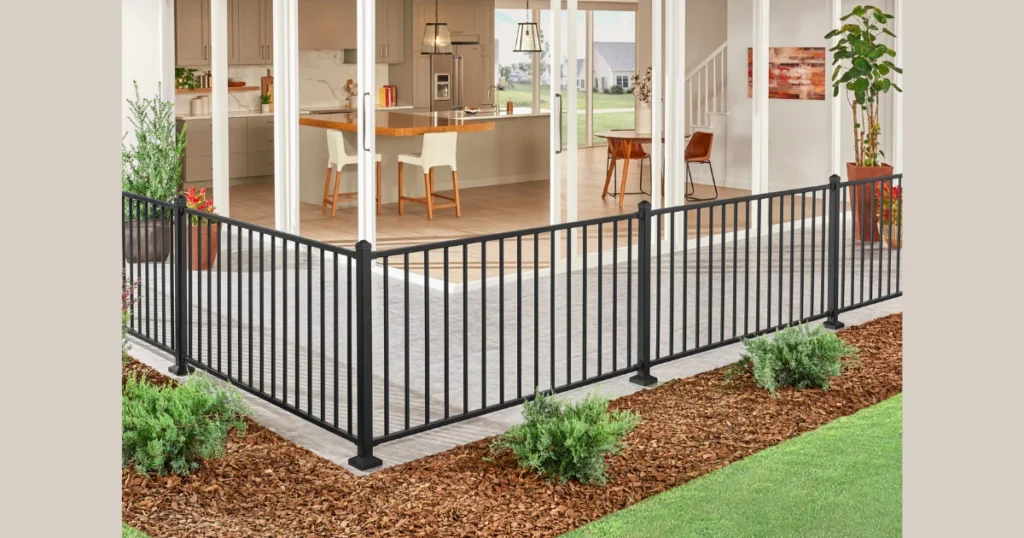
Stainless steel patio railing delivers strength and weather resistance. It handles rain, humidity, and coastal air better than many materials.
I often suggest stainless steel for modern homes that need a long-lasting solution. It looks clean and structured without heavy detailing.
Maintenance stays simple because stainless steel resists corrosion. It works best when paired with glass panels or cable systems for a balanced look.
11. Mixed Material Patio Railing for a Custom Look
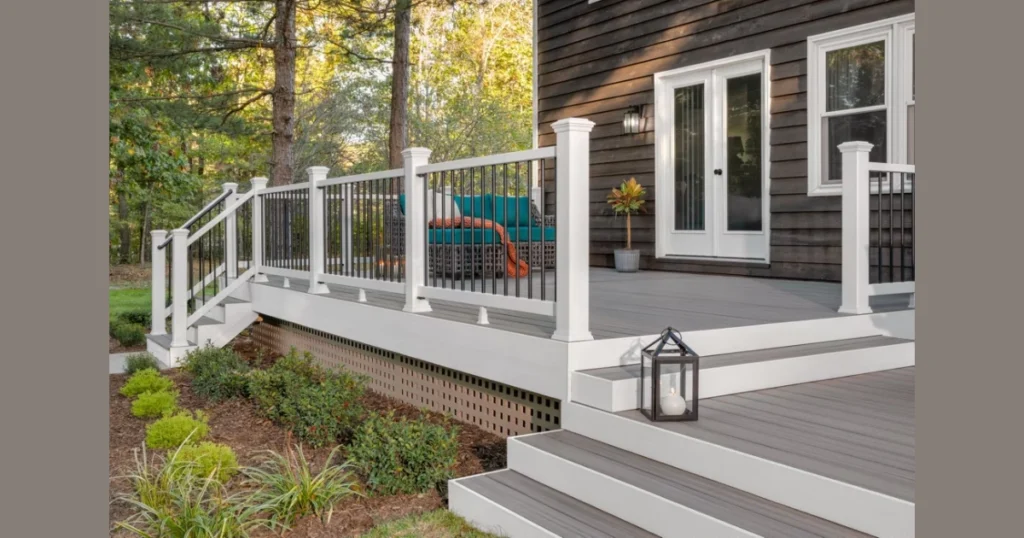
Mixed material patio railing combines wood, metal, glass, or composite in one design. This approach allows you to balance texture, strength, and style.
For example, you can use wooden posts with metal balusters. You can also combine glass panels with steel frames for a modern feel.
I personally like mixed materials because they feel unique. They also allow you to control cost by blending premium and affordable components.
12. Privacy Panel Patio Railing for More Seclusion
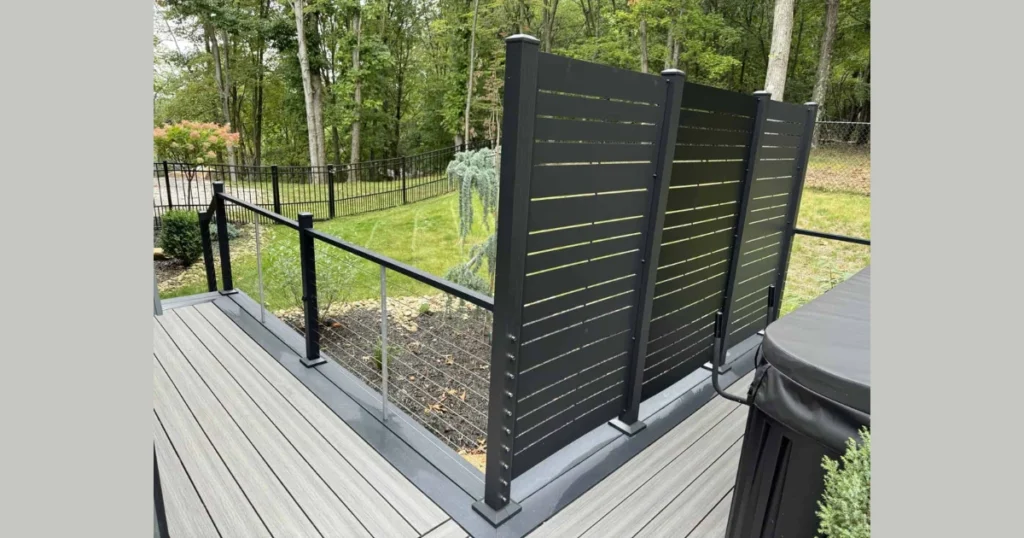
Privacy panel patio railing increases comfort by blocking outside views. It works well for closely spaced homes or street-facing patios.
Solid wood panels, frosted glass, or decorative metal sheets can create partial or full privacy. You still maintain airflow while reducing visibility.
If you enjoy quiet evenings without feeling exposed, this patio railing design improves both comfort and security.
13. Farmhouse Style Patio Railing for a Cozy Exterior
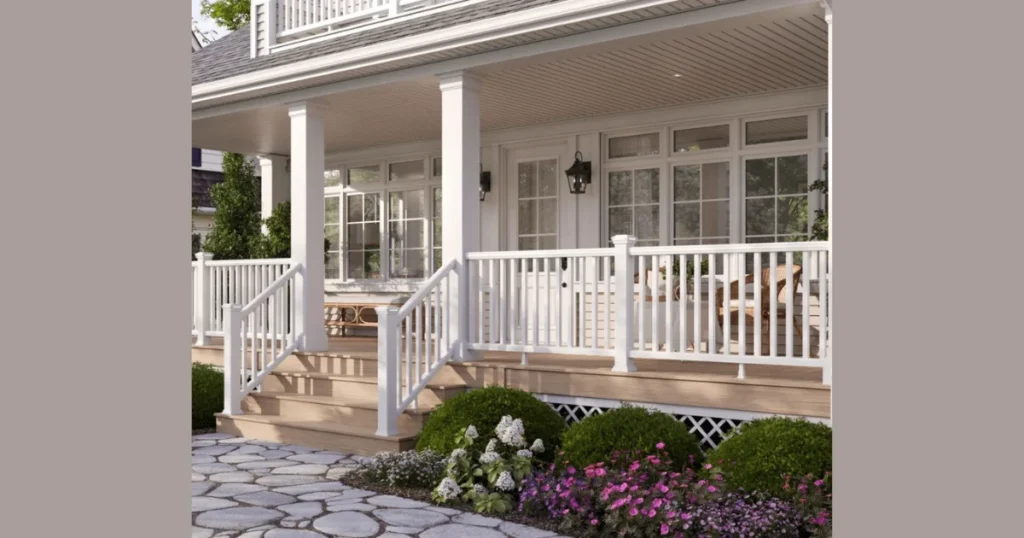
Farmhouse patio railing blends simplicity with charm. It often features white-painted wood, cross-brace patterns, or simple vertical balusters.
This patio railing idea suits suburban homes and cottage-style properties. It looks welcoming without feeling too formal.
I have seen farmhouse railing completely refresh plain patios. It works especially well with wooden decking and neutral outdoor furniture.
14. Decorative Metal Panel Patio Railing for Artistic Appeal
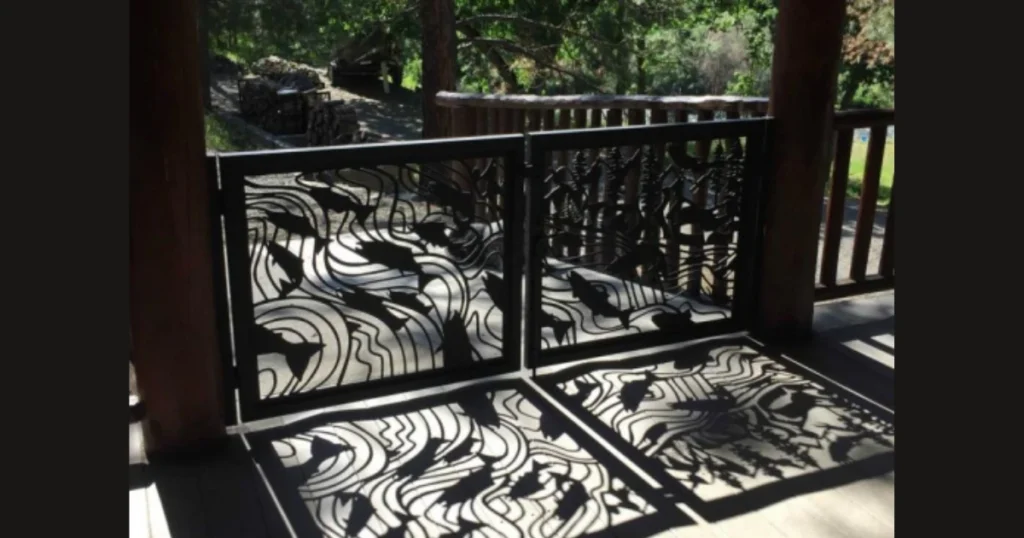
Decorative metal panel patio railing adds personality to your outdoor space. Laser-cut steel or aluminum panels feature patterns like leaves, geometric shapes, or abstract designs.
This railing style stands out visually and creates a focal point. It works well for homeowners who want their patio to look different from standard designs.
Powder coating protects the metal from weather exposure. If you want a patio railing that doubles as art, decorative panels offer a strong option.
How to Choose the Best Patio Railing for Your Home
Choosing the best patio railing depends on budget, climate, and design preference. You should match material performance with your local weather conditions.
I always ask three questions before finalizing any patio railing design. These simple checks prevent regret later.
1. Consider Weather Conditions
Rainy or humid areas need moisture-resistant materials. Composite, vinyl, stainless steel, and aluminum perform well in such climates.
Dry climates allow more flexibility with wood railing. Still, sealing wood improves lifespan significantly.
2. Evaluate Maintenance Commitment
Some patio railing ideas require regular care. Wood and wrought iron need sealing or repainting over time.
If you prefer low effort, choose vinyl, aluminum, or composite. These materials reduce yearly maintenance tasks.
3. Set a Realistic Budget
Budget plays a major role in selecting patio railing styles. Wood and vinyl cost less upfront.
Glass, stainless steel, and decorative metal panels increase installation cost. However, they may add higher resale value.
Patio Railing Material Comparison Table
Below is a quick comparison to help you decide faster.
| Material | Maintenance Level | Durability | Budget Range | Best For |
|---|---|---|---|---|
| Wood | Medium to High | Moderate | Low to Mid | Traditional patios |
| Composite | Low | High | Mid | Low maintenance homes |
| Aluminum | Low | High | Mid | Modern patios |
| Glass | Low to Medium | High | High | Scenic views |
| Vinyl | Low | Moderate | Low to Mid | Family patios |
| Stainless Steel | Low | Very High | High | Coastal areas |
| Wrought Iron | Medium | High | Mid to High | Decorative exteriors |
Final Thoughts
The right patio railing improves safety, style, and property value at the same time. When you choose wisely, your patio feels complete rather than unfinished. Every option I shared serves a different purpose, so your final decision should match your home’s personality and your lifestyle.
If you want warmth and tradition, wood or farmhouse railing works beautifully. If you prefer modern and low maintenance, aluminum, composite, or stainless steel makes more sense. And if you want clean views, glass railing gives that open outdoor experience.
I always remind homeowners to balance three things before installing any patio railing design. Think about weather resistance, maintenance commitment, and your realistic budget. Once those align, the choice becomes much easier.
FAQs
Stainless steel and aluminum are among the most durable patio railing materials. They resist rust, moisture, and weather damage better than untreated wood.
Vinyl, aluminum, and composite patio railing require the least maintenance. You only need occasional cleaning with water and mild soap.
Tempered glass patio railing is safe when installed properly. It uses strong safety glass that does not shatter easily.
Pressure-treated wood and vinyl railing usually cost less than glass or stainless steel systems. Installation costs also stay reasonable for these materials.
Well-designed patio railing can increase curb appeal and resale value. Buyers often appreciate finished outdoor spaces that look safe and organized.
Most building codes require patio railing to be around 36 to 42 inches high. Height depends on deck elevation and local regulations.
Many patio railing systems allow DIY installation, especially vinyl and wood kits. Manufacturers provide pre-cut panels and mounting hardware.