
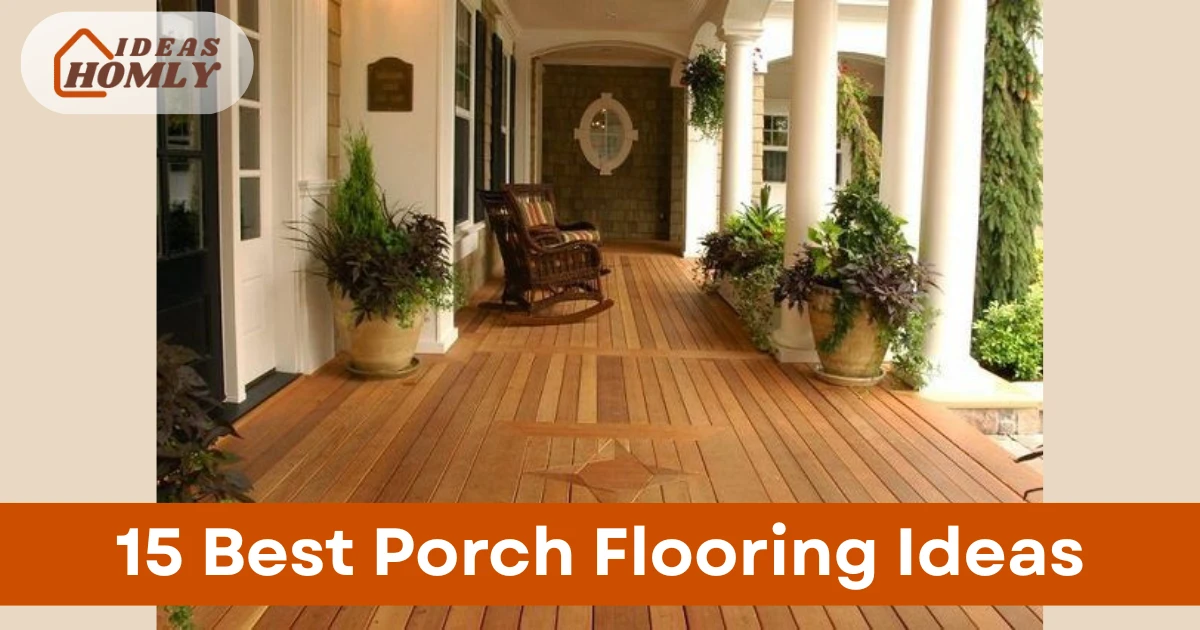

Choosing the right surface for your porch helps you avoid a literal collapse of your home’s first impression. I believe a good floor keeps your feet happy and your neighbors sufficiently jealous of your exterior design choices.
Selecting the Right Materials for Your Outdoor Living Space
I found that picking a floor often feels like a balancing act between your bank account and your actual patience for maintenance. You need a surface that handles the rain without turning into a dangerous backyard slip and slide every time a storm rolls through.
Wood looks fantastic until it decides to rot because you forgot to seal it for two seasons straight. I usually suggest looking at materials that can survive both high foot traffic and the unpredictable moods of Mother Nature without much fuss.
1. Natural Cedar Planks
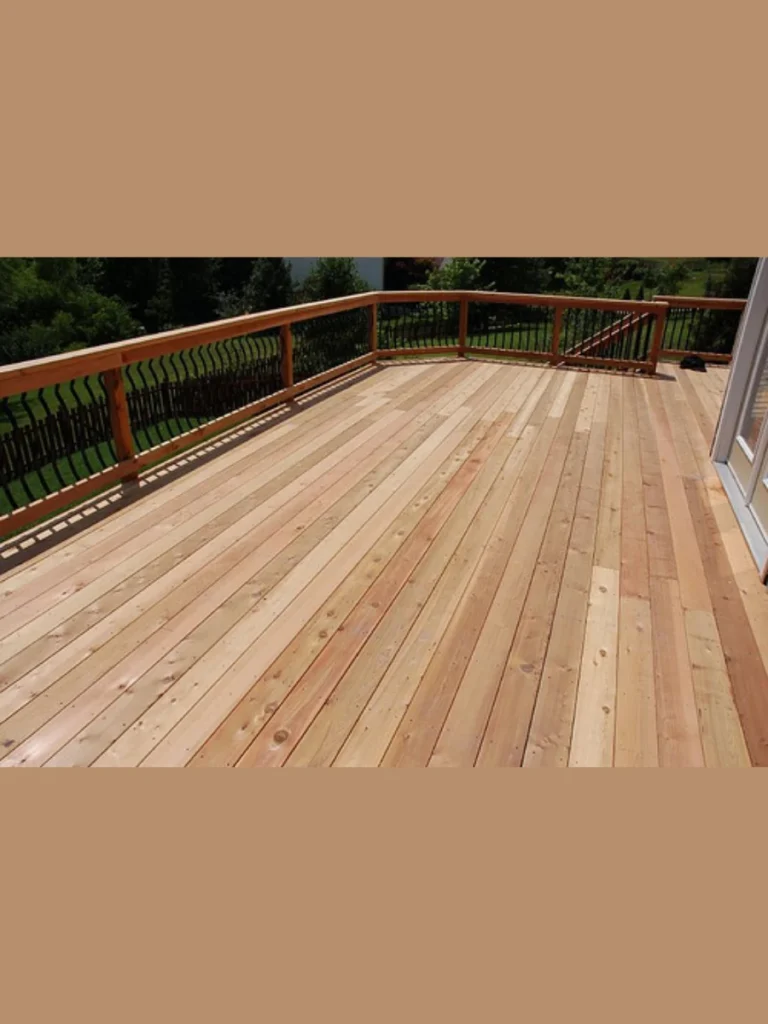
I think cedar is the gold standard for anyone who wants that classic wood smell and a warm visual appeal. It contains natural oils that help it resist insects and decay better than most cheaper softwoods available at the hardware store.
You do have to stay on top of the staining process if you want to keep that rich red color from fading. If you neglect the maintenance, cedar eventually turns a silvery gray color that looks more like a weathered pier than a home.
I personally enjoy the soft feel of cedar underfoot when I am walking out to grab the morning mail. It does not get as hot as stone or concrete during the peak of summer which is a huge win for barefoot enthusiasts.
Installing these planks requires some basic carpentry skills and a bit of time to ensure everything stays level and sturdy. I recommend using stainless steel screws so you do not end up with ugly rust streaks bleeding into your beautiful new wood.
2. Low Maintenance Composite Boards
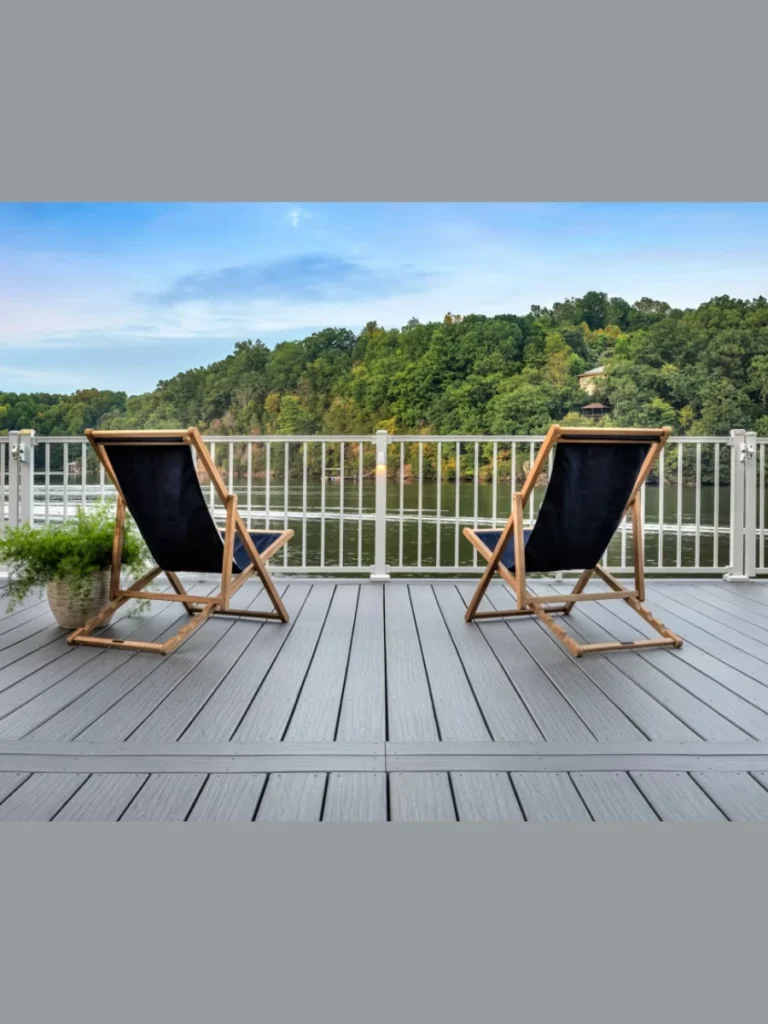
Composite flooring is the best choice for people who would rather spend their weekends relaxing than scrubbing or painting their porch. These boards are made from a mix of wood fibers and recycled plastic which makes them almost indestructible over time.

DIY Outdoor Patio Flooring Tiles for Pool Deck, Wood-Plastic Interlocking Tiles, 39.3"x 78.7", Easy Installation Accessories Included, Durable and Stylish Porch Flooring
DIY Outdoor Patio Flooring Tiles for Pool Deck, Wood-Plastic Interlocking Tiles, 39.3"x 78.7", Easy Installation…
I noticed that high quality composite looks very close to real wood without the annoying risk of getting a splinter. You can spill your coffee or drop a greasy burger during a barbecue and the surface will usually wipe clean easily.
The initial price tag is definitely higher than traditional lumber but the lack of yearly maintenance costs saves you money. I consider this a long term investment that adds significant value to your property while keeping your to-do list very short.
Most modern brands offer a massive variety of colors and grain patterns to match any siding or trim on your house. I appreciate that the colors stay vibrant for decades because the material is engineered to resist fading from harsh sunlight exposure.
3. Durable Porcelain Outdoor Tiles
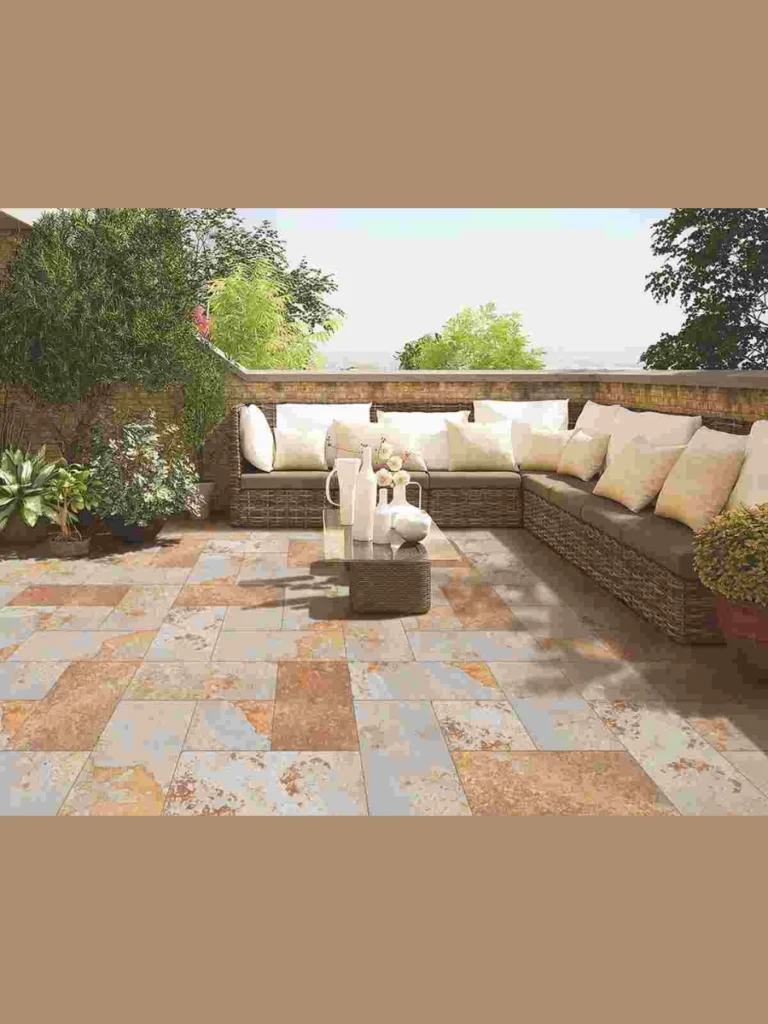
Porcelain tile is a professional grade option that brings an indoor level of sophistication to your front or back porch. It is much denser than standard ceramic which means it will not soak up water and crack during a hard winter freeze.
I suggest looking for tiles with a textured surface to prevent the floor from becoming a skating rink when it gets wet. You can find patterns that mimic expensive marble or even weathered barn wood to achieve a specific high end look.
Cleaning this surface is incredibly simple because you just need a quick spray from a garden hose to remove dirt. I find that tile stays looking brand new much longer than wood or carpet because the hard surface resists scratching and stains.
The installation process is a bit more involved since you need a solid concrete base and proper mortar to keep tiles secure. I think the effort is worth it because a tiled porch looks like a permanent architectural feature rather than an afterthought.
4. Classic Red Brick Pavers
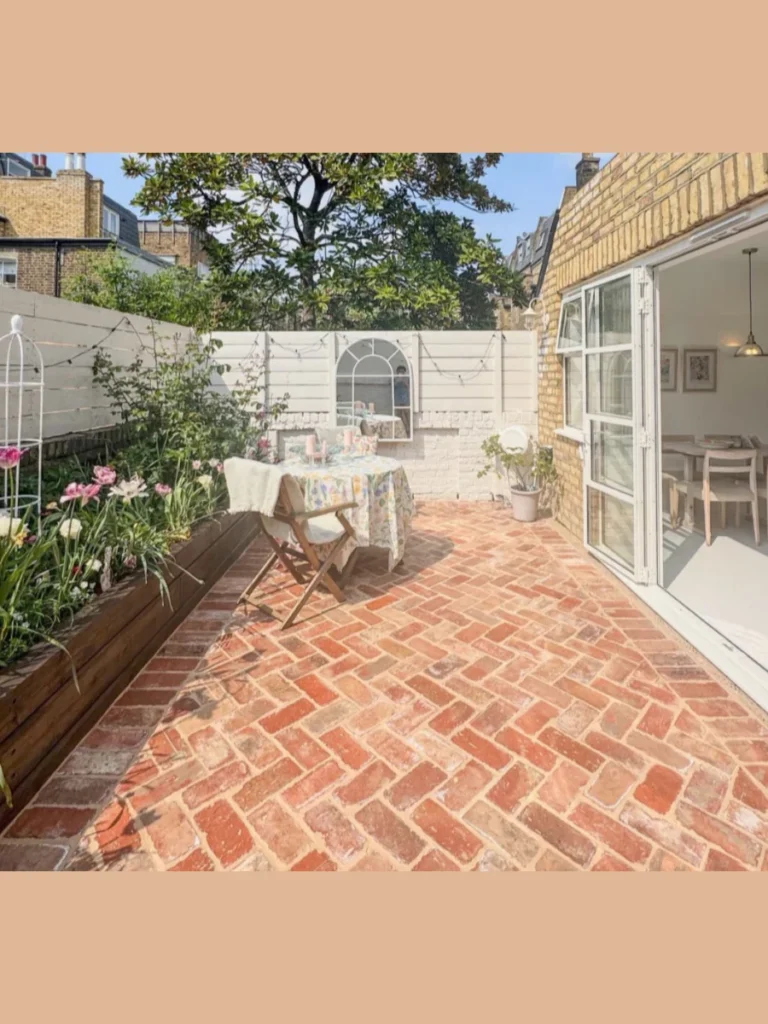
Brick is a timeless material that gives your home a sense of history and permanent stability that wood simply cannot match. I love the way a herringbone or basketweave pattern adds visual interest and a sophisticated touch to a traditional porch.
These pavers are naturally slip resistant and hold their color for a lifetime regardless of how much sun they get. You will likely see bricks on century old homes that still look fantastic because the material is basically baked earth and minerals.
I have seen people try to save money by using thin brick veneers but full thickness pavers are much more durable for floors. You might have to deal with a few weeds growing in the joints if you do not use polymeric sand.
Bricks handle heavy furniture extremely well without denting or scratching like softer wood or plastic options often do. I believe this is the best choice for a heavy duty porch that sees a lot of activity and large family gatherings.
5. Tropical Ipe Hardwood
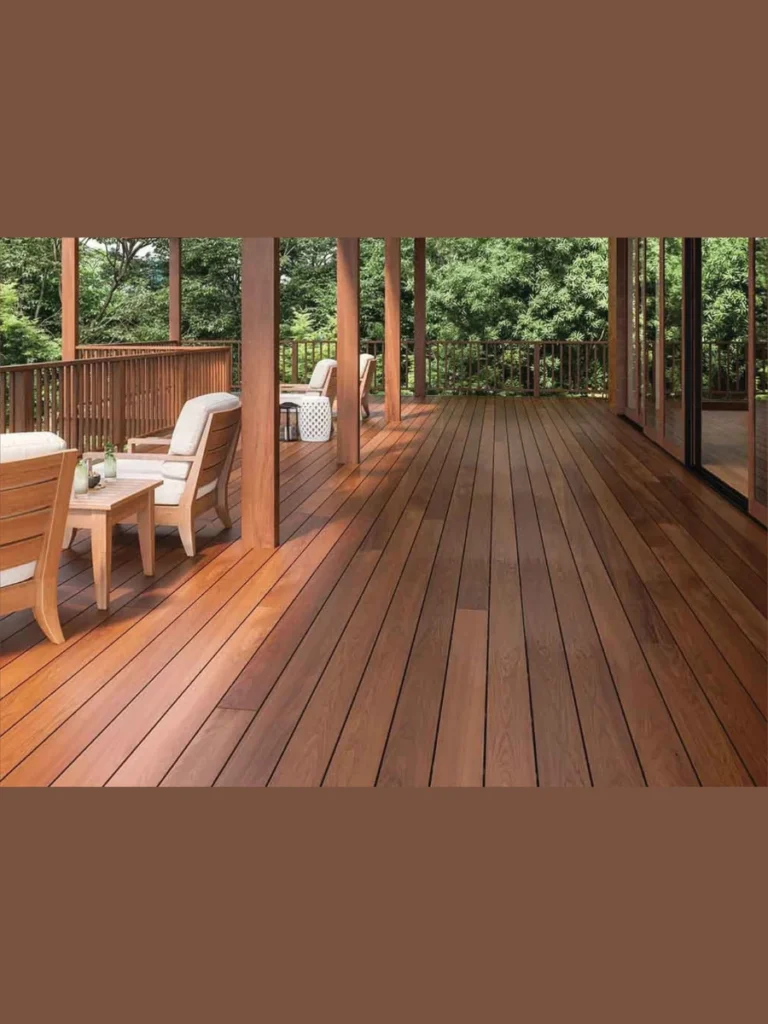
Ipe is an exotic wood that is so incredibly dense and heavy that it actually has the same fire rating as concrete. It is often called ironwood because it is nearly impossible to scratch and it naturally resists rot and wood boring insects.
I find the dark brown color of Ipe to be one of the most luxurious finishes you can possibly put on a house. It looks like high end furniture and provides a solid feel under your feet that makes the whole porch feel expensive.
Working with this wood is a challenge because you usually have to pre-drill every single hole since the wood is so hard. I think the extra labor is a fair trade for a floor that can easily last forty years or more.
You can choose to oil it once a year to keep the deep brown tone or let it weather to a sleek silver. I prefer the oiled look because it highlights the natural grain and makes the wood glow whenever the sun hits it.
6. Stamped Concrete Finishes
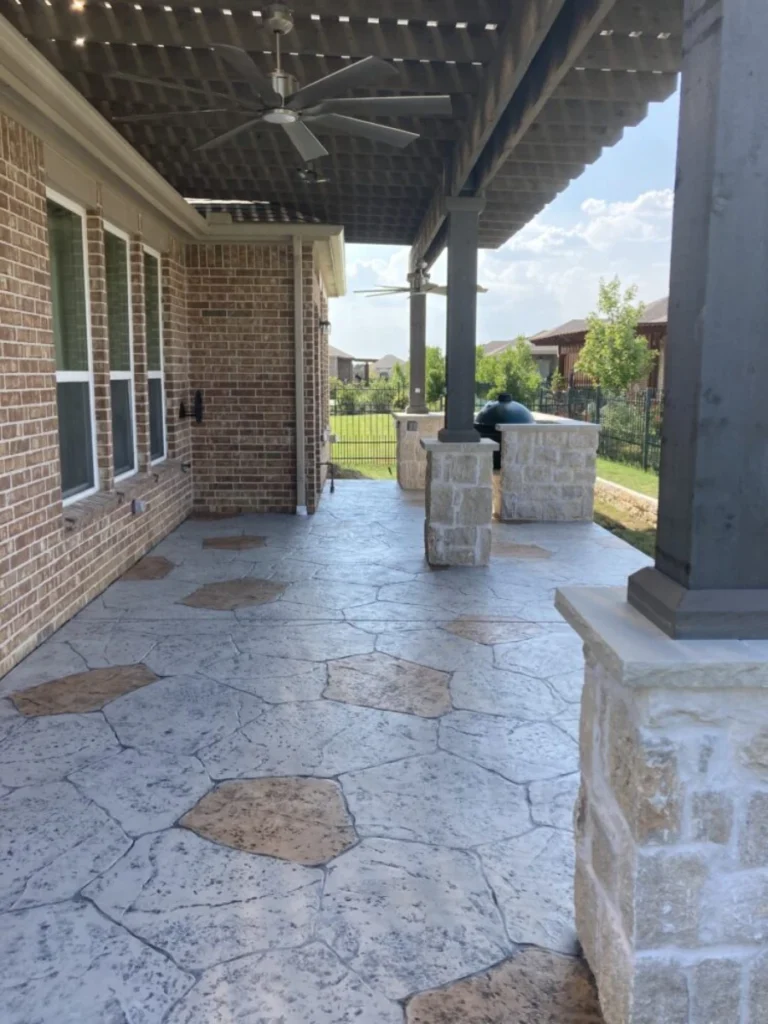
Stamped concrete is a clever way to get the look of expensive stone or slate without the high cost of individual pieces. A professional pours a fresh slab and uses large rubber mats to press a detailed pattern directly into the wet surface.
I think this is a great solution for large porches because it creates a seamless look that is very easy to sweep. You can customize the colors with various stains and highlights to perfectly match the existing masonry on your home exterior.
The surface needs a clear sealer every few years to keep the colors bright and protect the concrete from salt or chemicals. I have noticed that a well sealed concrete floor is virtually waterproof and handles heavy rain without any issues at all.
It is a permanent solution that will not shift or wobble like individual pavers might do over several years of use. I suggest adding a non-slip additive to the sealer so the porch stays safe for children and elderly guests when wet.
7. Sustainable Bamboo Decking
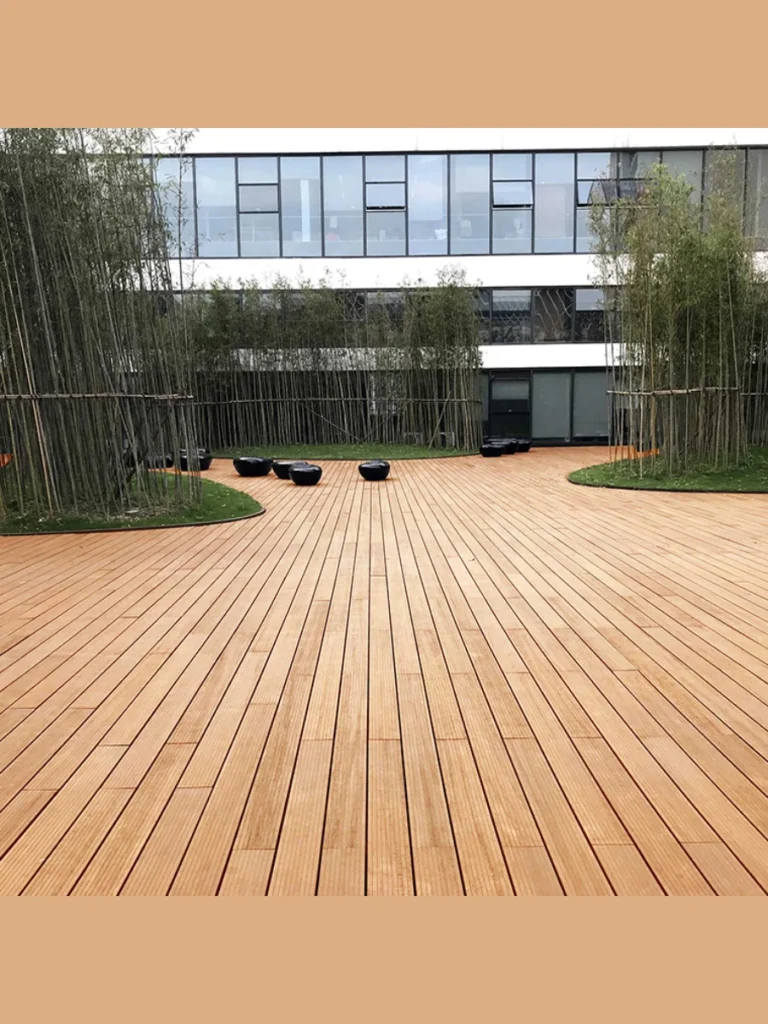
Bamboo is a fantastic choice for environmentally conscious homeowners who want a material that grows back faster than traditional trees. I found that high-density strand-woven bamboo is surprisingly tough and can handle the weight of heavy patio furniture without any trouble.
The natural grain looks exotic and modern which helps your porch stand out from the standard neighborhood wood decks. I appreciate that these boards come pre-primed in many cases so you can get right to the installation without a mess.
You should treat bamboo similar to hardwood by applying a high-quality UV protector to keep the fibers from drying out. I noticed that if you maintain the finish it retains a beautiful glow that rivals much more expensive tropical woods.
It resists swelling and shrinking better than most local softwoods which means your floor stays flat and even over the years. I think this is a smart pick for anyone who wants a unique look while being kind to the planet.
8. Painted Floor Cloths and Patterns
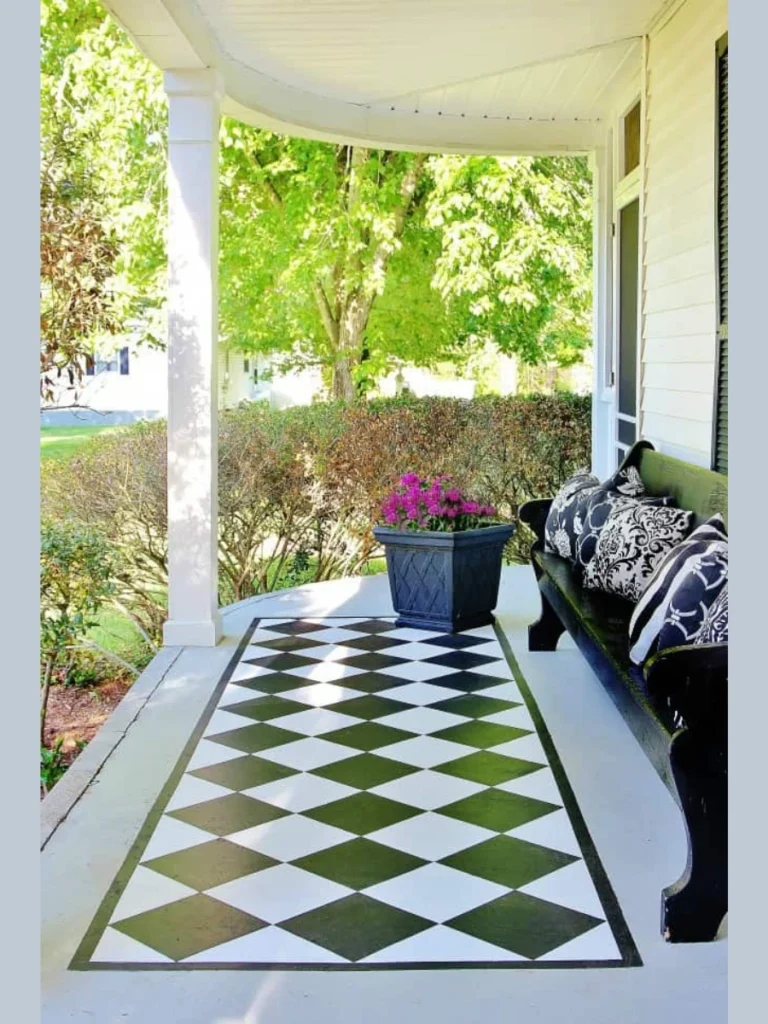
If you have a solid wood or concrete porch that looks a bit boring you can use specialized porch paint to create patterns. I have seen stunning results with faux-rug designs or geometric shapes that make the space feel like a real outdoor room.
Using paint allows you to change the entire vibe of your home for the cost of a few cans of high-grade acrylic. I personally love the look of a classic checkerboard pattern in gray and white for a vintage farmhouse aesthetic.
You must choose a paint specifically rated for floors and porches to ensure it can stand up to constant foot traffic. I suggest adding a bit of fine sand to the final coat to give the surface some much-needed grip.
This is a fun weekend project that allows your creative side to shine without requiring a major construction crew to show up. I believe it is the most affordable way to give a tired old porch a fresh and exciting new personality.
9. Interlocking Rubber Floor Tiles
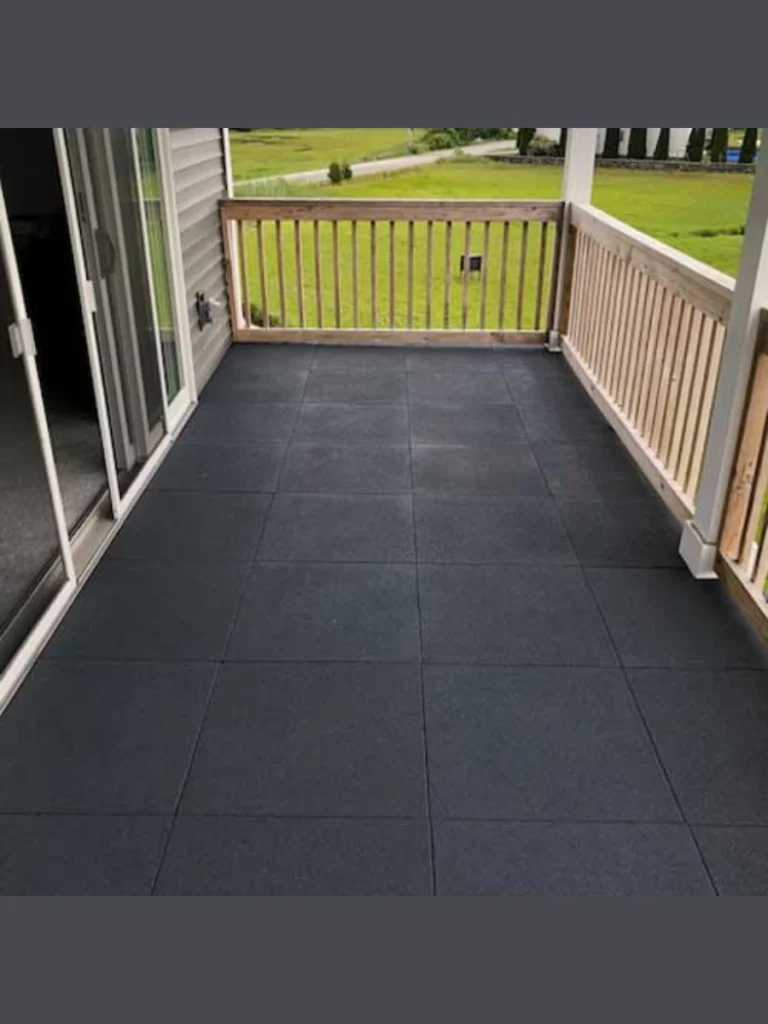
Rubber tiles are a brilliant solution for families with kids or for anyone who wants a soft and forgiving surface underfoot. These tiles often snap together like puzzle pieces which makes them incredibly easy to install over an existing flat floor.
I find that rubber is excellent for safety because it provides a high level of slip resistance even during a heavy downpour. It also acts as a great insulator and sound dampener if you have a noisy porch that echoes every footstep.
The material is usually made from recycled tires which makes it durable enough to withstand freezing temperatures and blistering summer heat. I have noticed that water drains right through the joints so you never have to deal with annoying puddles.
You can find these in various colors and textures that look like stone or brick from a distance without the hard feel. I think this is the best DIY option for covering up an ugly or cracked concrete slab on a budget.
10. Natural Flagstone Masonry
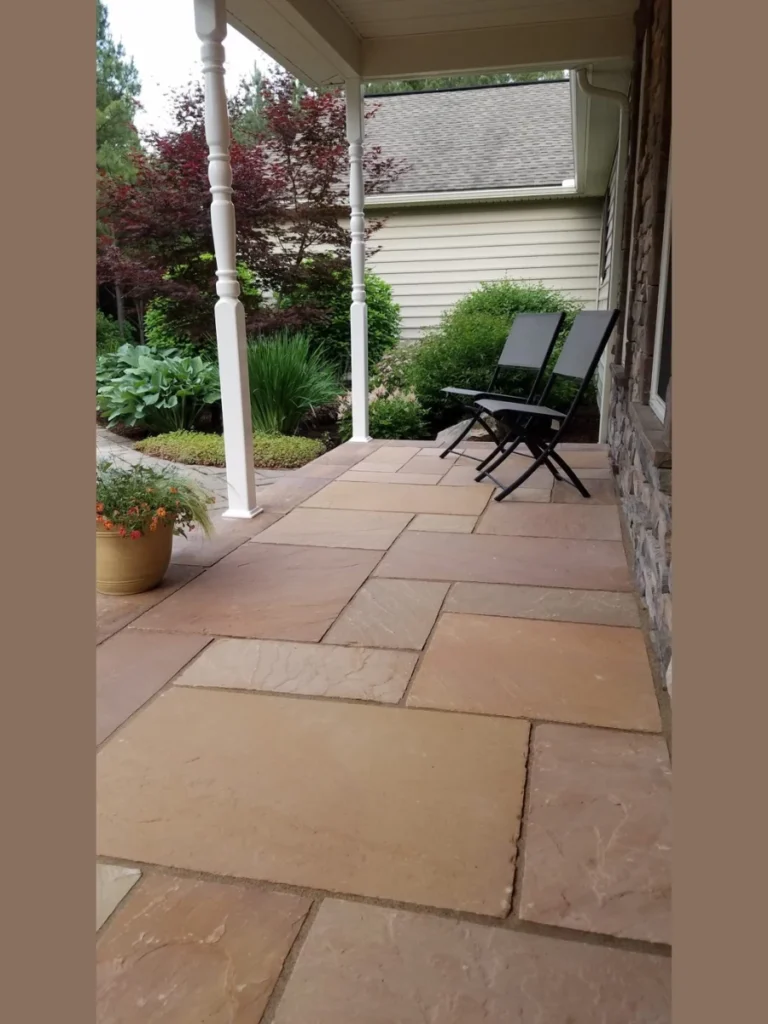
Flagstone is the ultimate choice for a rustic and organic look that feels like it grew right out of your front yard. Every piece of stone is unique in shape and color which creates a one-of-a-kind mosaic that looks better as it ages.
I love how the uneven edges and natural textures provide a grip that makes the porch feel very secure and sturdy. It is a heavy material that stays cool in the sun and handles the weight of large stone planters with ease.
The gaps between the stones can be filled with mortar or even low-growing moss for a truly enchanting garden porch vibe. I suggest using a professional for this job because fitting the stones together correctly is like solving a very heavy puzzle.
This floor is practically indestructible and will likely outlast the rest of your house if it is installed on a solid base. I consider flagstone to be a premium architectural statement that significantly boosts the curb appeal and value of any property.
11. Outdoor Marine Grade Carpet
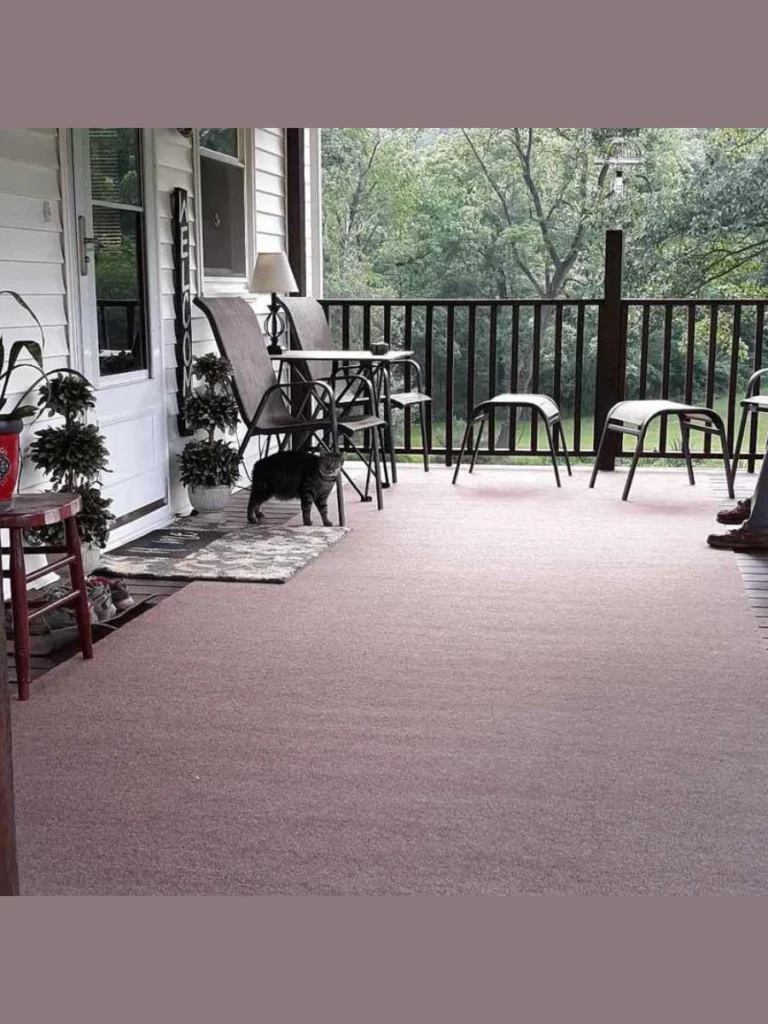
Marine carpet is a great way to make your porch feel as comfortable as your living room while standing up to the weather. It is specifically designed to resist mold and mildew which are the typical enemies of standard indoor carpeting when used outside.
I think the soft texture is perfect for a screened-in porch where you want to spend hours reading or relaxing with a drink. It comes in many modern colors and patterns now so you do not have to settle for that old green grass look.
Installation is usually a simple glue-down process that you can handle in a single afternoon if the base is clean. I find that it stays relatively cool in the sun and provides a quiet surface that mutes the sound of moving chairs.
You should give it a quick vacuum or a light power wash every now and then to keep it looking sharp and fresh. I believe this is a smart choice for a cozy porch that functions more like an extension of your indoor space.
12. Tumbled Travertine Pavers
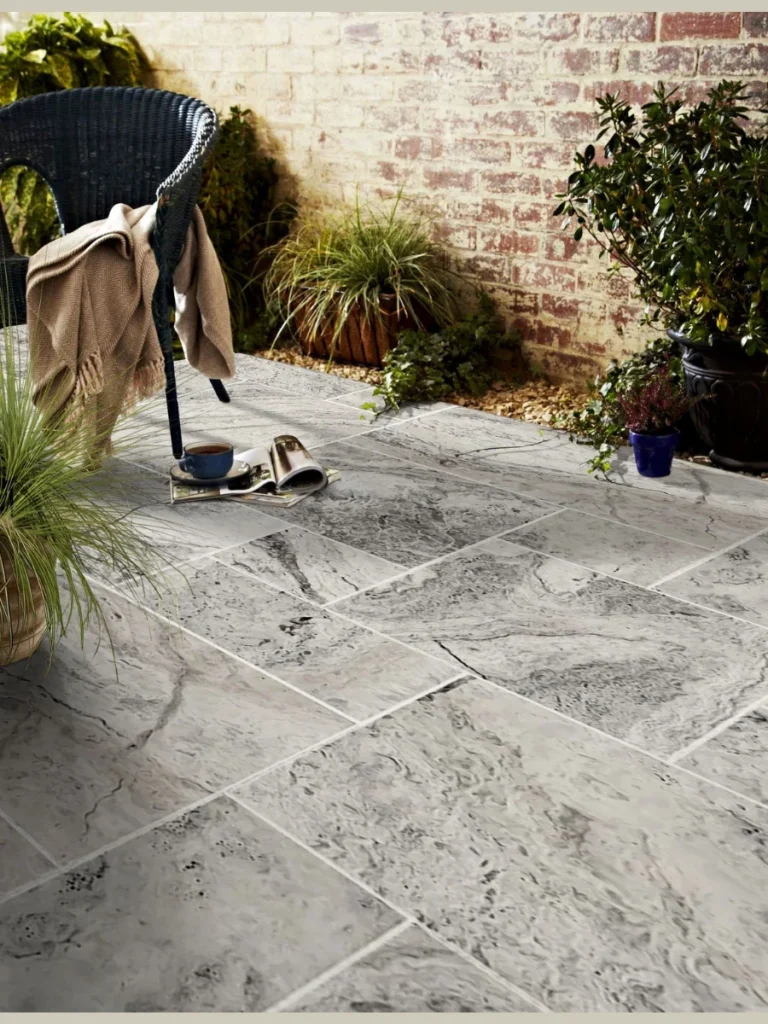
Travertine is a natural stone that stays remarkably cool even when the sun is beating directly down on your front porch. I found that the tumbled finish provides a soft and slightly aged look that feels incredibly high-end and sophisticated.
The porous nature of the stone allows it to absorb water quickly so you do not have to worry about large puddles forming. I personally like the earthy tones of beige and gold that help a home feel warm and welcoming to guests.
You will need to seal the stone occasionally to prevent deep stains from leaves or spilled drinks during outdoor parties. I have noticed that it is much more durable than it looks and resists cracking quite well in most moderate climates.
Setting these pavers in a French pattern creates a complex and beautiful layout that catches the eye immediately from the street. I think travertine is the best option for a luxury porch that serves as a primary entertaining area for your friends.
13. Reclaimed Barn Wood Flooring
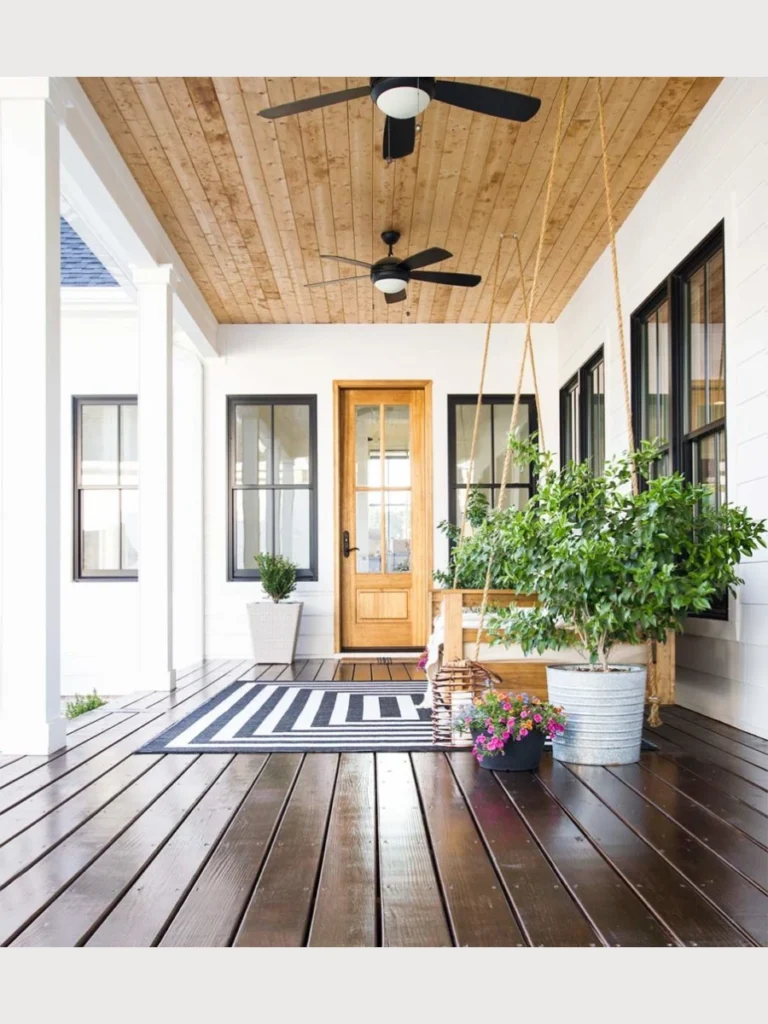
Using reclaimed wood is a great way to add instant character and a sense of history to a newer home or remodel. I think the nail holes and natural weathering of old barn boards provide a texture that modern lumber simply cannot replicate.
Every board tells a story and the dense old-growth wood is often much stronger than the new wood sold at big box stores. I suggest using a matte outdoor sealer to protect the history without making the wood look shiny or fake.
You must ensure the boards are properly kiln-dried to kill any hitchhiking bugs before you bring them onto your porch. I have seen these floors become the main talking point of a home because of their unique and rugged appearance.
It is a more expensive and labor-intensive choice but the result is a warm and inviting space that feels very grounded. I believe this is the perfect flooring for a farmhouse or rustic retreat where you want to feel connected to the past.
14. Polished Concrete Overlays
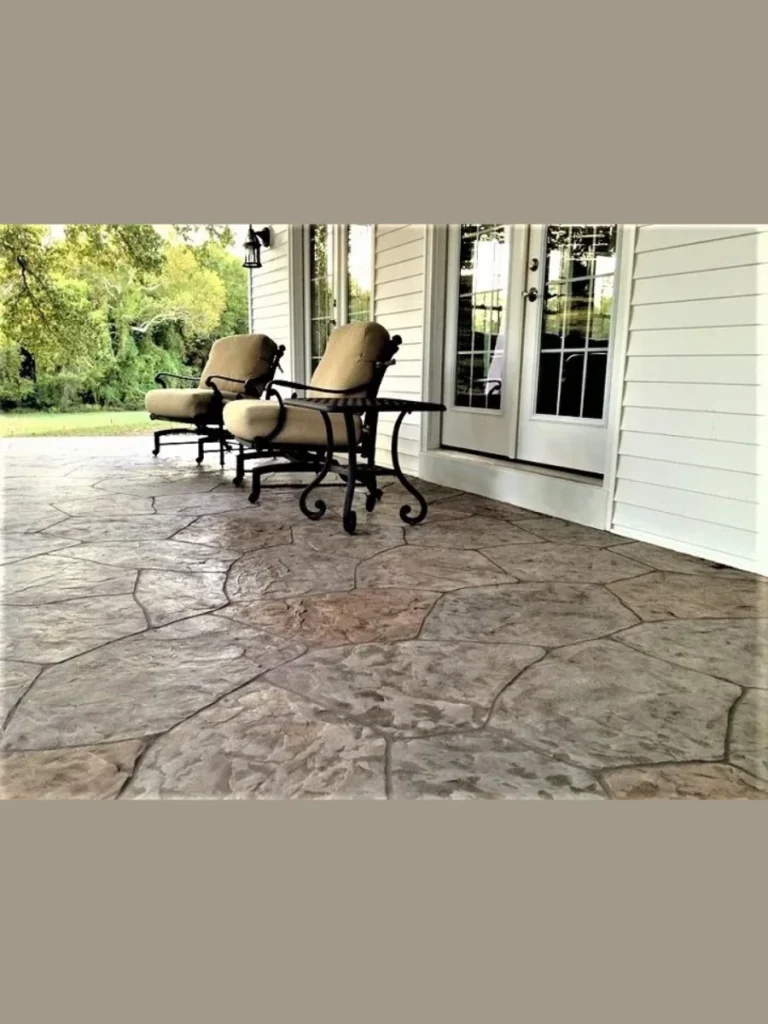
A polished concrete overlay is a thin layer of high-strength cement that is ground down to a smooth and shiny finish. I think this look is perfect for modern homes that want a sleek and industrial aesthetic that is incredibly easy to maintain.
You can add glass chips or colored stones into the mix to create a custom terrazzo look that sparkles when the light hits. I find that the reflective surface helps brighten up a dark or shaded porch by bouncing natural light around.
The surface is extremely hard and resists scratches from pets or heavy furniture dragging across the floor during a move. I suggest applying a high-quality grip additive during the final polish so the floor stays safe when it gets wet.
It requires very little work to keep clean as a simple damp mop will usually make the shine come back to life. I consider this a top-tier choice for homeowners who want a contemporary look that will stay in style for many decades.
15. Slate Tile Installations
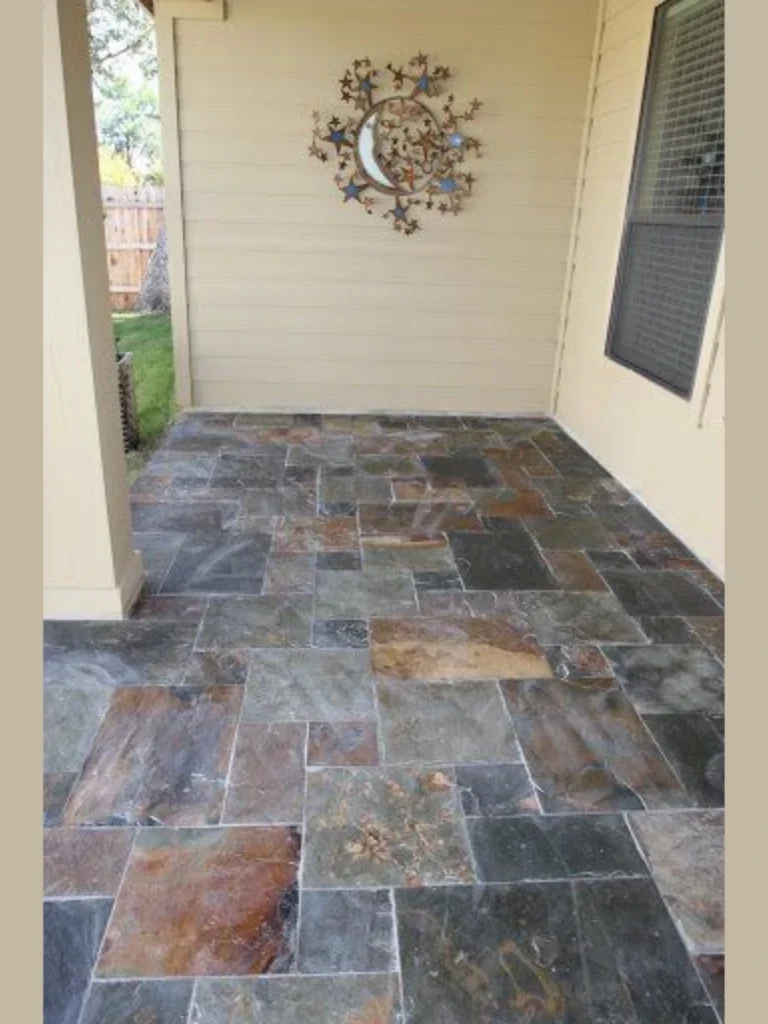
Slate is a natural stone that comes in deep shades of blue, gray, and purple which creates a very moody and elegant porch. I love the way the natural layers of the stone catch the light and provide a naturally non-slip surface for walking.
It is a very dense material that handles cold weather and heavy snow without the risk of the stone layers flaking off. I suggest choosing a darker grout color to hide the dirt and dust that naturally collects on an outdoor porch floor.
The tiles come in various sizes which allows you to create a formal grid or a more casual and random layout for interest. I find that slate stays looking expensive and pristine with very little effort other than an occasional rinse with a hose.
This stone is a classic choice that works well with almost any architectural style from traditional to very modern designs. I believe slate is one of the best investments you can make if you want a floor that is both beautiful and tough.
Professional Tips for Successful Porch Flooring Projects
I have learned that the secret to a great porch floor starts with a perfectly level and stable subfloor or base. If your foundation is rotting or shifting no amount of expensive tile or wood will look good for very long.
Always check your local building codes to see if you need specific slip ratings or fire-resistant materials for your exterior structures. I think it is worth spending a little extra on high-quality fasteners and adhesives so your floor stays put for twenty years.
| Factor | Wood Options | Stone/Tile Options | Synthetic/Composite |
| Heat Retention | Low (Stays Cool) | High (Gets Hot) | Moderate |
| Slip Resistance | Moderate | High (if textured) | Very High |
| Installation | DIY Friendly | Professional Needed | DIY Friendly |
| Lifespan | 10 to 15 Years | 40+ Years | 25+ Years |
Essential Maintenance Guide for Your New Porch Floor
Keeping your floor clean is the easiest way to make sure you do not have to replace it again in a few short years. I suggest doing a deep clean every spring to remove the salt and grime that builds up during the harsh winter months.
Check for loose boards or cracked tiles at least once a year to catch small problems before they turn into expensive repairs. I personally keep a small touch-up kit with matching stain or paint for those inevitable scratches from moving heavy furniture around.
Expert Advice on Choosing the Best Colors and Textures
I suggest looking at the color of your roof and your window trim before you commit to a specific flooring shade. A dark floor might look sophisticated but it will show every bit of yellow pollen and light-colored pet hair that blows by.
Medium tones like warm grays and tans are usually the best at hiding dirt while still looking clean and stylish for guests. I think you should also consider the texture because a very rough stone might be hard to clean while a smooth one is dangerous.
Final Thoughts on Your Porch Flooring Journey
I believe that your porch is the most important part of your home’s exterior because it sets the tone for everything else. Taking the time to pick a material that fits your lifestyle and your climate will save you from future headaches and regrets.
Your budget is important but you should try to buy the best material you can afford to ensure longevity and beauty. I found that a slightly more expensive floor often pays for itself in just a few years through lower maintenance costs.
I hope these ideas help you feel confident as you start planning your next big home improvement project for your porch. A great floor is more than just a surface to walk on because it provides a foundation for years of family memories.
Whether you choose the warmth of wood or the permanence of stone your porch will look fantastic with the right planning. I am excited to see how your space turns out once you lay down that first board or tile in your design.
FAQs
I consider Ipe hardwood and stone pavers like flagstone or brick to be the most durable options available today. These materials can easily last for several decades even in harsh climates, if they are installed and maintained correctly by the homeowner.
I do not recommend putting tile directly over wood because wood expands and contracts which will cause your grout and tiles to crack. You usually need a stable concrete slab or a specialized cement backer board system to ensure the tile stays in place.
You can add a non-slip additive to your paint or sealer or choose materials with a naturally textured surface like slate. I found that rubber tiles or outdoor carpets are also excellent for providing extra grip in areas that are frequently wet.
Natural wood and light-colored stone like travertine are the best at staying cool under the heat of the direct summer sun. Dark composite boards and dark concrete can get surprisingly hot which might be uncomfortable for your pets or for walking barefoot.
I believe composite is worth the investment if you hate the idea of staining and sealing a wood deck every single year. The time you save on maintenance usually outweighs the higher initial price tag within the first five years of ownership.
Related Posts
- Top 10 Porch Floor Ideas
- 11 Best Porch Skirting Ideas
- Top 12 Porch Flowers Ideas
- 13 Best Porch Curb Appeal Ideas
- Top 14 Porch Enclosure Ideas
- 15 Best Porch Interior Ideas