


I noticed my porch looked a bit naked lately and decided to find some practical ways to cover that gap. You really want something that stops the neighborhood cats from moving in while making your home look much better.
Professional Materials for Porch Enclosures
Vinyl lattice panels are a classic choice because they handle rain and mud without rotting like old wood styles do. You can find these at most hardware stores in white or tan to match your current siding or trim.
I like how fast these panels go up when you use a simple frame and some exterior grade color screws. They offer great airflow which keeps the area under your home dry and free from any nasty mold or mildew.
Plastic lattice is much stronger than the thin wood versions that usually fall apart after just one bad winter season. This material stays bright and clean with just a quick spray from your garden hose every few months or so.
These panels are quite affordable and stay in good shape for years without needing any fresh paint or heavy sanding. I suggest checking the thickness before buying to ensure the plastic feels sturdy enough to block larger pests and pets.
1. Traditional Wood Lattice Screens
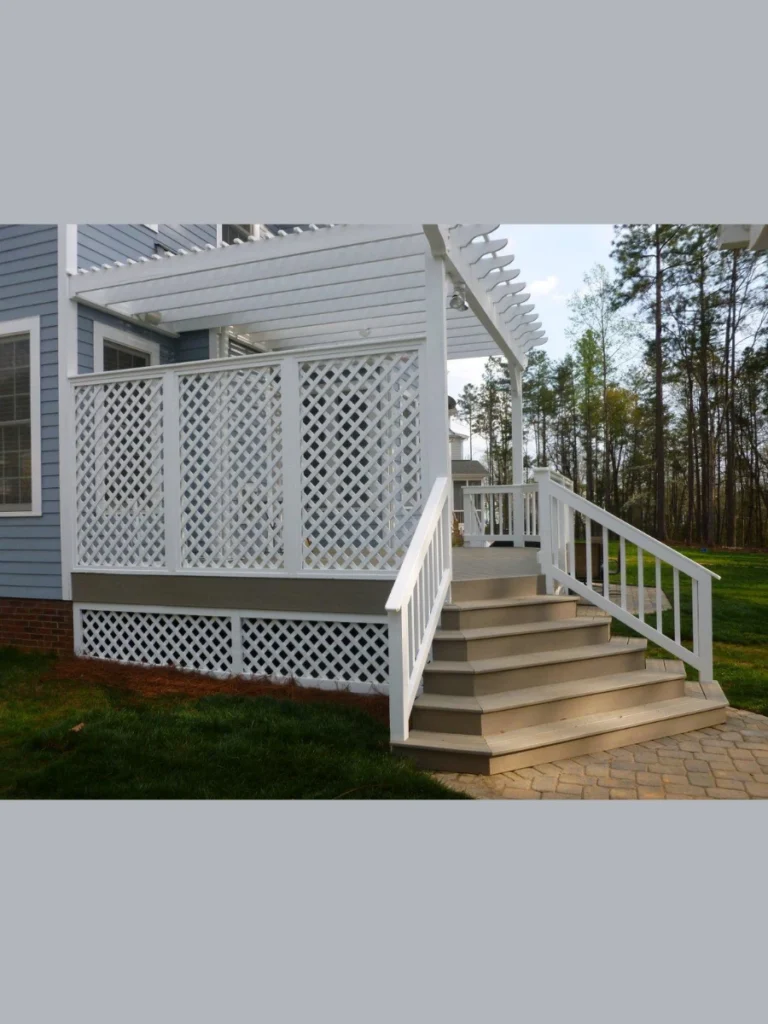
Wooden lattice remains a favorite for many homeowners who want a natural look that blends in with their garden plants. I usually pick pressure treated pine because it resists bugs and lasts a long time even when touching the wet soil.
Magnetic Decorative Garage Door Curb Appeal Faux Hinges Handles Hardware Kit Color Black
Magnetic Decorative Garage Door Curb Appeal Faux Hinges Handles Hardware Kit Color Black
You can paint or stain this material to match your porch stairs exactly for a very clean and uniform look. The crisscross pattern provides a timeless aesthetic that fits almost any style of home from Victorian to modern farmhouses.
Small gaps in the wood allow plenty of air to move freely so your floor joists do not get damp. I found that framed lattice looks much more professional and stays straight instead of warping over the hot summer months.
Install a small hidden door in one section so you can still reach your pipes or stored garden tools easily. This is a great weekend project that provides instant results for a very small amount of money and effort.
2. Modern Horizontal Wood Slats
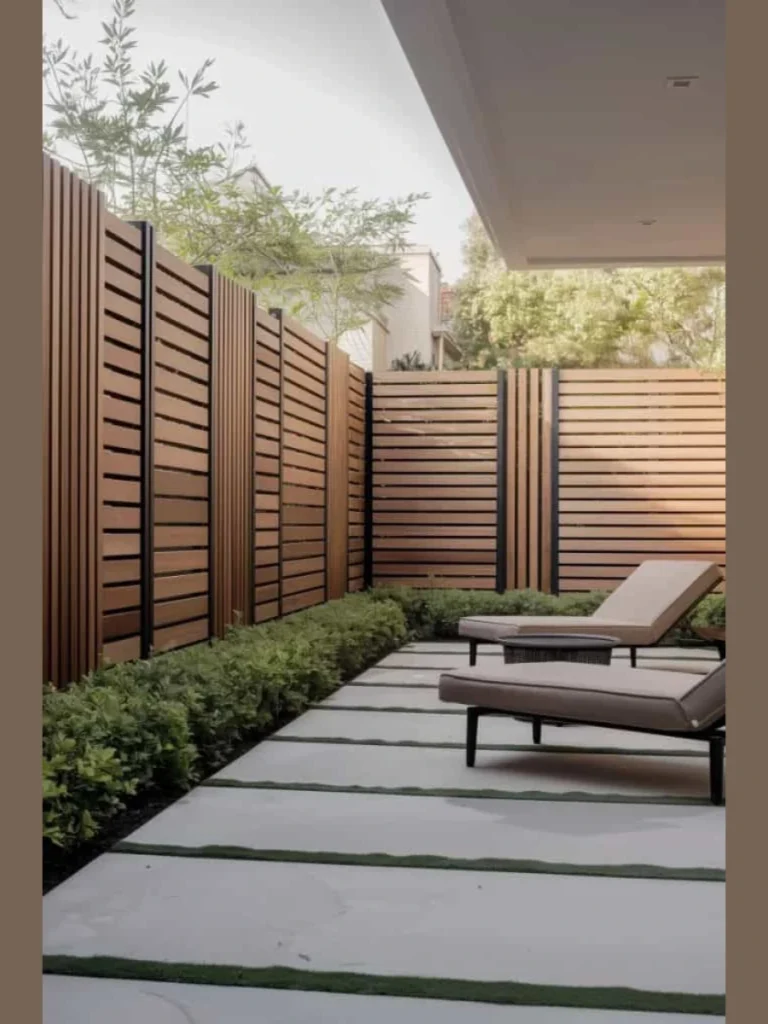
Horizontal slats offer a sleek look that makes a small porch feel much wider and more contemporary than standard lattice. I prefer using cedar or redwood for this design because the natural oils help the wood resist decay naturally.
Complete Glass Canopy Hardware Kit with Stainless Steel Supports - Durable Awning System for Doors, Windows & Entrances - Easy Install, Sleek Modern Design for Enhanced Curb Appeal
Complete Glass Canopy Hardware Kit with Stainless Steel Supports - Durable Awning System for Doors,…
Space the boards about an inch apart to create a high end look that still allows for necessary ground ventilation. This style works perfectly if you have a modern home with clean lines and a simple landscape design around it.
I usually install these slats using stainless steel screws so I do not see any ugly rust streaks later on. The dark wood tones create a beautiful contrast against green grass and colorful flowers planted along the edge of your porch.
You can adjust the spacing of the boards to show more or less of the dark space hidden behind them. This is my top pick for anyone wanting a custom look that feels more like a deliberate design choice than utility.
3. Faux Stone Foundation Panels
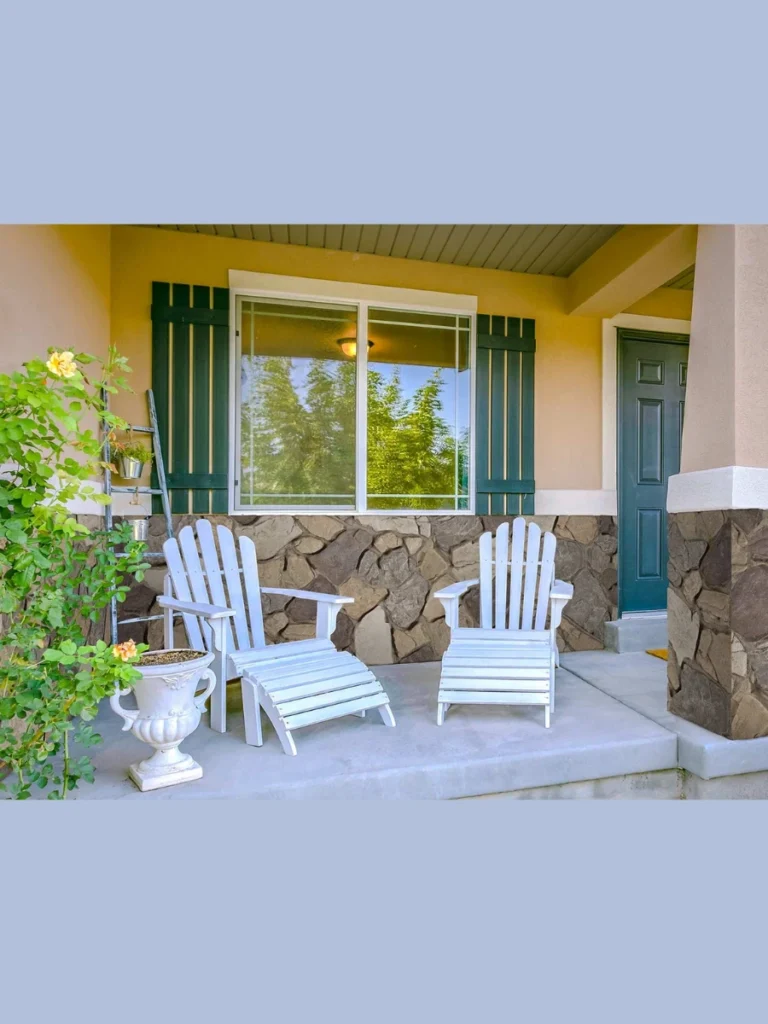
Faux stone panels give you the heavy look of real masonry without the high cost or the need for mortar. These lightweight pieces often interlock which makes the installation process feel like putting together a very simple and large puzzle.
I appreciate how these panels protect the area from wind and snow while looking exactly like expensive hand laid stones. They come in many shades like slate gray or desert tan to complement the existing colors of your home exterior.

SANKINS Garage Door Magnetic Decorative Hardware Carriage Accents Faux Hinges Handle Kit Curb Appeal Decor,Pack of 1,Color Black
SANKINS Garage Door Magnetic Decorative Hardware Carriage Accents Faux Hinges Handle Kit Curb Appeal Decor,Pack…
The durable polymer material stands up to weed whackers and lawn mowers much better than thin vinyl or soft wood. You get the rugged beauty of a stone foundation while spending only a fraction of the time and money.
These panels create a solid barrier that keeps most critters out while providing a very polished and expensive looking finish. Most guests will never realize the stone is actually a synthetic material until they walk up and touch it.
4. Solid Vinyl Skirting Strips
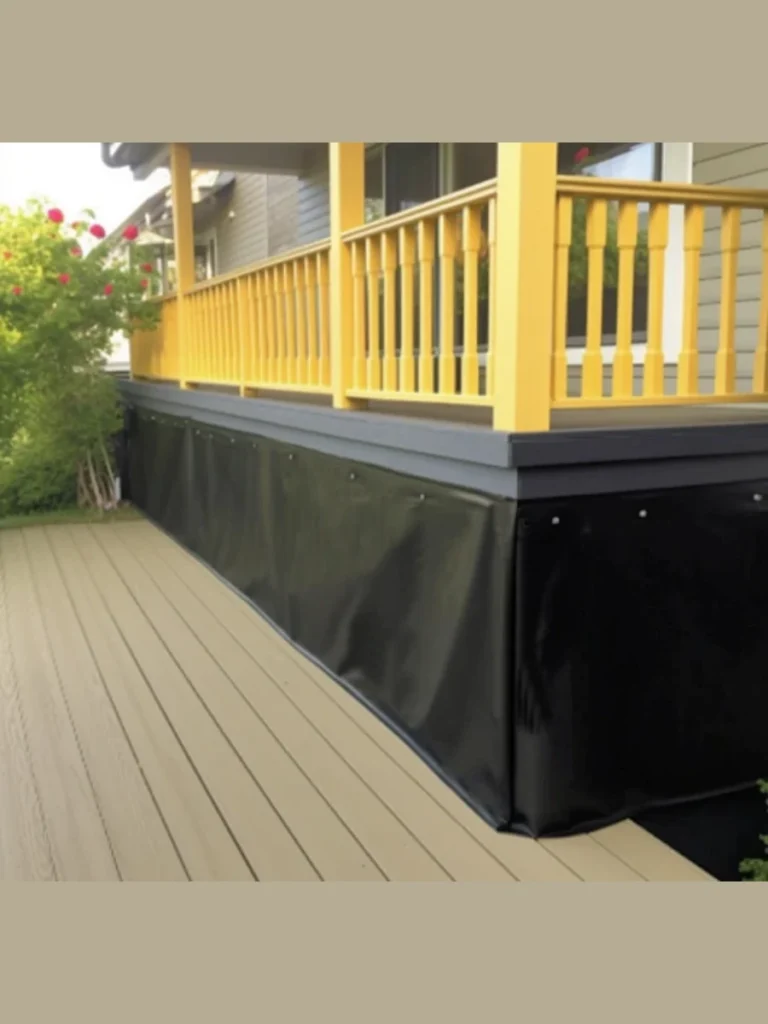
Solid vinyl is often used for mobile homes but it works incredibly well for traditional porches that need full coverage. I find that the vertical grooves add a bit of texture that prevents the skirting from looking too flat or boring.
This material is waterproof and won’t ever need a coat of paint which saves you a lot of future work. It is very flexible and easy to cut around hidden rocks or uneven patches of grass during the installation process.
You can choose a vented version to ensure the crawl space stays fresh and dry throughout the entire year. It is one of the most affordable options available if you have a very large area that needs quick coverage.
The panels snap into a top and bottom rail which holds them securely even during high winds and heavy storms. I recommend this for anyone who wants a clean look with the least amount of maintenance possible over time.
5. Decorative Metal Grille Inserts
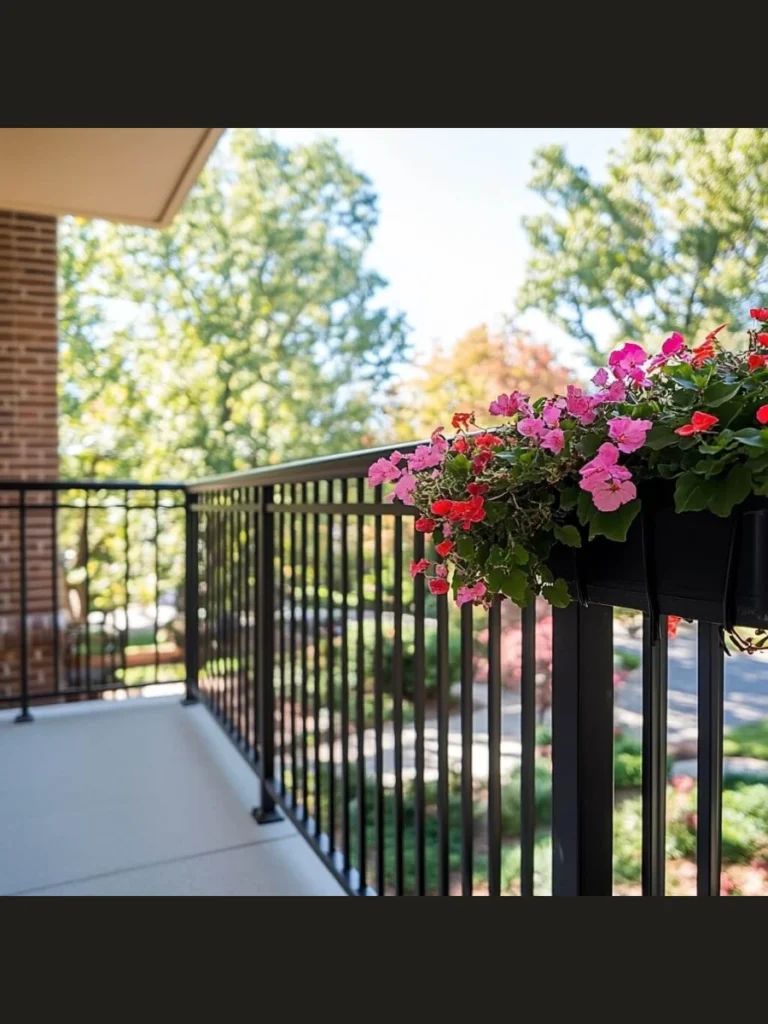
Metal grilles provide a unique and artistic look that stands out from the common wood and plastic options nearby. I have seen beautiful patterns made from laser cut steel or aluminum that look like modern art for your home.

Sassy Squirrel Beautifully Handcrafted Slate Home Welcome Plaque (12”x8” or 16"x10") Improve The Curb Appeal of Your Property with This Bespoke House Sign.
Sassy Squirrel Beautifully Handcrafted Slate Home Welcome Plaque (12”x8” or 16"x10") Improve The Curb Appeal…
The metal is usually powder coated to prevent rust and stay looking sharp even in very salty or humid air. These panels are incredibly strong and offer the best protection against determined animals trying to dig under your porch floor.
You can find patterns ranging from simple geometric shapes to intricate leaves and vines that add a lot of personality. This material is a bit more expensive but it lasts a lifetime and never sags or fades in the sun.
I think metal looks best when paired with a simple wood frame to give it a more finished and grounded appearance. It is a fantastic way to add a bit of industrial charm to a standard suburban porch or backyard deck.

Curb Appeal: Forty Years of Falling for Houses and Finding Home
Curb Appeal: Forty Years of Falling for Houses and Finding Home
6. Brick Masonry Foundations
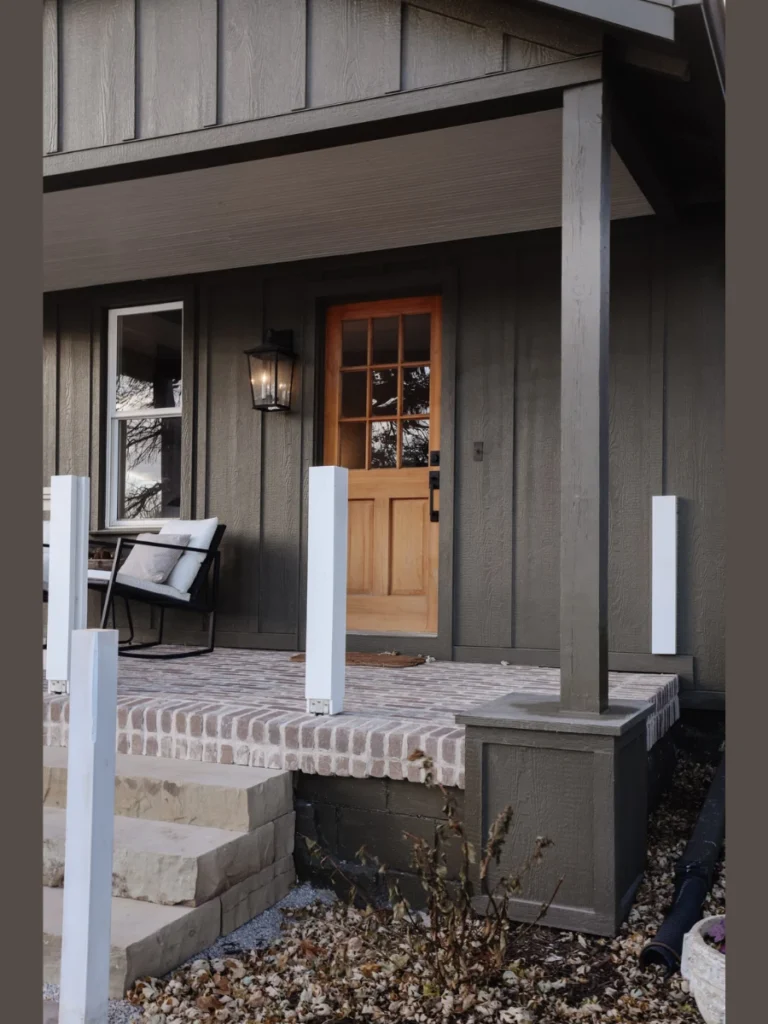
Real brick provides a permanent and sturdy look that matches traditional home styles better than almost any other material. I found that using reclaimed bricks can add a lot of character and history to a newer porch project.
You must include small weep holes or decorative vents in the mortar to let the air circulate underneath properly. This prevents the wooden supports of your porch from holding onto moisture which eventually leads to expensive repair bills.
This is a heavy option that usually requires a shallow concrete footer to keep the bricks from sinking or shifting. I think the extra labor is worth it because brick never fades and looks better as it ages over time.
You can choose different patterns like a simple running bond or a more complex herringbone to add extra visual flair. It creates a solid barrier that is virtually impossible for any neighborhood pests to chew through or knock down.
7. Fiber Cement Board Slats
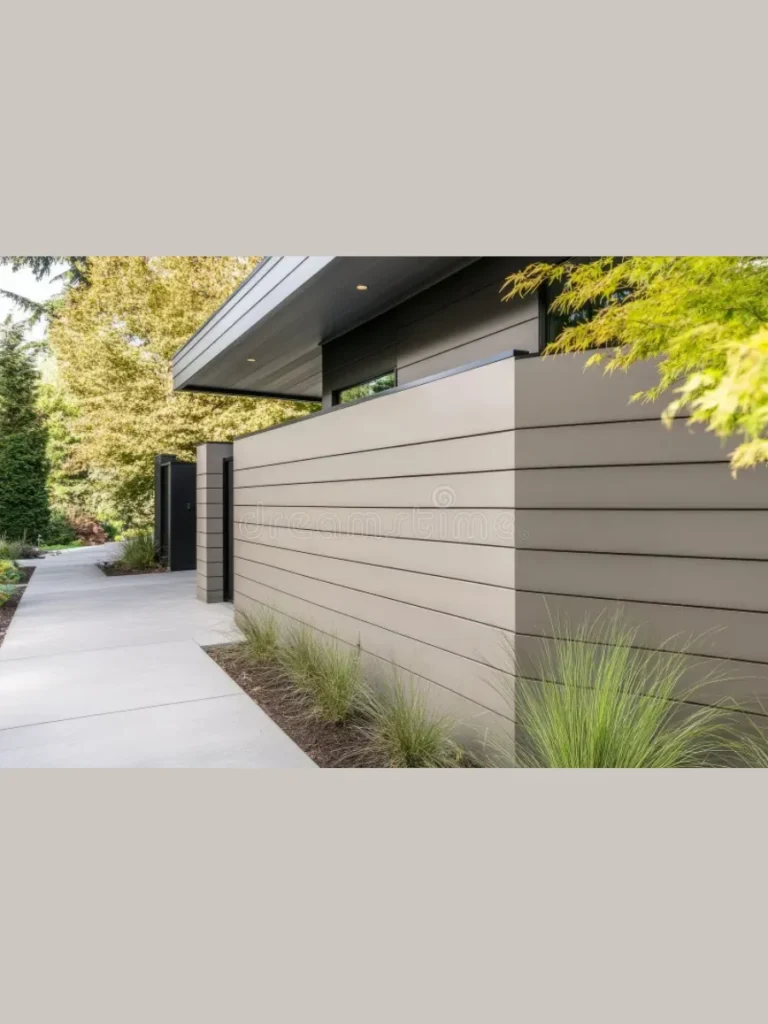
Fiber cement is a tough mix of wood fibers and sand that stands up to fire and rot better than wood. I like using these boards because they come pre-primed and ready for whatever color of paint you want to apply.
The boards are very heavy and do not warp when the weather changes from very dry to extremely humid or wet. This makes them a great choice for areas with harsh winters where wood might crack or vinyl might get brittle.

Beautifully Handcrafted and Customizable Slate Kindly Remove Your Shoes Sign (12”x8” or 16"x10") Personalized House Sign. Improve the curb appeal of your property.
Beautifully Handcrafted and Customizable Slate Kindly Remove Your Shoes Sign (12”x8” or 16"x10") Personalized House…
I suggest using a special masonry blade on your saw because this material is quite dense and hard on standard tools. It gives you the smooth look of wood with the strength of stone which is a very rare combination.
You can install these in a vertical or horizontal pattern depending on what look best fits your current house siding. It is a smart long term investment for anyone who hates the idea of replacing their skirting every few years.
8. Corrugated Metal Sheets
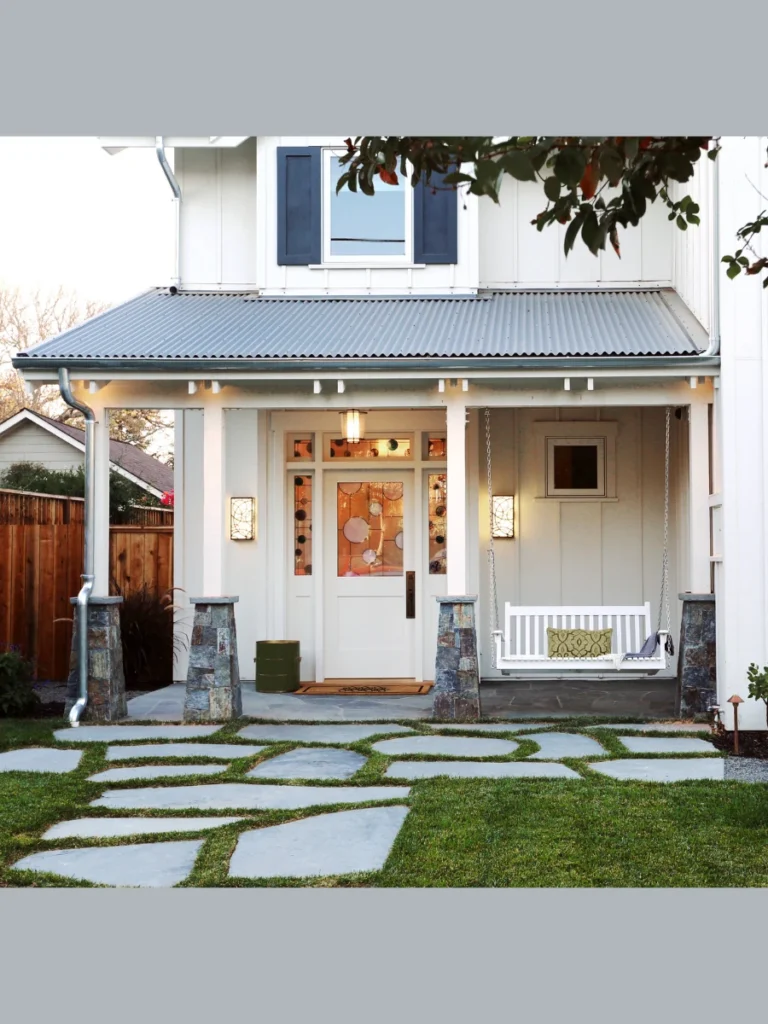
Corrugated metal offers a cool industrial or farmhouse vibe that is very popular for modern backyard decks and front porches. I often use galvanized steel because it has a shiny finish that reflects light and makes the area look brighter.
The ridges in the metal make the panels very stiff so they do not flop around or dent easily during storms. You can install them vertically to help rain and snow slide off the surface and away from your foundation.
I found that painting these sheets a dark charcoal color makes the skirting almost disappear into the shadows under the porch. It is a very affordable way to get a custom look using materials found at any local building center.
Be sure to use a metal file on any cut edges so you do not leave any sharp spots for pets. This material is incredibly fast to install and provides a very unique look that your neighbors probably do not have.

SANKINS Magnetic Decorative Garage Door Hinges Hardware Kit Attractive Curb Appeal Faux Hinges Handles Decor Hardware 1 Carriage Door Accents 4 Hinges + 2 Handles Black
SANKINS Magnetic Decorative Garage Door Hinges Hardware Kit Attractive Curb Appeal Faux Hinges Handles Decor…
9. Composite Decking Offcuts
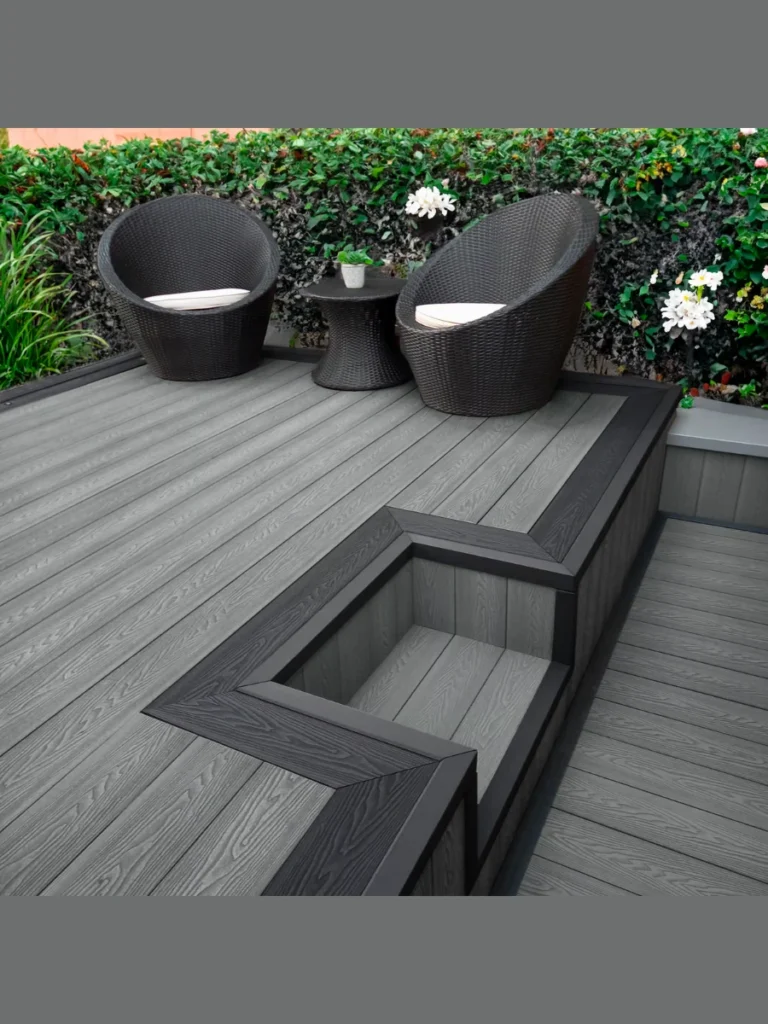
Using leftover composite boards is a clever way to match your skirting perfectly to the actual floor of your porch. I like this method because the material is made from recycled plastic and wood so it never needs staining.
These boards are designed to live outside in the rain and sun so they will stay looking new for decades. You can gap them just like you do on a deck floor to ensure the crawl space stays ventilated.

2026 New Solar House Numbers for Outside, IP65 Waterproof LED Dusk-to-Dawn, No-Drill Mount, Solar Light Numbers for House, for Homeowners Enhancing Curb Appeal (2,12cm/4.9in)
2026 New Solar House Numbers for Outside, IP65 Waterproof LED Dusk-to-Dawn, No-Drill Mount, Solar Light…
I usually screw these into a simple pressure treated frame using hidden fasteners for a very clean and modern appearance. It feels very solid and high quality when you walk past it because the boards are thick and heavy.
This is a great way to use up extra materials from a big renovation project instead of throwing them in the trash. It results in a very professional look that makes the entire porch feel like one cohesive piece of architecture.
10. Natural River Stone Walls
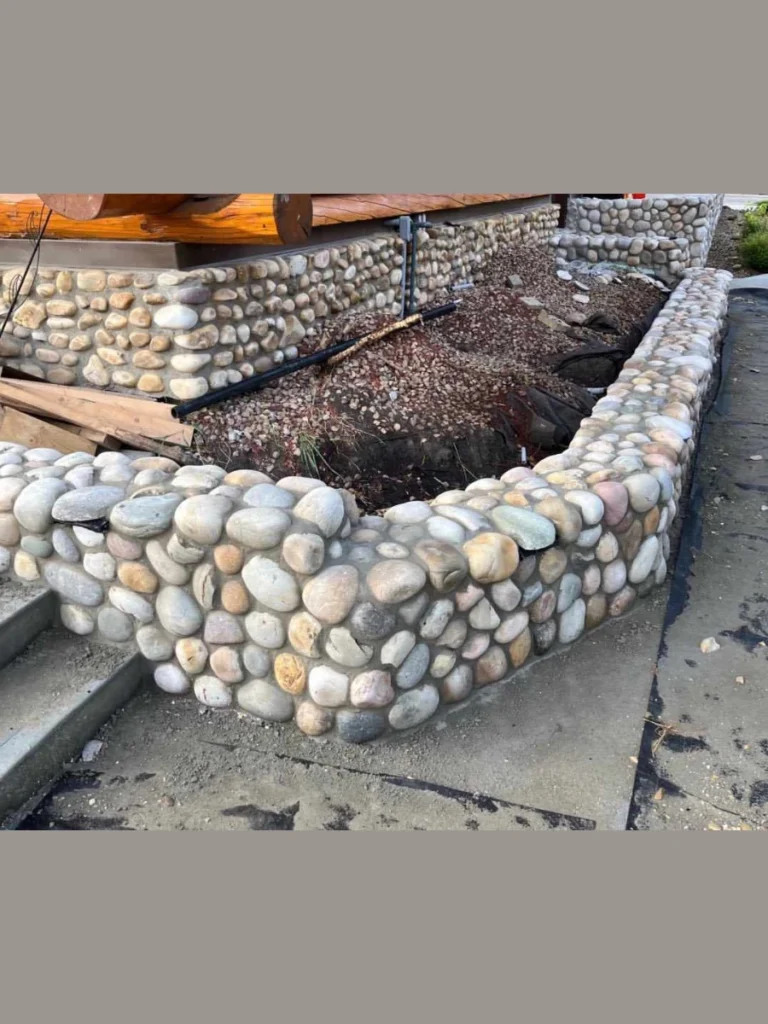
River stones offer a beautiful organic look that makes your porch feel like it is part of the natural landscape. I enjoy the process of fitting the different shapes and colors together to create a one of a kind mosaic.
You can use a dry stack method or use mortar if you want a more permanent and waterproof structural barrier. The variety of smooth grays and browns looks fantastic when paired with dark wood or white painted porch trim.
This material is perfect for homes near the woods or water where a plastic or vinyl look would feel out of place. It provides a very heavy base that anchors the house visually and keeps the area underneath cool and dry.
I suggest placing the largest stones at the bottom to provide a stable base for the smaller ones on top. While it takes more physical effort to build, the final result is a timeless look that never goes out of style.
11. Pressure Treated Plywood Panels
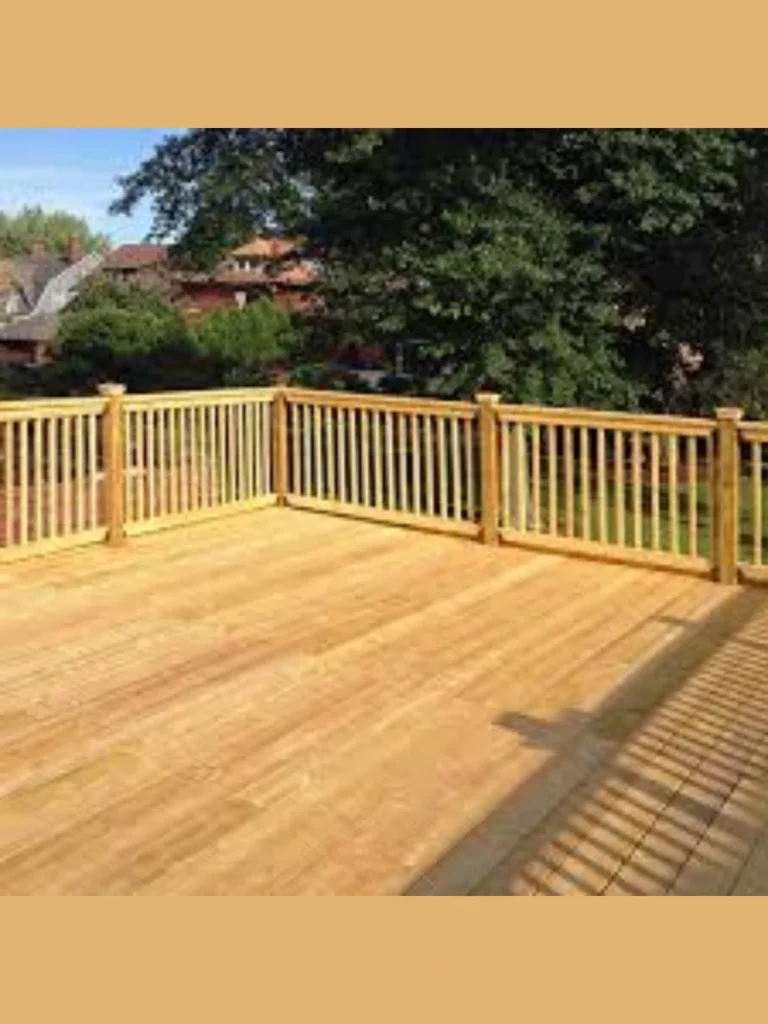
Plywood panels with decorative cutouts offer a custom look that allows you to be as creative as you want to be. I like to use a jigsaw to cut out geometric patterns or simple slats that let the air flow through.
You must use exterior grade pressure treated plywood to ensure the edges do not peel apart when they get hit by rain. Painting the panels a dark color helps hide the grain of the wood and makes the cutouts look more professional.
This is one of the most flexible options because you can cut the panels to fit perfectly around any weird landscaping. I find that it is a very cost effective way to cover large gaps without buying a lot of expensive individual pieces.
I recommend sealing the bottom edges with a bit of extra wood preservative where they sit close to the dirt. This simple step will double the life of your panels and keep the wood from soaking up ground moisture.

Better Homes & Gardens Quick & Easy Curb Appeal
Better Homes & Gardens Quick & Easy Curb Appeal
Comparison of Popular Skirting Materials
| Material Type | Estimated Cost | Durability Level | Maintenance Needs |
| Wood Lattice | Low | Medium | High (Paint/Stain) |
| Vinyl Panels | Low | High | Very Low |
| Faux Stone | Medium | High | Low |
| Horizontal Wood | Medium | Medium | Medium (Sealant) |
| Metal Grille | High | Very High | Low |
Practical Tips for a Successful Installation
- Check Local Codes: Always see if your town has specific rules about which materials you can use for skirting.
- Prioritize Airflow: Use vented panels or leave small gaps to prevent moisture from rotting your porch structure and joists.
- Plan for Access: Build a small “trap door” or removable section so you can reach the area for future repairs.
- Dig a Trench: Burying the bottom of your skirting a few inches deep helps keep burrowing animals from getting underneath.
- Level the Ground: Rake the soil flat before you start so your panels sit straight and do not look crooked.
Conclusion
I really enjoyed walking you through these options to help you find the best look for your home. Picking the right skirting makes a massive difference in how finished and polished your outdoor space feels.
You now have a solid list of materials that range from budget friendly vinyl to high end natural stone. I hope my personal experiences help you avoid some of the common mistakes people make with airflow and pests.
The best part of this project is seeing that ugly gap disappear and watching your curb appeal jump up instantly. Take your time to measure twice and pick a style that truly reflects your own personal taste.

Curb Appeal: Age Gap Enemies-to-Lovers Lesbian Rimming Erotica (The Backdoor Sisterhood Book 40)
Curb Appeal: Age Gap Enemies-to-Lovers Lesbian Rimming Erotica (The Backdoor Sisterhood Book 40)
I would love to hear which of these ideas you decide to install on your own front porch soon. Good luck with your renovation and enjoy the fresh new look of your beautiful home exterior.
FAQs
Yes, you must have vents to prevent moisture from building up and rotting your wooden porch floor joists. I usually suggest at least one square foot of ventilation for every 150 square feet of crawl space area.
Standard plastic lattice or vinyl panels are usually the most affordable options you can buy at a local store. These materials are very easy to install yourself which saves you even more money on professional labor costs.
I recommend burying the bottom of your skirting about six inches into the ground to stop rabbits and skunks. You can also attach a layer of heavy hardware cloth to the back of the panels for extra protection.
You should never use indoor wood because it will rot and grow mold within just a few months of rain. Always look for pressure treated lumber, cedar, or redwood that is specifically rated for exterior ground contact use.
Most vinyl and metal skirting only needs a quick spray with a garden hose and some mild soap twice a year. If you have wood, you might need to scrub away dirt before applying a fresh coat of sealer.
Related Posts
- Top 12 Porch Flowers Ideas
- 13 Best Porch Curb Appeal Ideas
- Top 14 Porch Enclosure Ideas
- 15 Best Porch Interior Ideas
- Top 10 Porch Deck Ideas
- 11 Best Porch Decking Ideas
Recommended for You

Sassy Squirrel Beautifully Handcrafted Slate Home Welcome Plaque - Life is Better at The Lake 16"x10" or 12"x8" Improve The Curb Appeal of Your Lake House with This Bespoke House Sign.
Sassy Squirrel Beautifully Handcrafted Slate Home Welcome Plaque - Life is Better at The Lake…

Sassy Squirrel Beautifully Handcrafted and Customizable Slate Home Address Plaque (16"x10" or 12"x8") Personalized House Sign with and mounting Hardware. Improve The Curb Appeal of Your Property
Sassy Squirrel Beautifully Handcrafted and Customizable Slate Home Address Plaque (16"x10" or 12"x8") Personalized House…

Sassy Squirrel Beautifully Handcrafted and Customizable Slate Home Address Plaque (12"x8" or 16"x10") Personalized House Sign with and Hardware. Improve The Curb Appeal of Your Property (16"x10")
Sassy Squirrel Beautifully Handcrafted and Customizable Slate Home Address Plaque (12"x8" or 16"x10") Personalized House…

HILLMASTER Decorative Magnetic Garage Door Hinges Hardware, 6 Pieces Garage Door Accents Attractive Curb Appeal Faux Hinges Handles Decor Hardware Kit, Black(4 Hinges+2 Handles)
HILLMASTER Decorative Magnetic Garage Door Hinges Hardware, 6 Pieces Garage Door Accents Attractive Curb Appeal…

Sassy Squirrel Customizable Burgundy Slate Home Address Plaque (12"x6" or 18"x8") Personalized House Sign with and mounting Hardware Improve The Curb Appeal of Your Property (12"x6"`)
Sassy Squirrel Customizable Burgundy Slate Home Address Plaque (12"x6" or 18"x8") Personalized House Sign with…
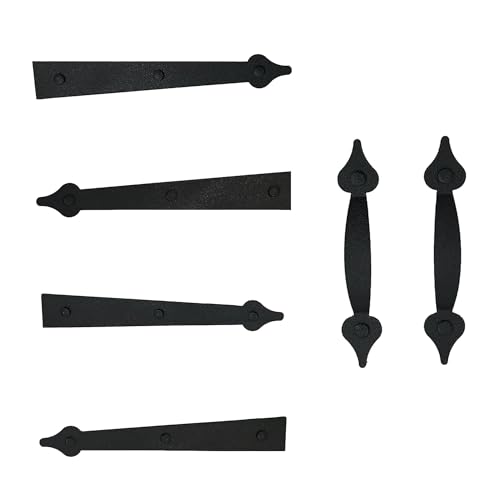
Magnetic Decorative Garage Door Hinges & Handles - Spear Style Garage Door Accents - Durable & Weatherproof - Curb Appeal Faux Hinges & Handles with Hardware Kit - Black
Magnetic Decorative Garage Door Hinges & Handles - Spear Style Garage Door Accents - Durable…

Premium Quality & Strong Magnetic Garage Door Decorative Hardware - Set of 2 Handles + 4 Hinges - Faux Garage Door Accents Kit for Curb Appeal | No Installation Needed | Will Never Fall Off
Premium Quality & Strong Magnetic Garage Door Decorative Hardware - Set of 2 Handles +…

Faux Garage Door Window Kit, for Curb Appeal, Heritage Sandstone 2-Pack
Faux Garage Door Window Kit, for Curb Appeal, Heritage Sandstone 2-Pack

HILLMASTER Garage Door Magnetic Decorative Hardware, 6 Pieces Rectangle Garage Door Magnets Accents Curb Appeal Faux Hinges and Handles Garage Door Decor Hardware Kit, Black(4 Hinges+2 Handles)
HILLMASTER Garage Door Magnetic Decorative Hardware, 6 Pieces Rectangle Garage Door Magnets Accents Curb Appeal…

Curb Appeal: The Weekend Guide to a House You're Proud to Pull Up To (The Handy Homeowner Series)
Curb Appeal: The Weekend Guide to a House You're Proud to Pull Up To (The…