
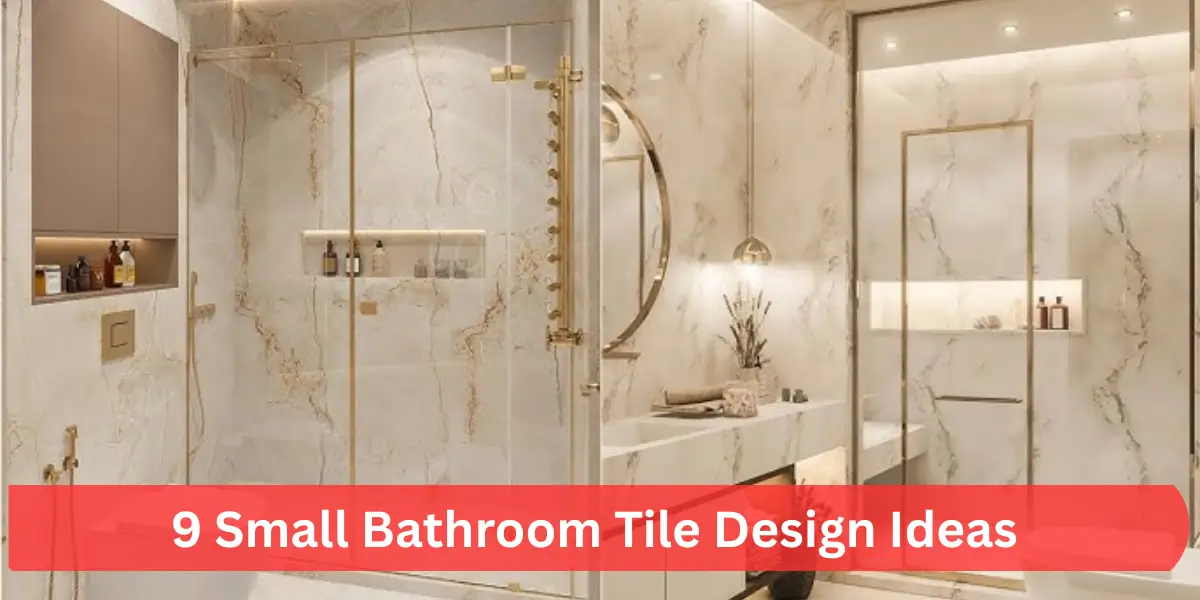

Small bathroom tile design ideas can completely change how a tight space feels and functions.
When I work with small bathrooms, tile selection becomes one of the most important decisions because it directly affects light, proportion, and visual flow.
The right tiles can make a cramped bathroom feel open, organized, and far more comfortable than its actual size.
From layout direction to finish and color choice, small design details create a big impact.
In this article, I’ll share carefully researched small bathroom tile ideas based on real design experience, practical use, and proven visual techniques that help maximize space without sacrificing style.
1. Large-Format Tiles
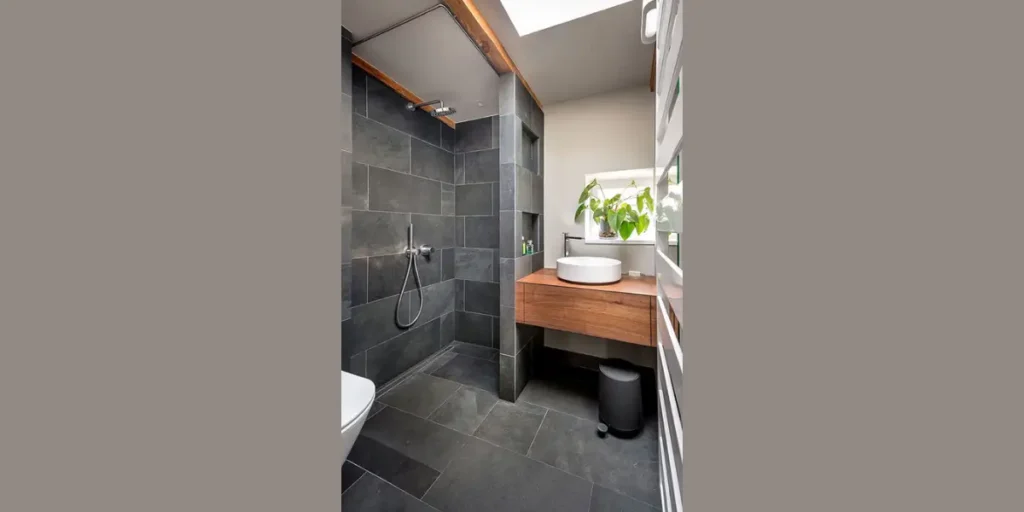
When I design a small bathroom, large-format tiles are one of my go-to choices. Many people assume big tiles won’t work in small spaces, but the opposite is true.
Fewer grout lines create a cleaner surface, which makes the room feel less busy and more open.
I usually recommend large tiles in light or neutral shades. These colors reflect light better and help maintain visual continuity across the floor or walls. The bathroom feels calmer and more organized as a result.
From a practical perspective, large tiles are easier to maintain because there are fewer grout joints to clean. This makes them both visually smart and functionally efficient for small bathrooms.
2. Vertical Subway Tiles
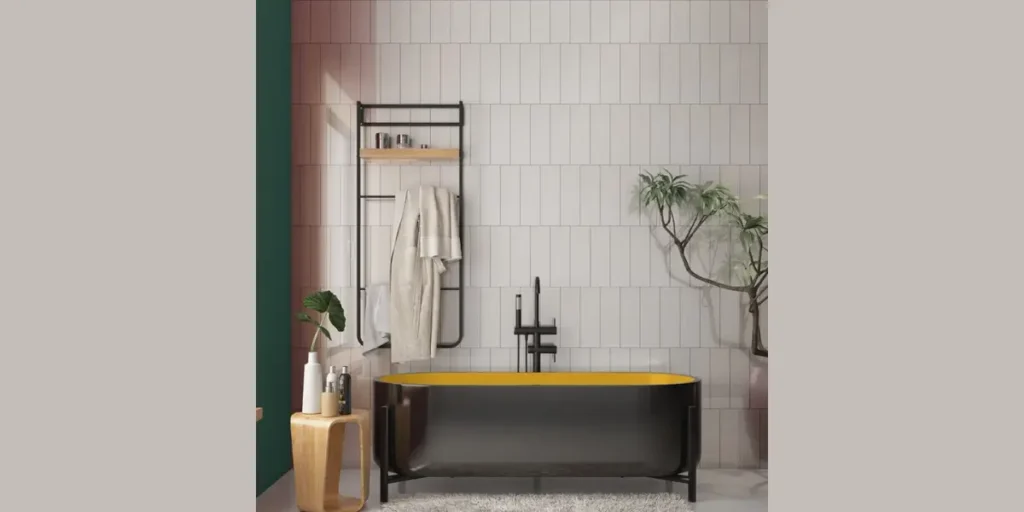
When a small bathroom feels low or closed in, I often use vertical subway tiles to change the perception of height.
Installing tiles vertically draws the eye upward, which makes the ceiling appear taller. This simple layout shift creates a noticeable difference.
I prefer vertical subway tiles on shower walls or behind the vanity.
Keeping the grout lines thin helps maintain a streamlined look without visual clutter. Neutral colors work best for long-term appeal.
This tile layout also works well with modern and transitional designs. With proper lighting, vertical subway tiles make small bathrooms feel taller, brighter, and more comfortable to use daily.
3. Light-Colored Tiles
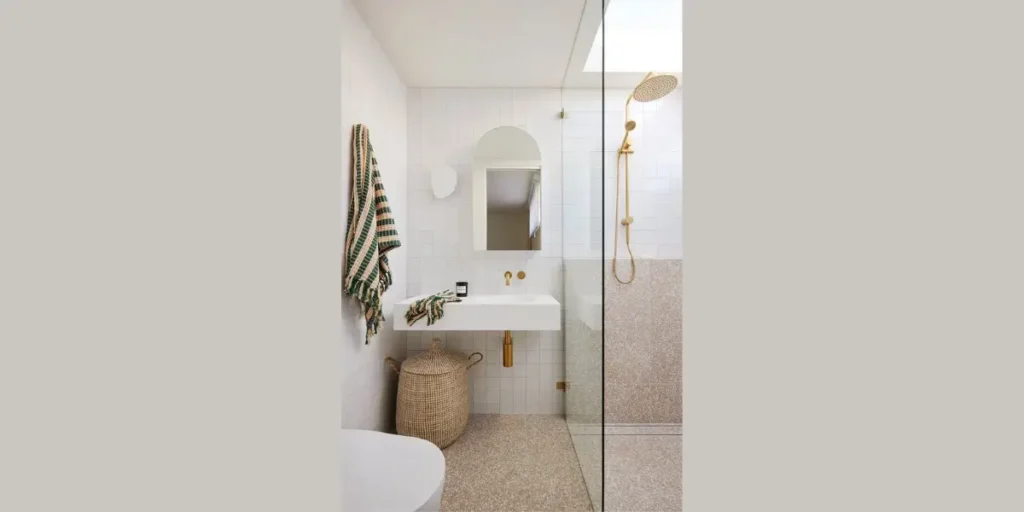
Light-colored tiles are one of the safest and most effective choices for small bathrooms.
When I want to make a space feel open, I rely on whites, soft greys, and warm beige tones. These colors reflect light and reduce visual heaviness.
I often combine light tiles with minimal grout contrast to keep the surface seamless. Strong grout lines can break up the space and make it feel smaller. Subtle tones keep everything flowing smoothly.
Beyond aesthetics, light tiles help improve overall brightness, especially in bathrooms with limited natural light. The result feels fresh, clean, and visually larger without changing the actual layout.
4. Diagonal Floor Tiles
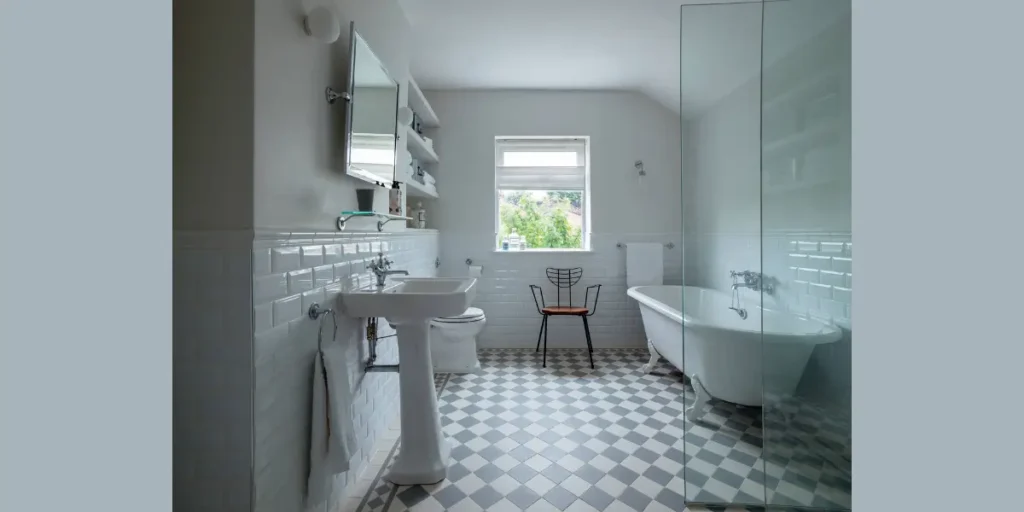
Diagonal floor tiles are a clever design trick I use when a small bathroom feels narrow.
Laying tiles at an angle shifts the visual focus and makes the floor appear wider than it really is. This technique adds movement and interest.
I typically recommend diagonal layouts for square tiles rather than rectangles.
The angled placement naturally stretches the space visually. Keeping the pattern simple prevents the design from feeling busy.
While installation may require more planning, the payoff is worth it. Diagonal tile layouts add depth and make compact bathrooms feel more dynamic and spacious.
5. Glossy Finish Tiles
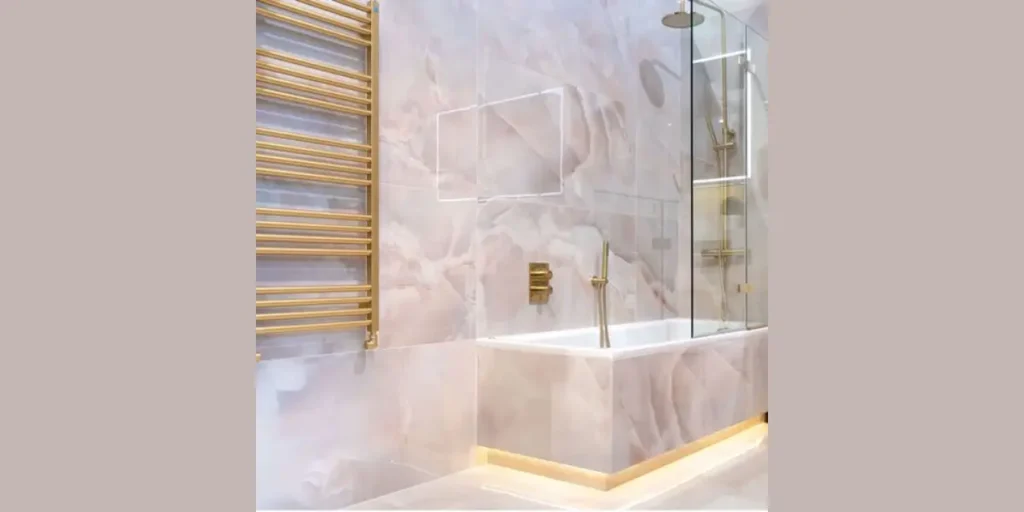
Glossy tiles work exceptionally well in small bathrooms because they reflect both natural and artificial light.
When I want to brighten a tight space, I often choose glossy wall tiles to bounce light around the room.
I usually balance glossy finishes with simple tile shapes to avoid excessive shine.
Subway or large-format glossy tiles maintain elegance without feeling overwhelming. This keeps the design refined.
From a functional standpoint, glossy tiles are easy to wipe clean. With proper slip-resistant flooring choices, they offer a practical and stylish solution that makes small bathrooms feel brighter and more inviting.
6. Mosaic Accent Wall
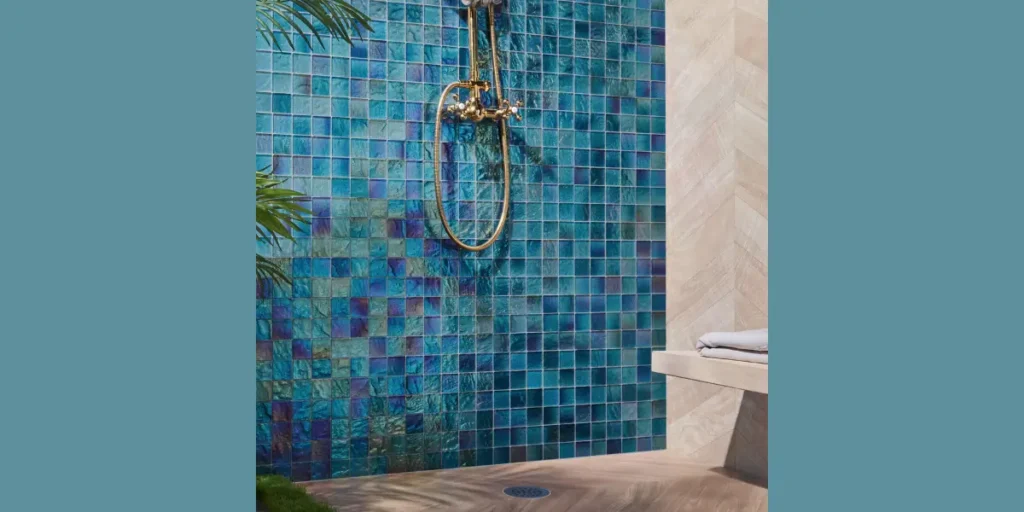
Mosaic tiles allow me to add personality to a small bathroom without overcrowding it.
Instead of covering every wall, I focus on a single accent area, such as a shower niche or vanity wall. This creates depth without chaos.
I prefer small-scale mosaics in controlled color palettes. Too many colors can overwhelm a small space. Subtle contrast works best for maintaining balance.
Used thoughtfully, mosaic accent walls guide the eye and break monotony. They add character while preserving openness, making them ideal for small bathrooms that need a design highlight.
7. Horizontal Tile Layout
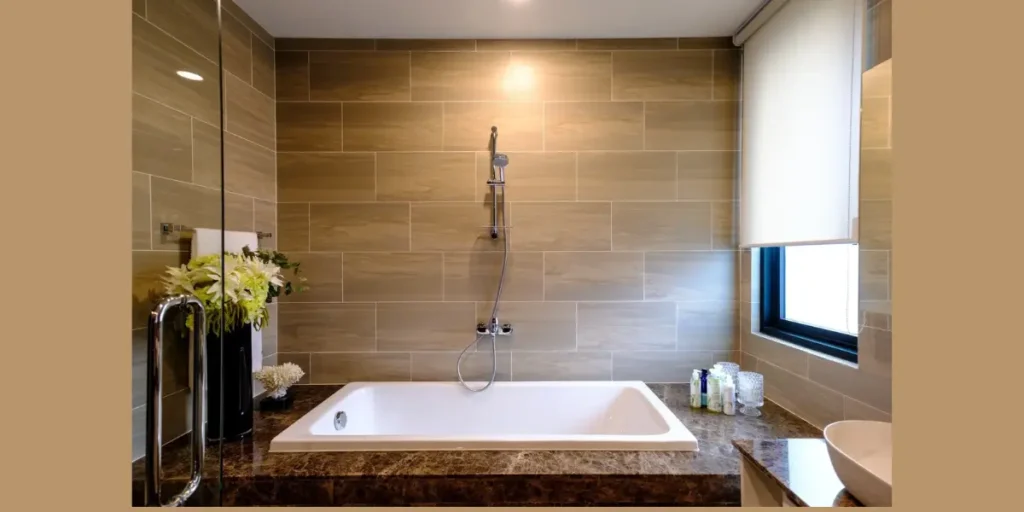
When a bathroom feels narrow, I often install tiles horizontally to visually widen the walls.
Horizontal lines stretch the room sideways, making it feel broader and more balanced. This layout works especially well in tight layouts.
I typically apply horizontal tiles on long walls to enhance the effect. Keeping colors consistent prevents visual breaks that could shrink the space. Simple tile designs work best here.
This approach doesn’t require special materials, just smart placement. Horizontal tile layouts subtly improve proportions and make small bathrooms feel more comfortable and well-designed.
8. Marble-Effect Tiles
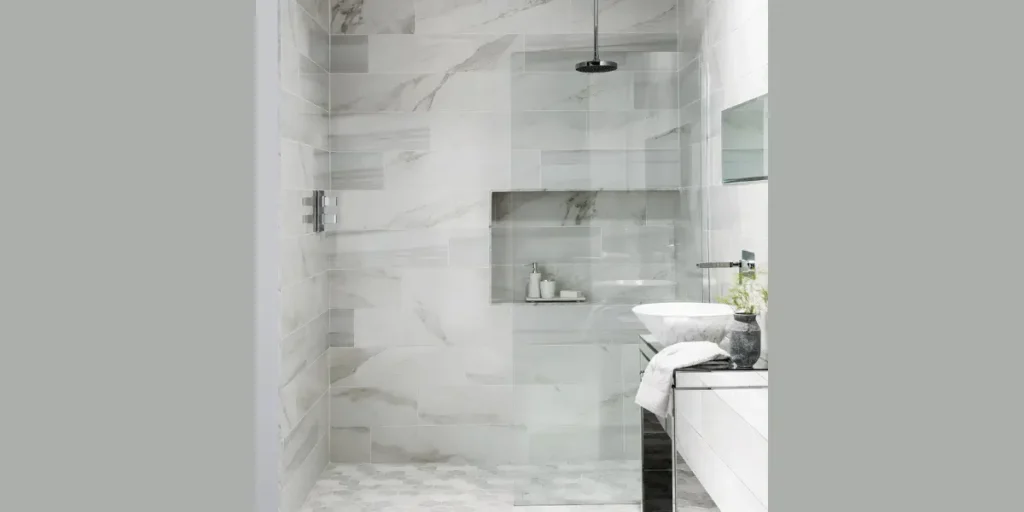
Marble-effect tiles allow me to introduce elegance into small bathrooms without overwhelming the space.
These tiles offer the beauty of marble with more control over color and pattern intensity. The look feels refined, not heavy.
I prefer marble-effect tiles with soft veining and light backgrounds. Strong patterns can dominate small spaces, so restraint is key. Large formats enhance the luxury feel further.
These tiles also offer durability and easier maintenance compared to natural stone.
They deliver a polished, upscale look while keeping the bathroom visually open and practical.
9. Same Tile on Floor and Walls
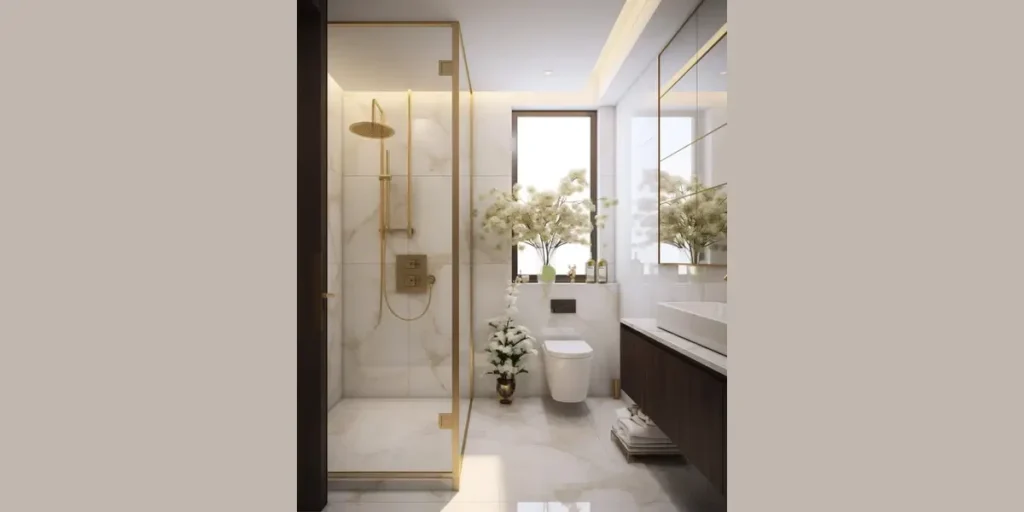
Using the same tile on both the floor and walls is one of the most effective ways to visually expand a small bathroom.
I rely on this technique to reduce visual breaks and create continuity throughout the space.
I usually choose neutral or lightly textured tiles for this approach. Too much pattern can overwhelm the effect. Consistency is what makes the room feel unified.
This seamless flow tricks the eye into seeing a larger area. It simplifies the design while making the bathroom feel cohesive, calm, and intentionally planned.
How Tile Size, Color, and Layout Change Small Bathroom Perception
When I design a small bathroom, I pay close attention to how tile size, color, and layout influence visual perception.
Larger tiles reduce grout lines, which makes the space feel cleaner and more open.
Light colors reflect more light, helping the bathroom appear brighter and less confined.
Layout direction also plays a major role vertical tiles emphasize height, while horizontal tiles widen narrow walls.
By combining the right tile size, soft color palette, and intentional layout, I can visually reshape a small bathroom without changing its physical dimensions.
Conclusion
Designing a small bathroom becomes much easier when tile choices are made with intention rather than guesswork.
From my experience, the most successful small bathrooms rely on smart tile sizing, light-reflective finishes, and layouts that guide the eye instead of stopping it.
Even simple changes, like reducing grout lines or aligning tiles strategically can dramatically improve how spacious the room feels. When tiles work together in color, scale, and placement, they enhance both comfort and usability.
With thoughtful selection, small bathroom tiles don’t just decorate the space; they actively reshape how it looks and functions every day.
FAQs
In my experience, medium to large-format tiles work best in small bathrooms. They reduce visual breaks caused by grout lines. This helps the space feel more continuous and less crowded.
Yes, large tiles often make small bathrooms look bigger. Fewer grout lines create a smoother visual surface. The key is proper installation and choosing lighter shades.
Matching floor and wall tiles can create a seamless look. This reduces visual separation and makes the space feel larger. I often recommend this for very compact bathrooms.
Glossy wall tiles are safe and help reflect light. For floors, I always choose slip-resistant finishes. This ensures safety while maintaining brightness.