
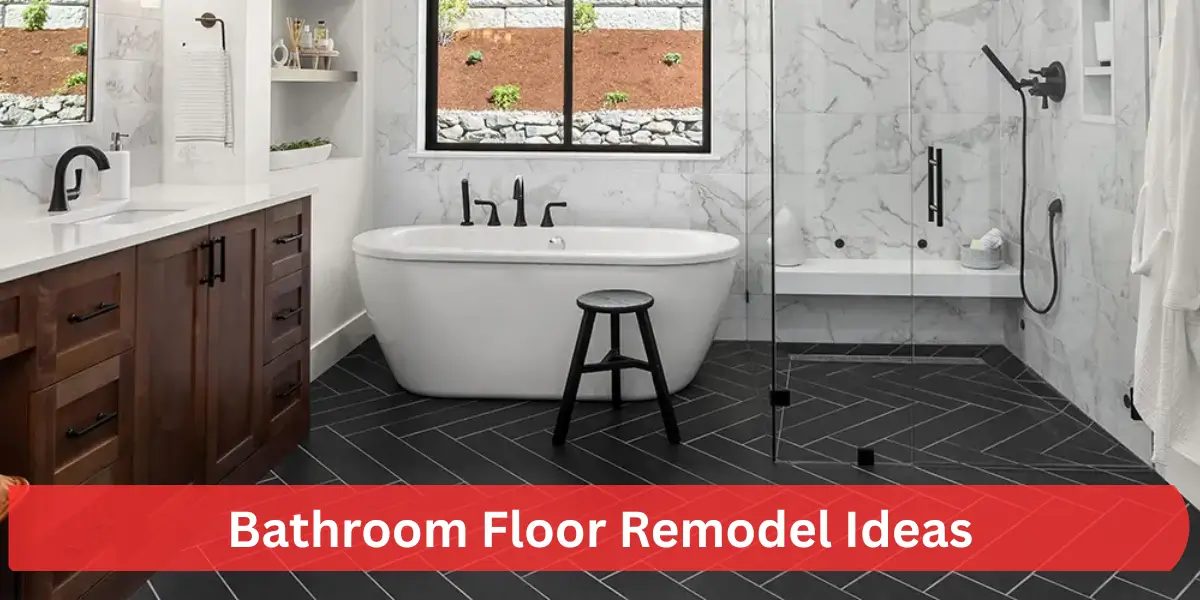

Bathroom floor remodel ideas often shape the success of an entire renovation, and I’ve seen how the right flooring choice can instantly improve both safety and style.
When I plan a bathroom update, the floor is never an afterthought, it sets the tone, supports daily use, and handles constant moisture.
From durability and slip resistance to visual balance, flooring decisions affect how comfortable and long-lasting a bathroom feels.
With modern materials and smarter designs available today, homeowners can upgrade bathroom floors in ways that feel practical, stylish, and well-suited to real-life use rather than short-lived trends.
1. Large Format Tile Flooring
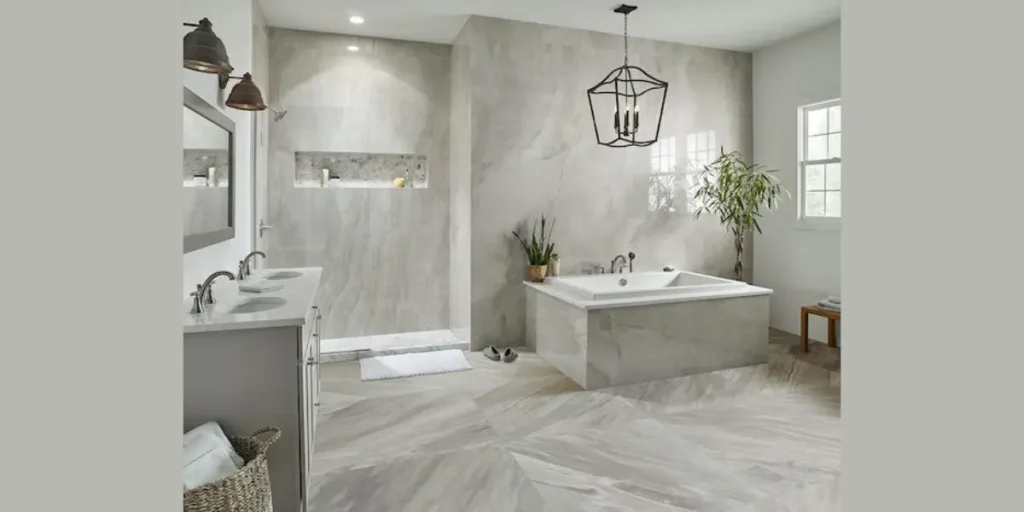
When I remodel a bathroom floor, large format tiles are often my first choice because they instantly make the space feel cleaner and more open.
Fewer grout lines create a seamless look that visually expands the room, especially in smaller bathrooms. I’ve seen this approach dramatically reduce visual clutter.
I usually recommend neutral or stone-inspired tones to keep the floor timeless.
Large tiles reflect light better, which helps brighten bathrooms with limited natural light.
From a maintenance perspective, large format tiles are practical.
They are easy to clean, resist moisture, and hold up well under daily foot traffic, making them a smart long-term flooring option.
2. Marble Bathroom Flooring
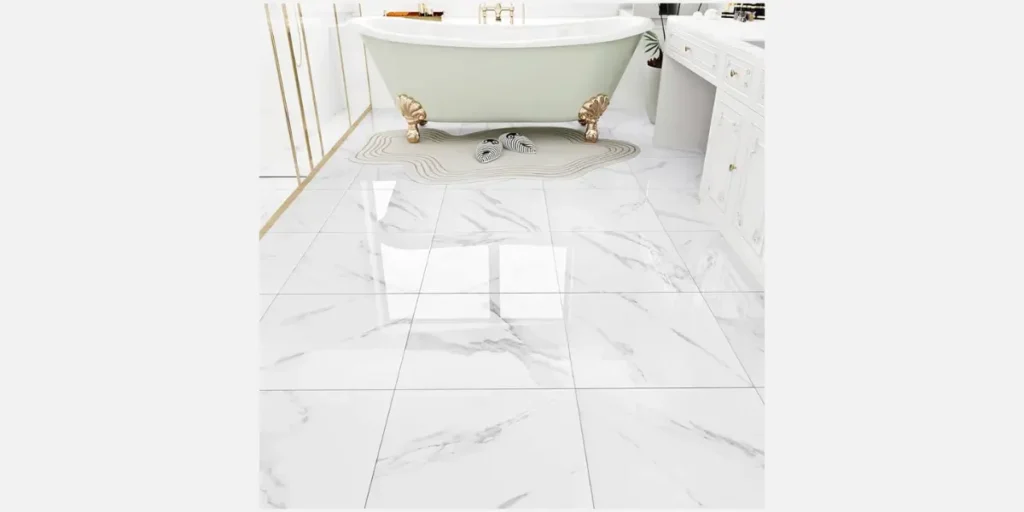
Marble flooring brings a level of elegance that few materials can match, and I often suggest it for master bathrooms where luxury matters.
The natural veining gives each floor a unique character that feels refined rather than repetitive.
I carefully select finishes that balance beauty with safety, often opting for honed marble to reduce slipperiness.
Proper sealing plays a critical role in protecting the surface from moisture and stains.
While marble requires more care than porcelain, its visual impact is unmatched. When maintained correctly, it adds long-term value and a timeless aesthetic that never feels outdated.
3. Wood-Look Porcelain Tile
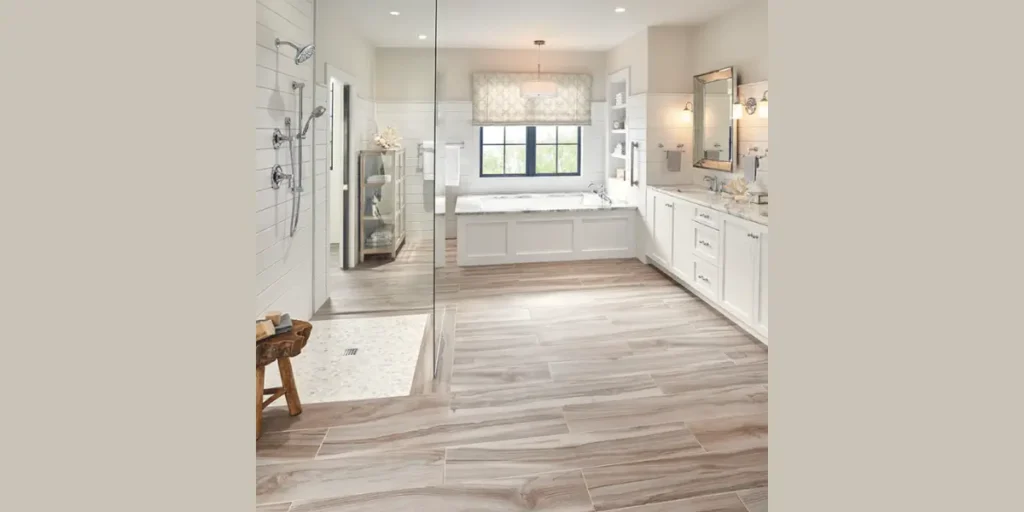
Wood-look porcelain tiles allow me to bring warmth into bathrooms without the risks of real wood.
I like how these tiles mimic natural grain patterns while remaining completely water-resistant. This makes them ideal for remodels.
I often install them in plank layouts to enhance the realistic wood appearance. They pair well with modern, rustic, or Scandinavian-inspired bathrooms.
From a functional standpoint, porcelain handles humidity and temperature changes exceptionally well.
Homeowners get the comfort and style of wood with the durability and low maintenance of tile, which makes this option highly practical.
4. Hexagon Tile Flooring
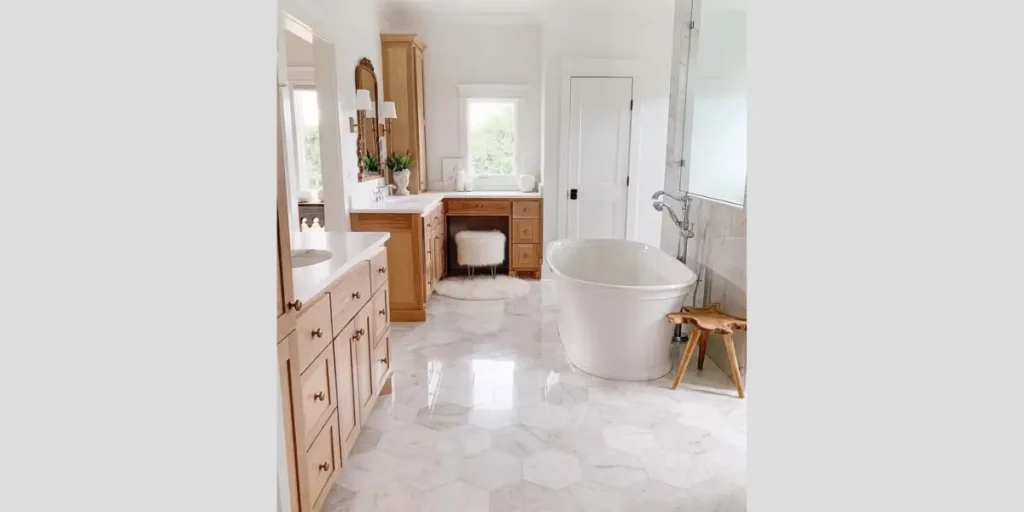
Hexagon tiles offer a perfect balance between classic and modern design, which is why I frequently use them in bathroom floor remodels.
Their geometric shape adds texture without overwhelming the space.
I often choose small to medium hex tiles to improve grip, especially in wet areas.
Subtle color variations can create depth while maintaining a clean overall look.
This flooring option works well in both small and large bathrooms. Hexagon tiles add visual interest while supporting safety, durability, and long-term style flexibility.
5. Patterned Cement Tiles
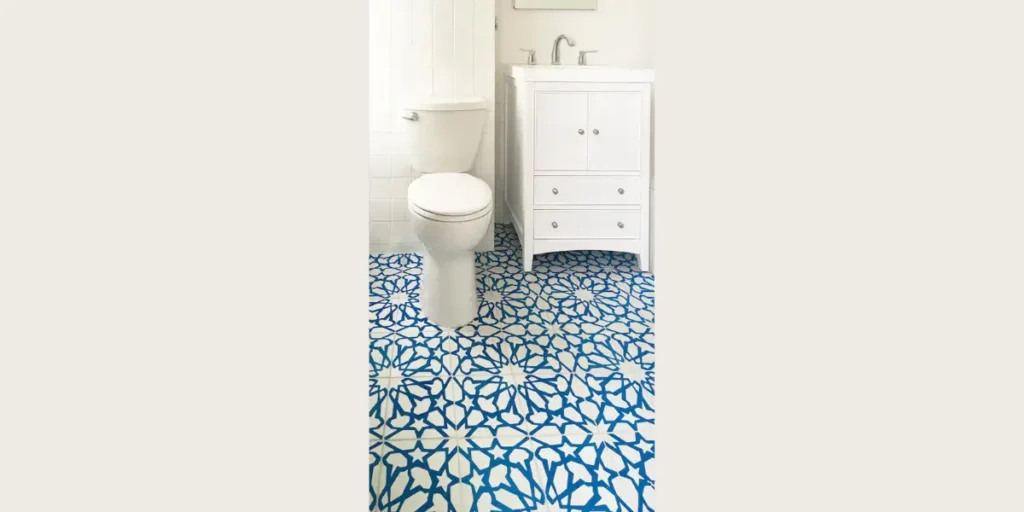
When a bathroom needs personality, patterned cement tiles make a strong statement.
I use them to turn the floor into a focal point rather than just a background element. The designs instantly add character.
I usually balance bold patterns with simple walls and fixtures to avoid visual overload. This keeps the space stylish but controlled.
Cement tiles require sealing, but they reward homeowners with durability and unique design.
They work best in powder rooms or feature bathrooms where creativity matters more than minimalism.
6. Natural Stone Flooring
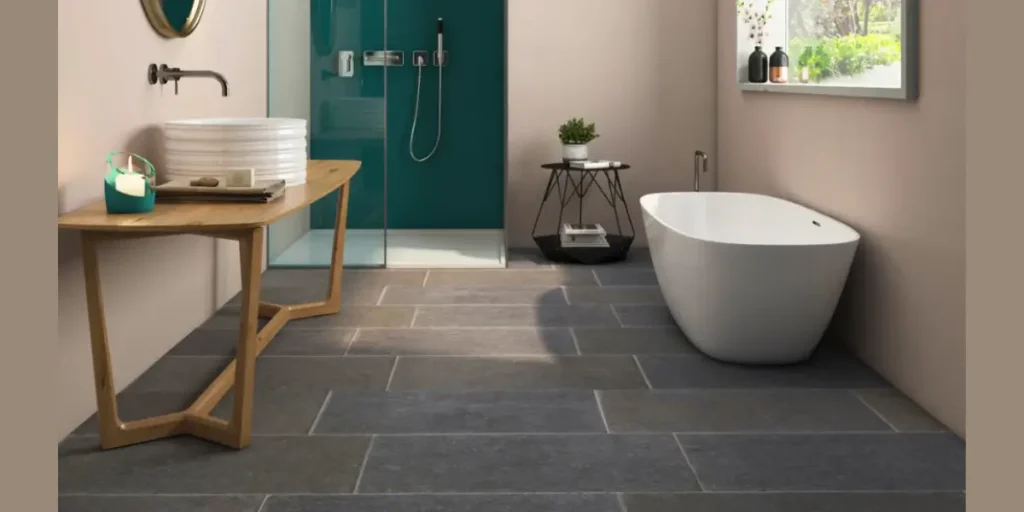
Natural stone flooring creates an organic, grounded feel that I often recommend for high-end remodels.
Stone surfaces add texture and depth that manufactured materials can’t fully replicate.
I pay close attention to sealing and drainage to ensure long-term performance in wet environments. With proper care, stone floors age beautifully.
This option suits homeowners who value natural materials and timeless design.
Stone floors feel solid, authentic, and luxurious while maintaining a strong connection to nature.
7. Terrazzo Bathroom Flooring
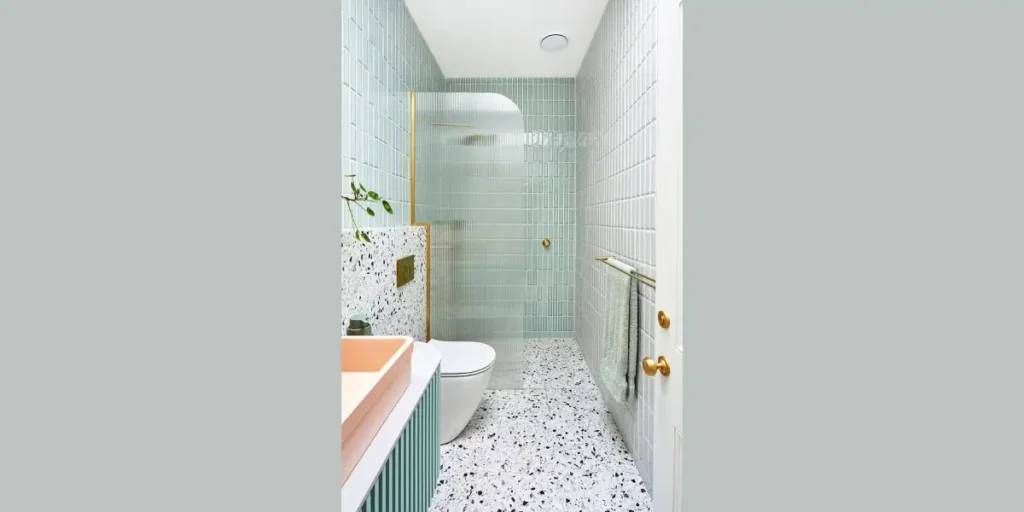
Terrazzo has returned as a modern flooring trend, and I enjoy using it for its playful yet sophisticated appearance.
The mix of stone chips creates a dynamic surface that feels fresh and durable.
I typically recommend terrazzo in neutral or soft color palettes to keep it versatile. It pairs well with minimal fixtures and clean-lined vanities.
From a performance standpoint, terrazzo resists moisture and wear effectively.
It works well in busy bathrooms while adding personality without sacrificing practicality.
8. Matte Finish Floor Tiles
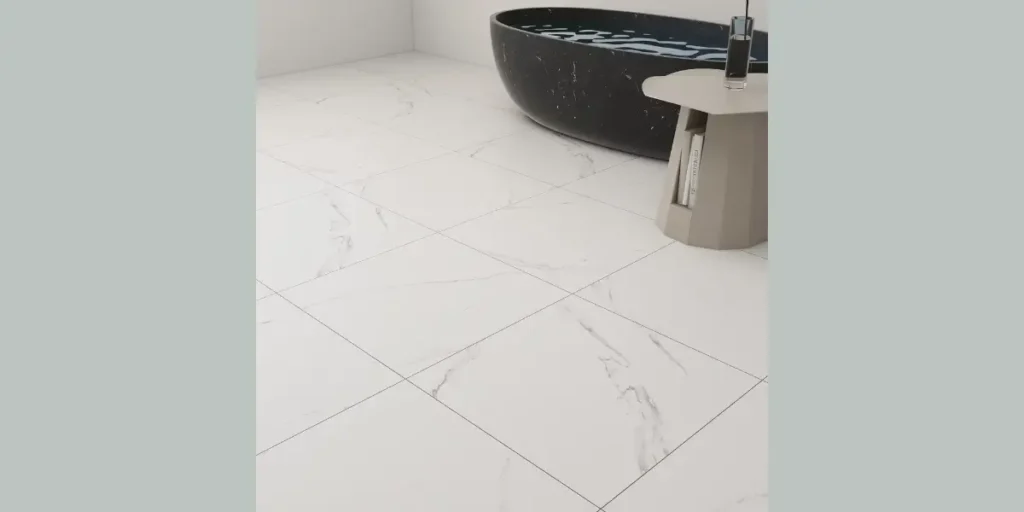
Matte finish tiles are a practical choice I often recommend for family bathrooms.
Their non-reflective surface improves slip resistance and hides water marks better than glossy finishes.
I prefer matte tiles in neutral shades that maintain a calm and balanced look. They complement both modern and traditional bathroom designs.
These tiles perform well in high-moisture areas and require minimal maintenance.
Matte finishes deliver safety, comfort, and understated style without drawing unnecessary attention.
9. Black and White Tile Flooring
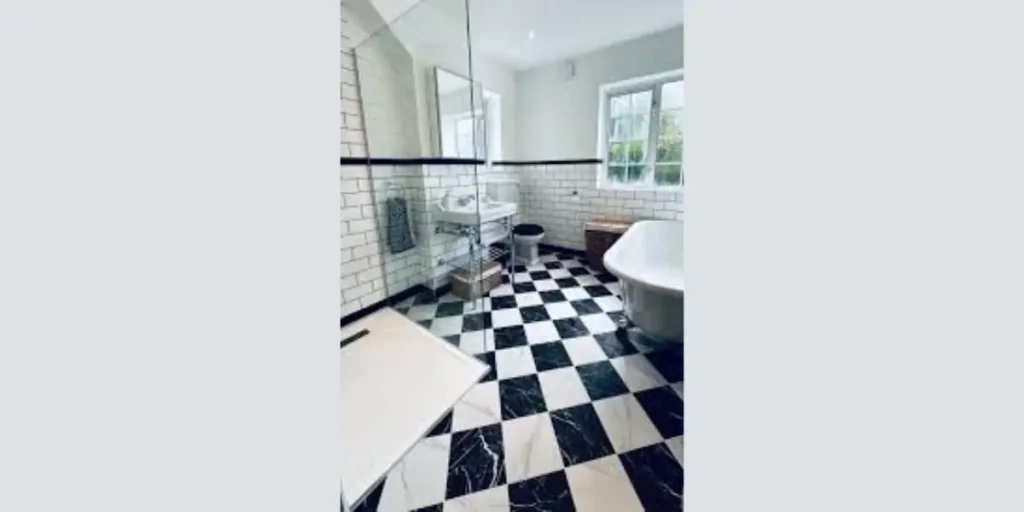
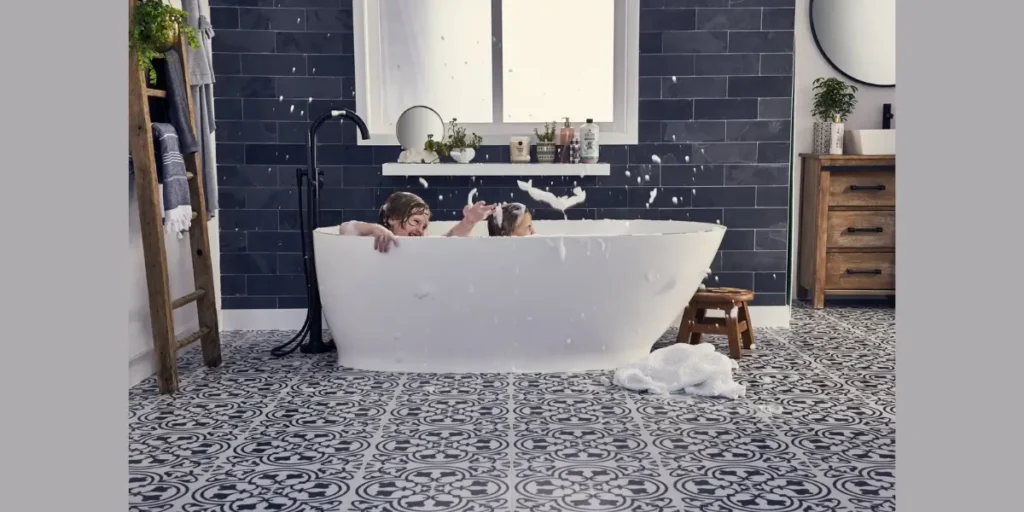
Black and white bathroom floors remain timeless, and I use them when homeowners want a bold yet classic look.
The contrast creates visual structure and clear definition.
I often select simple patterns like checkerboard or geometric layouts to maintain balance. This approach prevents the design from feeling dated.
This flooring style works across multiple design themes. With the right pattern and scale, black and white tiles add character while remaining elegant and adaptable.
10. Concrete Bathroom Flooring
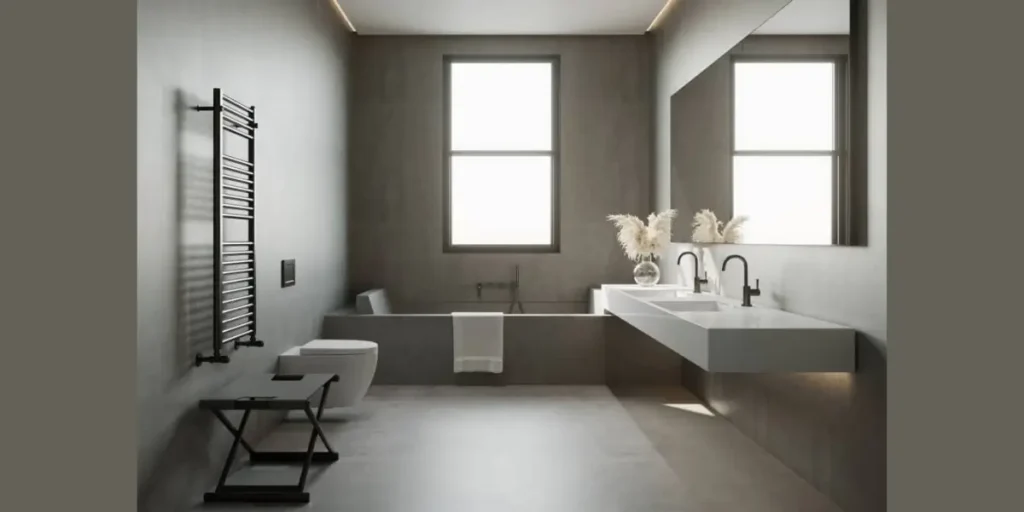
Concrete flooring works well when I design minimalist or industrial-style bathrooms. It creates a seamless surface that feels modern and intentionally simple.
I often recommend polished or sealed concrete to improve durability and moisture resistance. Subtle texture variations add depth without overwhelming the design.
Concrete floors suit homeowners who prefer clean lines and low maintenance.
When paired with warm lighting and natural accents, concrete feels balanced, modern, and surprisingly inviting.
11. Mosaic Tile Bathroom Flooring
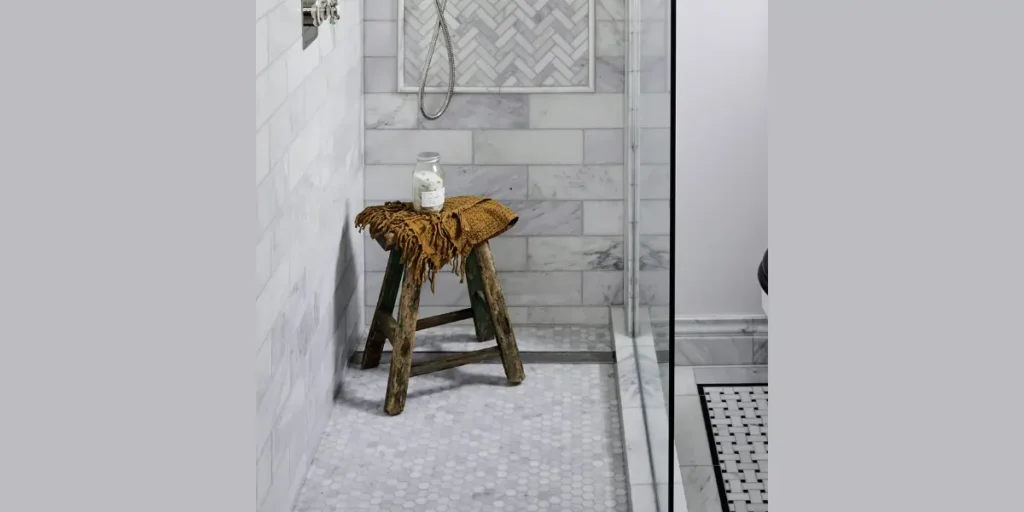
When I remodel bathrooms with wet zones, mosaic tile flooring becomes a reliable option.
The small tile size creates more grout lines, which improves grip and reduces the risk of slipping.
I often use mosaics in shower floors or compact bathrooms where safety matters most.
I choose simple color palettes to avoid visual clutter while still adding texture. Subtle mosaics work well with modern and classic interiors alike.
From a functional standpoint, mosaic tiles handle water exposure extremely well. When installed correctly, they provide durability, traction, and long-term performance in moisture-heavy spaces.
12. Luxury Vinyl Tile (LVT) Flooring
Luxury vinyl tile has become a practical flooring choice in many remodels I work on.
It offers waterproof performance while mimicking the look of wood or stone convincingly. This makes it ideal for budget-conscious renovations.
I often recommend LVT for guest bathrooms or secondary spaces. It installs quickly and feels softer underfoot compared to tile.
Modern LVT products resist moisture, scratches, and wear.
With proper installation, they provide comfort, durability, and visual appeal without the higher cost of traditional materials.
13. Herringbone Tile Pattern Flooring
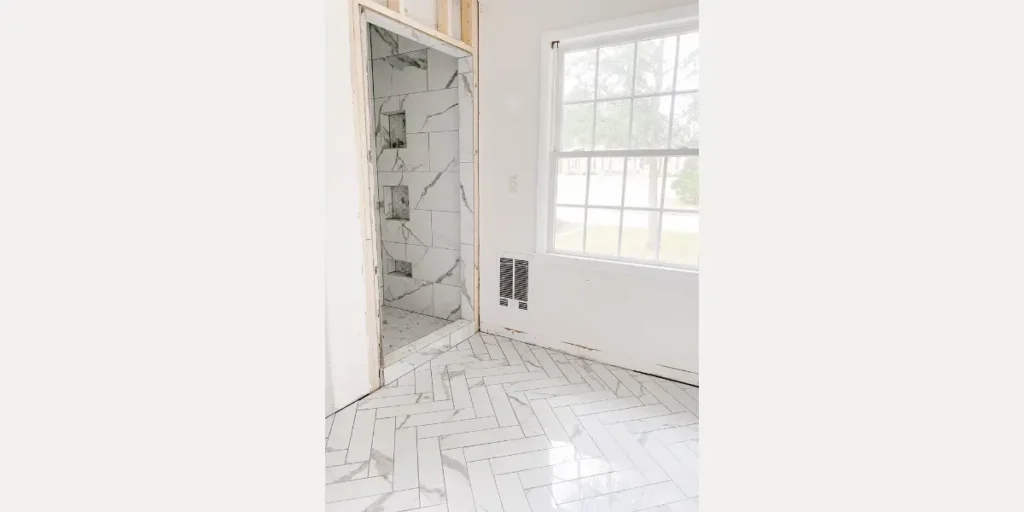
Herringbone flooring allows me to add movement and sophistication to simple tile choices.
The pattern draws the eye and makes narrow bathrooms feel longer and more dynamic.
I usually pair herringbone layouts with neutral tiles to keep the design balanced. This approach highlights craftsmanship without overwhelming the space.
From a design perspective, herringbone patterns elevate standard materials.
When installed with precision, they deliver a refined, custom look that enhances both modern and transitional bathrooms.
14. Heated Bathroom Floor Systems
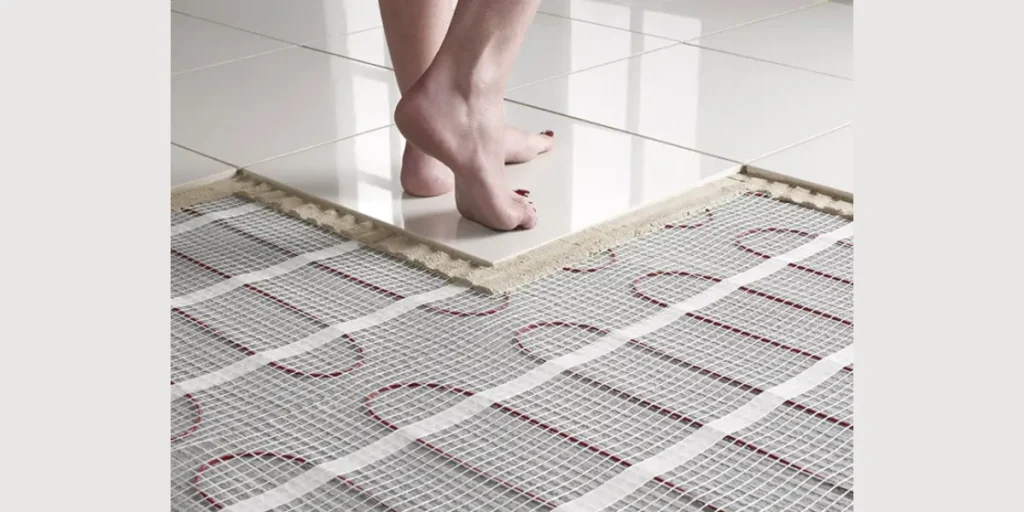
Heated bathroom floors dramatically improve comfort, especially in colder climates.
I often suggest radiant heating systems when homeowners want a subtle luxury upgrade that enhances daily routines.
I install heating beneath tile or stone surfaces for even warmth distribution. The system stays hidden while delivering noticeable comfort.
Beyond luxury, heated floors help reduce moisture by speeding up drying.
This improves hygiene and adds long-term value, making it a smart upgrade in floor-focused remodels.
15. Seamless Floor-to-Shower Tile Design
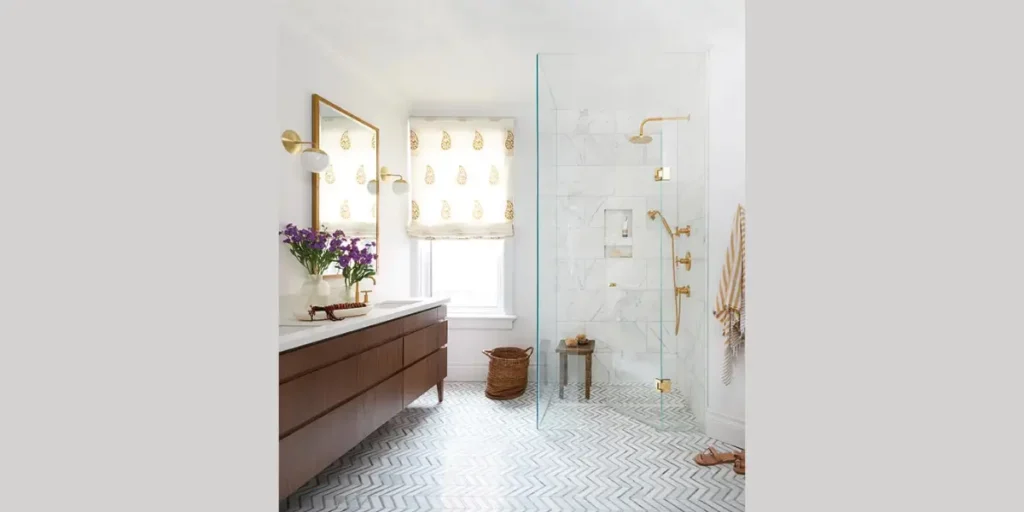
When I aim for a clean, modern bathroom, seamless floor-to-shower tile designs work exceptionally well.
Using the same tile throughout creates visual continuity and makes the space feel larger.
I often combine this approach with curbless showers to enhance accessibility. The uninterrupted surface keeps the layout simple and refined.
This design supports both aesthetics and function. It reduces transitions, simplifies cleaning, and delivers a cohesive look that feels modern, spacious, and thoughtfully designed.
How to Choose the Right Flooring for a Bathroom Remodel
When I help homeowners choose bathroom flooring, I always start with real-life use rather than trends alone.
Moisture exposure, slip resistance, and daily foot traffic matter just as much as appearance.
Budget and maintenance expectations also shape the final decision. The best bathroom floor feels safe, durable, and visually balanced while supporting long-term comfort.
When flooring choices align with how the bathroom is actually used, the remodel stays functional and attractive for years.
Conclusion
A successful bathroom floor remodel starts with choosing a surface that supports daily comfort while handling constant moisture and wear.
Throughout this guide, I’ve shared flooring ideas that balance durability, safety, and design flexibility.
From classic tile options to modern heating systems, each choice offers a different advantage depending on lifestyle and budget.
I always recommend prioritizing performance first and letting style follow naturally. When the right flooring material meets thoughtful installation, the bathroom not only looks better but also feels safer, easier to maintain, and more enjoyable to use over the long term.
FAQs
From my experience, porcelain tile remains the most reliable choice for bathrooms.
It handles moisture well, resists wear, and offers endless design options. When installed properly, it provides long-term durability with minimal maintenance.
Yes, I strongly prefer wood-look porcelain tiles over real wood in bathrooms. They deliver the warmth of wood without the risk of water damage. This makes them far more practical for humid and wet environments.
Mosaic tiles and matte-finish tiles offer the best slip resistance. I often use them in shower areas or family bathrooms where safety is a priority. The added texture improves grip underfoot.
Luxury vinyl tile works well in bathrooms when it is fully waterproof and professionally installed. I recommend it for budget-friendly remodels or guest bathrooms. It offers comfort, durability, and easy maintenance.
In my opinion, heated floors are worth it, especially in colder regions. They improve comfort and help keep floors dry. This upgrade also adds a subtle luxury that homeowners appreciate daily.