
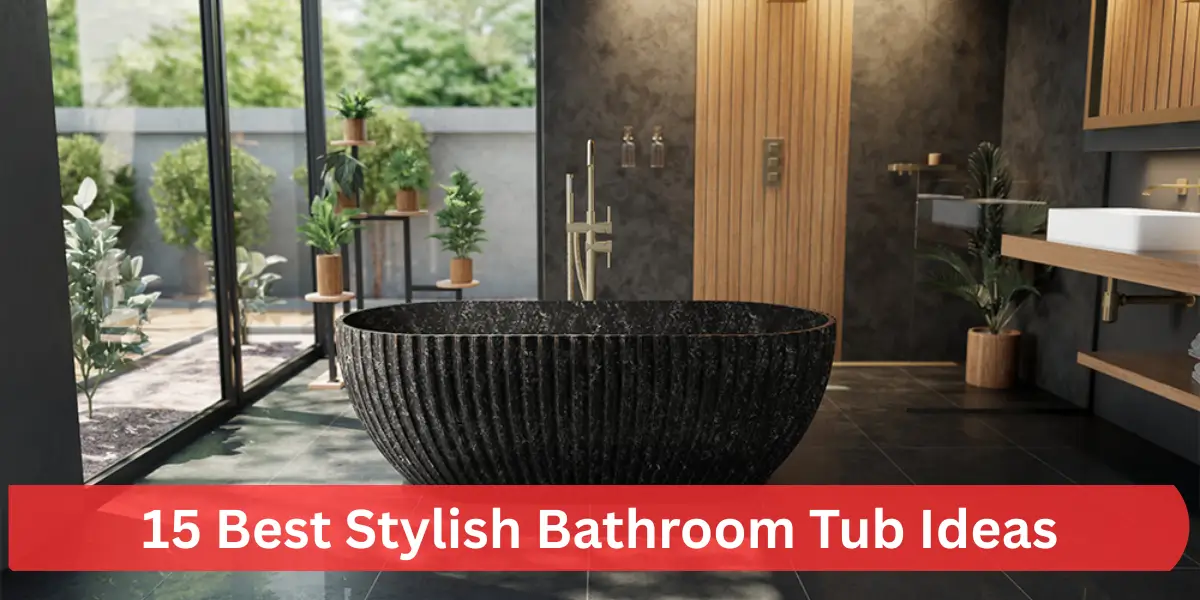

Bathroom tub ideas have evolved far beyond basic functionality, and I have seen how the right tub can completely change the mood of a bathroom.
Today, a bathtub is not just a place to bathe but a space to unwind, recharge, and escape daily routines. When chosen thoughtfully, it adds comfort while also strengthening the overall design of the room.
In this article, I will explore well researched bathroom tub ideas that balance relaxation, practicality, and visual appeal.
Each option reflects real design trends and functional insights to help you select a bathtub that truly fits your space and lifestyle.
1. Freestanding Bathtub as a Focal Point
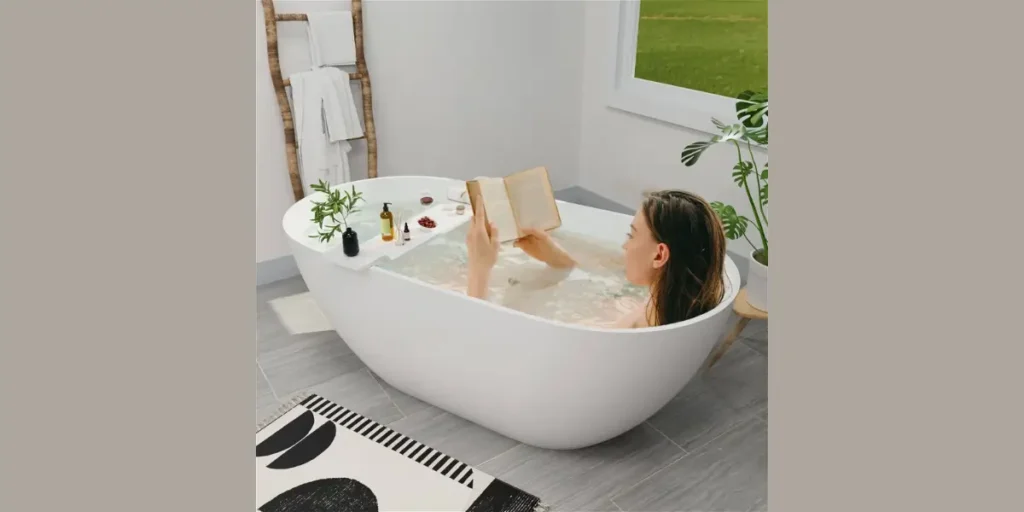
A freestanding bathtub instantly becomes the visual anchor of a bathroom. I often recommend this option when the goal is to create a calm, spa-like environment without heavy construction. Its standalone form allows flexibility in placement, which opens up creative layout possibilities.
From my experience, freestanding tubs work best in bathrooms with enough breathing room. Positioning the tub near a window or under soft lighting enhances relaxation and highlights the tub’s shape. Clean lines and neutral colors keep the look timeless.
Functionally, modern freestanding tubs offer excellent depth and comfort. With proper faucet placement and drainage planning, they deliver both luxury and everyday practicality without compromising usability.
2. Alcove Bathtub for Space Efficiency
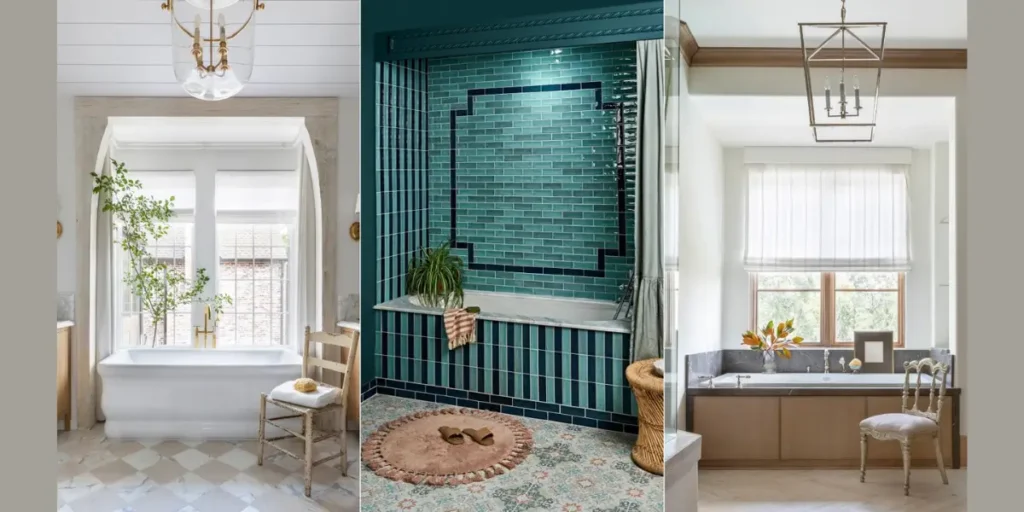
Alcove bathtubs fit neatly between three walls, making them one of the most space-efficient options available. I often suggest them for homes where layout efficiency matters more than dramatic design statements.
This tub style integrates easily with shower combinations, which makes it ideal for family bathrooms. I’ve seen how this setup simplifies daily routines while keeping water contained and surfaces easy to clean.
Although alcove tubs appear simple, thoughtful tile work and fixtures elevate their appearance. When designed carefully, they offer reliable performance and clean aesthetics that suit both modern and traditional interiors.
3. Clawfoot Bathtub with Classic Character
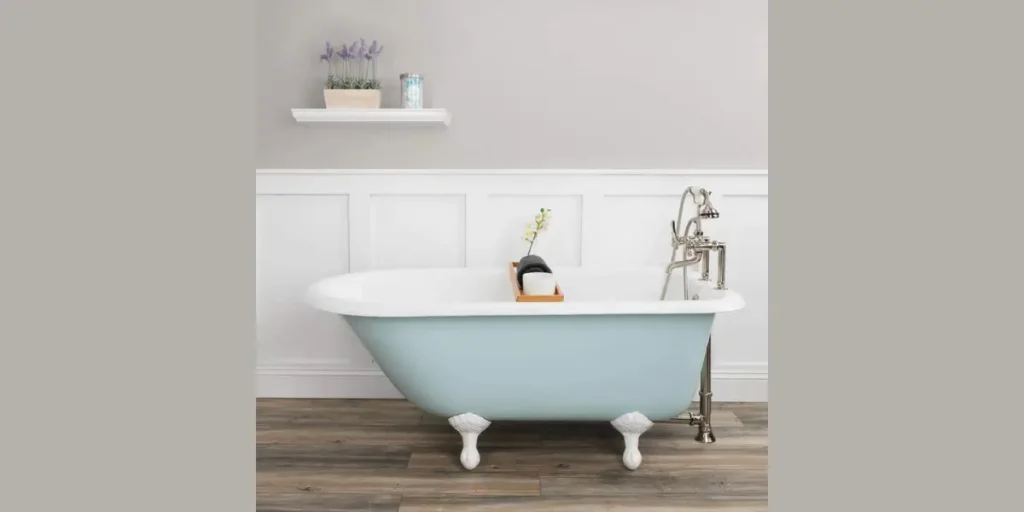
Clawfoot bathtubs bring a sense of history and personality into a bathroom. I usually recommend them when a space needs character rather than minimalism. Their sculptural feet and curved edges create instant visual interest.
I’ve found that clawfoot tubs pair well with both vintage and modern elements. Mixing classic tubs with contemporary fixtures often results in a balanced and intentional design rather than an outdated look.
Comfort remains a strong advantage here. These tubs offer generous soaking depth, and when properly restored or selected, they provide durability along with timeless charm that lasts for years.
4. Japanese Soaking Tub for Deep Relaxation
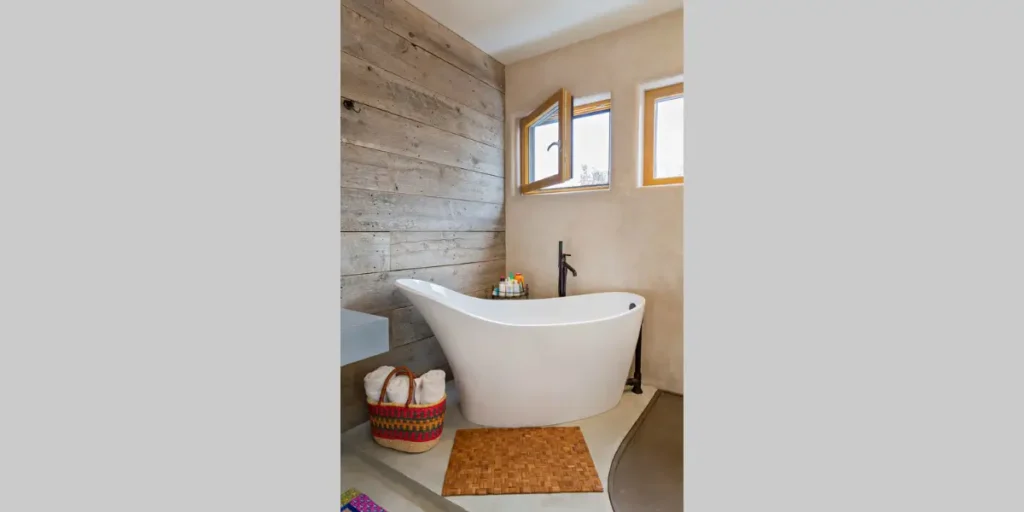
Japanese soaking tubs focus on depth rather than length, which makes them perfect for compact bathrooms. I recommend them to homeowners who value relaxation over stretching out fully.
These tubs encourage upright soaking, which supports better heat retention and muscle relaxation. I’ve seen how their compact footprint allows them to fit into spaces where traditional tubs would never work.
Design-wise, Japanese soaking tubs bring a sense of calm simplicity. Clean lines and natural materials help create a meditative atmosphere that turns bathing into a purposeful ritual rather than a rushed task.
5. Drop In Bathtub for Custom Design
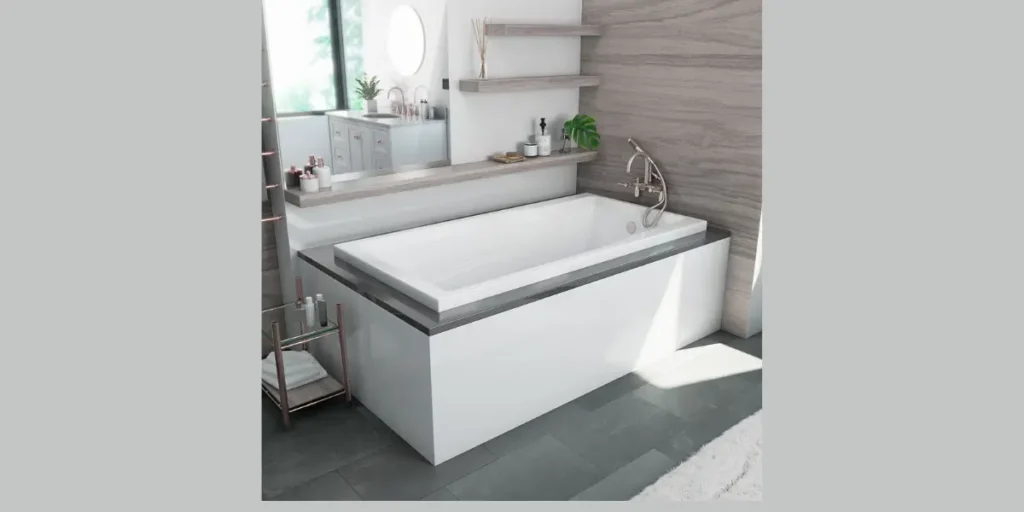
Drop in bathtubs offer unmatched flexibility in design. I often suggest them when homeowners want a built-in look without committing to a single style. These tubs sit inside a deck or platform, allowing endless customization.
The surrounding surface becomes a functional bonus. I’ve seen people use it for candles, bath products, or subtle decor, which enhances both convenience and aesthetics.
When installed correctly, drop in tubs feel seamless and sturdy. They suit modern and luxury bathrooms especially well, providing a polished appearance that blends effortlessly with surrounding materials.
6. Whirlpool Bathtub for Therapeutic Comfort
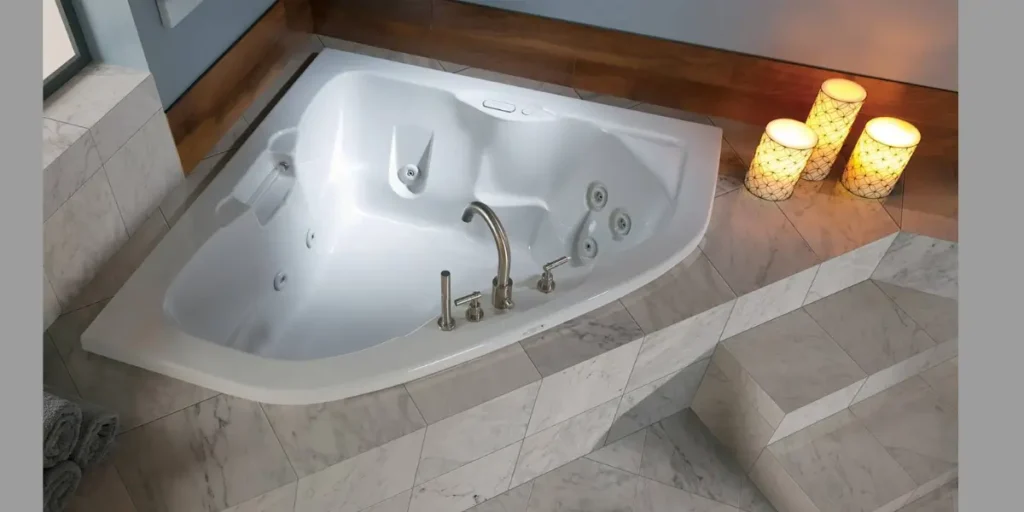
Whirlpool bathtubs transform bathing into a therapeutic experience. I recommend them to clients who prioritize relaxation and muscle relief after long days.
The built-in jets provide targeted water pressure that helps reduce tension. From my experience, this feature adds real value rather than being just a luxury upgrade.
Despite their advanced function, modern whirlpool tubs maintain clean and simple designs. With proper maintenance and installation, they combine comfort and technology without overwhelming the bathroom visually.
7. Corner Bathtub for Smart Layouts
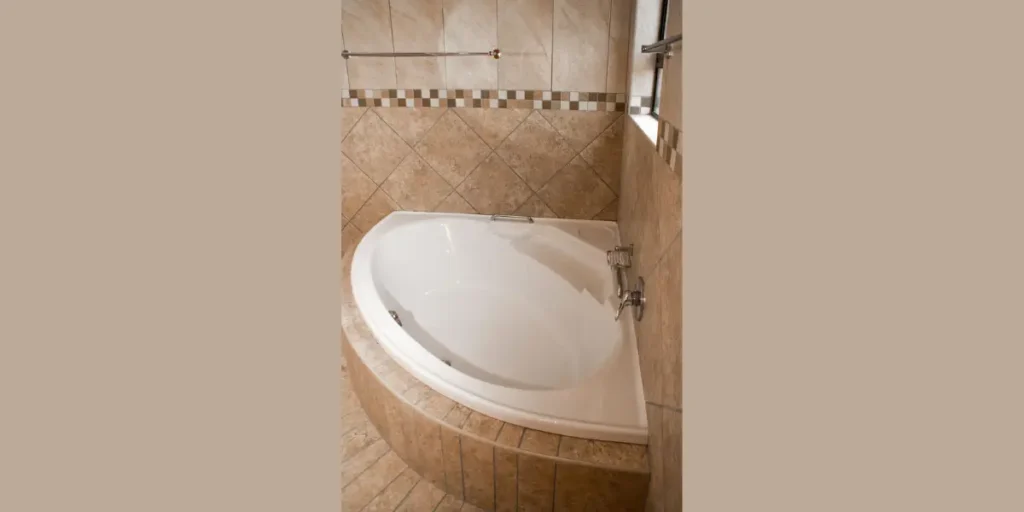
Corner bathtubs solve layout challenges that traditional tubs cannot. I often suggest them when floor space feels awkward or limited. By using corner placement, they free up valuable movement areas.
This design works particularly well in smaller bathrooms where efficiency matters. I’ve noticed that corner tubs also create unique visual flow, breaking away from standard linear layouts.
Comfort remains strong despite the compact placement. With thoughtful proportions and proper installation, corner bathtubs deliver both relaxation and spatial efficiency.
8. Walk In Bathtub for Safety and Access
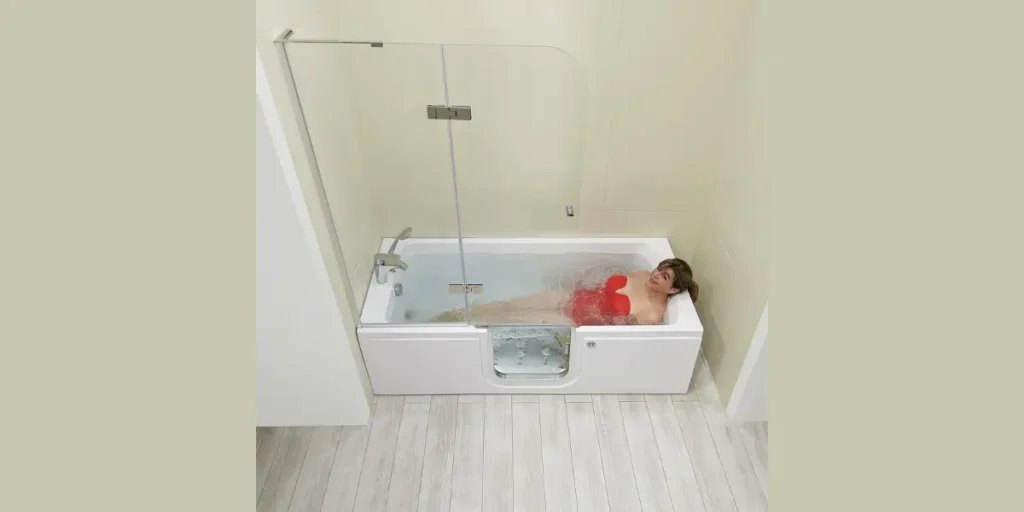
Walk in bathtubs prioritize safety without sacrificing comfort. I usually recommend them for households with mobility concerns or long-term accessibility needs.
The low entry threshold and built-in seating reduce the risk of slipping. I’ve seen how this feature allows users to bathe independently and confidently.
Design improvements have made modern walk in tubs more attractive than older models. They now blend functionality with clean aesthetics, making them a practical and dignified solution.
9. Stone Bathtub for Natural Luxury
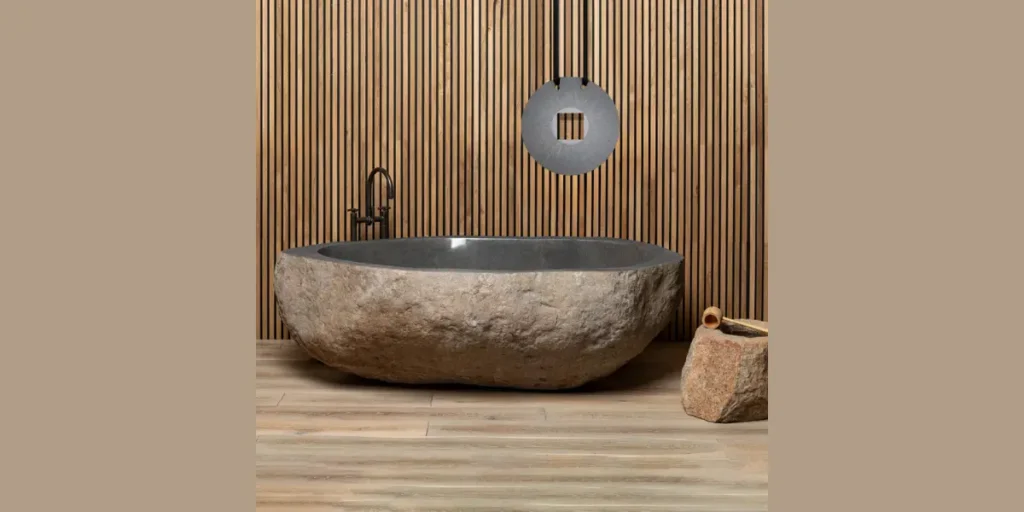
Stone bathtubs bring a raw, organic feel that few materials can match. I recommend them for homeowners seeking uniqueness and luxury in equal measure.
Each stone tub carries natural texture and variation, which makes every piece one of a kind. I’ve seen how these tubs elevate bathrooms into spa-level retreats with minimal additional styling.
Although stone requires proper sealing, it rewards care with durability and beauty. Over time, it develops character rather than wear, making it a long-term design investment.
10. Copper Bathtub as a Statement Piece
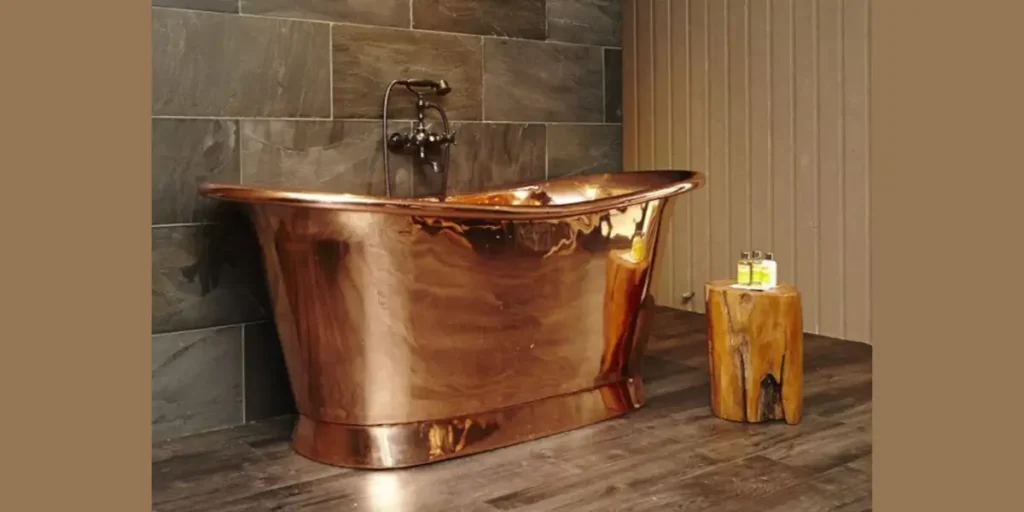
Copper bathtubs create instant impact. I suggest them when a bathroom needs a bold focal point that feels artistic and intentional.
The warm tones of copper reflect light beautifully, adding depth and richness to the space. I’ve seen these tubs work especially well in rustic and luxury interiors.
Beyond appearance, copper offers natural durability and heat retention. When maintained properly, it combines visual drama with functional performance, making it a standout choice for distinctive bathrooms.
11. Sunken Bathtub for a Spa Inspired Feel
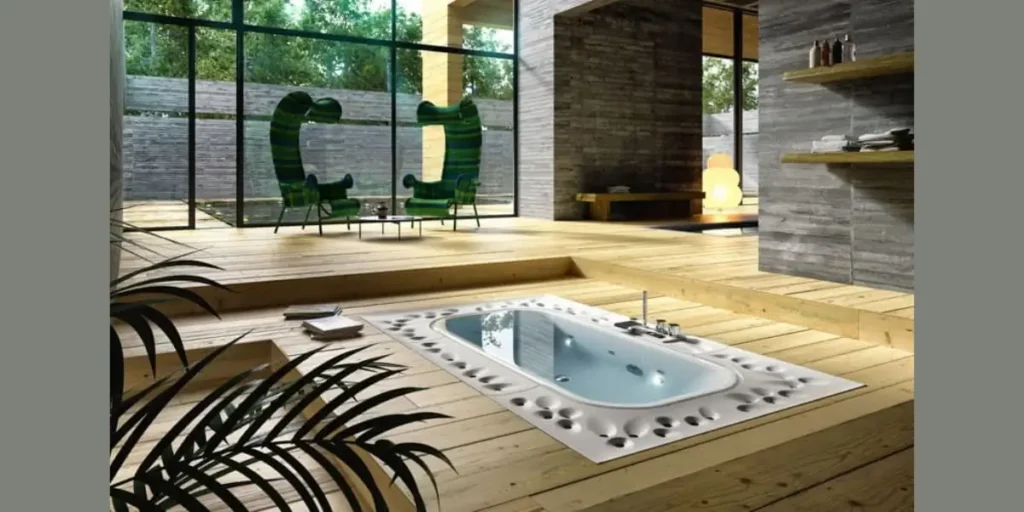
A sunken bathtub creates an immersive and calming bathing experience. I usually recommend this option for homeowners who want their bathroom to feel like a private spa. By setting the tub lower into the floor, the design feels grounded and intentional.
I’ve seen sunken tubs work beautifully in larger bathrooms where architectural planning allows depth variation. Soft lighting around the tub enhances relaxation and adds visual drama without overwhelming the space.
From a comfort perspective, sunken tubs offer excellent soaking depth. When installed with proper drainage and safety considerations, they deliver both luxury and practicality in a refined and understated way.
12. Oval Bathtub for Soft Modern Elegance
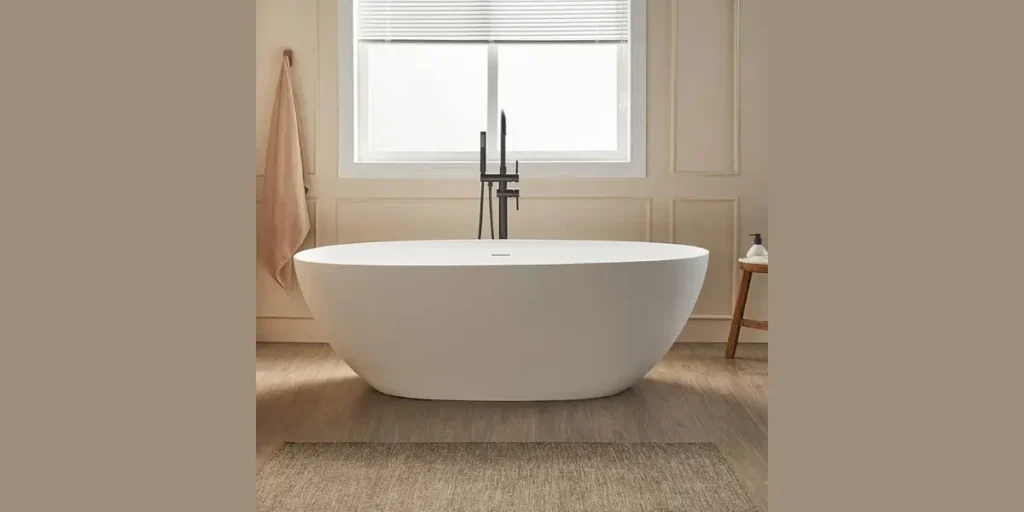
Oval bathtubs bring softness to modern bathroom designs. I like how their curved shape breaks rigid lines and introduces visual balance. This makes them ideal for contemporary spaces that feel too sharp or structured.
In my experience, oval tubs fit well in both freestanding and built-in formats. Their proportions allow comfortable soaking while maintaining a lighter visual footprint compared to bulkier designs.
Functionally, oval tubs distribute water evenly around the body, enhancing comfort. When paired with minimalist fixtures, they create a calm and elegant atmosphere that feels modern without trying too hard.
13. Rectangular Bathtub for Clean Architecture
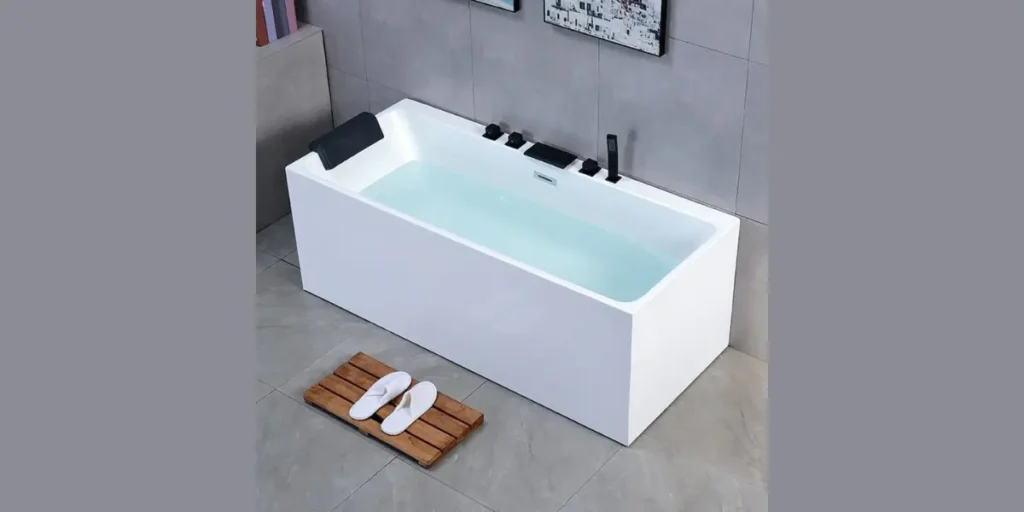
Rectangular bathtubs remain a strong choice for modern homes. I often recommend them when clarity and structure define the bathroom design. Their straight edges align naturally with tiles, walls, and cabinetry.
These tubs work exceptionally well in built-in and alcove layouts. I’ve seen how they simplify planning and make efficient use of available space without sacrificing comfort.
Despite their simple shape, rectangular tubs can feel luxurious with the right materials. Deep basins and ergonomic interiors ensure relaxation while maintaining a clean and architectural presence.
14. Bathtub with Integrated Storage
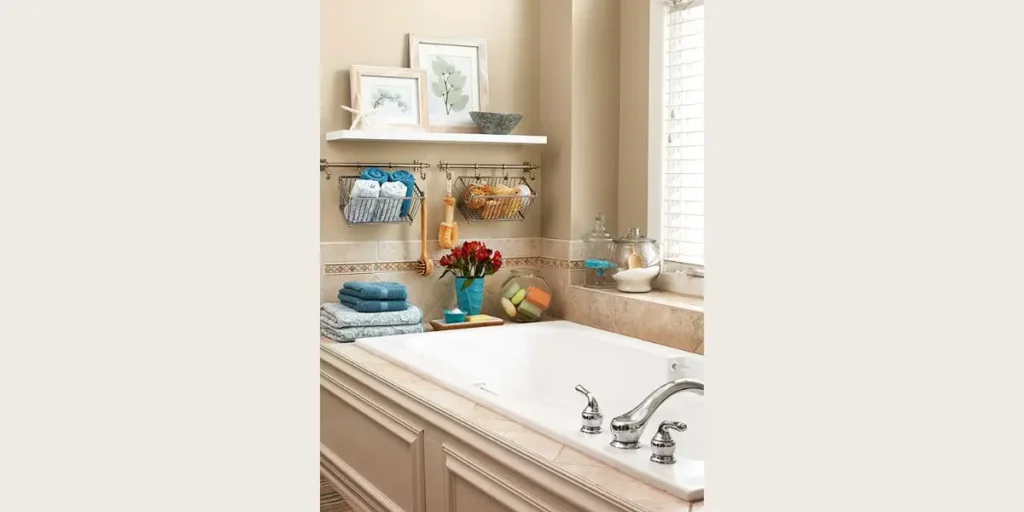
Bathtubs with integrated storage solve practical problems beautifully. I recommend them for bathrooms where space efficiency matters as much as comfort. Built-in shelves or ledges keep essentials within reach.
I’ve found this design especially helpful in smaller bathrooms. Storage near the tub reduces clutter elsewhere and keeps the bathing area organized without additional furniture.
From a usability standpoint, integrated storage improves daily routines. When everything has a place, the bathroom feels calmer and more functional. This idea blends smart planning with thoughtful design.
15. Smart Bathtub for Modern Lifestyles
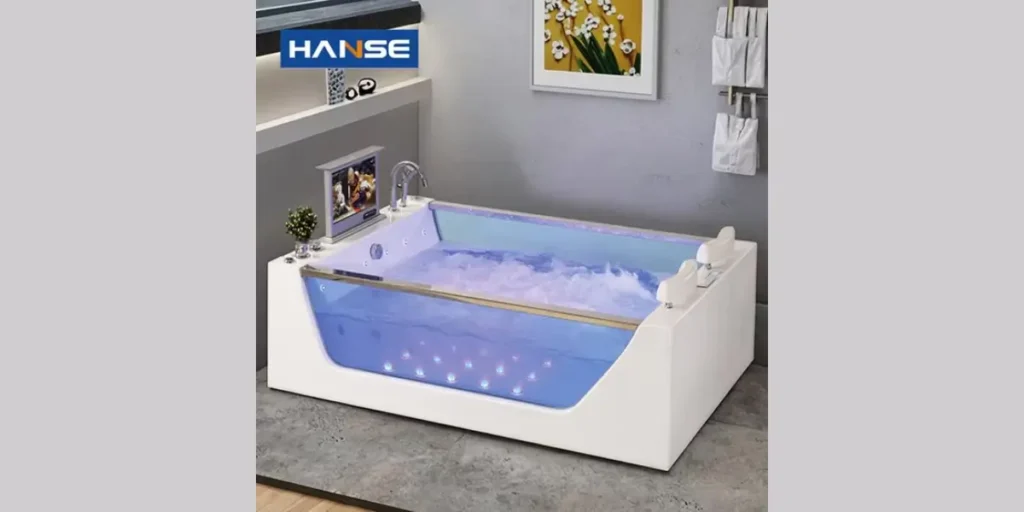
Smart bathtubs redefine comfort through technology. I suggest them to homeowners who value precision and convenience. Features like temperature control and automated filling improve the bathing experience.
I’ve seen how smart tubs reduce water waste by maintaining consistent settings. This adds efficiency without requiring constant adjustments or monitoring.
Design has also improved significantly. Modern smart tubs look sleek and minimal, not technical. When integrated properly, they support a refined lifestyle while quietly enhancing comfort and control.
How to Choose the Perfect Bathtub for Your Bathroom Layout
Choosing the right bathtub always starts with understanding your bathroom layout. I look at available floor space, ceiling height, and plumbing positions before recommending any tub style.
A bathtub should fit naturally into the room, not force changes that disrupt movement or comfort.
Usage also plays a major role. I ask whether the tub is meant for daily use, occasional relaxation, or accessibility needs. This clarity helps narrow options and avoid design mistakes that look good but feel impractical.
Material and maintenance complete the decision. I recommend selecting a tub that matches your lifestyle, cleaning habits, and long-term plans. When layout, comfort, and material align, the bathtub feels intentional and balanced.
FAQs
For small bathrooms, I usually recommend alcove, corner, or Japanese soaking tubs. These designs maximize depth while using minimal floor space. They allow comfortable soaking without overwhelming the layout or restricting movement.
Yes, freestanding tubs can work well for daily use when installed correctly. I always ensure proper faucet placement and adequate surrounding space. When planned thoughtfully, they offer both comfort and long-term usability.
Durability depends on material and maintenance. I’ve seen acrylic, cast iron, and stone tubs perform exceptionally well over time. Choosing the right finish and following basic care routines helps extend their lifespan.
A comfortable soaking tub usually offers deeper water coverage. I suggest choosing a depth that allows full immersion without discomfort. Proper depth enhances relaxation and supports better heat retention.
Related Post
- 11 Smart Bathroom Storage Solutions Ideas
- 12 Best Farmhouse Bathroom Ideas
- 16+ Bathroom Appliances Ideas
- Top 8 Bathroom Signs Ideas
- 12 Best Bathroom Stuff Ideas
- Top 10 Best Bathroom Sink Ideas
Conclusion
Choosing the right bathroom tub is about creating a space that supports relaxation while fitting naturally into your daily routine.
I’ve seen how a thoughtfully selected tub can transform a bathroom from a functional room into a personal retreat.
Whether the focus is comfort, safety, or visual impact, the best results come from balancing layout, material, and usage needs.
When the tub complements the space instead of competing with it, the bathroom feels more inviting and easier to enjoy.
A well-chosen bathtub does not just enhance design, it improves how the space is experienced every day.