
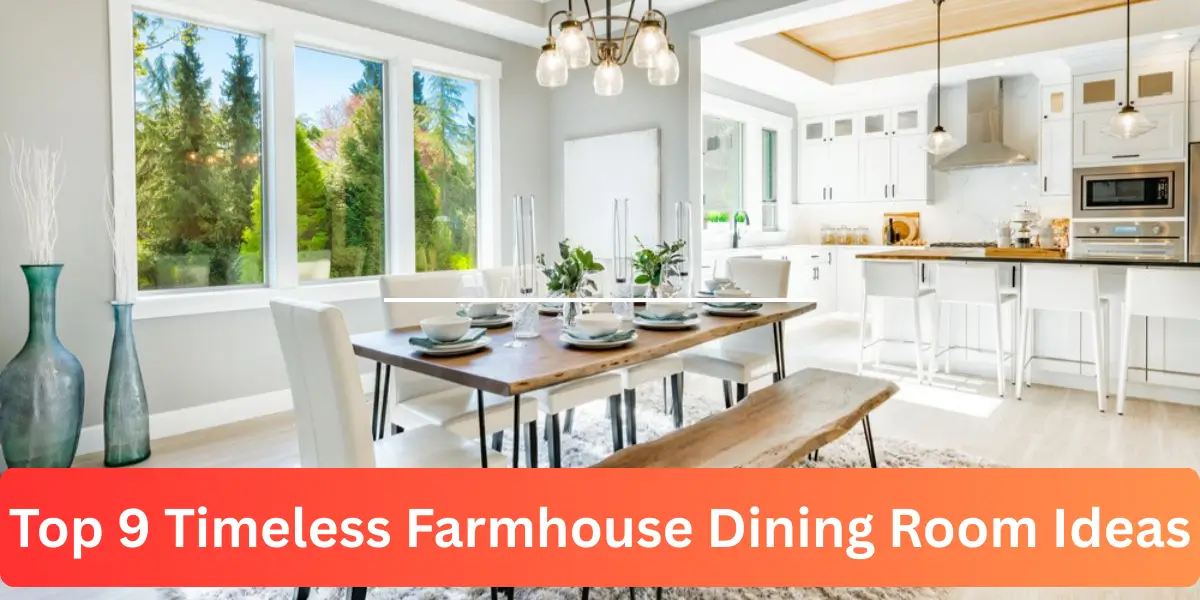

A farmhouse dining room should feel welcoming the moment you walk in. I believe this style works best when it blends warmth, simplicity, and thoughtful details rather than heavy décor.
The charm comes from natural textures, honest materials, and a layout that encourages gathering. Over the years, I’ve realized that the most successful farmhouse dining room ideas focus on comfort first and aesthetics second.
When wood, light, and neutral tones work together naturally, the space feels authentic instead of staged. The goal is to create a room where every meal feels relaxed, grounded, and meaningful.
What Makes a Farmhouse Dining Room Feel Authentic?
A true farmhouse dining room never feels overdesigned. I focus on natural materials, practical layouts, and subtle character rather than decorative excess.
The beauty of this style comes from its honesty, solid wood, soft textiles, and finishes that age gracefully over time.
When I design farmhouse spaces, I prioritize warmth and comfort first. Every element should feel intentional but relaxed. Instead of chasing trends, I build the room around textures, balance, and functional pieces that support everyday living.
1. Solid Wood Dining Table as the Foundation
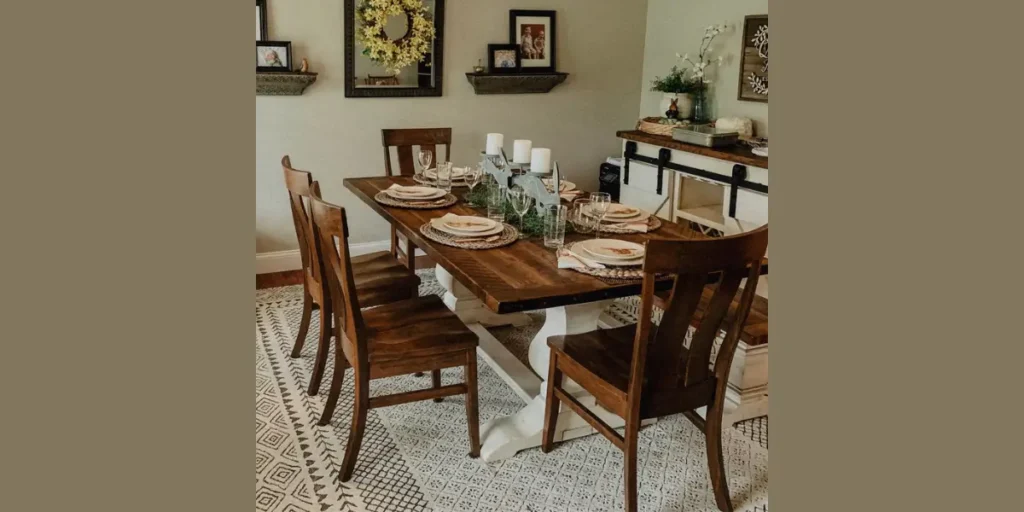
A farmhouse dining room begins with a strong wooden table. I always choose solid oak, pine, or reclaimed wood because it anchors the space with natural weight and texture. The visible grain and slight imperfections add character that polished finishes cannot replicate.
I position the table as the central focal point and allow everything else to support it. Neutral chairs, simple runners, and understated centerpieces keep attention where it belongs. The table should feel substantial but welcoming.
Over time, a wooden table develops marks and patina that tell a story. Instead of hiding wear, I embrace it. That authenticity defines farmhouse style better than any accessory.
2. Soft Neutral Color Palette
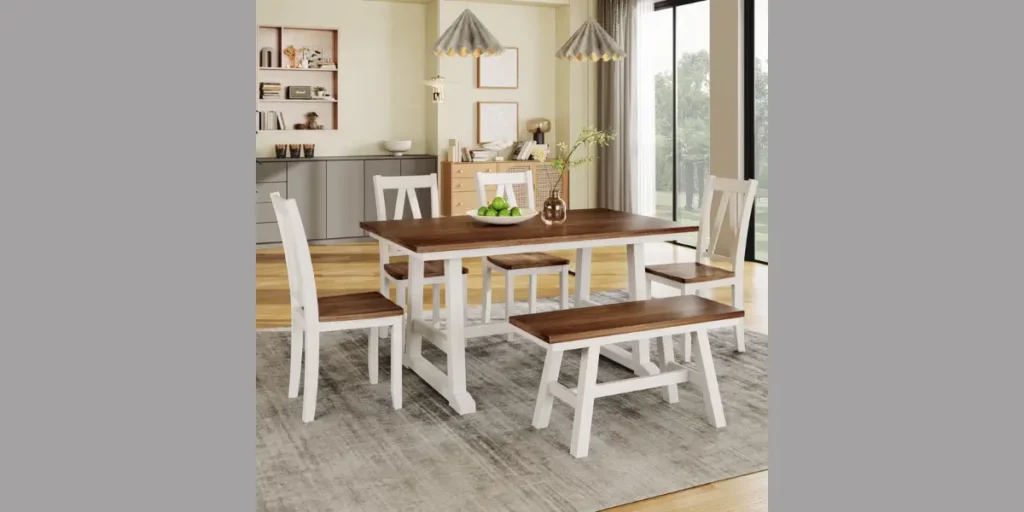
I rely on warm whites, soft beige, muted gray, and creamy tones to build a calm foundation. These shades reflect light beautifully and prevent the room from feeling heavy. Neutral walls also allow wood and metal accents to stand out naturally.
To avoid a flat appearance, I layer subtle contrasts. Linen curtains, woven rugs, and light upholstery introduce dimension without overwhelming the space. Texture replaces bold color in farmhouse design.
This approach creates flexibility. You can update seasonal décor or lighting without disrupting the overall harmony of the room.
3. Vintage-Inspired Lighting Fixtures
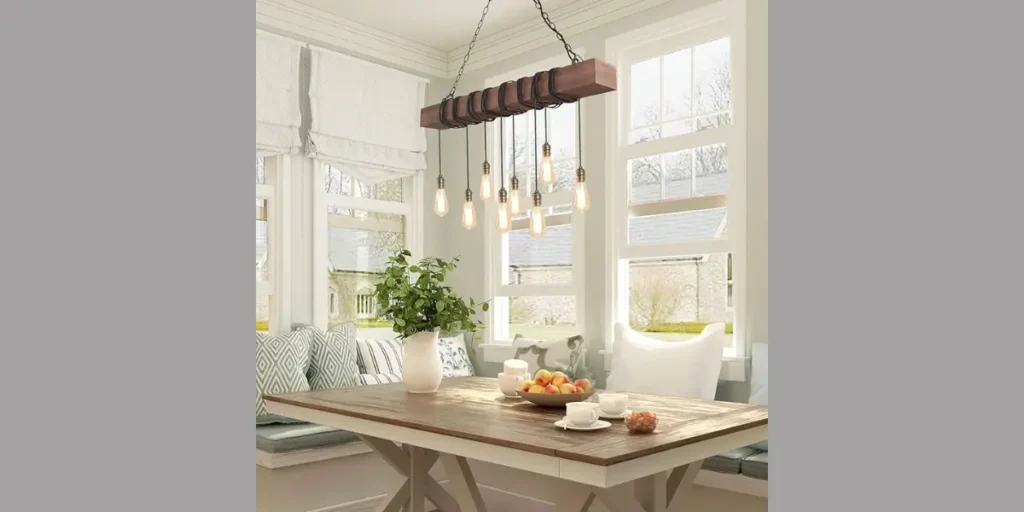
Lighting shapes the mood more than most people realize. I prefer black iron chandeliers, lantern-style pendants, or fixtures with a slightly aged finish. These details add character without looking forced.
I hang the fixture low enough to create intimacy but high enough to maintain openness. Warm-toned bulbs enhance the wood textures and soften the entire room.
When chosen carefully, lighting becomes both functional and decorative. It frames the dining table while reinforcing the farmhouse atmosphere.
4. Shiplap or Wood Panel Walls
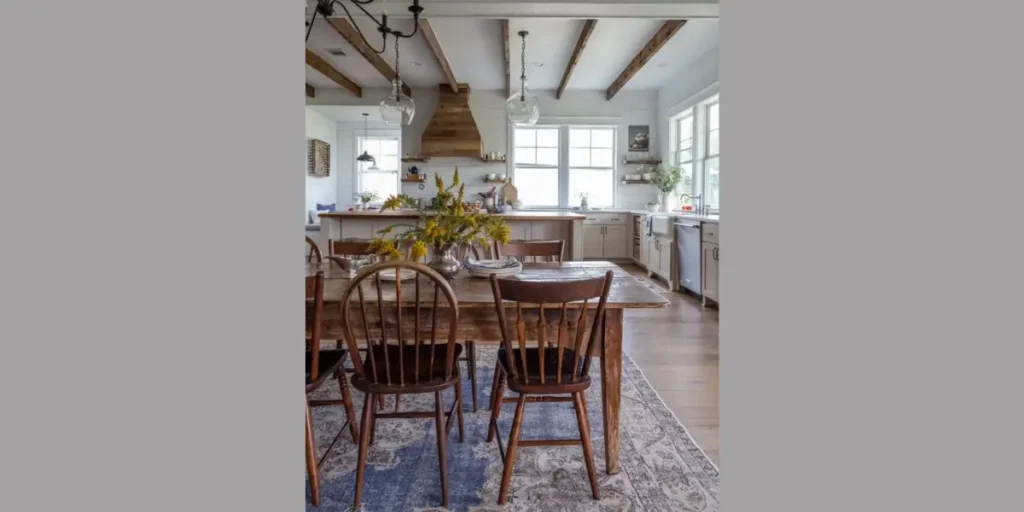
Shiplap walls introduce texture without dominating the space. I often paint them white or soft gray to keep the room bright while adding subtle architectural interest. Horizontal panels widen the room visually, while vertical lines add height.
I avoid overcrowding the walls with excessive décor. The texture alone provides enough character. A single framed piece or mirror completes the look.
Wood paneling also pairs beautifully with rustic furniture. Together, they create a layered, cohesive environment that feels timeless rather than trendy.
5. Bench Seating for a Casual Touch
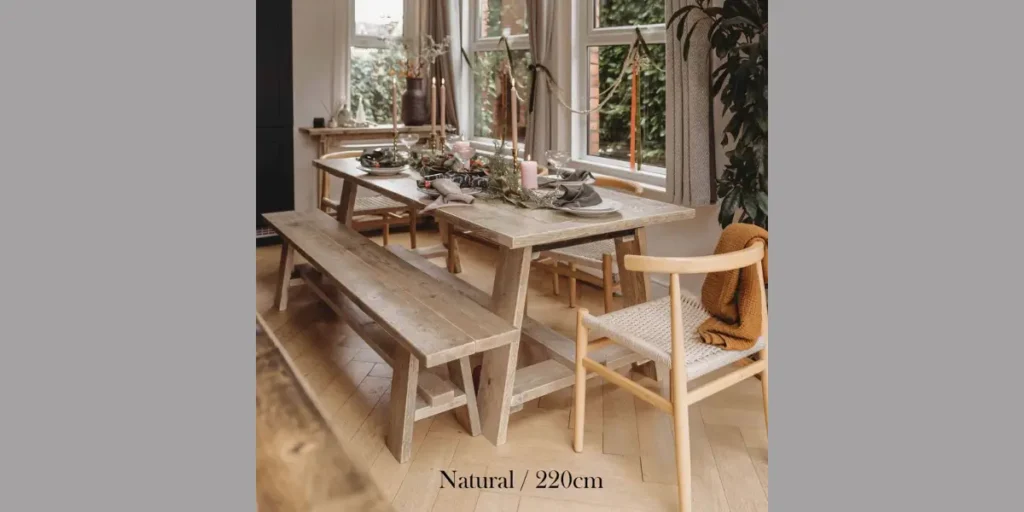
Replacing one side of chairs with a wooden bench instantly makes the room feel more relaxed. I use benches to create flexibility and encourage a communal dining experience. They work especially well in family homes.
To maintain comfort, I add neutral cushions or a simple throw. These small additions soften the structure while keeping the rustic feel intact.
Bench seating also improves visual flow. It reduces visual clutter and allows the dining table to remain the focal point.
6. Distressed or Antique Storage Pieces
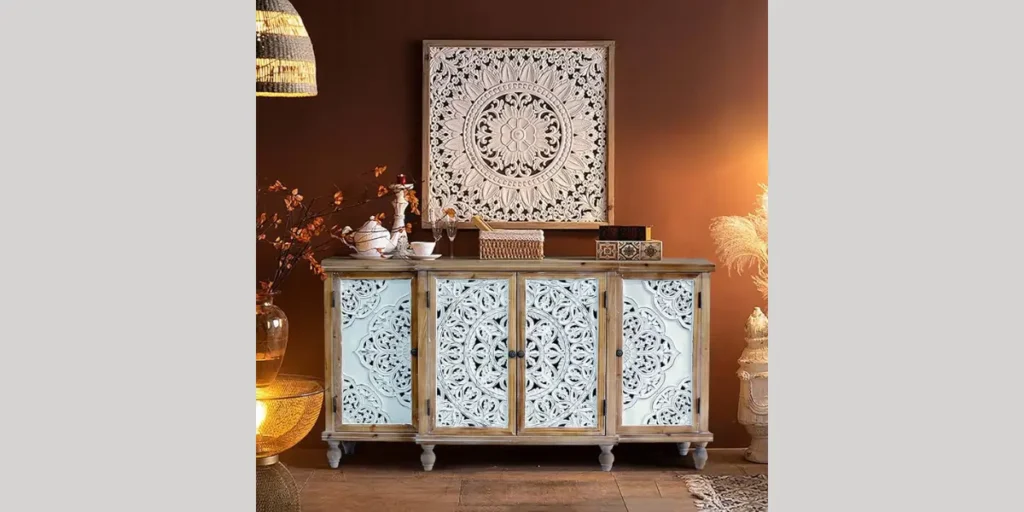
A farmhouse dining room benefits from at least one piece with history. I often incorporate a distressed sideboard, vintage hutch, or reclaimed cabinet. These elements introduce authenticity and visual depth.
I balance aged finishes with cleaner surrounding pieces. This contrast prevents the space from feeling outdated or overly rustic.
Storage furniture also serves a practical purpose. It keeps dinnerware organized while adding architectural presence to the room.
7. Natural Fiber Rugs and Textiles
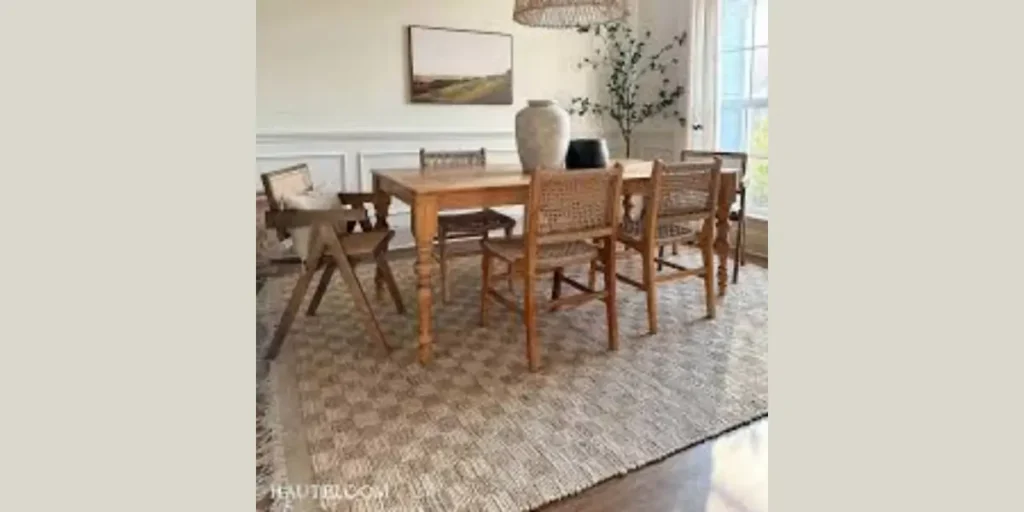
I layer jute, sisal, or woven cotton rugs beneath the dining table to ground the space. Natural fibers complement wood surfaces and reinforce the organic theme. They also soften acoustics in larger dining areas.
I choose understated patterns to maintain visual calm. Heavy prints can distract from the simplicity that farmhouse design celebrates.
Textiles should feel comfortable but durable. Practical materials ensure the room remains functional for everyday use.
8. Exposed Wooden Ceiling Beams
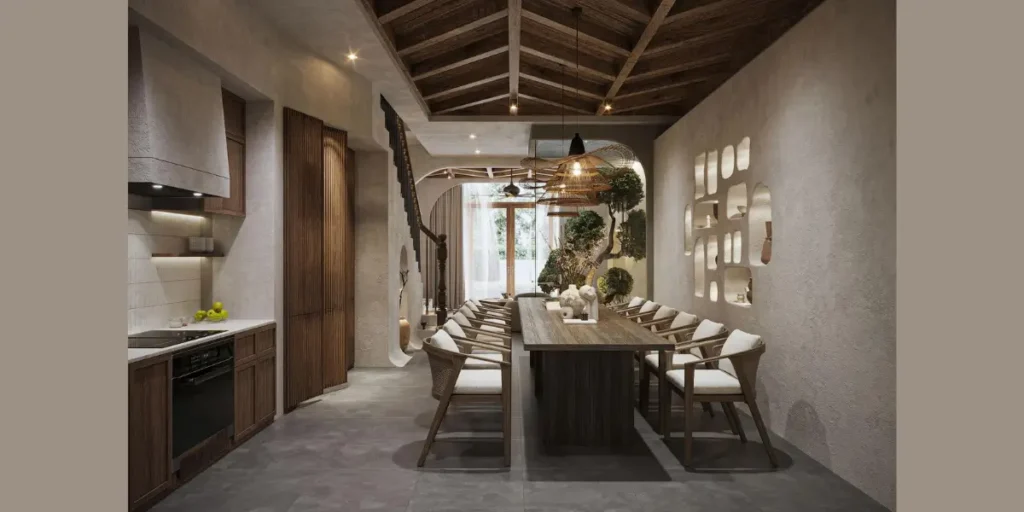
Exposed beams create architectural strength and warmth. If the home allows it, I highlight existing beams rather than concealing them. They add vertical interest and define the dining area clearly.
In homes without structural beams, faux options provide similar visual impact. Proper placement and proportion matter more than authenticity alone.
Beams pair beautifully with neutral walls and simple lighting. Together, they create a balanced and cohesive farmhouse environment.
9. Thoughtful Open Shelving Displays

Open shelving allows me to showcase ceramic dishes, woven baskets, or glassware in a curated way. I keep arrangements simple and symmetrical to prevent clutter.
I limit displayed items to essentials and a few decorative accents. Too many objects disrupt the clean farmhouse aesthetic.
When styled intentionally, open shelves add personality while maintaining order. They make the dining room feel lived-in without appearing busy.
How to Style a Farmhouse Dining Room Without Overdecorating
Farmhouse design works best when it feels intentional, not crowded. I always remind clients that simplicity carries more impact than excess decoration.
Every piece should serve a purpose, whether functional or visual. When the room breathes, the warmth of wood and texture stands out naturally.
Instead of filling every corner, I focus on balance. A strong table, supportive lighting, and subtle textures already create depth. The goal is to enhance the atmosphere without overwhelming it.
Styling Guide
- Keep the color palette cohesive and soft
I stick to warm neutrals and avoid introducing too many competing tones. A controlled palette maintains harmony and prevents visual chaos. - Mix textures instead of adding excess décor
Rather than layering decorative objects, I combine wood, linen, metal, and natural fibers. Texture adds richness without cluttering surfaces. - Choose functional yet decorative lighting
Lighting should define the dining area while supporting the farmhouse mood. A well-scaled chandelier often eliminates the need for extra statement pieces. - Balance vintage pieces with modern comfort
I pair antique storage or distressed finishes with comfortable seating. This balance keeps the room authentic but livable. - Avoid overcrowding shelves and walls
I leave negative space intentionally. Open areas allow focal elements to stand out and give the room a calm, grounded feel.
FAQs
Warm whites, soft beige, muted gray, and earthy tones work beautifully. I recommend staying within a neutral range and layering textures instead of bold colors. This approach keeps the space timeless and easy to update over time.
Yes, and I often encourage it. A farmhouse dining room feels more balanced when modern lighting or clean-lined chairs complement rustic wood elements. The key is proportion and cohesion rather than strict theme matching.
Barn doors add character, but they are not essential. I focus more on materials and layout than specific trends. Natural wood, texture, and simplicity define farmhouse style more than any single feature.
I prefer black iron chandeliers, lantern-style pendants, or fixtures with a slightly aged finish. Warm bulbs enhance wood tones and create a welcoming atmosphere during evening gatherings.
Conclusion
A farmhouse dining room should feel collected over time, not assembled overnight. I always approach this style with restraint, focusing on quality materials, natural textures, and practical comfort.
When wood, light, and neutral tones work together, the room develops a quiet confidence that feels both inviting and lasting.
You don’t need elaborate décor to achieve impact. A solid table, thoughtful lighting, and balanced styling create a space that welcomes conversation and everyday moments.
When designed with intention, a farmhouse dining room becomes more than a trend, it becomes a setting for meaningful gatherings.