
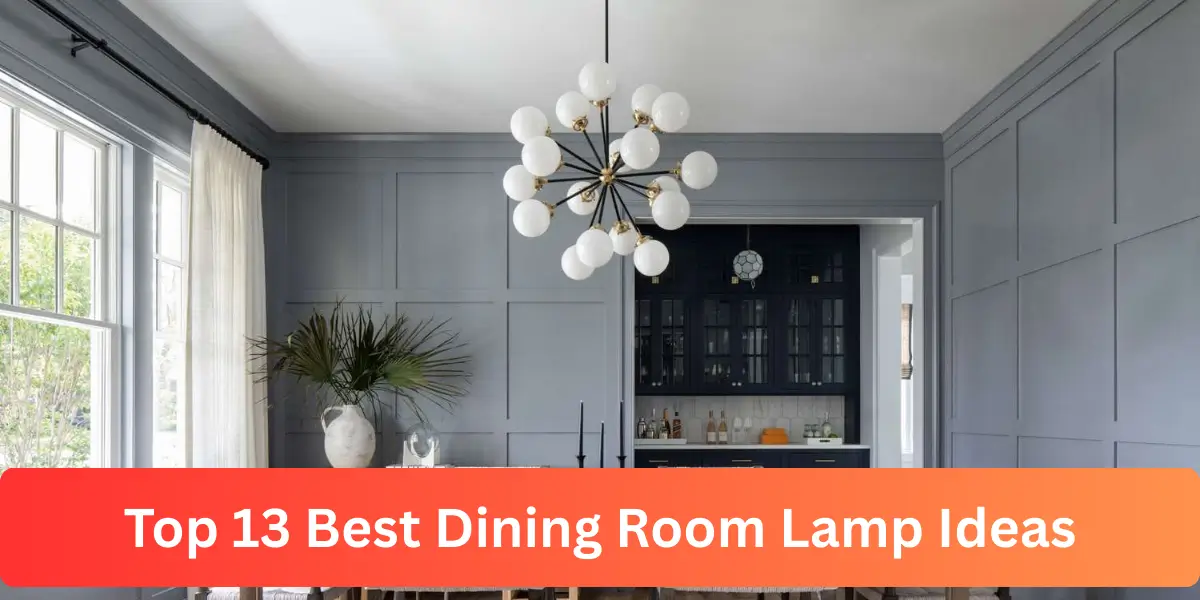

Lighting shapes the way a dining room feels long before anyone sits down at the table. I’ve noticed that even the most beautifully furnished space can fall flat if the lighting lacks intention.
The right fixture does more than illuminate, it sets the tone for conversation, comfort, and style. When exploring different dining room lamp ideas, I focus on proportion, placement, and warmth rather than trends alone.
A well-chosen lamp becomes a visual anchor, drawing attention upward while enhancing the atmosphere below. Thoughtful lighting truly defines how a dining space comes to life.
Why Lighting Defines the Dining Experience
Lighting controls how a dining room feels at every hour of the day. I always treat it as the visual anchor that connects the table, chairs, and surrounding décor. Without the right fixture, even expensive furniture can look incomplete.
Good lighting creates intimacy for dinners and clarity for gatherings. When I plan a dining space, I focus on scale, brightness, and placement to ensure the room feels balanced and welcoming.
1. Classic Crystal Chandelier
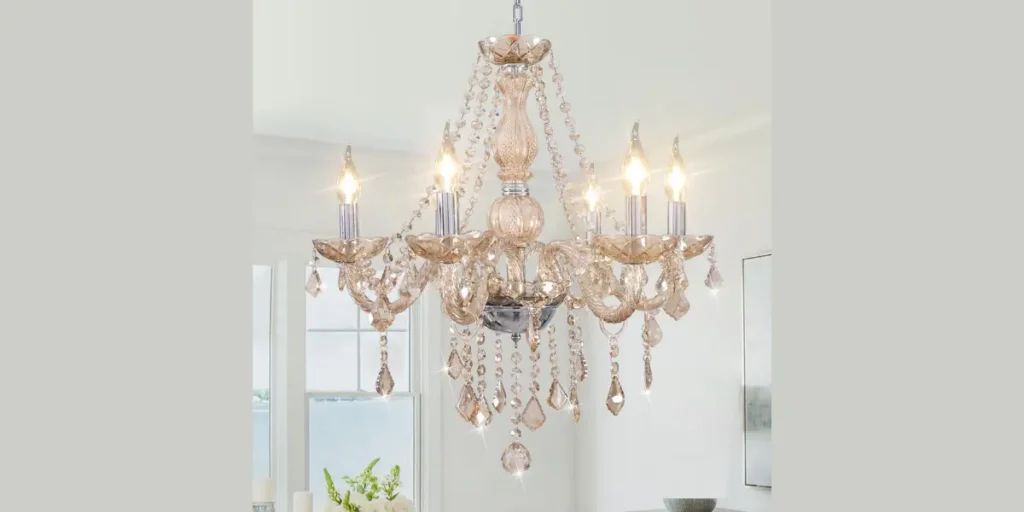
A crystal chandelier brings timeless elegance to a dining room. I use this style when I want the space to feel refined and formal. The layered crystals reflect light beautifully and create a soft sparkle across the table surface.
This fixture works especially well in rooms with higher ceilings. It draws the eye upward and adds vertical drama without overwhelming the space. I pair it with upholstered chairs and polished wood tables for a cohesive look.
To maintain balance, I ensure the chandelier size matches the table width. Proper proportion keeps the room feeling intentional and harmonious.
2. Modern Linear Pendant Light
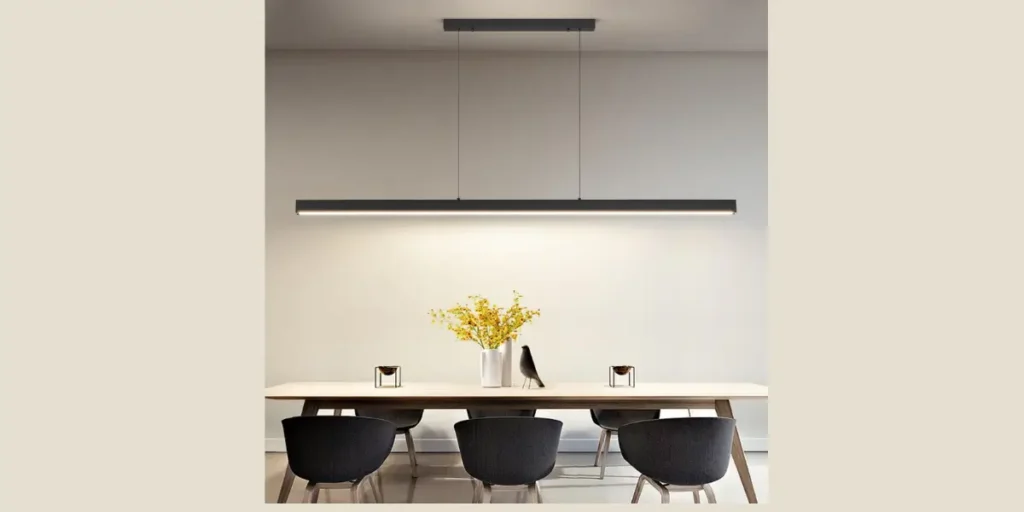
A linear pendant offers clean structure above a rectangular dining table. I prefer this option in contemporary homes where simplicity matters. The elongated shape distributes light evenly across the table.
This style prevents harsh shadows at either end of the table. I often choose matte black or brushed metal finishes to complement modern interiors. The straight lines reinforce architectural clarity.
Installation height matters here. I hang the fixture at the correct level so it provides focus without blocking sight lines across the table.
3. Black Metal Industrial Fixture
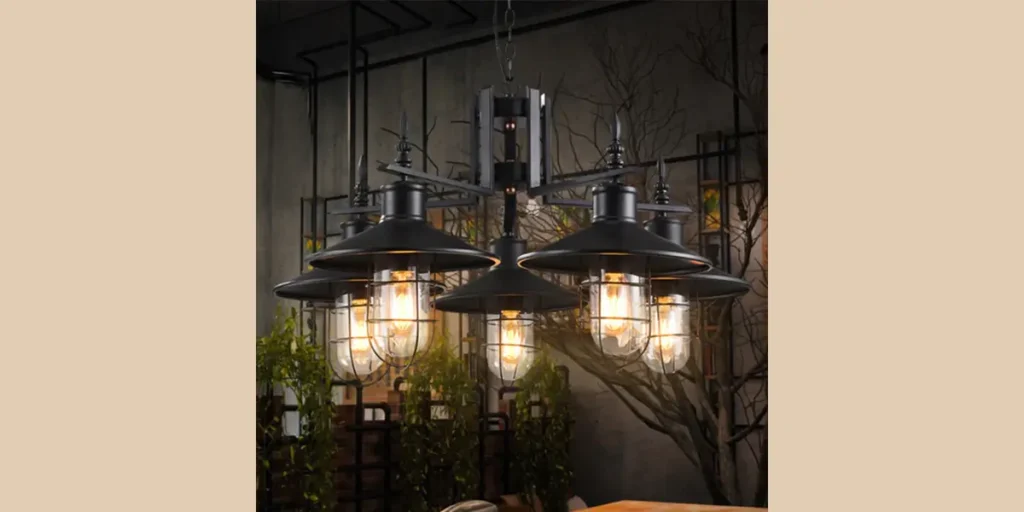
An industrial black metal fixture adds bold character instantly. I use it to introduce contrast in neutral dining spaces. The strong finish pairs beautifully with exposed brick or wooden elements.
This style often features visible hardware and structured frames. I balance the rugged look with warm bulbs to prevent the space from feeling cold. Texture and warmth must work together.
Industrial lighting suits lofts and modern farmhouse interiors. It creates presence without relying on ornate detailing.
4. Glass Globe Pendant Lights
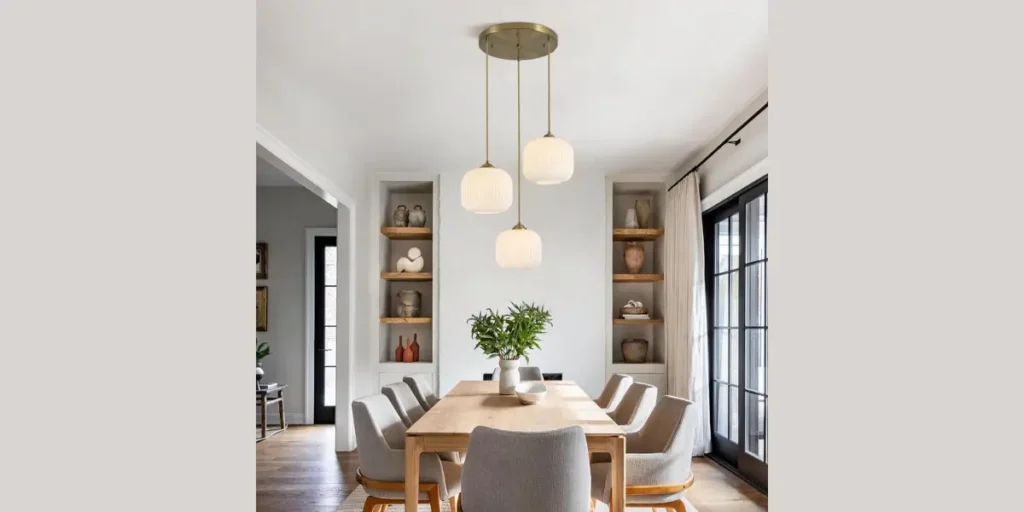
Glass globe pendants create a light and airy aesthetic. I like how transparent glass keeps the room visually open while still providing focused illumination. This makes the dining area feel bright yet refined.
Multiple globes arranged in a row work well over long tables. They maintain symmetry and distribute light evenly. I often select warm bulbs to soften the overall effect.
Clear or frosted glass changes the mood subtly. Each option allows you to control brightness and atmosphere carefully.
5. Rustic Wood Beam Chandelier
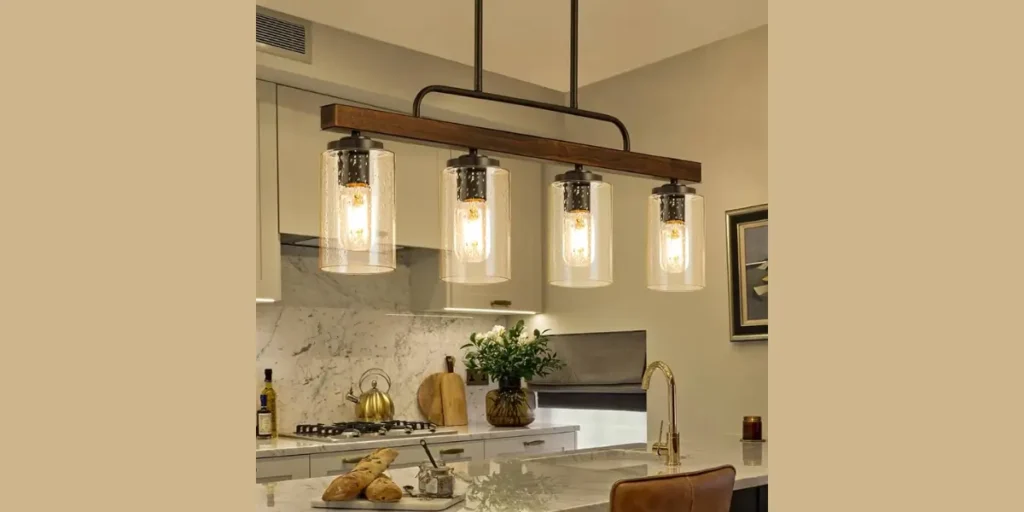
A wood beam chandelier introduces warmth and texture. I recommend this style when designing farmhouse or rustic dining rooms. The natural material contrasts beautifully with sleek flooring.
Metal accents combined with wood create visual depth. I ensure the beam size complements the table so the fixture feels balanced rather than heavy.
This option works well in spaces with neutral walls. The organic texture becomes the highlight without overwhelming the décor.
6. Multi Light Cluster Pendant
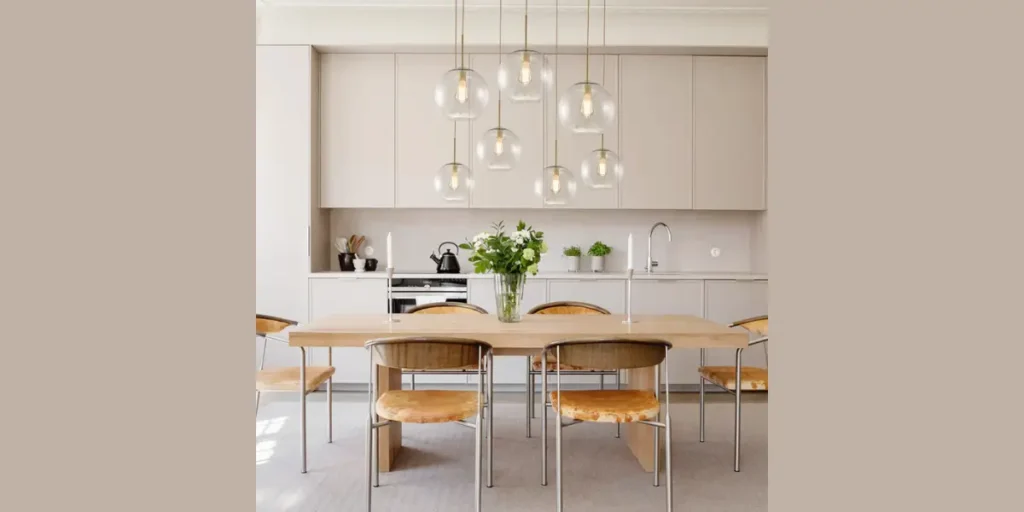
Cluster pendants create drama through layered arrangement. I use them when I want movement and visual interest above the table. The varied hanging heights add dimension.
This design spreads light across different levels. It enhances ambiance and reduces flat lighting. I often select simple bulb shapes to keep the look refined.
Cluster lighting fits well in modern or eclectic interiors. It allows creativity while maintaining functionality.
7. Minimalist LED Ring Chandelier
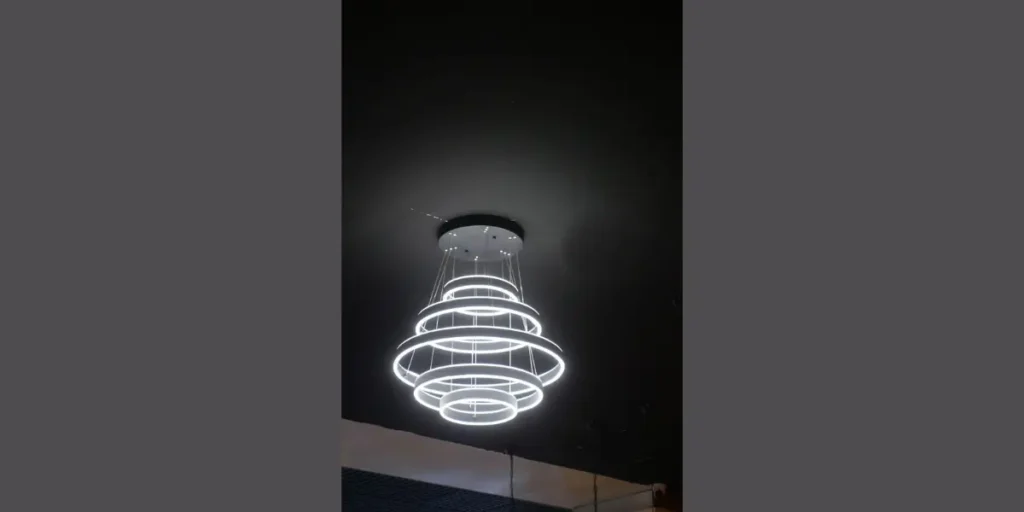
An LED ring chandelier delivers a sleek and modern appearance. I choose this fixture for clean lined interiors that prioritize simplicity. The circular form creates symmetry over the dining table.
The integrated lighting offers energy efficiency and soft brightness. It eliminates the need for visible bulbs, which keeps the design streamlined.
This style works especially well in open concept homes. Its subtle presence enhances the room without dominating the space.
8. Brass or Gold Statement Fixture
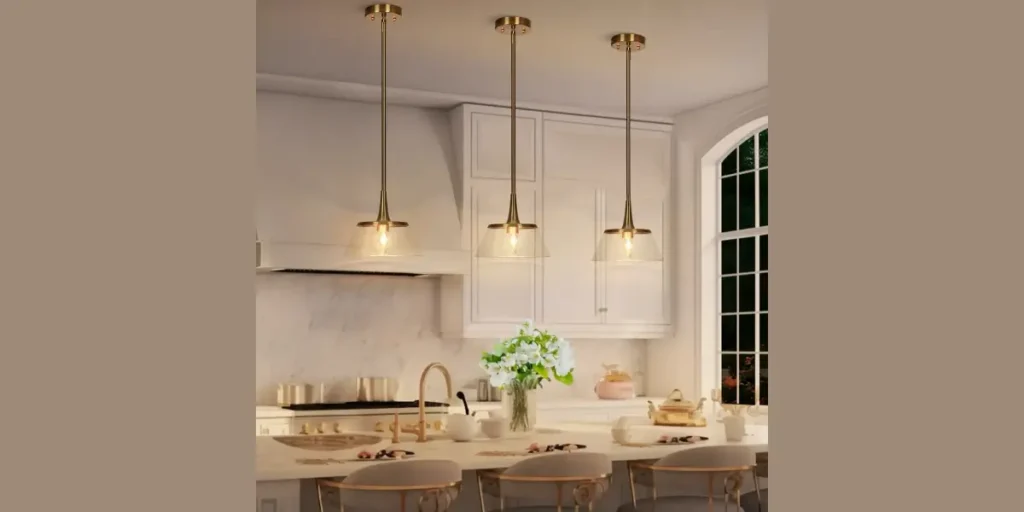
Brass and gold finishes add warmth and sophistication. I use metallic fixtures to elevate neutral dining rooms and introduce a refined glow. The reflective surface enhances evening lighting beautifully.
These fixtures pair well with dark wood tables or velvet chairs. I ensure the finish complements existing hardware in the room to maintain cohesion.
Warm metallic tones create an inviting atmosphere. They feel luxurious yet approachable when balanced correctly.
9. Lantern Style Pendant Light
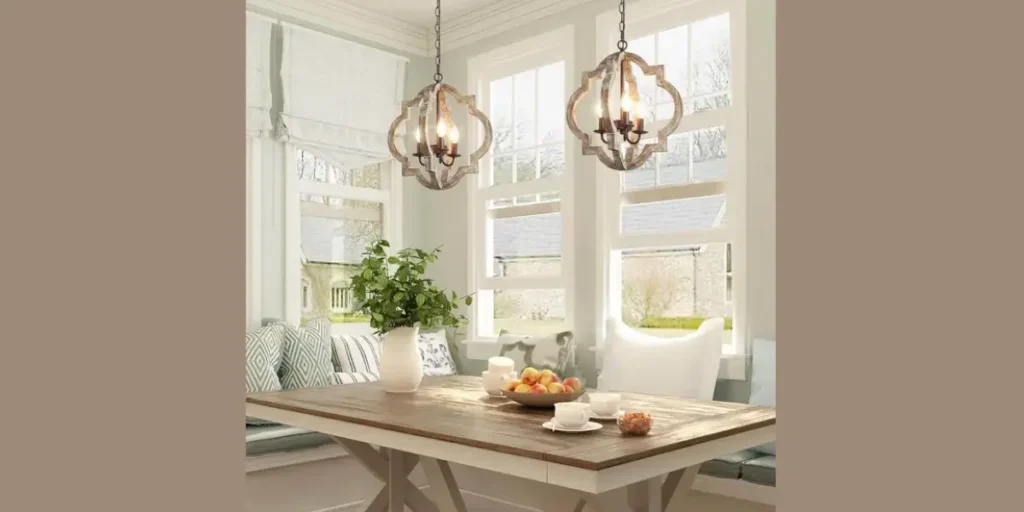
Lantern style pendants offer structured elegance. I like how their framed design outlines the bulb and adds architectural detail. This style blends traditional and modern elements effortlessly.
Black or bronze finishes create contrast against lighter ceilings. I position the lantern carefully to center it perfectly over the table. Alignment strengthens the visual impact.
Lantern fixtures provide strong presence without excessive ornamentation. They suit transitional dining rooms where balance matters most.
10. Oversized Drum Shade Lamp
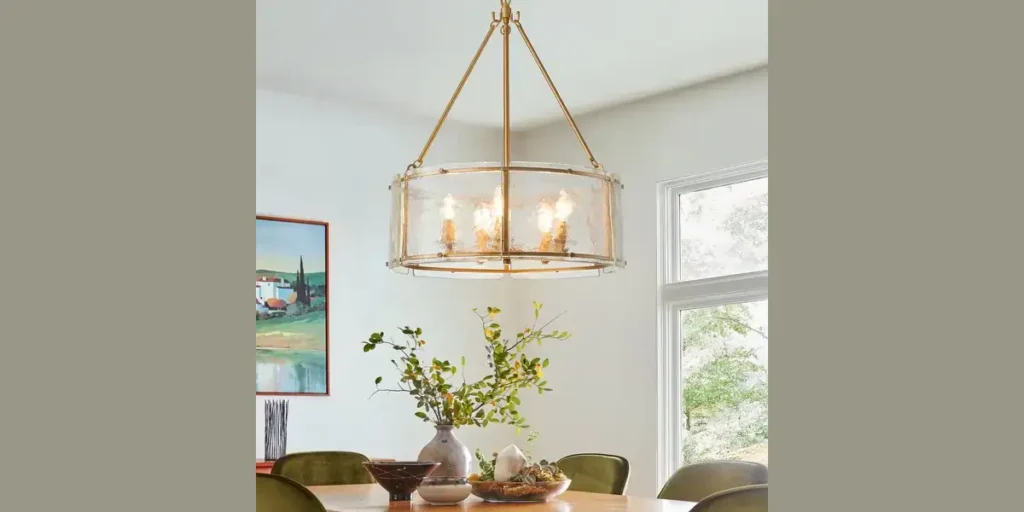
An oversized drum shade lamp creates soft, even illumination across the dining table. I prefer this option when I want controlled light without harsh glare. The fabric shade diffuses brightness and produces a warm, welcoming atmosphere.
This fixture works especially well in medium to large dining rooms. Its broad shape visually anchors the table and fills vertical space effectively. I often choose neutral fabric tones to maintain balance.
Proper sizing is essential. When the drum width aligns with the table proportion, the entire room feels structured and thoughtfully designed.
11. Sculptural Artistic Chandelier
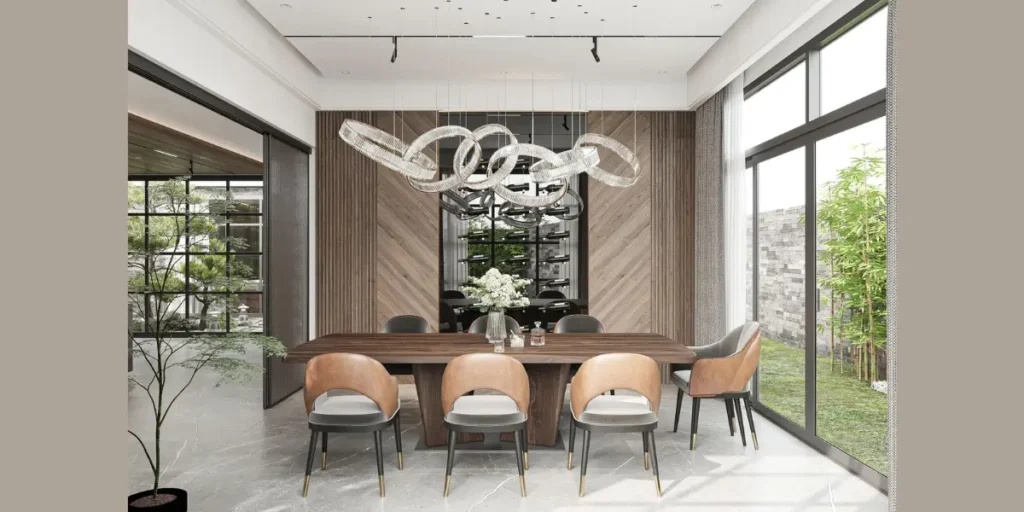
A sculptural chandelier turns lighting into a design statement. I use this style when I want the dining room to feel bold and expressive. Unique shapes and asymmetrical forms draw attention instantly.
These fixtures function as artwork while still providing practical illumination. I ensure the design complements the table rather than competing with it. Simplicity in surrounding décor keeps the focus clear.
This approach works beautifully in minimalist spaces. The dramatic fixture becomes the centerpiece without requiring additional decoration.
12. Adjustable Track Lighting
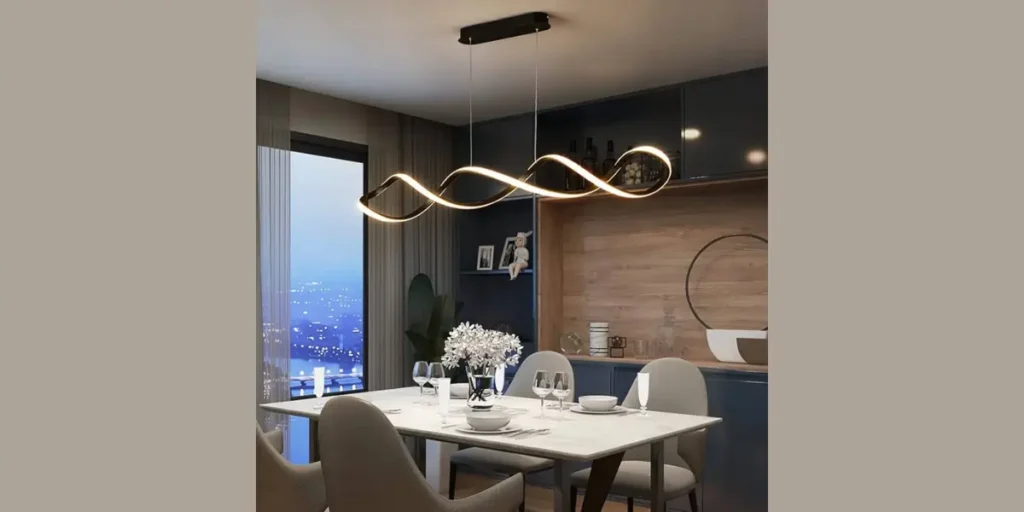
Track lighting offers flexibility that many fixed fixtures cannot provide. I recommend it for modern dining rooms where directional lighting improves functionality. Adjustable heads allow you to highlight artwork or specific areas.
This system works well in rooms with lower ceilings. It provides sufficient brightness without hanging too low over the table. Clean lines keep the overall look contemporary.
When installed carefully, track lighting delivers both task lighting and ambient glow. It supports versatility without sacrificing style.
13. Vintage Edison Bulb Fixture
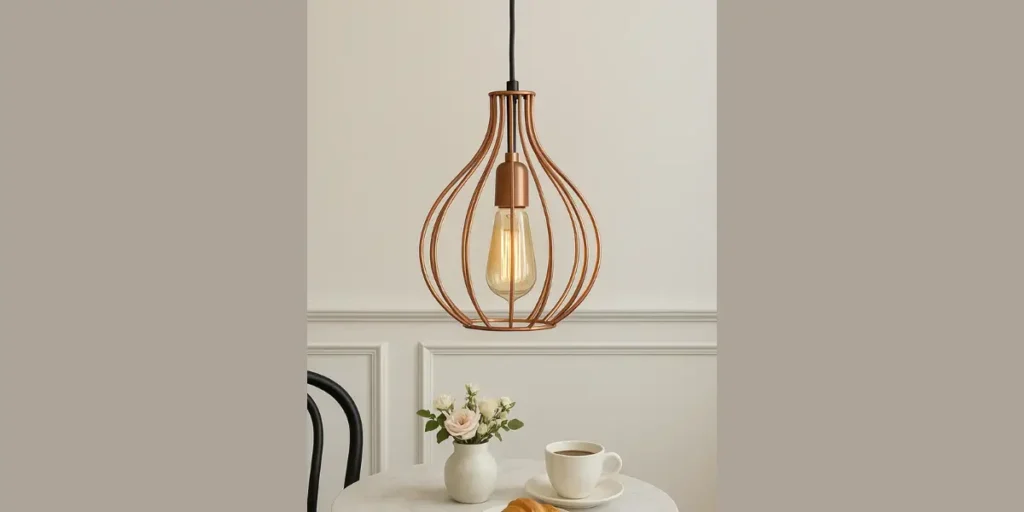
Edison bulb fixtures introduce warmth through exposed filament design. I often use them to create a cozy and intimate dining atmosphere. The amber glow enhances evening gatherings beautifully.
These fixtures pair especially well with wood tables and industrial accents. I balance the raw bulb look with clean furniture lines to avoid visual clutter.
The nostalgic feel adds character without feeling outdated. When used thoughtfully, Edison lighting creates depth and personality in the dining space.
How to Select the Right Dining Room Lamp Size and Height
Choosing the correct size and height ensures your lighting enhances the dining table rather than overpowering it.
I always measure the table dimensions first and then calculate the fixture width to maintain proportion. A lamp that is too small looks lost, while one that is too large feels heavy and distracting.
Height placement also affects comfort and visibility. The fixture should illuminate the table clearly without blocking eye contact across it. Balanced lighting creates both function and atmosphere.
Lighting Guidelines
- Hang fixtures 30 to 36 inches above the table
I follow this standard range because it provides clear illumination while maintaining open sight lines. This height works well for most ceiling types and table sizes. - Choose a width equal to half to two thirds of the table width
Proper scale keeps the fixture visually connected to the dining table. This prevents the lighting from appearing either oversized or too small. - Use dimmers for adjustable ambiance
I always recommend installing a dimmer switch. It allows you to control brightness for everyday meals or formal dinners effortlessly. - Consider ceiling height before selecting the fixture type
Higher ceilings can support chandeliers or longer pendants. Lower ceilings benefit from flush or semi flush lighting for comfort and proportion. - Ensure even light distribution across the table
Lighting should cover the entire dining surface evenly. This avoids dark corners and creates a cohesive visual experience.
FAQs
The ideal height ranges between 30 and 36 inches above the tabletop. This placement provides sufficient light while maintaining comfortable eye contact across the table. Adjust slightly depending on ceiling height and fixture size.
I recommend selecting a chandelier that measures about half to two thirds the width of the table. This proportion keeps the fixture visually balanced and properly centered. Oversized fixtures may overwhelm the room.
Yes, LED fixtures offer energy efficiency and consistent brightness. Modern LED designs provide warm light options that create a comfortable dining atmosphere. Choosing the right color temperature ensures the space feels inviting.
Warm lighting generally works best in dining areas. It enhances skin tones, food presentation, and overall comfort. Cooler lighting may feel too harsh for evening meals.
Conclusion
The right dining room lamp does more than brighten the table. It shapes the mood, defines the space, and quietly influences how every gathering feels.
I always approach lighting as the finishing layer that ties architecture, furniture, and décor together. When the scale, height, and warmth align correctly, the room feels complete without trying too hard.
Instead of chasing trends, focus on proportion and purpose. A well-chosen fixture should complement your table, enhance comfort, and adapt to different occasions. When lighting feels intentional, the entire dining experience becomes more inviting and memorable.