
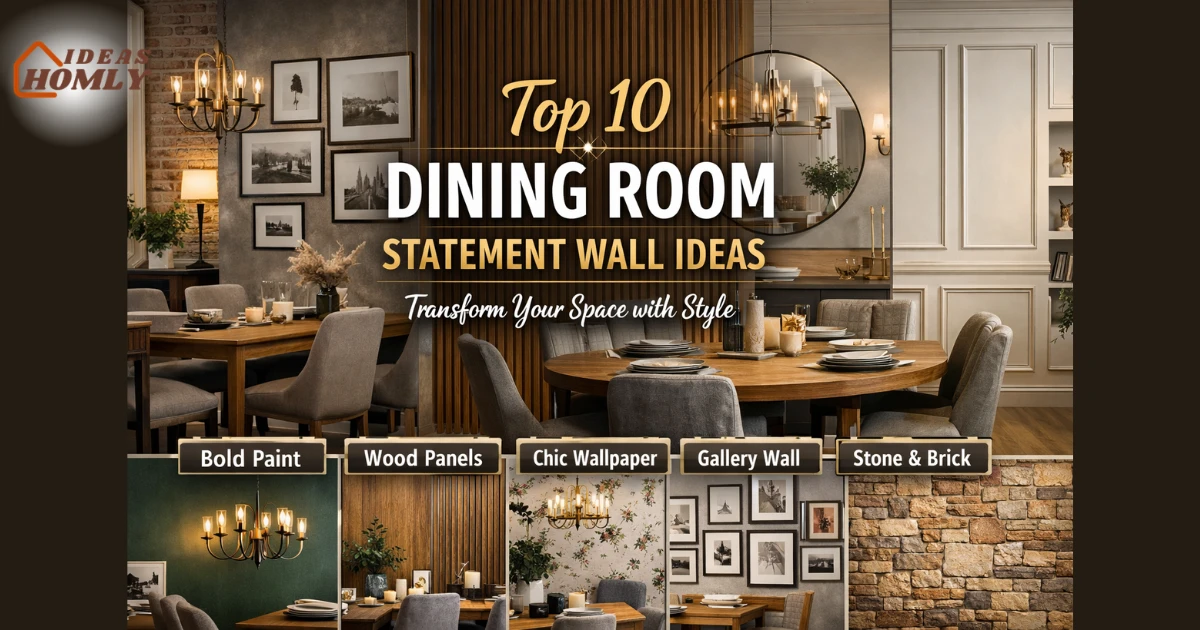

A dining room statement wall idea is the fastest way to turn a plain dining space into a bold and stylish focal point. I use statement walls when I want impact without changing the entire room.
If your dining room feels flat or unfinished, one feature wall can fix that instantly. You do not need a full renovation. You just need the right design choice.
In this guide, I will share the top 10 dining room statement wall ideas that are practical, stylish, and realistic for modern homes. Every idea works in real spaces, not just in magazines.
Why a Dining Room Statement Wall Makes a Big Difference
A dining room accent wall creates a strong visual anchor that defines your space. It draws attention and gives your room personality in seconds.
I often suggest a statement wall to readers who want change without spending too much. It costs less than replacing furniture, yet the effect feels dramatic.
The right feature wall design can also improve lighting balance, highlight your dining table, and make small dining rooms look intentional instead of cramped.
1. Bold Paint Color Accent Wall
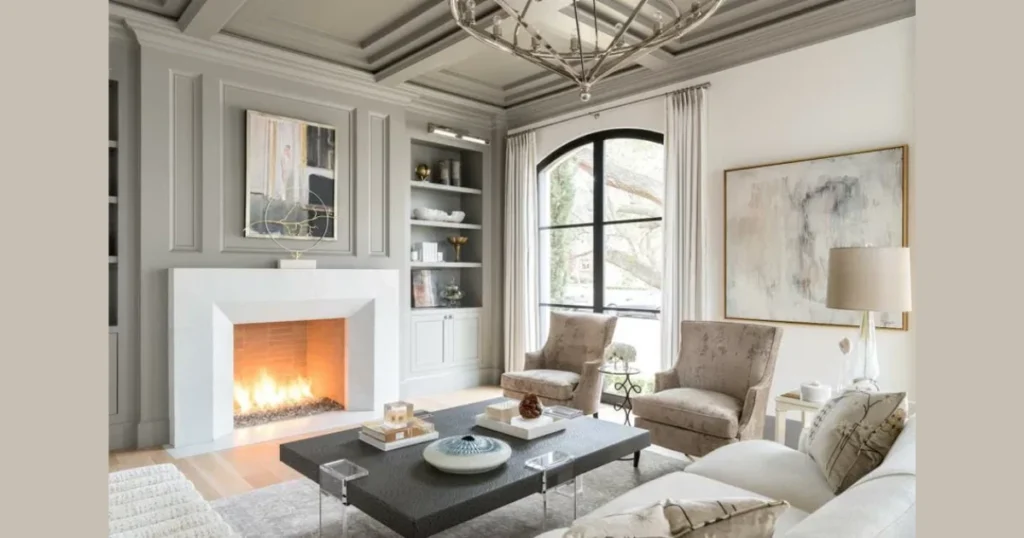
A bold paint color accent wall is the simplest and most affordable dining room statement wall idea. It adds depth and character without heavy construction.
I usually recommend deep navy, forest green, charcoal gray, or warm terracotta for dining spaces. These colors create intimacy, which works perfectly during meals and gatherings.
If your furniture is neutral, a dark paint color behind the dining table instantly makes it pop. Pair it with warm lighting and metallic decor for a polished look.
2. Modern Wood Panel Statement Wall
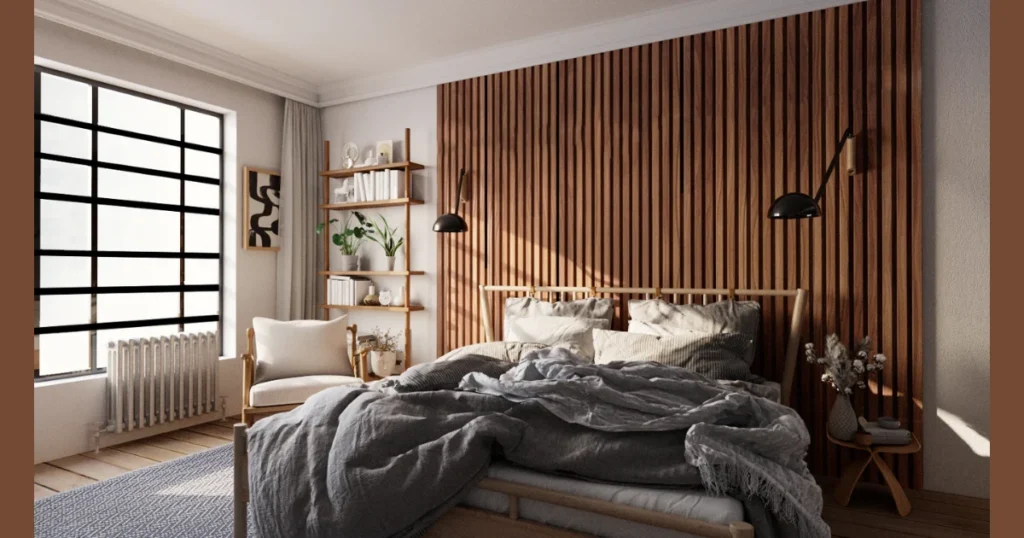
A wood panel dining room wall adds warmth, texture, and a natural feel to the space. It works beautifully in modern, farmhouse, and Scandinavian interiors.
Vertical wood slats make ceilings look taller, while horizontal panels widen narrow rooms. I personally prefer vertical slats behind a rectangular dining table.
Choose oak, walnut, or painted MDF panels depending on your budget. Add wall sconces to enhance texture and create a layered lighting effect.
3. Elegant Wallpaper Feature Wall
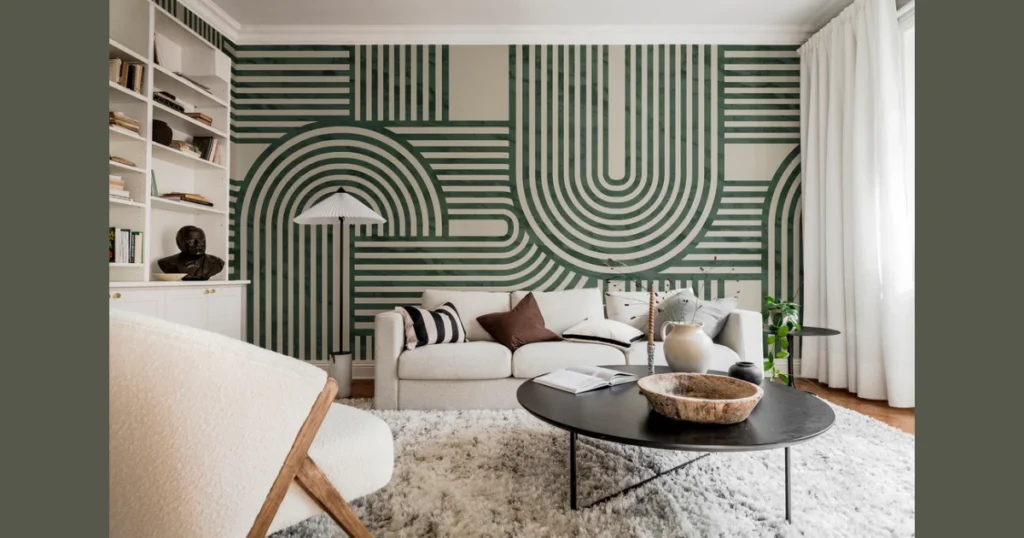
An elegant wallpaper feature wall brings pattern and personality to your dining area instantly. It allows you to experiment without overwhelming the room.
Floral prints, geometric patterns, textured linen wallpaper, or subtle metallic finishes work very well in dining rooms. Avoid overly busy patterns in small spaces.
I always suggest installing wallpaper only behind the dining table wall. This keeps the look clean and prevents visual clutter.
4. Classic Wall Molding and Panel Frames
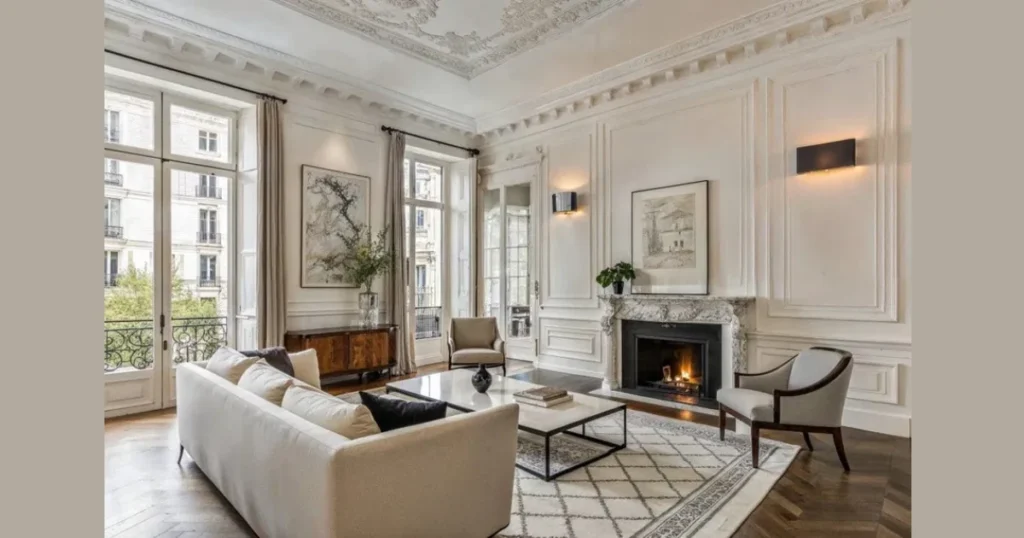
Wall molding creates a timeless dining room statement wall that looks refined and structured. It gives architectural interest without adding heavy decor.
You can paint molding frames in the same color as the wall for subtle texture. Or use a contrasting color to highlight the panels for stronger impact.
This idea works especially well in traditional and transitional dining rooms. Add a chandelier above the table to complete the classic look.
5. Gallery Wall with Framed Art
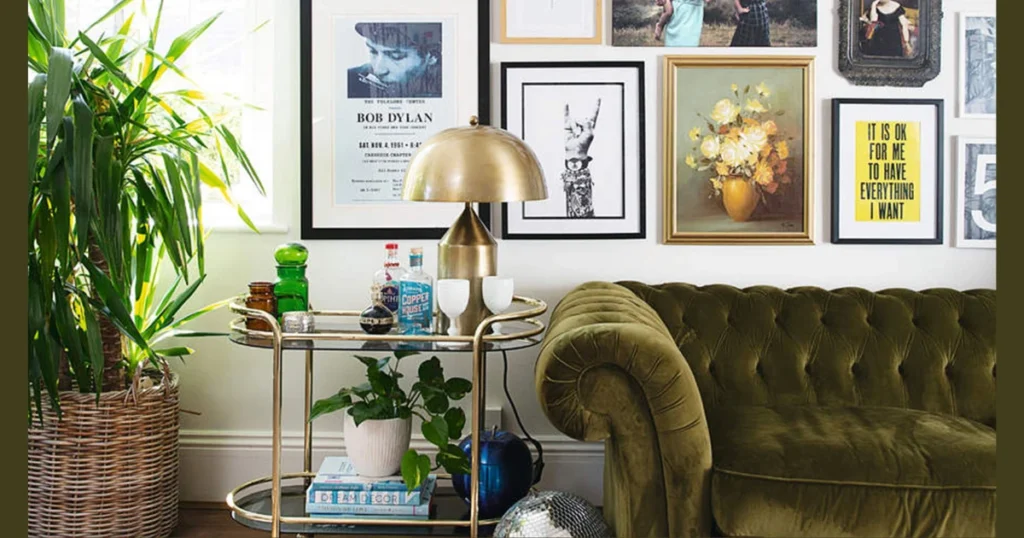
A gallery wall adds personality and storytelling to your dining space. It reflects your taste and makes the room feel lived in.
You can mix black and white photography, abstract art, travel prints, or family photos. Keep frame colors consistent to maintain visual balance.
I always recommend planning the layout on the floor first before hanging anything. This saves time and prevents unnecessary wall holes.
6. Stone or Brick Texture Statement Wall
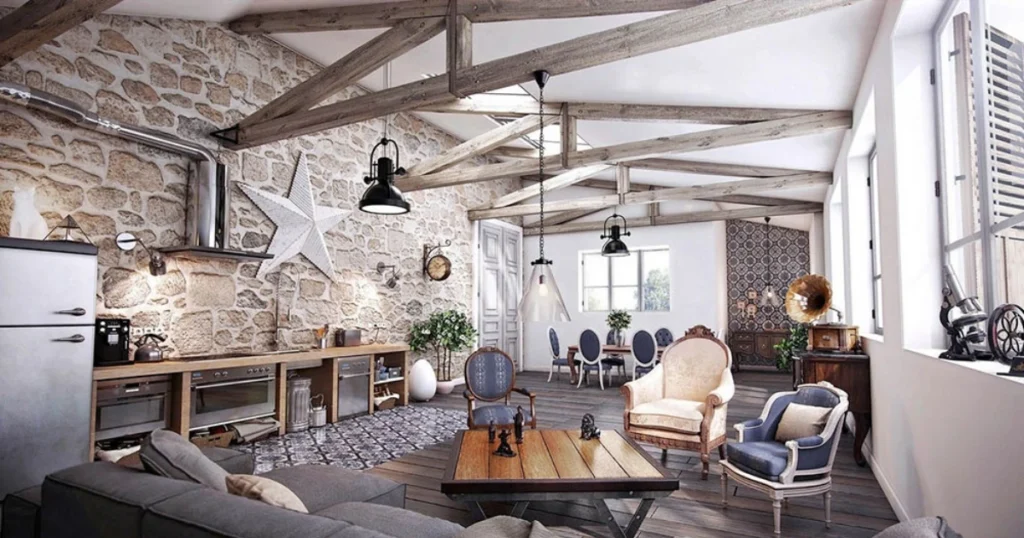
A stone or brick statement wall adds raw texture and strong character to a dining room. It instantly creates depth and a natural focal point.
I often suggest exposed brick for industrial dining rooms and light stone veneer for modern farmhouse interiors. Both options add texture without overwhelming the space.
If real brick feels heavy, use high quality faux panels for easier installation. Warm lighting enhances the texture and prevents the wall from looking cold.
7. Large Decorative Mirror Feature Wall
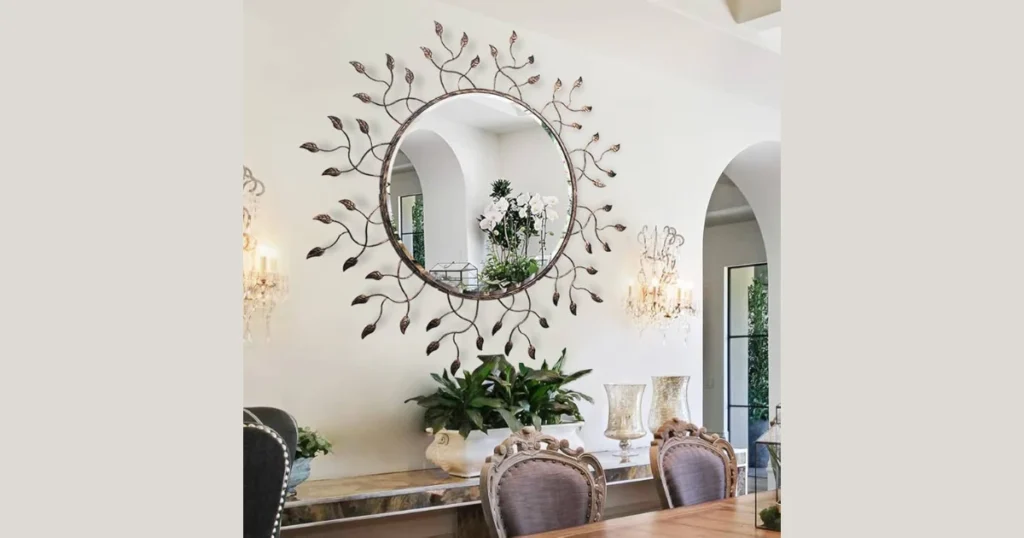
A large mirror statement wall makes a small dining room look brighter and more spacious. It reflects light and visually doubles the area.
I personally love placing a large round mirror behind the dining table. It balances rectangular tables and softens sharp lines.
Choose a metal, wooden, or minimalist frame depending on your decor style. Avoid placing mirrors where clutter reflects directly, as it can create visual chaos.
8. Textured Plaster or Concrete Finish Wall
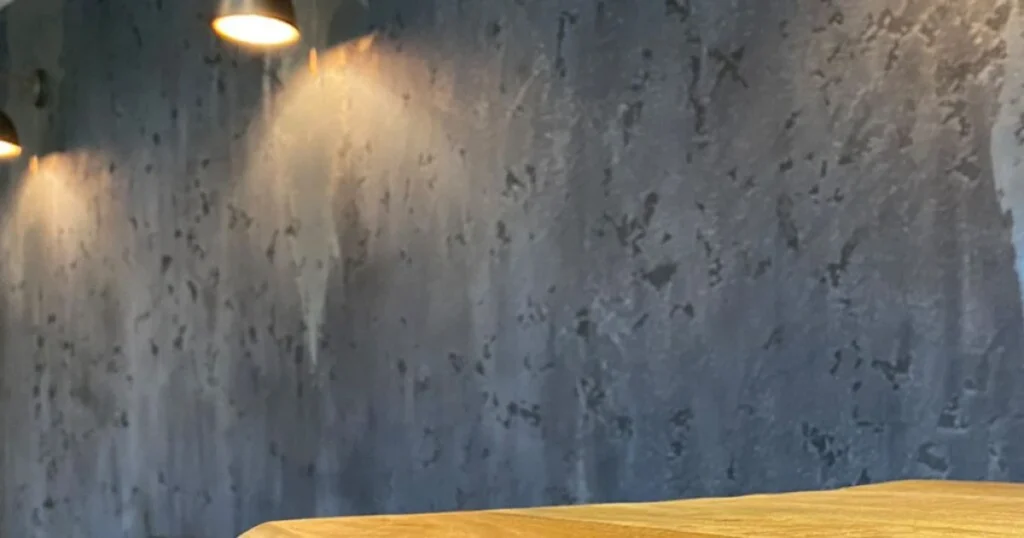
A textured plaster or concrete finish creates a modern dining room statement wall with subtle elegance. It adds depth without relying on bold colors.
Limewash paint, Venetian plaster, or concrete texture paint works beautifully for contemporary interiors. These finishes create movement on the wall.
I recommend pairing this look with simple furniture and warm lighting. Too much decor can compete with the texture and reduce its impact.
9. Built In Shelving Statement Wall
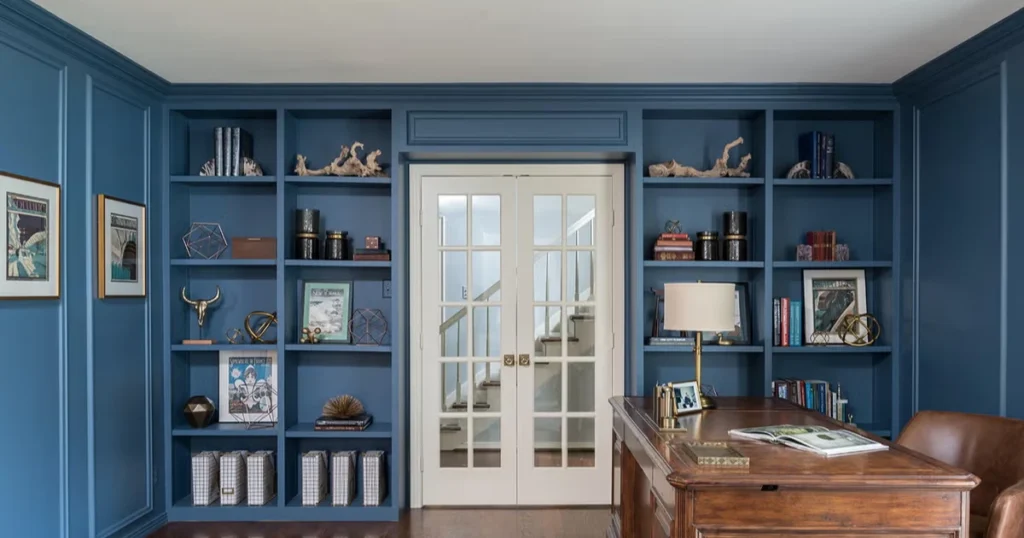
A built in shelving wall combines storage with style in the dining area. It allows you to display decor while creating a structured focal point.
You can add open shelves for plates, plants, books, or ceramic pieces. Keep spacing even to maintain balance and avoid clutter.
I suggest styling shelves with the rule of three. Group decor in odd numbers for a natural and pleasing arrangement.
10. Bold Wall Art or Oversized Canvas
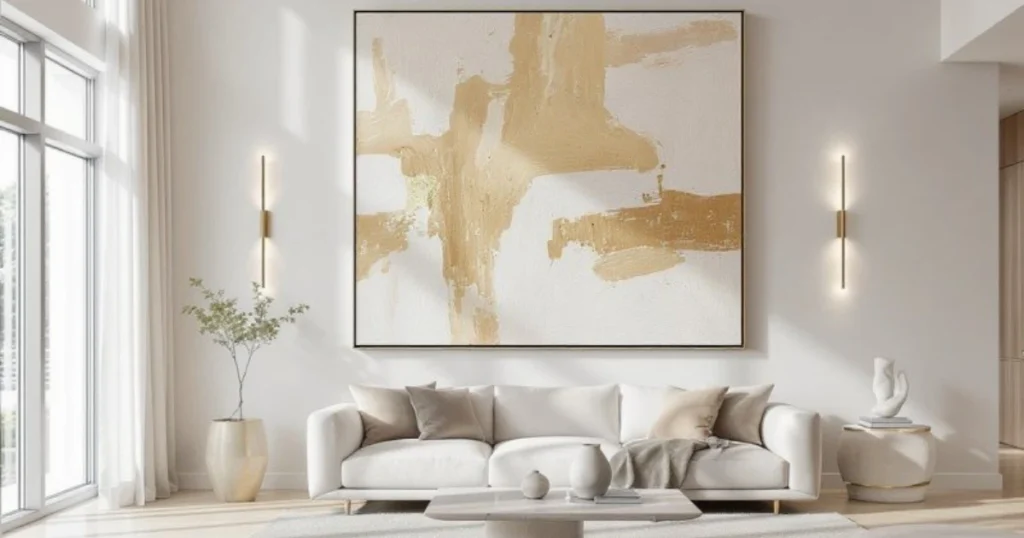
A bold oversized artwork creates a simple yet powerful dining room statement wall. It works well when you prefer minimal design.
Choose abstract art, modern paintings, or large framed prints that complement your dining table and chairs. Keep colors coordinated.
I always tell readers to choose art that sparks conversation. Dining rooms are social spaces, so your wall should reflect that energy.
How to Choose the Best Dining Room Statement Wall for Your Space
Choosing the right dining room accent wall depends on room size, lighting, and your personal style. Not every idea suits every home.
Start by measuring your wall and checking natural light direction. Dark colors work better in well lit spaces, while mirrors help darker rooms.
Match the wall design with your dining table material. Wood pairs well with panels, while glass tables complement bold paint or wallpaper.
Dining Room Statement Wall Styling Tips for a Professional Finish
A well planned dining room statement wall looks intentional and balanced, not random. Small details decide whether the wall feels polished or messy.
I always focus on proportion, lighting, and spacing before finalizing any feature wall design. These three elements make or break the result.
Below are practical tips I personally follow when designing dining room accent walls.
1. Keep the Statement Wall Behind the Dining Table
The wall behind the dining table naturally acts as the focal point. Placing your accent wall here creates visual balance.
If you choose another wall, the layout can feel disconnected. I learned this the hard way in my first apartment.
2. Match Lighting with the Wall Texture
Lighting highlights texture and color depth. Without proper lighting, even the best design looks flat.
Use wall sconces, pendant lights, or adjustable spotlights to enhance wood panels, brick, or artwork. Warm light works best for dining rooms.
3. Avoid Overdecorating the Feature Wall
Too much decor weakens the impact of a statement wall. The whole purpose is to create one strong focal point.
If you install wallpaper or bold paint, keep surrounding decor simple. Let the wall speak for itself.
4. Maintain Color Harmony
Color harmony ensures the statement wall complements furniture and flooring. Clashing tones create visual stress.
I always pick one primary accent color and repeat it subtly in cushions, artwork, or table decor. This keeps the space cohesive.
Common Mistakes to Avoid with Dining Room Accent Walls
Many dining room feature walls fail because of small design mistakes. Avoiding these errors saves money and frustration.
Below are the most common issues I see in real homes.
- Choosing extremely dark paint in a poorly lit room
- Mixing too many patterns at once
- Ignoring wall measurements before installing panels
- Hanging artwork too high
- Using mirrors opposite cluttered areas
Budget Guide for Dining Room Statement Wall Ideas
A dining room statement wall can fit almost any budget. The key is selecting materials wisely.
| Budget Level | Suitable Ideas | Estimated Cost Range | Best For |
|---|---|---|---|
| Low Budget | Bold Paint, Gallery Wall | $50 to $300 | Quick Updates |
| Medium Budget | Wallpaper, Wood Panels, Large Art | $300 to $1200 | Style Upgrade |
| Higher Budget | Built in Shelves, Stone Wall | $1200+ | Long Term Renovation |
Final Thoughts
A dining room statement wall transforms your space faster than most furniture upgrades. One smart design decision creates depth, style, and personality.
If I had to recommend starting simple, I would choose bold paint or oversized art first. Both give maximum impact with minimal effort.
The best statement wall is not the most expensive one. It is the one that fits your lighting, furniture, and personal taste. Choose wisely and your dining room will finally feel complete.
FAQs
The best wall is usually the one behind the dining table. It naturally acts as the focal point.
Dark colors work well in well lit dining rooms. They create intimacy and depth.
Yes, you can. Mirrors, bold paint, and vertical wood panels work especially well in small spaces.
Wallpaper adds pattern and texture, while paint offers simplicity and affordability. Choose based on your style preference.
Limit decor on the statement wall and keep surrounding walls neutral. Balance is important.
A well designed feature wall improves visual appeal, which can positively influence buyers.