
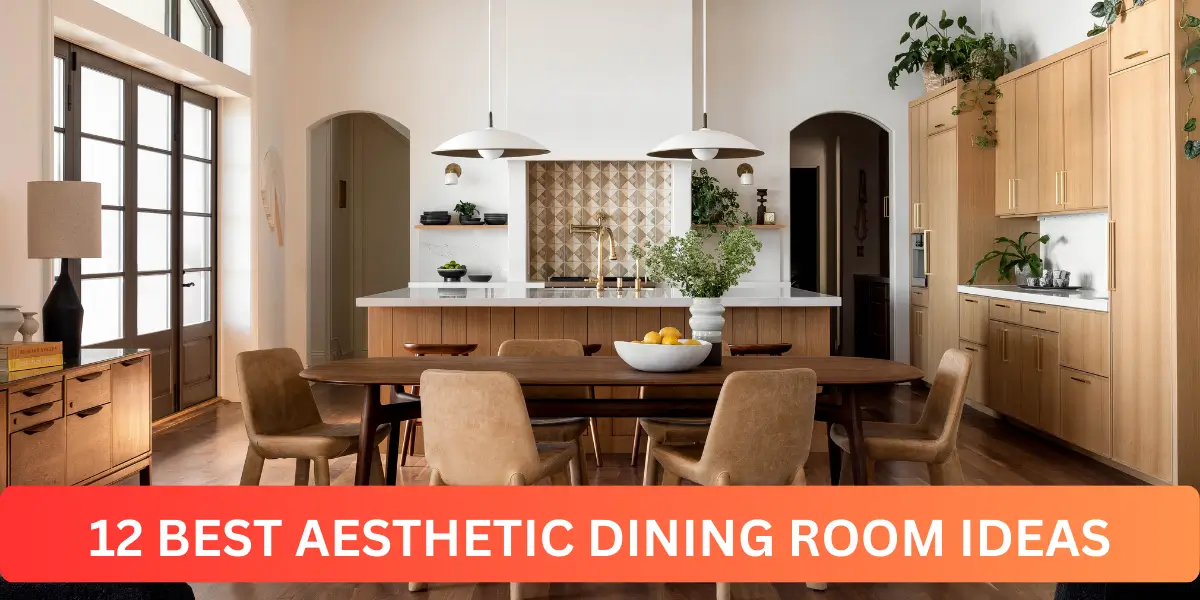

An aesthetic dining room does more than look beautiful in photos. It shapes the way you experience everyday meals and special gatherings.
I have found that the most memorable spaces feel balanced, intentional, and personal rather than overly styled. The secret lies in thoughtful layering, cohesive colors, and meaningful details that work together effortlessly.
In this guide, I will share aesthetic dining room ideas that blend comfort with visual harmony, helping you design a space that feels curated, inviting, and naturally refined without appearing forced or cluttered.
What Makes a Dining Room Truly Aesthetic?
An aesthetic dining room feels intentional from the moment you enter. I always focus on balance, proportion, and how materials interact with light. The goal is not to decorate excessively but to create harmony between furniture, color, and texture.
When each element supports the overall mood, the space feels calm and cohesive. Soft contrasts, layered lighting, and thoughtful styling choices define the atmosphere.
Now let me walk you through the first eight ideas that can transform an ordinary dining area into a visually compelling and inviting space.
1. Soft Neutral Minimalist Dining Space
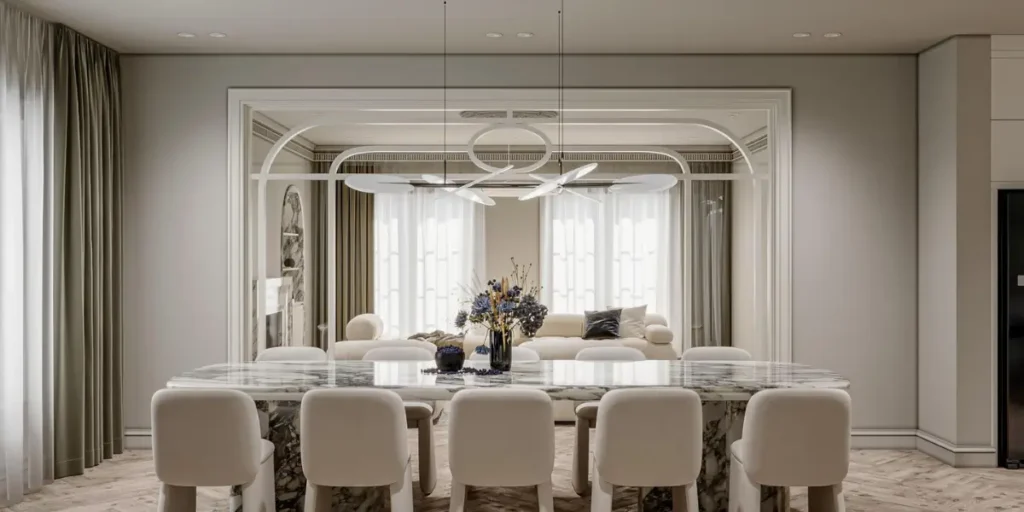
A soft neutral palette creates an immediate sense of calm. I often begin with warm whites, beige tones, or muted grays to establish a serene backdrop. These colors allow textures and furniture silhouettes to stand out naturally without overwhelming the room.
Texture plays a crucial role in preventing minimal spaces from feeling flat. I layer linen upholstery, natural wood finishes, and subtle ceramics to introduce depth while maintaining simplicity.
This approach keeps the dining area airy and refined. By limiting bold colors and focusing on balance, you create a timeless setting that feels effortless and visually soothing.
2. Japandi Inspired Dining Room
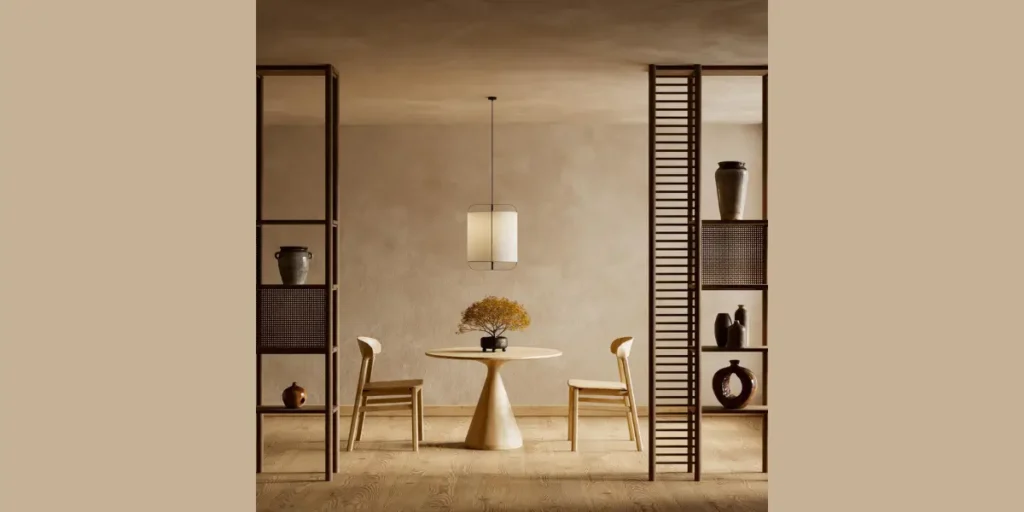
Japandi style combines Scandinavian warmth with Japanese simplicity. I appreciate how this approach emphasizes clean lines, natural materials, and purposeful design. The result feels peaceful and uncluttered.
Low profile furniture, light oak tables, and neutral textiles define the aesthetic. I prioritize craftsmanship and functionality rather than decorative excess. Each piece must serve a purpose.
This design philosophy encourages mindful living. By embracing restraint and natural textures, you create a dining space that feels balanced, grounded, and quietly sophisticated.
3. Moody Dark Aesthetic Dining Room
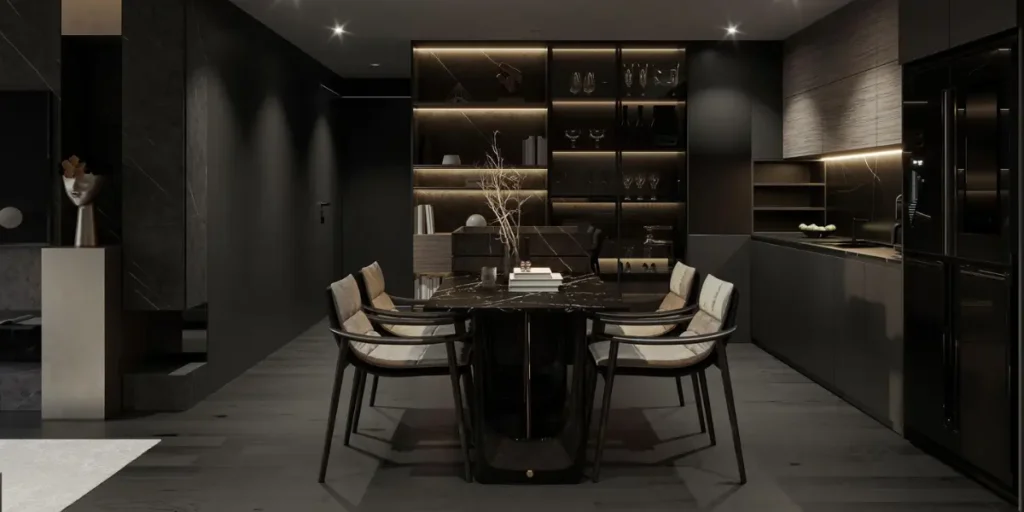
Dark color palettes introduce drama and depth. I often use charcoal, deep green, or navy walls to create an intimate atmosphere. These tones make artwork and lighting stand out beautifully.
To prevent the room from feeling heavy, I balance dark walls with warm lighting and lighter furniture accents. Brass fixtures or soft upholstered chairs soften the intensity.
A moody dining room feels bold yet refined. When executed thoughtfully, it transforms the space into a striking environment perfect for evening gatherings.
4. Natural Light Focused Layout
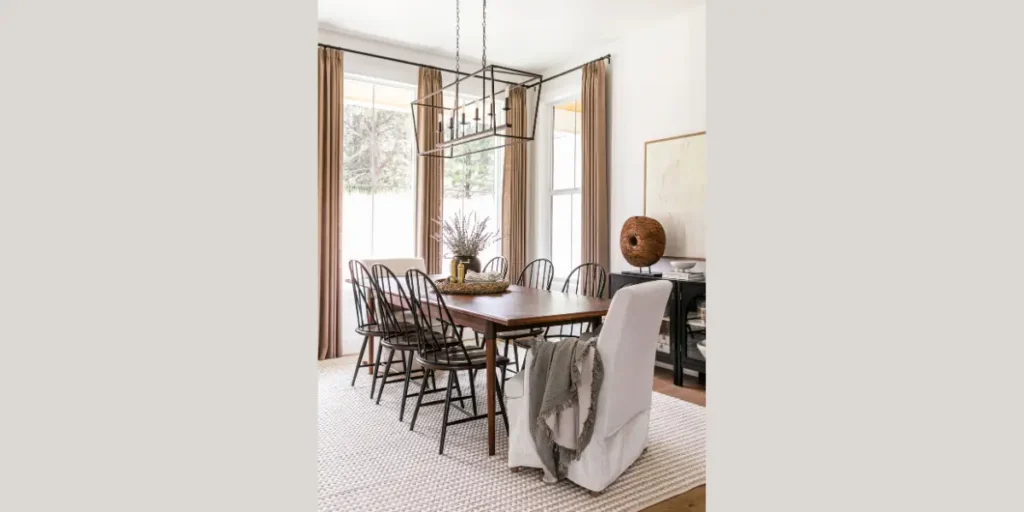
Natural light enhances every material and finish. I always evaluate window placement before finalizing design decisions. Bright spaces feel open and uplifting throughout the day.
Minimal window treatments preserve clarity and allow sunlight to filter gently across surfaces. Sheer fabrics or simple shades maintain privacy without blocking brightness.
When daylight becomes the focal point, the dining room feels expansive and welcoming. This approach strengthens both aesthetic appeal and everyday comfort.
5. Sculptural Lighting Statement
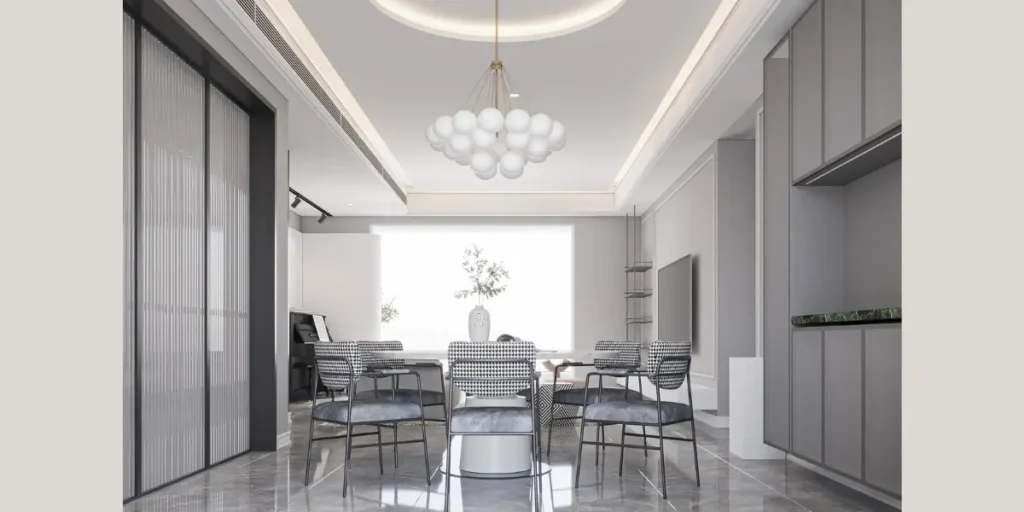
Lighting acts as functional art in an aesthetic dining room. I choose sculptural pendants or artistic chandeliers that define the table area clearly. The fixture becomes a visual anchor.
Proportion matters greatly. I measure carefully to ensure the light complements the table rather than overpowering it. Warm bulbs create intimacy and enhance ambiance.
A strong lighting statement elevates the entire space. It adds personality while reinforcing the room’s design direction with clarity and intention.
6. Vintage and Modern Blend
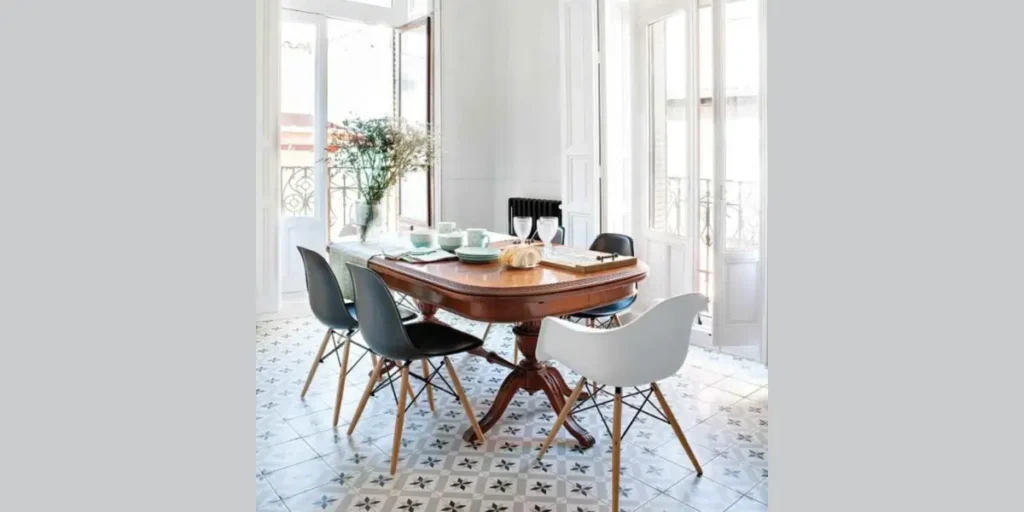
Blending vintage elements with modern furniture creates depth and character. I often pair a sleek contemporary table with mid century chairs or antique accents. This contrast feels curated and personal.
The key lies in maintaining balance. I limit decorative accessories so the mix appears intentional rather than chaotic. Consistent color tones unify the arrangement.
This combination introduces history into a contemporary framework. It allows the dining room to feel unique while maintaining a cohesive aesthetic identity.
7. Earthy Boho Inspired Dining Area
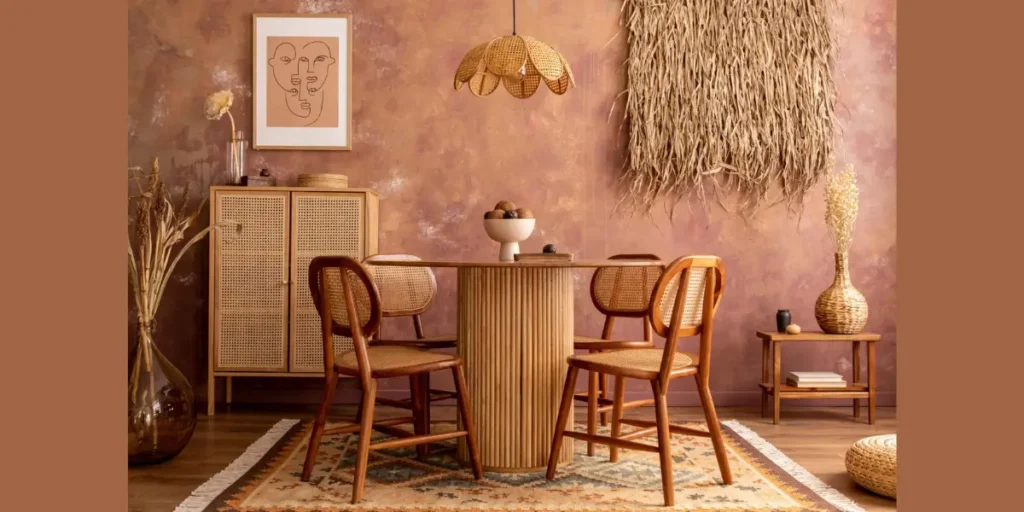
Earthy tones and natural materials bring warmth into the dining space. I incorporate rattan chairs, woven rugs, and indoor plants to create relaxed charm. These elements soften structured layouts.
Layered textiles and organic shapes prevent the room from feeling rigid. I maintain a controlled color palette to preserve sophistication.
An earthy aesthetic feels welcoming and comfortable. When balanced carefully, it creates a harmonious dining environment that feels both styled and livable.
8. Monochrome Color Harmony
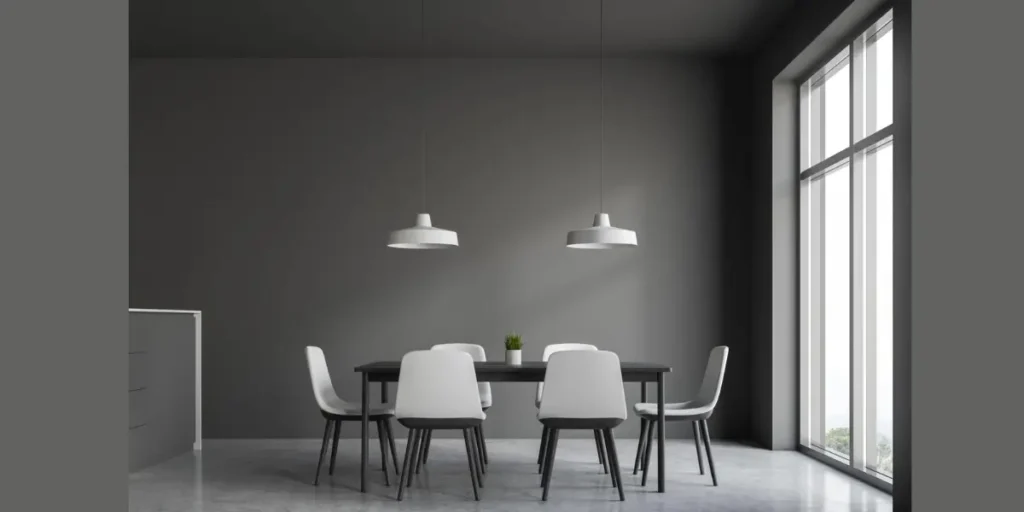
A monochrome scheme delivers clarity and strong visual impact. I often work within one color family, such as varying shades of gray or beige, to achieve cohesion.
Texture becomes the defining element in this approach. Matte finishes, glossy surfaces, and soft fabrics add dimension without introducing competing hues.
This method creates a polished and modern aesthetic. By focusing on subtle variation within a single palette, the dining room feels intentional, balanced, and elegantly understated.
9. Textured Wall Feature
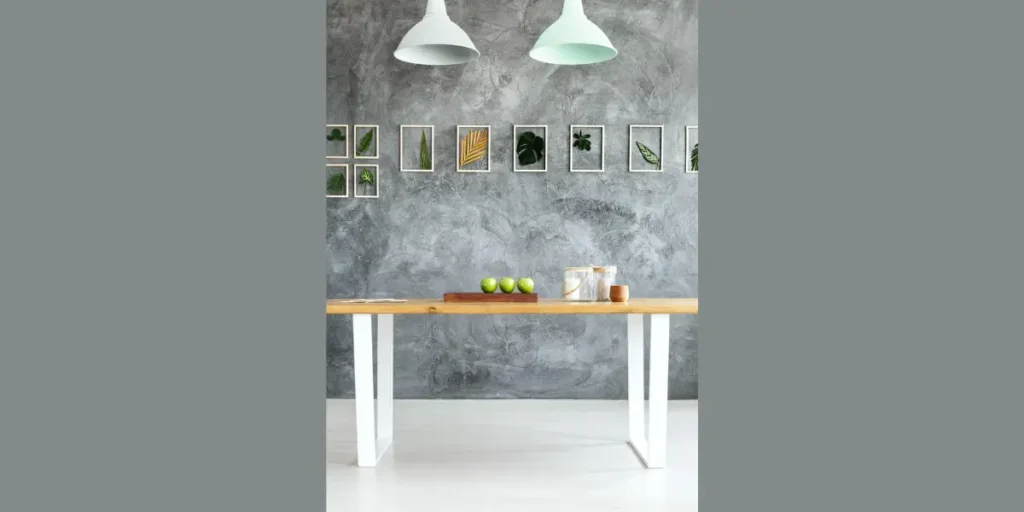
A textured wall instantly adds depth without relying on bold color. I often use subtle paneling, limewash finishes, or soft plaster effects to create visual movement behind the dining table. This approach enhances the room quietly rather than dominating it.
Texture works best when the surrounding furniture remains simple. I prefer clean lined tables and understated chairs so the wall treatment becomes the focal backdrop. Balanced styling prevents visual clutter.
When done thoughtfully, a textured wall elevates the entire dining space. It introduces dimension, catches light beautifully, and strengthens the overall aesthetic without overwhelming the room.
10. Round Table for Cozy Flow
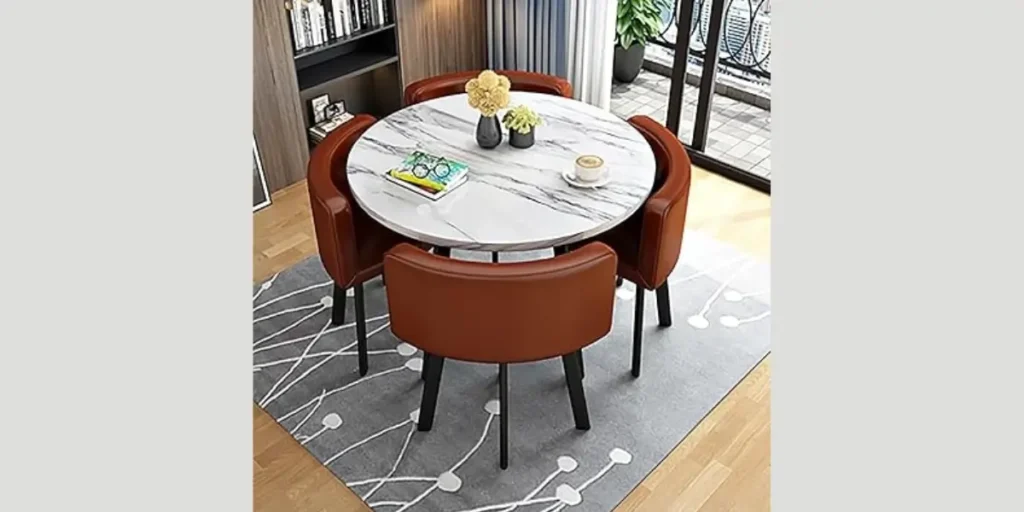
A round dining table encourages conversation and softens rigid layouts. I choose this option especially for smaller rooms where circulation matters. The curved silhouette feels inviting and visually balanced.
Round tables also create a natural focal point under statement lighting. I ensure the size suits the room so movement around the table remains comfortable and fluid.
This layout feels intimate and harmonious. By eliminating sharp corners, the dining space gains warmth and improved flow while maintaining a refined appearance.
11. Curated Gallery Wall Styling
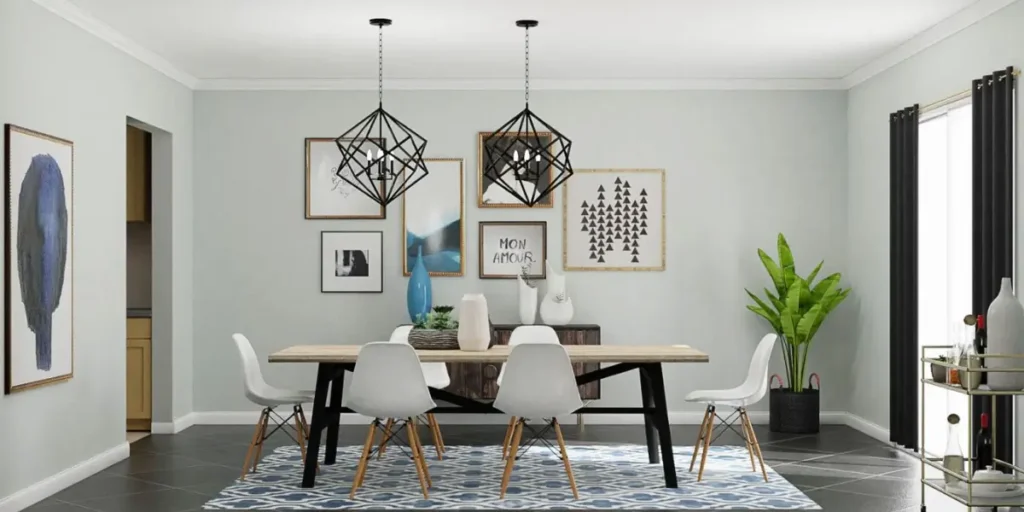
A curated gallery wall introduces personality in a controlled manner. I carefully select artwork that shares a cohesive color story to maintain balance. Spacing and alignment remain just as important as the art itself.
I avoid overcrowding the wall. Instead, I focus on proportion and symmetry so the display complements the dining table rather than distracting from it.
When styled with intention, a gallery wall becomes an expressive focal point. It adds individuality while preserving the calm structure of the aesthetic dining room.
12. Layered Lighting for Mood Control
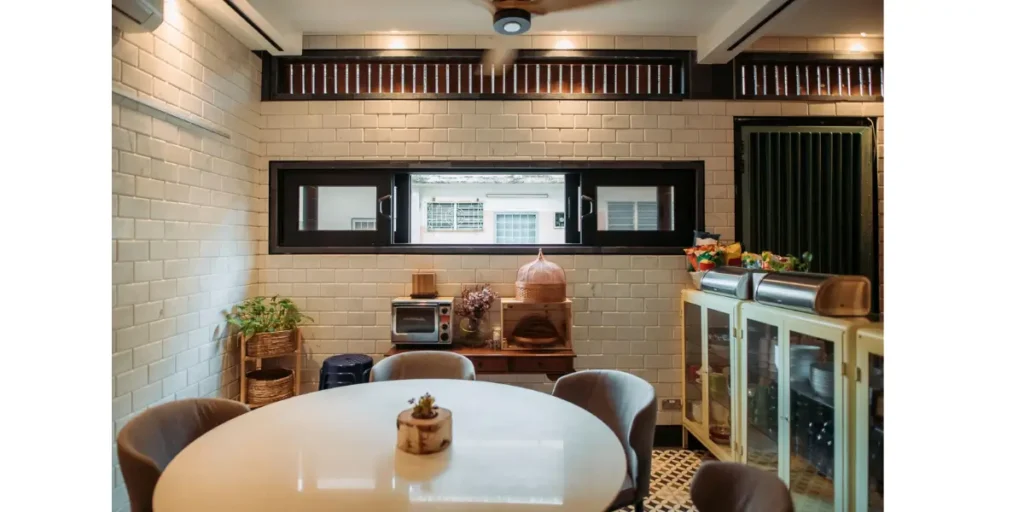
Layered lighting transforms how the dining room feels throughout the day. I combine ambient ceiling lights, focused pendants, and subtle accent lighting to create flexibility. This layered strategy prevents harsh shadows.
Dimmers allow easy adjustment for different occasions. Bright settings support daytime meals, while softer lighting creates intimacy for evening gatherings.
By layering light sources thoughtfully, the room gains depth and warmth. This approach enhances materials, highlights textures, and ensures the dining space remains both functional and visually captivating.
Styling Secrets to Achieve an Effortless Aesthetic
Creating an effortless aesthetic requires more restraint than decoration. I always begin by refining the color palette so every element feels connected.
When tones complement one another, the space instantly looks curated rather than crowded. Balance between furniture scale and open space keeps the room breathable and visually calm.
Texture layering plays an equally important role. I combine natural wood, soft upholstery, subtle metals, and ceramic accents to add quiet depth.
The goal is to create contrast without chaos. When materials interact harmoniously, the dining room feels styled yet completely livable.
Lighting placement completes the look. I ensure fixtures highlight the table while supporting ambient glow throughout the space. Thoughtful lighting prevents flatness and enhances the overall atmosphere.
Design Focus Areas
A balanced color scheme anchors the room and prevents visual tension. Clean furniture silhouettes maintain clarity and structure.
Proportional lighting ensures the table remains the focal point without overpowering the layout.
I also pay close attention to decluttered surfaces because excessive décor weakens the aesthetic impact. Every piece should serve either a functional or visual purpose.
Material Harmony Guide
| Element | Best Choice | Aesthetic Impact |
|---|---|---|
| Wood | Light oak, walnut | Adds warmth and grounding |
| Metal | Matte black, brushed brass | Introduces contrast |
| Fabric | Linen, velvet | Softens the space |
| Glass | Clear, smoked | Creates lightness |
| Stone | Marble, travertine | Elevates sophistication |
When these materials work together intentionally, the dining room feels cohesive and refined. I always aim for subtle variation rather than dramatic contrast to maintain harmony.
Conclusion
Designing an aesthetic dining room is about thoughtful editing, not constant adding. I always remind myself that simplicity often creates the strongest visual impact.
When colors feel cohesive, textures add quiet depth, and lighting enhances rather than overwhelms, the space naturally becomes inviting. An aesthetic setting should support real life, not just look good in photographs.
By focusing on proportion, balance, and material harmony, you can create a dining area that feels curated yet comfortable.
With intentional choices and subtle layering, your dining room will reflect personality while maintaining timeless visual appeal.
FAQs
An aesthetic dining room feels cohesive and intentional. Balanced colors, layered textures, and proper lighting create harmony. When furniture scale and décor remain proportionate, the space appears thoughtfully curated rather than randomly styled.
Start with a neutral base and introduce subtle accents that complement one another. I recommend limiting the palette to three or four tones to maintain visual clarity. Consistency prevents the space from feeling chaotic.
Absolutely. I focus on proportion and simplicity in smaller spaces. A round table, minimal décor, and layered lighting can make a compact dining area feel open, refined, and inviting.
Lighting plays a critical role. A well chosen pendant combined with soft ambient lighting enhances textures and mood. Dimmable options provide flexibility for both everyday use and special occasions.
I recommend editing accessories carefully. Keep surfaces uncluttered and allow statement elements to stand out. Intentional spacing and restraint create a polished aesthetic without visual overload.