
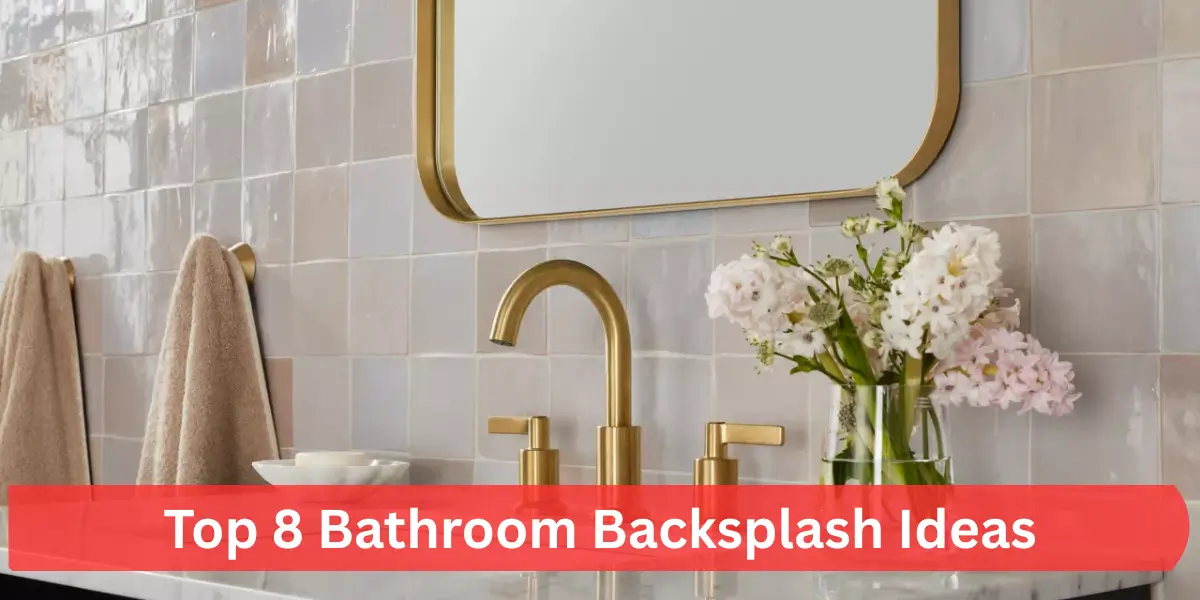

Bathroom backsplash ideas play a much larger role than most people expect when shaping a clean and well-finished bathroom.
I’ve seen how the right backsplash not only protects walls from moisture but also defines the entire vanity area.
Instead of treating it as a small detail, modern design uses the backsplash as a visual anchor that ties materials and colors together.
In this article, I’ll walk through carefully chosen backsplash ideas that balance durability, style, and easy maintenance.
Each option reflects real design choices I’ve used and recommended, helping you select a backsplash that enhances both function and overall bathroom appeal.
1. Subway Tile Backsplash
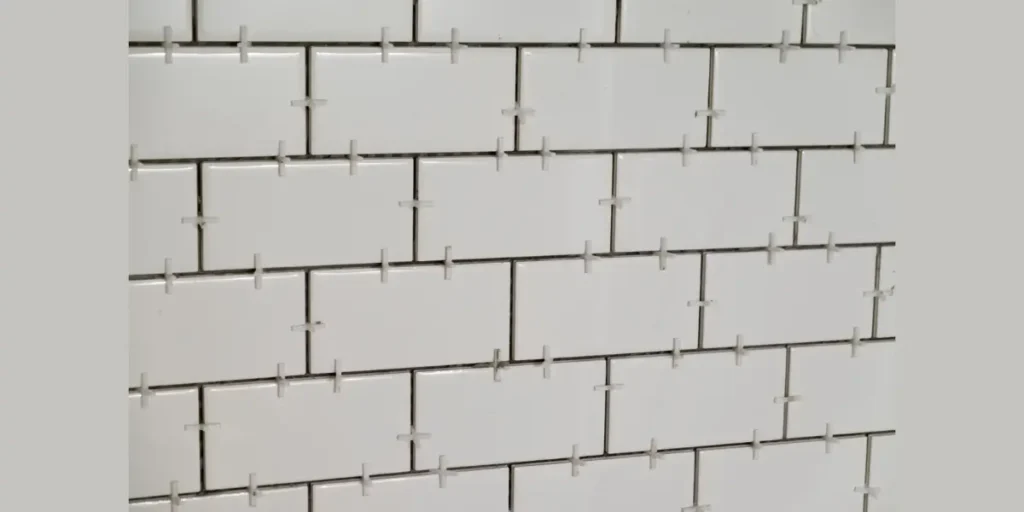
Subway tile backsplashes remain popular because they offer a clean, reliable foundation for almost any bathroom style.
I’ve used them in both modern and traditional spaces, and they adapt easily without overpowering the design.
What makes subway tiles effective is their flexibility. You can change the layout, grout color, or finish to create a completely different look.
I often suggest vertical stacking when clients want to make walls feel taller and more refined.
From a practical perspective, subway tiles are easy to clean and highly durable. Their simple shape minimizes maintenance while still delivering a polished, timeless finish.
2. Marble Slab Backsplash
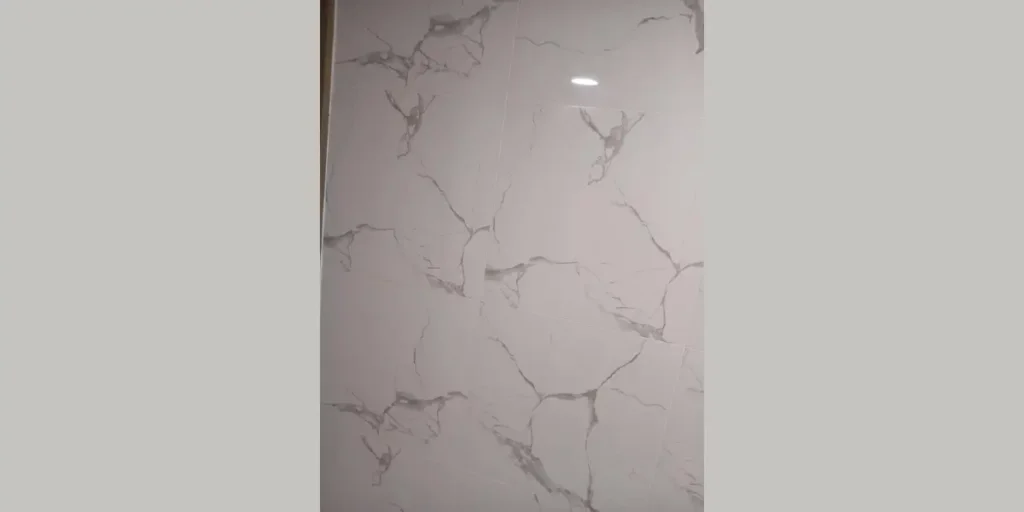
Marble slab backsplashes instantly elevate a bathroom by creating a seamless, luxurious surface.
I usually recommend slabs instead of small tiles when the goal is a high-end, uninterrupted look.
Natural veining adds movement and character without needing additional decoration.
I’ve seen a single marble slab completely transform a vanity area by making it feel more intentional and refined.
Maintenance stays manageable with proper sealing. When cared for correctly, marble slabs remain durable and visually striking, making them a strong long-term design investment rather than a passing trend.
3. Mosaic Tile Backsplash
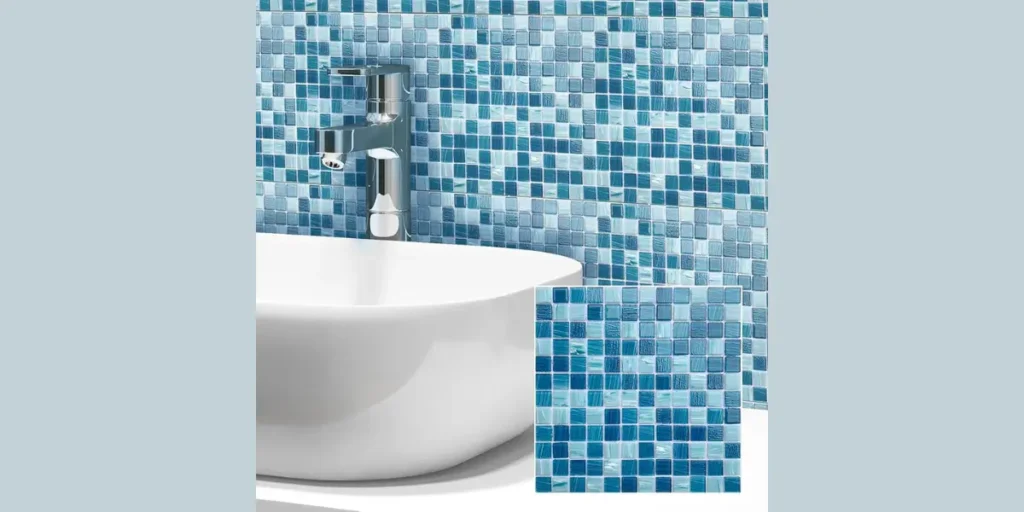
Mosaic tile backsplashes allow for creativity in controlled doses. I often use them when a bathroom needs texture or detail without overwhelming the space.
Small-scale tiles work especially well behind sinks and mirrors. Their reflective surfaces catch light and add visual depth, which helps smaller bathrooms feel more dynamic and layered.
I usually recommend keeping surrounding surfaces simple when using mosaics.
This balance ensures the backsplash stands out while the overall design remains cohesive and easy to maintain.
4. Textured or 3D Tile Backsplash
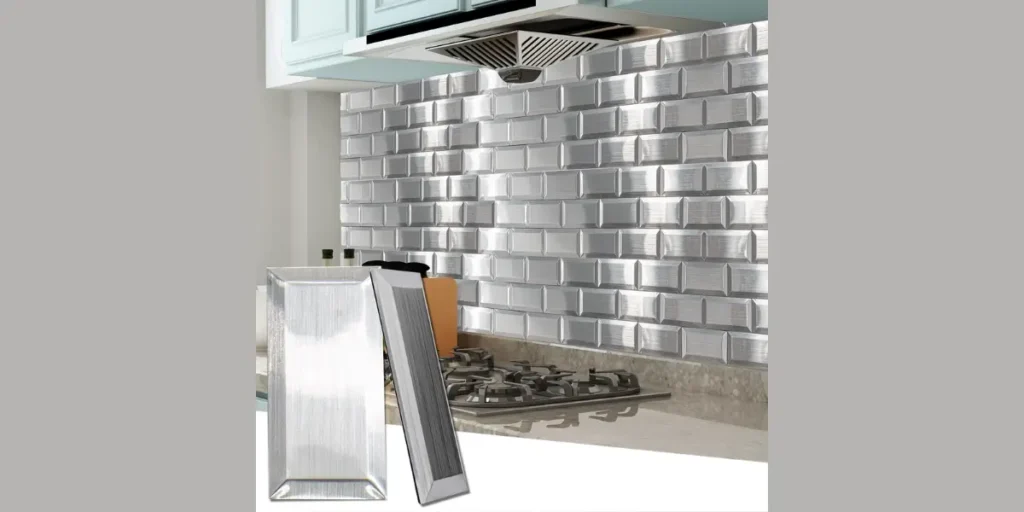
Textured or 3D tiles add dimension without relying on bold colors. I’ve noticed they work best in modern bathrooms where clean lines and subtle detail matter.
Light interacts beautifully with textured surfaces, creating soft shadows that change throughout the day.
I often place these tiles behind floating vanities to enhance visual interest naturally.
Despite their decorative look, textured tiles remain practical.
When installed correctly, they’re easy to clean and durable, making them a smart option for both design and function.
5. Natural Stone Backsplash
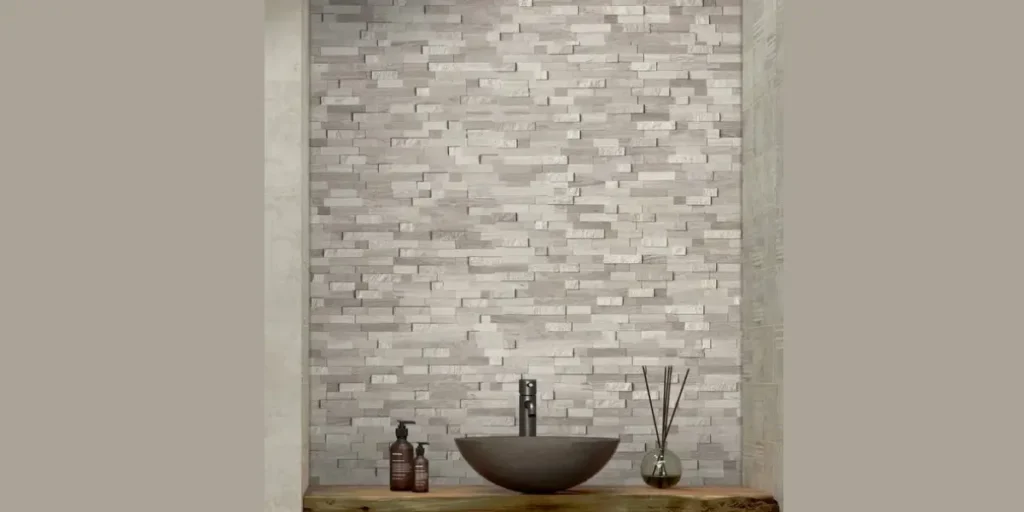
Natural stone backsplashes bring warmth and authenticity into bathroom design.
I’ve used materials like travertine and slate to soften modern spaces and add organic character.
Each stone surface feels unique, which helps avoid a manufactured look. I usually recommend sealing the stone properly to protect it from moisture and staining.
Stone backsplashes age gracefully. Instead of looking worn, they develop depth over time, making them ideal for homeowners who value long-lasting, natural design elements.
6. Patterned Tile Backsplash
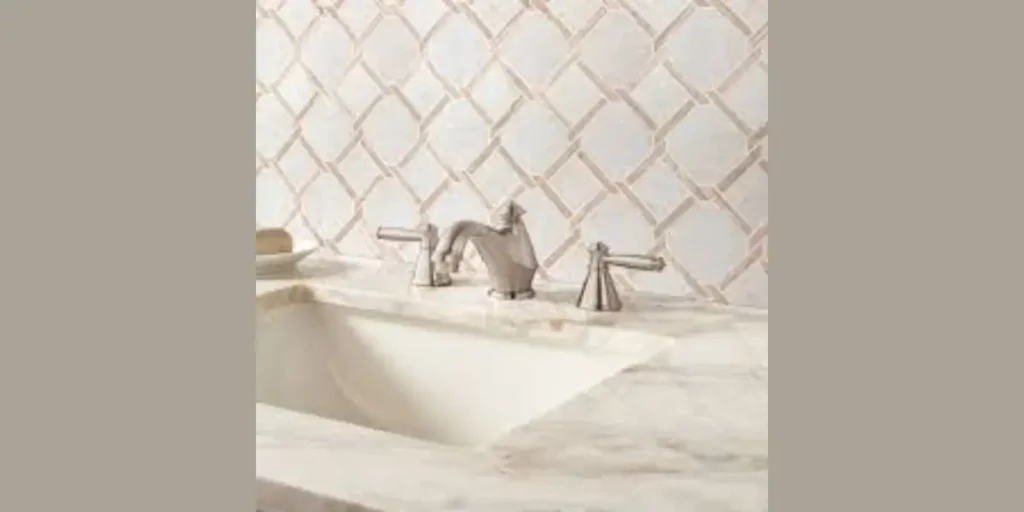
Patterned tile backsplashes create a strong focal point when used thoughtfully.
I like recommending them for vanity areas that need personality without redesigning the entire bathroom.
Geometric and encaustic-style patterns work well when paired with neutral walls and simple fixtures. This contrast allows the backsplash to stand out without feeling busy.
I always suggest moderation with patterns. When used in the right proportion, patterned tiles add energy and uniqueness while keeping the bathroom visually balanced.
7. Glass Tile Backsplash
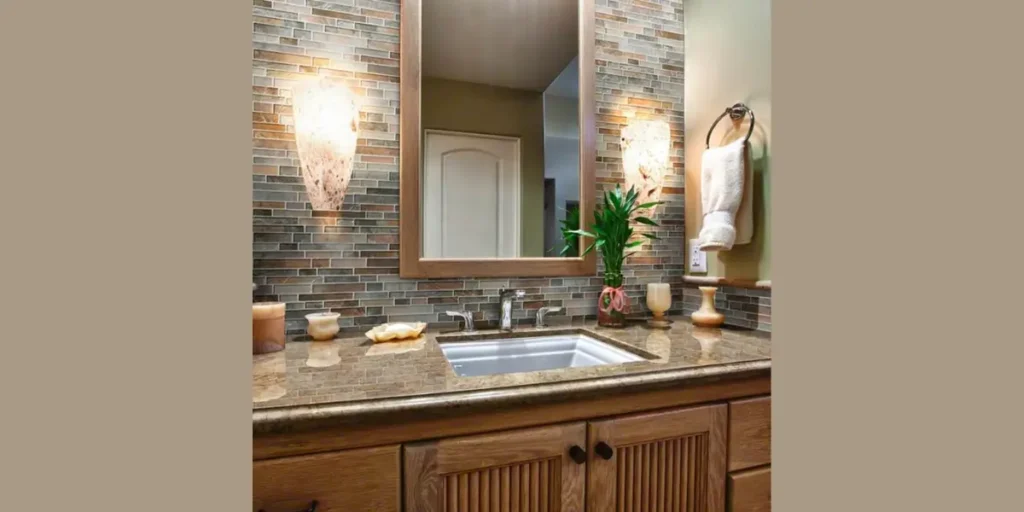
Glass tile backsplashes offer a sleek and modern finish that works well in contemporary bathrooms. I’ve seen them enhance light reflection and make smaller spaces feel brighter.
Their smooth surface resists moisture and stains, which makes maintenance straightforward.
I often recommend glass tiles for clients who prioritize easy cleaning and durability.
Design-wise, glass backsplashes pair well with minimalist fixtures.
They add shine and clarity without competing with other materials, keeping the bathroom clean and modern.
8. Wood-Effect Tile Backsplash
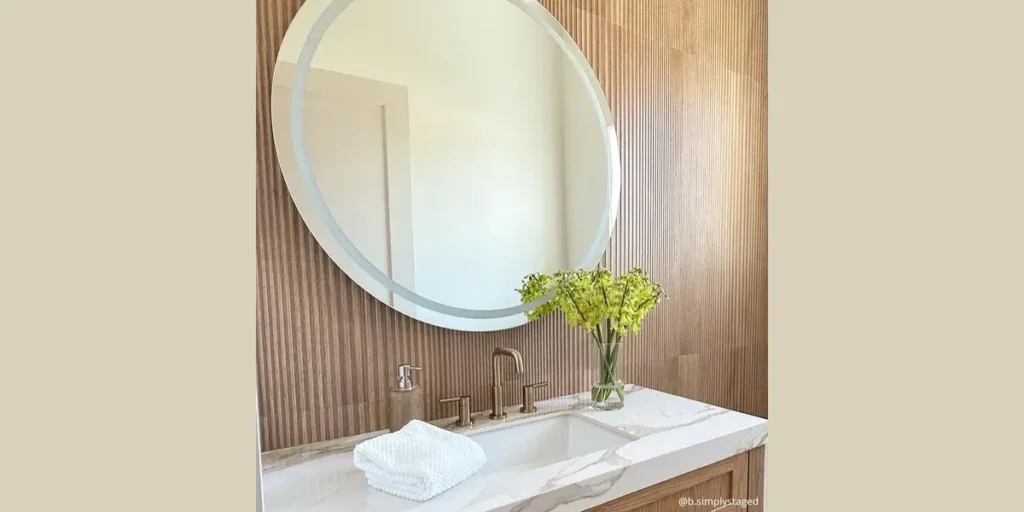
Wood-effect tile backsplashes bring warmth without the maintenance challenges of real wood. I’ve used them successfully in spa-inspired and modern bathrooms.
These tiles mimic natural grain while resisting moisture and warping. I usually pair them with neutral stone or matte fixtures to maintain balance.
This backsplash option works because it combines comfort with practicality.
It delivers the look of wood while maintaining durability, making it ideal for long-term bathroom use.
Conclusion
Bathroom backsplashes may seem like a small detail, but I’ve seen how they can completely change the character of a space.
When chosen thoughtfully, a backsplash does more than protect the wall, it brings balance, texture, and intention to the entire bathroom.
The most successful designs focus on durability, easy maintenance, and visual harmony rather than trends alone.
By selecting materials and patterns that align with the overall layout, the backsplash becomes a subtle design anchor.
A well-executed backsplash doesn’t demand attention, yet it quietly elevates the bathroom and enhances everyday use.
FAQs
The best material depends on your design goals and maintenance preferences. I often recommend ceramic, porcelain, or glass for durability and easy cleaning. Natural stone works well too when properly sealed and maintained.
Backsplash height varies based on design and function. I usually suggest at least 4 to 6 inches above the vanity, but extending it to the mirror or ceiling can create a more dramatic, cohesive look.
Yes, patterned backsplashes can work in small bathrooms when used in moderation. I recommend limiting patterns to the vanity area and keeping surrounding surfaces simple to avoid visual clutter.
Stone and marble backsplashes require sealing and gentle cleaning. I advise using non-abrasive cleaners and resealing periodically to protect against moisture and staining.