
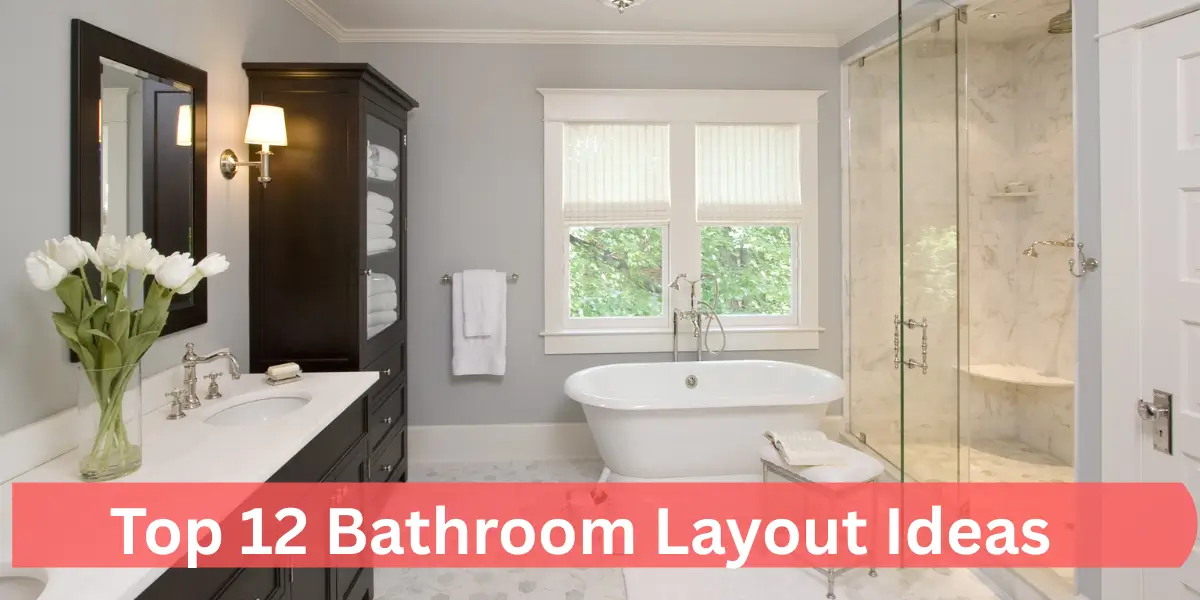

Bathroom layout ideas shape how a space functions long before finishes or fixtures come into play.
I’ve seen well-designed layouts turn even small bathrooms into comfortable, efficient spaces, while poor planning can make large bathrooms feel awkward.
A smart layout improves movement, privacy, and daily usability without requiring extra square footage.
In this article, I’ll break down practical layout ideas that work in real homes, not just in floor plans.
Each layout is based on how people actually use their bathrooms, helping you understand which designs support comfort, flow, and long-term flexibility rather than short-lived trends.
1. Single-Wall Bathroom Layout
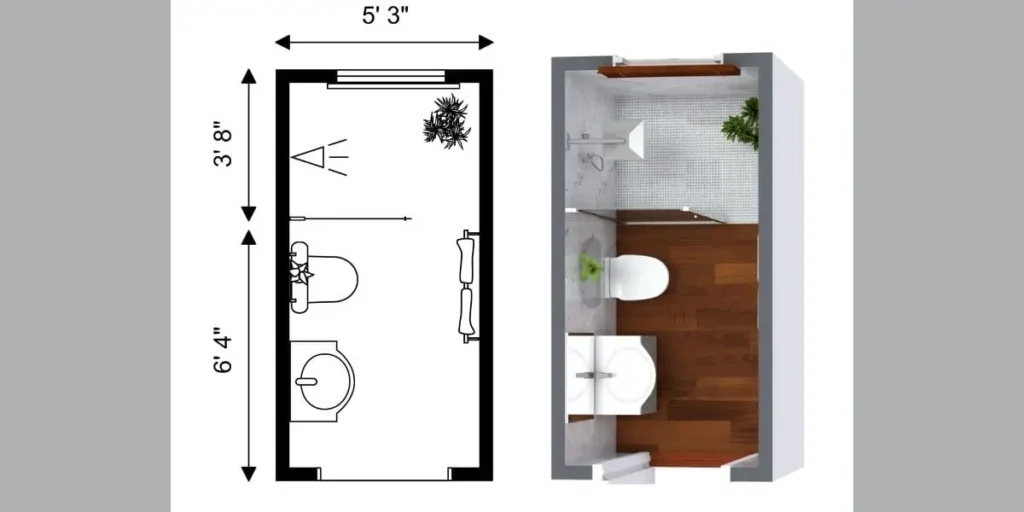
Single-wall bathroom layouts work best when space is limited and efficiency matters.
I often recommend this layout for apartments or small homes where every inch counts. All fixtures line up along one wall, which keeps the room visually simple.
This layout reduces plumbing complexity and installation costs. I’ve seen it perform especially well in narrow bathrooms where spreading fixtures across multiple walls would restrict movement and create clutter.
When planned correctly, a single-wall layout feels organized rather than cramped.
Proper spacing and smart fixture selection ensure comfort without wasting valuable square footage.
2. Galley-Style Bathroom Layout
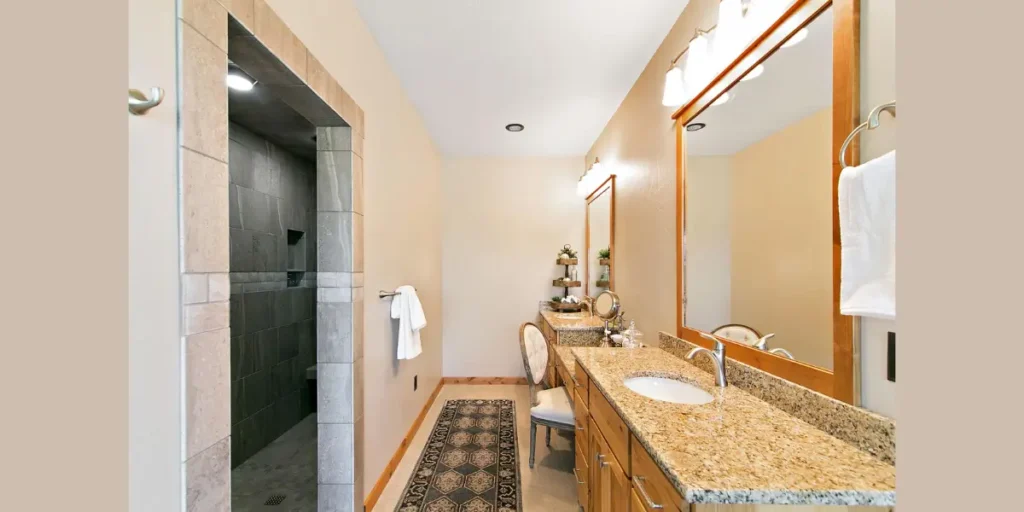
Galley-style layouts suit long, narrow bathrooms where balance is essential.
I usually place fixtures on opposite walls to create symmetry and improve movement through the space.
This layout allows clear pathways while keeping all functions easily accessible. I’ve found it especially effective in older homes where bathroom dimensions feel restrictive.
Lighting plays a key role here. With proper illumination and light-colored finishes, a galley bathroom feels open, functional, and surprisingly comfortable despite its narrow footprint.
3. Three-Quarter Bathroom Layout
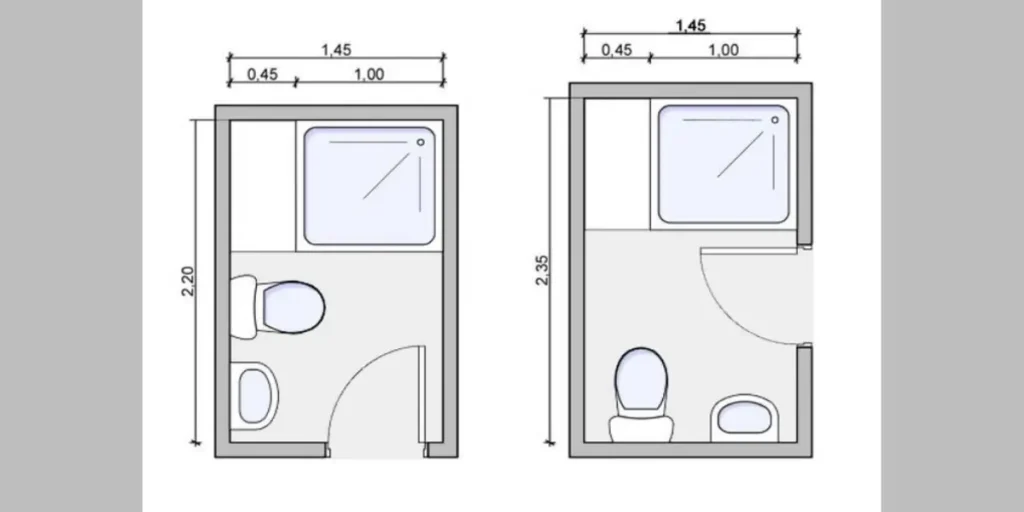
Three-quarter bathroom layouts include a sink, toilet, and shower but exclude a bathtub. I often suggest this design for guest bathrooms or secondary spaces.
Removing the bathtub frees up space and improves flow.
I’ve seen this layout make small bathrooms feel far more usable without sacrificing comfort.
This design focuses on practicality. When paired with a walk-in shower, it offers a modern, efficient solution that fits everyday needs without unnecessary features.
4. Full Bathroom Layout
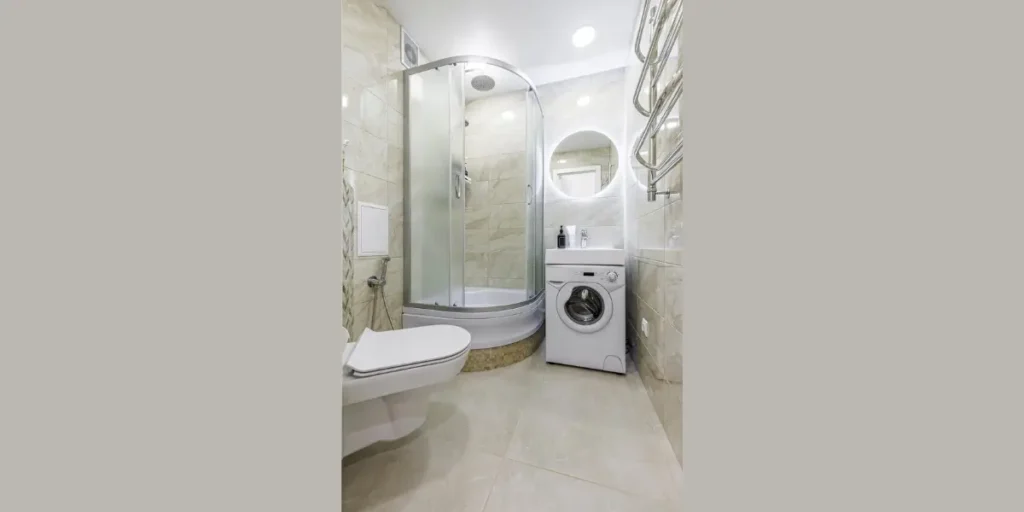
Full bathroom layouts include all essential fixtures: sink, toilet, bathtub, and shower.
I commonly see this layout used in family homes where versatility matters.
This layout supports different users and routines. I’ve noticed it works best when zones are clearly defined to prevent crowding during busy hours.
Proper planning ensures comfort. When spacing and proportions are right, a full bathroom layout feels functional rather than overloaded with fixtures.
5. Master Bathroom Layout
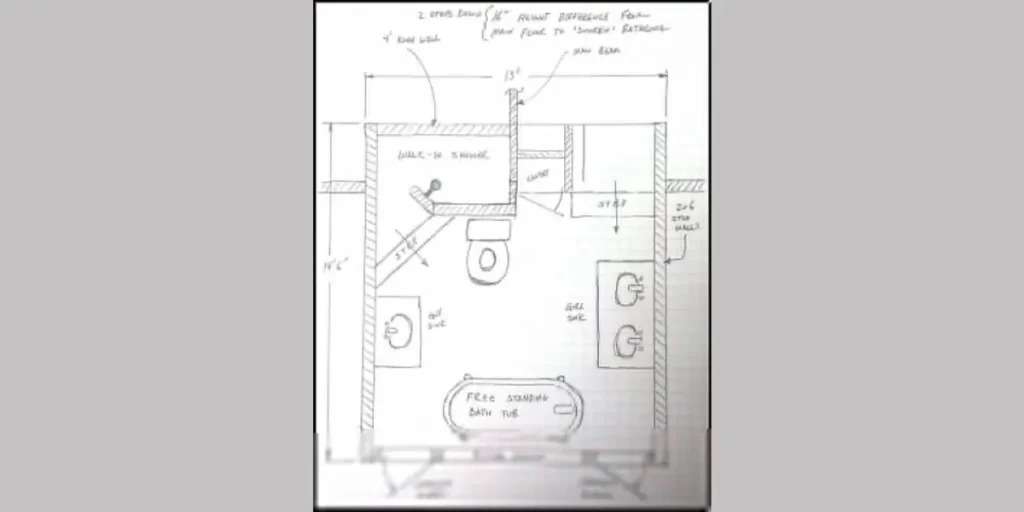
Master bathroom layouts prioritize comfort and personal space.
I design these layouts around how homeowners actually use the bathroom, not just aesthetics.
Separate zones for vanity, shower, and toilet improve privacy and flow. I’ve seen how this zoning transforms daily routines into smoother experiences.
This layout works best in larger bathrooms. When designed thoughtfully, it balances luxury and function without feeling excessive or inefficient.
6. Split Bathroom Layout
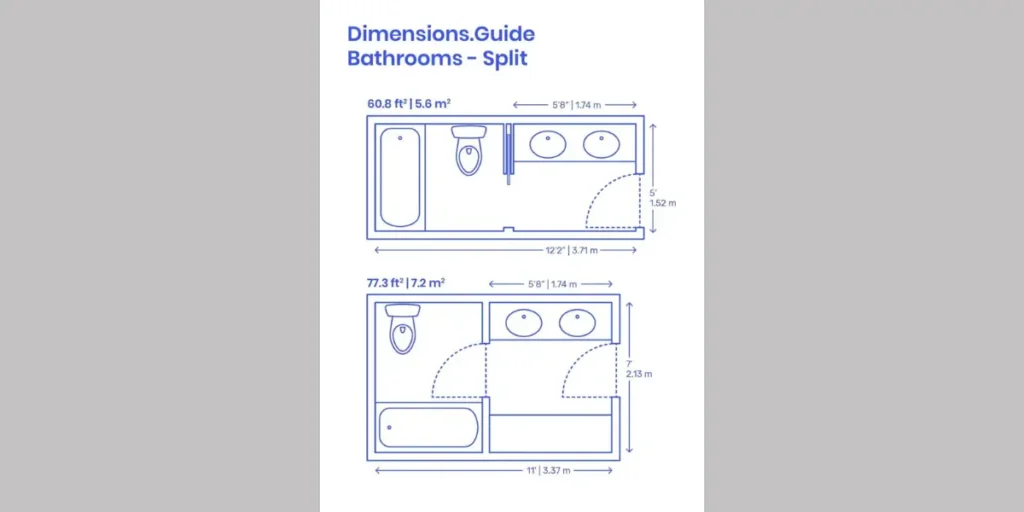
Split bathroom layouts separate the toilet from the bathing area. I often recommend this for shared bathrooms in busy households.
This separation allows multiple people to use the bathroom at once. I’ve seen how it reduces morning congestion significantly.
The layout improves hygiene and privacy.
With proper sound insulation and clear access points, split bathrooms feel practical and well-organized.
7. L-Shaped Bathroom Layout
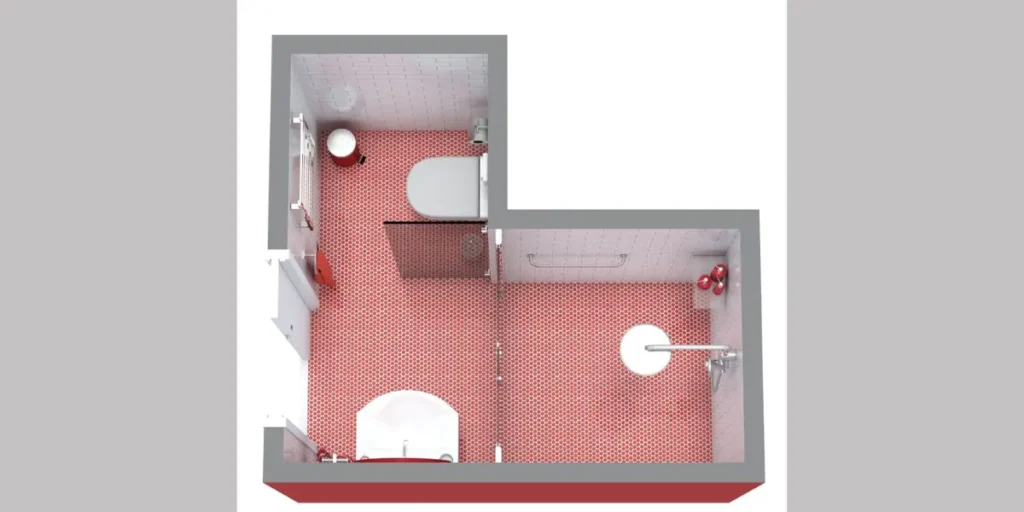
L-shaped layouts make excellent use of awkward corners. I’ve used this design when rectangular layouts simply didn’t work.
The shape naturally divides the space into zones. I’ve noticed it creates visual separation without adding walls.
This layout feels intuitive and balanced. When fixtures follow the room’s natural angles, the bathroom becomes easier to navigate and more comfortable overall.
8. Open-Concept Bathroom Layout
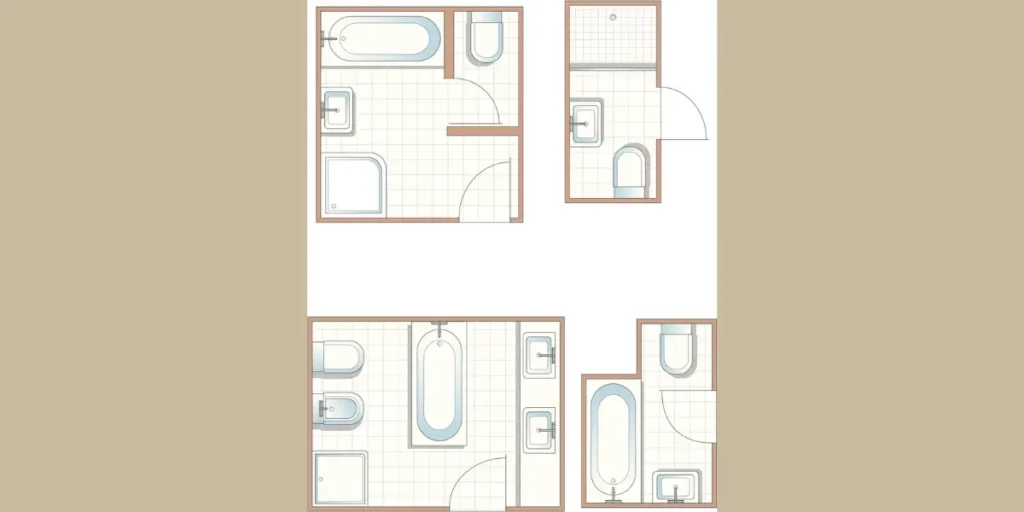
Open-concept bathroom layouts emphasize openness and luxury. I usually see this design in modern homes and master suites.
By removing unnecessary partitions, the space feels larger and brighter.
I’ve found that strategic glass panels help maintain privacy without closing off the room.
This layout demands careful planning. When executed properly, it delivers a hotel-like experience while remaining practical for daily use.
9. Wet Room Bathroom Layout
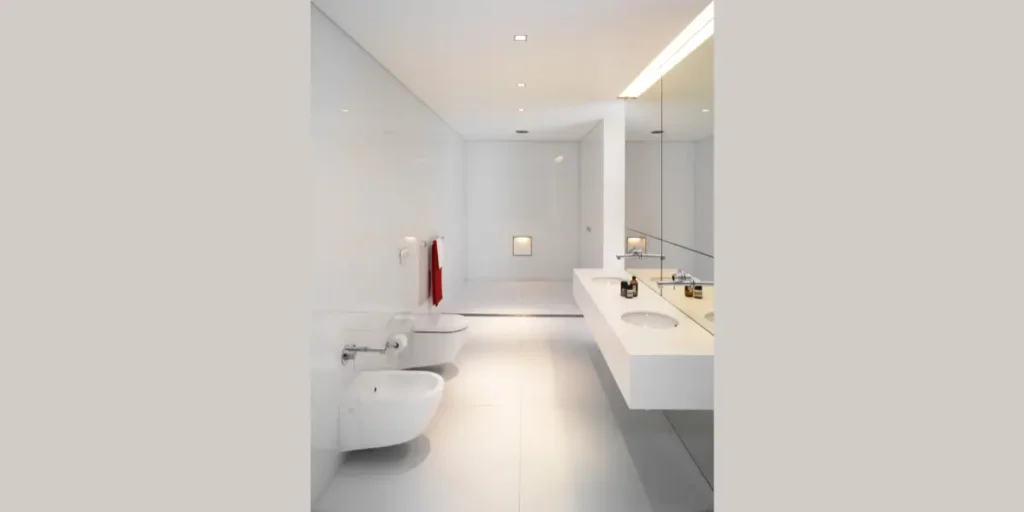
Wet room layouts feature a fully waterproofed space where the shower blends seamlessly into the floor. I recommend this layout for accessibility and modern design.
This approach eliminates barriers and improves movement.
I’ve seen it work especially well for aging-in-place or mobility-friendly homes.
Drainage and flooring are critical. When done correctly, wet rooms feel sleek, safe, and easy to maintain.
10. Corner Bathroom Layout
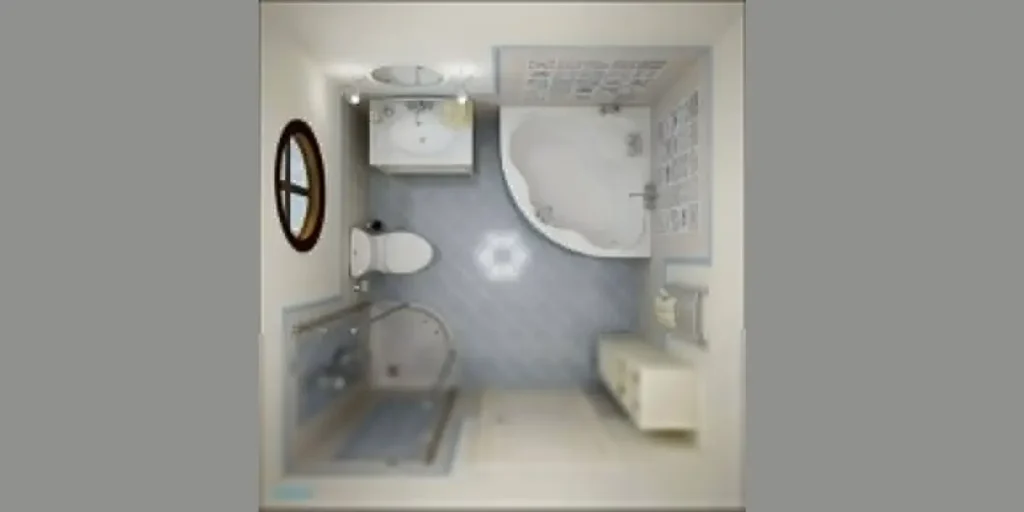
Corner bathroom layouts maximize tight spaces by placing fixtures strategically.
I often suggest this layout for powder rooms or compact guest bathrooms.
Using corners frees up central floor space. I’ve seen this improve comfort and movement dramatically in small layouts.
With the right fixtures, corner layouts feel intentional rather than forced. Smart planning makes even the smallest bathroom functional.
11. Jack and Jill Bathroom Layout
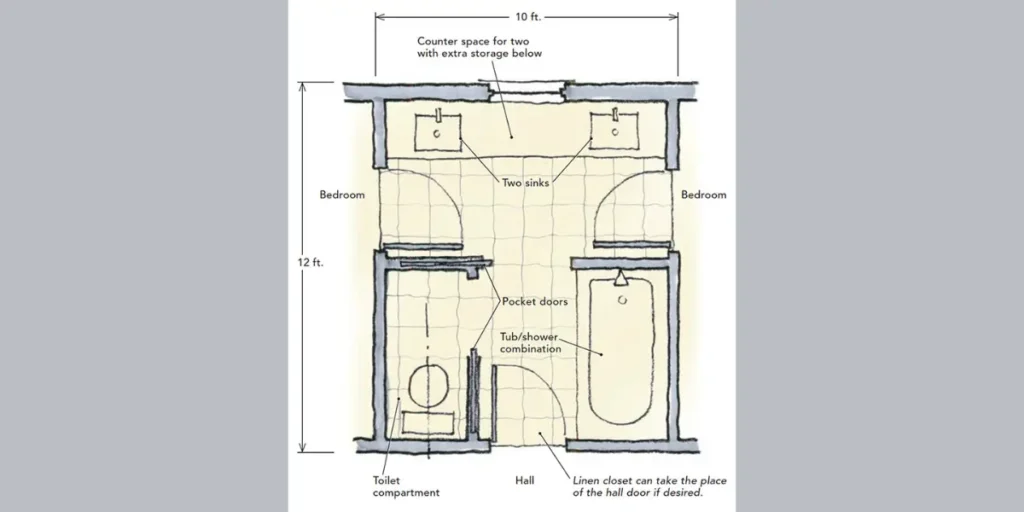
Jack and Jill bathrooms connect two bedrooms through a shared space. I’ve designed these layouts for families who value efficiency.
Separate access points and shared fixtures reduce redundancy. I’ve seen this layout work well when storage and privacy are carefully planned.
When designed thoughtfully, Jack and Jill bathrooms balance convenience and independence for multiple users.
12. Wheelchair-Accessible Bathroom Layout
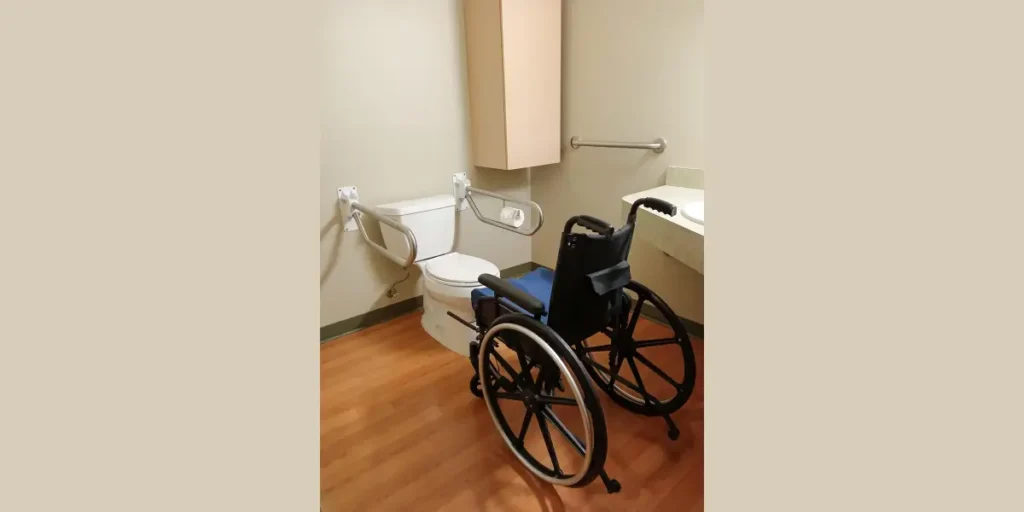
Accessible bathroom layouts focus on safety, comfort, and ease of movement. I always plan these layouts with long-term usability in mind.
Wider clearances, barrier-free showers, and reachable fixtures define this design. I’ve seen how these features improve independence.
This layout benefits everyone, not just mobility users.
When designed well, accessibility blends seamlessly into modern bathroom aesthetics.
How the Right Bathroom Layout Improves Daily Comfort
The right bathroom layout directly affects how comfortable the space feels during everyday use.
I’ve seen how proper spacing between fixtures improves movement and reduces frustration, especially during busy mornings.
When the layout supports natural flow, the bathroom becomes easier to use without feeling cramped.
Good layouts also improve privacy and functionality. Separating wet and dry zones helps keep the space cleaner and more organized.
I always focus on layouts that feel intuitive, so users don’t have to think about how to move within the space.
Over time, a well-planned layout reduces wear and makes maintenance simpler. Comfort isn’t about size alone, it’s about smart planning.
Conclusion
Bathroom layout planning is where good design truly begins. I’ve seen how the right layout can make daily routines smoother, improve privacy, and reduce long-term maintenance issues.
A well-thought-out layout doesn’t rely on size alone, it depends on how intelligently the space is organized.
When fixtures are placed with comfort, flow, and future needs in mind, the bathroom feels effortless to use.
Instead of forcing a design to fit, successful layouts work with the room’s natural shape.
Choosing the right layout ensures the bathroom remains functional, comfortable, and adaptable for years to come.
FAQs
Single-wall and corner bathroom layouts work best in small spaces. I often recommend these layouts because they keep fixtures compact and improve movement. With smart planning, even small bathrooms can feel functional and comfortable.
Choosing the right layout starts with understanding how the bathroom will be used. I usually assess space, number of users, and daily routines before deciding. A layout should support comfort rather than just fit fixtures.
Open layouts can work well when privacy is managed properly. I’ve seen them succeed in master bathrooms with glass partitions or separate toilet zones. Planning is key to keeping them functional long-term.
Yes, a functional layout can improve home value significantly. Buyers notice bathrooms that feel easy to use and well planned. I’ve seen smart layouts make homes more appealing during resale.