
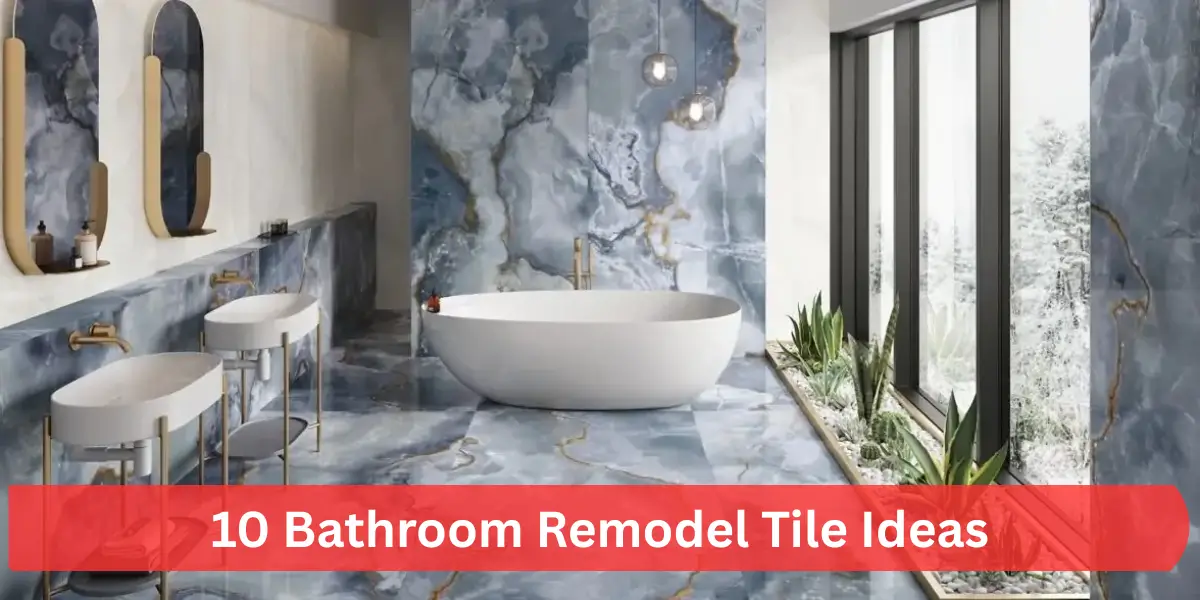

Tiles play a much bigger role in a bathroom remodel than most people expect, and I’ve seen how the right choice can completely redefine the space.
From durability to visual impact, tiles influence how a bathroom feels, functions, and ages over time.
When I plan a remodel, I never treat tiles as a background element, they shape the entire design direction.
Today’s tile options offer flexibility in size, texture, and color, making it easier to create bathrooms that feel modern yet practical.
By exploring smart bathroom remodel tile ideas, homeowners can achieve a balance between style, maintenance, and long-term value without overcomplicating the design.
1. Large-Format Porcelain Tiles
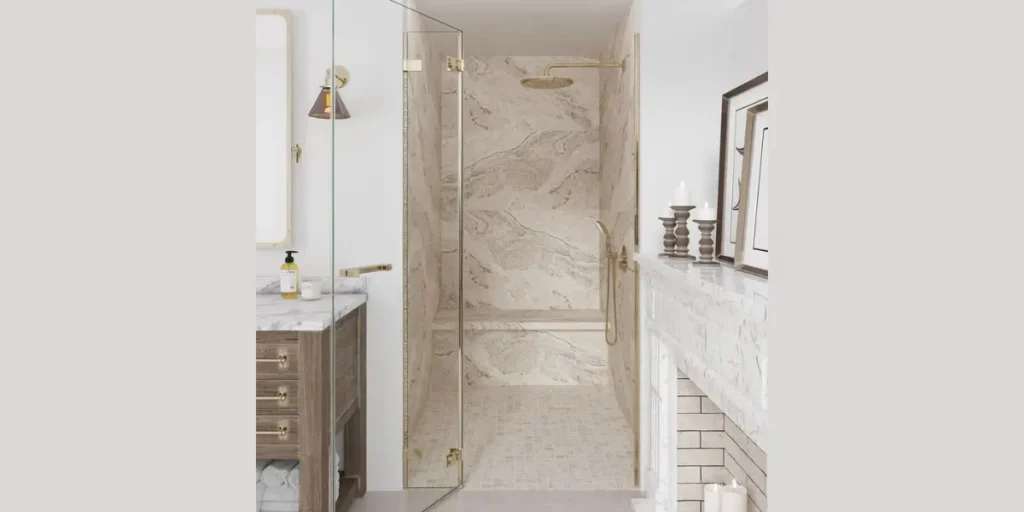
When I remodel a bathroom, large-format porcelain tiles often become my first choice.
These tiles reduce grout lines, which instantly creates a cleaner and more modern appearance.
I like how they visually expand the space and make walls and floors feel more continuous.
I usually recommend large tiles for shower walls and bathroom floors because they reflect light well. Neutral shades or stone-inspired finishes work best for long-term appeal.
From a maintenance perspective, fewer grout lines mean easier cleaning. This tile option combines durability, style, and practicality, making it ideal for modern bathroom remodels.
2. Marble-Effect Tiles for a Luxury Look
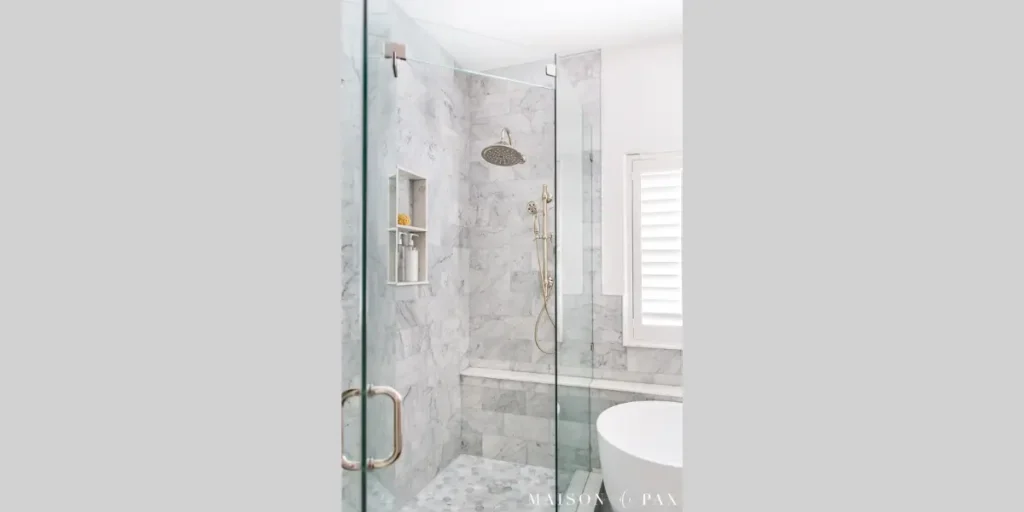
Marble-effect tiles allow me to achieve a high-end look without the maintenance issues of natural marble.
These tiles mimic real stone beautifully while offering better durability and moisture resistance.
I often use marble-look porcelain tiles in showers or feature walls to create a refined atmosphere.
Soft veining patterns keep the design elegant rather than overpowering.
This option works well for homeowners who want luxury without constant upkeep.
Marble-effect tiles maintain their appearance over time, making them a smart and stylish remodeling choice.
3. Subway Tiles with Modern Layouts
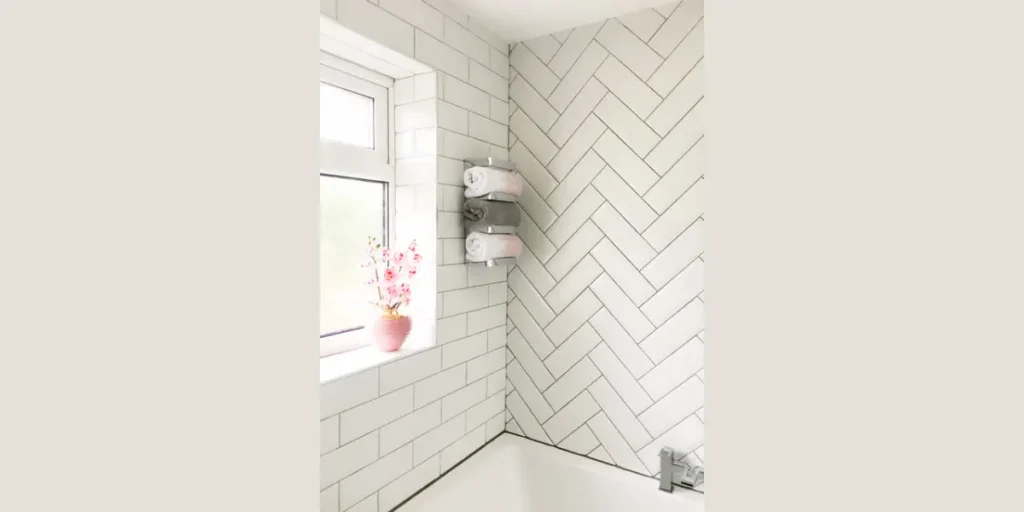
Subway tiles remain popular, but I always update them with modern layouts. Vertical stacking or herringbone patterns instantly refresh this classic tile style.
I like using subway tiles in showers or around vanities because they offer flexibility.
Changing orientation and grout color allows me to customize the look without changing the tile itself.
This approach works well for both traditional and modern bathrooms.
Subway tiles provide a timeless base while layout choices keep the design current and visually interesting.
4. Statement Pattern Tiles
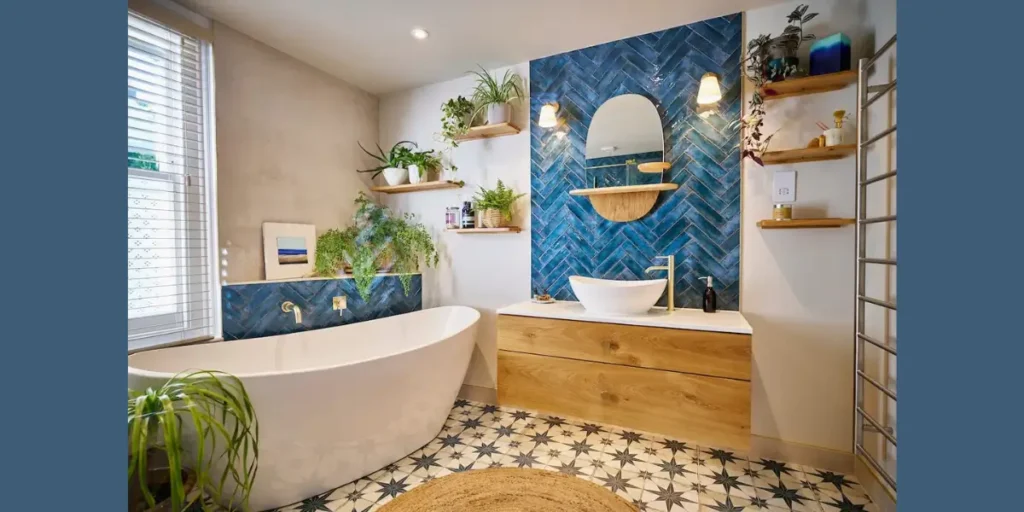
Statement pattern tiles help me add personality to a bathroom without redesigning the entire space.
I usually place them on a shower wall or behind the vanity to create a strong focal point.
I balance bold patterns with neutral tiles to keep the design cohesive. This contrast prevents the bathroom from feeling overwhelming.
Pattern tiles work best when used intentionally. They bring energy and uniqueness to a remodel while allowing the rest of the bathroom to remain calm and functional.
5. Terrazzo Bathroom Tiles
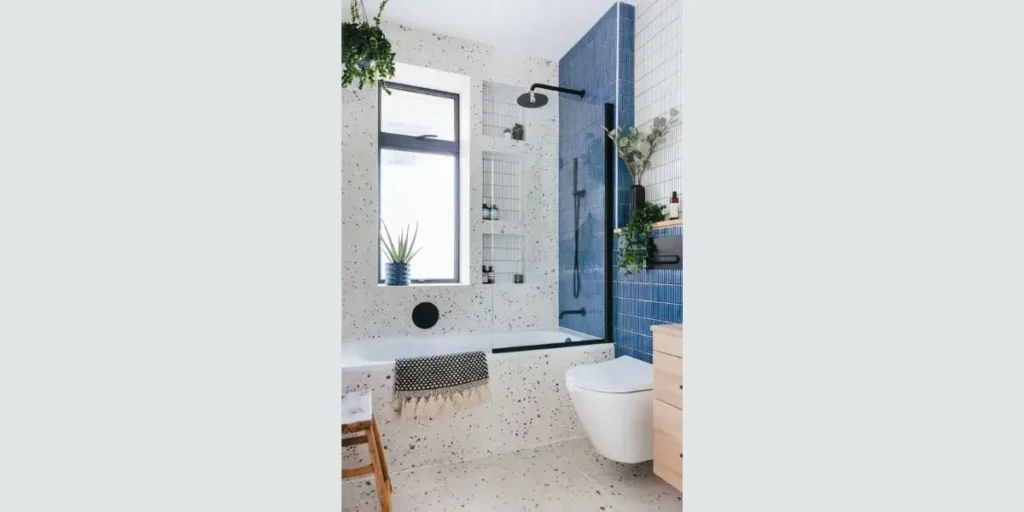
Terrazzo tiles have become a favorite choice in modern remodels because they blend playfulness with sophistication.
I appreciate how the mixed fragments add texture and visual depth.
I often use terrazzo on floors or feature walls, paired with simple fixtures to let the tile stand out naturally. Neutral terrazzo designs work best for long-term appeal.
These tiles offer excellent durability and moisture resistance.
Terrazzo brings a contemporary yet timeless feel that works beautifully in updated bathroom designs.
6. Textured Stone-Look Tiles
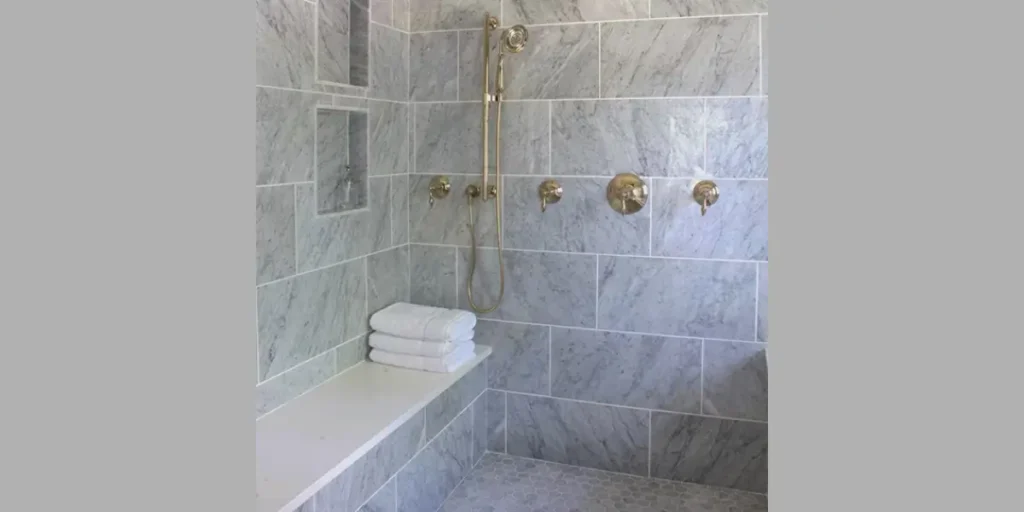
Textured stone-look tiles help me create a spa-like environment without using natural stone.
These tiles add depth and warmth while remaining easy to maintain.
I frequently use them in showers or accent walls to introduce an organic feel. Earthy tones and subtle textures enhance relaxation.
Stone-look tiles combine aesthetics with performance. They resist moisture and wear while delivering the natural look many homeowners desire in a bathroom remodel.
7. Vertical Wall Tiles for Height Illusion
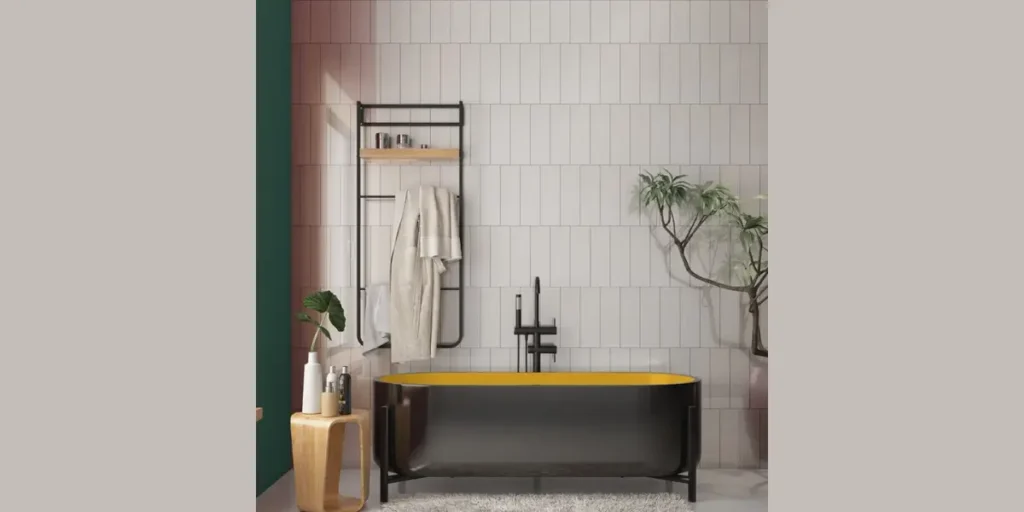
When a bathroom feels cramped, I often turn to vertical wall tiles. Installing tiles vertically draws the eye upward and makes ceilings appear taller.
I usually recommend this technique for small bathrooms or narrow shower spaces.
Light-colored vertical tiles work especially well for maximizing brightness.
This design choice improves visual balance without structural changes.
Vertical tile layouts offer a simple yet effective way to enhance space perception during a remodel.
8. Mosaic Tile Accents
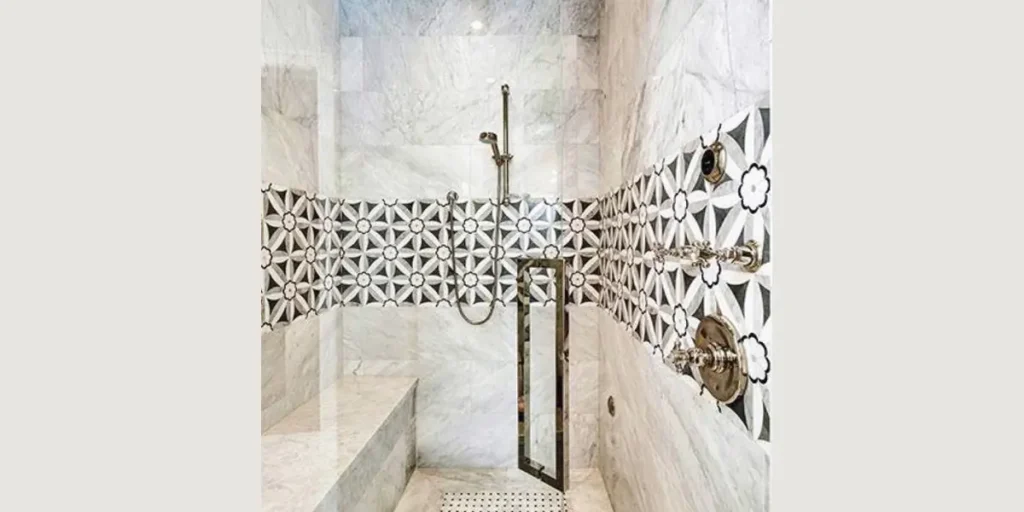
Mosaic tiles allow me to add detail without overwhelming the design. I often use them in shower niches, borders, or small accent areas.
I keep mosaic colors subtle so they complement larger tiles rather than compete with them. Texture plays a bigger role than bold color in most cases.
Mosaic accents add craftsmanship and depth. Used thoughtfully, they elevate the overall tile design while maintaining a clean and organized bathroom look.
9. Matte Finish Bathroom Tiles
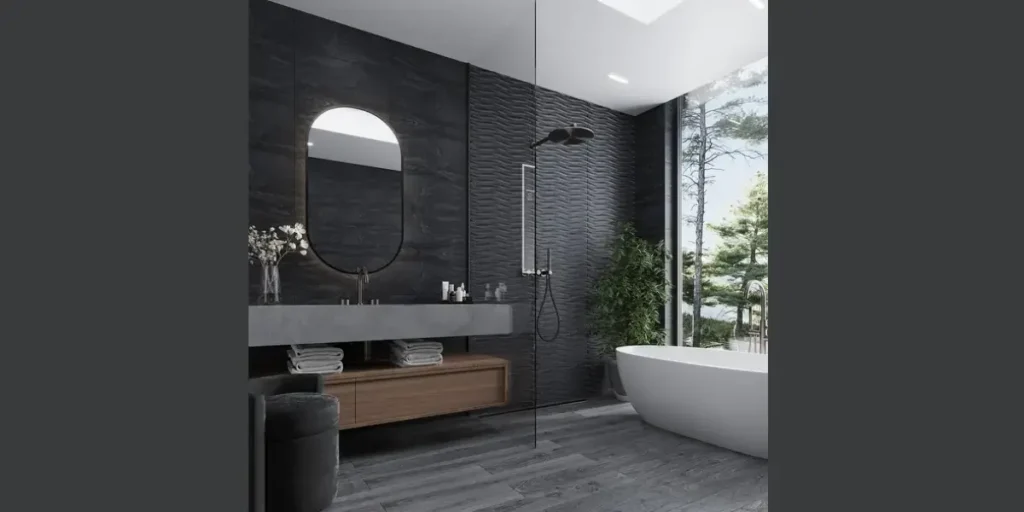
Matte tiles appeal to me because they offer a modern look with practical benefits.
Their non-glossy surface reduces glare and improves slip resistance.
I often choose matte tiles for floors and shower walls, especially in family bathrooms.
Soft neutral shades maintain a calm and contemporary feel.
Matte finishes hide water spots better than glossy tiles. This makes them ideal for homeowners who want style without constant cleaning or maintenance.
10. Warm Neutral Tile Color Palettes
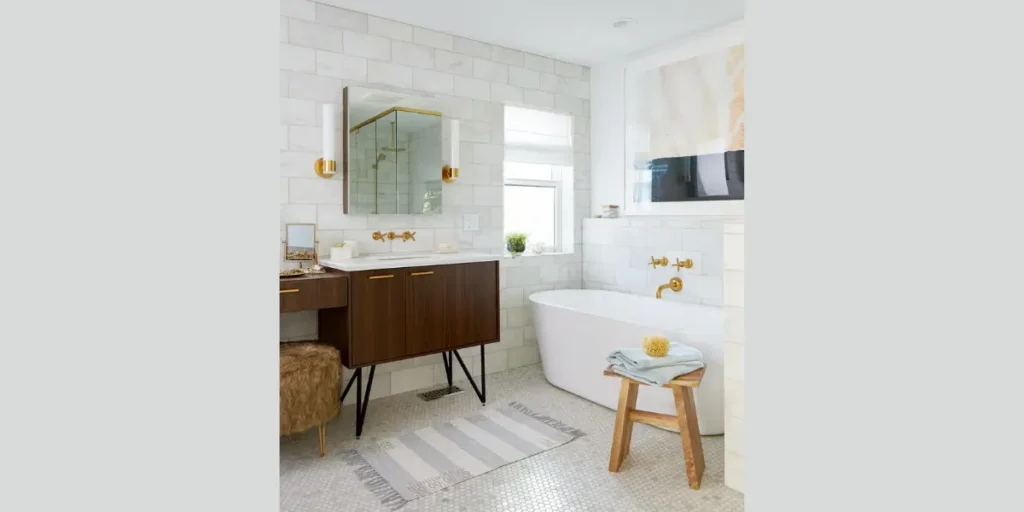
Warm neutral tiles have replaced stark whites in many recent remodels I’ve worked on.
Shades like beige, taupe, and soft gray create a welcoming atmosphere.
I like pairing warm neutrals with natural textures and minimal fixtures.
This approach keeps the bathroom feeling cozy without sacrificing modern appeal.
These colors age well and adapt easily to future updates. Warm neutral tile palettes provide flexibility, comfort, and timeless style in bathroom remodels.
How Tile Selection Impacts Bathroom Durability and Safety
When I choose tiles for a bathroom remodel, I always think beyond appearance. Tiles must handle moisture, temperature changes, and daily foot traffic without losing performance.
Slip resistance, surface texture, and proper installation all play a role in long-term safety.
A visually appealing tile means very little if it becomes slippery or difficult to maintain.
Selecting the right tile material ensures the bathroom remains both functional and safe for everyday use.
Design Mistakes to Avoid When Using Bathroom Tiles
I’ve seen many remodels fail due to overdesign rather than poor materials.
Mixing too many tile patterns, ignoring grout color, or choosing tiles without considering room size often disrupts balance.
Tiles should enhance the layout, not overpower it. Thoughtful placement and restraint keep the bathroom visually calm and cohesive.
Avoiding common mistakes helps the remodel age well instead of feeling outdated too quickly.
FAQs
Porcelain and ceramic tiles perform best in wet zones because they resist water absorption. I prefer textured or matte finishes for added grip. Proper sealing and installation are equally important for long-term durability.
Yes, large tiles often make small bathrooms feel more spacious. I’ve found that fewer grout lines create a cleaner, uninterrupted look. Light-colored large tiles work especially well in compact spaces.
Porcelain tiles with matte or satin finishes require minimal upkeep. They hide water spots and stains better than glossy surfaces. I recommend them for busy households and shared bathrooms.
Neutral tones, stone-look tiles, and simple layouts tend to age well. I avoid overly bold patterns for large areas. Timeless tiles allow flexibility for future updates without full renovation.
Related Post
- Top 12 Small Bathroom Remodel Ideas
- 12 Popular Bathroom Remodeling Trends Ideas
- Top 10 Shower Remodel Ideas
- 6 Famous Door Handle Ideas
- 5 Modern Door Design Ideas
- Door Exterior Ideas
Conclusion
A successful bathroom tile remodel is built on thoughtful choices rather than trends alone. Through experience, I’ve learned that tiles define how a bathroom feels, performs, and lasts over time.
The right tile ideas create visual harmony while supporting safety, durability, and easy maintenance.
Whether the goal is to make a small bathroom feel larger or to add character through texture and pattern, intentional tile selection makes all the difference.
When design decisions are guided by real usage and long-term value, the result is a bathroom that feels well-crafted, balanced, and comfortable for years, not just visually appealing on day one.