
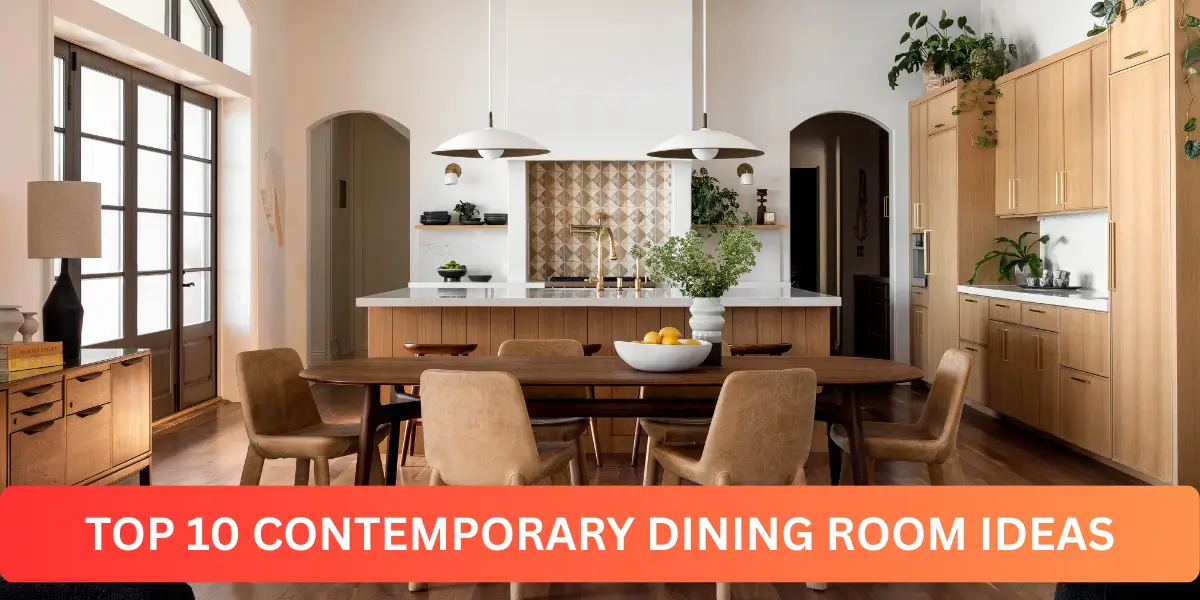

A well designed dining room should feel current yet comfortable. I often notice that many spaces look stylish but lack cohesion or warmth. The key lies in thoughtful planning, balanced materials, and intentional details.
When I approach a project, I focus on proportion, texture, and how the room supports everyday living.
In this guide, I will explore contemporary dining room ideas that blend clean lines with inviting elements, helping you create a space that feels polished, functional, and genuinely livable without appearing overly decorated.
What Defines a Contemporary Dining Room?
A contemporary dining room reflects current design sensibilities while maintaining long term appeal. I focus on clean lines, intentional layouts, and a restrained color palette when shaping this style.
Unlike purely modern interiors, contemporary spaces evolve with trends but avoid excessive ornamentation. Materials, lighting, and furniture must feel balanced and purposeful.
When I design such spaces, I prioritize openness, texture layering, and subtle contrast to ensure the room feels refined yet welcoming.
1. Minimalist Neutral Palette
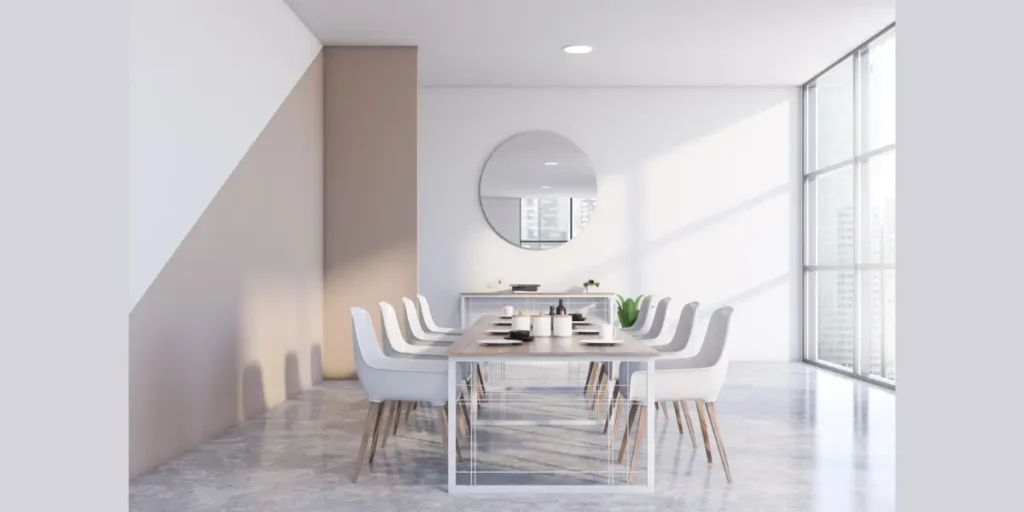
A minimalist neutral palette forms the foundation of most contemporary dining rooms. I often begin with warm whites, soft grays, or muted taupe tones to create a calm and adaptable backdrop. These shades allow architectural details and furniture silhouettes to stand out naturally.
Texture becomes essential when working with neutrals. I layer linen upholstery, natural wood grains, and matte finishes to prevent the space from feeling flat. This approach adds quiet depth without overwhelming the eye.
By keeping the palette restrained, you create flexibility for future updates. The room feels fresh, cohesive, and effortlessly current.
2. Statement Lighting as a Focal Point
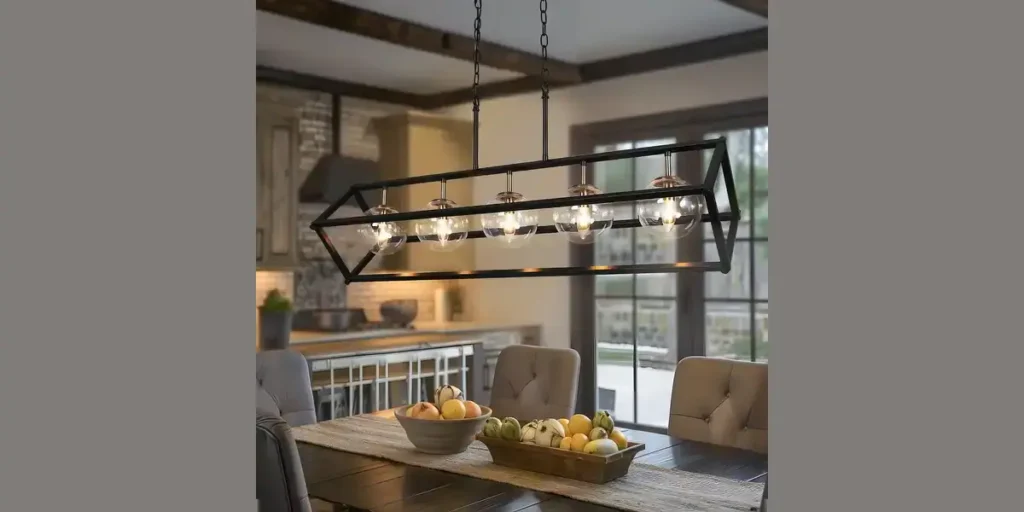
Lighting anchors the dining area and defines its character. I always treat the main fixture as a visual centerpiece rather than an afterthought. A sculptural chandelier or clean lined pendant instantly elevates the space.
Scale plays a crucial role. I measure the table and ceiling height carefully to ensure the fixture feels proportional and intentional. Proper placement enhances both aesthetics and functionality.
A strong lighting choice not only illuminates meals but also reinforces the contemporary identity of the room through form and finish.
3. Open Concept Dining Layout
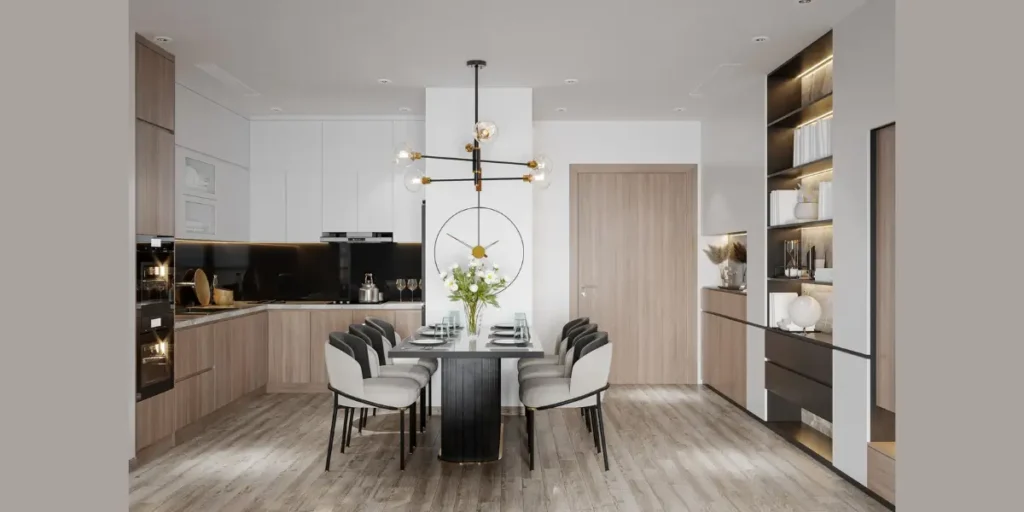
An open concept layout reflects the fluid lifestyle of contemporary homes. I often design dining areas that connect seamlessly with kitchens or living spaces. This approach encourages interaction and improves natural light flow.
To define the dining zone, I rely on area rugs, lighting placement, or subtle ceiling treatments. These elements create visual boundaries without erecting physical walls.
Open layouts make smaller homes feel larger and allow movement to feel effortless. When planned carefully, the dining space remains distinct yet integrated.
4. Mixed Material Dining Furniture
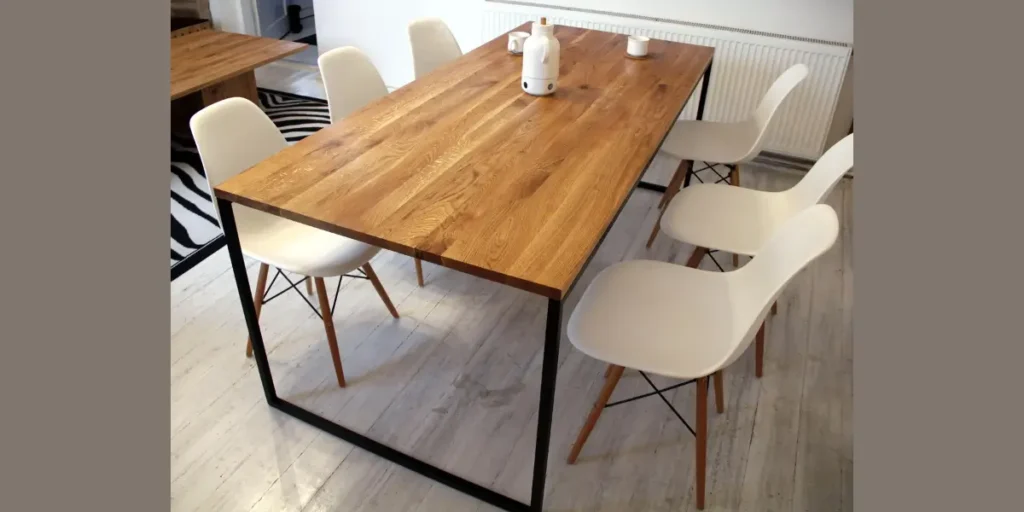
Combining materials adds depth and visual interest. I frequently pair solid wood tables with metal legs or introduce glass surfaces for a lighter aesthetic. This contrast strengthens contemporary appeal.
Upholstered chairs with sleek frames soften the environment while maintaining structure. I ensure finishes complement each other rather than compete.
Mixed materials create dynamic balance. The interplay of warmth and industrial edge gives the dining room personality without clutter.
5. Bold Accent Wall
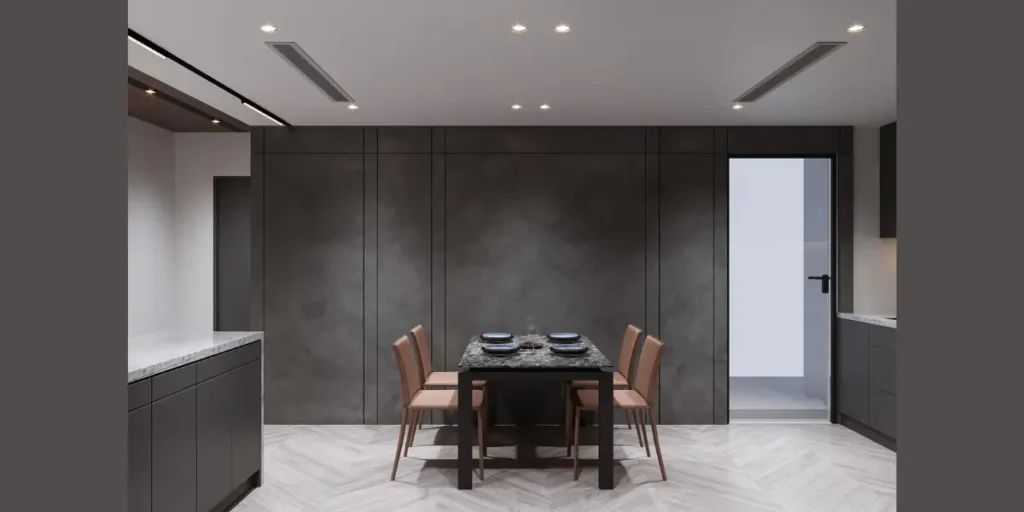
A bold accent wall introduces contrast in a controlled way. I often use deep charcoal, navy, or textured finishes behind the dining table to anchor the space. This technique adds drama without overwhelming the room.
Artwork or minimal shelving enhances the focal wall while maintaining simplicity. I avoid excessive decoration to preserve clarity.
When balanced with neutral furniture, an accent wall strengthens the contemporary identity and adds visual depth to the layout.
6. Floor to Ceiling Windows
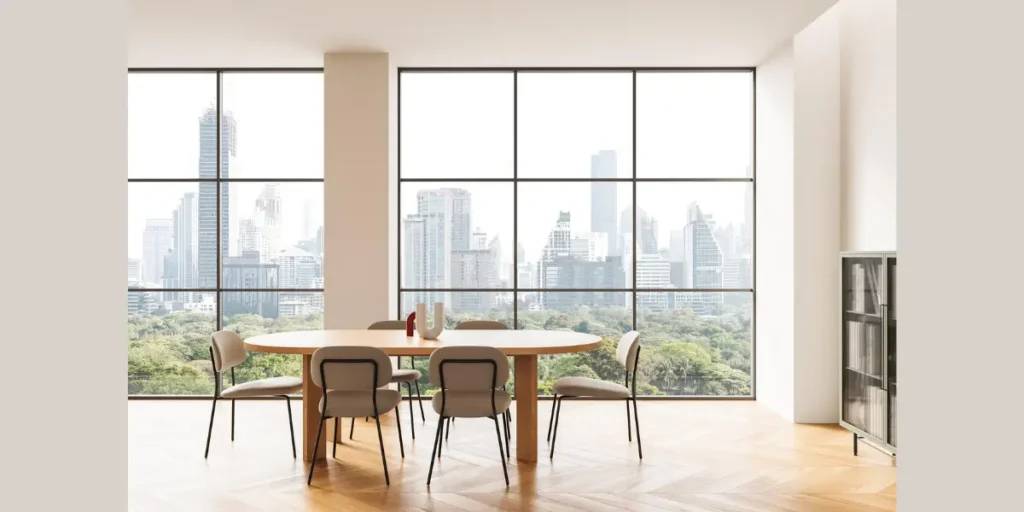
Large windows define many contemporary interiors. I prioritize natural light because it enhances materials and makes the dining area feel open and airy.
When possible, I keep window treatments minimal to maintain clean sightlines. Sheer panels or simple shades allow privacy without blocking brightness.
Natural light reduces reliance on artificial sources during the day. It also connects the dining space with the outdoors, reinforcing a modern architectural feel.
7. Sculptural Dining Chairs
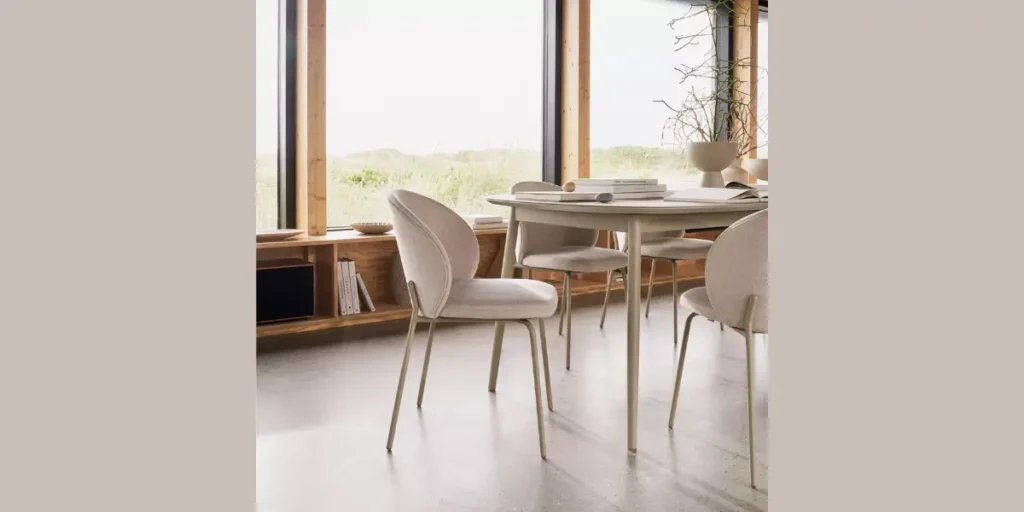
Dining chairs offer an opportunity to introduce artistic character. I often select curved silhouettes or distinctive upholstery to create subtle visual interest.
Even when the table remains simple, sculptural seating elevates the entire arrangement. I ensure proportions remain comfortable and practical for daily use.
These chairs function as design statements while maintaining usability. They bring personality into the room without disrupting its clean structure.
8. Integrated Storage Solutions
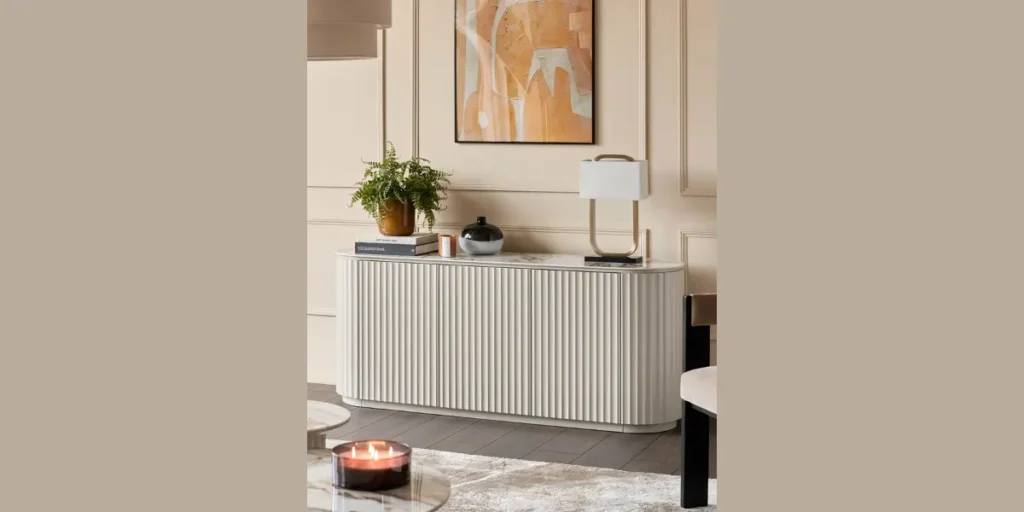
Storage must feel seamless in a contemporary setting. I prefer built in cabinetry or sleek sideboards with minimal hardware. This approach maintains clean lines and reduces visual clutter.
Hidden compartments and push to open mechanisms enhance functionality while preserving simplicity. I position storage strategically for accessibility without crowding the room.
Integrated storage keeps the dining area organized and polished. It supports daily routines while reinforcing a streamlined aesthetic.
9. Artistic Wall Decor
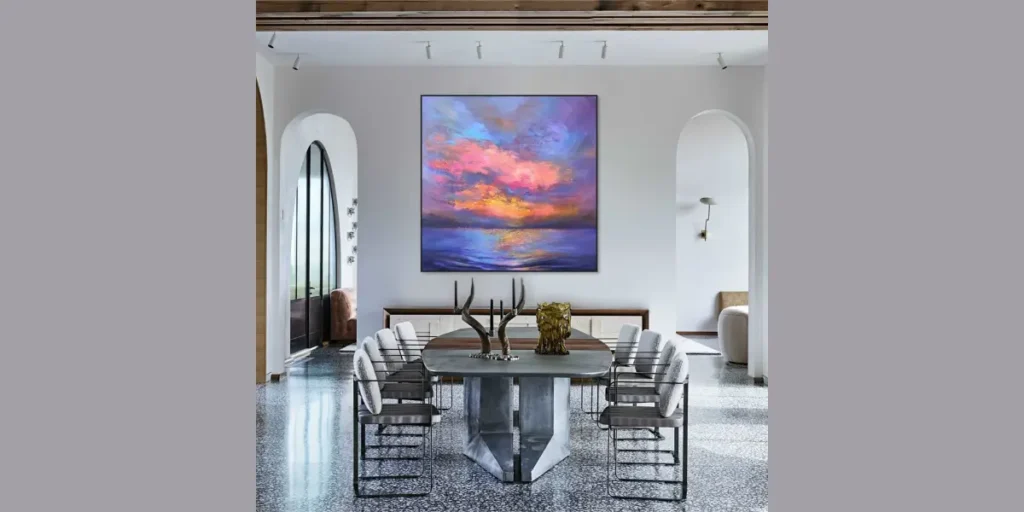
Large scale artwork enhances sophistication in a contemporary dining room. I select abstract pieces or textured panels that echo the room’s color palette.
Proper scale matters. I hang artwork at eye level and ensure it complements the table width. Balanced placement creates harmony.
Art introduces personality without excessive decoration. When curated thoughtfully, it transforms the dining wall into a refined focal feature.
10. Layered Lighting Approach
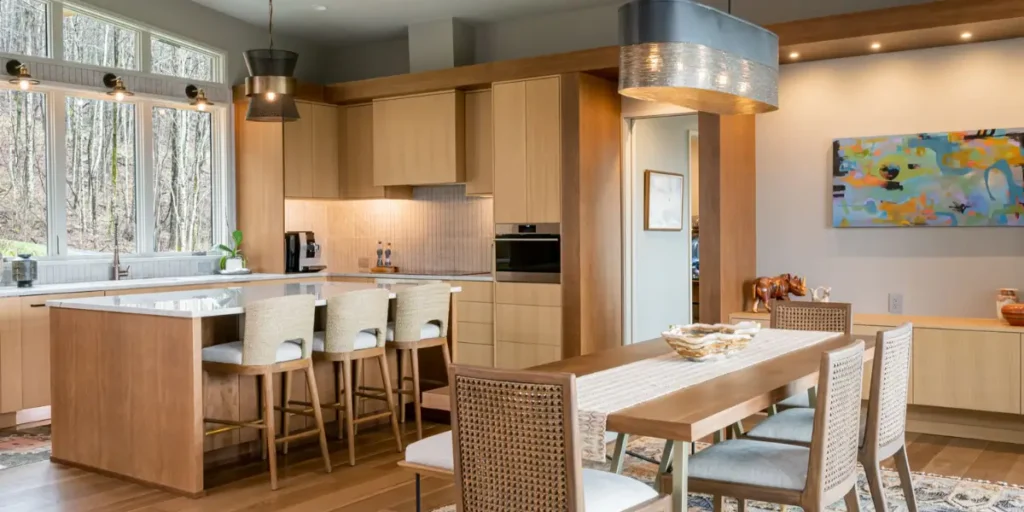
Layered lighting ensures both functionality and ambiance. I combine ambient ceiling lights, task lighting above the table, and subtle accent illumination.
This strategy prevents harsh shadows and allows flexibility for different occasions. Dimmers help adjust brightness effortlessly.
A layered approach enhances depth and comfort. It ensures the dining room feels inviting during everyday meals and elegant during gatherings.
Styling Principles for a Contemporary Dining Space
Creating a contemporary dining space requires restraint and intention. I always begin by establishing a balanced color palette that feels cohesive rather than trendy.
Neutral foundations allow furniture and lighting to stand out without visual competition. When tones complement one another, the room feels unified and calm.
Clean furniture silhouettes play a crucial role in defining the space. I prefer streamlined tables and chairs with subtle detailing instead of ornate carvings. Proportion matters greatly, and I ensure every piece fits comfortably within the layout to maintain openness and flow.
Material selection also shapes the final outcome. I combine wood for warmth, metal for structure, and glass for lightness. Thoughtful texture layering prevents the room from feeling sterile.
When these elements work together harmoniously, the dining area feels refined, practical, and visually balanced.
Conclusion
Designing a contemporary dining room requires more than following trends. I always approach the space with a focus on balance, proportion, and purposeful detail.
When materials, lighting, and layout work together, the room feels effortlessly refined rather than staged.
A neutral base, sculptural elements, and thoughtful storage solutions help create a setting that supports both everyday meals and meaningful gatherings.
Contemporary style thrives on clarity and restraint, yet it never feels cold when textures and lighting are layered correctly. With careful planning, you can create a dining space that remains current, functional, and visually compelling for years to come.
FAQs
A contemporary dining room reflects current design trends while maintaining simplicity and clean lines. It focuses on balanced proportions, subtle contrast, and functional layouts. The style avoids excessive ornamentation and emphasizes thoughtful material combinations.
Neutral tones such as warm white, gray, and beige create a strong foundation. You can introduce depth through darker accents or textured finishes. The key is maintaining cohesion and avoiding overly saturated color schemes.
Yes, it absolutely can. I achieve warmth by layering natural textures like wood, fabric upholstery, and soft lighting. Balanced lighting and comfortable seating ensure the space feels welcoming rather than rigid.
Select a table with clean lines and simple detailing. Consider the room size and allow sufficient space for movement around it. Materials like solid wood, glass, or metal blends work particularly well.
Open layouts enhance the contemporary feel, but they are not mandatory. Even in enclosed spaces, you can achieve this style through thoughtful lighting, minimal décor, and cohesive material choices.