
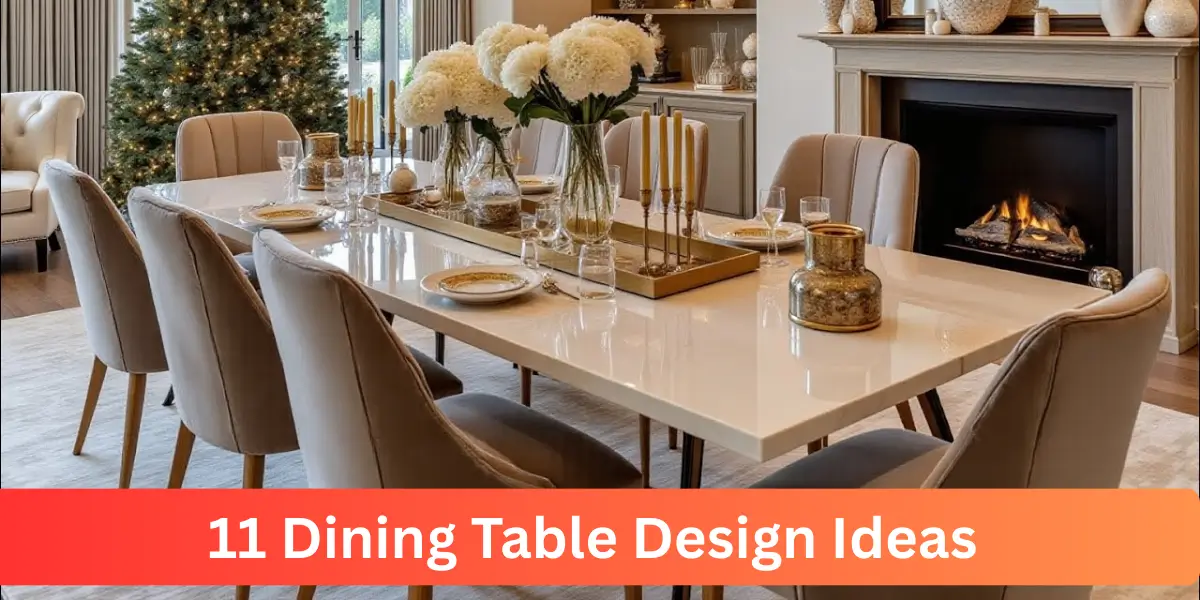

A dining table does far more than hold plates and cutlery. It defines how a room feels, how people gather, and how comfortably the space functions every day.
I have seen beautifully styled interiors fall short simply because the table lacked proportion or presence. When exploring dining table design ideas, I always begin with balance between size, material, and layout.
The right choice anchors the room naturally while reflecting your lifestyle. In this guide, I will share refined concepts that combine durability, visual appeal, and long term practicality.
What Defines a Well Designed Dining Table?
A well designed dining table balances proportion, material quality, and visual presence. I always evaluate how the table interacts with the room’s layout and lighting before making a recommendation.
Shape, base structure, and surface finish influence both functionality and aesthetics. When chosen thoughtfully, the table becomes the natural focal point of the dining area.
Below are eleven carefully considered dining table design ideas that combine durability with refined style.
1. Solid Wood Rectangular Table
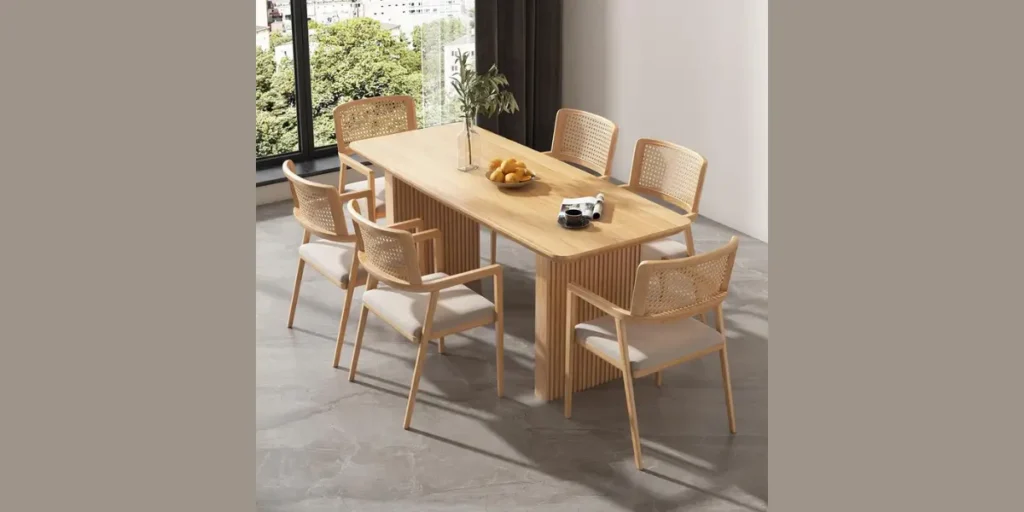
A solid wood rectangular table remains one of the most reliable design choices. I often recommend it because it offers durability and timeless appeal. The natural grain pattern introduces warmth and texture into the dining room.
Rectangular tables maximize seating capacity, making them ideal for larger families or frequent gatherings. I ensure the dimensions leave sufficient clearance around the table for comfortable movement.
This design works beautifully in modern, rustic, or transitional interiors. Its simplicity allows you to pair it with various chair styles while maintaining cohesive balance.
2. Round Pedestal Dining Table
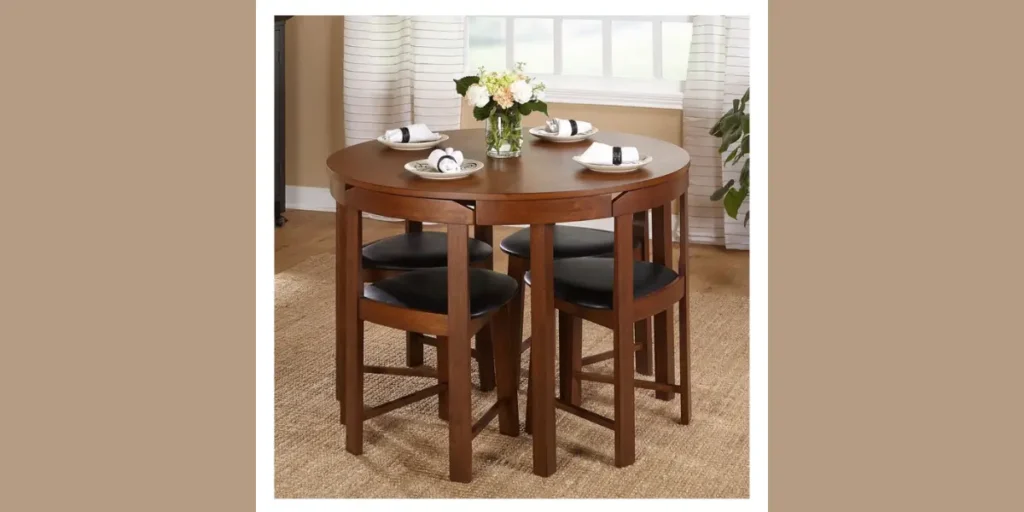
A round pedestal table enhances flow and intimacy. I prefer this option in smaller dining areas where space optimization matters. The central base eliminates corner legs and improves seating flexibility.
The circular shape encourages conversation by allowing everyone to face one another naturally. I carefully select a proportionate diameter to prevent overcrowding.
This design softens angular rooms and creates a welcoming atmosphere. It balances practicality with understated elegance.
3. Glass Top Dining Table
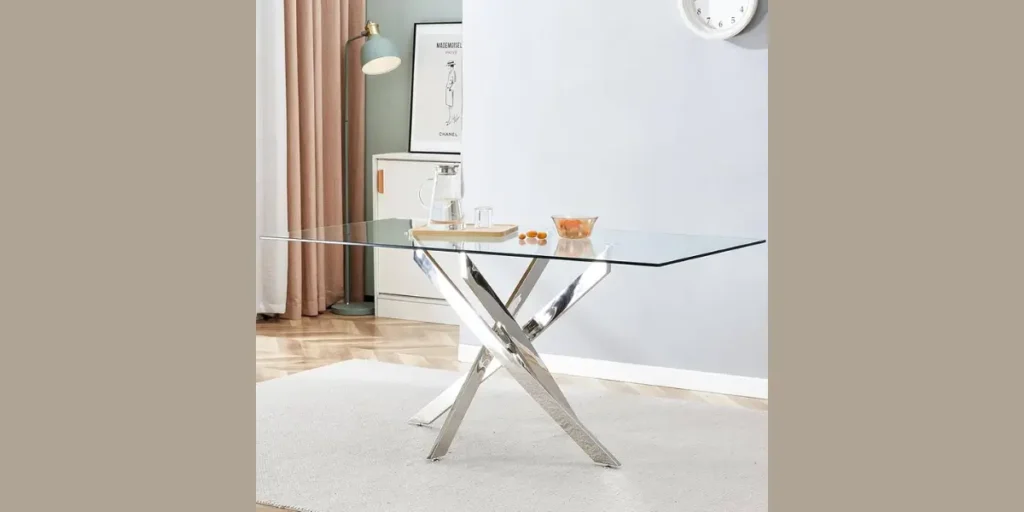
A glass top dining table creates visual lightness. I use it frequently in compact rooms because the transparent surface allows light to pass through, making the space feel larger.
Pairing glass with metal or wood bases adds structural contrast. I ensure the base design complements the surrounding décor.
This style suits contemporary interiors and minimal layouts. It feels refined and open while maintaining functionality.
4. Live Edge Wooden Table
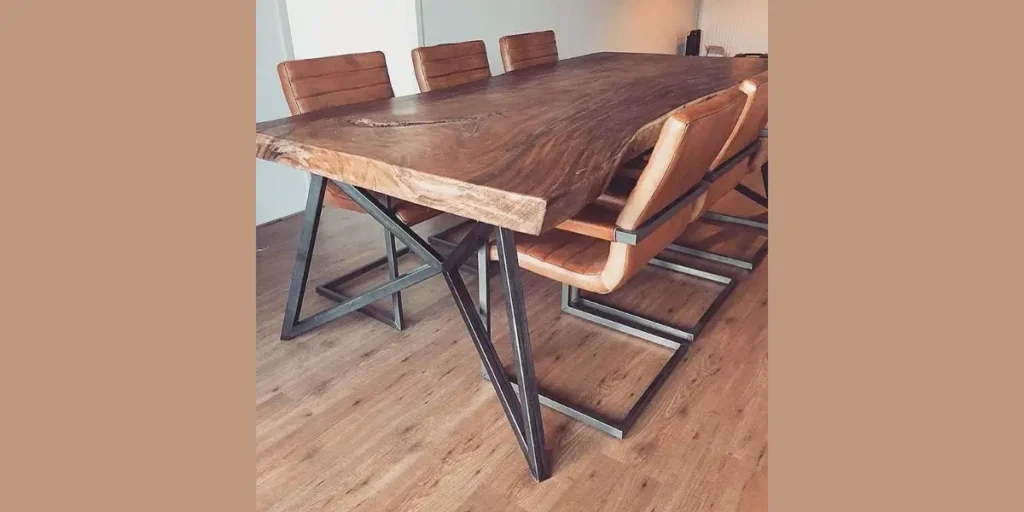
A live edge table celebrates natural form. I appreciate how the preserved wood contours introduce organic beauty into structured spaces.
Each piece feels unique because no two slabs share the same grain pattern. I typically pair it with simple chairs to keep the table as the statement.
This design blends rustic charm with modern sensibility. It becomes a sculptural focal point within the dining room.
5. Marble Top Dining Table
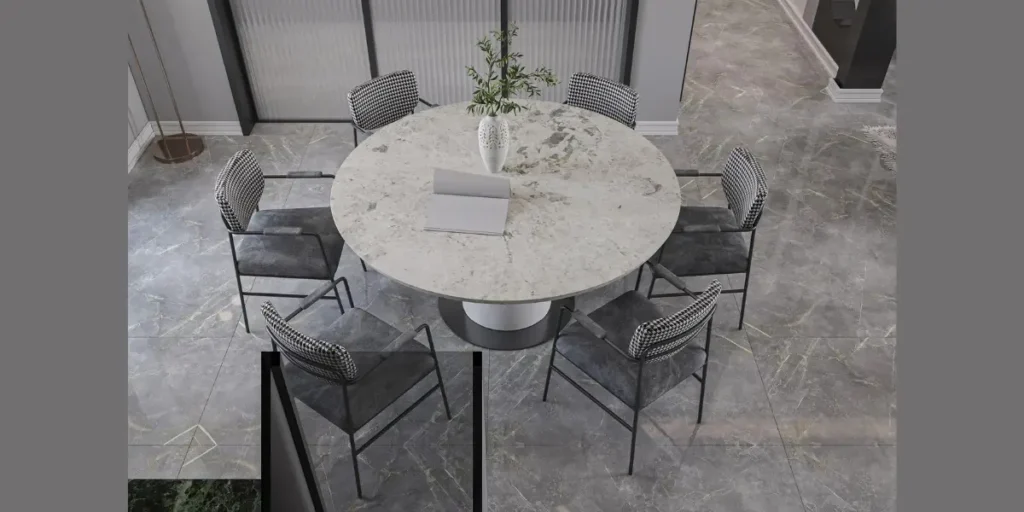
A marble top table adds refined sophistication. I often recommend it for interiors that lean toward luxury or contemporary elegance.
The natural veining provides subtle visual interest without overwhelming the design. I balance the cool surface with upholstered seating for comfort.
This table elevates the dining experience. It combines durability with timeless style when maintained properly.
6. Extendable Dining Table
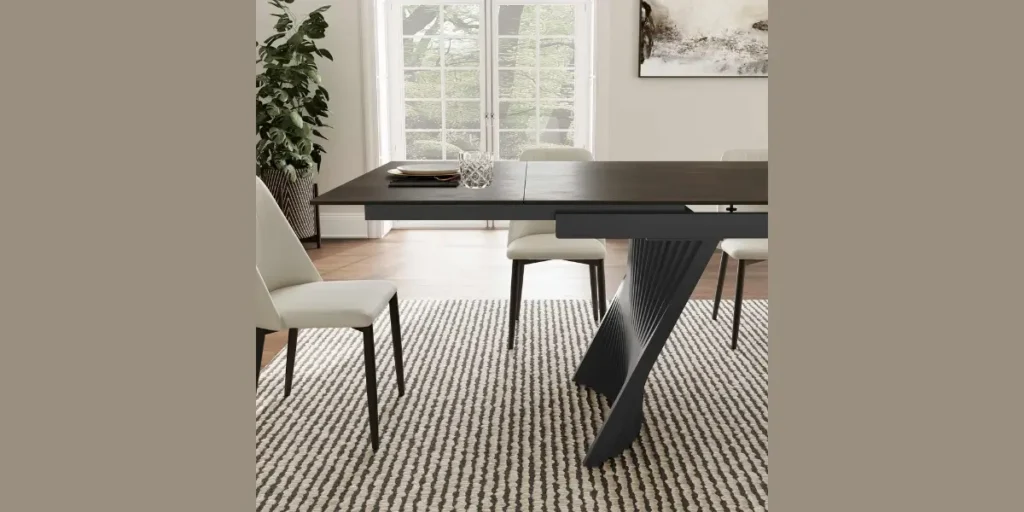
An extendable table offers adaptability. I find it especially practical for households that entertain occasionally but prefer a compact setup daily.
Extension leaves integrate seamlessly into the design, maintaining visual consistency. I always test the mechanism for smooth operation.
This solution blends flexibility with aesthetics. It ensures your dining area adapts effortlessly to changing needs.
7. Industrial Wood and Metal Table
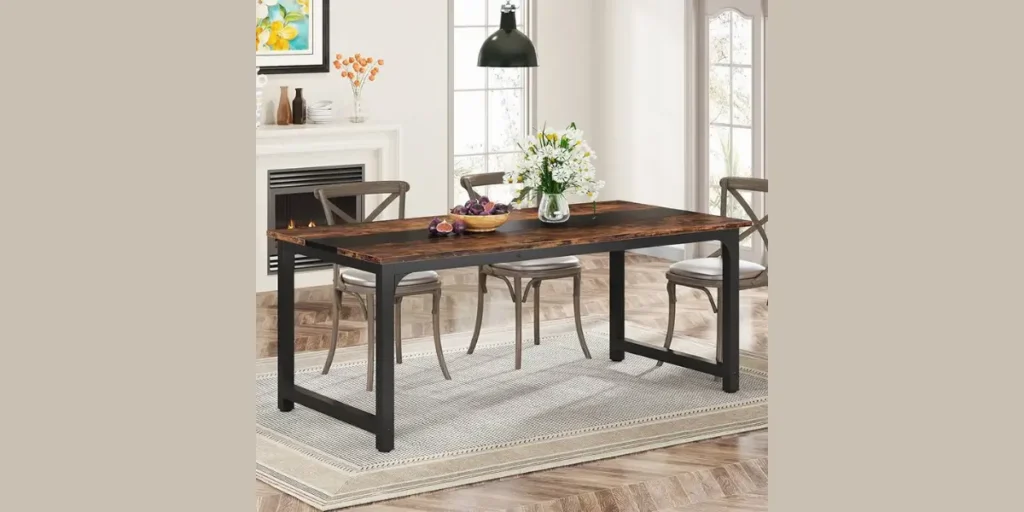
An industrial design combines solid wood tops with metal frames. I use this style to introduce contrast and structural clarity.
The metal base adds stability while highlighting the warmth of the wood surface. I balance the rugged look with softer textiles.
This table fits urban lofts and modern farmhouse interiors. It feels sturdy, bold, and visually dynamic.
8. Oval Dining Table
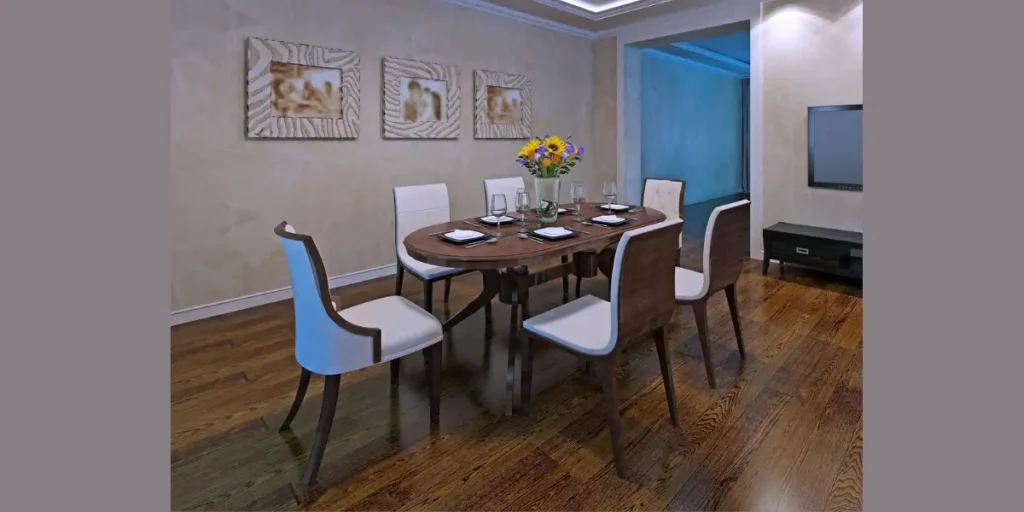
An oval table maintains seating capacity while improving circulation. I prefer this shape when a rectangular table feels too rigid for the room.
The curved edges soften the layout and create a more fluid movement path. I ensure proportional balance with the surrounding furniture.
This design feels elegant and adaptable. It merges practicality with graceful lines.
9. Minimalist Scandinavian Table
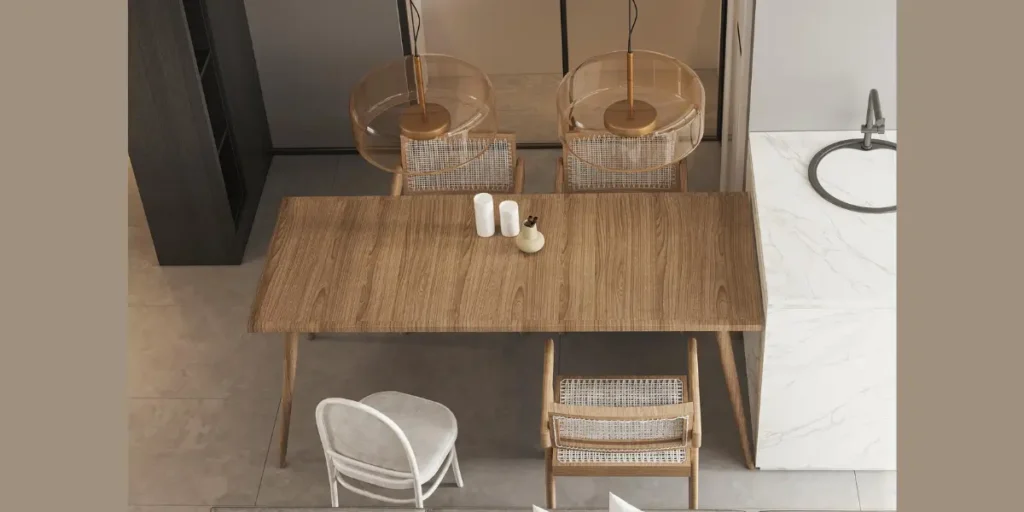
A Scandinavian inspired table emphasizes simplicity. I often choose light wood finishes and slim profiles to create an airy environment.
Clean lines and subtle detailing maintain visual clarity. I complement this design with neutral seating and natural textures.
This table design supports calm and balanced interiors. It prioritizes function while maintaining refined aesthetics.
10. Rustic Farmhouse Table
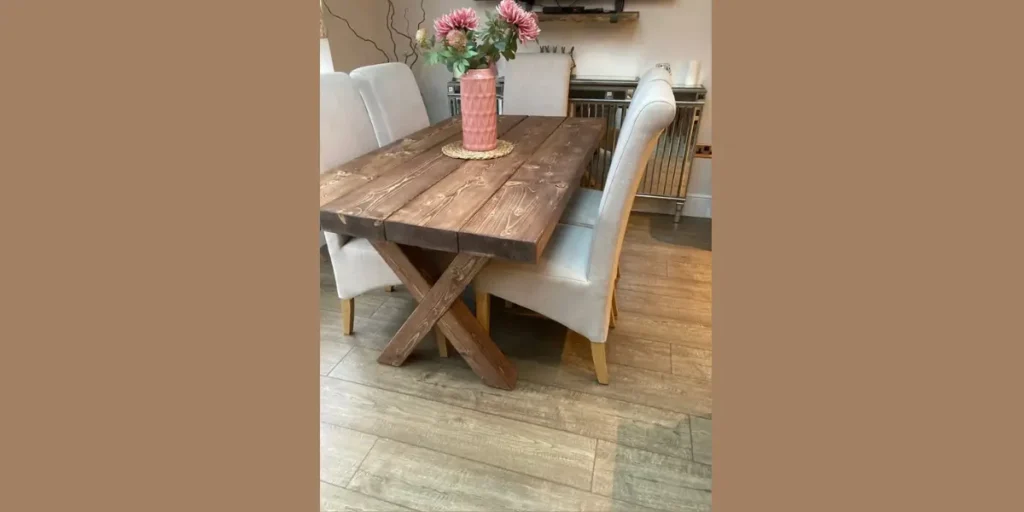
A farmhouse table highlights craftsmanship and authenticity. I appreciate its solid construction and textured finish.
Wide planks and sturdy legs provide both stability and presence. I often style it with bench seating for added charm.
This design creates a warm and inviting atmosphere. It suits cozy and traditional dining spaces beautifully.
11. Contemporary Sculptural Base Table
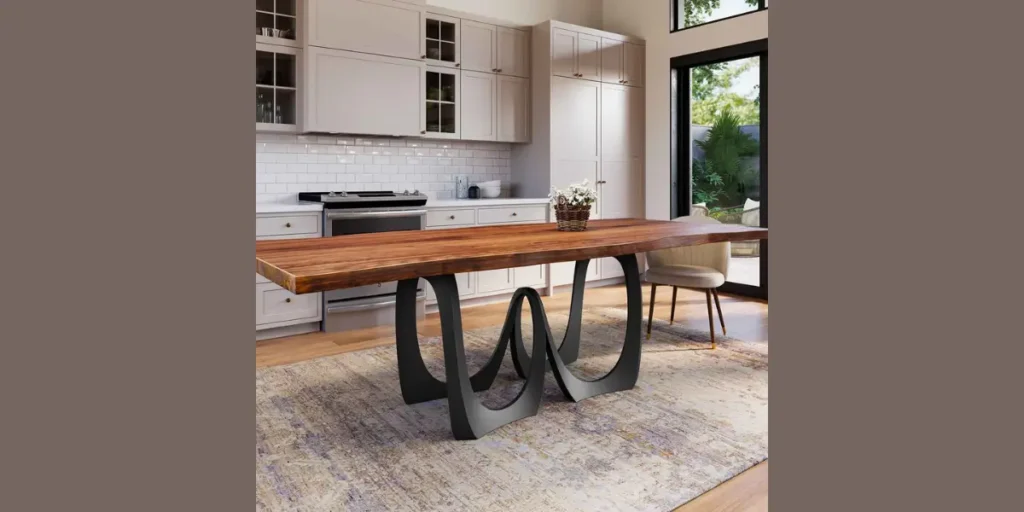
A sculptural base transforms a table into a statement piece. I select this design when the room requires artistic impact.
The base often features geometric or curved forms that support a simple tabletop. I maintain balanced proportions to prevent visual overload.
This table design adds modern sophistication. It anchors the dining area with creativity and structural elegance.
How to Choose the Right Dining Table Design
Selecting the right dining table design requires more than choosing a style you like. I always begin by measuring the room carefully and evaluating how the table will function daily. Proportion and clearance matter just as much as appearance.
A well chosen table should complement your interior style while supporting practical needs such as seating capacity and durability. When these elements align, the dining area feels balanced, comfortable, and visually intentional.
Room Dimensions and Clearance Space
Room size determines the ideal table shape and scale. I typically maintain at least 36 inches of clearance around the table to allow smooth movement.
In tighter spaces, I recommend round or oval designs because they improve circulation and reduce sharp corners. Proper spacing ensures comfort during both daily meals and larger gatherings.
Seating Capacity Requirements
Before selecting a table, I assess how many people you regularly host. A family of four may not require the same dimensions as someone who entertains frequently.
I also consider flexibility. Extendable tables often provide a smart solution when occasional additional seating is necessary without compromising everyday layout.
Material Durability and Maintenance
Material choice directly affects longevity. I often suggest solid wood for durability, while marble or glass suits more design focused interiors.
Each material requires different maintenance routines. Understanding this beforehand prevents long term frustration and preserves the table’s appearance.
Interior Design Style Compatibility
Your dining table should feel cohesive with the surrounding décor. I align wood tones, finishes, and base structures with the room’s overall aesthetic.
Mixing styles can work beautifully when done intentionally, but balance remains essential to avoid visual clutter.
Budget and Long Term Value
I always encourage clients to view a dining table as an investment. Spending slightly more on quality craftsmanship often reduces replacement costs in the future.
Durable construction and timeless design provide long term value and prevent the space from feeling dated too quickly.
Conclusion
A dining table shapes the way a room functions and feels every single day. I always consider it the foundation of the dining space, not just another piece of furniture.
Whether you prefer solid wood warmth, sculptural modern lines, or adaptable extendable designs, the right choice should reflect both your lifestyle and aesthetic vision.
When proportion, material, and placement align correctly, the table anchors the room effortlessly.
By investing in quality craftsmanship and thoughtful design, you create a space that supports daily meals, meaningful conversations, and lasting memories without compromising style or comfort.
FAQs
Round or oval tables usually perform best in compact spaces because they improve circulation and eliminate sharp corners. They also create a more intimate seating arrangement without overwhelming the room.
Solid hardwoods such as oak or walnut offer excellent durability and long term strength. They resist wear better than veneer surfaces and can be refinished if needed over time.
I recommend maintaining at least 36 inches of clearance between the table edge and walls or other furniture. This spacing ensures comfortable movement and easy chair access.
Glass tables can work well but require regular cleaning to remove fingerprints and smudges. Tempered glass improves safety and durability, making it more suitable for active households.
Chairs do not need to match perfectly. I often mix complementary materials or tones to create visual interest while maintaining harmony within the space.