
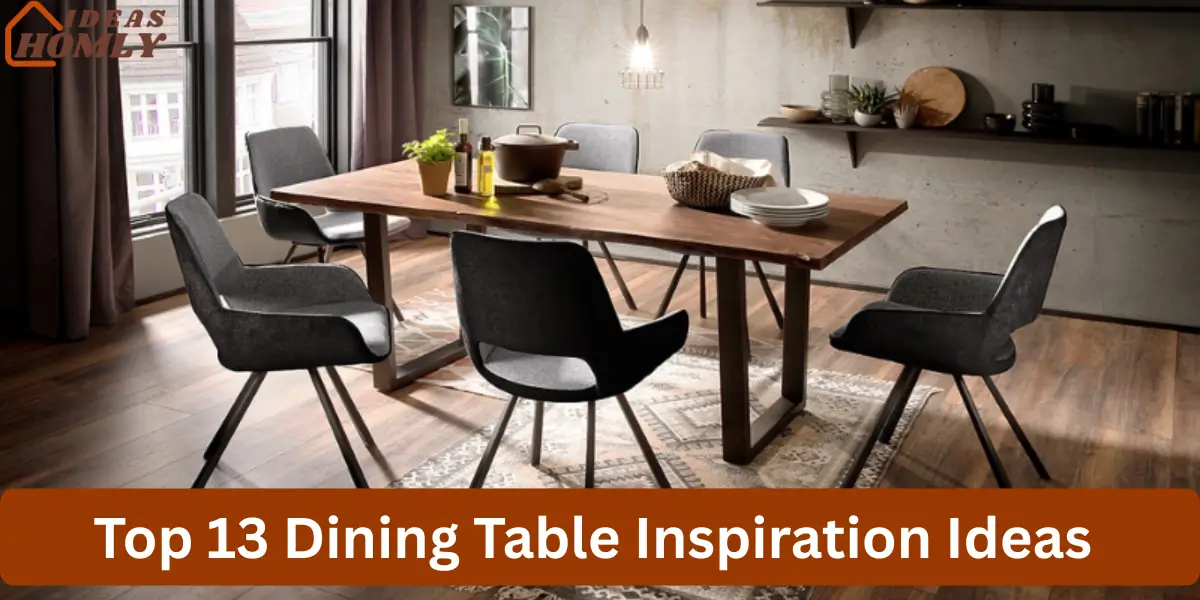

The right dining table does more than fill a room. It shapes how people gather, talk, and connect every day. I have seen spaces completely transform simply by changing the table’s material or shape.
Proportion, finish, and placement all influence how balanced the dining area feels. In this guide, I will share carefully selected dining table inspiration ideas that blend practicality with strong visual impact.
Whether you prefer modern lines or timeless wood finishes, choosing thoughtfully ensures your table becomes a true centerpiece rather than just another piece of furniture.
How the Right Dining Table Defines the Room
A dining table anchors the entire space. I always start with scale and proportion because the table determines layout, seating flow, and even lighting placement.
Material and shape influence mood. A solid wood surface feels warm and grounded, while glass or marble creates a lighter visual effect.
When chosen carefully, the table becomes more than functional furniture. It shapes how the room feels and how people gather within it.
1. Solid Wood Statement Table
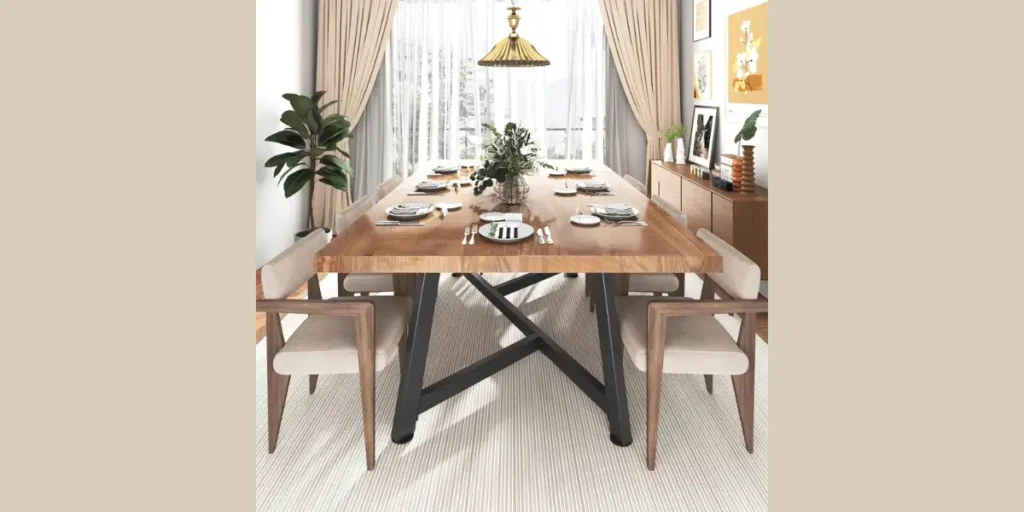
A solid wood statement table creates immediate presence. I often recommend oak or walnut because they combine durability with rich natural grain. The weight and texture add warmth that softer materials cannot replicate.
Thick tabletops enhance the table’s visual authority. I balance the look with simpler chairs to keep the design refined rather than heavy.
This type of table suits both modern and traditional interiors. It delivers timeless character while supporting daily use and long term reliability.
2. Round Pedestal Dining Table
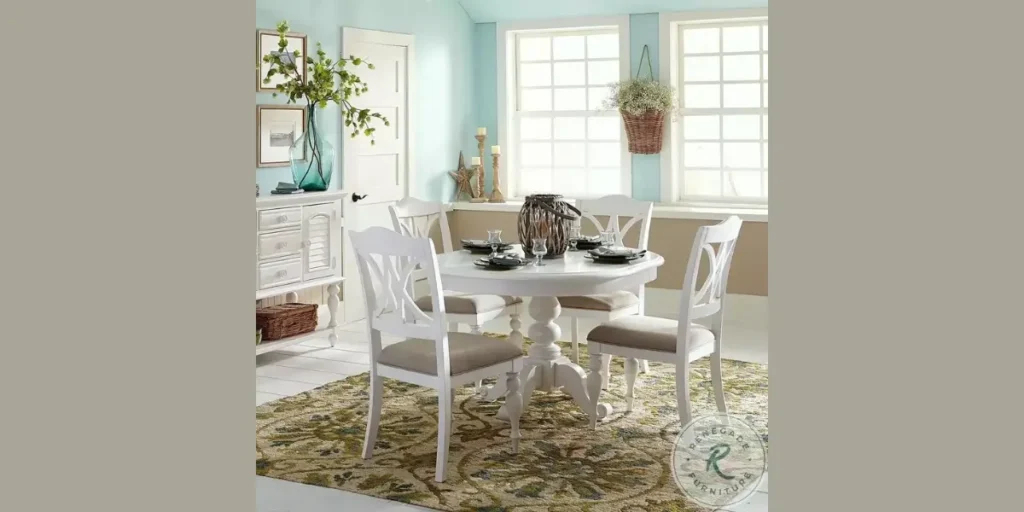
A round pedestal table improves circulation and conversation. I prefer this option for smaller rooms where space must feel open and comfortable. The central base eliminates corner obstructions.
The curved silhouette softens rigid layouts. I often pair it with upholstered chairs to enhance comfort and intimacy.
This design works beautifully in contemporary or transitional interiors. It creates balance while maintaining a welcoming atmosphere that encourages connection.
3. Marble Top Dining Table
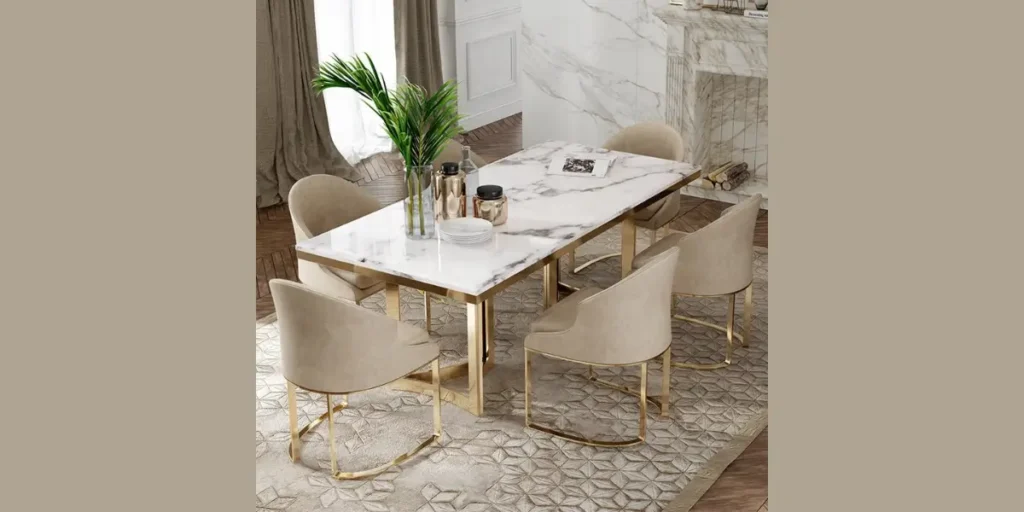
A marble top dining table introduces sophistication instantly. I appreciate the natural veining because it ensures each piece feels unique. The polished surface reflects light and elevates the space.
To prevent visual overload, I keep surrounding décor minimal. Slim metal or wood bases maintain structural balance beneath the heavier stone top.
This table style fits refined interiors. It offers elegance and durability when properly sealed and maintained.
4. Live Edge Wood Table
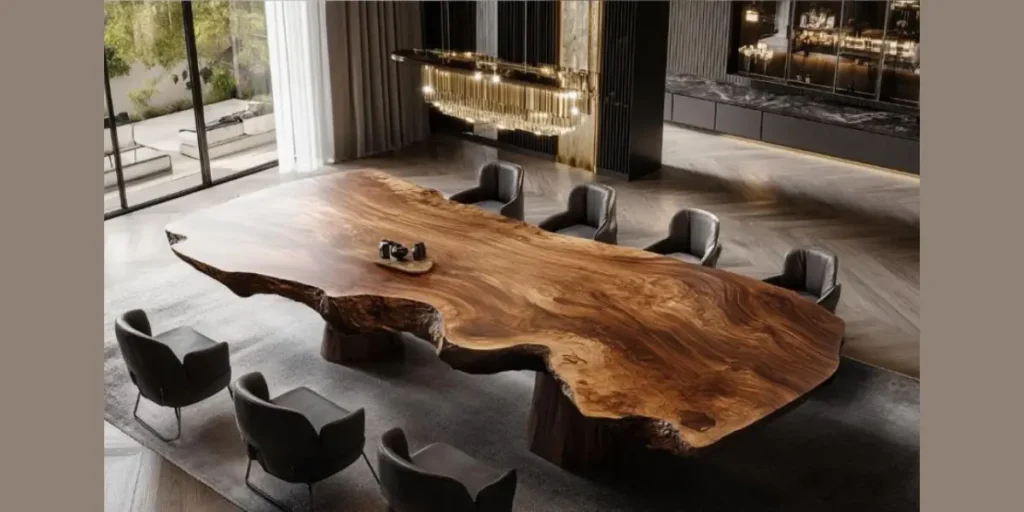
A live edge table preserves the organic outline of the wood slab. I value how it highlights nature’s irregular beauty instead of masking it.
Each piece carries distinct grain patterns and curves. I balance the rugged edges with streamlined seating for harmony.
This option blends rustic authenticity with modern restraint. It creates a powerful focal point without excessive ornamentation.
5. Glass Top Dining Table
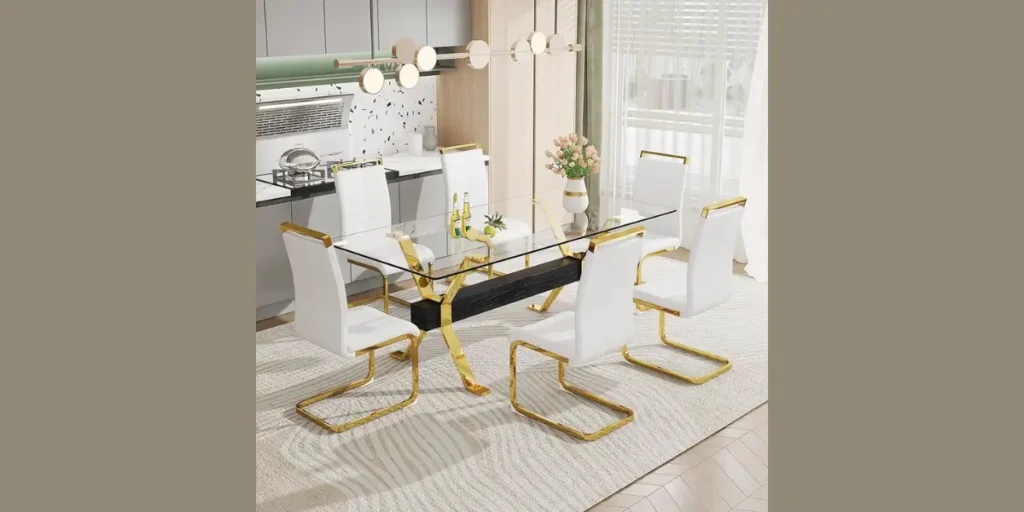
A glass top table creates visual lightness. I recommend it for compact dining rooms because transparency allows the floor and rug to remain visible.
The base becomes the design feature. Sculptural metal or wooden supports add character beneath the clear surface.
Glass tables feel modern and airy. With proper care, they maintain clarity while making the room appear larger and less crowded.
6. Industrial Wood and Metal Table
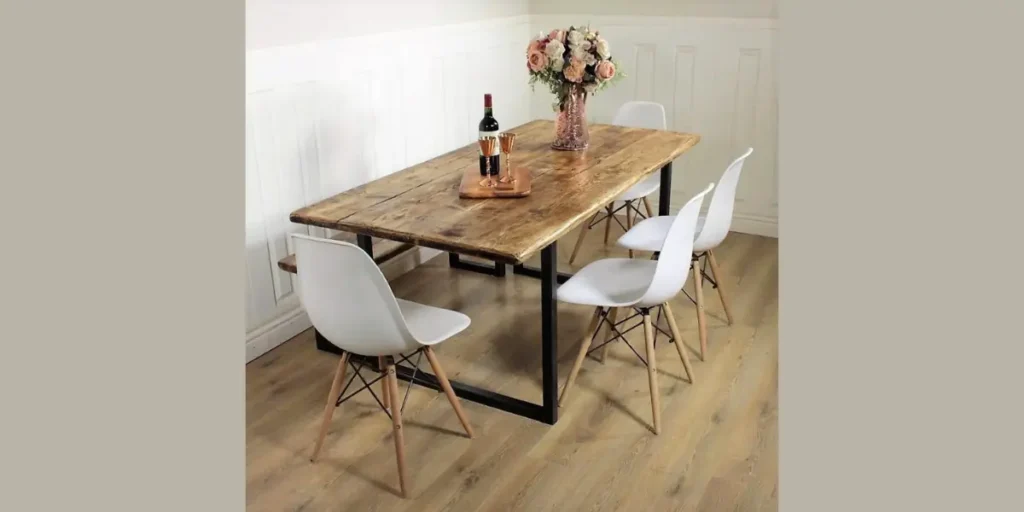
An industrial wood and metal table introduces bold contrast. I combine solid timber tops with black steel legs to achieve structured balance.
The metal base reinforces durability while adding a contemporary edge. Warm lighting softens the industrial strength.
This style fits urban lofts and modern farmhouse interiors. It merges practicality with strong visual definition.
7. Extendable Dining Table
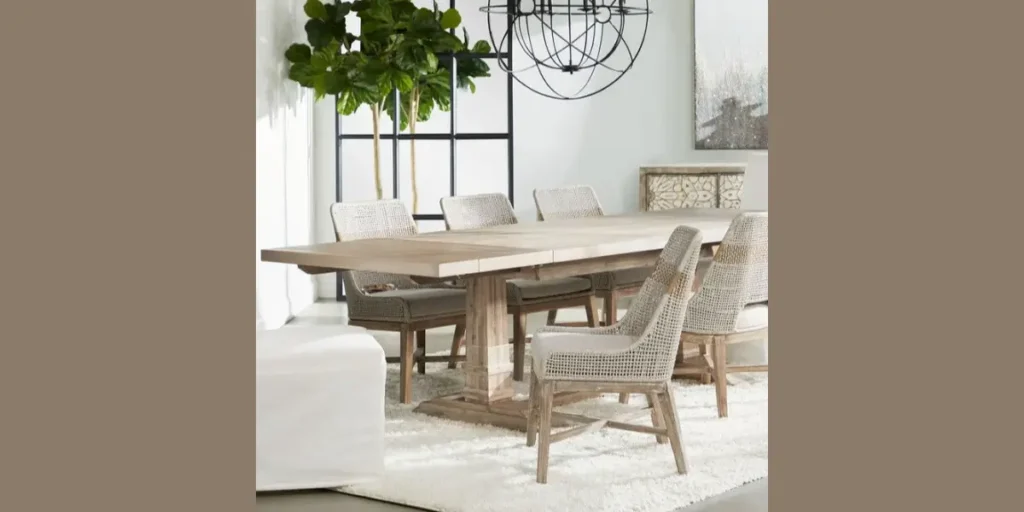
An extendable dining table adapts to changing needs. I recommend this design for households that entertain frequently but require daily efficiency.
Integrated leaves expand seating capacity without altering overall style. Smooth mechanisms ensure ease of use.
This solution combines flexibility with elegance. It allows the dining area to function comfortably for both intimate meals and larger gatherings.
8. Scandinavian Minimal Table
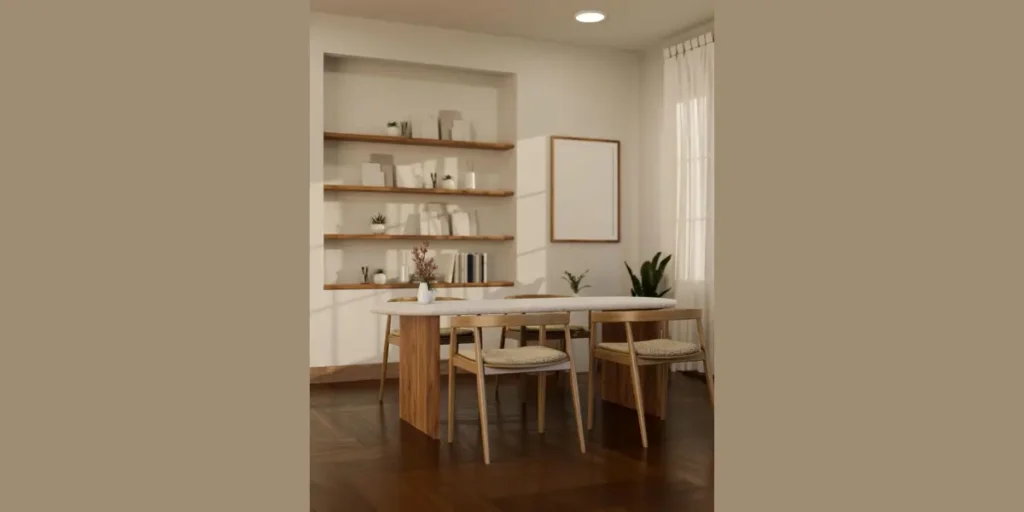
A Scandinavian minimal table emphasizes clean lines and natural finishes. I often select light oak or ash to create an airy and calm environment.
Slim legs and understated silhouettes maintain visual clarity. I avoid heavy ornamentation to preserve simplicity.
This style supports modern living through practicality and subtle beauty. It creates a balanced dining area that feels fresh and timeless.
9. Dark Walnut Contemporary Table
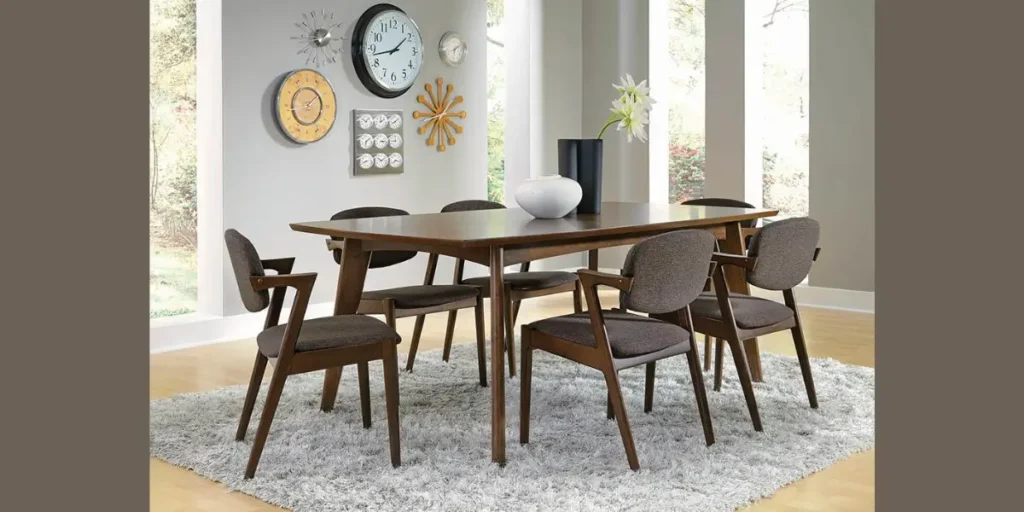
A dark walnut table adds richness and depth to the dining room. I often choose this finish when I want to create contrast against lighter walls or flooring. The deep tone enhances the natural grain and gives the space a refined presence.
To keep the room balanced, I pair darker tables with lighter upholstered chairs or a textured area rug. This prevents the design from feeling overly heavy.
This style suits contemporary interiors that value clean lines and strong materials. It delivers elegance without unnecessary ornamentation.
10. Concrete and Wood Fusion Table
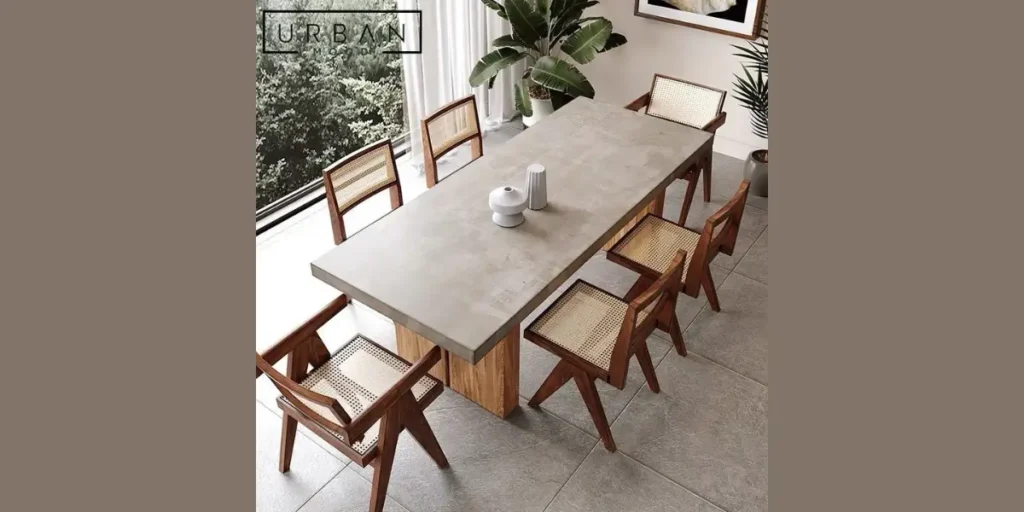
A concrete and wood fusion table introduces bold texture and contrast. I appreciate how the smooth concrete surface pairs with the warmth of a solid wood base. The combination feels modern yet grounded.
Concrete provides durability and resistance to wear, making it practical for everyday dining. I soften the overall look with warm lighting and fabric seating.
This design works especially well in industrial or modern rustic homes. It creates a strong visual statement while maintaining functional reliability.
11. Oval Dining Table Design
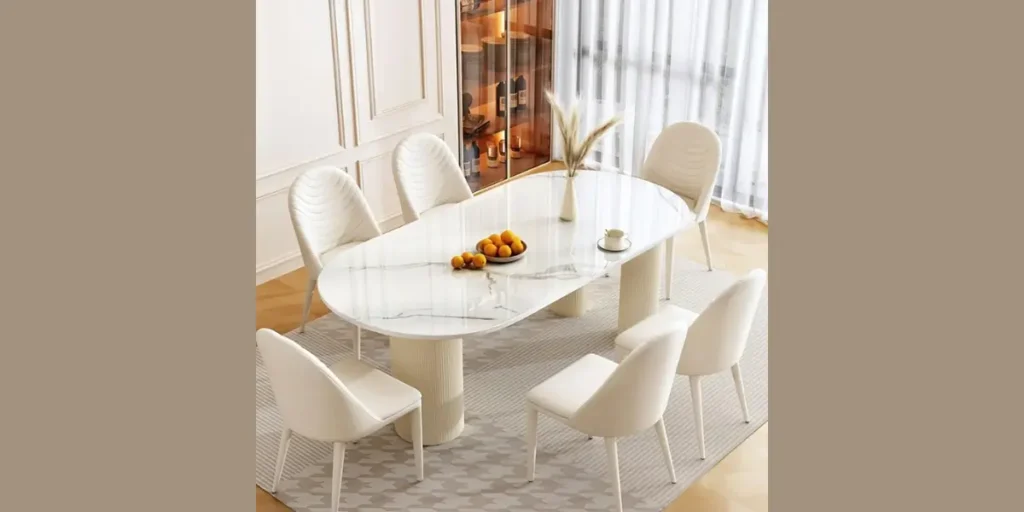
An oval dining table offers the practicality of a rectangle with the softness of curved edges. I often recommend this shape for narrow rooms where improved circulation matters.
The elongated form accommodates more seating without sharp corners. I align lighting carefully to match the table’s proportions.
Oval tables feel elegant and balanced. They support comfortable movement while introducing subtle sophistication into the dining space.
12. Parquet or Herringbone Table Top
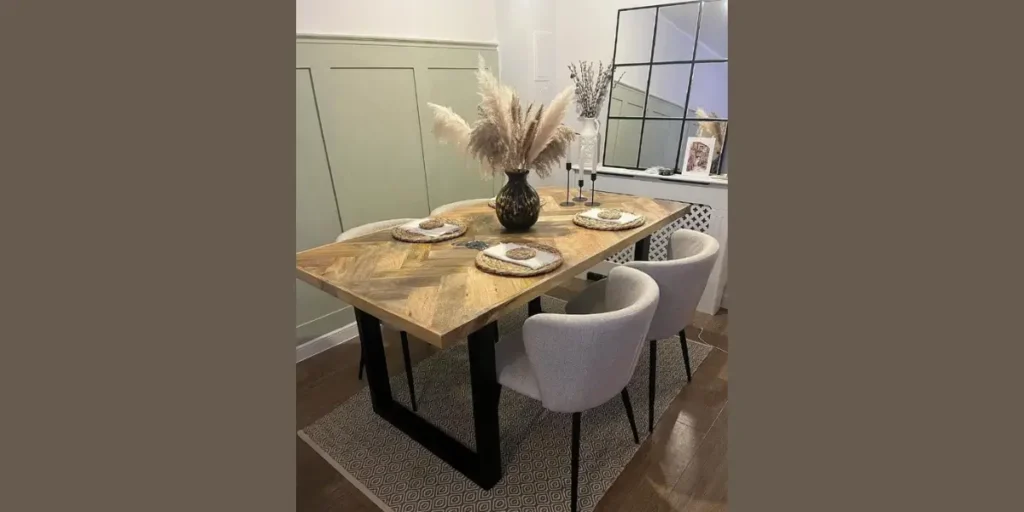
A parquet or herringbone tabletop adds craftsmanship and detail. I enjoy using patterned wood surfaces when I want subtle visual interest without relying on bold colors.
The geometric arrangement catches light differently across each section, creating dynamic texture. I keep surrounding décor minimal to highlight the tabletop.
This design merges tradition with contemporary refinement. It enhances the dining room through detail while preserving overall simplicity.
13. Custom Artisan Dining Table
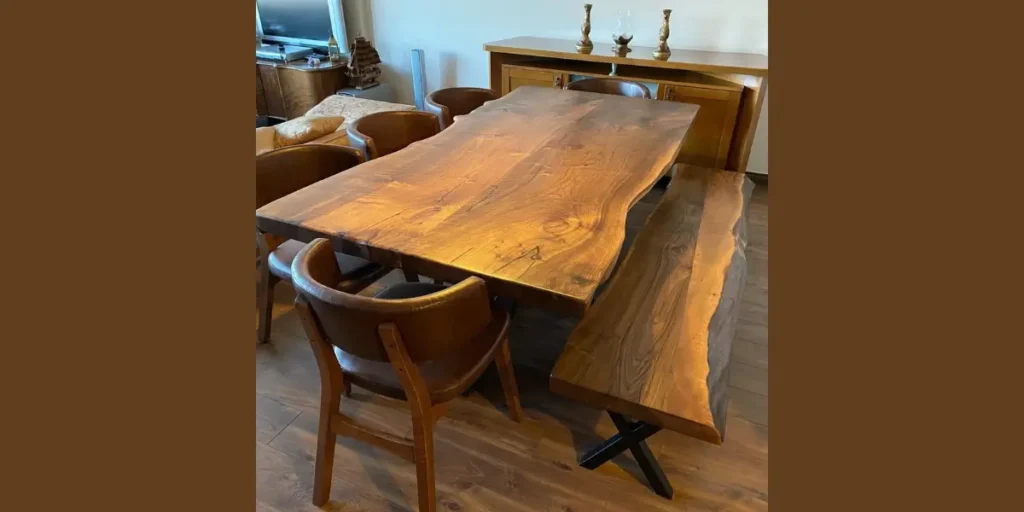
A custom artisan dining table allows complete personalization. I value this option because it ensures the dimensions, wood type, and finish suit the space perfectly.
Handcrafted joinery and thoughtful detailing elevate durability and character. I always consider long term usability when commissioning a custom piece.
An artisan table becomes more than furniture. It serves as a meaningful centerpiece that reflects personal style while supporting everyday living with strength and authenticity.
Practical Guide to Choosing the Ideal Dining Table
Selecting the right dining table requires careful planning rather than impulse decisions.
I always begin by studying the room’s proportions because the table must allow comfortable movement around it. Adequate clearance ensures chairs slide easily and the layout feels balanced instead of cramped.
Material durability also plays a critical role. A beautiful surface means little if it cannot withstand daily use. I evaluate lifestyle needs, maintenance preferences, and seating capacity before finalizing any choice.
A thoughtful selection ensures the table remains functional and visually appealing for years.
Important Considerations
Room dimensions determine both size and shape. I maintain at least three feet of clearance around the table to support smooth circulation and comfort.
Seating capacity depends on how often you host guests. If you entertain frequently, an extendable option provides flexibility without overwhelming everyday layout.
Material durability affects long term performance. Hardwoods and stone surfaces resist wear better than softer alternatives.
Shape suitability influences flow. Round and oval tables soften tight spaces, while rectangular options suit larger rooms with structured layouts.
Maintenance level also matters. Glass and marble require regular cleaning, while wood benefits from periodic conditioning to preserve finish.
Shape Comparison
| Shape | Best For | Style Effect |
|---|---|---|
| Round | Small dining rooms | Cozy and conversational |
| Rectangular | Large open spaces | Structured and classic |
| Oval | Narrow layouts | Soft and elegant |
| Square | Compact rooms | Balanced and modern |
Choosing the correct shape enhances both comfort and design harmony. I always align the table’s form with the room’s architecture and daily functionality.
Conclusion
A dining table does far more than provide a place to eat. It anchors the room, shapes conversation, and influences how the entire space feels. I always approach table selection with a balance of proportion, durability, and personal style in mind.
Whether you prefer solid wood warmth, sculptural marble elegance, or a custom artisan piece, the key is choosing a design that supports your lifestyle.
When scale, material, and placement align thoughtfully, the table becomes a natural centerpiece. With careful consideration, you can create a dining area that feels inviting, functional, and visually compelling for years to come.
FAQs
Measure your room carefully and maintain at least three feet of clearance on all sides. This ensures comfortable movement and proper chair placement. The table should feel proportional rather than overwhelming.
Solid hardwoods such as oak and walnut offer excellent durability. Stone surfaces like marble also last long when properly sealed. Durability depends on construction quality as much as material choice.
Yes, round tables improve circulation because they eliminate sharp corners. They encourage conversation and fit well in compact layouts where space efficiency matters.
Glass tables can work well if cleaned regularly and handled with care. They resist stains but may show fingerprints easily. Choosing tempered glass improves safety and durability.