
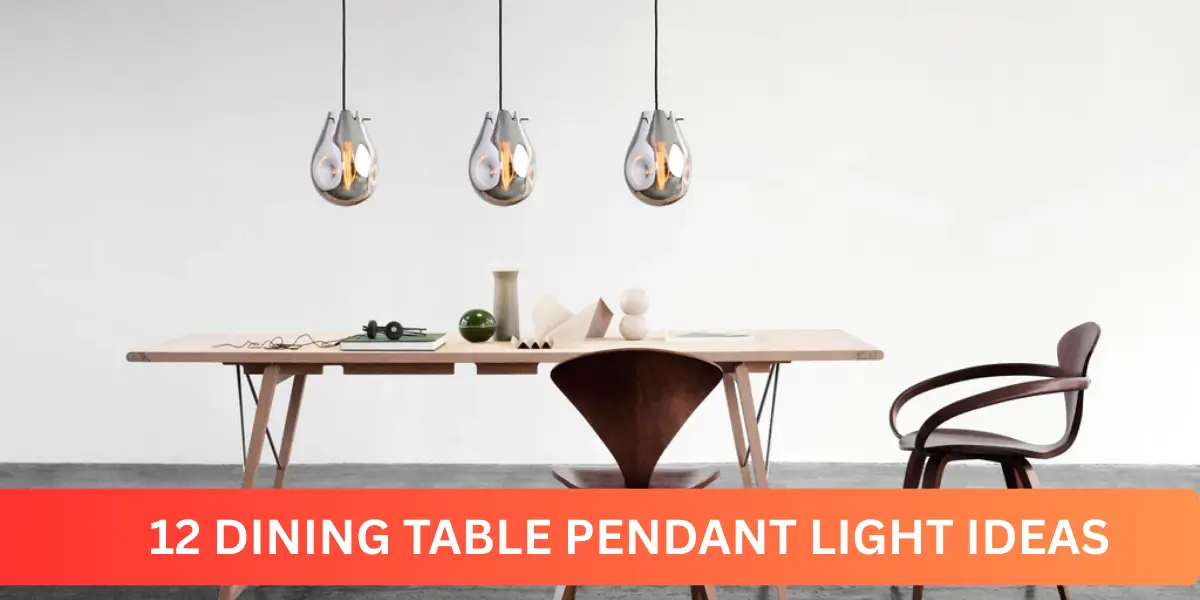

The space above your dining table deserves as much attention as the furniture beneath it. I have seen how the right fixture can instantly define the table area and create a sense of intention in the room.
Good lighting does more than brighten a meal; it shapes mood, enhances textures, and frames conversations. When exploring dining table pendant light ideas, I always consider scale, spacing, and how the glow interacts with surrounding materials.
A thoughtfully chosen pendant can transform an ordinary dining setup into a cohesive and visually striking focal point.
Why Pendant Lighting Elevates the Dining Experience
Pendant lights create a defined focal point directly above the dining table. I often rely on them to establish balance and structure within the room. Unlike flush fixtures, pendants draw the eye downward and visually anchor the space.
They also provide targeted illumination where it matters most. When I position them correctly, they enhance visibility while maintaining intimacy during meals.
Now let me walk you through the first eight dining table pendant light ideas that combine proportion, style, and functional brilliance.
1. Linear Bar Pendant
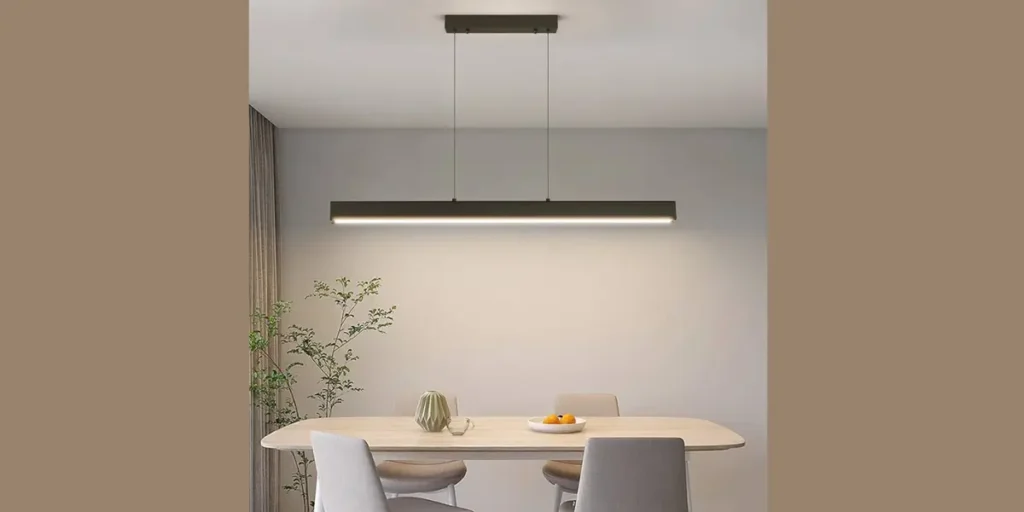
A linear bar pendant works exceptionally well over rectangular dining tables. I choose this style when I want symmetry and even light distribution across the entire surface. Its elongated form mirrors the table’s shape, creating visual alignment.
This design spreads illumination consistently from end to end. I ensure the fixture measures roughly two thirds of the table length for balanced proportion.
Linear pendants suit contemporary and transitional interiors beautifully. They offer structure without overwhelming the space, delivering clean elegance and dependable brightness.
2. Glass Globe Pendant
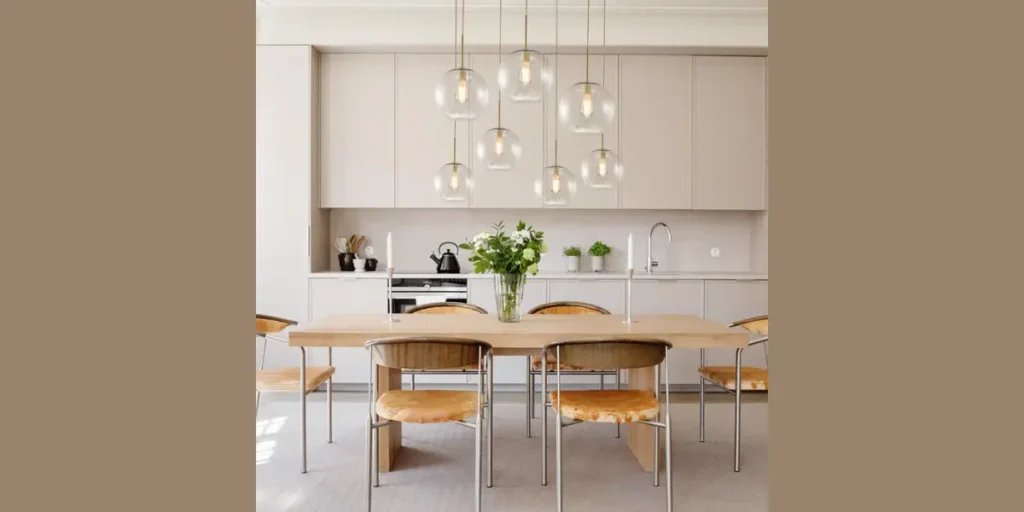
Glass globe pendants introduce softness and modern appeal. I appreciate how clear or frosted glass diffuses light while maintaining an airy atmosphere. The rounded form contrasts nicely with angular furniture.
Single globes work well for smaller tables, while multiple globes add dimension to larger spaces. I carefully space them to maintain harmony.
This style feels refined yet approachable. It enhances brightness without heaviness and creates a welcoming dining environment.
3. Black Metal Industrial Pendant
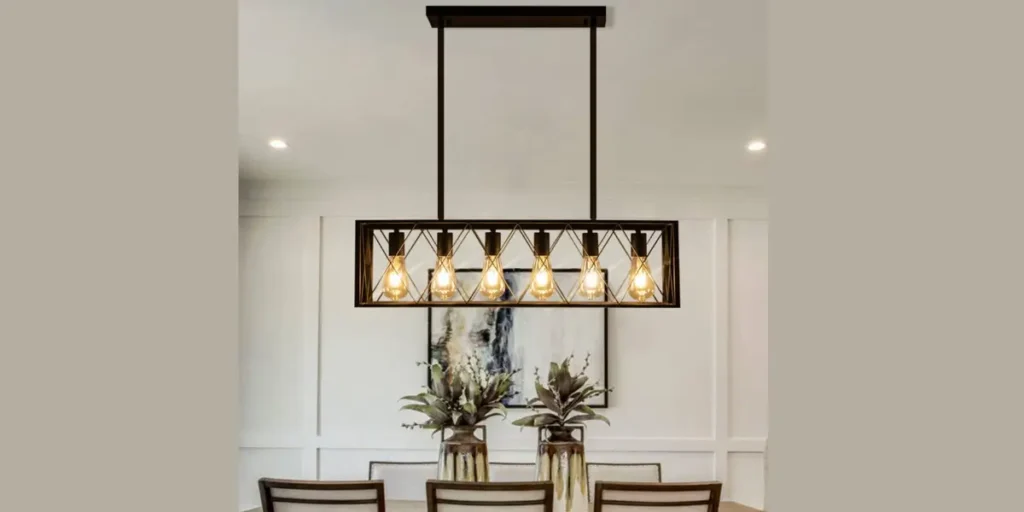
A black metal pendant adds bold contrast and structure. I often recommend it when a dining room needs visual depth against lighter walls or ceilings. The matte finish reinforces modern industrial character.
The open design exposes bulbs, so I choose warm light tones to maintain comfort. This combination balances edge with warmth.
This pendant style complements wood tables and minimalist décor. It strengthens the room’s identity while providing focused illumination.
4. Oversized Dome Pendant
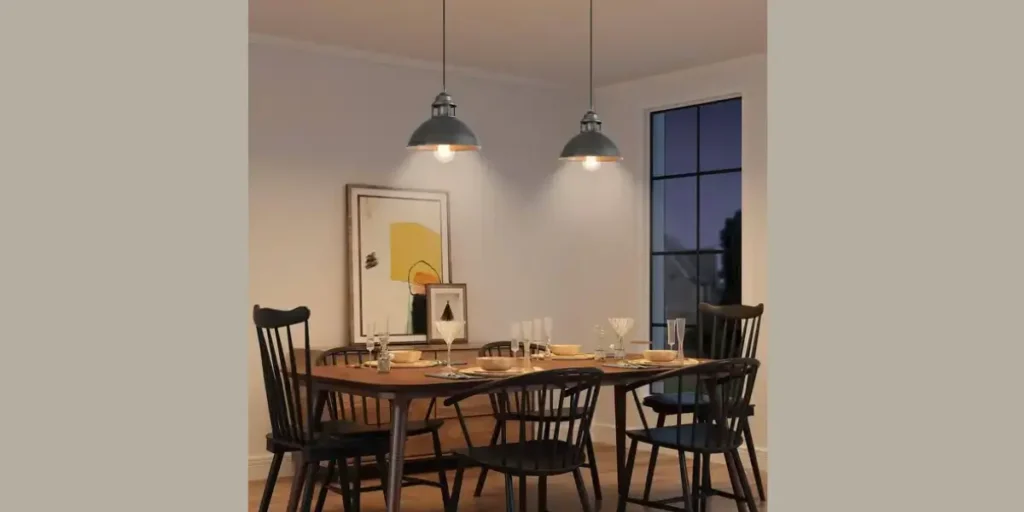
An oversized dome pendant creates a strong visual statement. I use this option when I want concentrated light directly over the table surface. Its curved metal shade directs brightness downward effectively.
The bold silhouette works especially well in contemporary and industrial spaces. I hang it slightly lower to enhance intimacy without blocking sightlines.
This design defines the dining zone clearly. It delivers practical illumination while adding dramatic architectural presence.
5. Clustered Mini Pendants
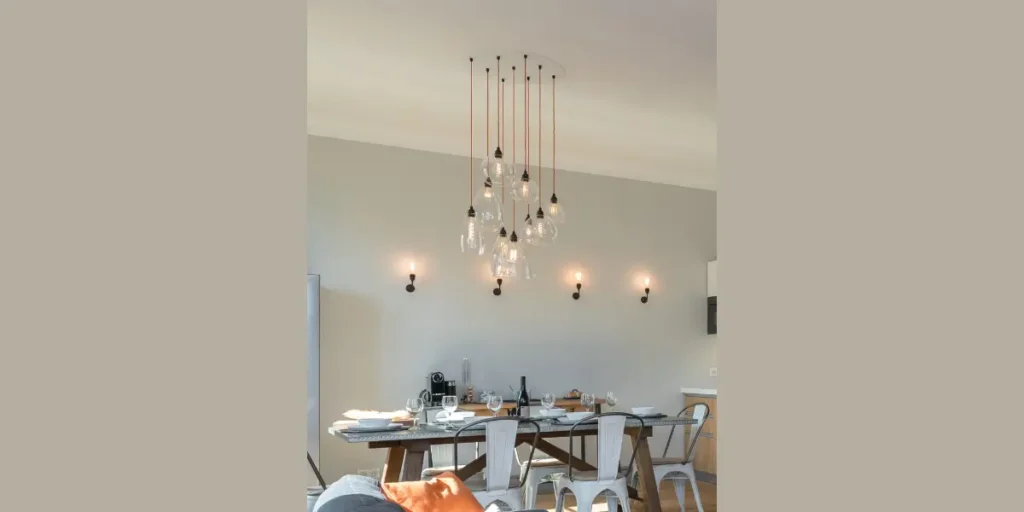
Clustered mini pendants introduce movement and layered interest. I arrange them at varying heights to create depth above the table. This approach feels artistic yet controlled.
Multiple smaller pendants distribute light evenly while maintaining a lighter visual footprint. I maintain consistent spacing to preserve balance.
This style suits modern dining rooms seeking dimension. It transforms lighting into a sculptural feature without overpowering the layout.
6. Woven Rattan Pendant
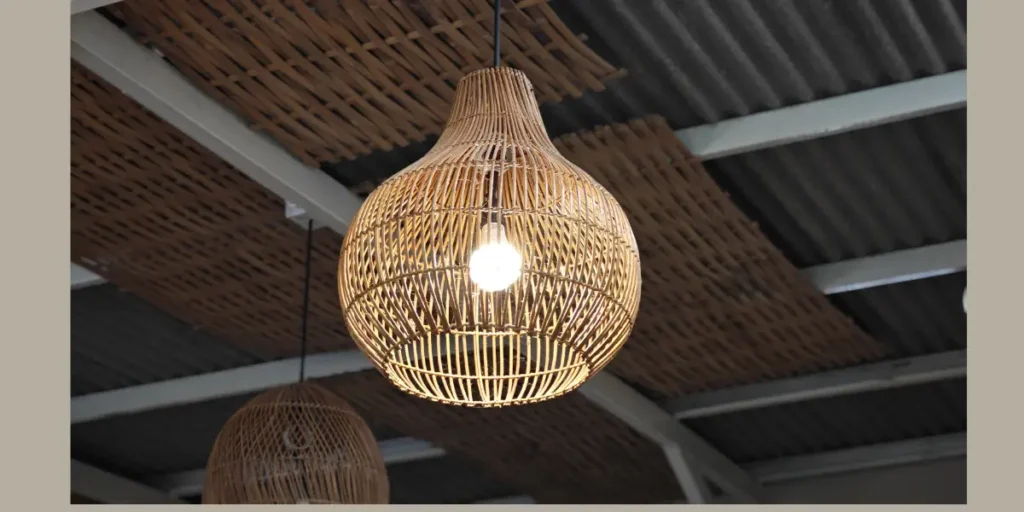
A woven rattan pendant adds texture and natural warmth. I select this design when clients want an earthy or coastal feel. The organic material softens structured interiors.
The woven pattern filters light gently, creating subtle shadows and depth. I pair it with wooden tables to reinforce natural harmony.
This pendant style feels relaxed yet refined. It enhances comfort while maintaining a distinctive visual presence.
7. Brass Contemporary Pendant
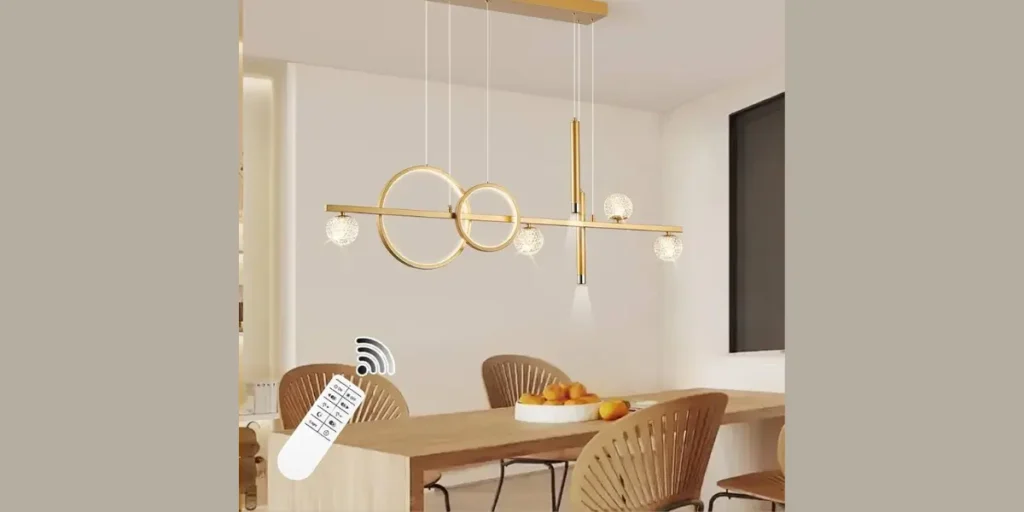
A brass pendant introduces subtle luxury and warmth. I prefer brushed or matte finishes to keep the look modern rather than ornate. The metallic tone reflects light beautifully.
Brass pairs effortlessly with marble surfaces, dark wood tables, or velvet seating. I center it precisely for clean alignment.
This style elevates the dining area without overwhelming it. It offers refined brightness and timeless sophistication.
8. Drum Shade Pendant
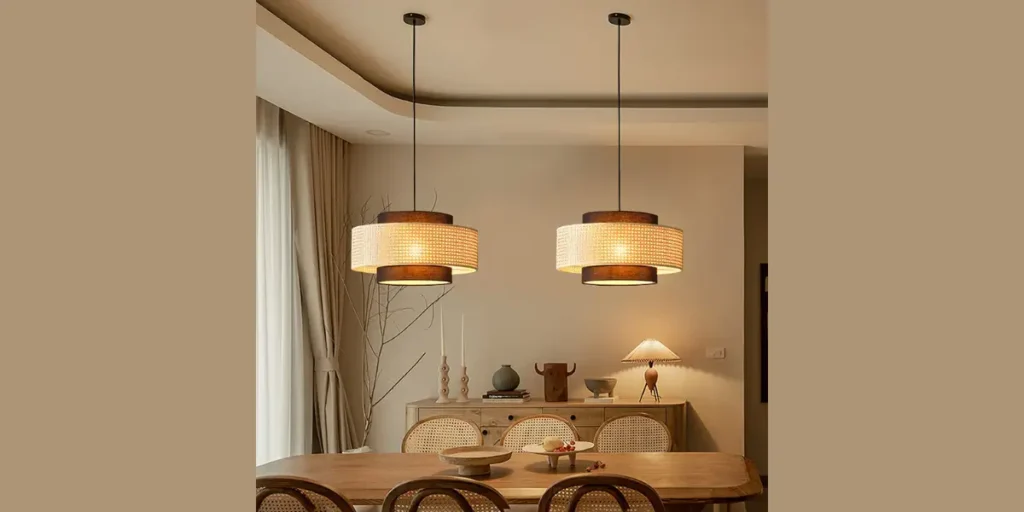
A drum shade pendant diffuses light evenly across the table. I choose fabric shades when clients desire softer ambiance without harsh glare. The cylindrical form maintains clean simplicity.
The wide surface spreads illumination gently, making the dining area feel cozy and inviting. I ensure proper height for visual balance.
This pendant style fits transitional and contemporary interiors well. It provides comfort, clarity, and understated elegance.
9. Geometric Cage Pendant
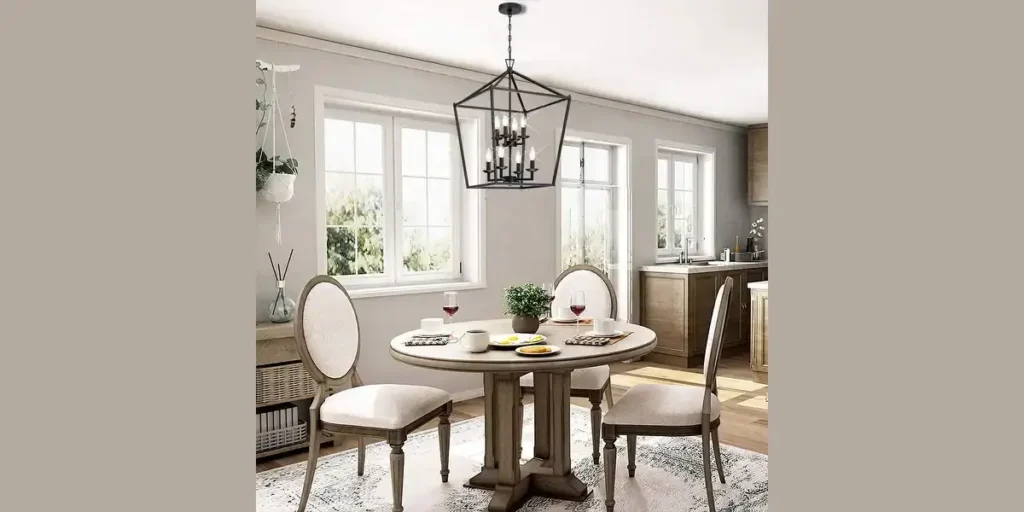
A geometric cage pendant introduces architectural structure above the dining table. I often select this style when I want lighting to feel bold yet open. The metal frame creates visual interest without blocking too much light.
Because the bulbs remain visible, I always use warm toned bulbs to soften the look. The geometric lines pair beautifully with modern or industrial interiors.
This pendant style adds definition and edge. It frames the table area clearly while maintaining strong illumination and contemporary character.
10. LED Ring Pendant
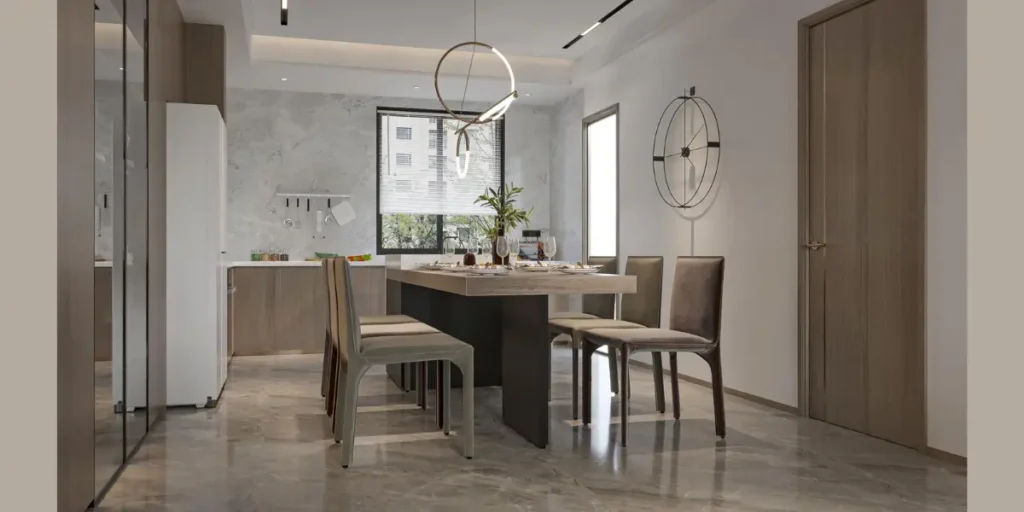
An LED ring pendant creates a sleek, floating appearance. I appreciate how the circular form softens rectangular rooms and adds a modern architectural touch. The integrated LED provides consistent brightness.
Many LED ring pendants include dimming features, which I consider essential for mood control. The slim profile keeps the ceiling line clean and uncluttered.
This design works especially well in ultra modern dining spaces. It delivers balanced light distribution while maintaining minimalist elegance.
11. Rustic Wood Pendant
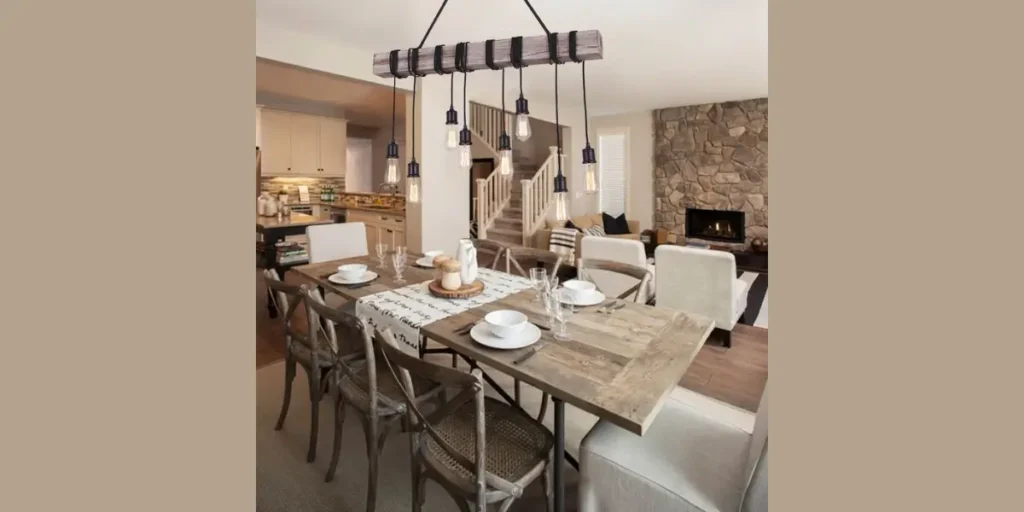
A rustic wood pendant brings warmth and texture into the dining room. I often recommend reclaimed or natural wood finishes to enhance authenticity. The organic material contrasts beautifully with metal accents.
Wood pendants work particularly well in farmhouse or modern rustic interiors. I pair them with simple seating to maintain visual balance.
This style feels grounded and inviting. It adds character to the dining area while providing focused, practical lighting.
12. Smart Adjustable Pendant
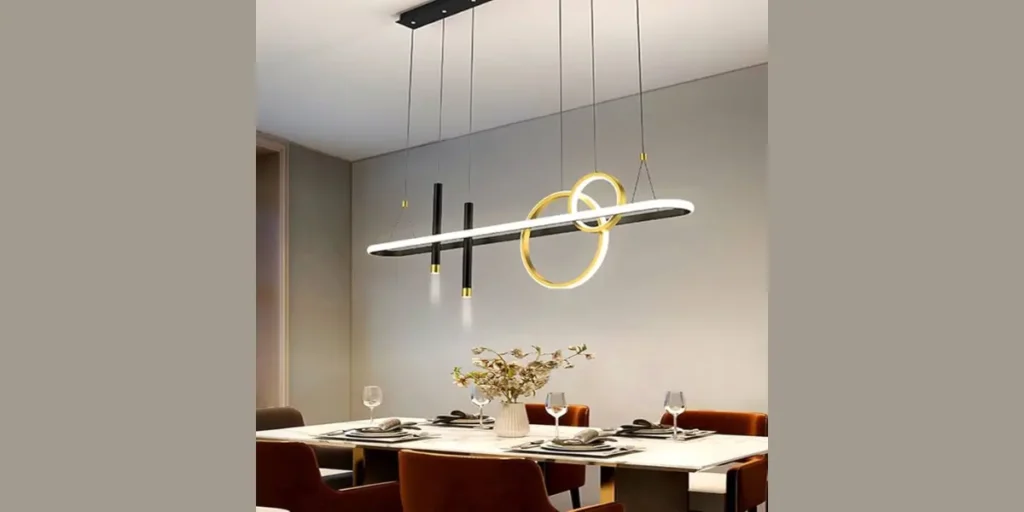
A smart adjustable pendant offers flexibility in both height and brightness. I value this option for homes where dining needs vary from casual meals to formal gatherings.
With dimmable controls and sometimes app integration, you can adjust ambiance instantly. I always ensure the fixture remains proportionate to the table.
This pendant style combines modern convenience with thoughtful design. It ensures the dining space remains adaptable, comfortable, and visually cohesive.
How to Position and Size Pendant Lights Correctly
Choosing the right pendant is only part of the equation. I always pay close attention to placement and proportion because even a beautiful fixture can look awkward if it hangs too high or too low. Proper positioning ensures the light enhances the table rather than distracting from it.
When scale, spacing, and brightness align, the dining area feels intentional and balanced.
I focus on measurements first, then refine the visual harmony so the pendants complement both the table and the surrounding architecture.
Key Placement Guidelines
Hanging height plays a crucial role in comfort and visibility. I typically position pendant lights 30 to 36 inches above the dining table surface. This range provides ideal illumination while keeping sightlines clear across the table.
For multiple pendants, I maintain equal spacing to create symmetry. Consistent alignment prevents visual imbalance and ensures the light spreads evenly across the entire tabletop.
Pendant width should match the table’s proportion. I generally recommend selecting fixtures that measure about half to two thirds of the table width for a cohesive look.
Balanced brightness also matters. I avoid harsh glare by selecting appropriate bulb wattage and considering dimming capability for flexibility.
Conclusion
The right pendant light above your dining table does more than complete the ceiling. It defines the table zone, shapes the atmosphere, and strengthens the overall design story of the room.
I always remind homeowners that proportion and placement matter just as much as style. Whether you prefer a sleek linear fixture, a warm woven shade, or a bold geometric design, the key is balance.
When scale, spacing, and brightness work together, the dining space feels intentional and inviting.
Thoughtfully selected pendant lighting transforms everyday meals into a visually refined experience that feels both practical and beautifully composed.
FAQs
I recommend hanging pendants 30 to 36 inches above the table surface. This height provides optimal illumination while maintaining clear visibility across the table. Adjust slightly if your ceiling is unusually high or low.
The number depends on table length and pendant size. For longer tables, two or three smaller pendants often create balanced coverage. For compact tables, a single well sized pendant works effectively.
Pendents offer a more modern and streamlined appearance, while chandeliers feel more traditional or decorative. I choose based on interior style and the level of visual impact desired.
Yes, pendants should align with the center of the table rather than the room. Centering them over the table maintains visual focus and ensures even light distribution.