
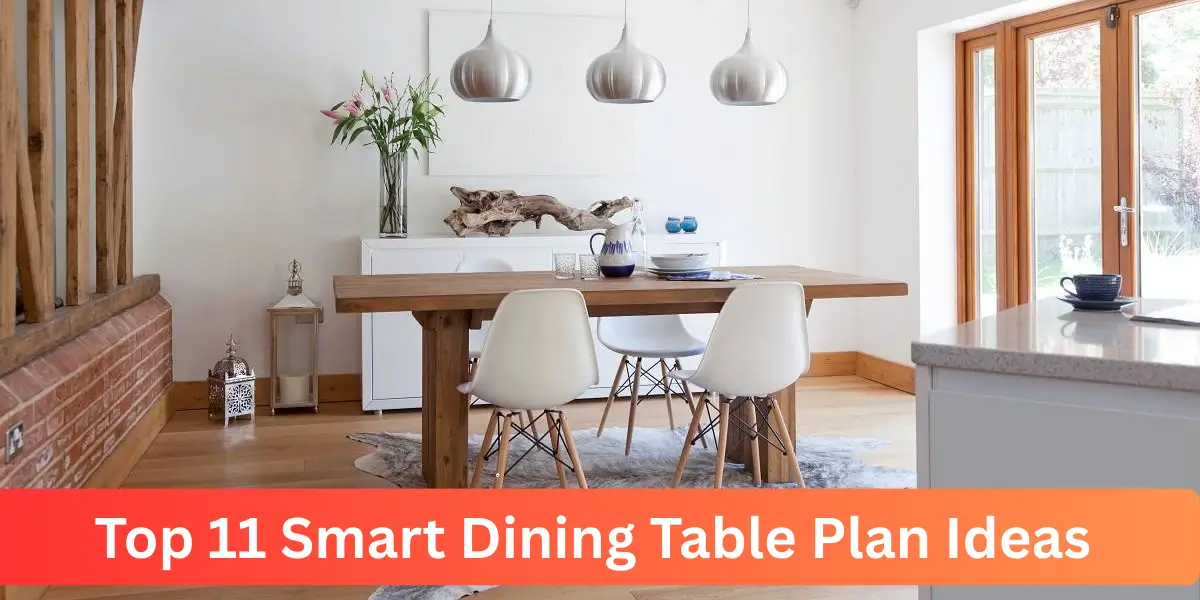

A dining area can feel either effortless or awkward depending on how the table is positioned. I have seen beautifully furnished rooms lose functionality simply because the layout ignored movement paths and natural light.
Planning matters just as much as furniture selection. When exploring dining table plan ideas, I always begin by studying room dimensions, entry points, and how people circulate through the space.
The right placement improves comfort, encourages conversation, and creates visual balance.
With thoughtful positioning and proportion, you can transform even a compact dining area into a well organized and inviting space.
Why Thoughtful Dining Table Planning Makes a Difference
A dining table layout influences how comfortably a room functions every day. I always evaluate circulation paths before deciding where the table should sit. Good planning prevents congestion and improves accessibility.
Lighting, symmetry, and furniture proportions also affect the final arrangement. When the table aligns correctly with the room’s structure, the space feels balanced and intentional.
Below are eleven practical dining table plan ideas that improve flow, comfort, and visual harmony.
1. Centered Rectangular Layout for Spacious Rooms
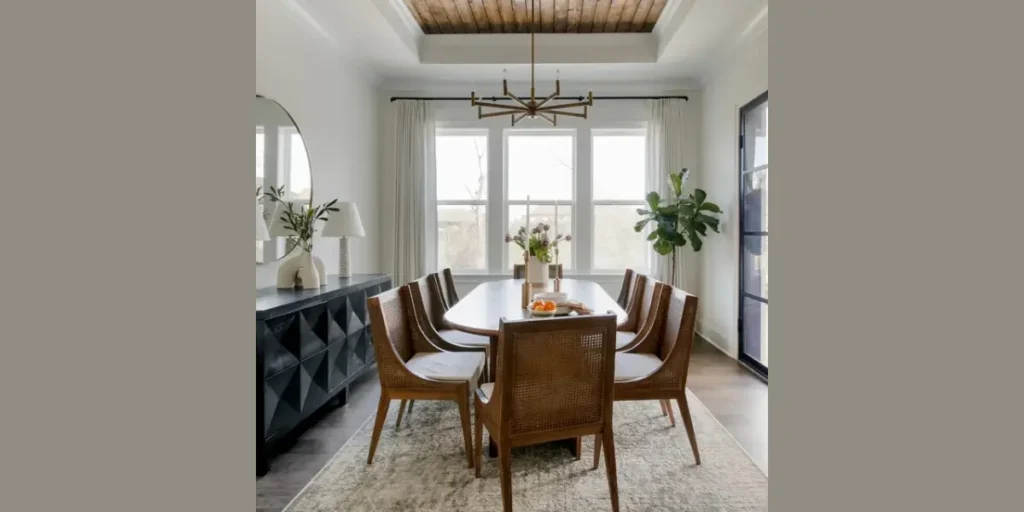
A centered rectangular layout works best in large dining rooms. I position the table directly beneath the main light fixture to create symmetry and structure. This approach keeps the room balanced and visually grounded.
Maintaining at least 36 inches of clearance around the table ensures smooth movement. I measure carefully to prevent tight walkways or blocked entry points.
This plan creates a formal and organized environment. It suits homes that frequently host gatherings and need ample seating without compromising comfort.
2. Round Table Plan for Compact Areas
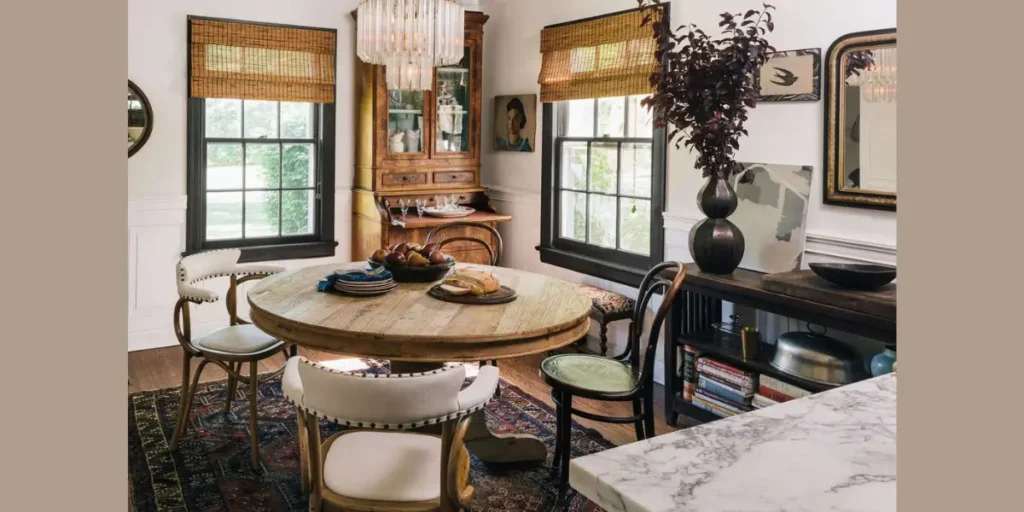
A round table plan improves circulation in smaller rooms. I recommend it when sharp corners restrict movement or make the space feel tight. The circular shape naturally softens the layout.
Without corner edges, guests can move around more easily. I adjust the diameter to maintain adequate spacing from walls.
This layout encourages conversation and intimacy. It balances comfort with practicality, especially in apartments or compact dining zones.
3. Open Concept Dining Zone Placement
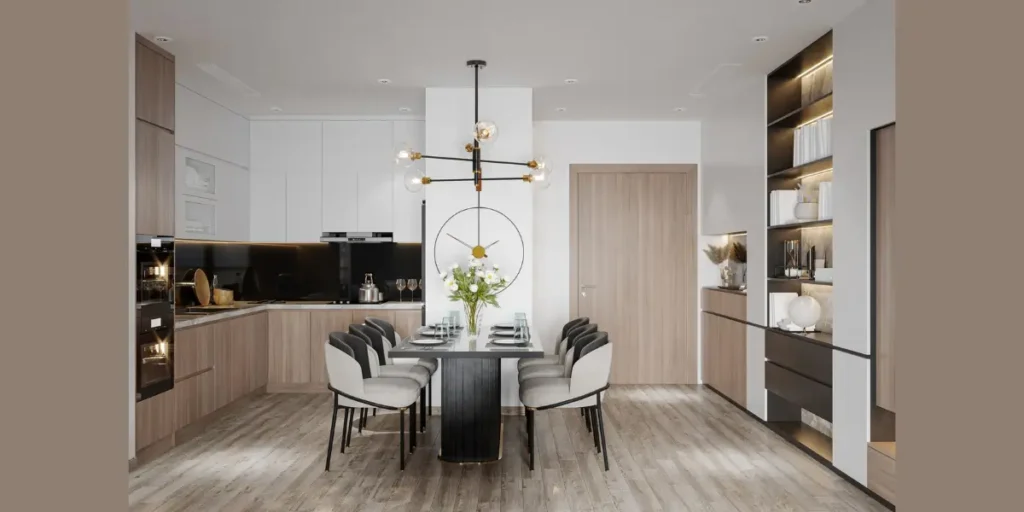
In open concept homes, I use the dining table to define the boundary between kitchen and living areas. A rug beneath the table helps visually anchor the space.
Positioning the table centrally within the dining zone maintains flow between connected areas. I avoid blocking direct pathways.
This plan keeps the layout cohesive. It supports social interaction while preserving clear circulation lines across the open floor plan.
4. Window Facing Dining Arrangement
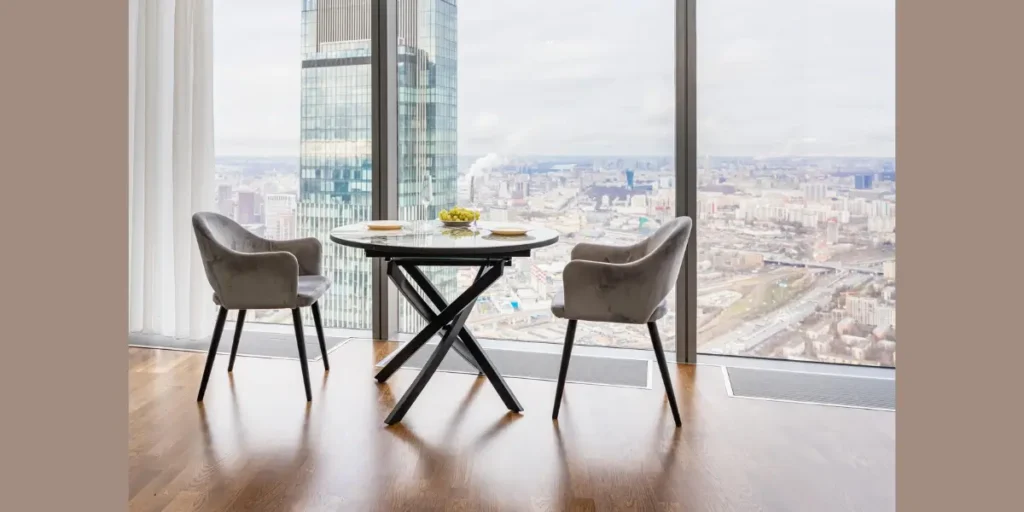
Placing the table near a window maximizes natural light. I prefer this arrangement when the room offers scenic views or strong daylight exposure.
I maintain clearance for curtains and ensure chairs can slide comfortably without obstruction.
This plan brightens the dining experience. It enhances ambiance and reduces reliance on artificial lighting during daytime meals.
5. Wall Aligned Space Saving Plan
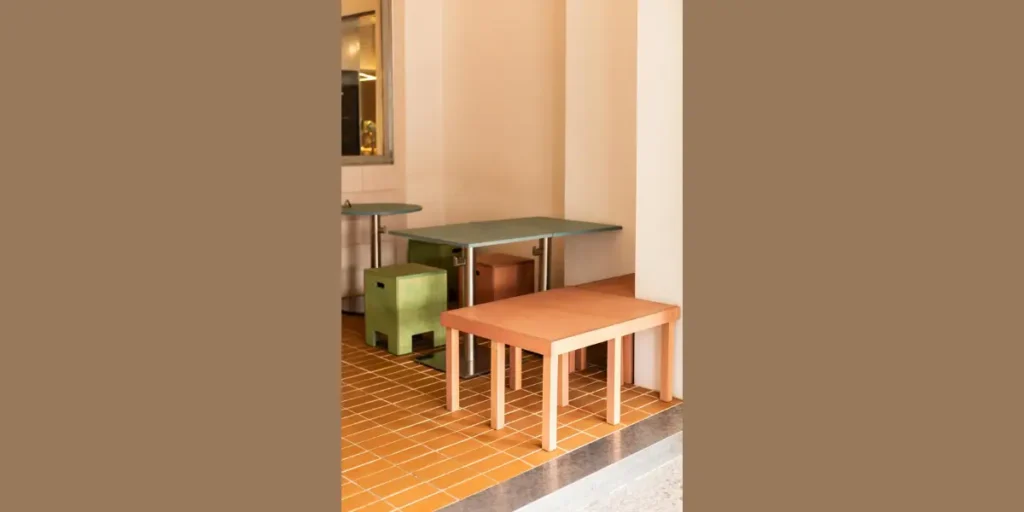
In narrow rooms, aligning one side of the table against a wall saves valuable space. I often combine this layout with bench seating to maximize efficiency.
This setup maintains functional seating while freeing up walkway areas. I ensure the table still receives adequate lighting from above.
This plan works especially well in small homes. It prioritizes practicality without sacrificing style.
6. Integrated Kitchen Island Extension Plan
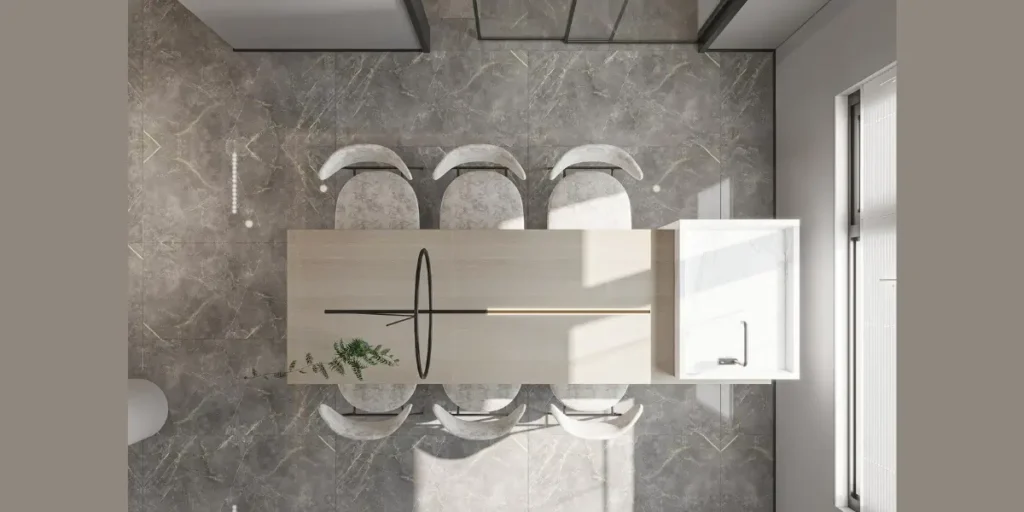
An island extension creates continuity between cooking and dining zones. I recommend this layout in modern kitchens where space integration matters.
The table may extend directly from the island or sit adjacent to it. I align heights carefully to maintain ergonomic comfort.
This plan supports casual dining and multitasking. It blends efficiency with contemporary design seamlessly.
7. Oval Table for Improved Flow
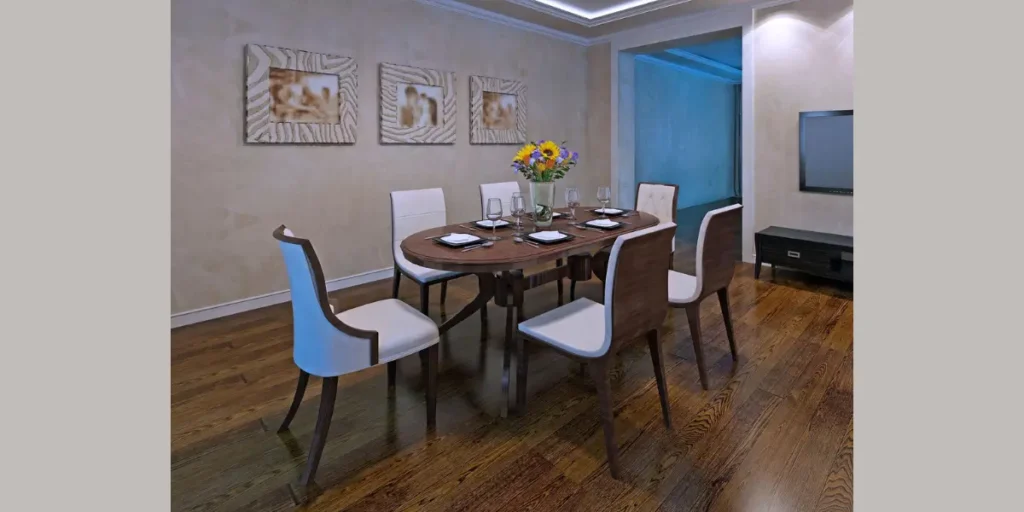
An oval table combines seating capacity with smoother circulation. I prefer this option when a rectangular table feels too rigid for the room.
The curved edges soften traffic flow and reduce visual heaviness. I maintain balanced proportions with surrounding furniture.
This layout suits transitional spaces. It enhances comfort while preserving elegance and seating functionality.
8. Corner Dining Nook Plan
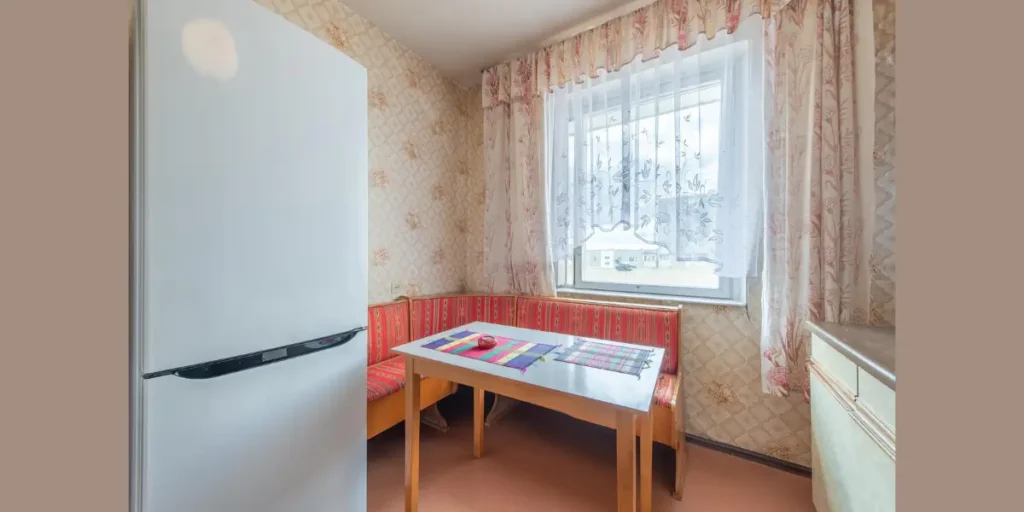
A corner nook transforms underused space into a cozy dining area. I often design built in seating to maximize capacity and comfort.
This arrangement works particularly well in breakfast areas or compact apartments. I ensure the table size complements the nook dimensions.
The result feels intimate and efficient. It creates a defined dining zone without occupying central floor space.
9. Formal Symmetrical Dining Layout
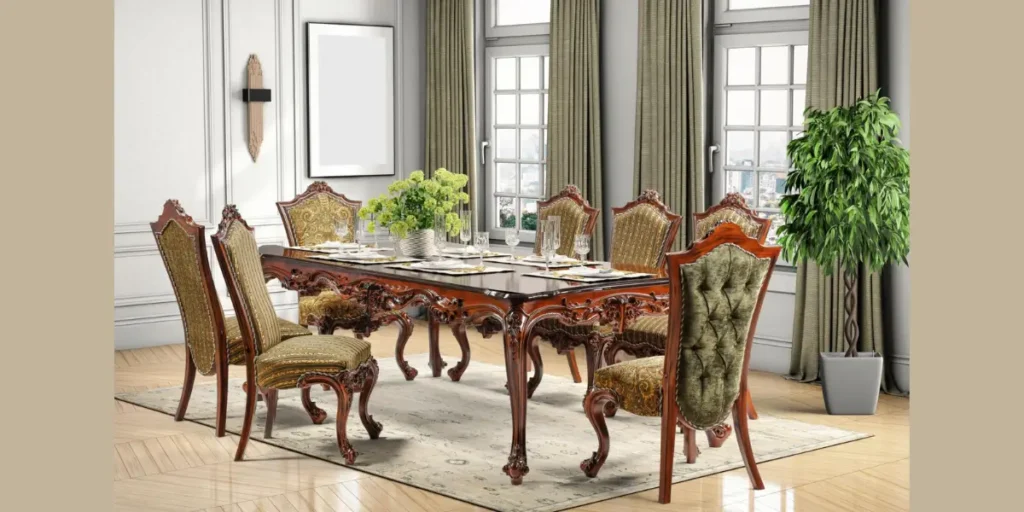
Symmetry establishes elegance in formal dining rooms. I align the table precisely with chandeliers, artwork, and architectural features.
This arrangement enhances visual balance and reinforces traditional design principles. I keep spacing consistent on all sides.
The symmetrical plan creates a refined atmosphere. It supports structured entertaining and classic interior styling.
10. Multi Functional Dining Table Plan
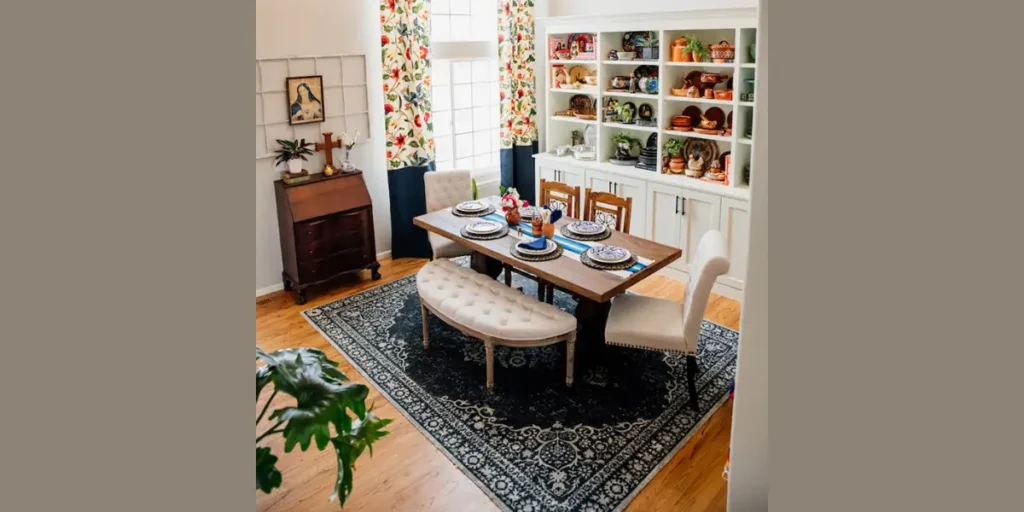
A multi functional layout allows the table to serve as both dining and workspace. I ensure the table placement receives sufficient lighting for productivity.
This plan suits modern lifestyles where flexibility matters. I maintain clutter free surroundings to preserve dining aesthetics.
The arrangement adapts easily throughout the day. It balances practicality with residential comfort.
11. Indoor Outdoor Connected Layout
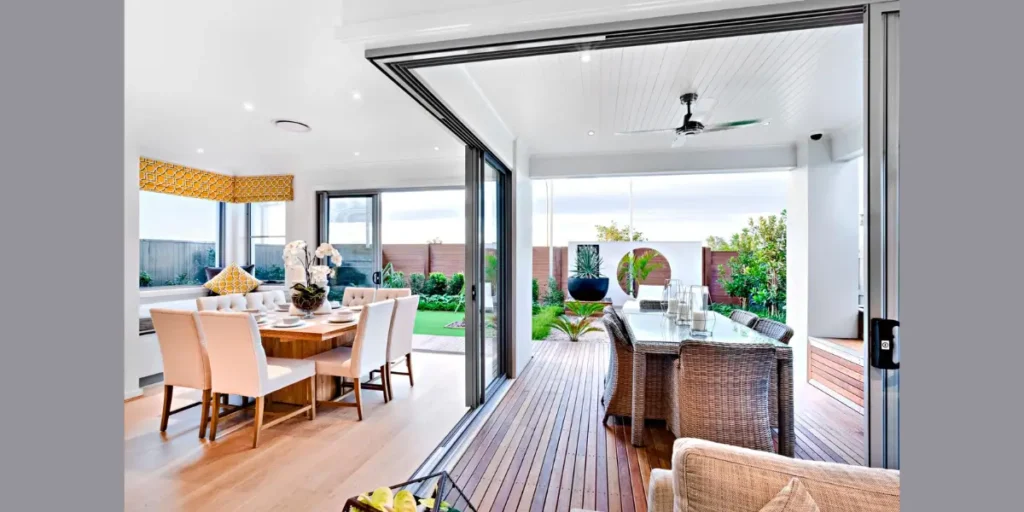
Positioning the dining table near patio doors creates a seamless indoor outdoor connection. I recommend this plan in homes with garden access.
Natural light enhances ambiance while maintaining easy transition between spaces. I keep pathways clear for smooth movement.
This layout expands the visual boundary of the room. It makes the dining area feel open, airy, and connected to nature.
Smart Layout Tips for Dining Table Placement
Planning a dining table layout requires attention to movement, proportion, and visual balance.
I always begin by studying how people enter and exit the room before fixing the table’s position. Even a beautiful table can feel awkward if circulation paths are ignored.
A smart layout improves comfort during meals and prevents the room from feeling cramped. When I align placement with lighting, scale, and daily usage patterns, the dining area naturally feels organized and intentional.
Maintain Proper Clearance Space
Adequate clearance ensures comfort and accessibility. I consistently leave at least 36 inches between the table edge and surrounding walls or furniture.
This spacing allows chairs to slide easily and prevents congestion during gatherings. In tighter layouts, I adjust table size rather than sacrificing walkway comfort.
Align the Table with Lighting Fixtures
Lighting placement plays a major role in visual harmony. I center the dining table directly beneath the main chandelier or pendant light to create balance.
Proper alignment enhances symmetry and anchors the room. It also ensures even illumination across the entire table surface.
Consider Doorways and Walkways
Doors and natural pathways should remain unobstructed. I map out movement patterns before finalizing the table’s position.
Blocking entry points can make the room feel restrictive. A clear pathway improves both functionality and overall flow.
Balance Table Size with Room Proportion
Scale matters more than many people realize. I measure both room dimensions and ceiling height before recommending table length or shape.
An oversized table overwhelms the room, while one that is too small feels disconnected. Balanced proportions create visual cohesion.
Use Rugs to Define the Dining Zone
In open layouts, I often place a rug beneath the table to define the dining area. The rug should extend beyond chair legs when pulled out.
This approach visually anchors the table and separates it from adjacent spaces without adding physical barriers.
Layout Comparison Guide
| Layout Type | Best For | Space Efficiency | Visual Impact |
|---|---|---|---|
| Centered Rectangular | Large rooms | Moderate | Structured and formal |
| Round Compact | Small spaces | High | Soft and inviting |
| Wall Aligned | Narrow rooms | Very high | Practical and efficient |
| Open Concept | Modern homes | Flexible | Clearly defined zones |
| Corner Nook | Apartments | Maximum | Cozy and intimate |
I use this comparison when helping homeowners choose the most practical and visually balanced solution for their specific layout.
Conclusion
A well considered dining table plan can completely transform how a space feels and functions. I always remind homeowners that layout decisions influence comfort just as much as furniture style.
When clearance, lighting alignment, and room proportion work together, the dining area feels effortless and welcoming.
Whether you choose a centered rectangular setup, a compact round arrangement, or an indoor outdoor connection, thoughtful placement makes everyday meals smoother and gatherings more enjoyable.
By focusing on circulation and balance, you create a dining space that supports both practicality and refined design without wasting valuable square footage.
FAQs
I recommend maintaining at least 36 inches of clearance on all accessible sides. This spacing allows comfortable movement and prevents chairs from hitting walls or other furniture during use.
In open spaces, I place the table between the kitchen and living area while keeping pathways clear. Using a rug and centered lighting helps visually define the dining zone.
Yes, especially in narrow or compact rooms. Aligning one side against a wall can save space, particularly when paired with bench seating for efficient use.
For balanced aesthetics, I usually center the table beneath the primary light fixture. This alignment improves symmetry and ensures even lighting coverage.