
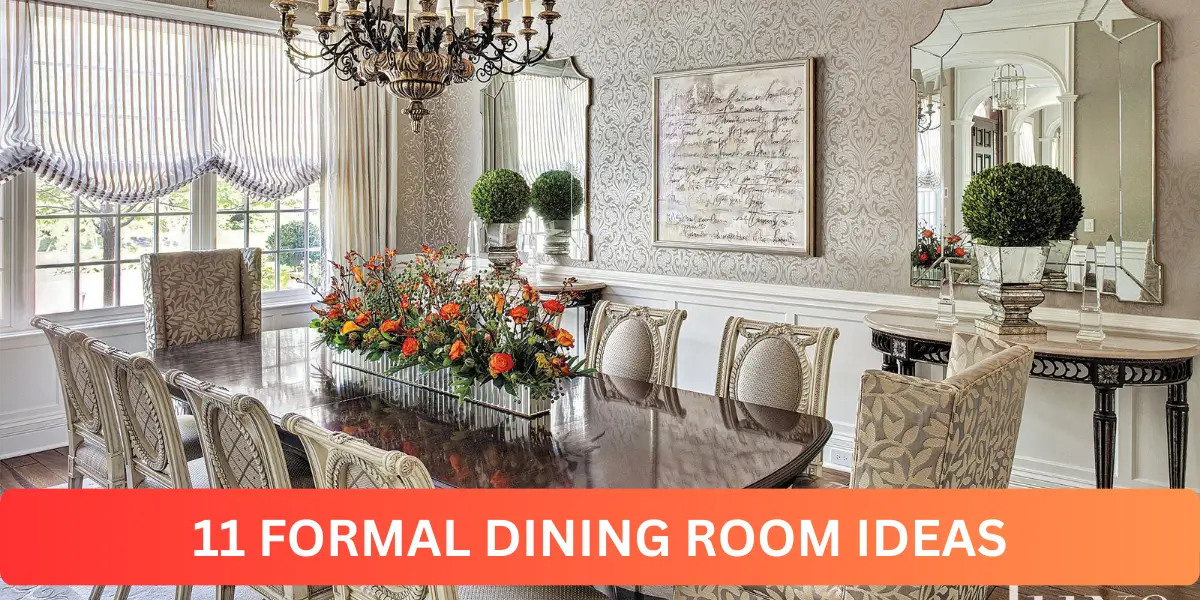

A beautifully designed formal dining room sets the tone for meaningful gatherings and refined evenings. I have always believed that this space should feel intentional, balanced, and quietly impressive rather than overly ornate.
From lighting placement to furniture scale, every decision shapes the overall atmosphere. When planned thoughtfully, a formal dining room becomes more than a place to eat, it becomes a setting for celebration and connection.
In this guide, I will share carefully curated ideas to help you create a dining space that feels sophisticated, welcoming, and timeless without losing comfort.
What Defines a Truly Formal Dining Room?
A truly formal dining room reflects structure, balance, and deliberate design choices. I focus on symmetry, rich materials, and layered lighting to establish a refined atmosphere. Every element should feel intentional rather than accidental.
Formal spaces often highlight architectural detail, elegant furniture silhouettes, and cohesive color palettes. When I design such rooms, I pay close attention to proportion and visual harmony.
Now let me walk you through eleven formal dining room ideas that elevate sophistication while maintaining comfort and practicality.
1. Grand Crystal Chandelier Centerpiece
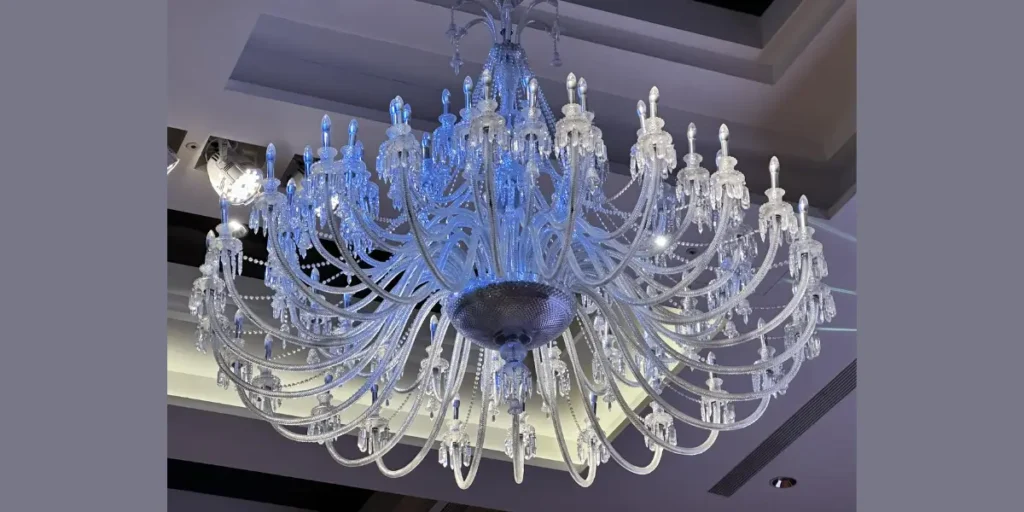
A crystal chandelier instantly establishes elegance. I position it directly above the dining table to create a strong focal point and balanced symmetry. The sparkle reflects light beautifully and enhances the room’s sense of grandeur.
Scale matters significantly. I always measure the table length and ceiling height before selecting the fixture to ensure proper proportion. Oversized lighting can overwhelm, while undersized pieces feel incomplete.
When paired with dimmers, a chandelier transitions easily from bright gatherings to intimate dinners. It anchors the entire design and reinforces a timeless formal aesthetic.
2. Rich Dark Wood Dining Table
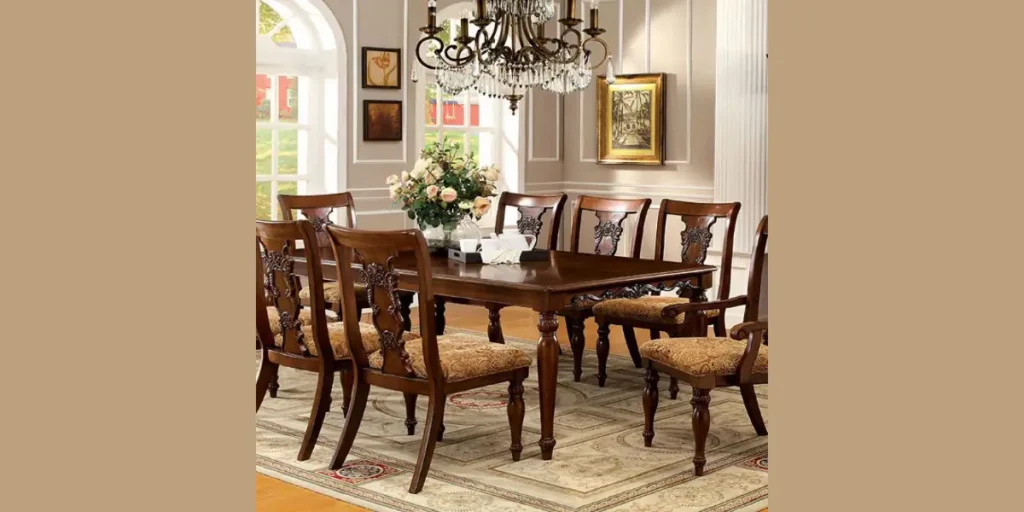
A dark wood dining table creates depth and tradition. I often select mahogany or walnut finishes to anchor the space with warmth and substance. The natural grain adds richness without unnecessary decoration.
This type of table pairs beautifully with upholstered seating and statement lighting. I maintain clear sightlines around it to preserve a balanced layout.
Dark wood conveys permanence and craftsmanship. It strengthens the room’s formal identity and provides a sturdy centerpiece for hosting elegant meals.
3. Upholstered High Back Dining Chairs
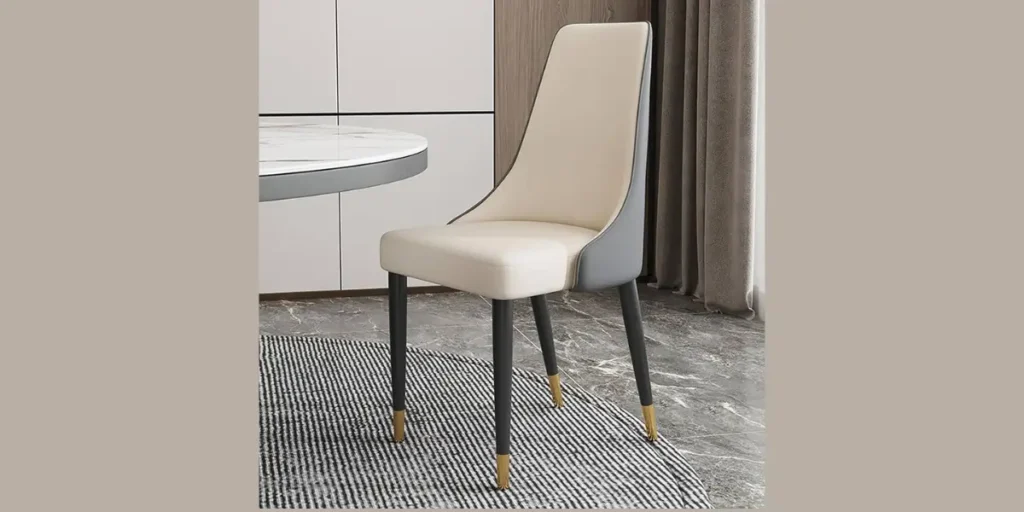
High back chairs introduce height and presence around the table. I prefer upholstered designs in velvet or textured linen to combine comfort with visual sophistication.
Tufting or subtle nailhead trim enhances refinement without appearing excessive. I keep the color palette cohesive to maintain harmony with walls and flooring.
These chairs improve posture and elevate the dining experience. They create a structured, polished look while ensuring guests remain comfortable throughout long dinners.
4. Elegant Wall Paneling or Wainscoting
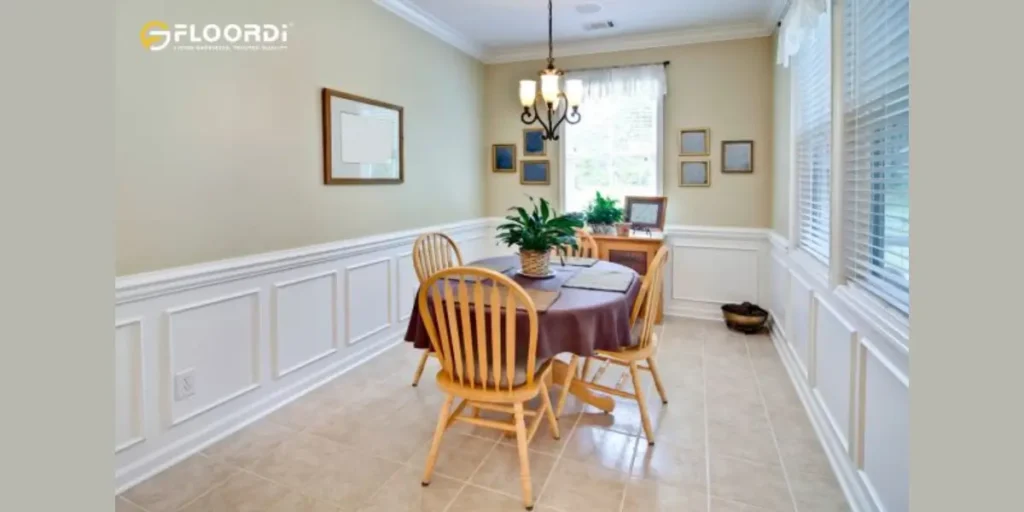
Architectural detailing transforms a plain room into a formal setting. I often incorporate wainscoting or raised paneling to add texture and depth. This technique frames the walls beautifully.
Painting paneling in soft neutrals or deep tones enhances contrast. I ensure moldings align precisely to maintain visual order.
Wall paneling establishes structure and sophistication. It elevates the dining room beyond basic décor and reinforces its formal character.
5. Statement Area Rug
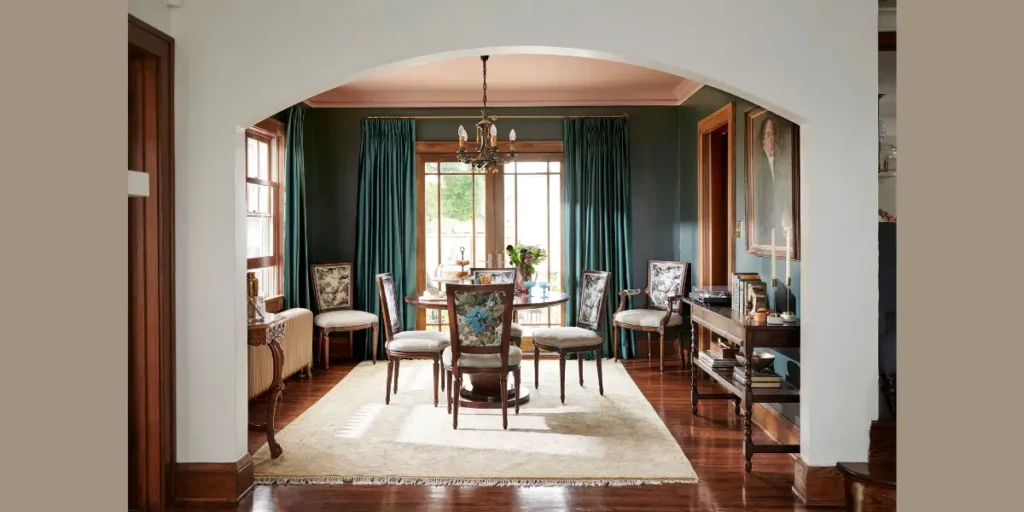
A statement rug defines the dining zone clearly. I choose patterns that complement the furniture rather than compete with it. Proper sizing ensures chairs remain on the rug even when pulled out.
The rug softens hardwood floors and reduces sound. I select high quality materials to withstand regular use.
This element adds warmth and cohesion. It grounds the table visually and contributes to a well layered formal interior.
6. Symmetrical Table Styling
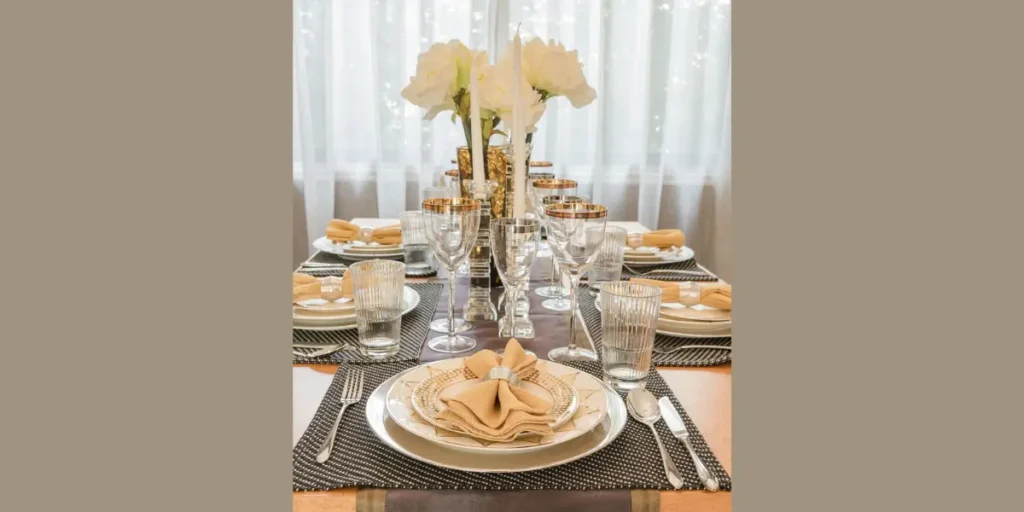
Symmetry plays a key role in formal design. I arrange centerpieces, candleholders, and place settings evenly to create balance across the table.
I avoid overcrowding and focus on proportional arrangements. Crisp linens and polished serving pieces enhance the refined atmosphere.
Symmetrical styling reinforces order and elegance. It ensures the table looks curated and polished for both everyday use and special occasions.
7. Floor to Ceiling Drapery
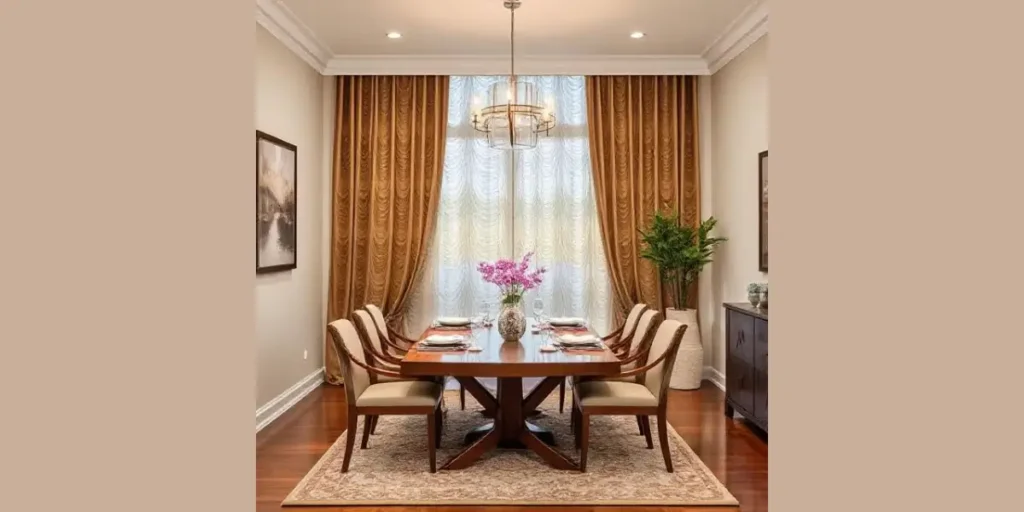
Full length drapery enhances height and softness. I install curtains slightly above the window frame to draw the eye upward and emphasize ceiling height.
Luxurious fabrics such as silk blends or velvet add richness. I coordinate colors carefully with the room’s palette.
Drapery improves acoustics and adds warmth. It frames windows beautifully and strengthens the formal ambiance of the dining space.
8. Classic China Cabinet or Hutch
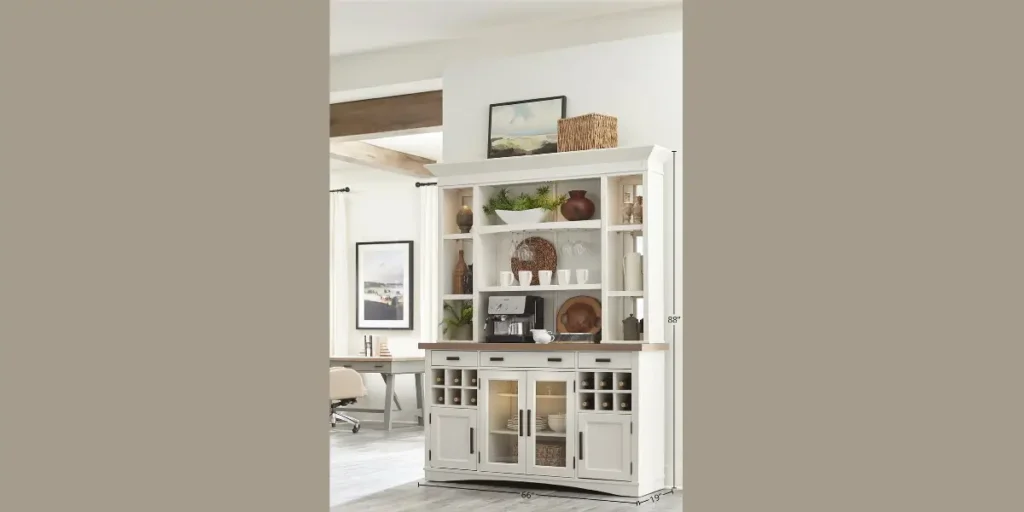
A china cabinet introduces tradition and display opportunity. I select glass front designs to showcase fine dinnerware or decorative pieces.
Placement along a primary wall maintains balance without crowding the room. Interior lighting enhances the display subtly.
This feature adds depth and function. It reinforces the room’s purpose and contributes to a refined, heritage inspired aesthetic.
9. Neutral and Gold Color Palette
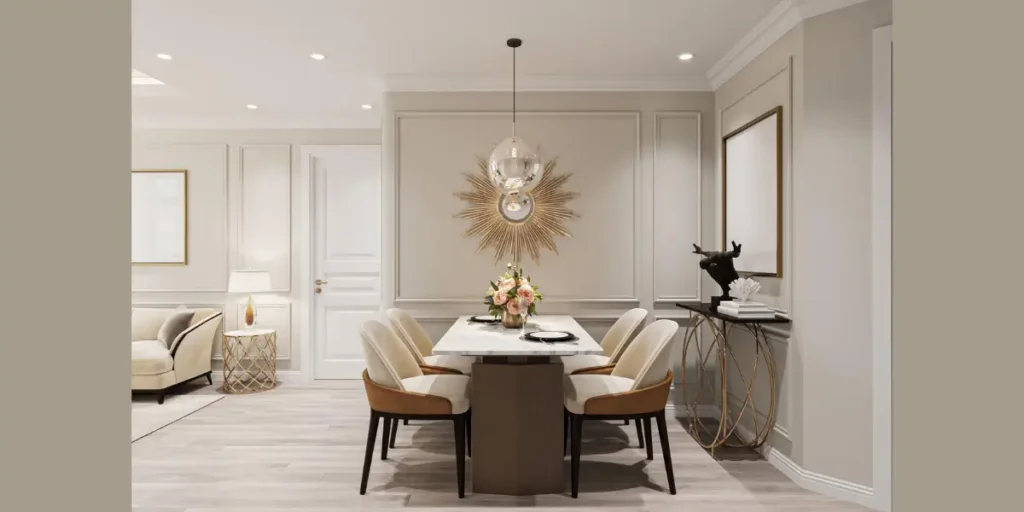
Neutral tones create a sophisticated foundation. I layer beige, ivory, or taupe with subtle gold accents for understated luxury.
Metallic finishes in lighting or décor reflect warmth and enhance dimension. I maintain restraint to avoid excessive shine.
This palette feels timeless and adaptable. It supports elegance without overpowering the overall design composition.
10. Coffered or Tray Ceiling Detail
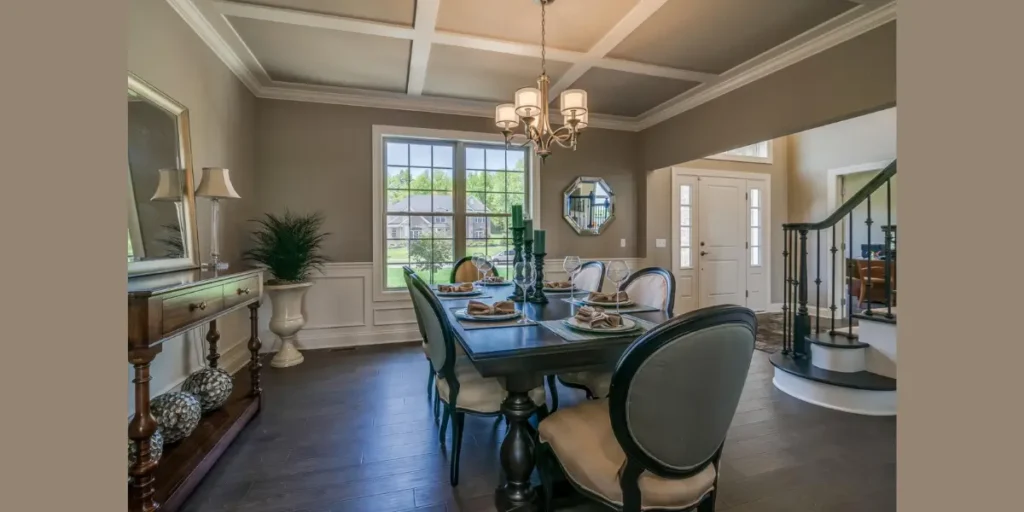
Ceiling details add architectural interest overhead. I appreciate how coffered or tray ceilings frame a chandelier and emphasize height.
Painting the ceiling slightly lighter or darker than walls enhances contrast. Clean lines maintain structure and order.
This feature elevates the room beyond basic design. It reinforces formality and creates a visually impressive setting.
11. Formal Artwork and Framed Mirrors
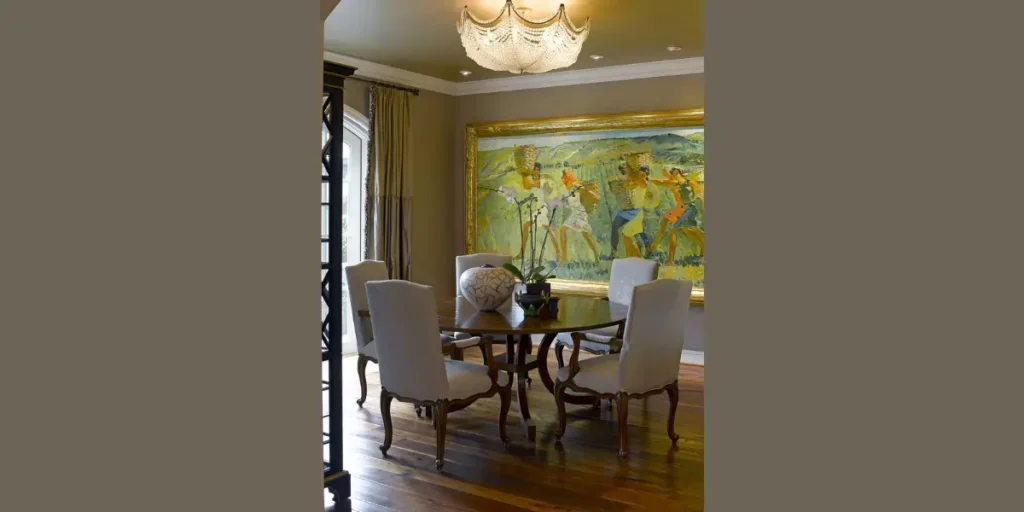
Artwork and mirrors complete the design narrative. I choose large scale pieces that complement the room’s color scheme and proportions.
Mirrors reflect light and visually expand the space. I position them strategically to enhance brightness without glare.
Well selected wall décor strengthens cohesion. It adds personality while preserving the balanced elegance essential to a formal dining room.
Essential Styling Guidelines for a Formal Dining Room
Creating a formal dining room requires more than selecting elegant furniture. I always begin by ensuring proportion and balance guide every decision.
Lighting, seating arrangement, and architectural details must work together cohesively rather than compete for attention.
A refined space feels structured but never stiff. I focus on layering materials, maintaining symmetry, and editing décor carefully. When every element supports the overall vision, the room feels polished and intentionally designed.
Design Considerations
Proportional lighting fixtures play a crucial role in maintaining harmony. I measure ceiling height and table dimensions carefully before finalizing chandelier size. Balanced furniture arrangement ensures smooth circulation and visual order.
A cohesive color palette strengthens the formal atmosphere. I limit bold contrasts and instead layer complementary tones to create depth. Layered lighting, including ambient and accent sources, prevents flatness while enhancing warmth.
Refined decorative accents complete the look. I avoid overcrowding surfaces and instead focus on meaningful, well placed pieces that reinforce elegance.
Material and Finish Overview
| Element | Ideal Choice | Design Impact |
|---|---|---|
| Wood | Mahogany, walnut | Adds depth and tradition |
| Fabric | Velvet, linen | Enhances comfort and texture |
| Metal | Gold, brass | Introduces subtle luxury |
| Glass | Crystal, mirrors | Reflects light and adds brightness |
Choosing high quality materials elevates the overall aesthetic. I ensure finishes complement one another to maintain visual cohesion and timeless appeal.
Conclusion
A formal dining room should feel composed, elegant, and thoughtfully curated. I always approach this space with a focus on proportion, material quality, and balanced symmetry.
When lighting, furniture, and architectural details align seamlessly, the room naturally conveys sophistication without feeling excessive. True formality comes from restraint and precision rather than over decoration.
By selecting refined finishes, structured layouts, and timeless elements, you can create a dining environment that feels both impressive and inviting.
With careful planning, your formal dining room becomes a lasting expression of elegance that enhances every gathering and celebration.
FAQs
A formal dining room emphasizes symmetry, refined materials, and structured layouts. It often includes architectural details, coordinated furniture, and elegant lighting. The overall design feels intentional and polished rather than relaxed or eclectic.
Neutral tones such as ivory, beige, and soft gray create a timeless base. Deep hues like navy or charcoal add richness when balanced with metallic accents. Cohesion remains more important than bold contrast.
While not mandatory, a chandelier typically serves as the focal point. It anchors the space visually and enhances symmetry. Choosing the correct scale ensures it complements the table and ceiling height effectively.
Measure the room carefully and allow at least three feet of clearance around the table. The table should feel substantial but not overcrowd the space. Proportion always determines comfort and elegance.
Yes, smaller spaces can feel formal with careful planning. I use lighter palettes, proportional lighting, and streamlined furniture to maintain sophistication without overwhelming the layout.