
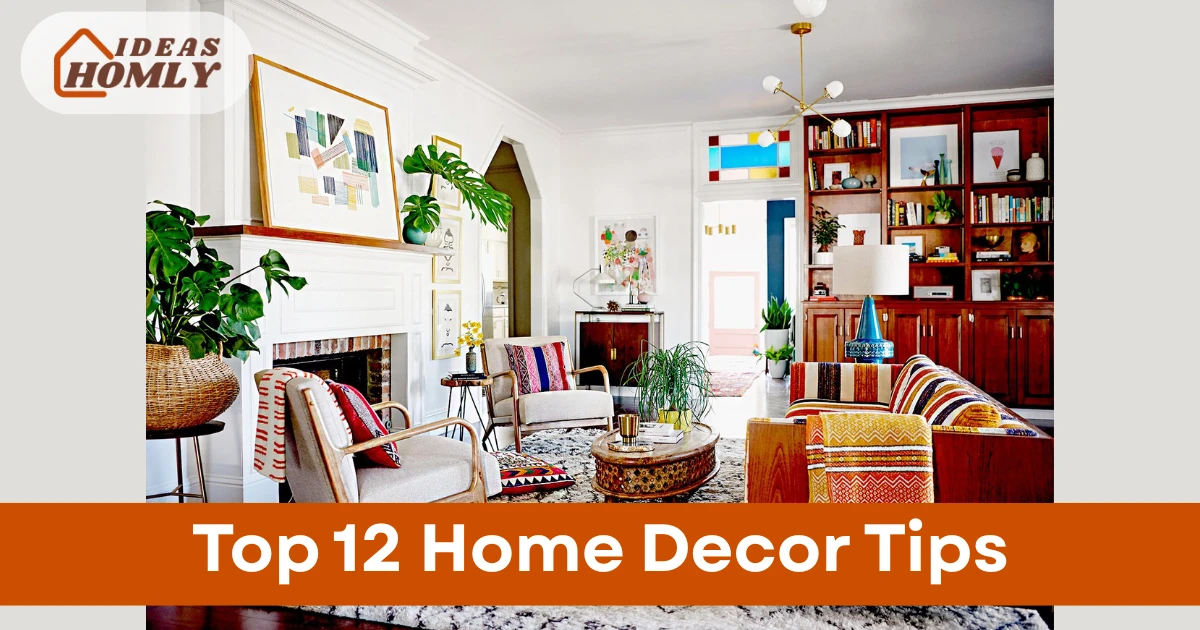

I finally realized that my living room looked more like a waiting room than a home. I spent way too much time staring at blank walls before I decided to take action.
Decorating your house doesn’t require a professional degree or a massive bank account. I learned that small, smart changes make the biggest difference in how a room feels.
You just need a bit of patience and a willingness to move your furniture around. These tips come from my own trial and error while fixing up my place.
Understanding the Basics of Functional Home Design
I spent years thinking that a beautiful home was only for people with unlimited budgets and fancy designers. I eventually learned that great decor is actually more about logic and how you move through a room.
Creating a space that feels right involves more than just picking out pretty colors or expensive furniture. You have to consider how each element works together to support your daily life and personal habits.
Your home should be a reflection of your personality while remaining practical enough for everyday use. I found that focusing on the bones of a room makes the styling process much easier.

WGVI Quality Thick Weighted Tall Clear Cylinder Glass Vases, 4" W x 14" H, Flower Arrangement Floating Candle Holders Wedding Centerpieces Floral Container Home Decor, Bulk Wholesale, 12 Pcs
WGVI Quality Thick Weighted Tall Clear Cylinder Glass Vases, 4" W x 14" H, Flower…
Good design is about finding the balance between what looks great and what actually functions for your family. Once you master these basic concepts, you can decorate any room with total confidence and ease.
1. Focus on Layered Lighting
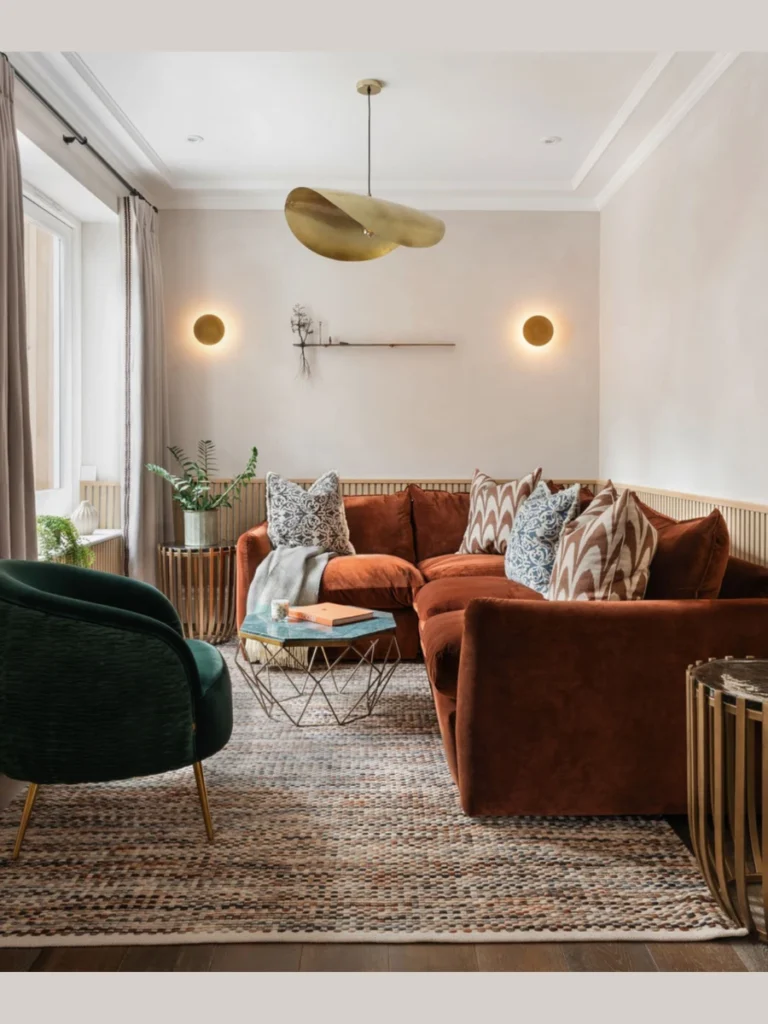
I used to rely on one big ceiling light that made my home look like a hospital. Swapping that for multiple lamps changed the entire mood of my living area instantly.
You should place floor lamps in dark corners to create a sense of warmth. These secondary light sources help define different areas without using harsh overhead glares.
Table lamps on side boards offer a soft glow that makes evening relaxation much easier. I found that mixing heights creates a more professional look in any room.
Avoid cool white bulbs if you want your space to feel cozy and inviting. Warm yellow tones mimic natural sunlight and hide the dust on my shelves perfectly.
2. Choose the Right Rug Size
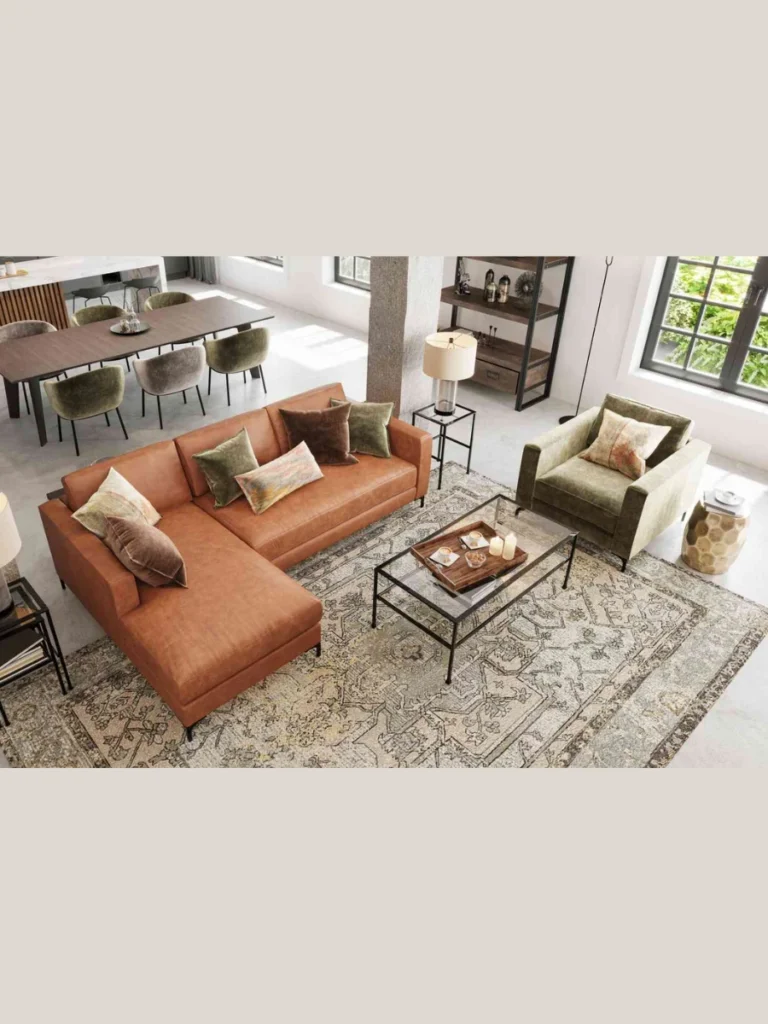
I bought a tiny rug once because it was cheap and it looked like a postage stamp. A small rug actually makes your entire room feel much smaller and cramped.
Your furniture legs should at least touch the edges of the area rug. This creates a visual boundary that pulls the whole seating arrangement together nicely.
Large rugs anchor the room and give your eyes a place to rest comfortably. I suggest measuring your floor twice before you click buy on that website.
Natural fibers like jute or wool handle heavy foot traffic without looking worn out. I prefer these materials because they add a nice texture to my floors.
3. Mix Different Textures
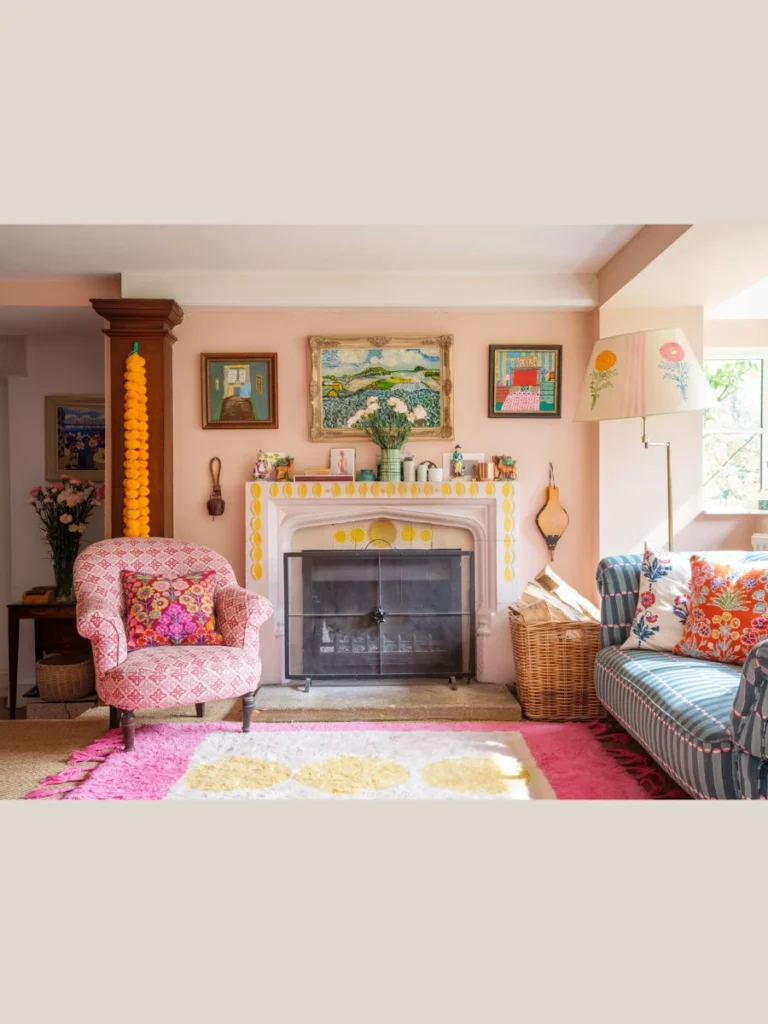
A room with only smooth surfaces feels cold and lacks any real personality. I started adding wooden bowls and woven baskets to break up the monotony.
Velvet pillows paired with a leather sofa create a high-end look without much effort. Contrast is the secret to making a space look lived in and curated.
Linen curtains add a soft touch that balances out hard metal or glass furniture. I love how the light filters through them during the early afternoon hours.
Throw blankets are the easiest way to add color and comfort to your seating. I keep a few handy for cold nights and for hiding sofa stains.
4. Create a Clear Focal Point
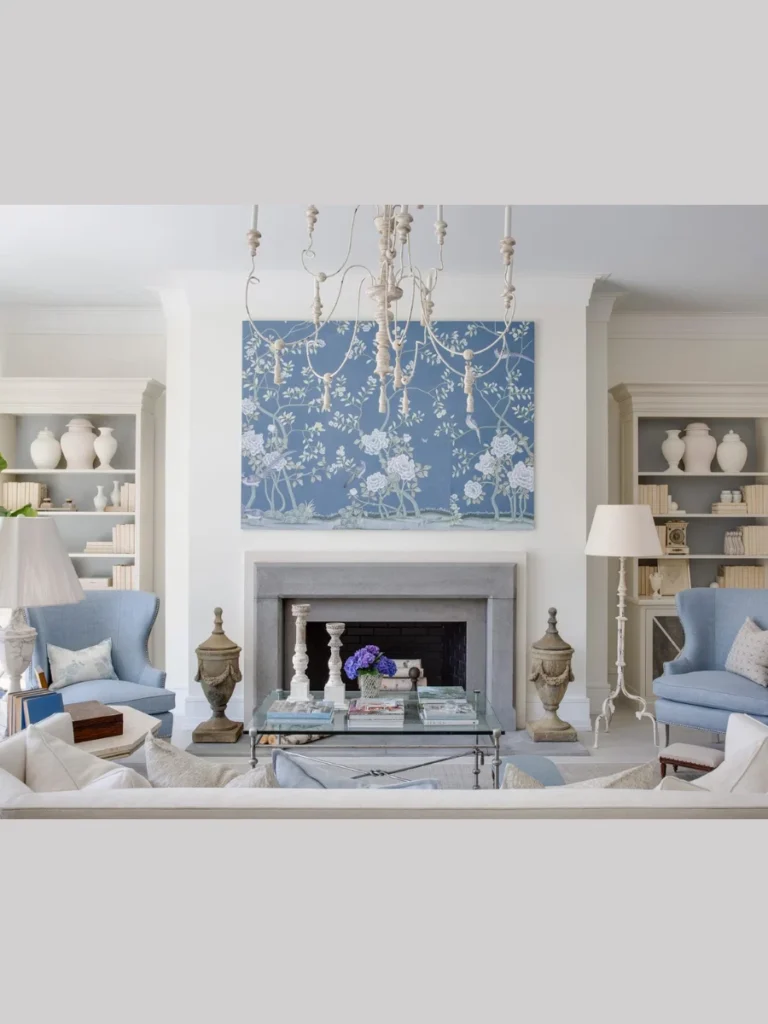
Every room needs one spot that grabs your attention as soon as you enter. I used to have too many small decorations competing for my eyes.

Astronaut Decor Outer Space Room Sign Galaxy Space Wall Decor For Boys Kids Room Decoration Space Themed Bedroom Decor Space Party Decorations Space Theme Decor Astronaut Stickers Birthday Gifts
Astronaut Decor Outer Space Room Sign Galaxy Space Wall Decor For Boys Kids Room Decoration…
A large piece of art or a fireplace serves as a great anchor. Group your furniture toward this central feature to improve the flow of the room.
If you lack an architectural feature, use a bold piece of painted furniture. I turned an old cabinet into a coffee station to draw people in.
Keep the surrounding areas simple so the main feature can truly stand out. Too much clutter near your focal point just creates a giant visual mess.
5. Use the Power of Plants
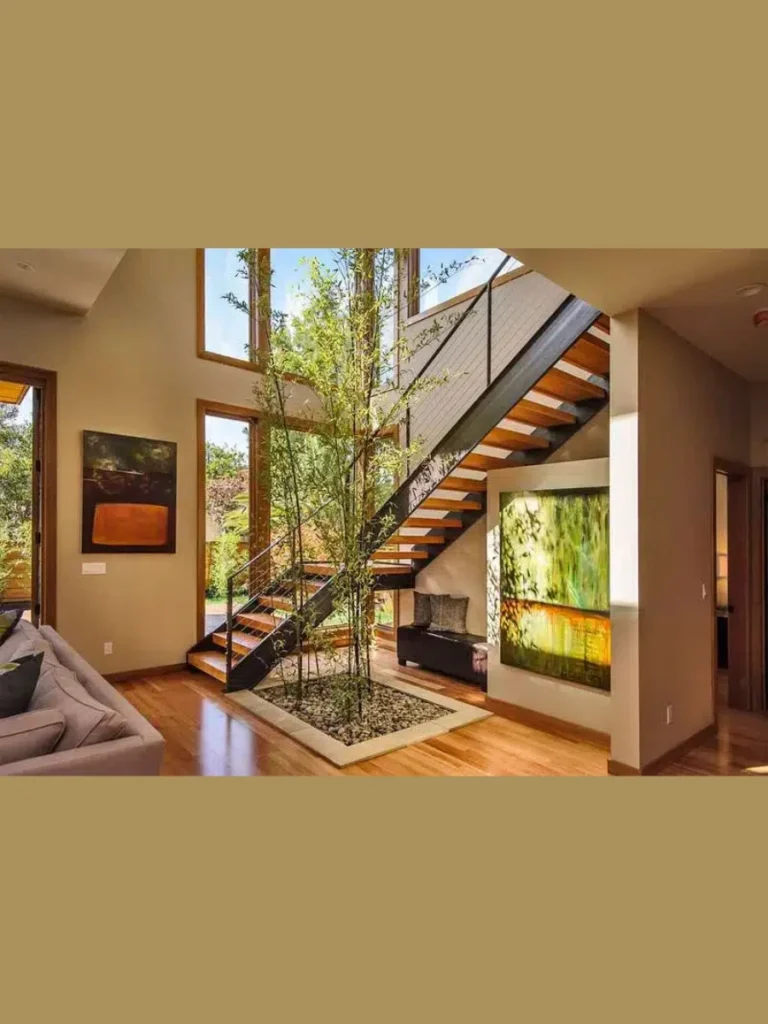
I used to kill every plant I bought until I tried low-maintenance greenery. Adding living things to a room brings a fresh energy that plastic cannot.
Tall leafy plants like a fiddle leaf fig fill empty corners very well. They add height to your decor and clean the air at the same time.
Small succulents work great on bookshelves or windowsills where space is limited. I keep a few on my desk to make working from home better.
Terracotta pots add a rustic feel that fits perfectly with most modern styles. I find that grouping three plants together looks better than a single one.
6. Hang Art at Eye Level
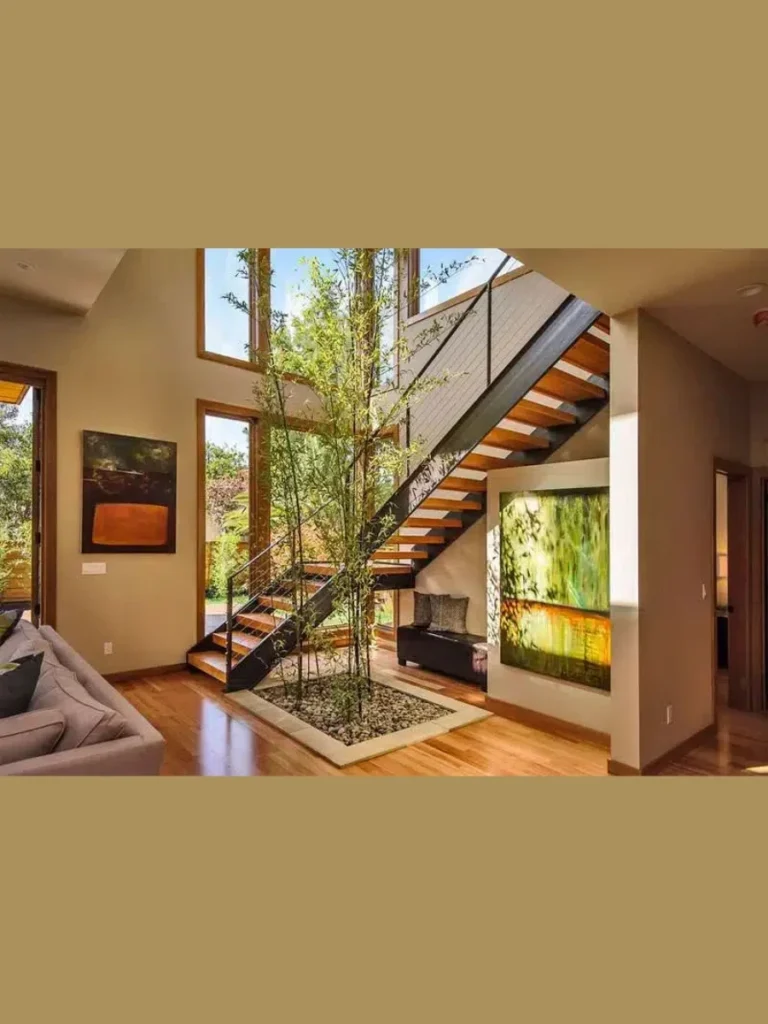
I noticed most people hang their pictures way too high up the wall. This forces guests to crane their necks just to see your family photos.
The center of the frame should sit about five feet from the floor. This rule keeps your gallery looking balanced and connected to the furniture below.
Large walls need big art pieces to avoid looking empty and sad. I often group smaller frames together to create the illusion of a larger piece.
Lean frames against the wall on a shelf for a more casual look. This allows me to swap photos out without making new holes in plaster.
7. Declutter Surface Areas
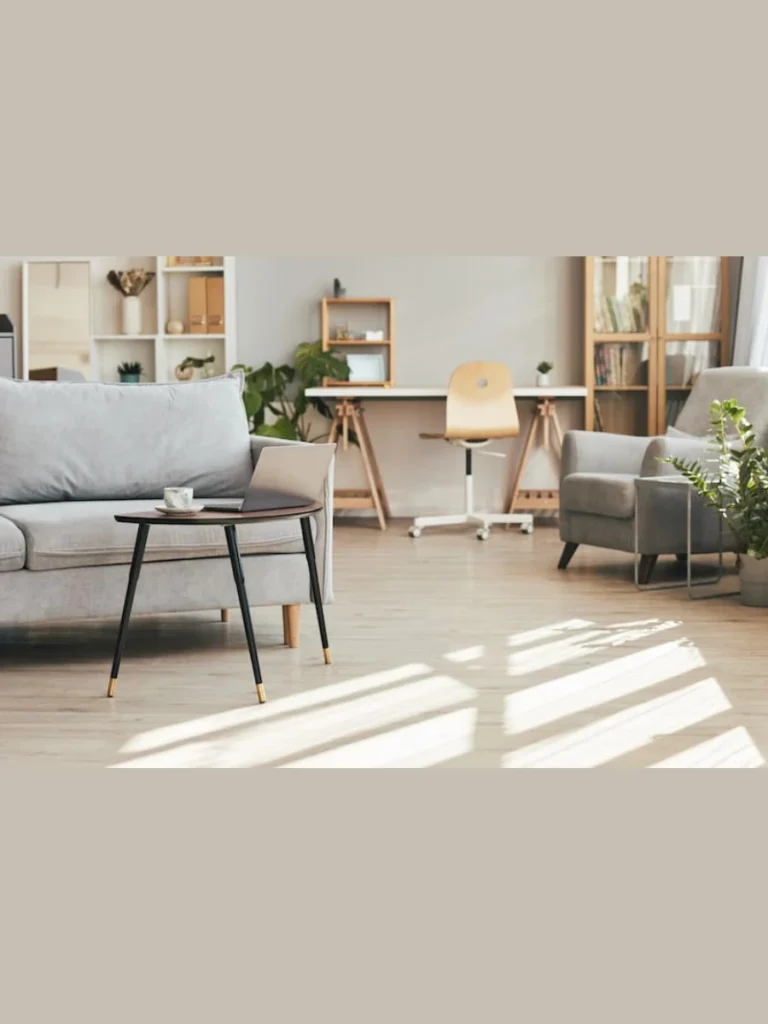
My coffee table used to be a graveyard for old mail and empty cups. Clearing the junk made the room feel ten times larger within minutes.
Only display items that you truly love or use on a daily basis. Use decorative trays to keep small objects like remotes organized and tidy.
Negative space is your friend when it comes to styling shelves or mantels. I leave gaps between my books to let the decor breathe a bit.

AQOTHES Set of 2 Christmas Tree White Throw Pillow Covers 12x20 Home Decor
AQOTHES Set of 2 Christmas Tree White Throw Pillow Covers 12x20 Home Decor
Rotate your accessories every few months to keep the look feeling fresh. I move my vases around whenever I get bored with the current setup.
8. Optimize Your Wall Colors
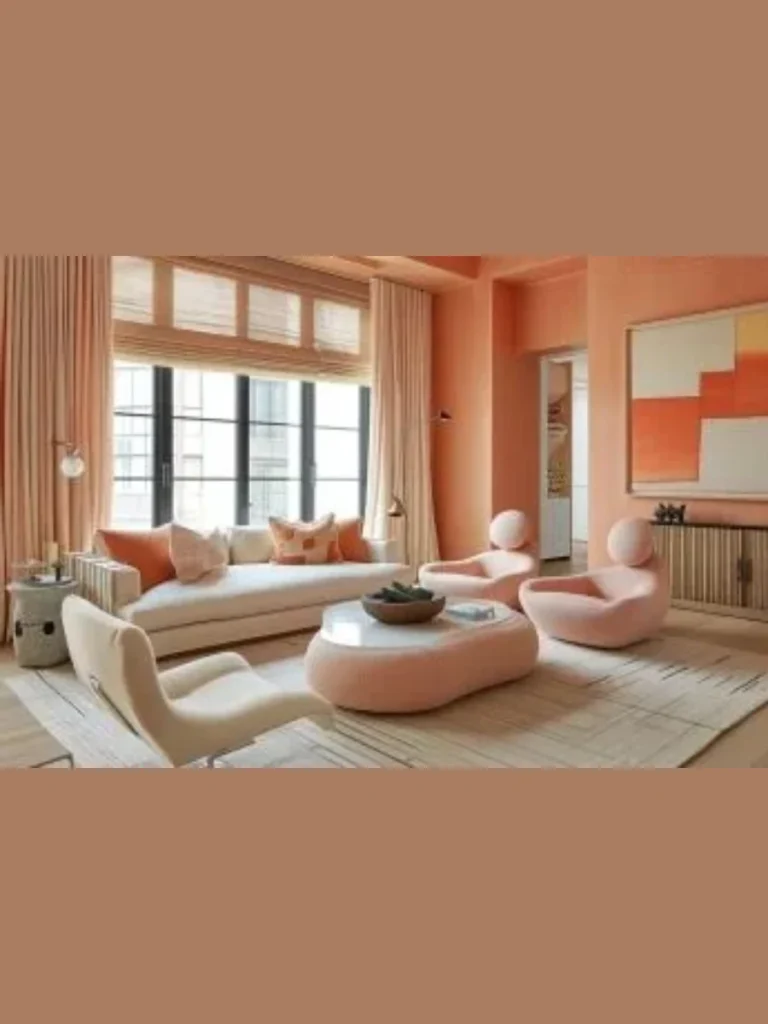
I once painted a small room dark navy and it felt like living in a cave. Choosing the right paint shade is the most affordable way to change your home.
Light colors reflect the sun and make a cramped hallway feel much airier. I stick to soft whites or light grays for spaces that lack large windows.
Test your paint samples on different walls before committing to a full gallon. The color looks different at noon than it does under your evening lamps.
Darker tones work best in bedrooms where you want a moody and quiet vibe. I used a deep forest green to make my sleeping area feel more private.
9. Master the Art of Mirror Placement
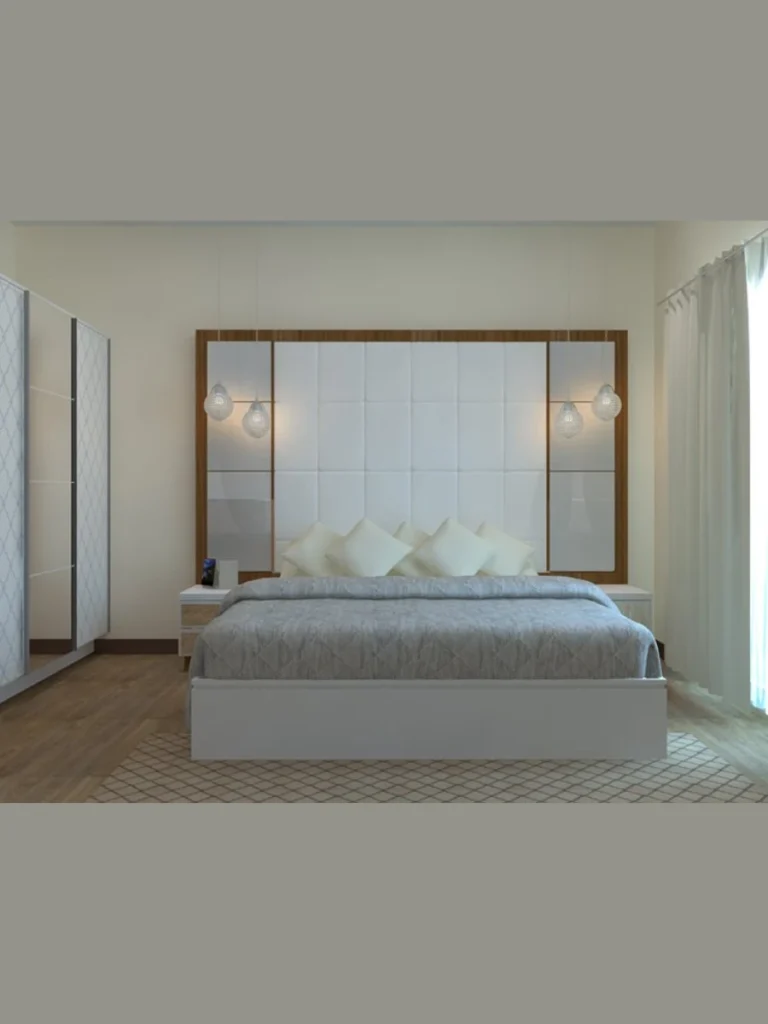
I use mirrors like secret windows to brighten up the darker parts of my house. A well-placed mirror can double the visual depth of a narrow entryway instantly.
Position a large mirror opposite a window to bounce natural light around the room. This trick saves me from turning on the overhead lights during the day.
Full-length mirrors leaning against a wall add a touch of casual luxury. I find this much easier than trying to mount heavy glass on drywall.
Decorative frames allow a mirror to act as a piece of art itself. I look for vintage gold frames at thrift stores to add some character.

Personalized Custom Canvas Prints: Photo On Canvas (Framed 11X14) Transform Your Photos into Stunning Framed Wall Art Digitally Printed Photo To Canvas Ideal for Home Decor Gifts Keepsakes
Personalized Custom Canvas Prints: Photo On Canvas (Framed 11X14) Transform Your Photos into Stunning Framed…
10. Update Your Cabinet Hardware
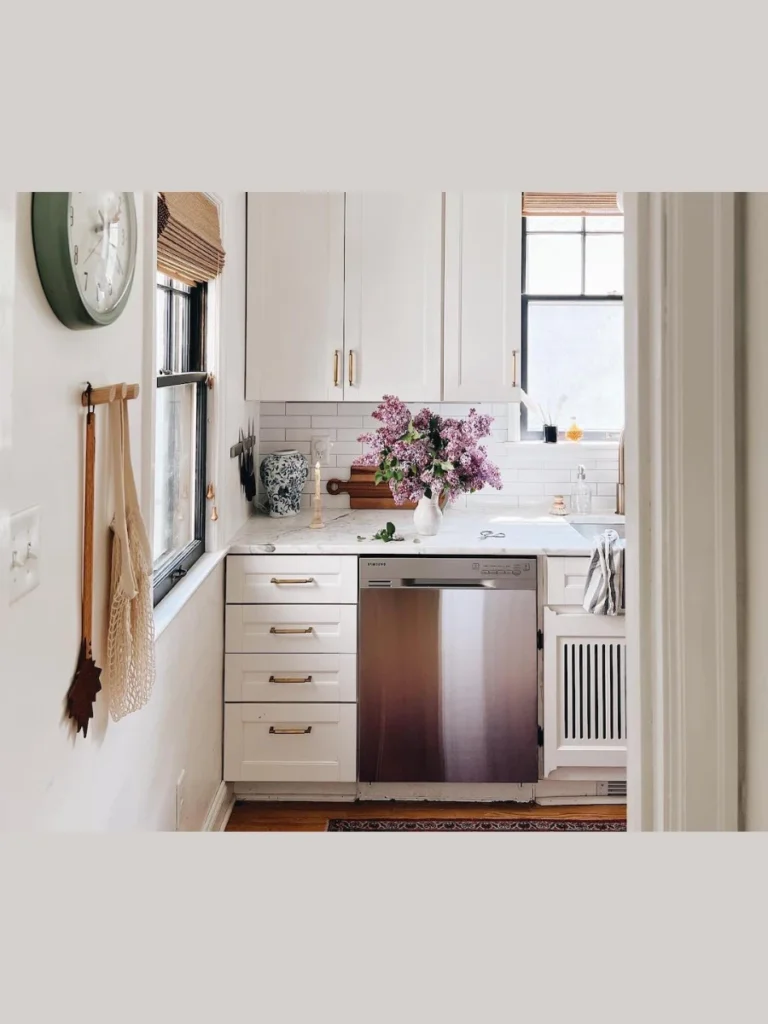
I realized that my kitchen looked twenty years old just because of the handles. Swapping out basic plastic knobs for brass pulls changed the entire aesthetic.
This is the perfect project for renters who cannot make permanent structural changes. I kept my old hardware in a bag to put back later.
Choose a finish that complements your faucet and other metal fixtures nearby. Mixing metals is fine but I prefer sticking to two main tones maximum.
Matte black handles provide a modern look that hides fingerprints very well. I installed these in my bathroom and they still look brand new.
11. Arrange Bookshelves with Style
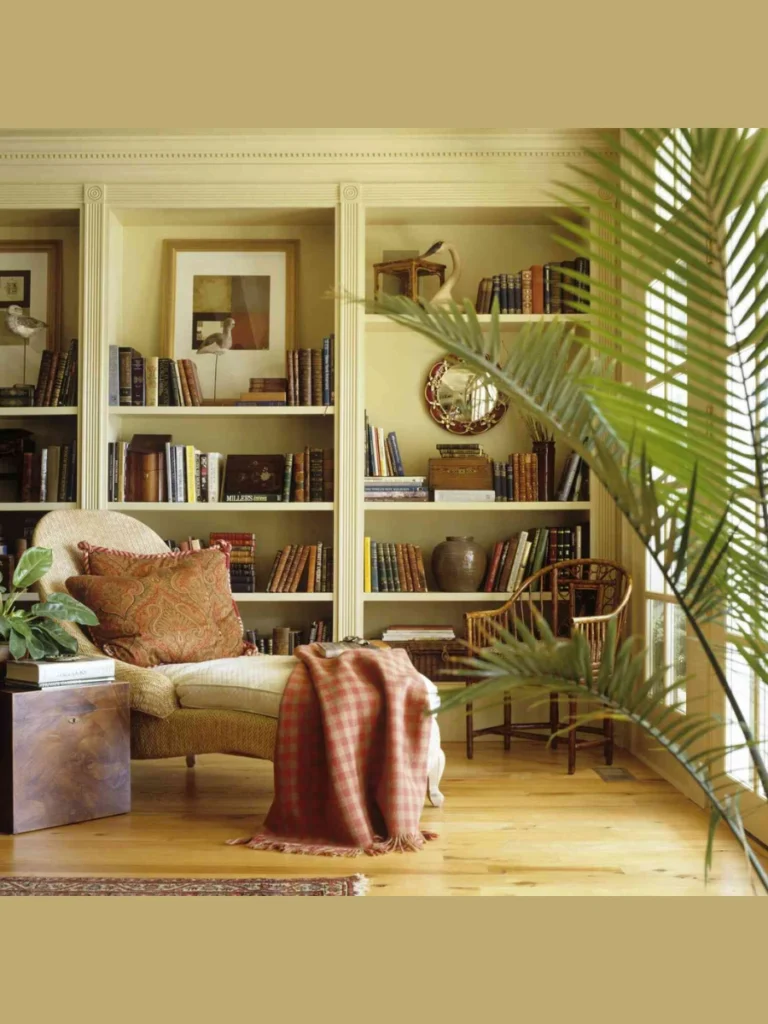
I stopped cramming books onto shelves like a library and started styling them. Mixing vertical and horizontal stacks creates a much more interesting visual rhythm.
Leave some empty space on each shelf to display a few favorite objects. I use heavy stones or small sculptures as unique bookends for my collection.
Organizing your book spines by color can create a very clean and intentional look. It sounds tedious but the result makes the room feel much calmer.
Deep shelves are great for layering small framed photos in front of books. This adds layers of depth that make your storage look like decor.

P&L ART. Personalized Custom Canvas Prints: Photo On Canvas Transform Your Photos into Stunning Framed Wall Art Digitally Printed Photo To Canvas Ideal for Home Decor Gifts Keepsakes Framed 16x20
P&L ART. Personalized Custom Canvas Prints: Photo On Canvas Transform Your Photos into Stunning Framed…
12. Use Curtains to Boost Height
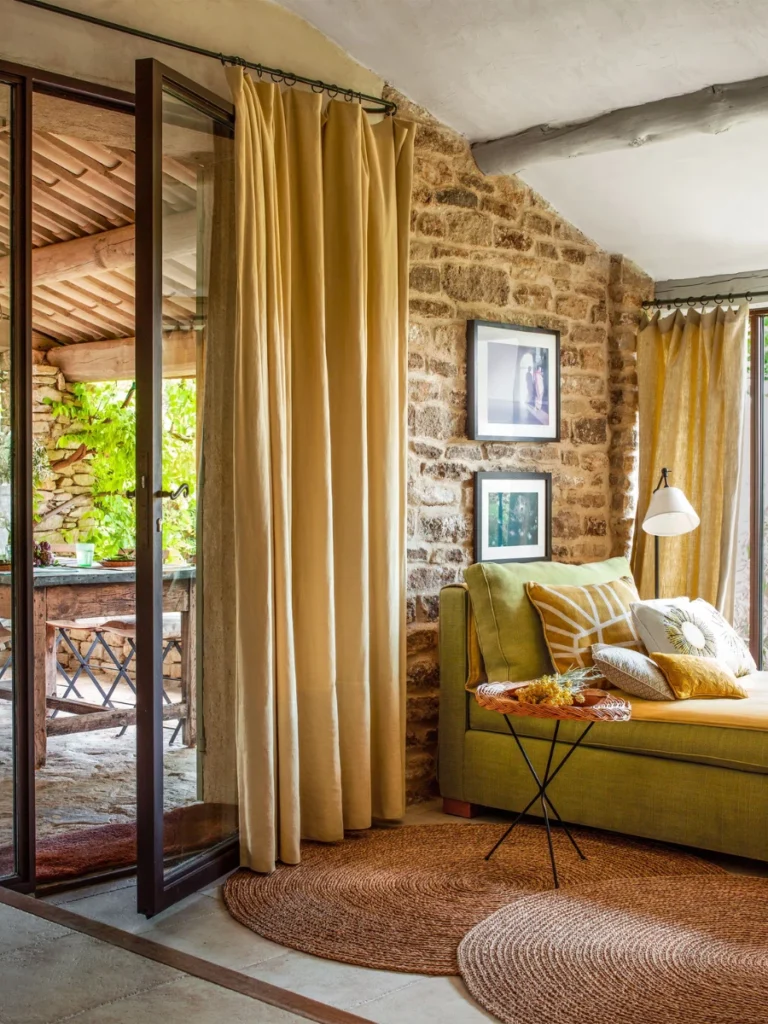
I used to hang my curtain rods right at the top of the window. This made my ceilings look much lower than they actually were in reality.
Mount your rods a few inches below the ceiling to draw the eye upward. This simple adjustment creates the illusion of a much grander and taller room.
Ensure the fabric panels reach all the way down to touch the floor. Short curtains look like high-water pants and ruin the flow of your walls.
Wide rods allow you to pull the fabric completely away from the glass. I like this because it lets every bit of available sunlight inside.
Room Layout and Dimension Guide
| Element | Recommended Standard | Why It Matters |
| Coffee Table Height | 16 to 18 inches | Easy access from the sofa |
| Curtain Rod Width | 6 inches past frame | Makes windows look much wider |
| Dining Light Height | 30 inches above table | Prevents head bumps and glare |
| Art Hanging Height | 57 inches at center | Matches the average human eye level |
Avoid These Common Decorating Blunders
I often see people pushing every single piece of furniture directly against the walls. This creates a weird empty void in the center that feels cold and uninviting.
Pull your sofa forward just a few inches to let the room breathe better. This small gap creates a much more intimate area for having actual conversations.
Buying matching furniture sets makes your home look like a boring retail showroom. I prefer mixing different styles to make the space feel much more personal.
A room with too many identical pieces lacks the character that builds real trust. Contrast is what makes your home feel like it belongs to a human.

AQOTHES Set of 2 Christmas Tree White Throw Pillow Covers 12x20 Home Decor
AQOTHES Set of 2 Christmas Tree White Throw Pillow Covers 12x20 Home Decor
Conclusion
I hope these tips give you the confidence to start tweaking your own space. Decorating is a personal journey that should reflect who you are and how you live.
Start with the small changes like lighting or plants before moving to bigger tasks. You will be surprised at how much better your home feels after one weekend.
Don’t feel pressured to buy everything at once or follow every single trend. The best homes are the ones that grow and change over many years.
Focus on making your house comfortable for you and your family first. If you love where you live the decor will naturally fall into place.
FAQs
Adding large scale art and high-quality textiles like velvet or linen works wonders. I also find that decluttering surfaces makes any space look much more high-end.
I suggest picking one main neutral color and two accent colors for a balance. Use the 60-30-10 rule to distribute these colors across your furniture and walls.
Yes you can mix woods as long as they share a similar undertone. I like to use a dark walnut paired with a lighter oak for contrast.
There is no hard limit but you should ensure they don’t block walkways. I stop adding greenery when I can no longer see the tops of my tables.
Rugs help define seating areas and protect your floors from heavy furniture scratches. I always use them to add warmth and reduce echoes in larger rooms.
Related Posts
- 13 Best Furniture for New Apartment Ideas
- Top 14 furniture mirror ideas
- 15 Best Furniture for Baby Girl Room Ideas
- Top 10 Stylish Furniture for Nursery Ideas
- 11 Best Furniture For A Small Bedrooms Ideas
- Top 12 Furniture Ideas For Small Apartments
Recommended for You

Outer Space Room Wall Decor For Kids Astronaut Decorations For Boys Space Themed Bedroom Decor For Boy Metal Tin Sign Space Decoration Space Theme Signs Birthday Party Gifts For Girls Bathroom Decor Space Wall Tapestry Planet Posters Girl Galaxy Stickers
Outer Space Room Wall Decor For Kids Astronaut Decorations For Boys Space Themed Bedroom Decor…