
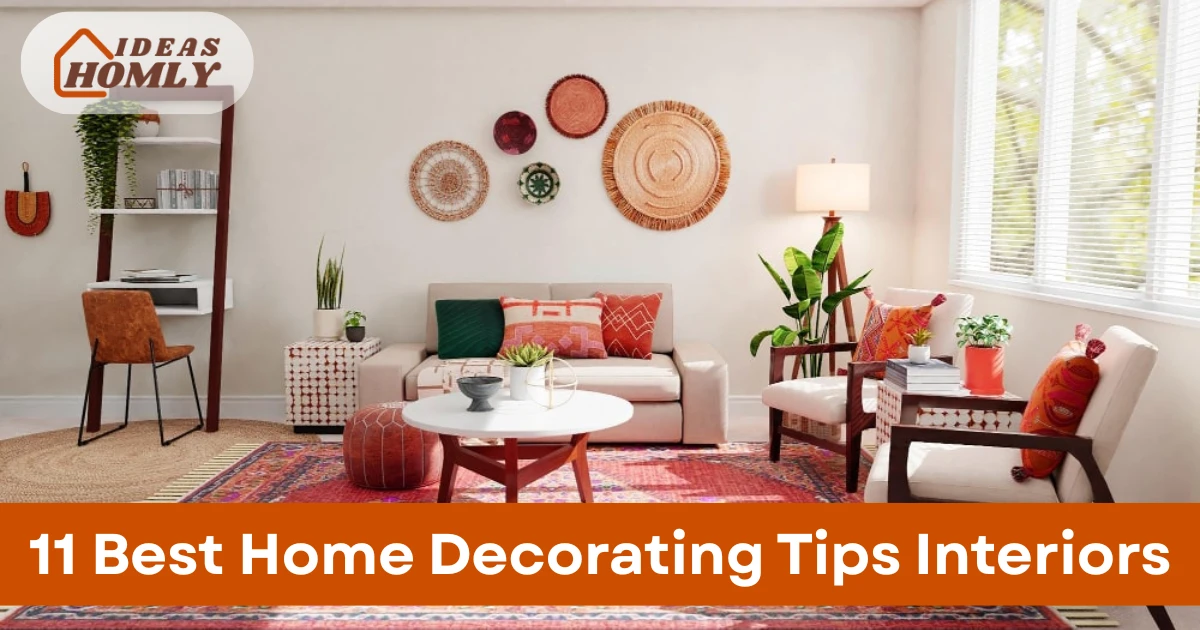

I help people fix boring rooms without spending a fortune on professional designers. You probably want a home that looks intentional rather than a random collection of furniture. Here is how I handle interior styling to get real results.
Everything You Need to Know About Professional Interior Styling
I believe that anyone can create a stunning home without hiring an expensive design firm to do the work. You simply need to understand the basic principles that make a room feel balanced and inviting to the eye.
Most people struggle because they try to buy a finished look all at once from a single furniture store. I found that the most beautiful homes are those that grow slowly through careful selection and personal touches.
I focus on the functional needs of each room before I ever think about the color of the throw pillows. A room that looks pretty but doesn’t work for your lifestyle will always feel like a failure in the end.
This guide provides the exact roadmap I use to turn basic rooms into comfortable spaces that actually reflect personality. Let’s look at how small changes in lighting and layout can completely change your daily experience at home.
1. Effective Ways to Plan Your Space Layout
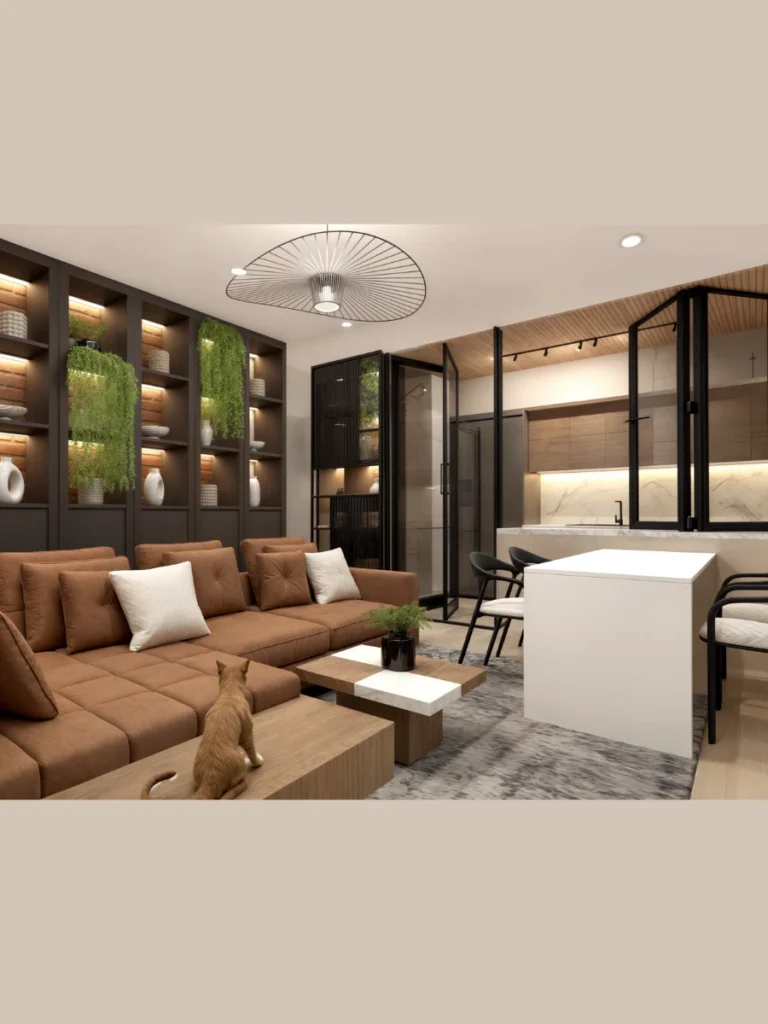
The first step involves clearing out items that serve no purpose in your daily life. A cluttered room feels small and stressful regardless of how much you spend on decor.
You Look Good Bath Mat, 21" x 29" Cool Rugs for Bedroom, You Look Good Rug
You Look Good Bath Mat, 21" x 29" Cool Rugs for Bedroom, You Look Good…
I suggest moving every piece of furniture to the center of the room to see the floor. This perspective reveals the actual size of your space and highlights better paths for walking.

Own Your Space: Attainable Room-by-Room Decorating Tips for Renters and Homeowners
Own Your Space: Attainable Room-by-Room Decorating Tips for Renters and Homeowners
You should identify a single focal point like a window or fireplace before placing large items. Arranging your sofa toward a main feature creates a natural sense of order and comfort.
Leave at least three feet of space in high traffic areas to avoid a cramped feeling. Good flow makes a house feel professional and much more expensive than it actually is.
2. Best Color Palette Rules for Cohesive Rooms
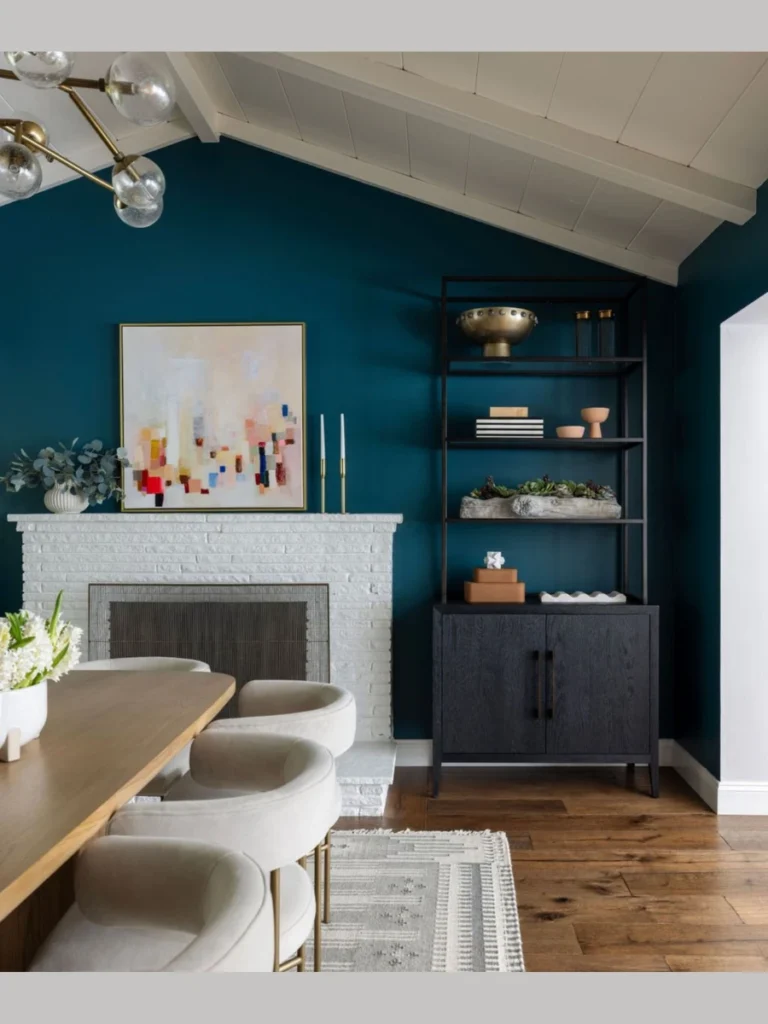
I use the 60-30-10 rule to keep colors from clashing in my living room designs. Use a neutral base for sixty percent of the room to keep the atmosphere calm.
Thirty percent of the space gets a secondary color through curtains or smaller furniture pieces. This secondary shade adds depth without making the room feel overly busy or loud.
The final ten percent features a bold accent color found in pillows or small art. These tiny pops of color draw the eye and make the design look well planned.
Stick to tones that share a similar temperature to ensure the whole house feels connected. Cool blues and warm tans rarely look good when they compete for attention in small spaces.
3. Professional Lighting Layers for Better Moods
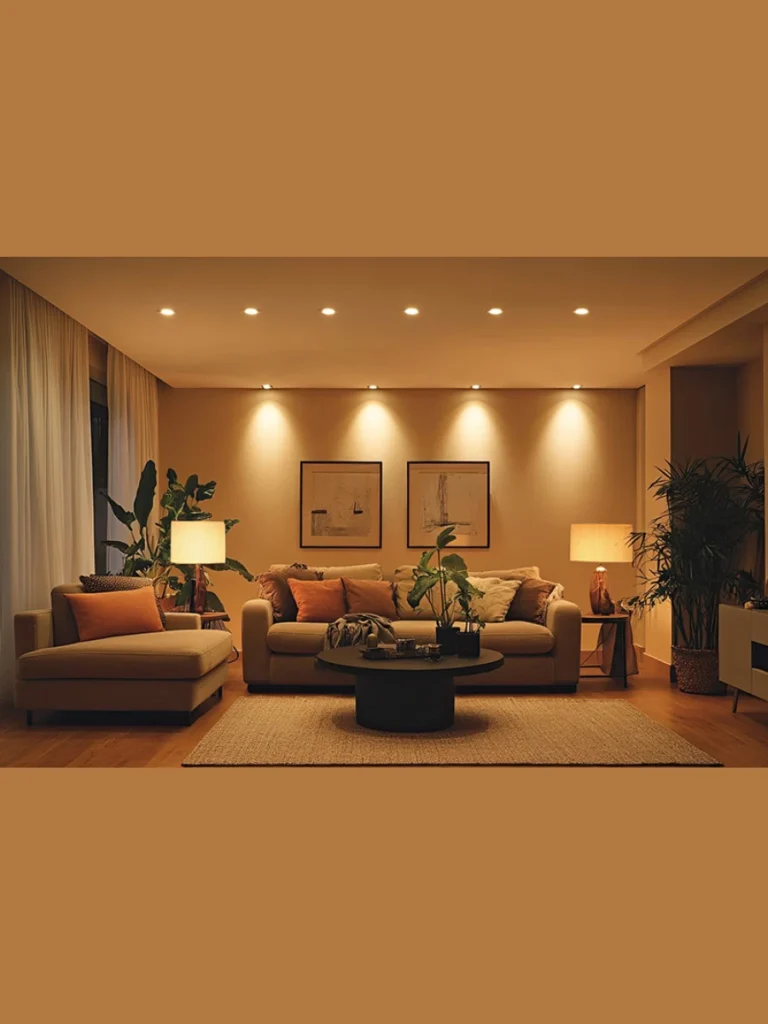
Relying on a single overhead light is the fastest way to make a room look flat. I always add three different types of light sources to create a cozy environment.
Ambient lighting provides the general glow needed to see where you are walking safely. Task lighting focuses on specific areas like reading chairs or kitchen counters for better function.
Accent lights highlight your favorite artwork or architectural features on the walls or shelves. Using lamps at different heights adds a layer of sophistication that ceiling lights cannot provide.

How to Sell Art to Interior Designers: Learn New Ways to Get Your Work into the Interior Design Market and Sell More Art
How to Sell Art to Interior Designers: Learn New Ways to Get Your Work into…
I replace bright white bulbs with warm yellow tones to make spaces feel more inviting. Proper bulb temperature changes the entire mood of a room for just a few dollars.
4. Top Textile Choices to Increase Comfort
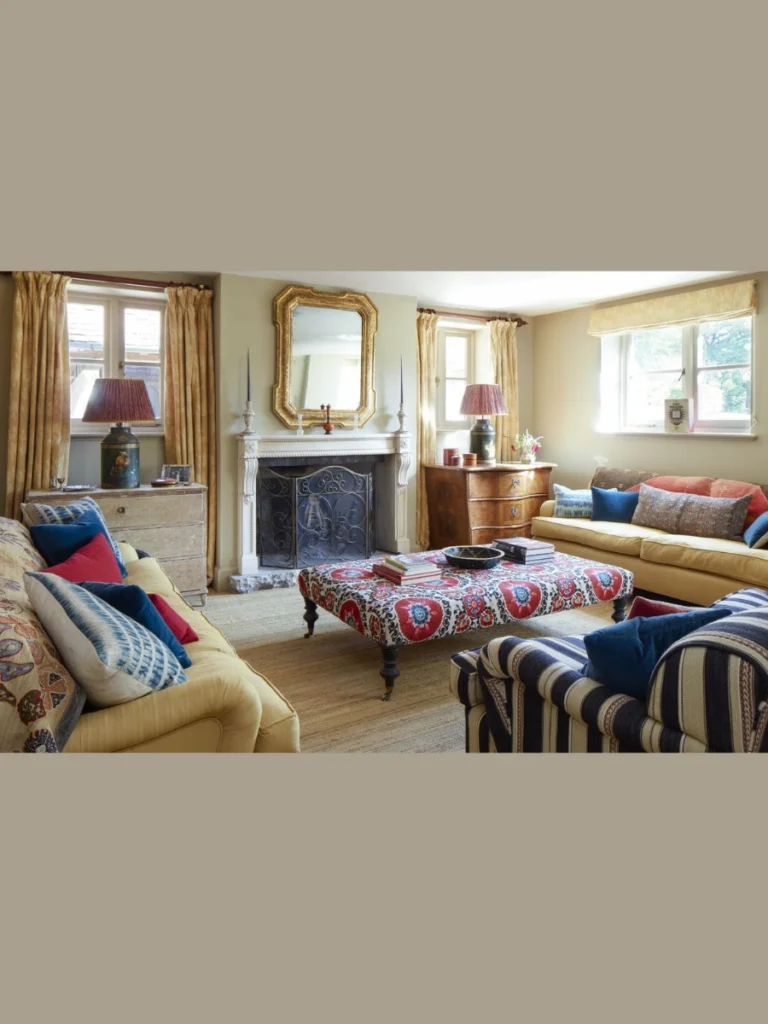
Adding different fabrics is my favorite way to make a cold room feel warm. A velvet pillow next to a linen sofa creates a rich look through simple contrast.
Area rugs should be large enough so the front legs of all furniture sit on them. A tiny rug makes a large room look disconnected and visually cheapens the overall design.

5PCS Large Piping Tips Set, COKUMA Stainless Steel Cake Decorating Tips, Frosting Icing Tips for Cupcakes, Cake, Cookie and Decorating (Dishwasher Safe)
5PCS Large Piping Tips Set, COKUMA Stainless Steel Cake Decorating Tips, Frosting Icing Tips for…
I choose curtains that reach the floor to give the illusion of much taller ceilings. Hanging the rod close to the ceiling makes windows look grand and lets in light.
Layering a knit throw over a leather chair balances out hard and soft surfaces perfectly. This simple trick adds physical comfort and visual warmth to any corner of your home.
5. Smart Furniture Selection for Small Interiors
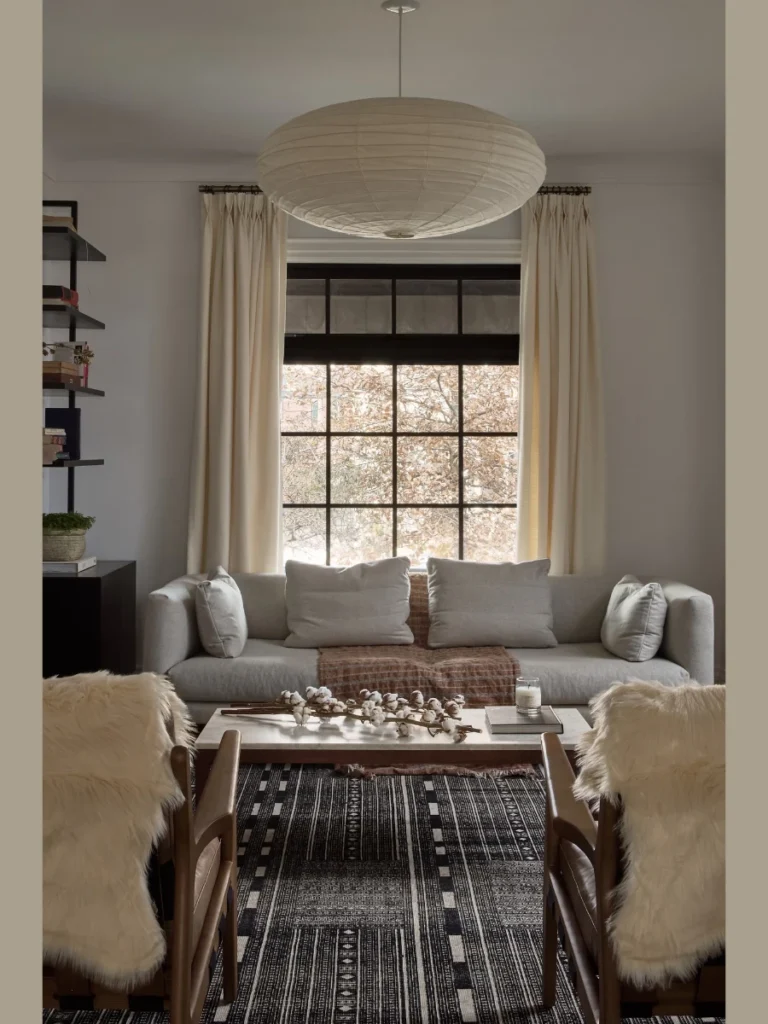
I prefer furniture with exposed legs to make small apartments feel much more open. Seeing the floor underneath a sofa creates a sense of airiness in a tight layout.
Multifunctional pieces like storage ottomans keep my living room tidy and free of clutter. Choosing items that do double duty is a smart move for any busy household.
Avoid buying full matching furniture sets because they lack personality and look like a showroom. Mixing a modern chair with an old wooden table adds character and unique style.

200 Tips To Get Rid Of Clutter: 6 Manuscripts: Learn Over 200 Tips To Declutter Your Life And Create A Positive, Fresh Environment
200 Tips To Get Rid Of Clutter: 6 Manuscripts: Learn Over 200 Tips To Declutter…
Check the scale of every piece before you bring it inside your front door. Oversized furniture in a small room makes the space feel like it is shrinking.
6. Strategic Wall Art Placement for Impact
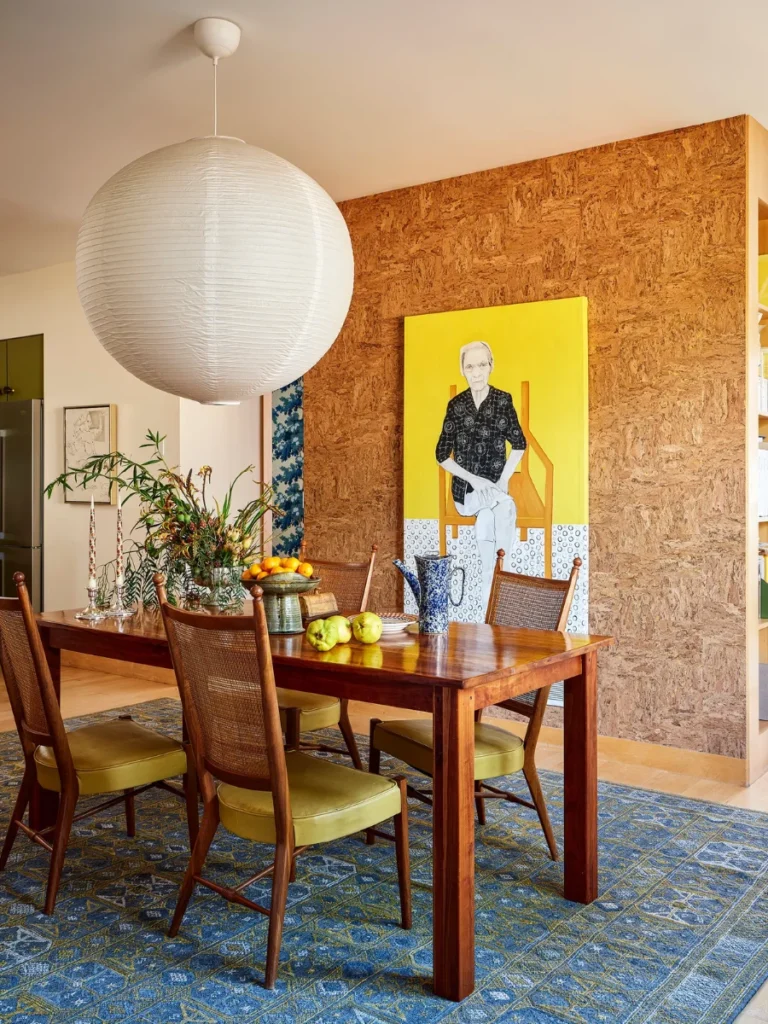
Hanging art too high is a mistake I see in almost every home I visit. You should aim to place the center of the piece at eye level for balance.
Grouping smaller pictures together creates a gallery wall that acts as a single large focal point. This method fills empty walls without requiring a massive budget for one giant painting.

9PCS Large Piping Tips Set, Stainless Steel Cake Decorating Tips, Pastry Cake Decorating Tips Baking Tools for Baking Cupcakes, Cake Decorating
9PCS Large Piping Tips Set, Stainless Steel Cake Decorating Tips, Pastry Cake Decorating Tips Baking…
I use painter’s tape to mark where frames go before I put holes in my walls. This simple trick saves time and keeps your drywall from looking like a piece of cheese.
Mixing different frame styles adds a collected look that feels authentic rather than bought from a catalog. Personal photos look great when paired with textured sketches or simple line art drawings.
7. Natural Greenery for a Living Atmosphere
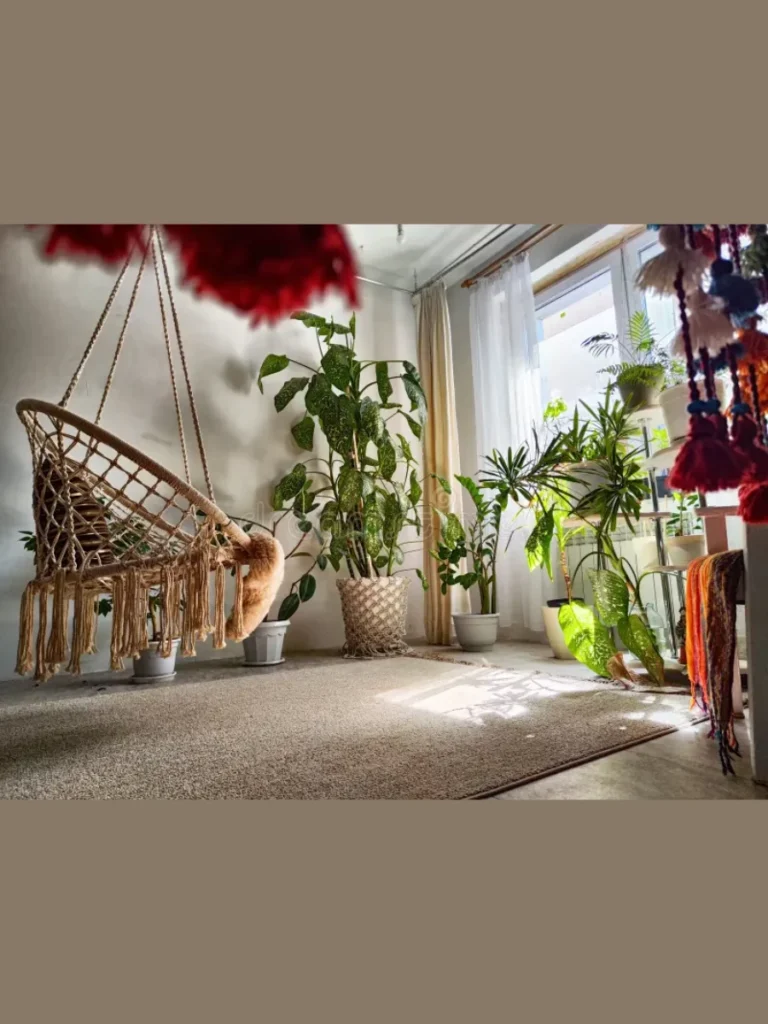
I believe every room needs something living to feel complete and truly fresh. Plants breathe life into dull corners and soften the hard lines of your furniture pieces.
Low-maintenance options like snake plants or pothos are perfect for people who forget to water. These hardy varieties thrive in low light and forgive a little bit of neglect now and then.
I use decorative pots to add a pop of color or texture to my shelving. Matching the pot to your room’s accent color ties the whole organic look together perfectly.
Tall floor plants can fill an awkward gap between a sofa and a side wall beautifully. Using height in your greenery makes the ceiling feel loftier and the room more lush.
8. Mirror Positioning to Maximize Natural Light
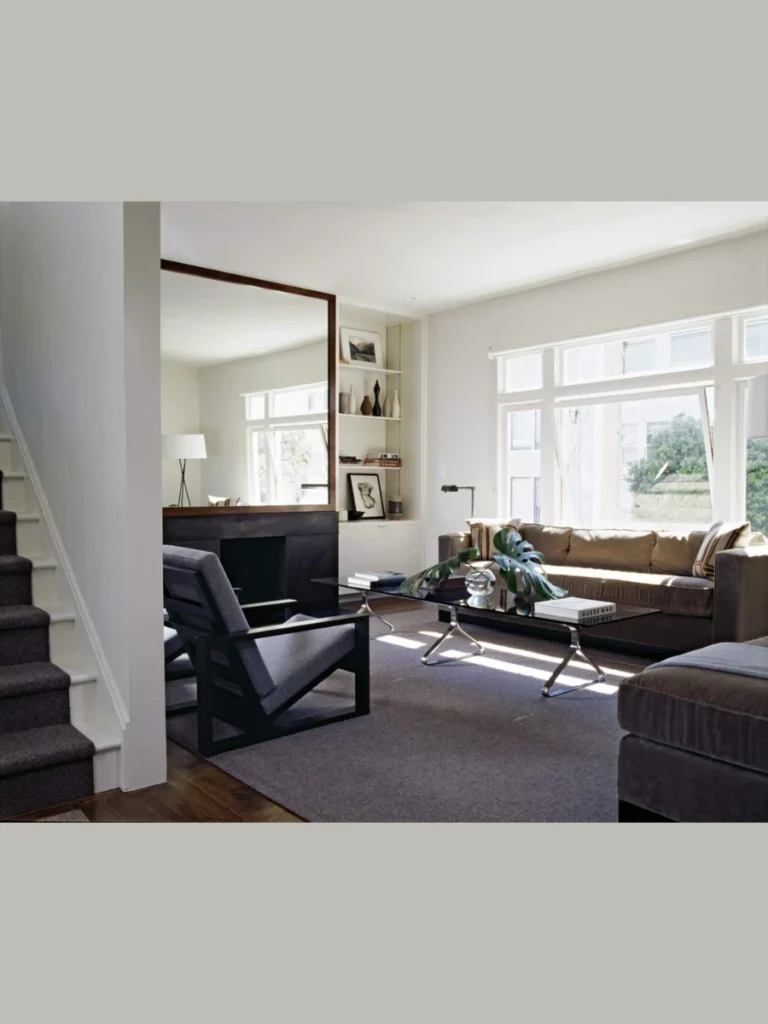
Placing a large mirror opposite a window is the easiest way to double your light. It bounces sunshine into the dark corners of the room and makes it feel airy.
I often use mirrors in narrow hallways to make the passage feel wider and less cramped. This visual trick creates depth where there is actually just a solid, boring wall.
A mirror with an interesting frame serves as a piece of art and decor simultaneously. Choose a metallic finish to add a bit of shine and glamor to your space.

The support you need Modern Velvet Loveseat Sofa with Golden Metal Legs, 47" W Upholstered Loveseat Couch 2-Seat Sofa Armless Love Seat for Living Room, Bedroom, Apartment Small Spaces, Forest
The support you need Modern Velvet Loveseat Sofa with Golden Metal Legs, 47" W Upholstered…
Leaning a full-length mirror against a wall adds a relaxed and modern vibe to bedrooms. It provides a functional spot for checking outfits while making the room look much larger.
9. Functional Entryway Systems for Daily Order
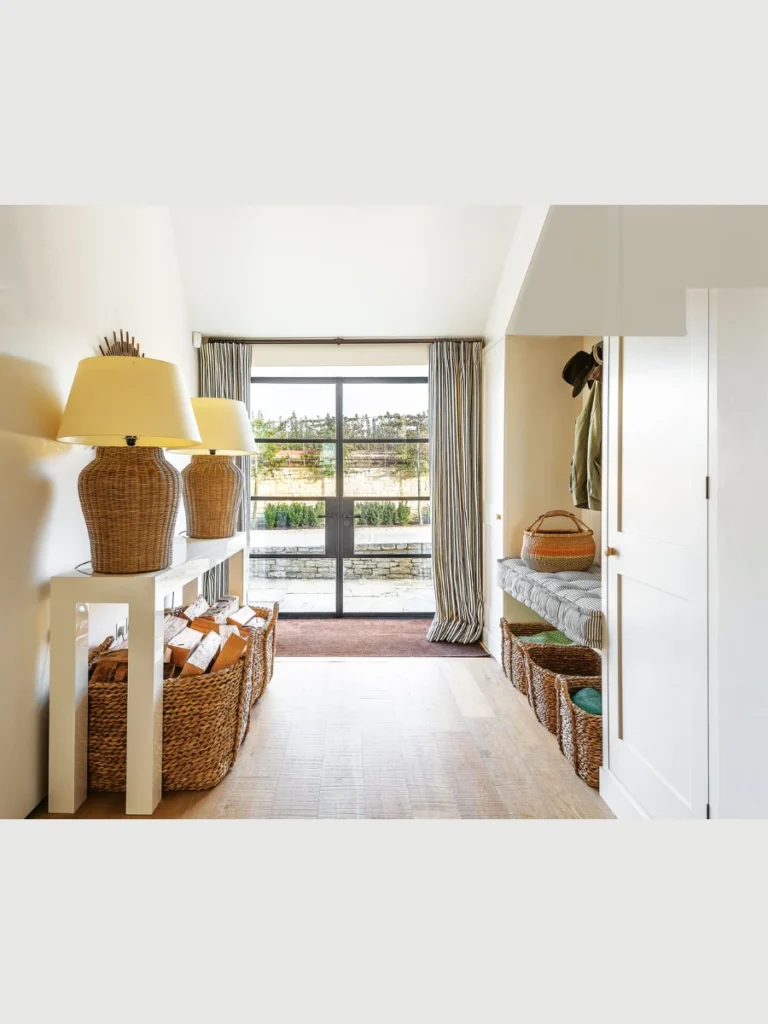
Your entryway sets the tone for the rest of your house for every single guest. I keep mine organized with a small console table and a tray for loose keys.
A dedicated spot for shoes prevents dirt from being tracked onto your nice living room rugs. Using a stylish bench provides a place to sit while making the space look intentional.
I add hooks at various heights to handle coats, bags, and even dog leashes easily. Vertical storage keeps the floor clear and makes a small entry feel much more spacious.
Scented candles or diffusers near the door ensure a pleasant greeting for anyone who walks in. A good smell is just as important as good furniture for a welcoming home.
10. Creative Shelf Styling for Personal Character
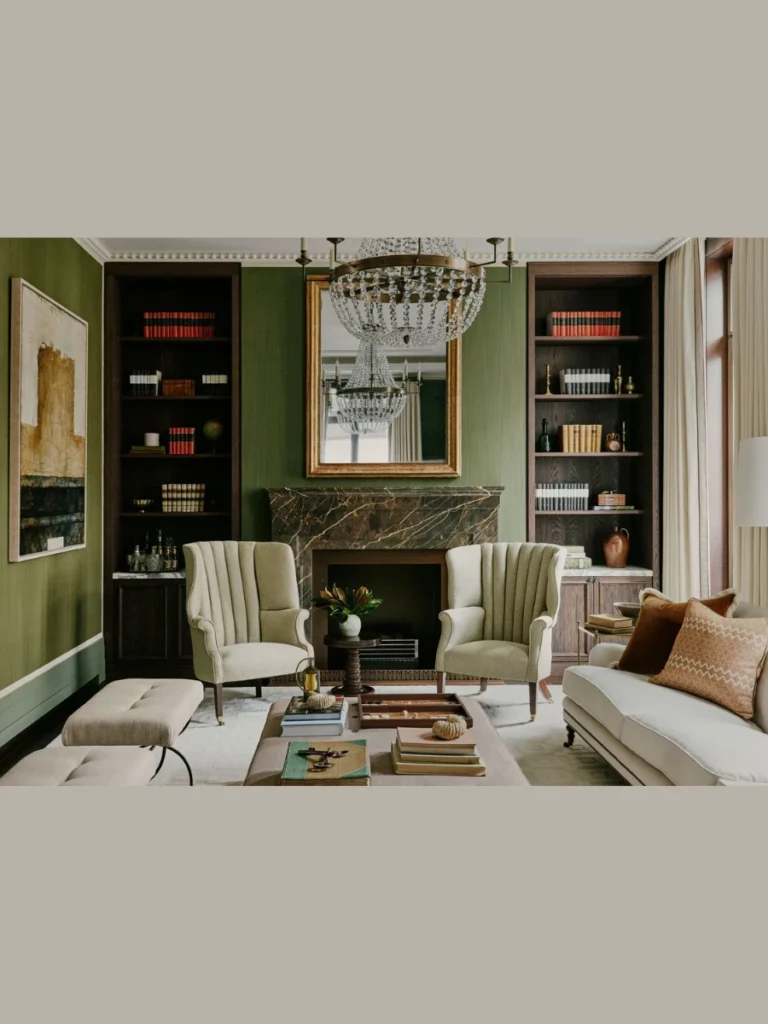
I follow the rule of thirds when arranging books and decor on my open shelves. Mixing horizontal and vertical book stacks creates a visual rhythm that keeps the eye moving.

Modern Home Decorating Ideas and Beautiful Real Homes Featuring Summer Living Inspiration Fresh Interior Updates Budget Friendly Decor Kitchen Upgrades Designer Styling Tips Indoor Outdoor Spaces
Modern Home Decorating Ideas and Beautiful Real Homes Featuring Summer Living Inspiration Fresh Interior Updates…
Leave some empty space on each shelf so the display does not look overcrowded or messy. This negative space allows your favorite objects to actually stand out and be noticed.
I incorporate personal items like travel souvenirs to tell a story about who lives here. Combining these with small sculptures adds a layer of sophistication to your storage areas.
Using baskets on lower shelves hides ugly items like remote controls or loose charging cables. This keeps the look clean while ensuring your daily essentials remain within easy reach.
11. Smart Hardware Upgrades for Instant Polish
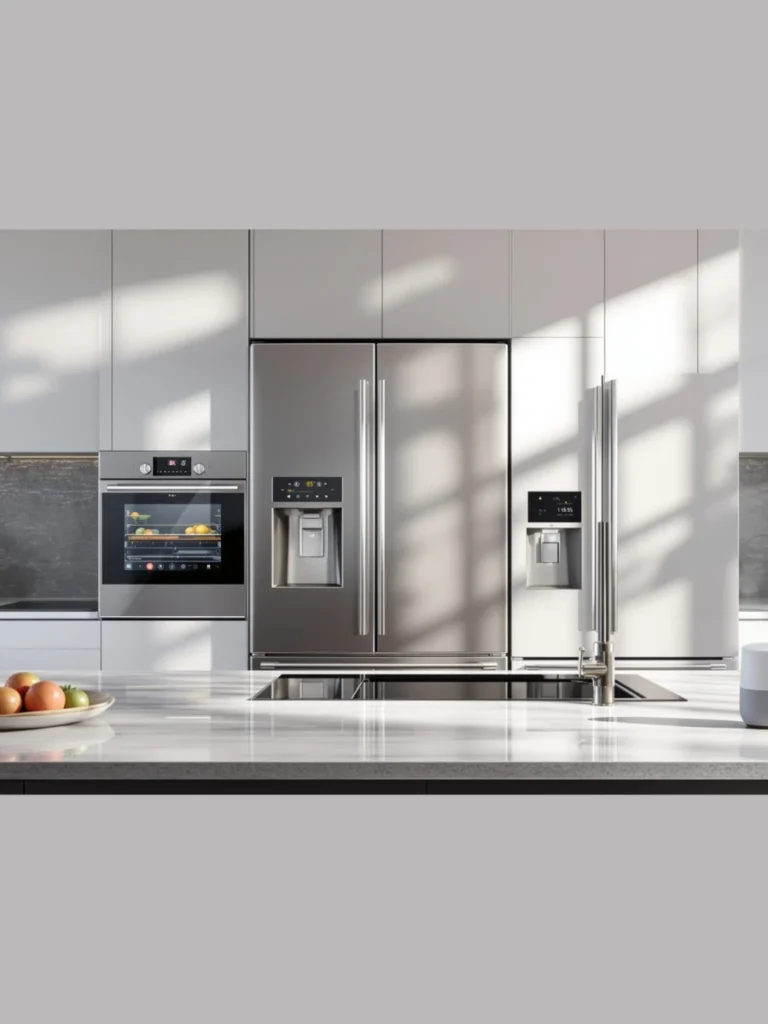
Changing the handles on your kitchen cabinets is the fastest way to modernize a room. I swap out old plastic knobs for matte black or brass pulls for impact.
This small update works wonders on cheap furniture pieces to make them look high end. It is a tenant-friendly change that you can take with you when you move out.
I match the finish of my hardware to the light fixtures for a cohesive look. Consistent metal tones across a room make the entire design feel professional and expensive.
Don’t forget about your interior door handles to create a sense of flow throughout the house. Quality hardware feels better in your hand and improves the daily experience of your home.
Interior Design Budget Allocation Guide
| Item Type | Where to Save | Where to Splurge |
| Furniture | Side tables and stools | Sofa and mattresses |
| Decor | Trendy pillows and vases | High-quality area rugs |
| Lighting | Basic floor lamps | Statement chandeliers |
| Wall Treatment | DIY paint projects | Professional wallpaper |
Pro Decorating Strategies for Long Term Style
I always tell my friends that a house is never truly finished because our lives keep changing. You should buy pieces that you truly love rather than following every passing internet trend.

Cake Decorating Tips and Icing Piping Tips Coupler With 48pcs Piping Tips Instructions
Cake Decorating Tips and Icing Piping Tips Coupler With 48pcs Piping Tips Instructions
Quality over quantity is the best mantra for anyone looking to build a beautiful home. One solid wood table will outlast five cheap plastic versions and look better as it ages.
I rearrange my accessories every few months to keep the energy in my rooms feeling fresh. Moving a vase or a lamp to a new spot costs nothing but changes the view.
Trust your own instincts more than a glossy magazine that doesn’t know how you actually live. Your home should be a reflection of your personality and a place where you feel safe.
Conclusion
Making your home look better doesn’t require a massive bank account or a professional degree. I found that small, intentional changes often make the biggest difference in how a room feels.
Focus on the layout and lighting first to build a solid foundation for your style. Once the bones of the room are right, the rest of the decor falls into place.
I hope these tips help you look at your living space with a brand new perspective today. Take it one room at a time so you don’t get overwhelmed by the big picture.
Your house is your sanctuary, so make sure every choice you make brings you some joy. Happy decorating to my fellow enthusiasts who want a home that feels like a warm hug.
FAQs
Make sure the rug is large enough for the front legs of your furniture to sit on it comfortably. A rug that is too small will make your entire room feel disconnected and much smaller.
Yes, you can mix woods as long as they share a similar undertone like warm or cool. Using a variety of wood finishes makes a room look collected over time instead of like a showroom.
Use mirrors to bounce natural light from windows and choose light-colored paint for the walls. Adding multiple layers of warm lighting will also eliminate dark corners and create a cozy atmosphere.
Swap out old hardware, add some fresh plants, and rearrange your existing furniture for a new look. These high-impact changes cost very little but significantly improve the aesthetic of your interior space.
The center of your artwork should usually be about sixty inches from the floor to be at eye level. If you are hanging it above a sofa, leave about six to eight inches of space.
Related Posts
- Top 12 Home Decor Tips
- 13 Best Furniture for New Apartment Ideas
- Top 14 furniture mirror ideas
- 15 Best Furniture for Baby Girl Room Ideas
- Top 10 Stylish Furniture for Nursery Ideas
- 11 Best Furniture For A Small Bedrooms Ideas
Recommended for You

12PCS Piping Tips Set, Stainless Steel Cake Decorating Tips, Russian Nozzles Frosting Icing Tip Tools, Baking Supplies for Cookie Cupcake
12PCS Piping Tips Set, Stainless Steel Cake Decorating Tips, Russian Nozzles Frosting Icing Tip Tools,…