


Japandi dining table ideas have quietly become a favorite in the homes I design, especially for clients who crave calm without sacrificing warmth.
This style blends Japanese simplicity with Scandinavian functionality, creating dining spaces that feel intentional and uncluttered.
I’ve found that when you choose natural wood, soft tones, and balanced proportions, the entire room instantly feels more grounded. Rather than relying on heavy decoration, Japandi design focuses on texture, light, and thoughtful craftsmanship.
In this guide, I’ll share carefully selected table styles that bring harmony, durability, and understated elegance into everyday dining.
Why Japandi Dining Tables Create Effortless Harmony
Japandi dining tables stand out because they balance simplicity with warmth. I often choose this style when a space needs calm structure without feeling cold. The combination of Japanese restraint and Scandinavian comfort creates a dining area that feels intentional and inviting.
Natural materials, clean silhouettes, and muted tones define this approach. Instead of excessive detailing, the focus stays on proportion and craftsmanship. Every element serves a purpose.
When I design with Japandi principles, I prioritize light, texture, and functionality. The result always feels peaceful, refined, and easy to live with.
1. Light Oak Minimal Japandi Table
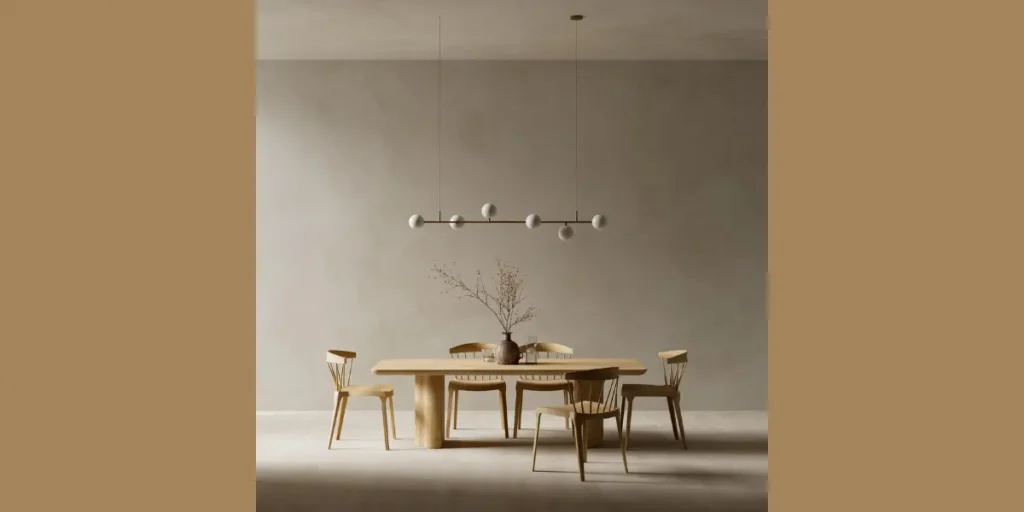
A light oak dining table perfectly captures the Japandi aesthetic. I appreciate how pale wood tones brighten the room while maintaining warmth. The grain remains visible, adding subtle character without overwhelming the design.
Clean rectangular lines keep the silhouette structured and calm. I prefer slim, straight legs that support the minimalist philosophy. This simplicity allows surrounding décor to breathe naturally.
This table works beautifully in neutral interiors with linen chairs and soft lighting. It anchors the dining space while preserving openness and serenity.
2. Low Profile Japanese-Inspired Dining Table
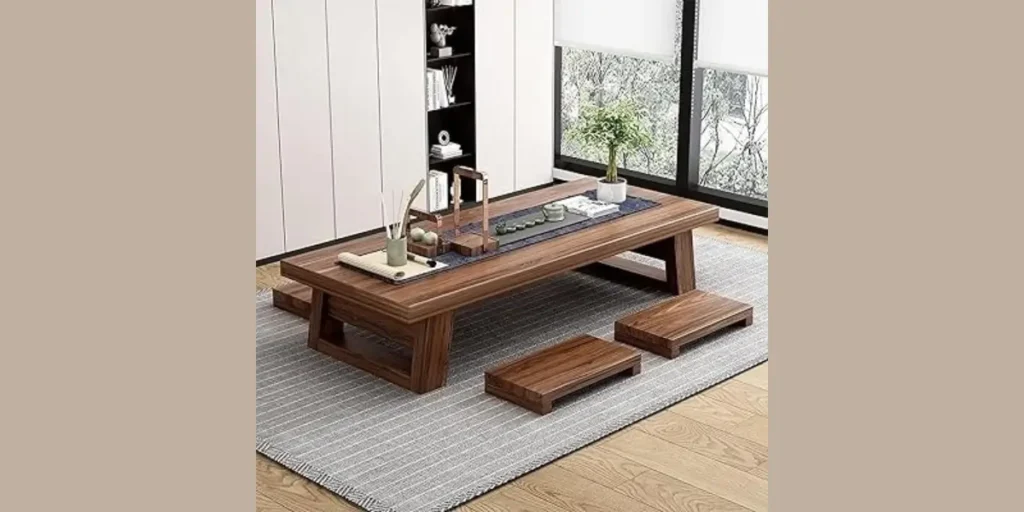
A low-profile dining table brings strong Japanese influence into the home. I often recommend this style for creating an intimate, grounded atmosphere. Its reduced height changes how the room feels instantly.
The lower structure encourages relaxed seating and closer connection. I pair it with simple wooden chairs or floor-style seating to maintain authenticity. Natural finishes enhance the calming effect.
This design suits homes that value mindfulness and minimal distraction. It creates a peaceful dining experience rooted in tradition and simplicity.
3. Round Solid Wood Japandi Table
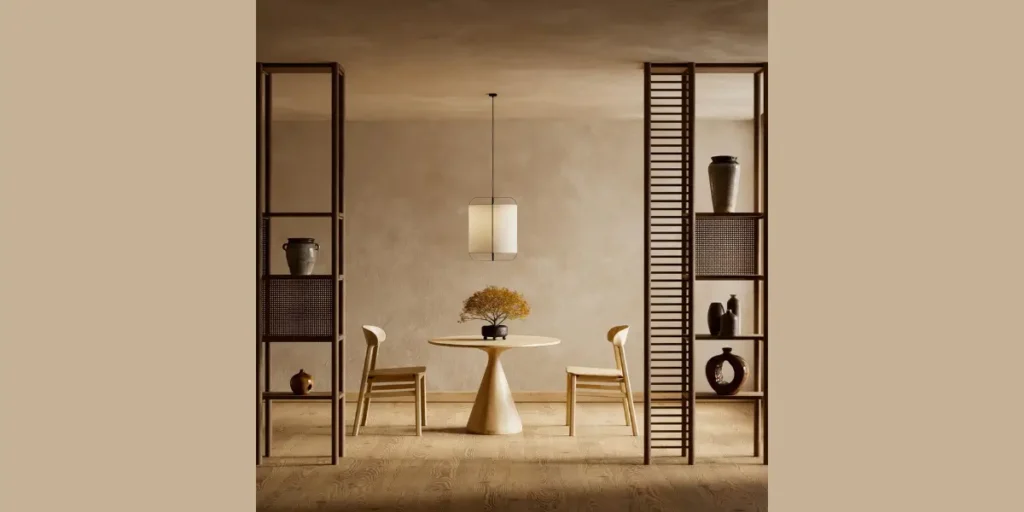
A round solid wood table softens the overall layout while maintaining structure. I find that circular shapes promote better conversation and improve movement around the room. The form feels balanced and welcoming.
Solid wood ensures durability and warmth. I usually choose oak or ash with a natural matte finish to preserve texture. The visible grain keeps the design organic.
This table fits perfectly in compact dining rooms. It maintains Japandi clarity while encouraging connection and comfort.
4. Black Stained Wood Japandi Table
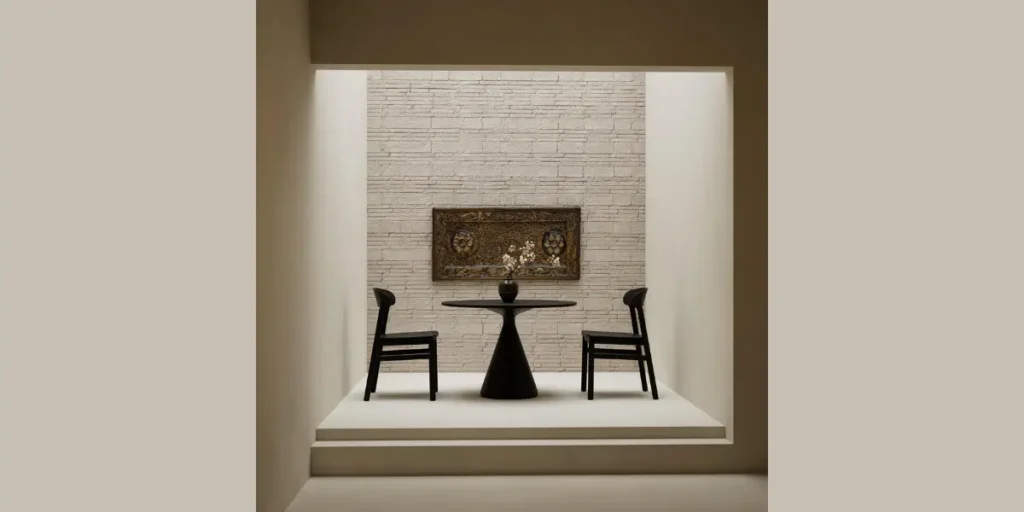
A black stained wood table introduces contrast without disrupting harmony. I use this option when a space needs depth against light walls and flooring. The darker tone anchors the room confidently.
The key lies in keeping the lines clean and proportions balanced. I avoid excessive ornamentation and focus on smooth finishes. This approach maintains elegance and restraint.
When styled with neutral textiles and soft lighting, the table feels dramatic yet calm. It delivers bold simplicity in a controlled and refined way.
5. Live Edge Natural Japandi Table
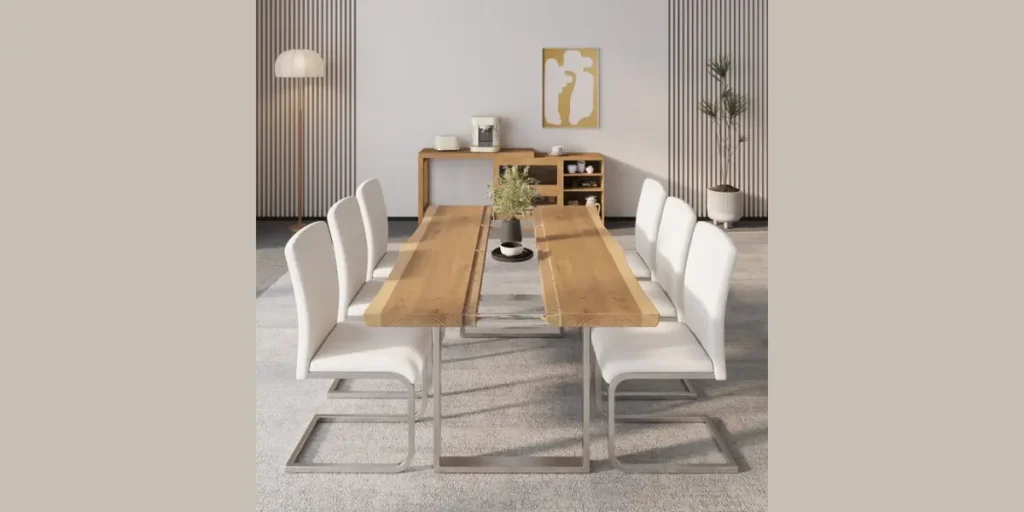
A live edge table adds organic character to structured interiors. I appreciate how the natural contours of the wood introduce subtle movement. This contrast enhances the Japandi philosophy of nature meeting simplicity.
I keep the legs minimal to allow the slab to remain the focal point. A matte finish highlights the wood’s authenticity. The design feels grounded yet refined.
This table works especially well in open spaces where natural light enhances its texture. It creates a serene yet distinctive dining environment.
6. Japandi Pedestal Base Dining Table
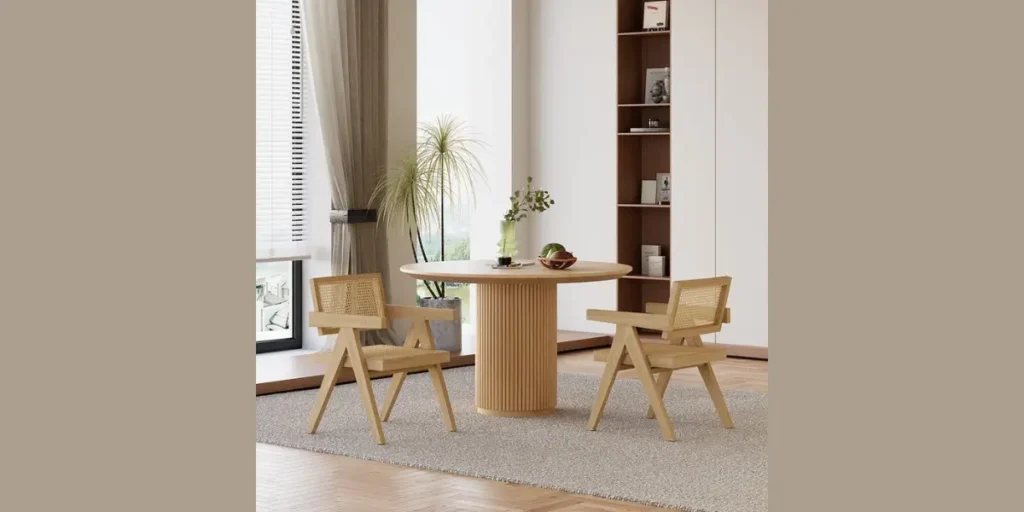
A pedestal base dining table simplifies the dining layout beautifully. I often choose this design to improve legroom and maintain visual lightness. The central base eliminates unnecessary clutter.
Round or oval tops pair naturally with pedestal structures. I prefer softly curved bases that echo Japanese sculptural influences. The wood finish should remain subtle and warm.
This table enhances flow and balance in smaller rooms. It keeps the space open while reinforcing Japandi elegance.
7. Extendable Japandi Dining Table
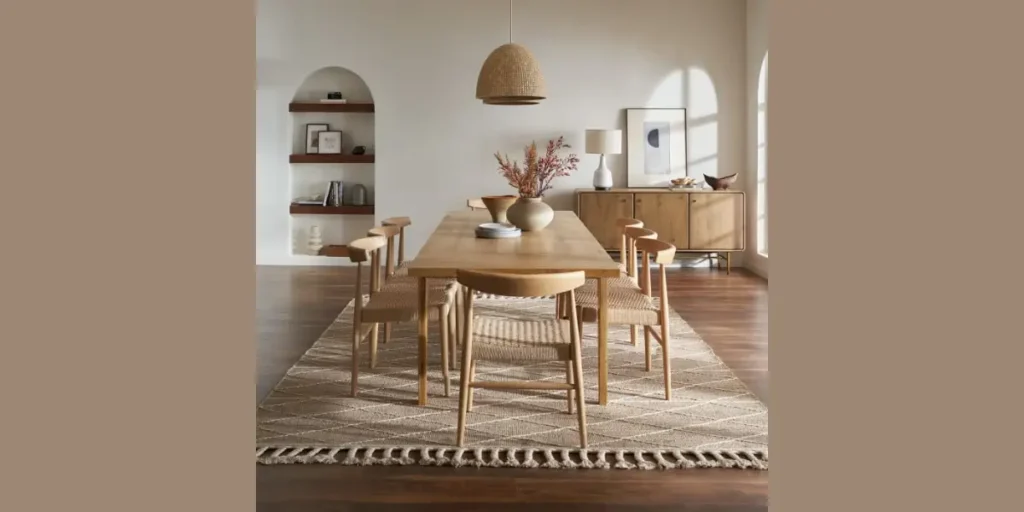
An extendable Japandi dining table combines flexibility with clean design. I recommend this style for families who entertain occasionally but value everyday simplicity. Hidden leaves maintain the seamless look.
The extension mechanism should operate smoothly and align with the grain. I ensure the table maintains proportional balance even when expanded. Quality craftsmanship remains essential.
This design adapts effortlessly to changing needs. It preserves minimalism while offering practical functionality.
8. Two-Tone Wood Japandi Table
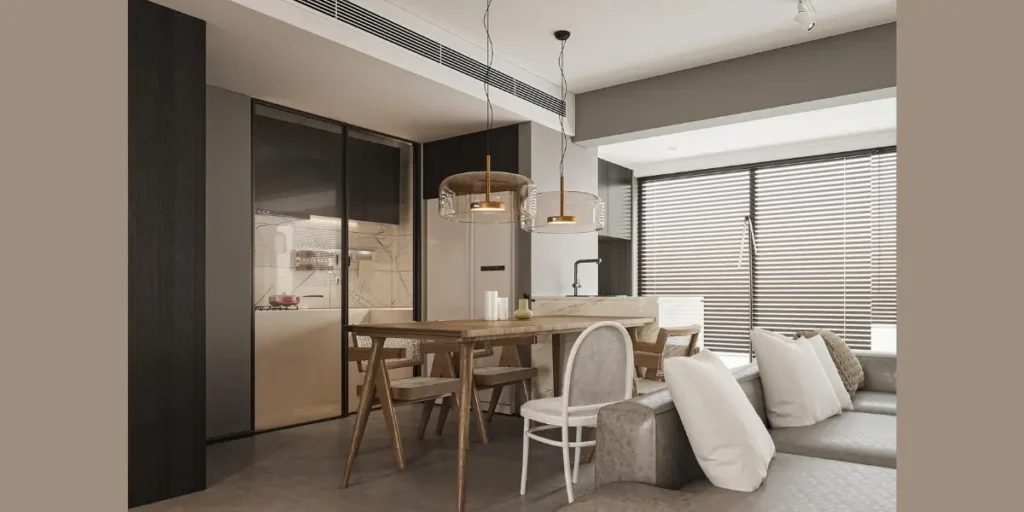
A two-tone Japandi table introduces subtle contrast through layered wood finishes. I enjoy using lighter tops with slightly darker legs to create visual depth. The effect feels intentional and refined.
The contrast should remain understated, not dramatic. Clean lines and smooth surfaces keep the table grounded in minimalism. Balanced proportions remain key.
This design suits contemporary interiors blending Scandinavian brightness with Japanese calm. It feels fresh without losing authenticity.
9. Stone Top Japandi Dining Table
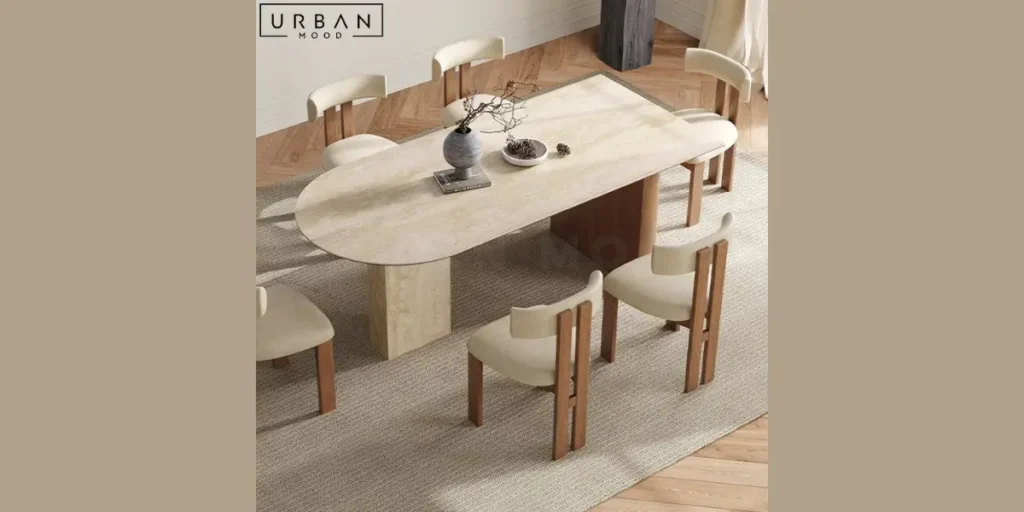
A stone top dining table adds quiet sophistication to Japandi spaces. I often suggest travertine or light-toned stone for its soft texture. The material introduces natural variation while remaining subtle.
Pairing stone with a wooden base keeps the design warm and balanced. I avoid glossy finishes to preserve a calm aesthetic. Proper sealing ensures durability.
This table elevates the dining room with understated luxury. It maintains minimalism while offering tactile richness.
10. Slim Rectangular Japandi Dining Table
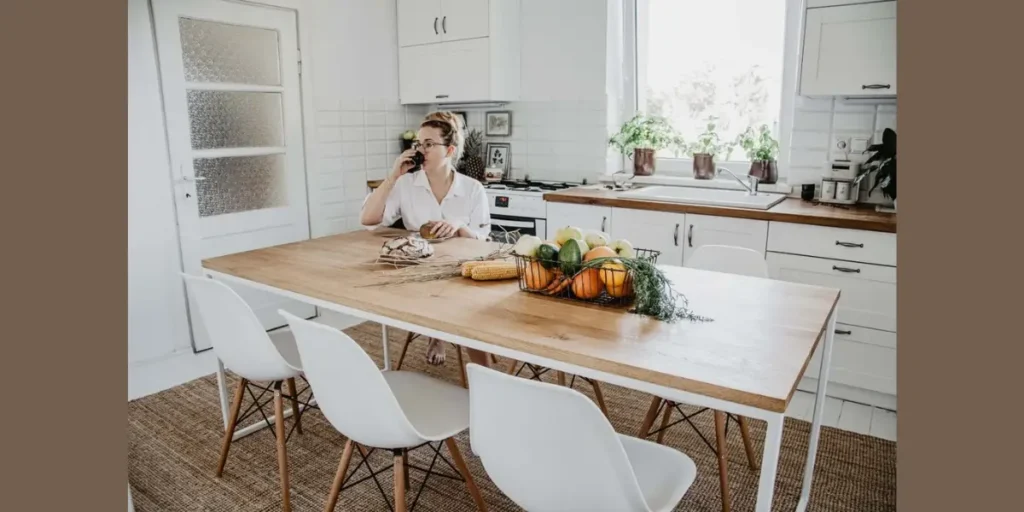
A slim rectangular table works perfectly in narrow dining areas. I use this design when space efficiency matters without sacrificing elegance. The reduced width improves circulation and openness.
Thin legs and clean edges reinforce the minimalist identity. I prefer light wood finishes that reflect natural light effectively. The structure feels precise and balanced.
This table integrates seamlessly into serene interiors. It delivers functionality and refined simplicity without overwhelming the room.
Japandi Dining Table Selection Guide
Selecting a Japandi dining table requires mindfulness rather than impulse. I always begin by observing how the dining space receives light and how people move through it.
Japandi design thrives on balance, so the table must feel proportionate, natural, and uncluttered. Every detail, from material to finish, should support calm functionality.
I also pay close attention to craftsmanship. Clean joinery, smooth edges, and honest materials define this style. A Japandi table should never feel decorative for the sake of appearance; it should feel purposeful and grounded.
Key Factors to Consider
When choosing the right table, I focus on scale first. Measure the room carefully and allow enough clearance around all sides. Japandi interiors depend on openness and flow, so overcrowding disrupts the harmony.
Material authenticity matters just as much. Solid oak, ash, or teak bring warmth and longevity. I avoid overly glossy finishes and choose matte or natural treatments to maintain a soft, organic feel.
Shape also influences atmosphere. Round tables encourage intimacy, while rectangular forms create structure. Select a shape that complements your layout and daily lifestyle.
Japandi Material Comparison Table
| Material | Visual Feel | Durability | Best For |
|---|---|---|---|
| Light Oak | Warm and Airy | High | Bright minimalist interiors |
| Teak | Rich and Natural | Very High | Authentic Japandi spaces |
| Black Stain | Bold yet Calm | High | Modern neutral environments |
| Travertine | Soft Organic Luxe | Medium | Refined serene dining rooms |
This comparison helps clarify which material supports your space best. I always match the finish with existing flooring and cabinetry to maintain visual continuity.
Conclusion
Japandi design proves that simplicity can feel deeply intentional. When I incorporate a Japandi dining table into a space, I focus on balance, warm wood tones, clean silhouettes, and thoughtful proportions working together effortlessly.
This style does not demand attention; it quietly elevates the room through texture, light, and craftsmanship.
Whether you prefer light oak, a sculptural pedestal, or a refined stone top, the key is choosing a piece that supports calm living.
When materials feel honest and the design remains uncluttered, your dining area becomes more than functional, it becomes a space for mindful connection and everyday comfort.
FAQs
Yes, they work exceptionally well in compact homes because of their slim profiles and clutter-free design. Round or pedestal tables improve circulation and create a lighter visual presence.
A Japandi dining table combines Japanese minimalism with Scandinavian warmth. It features clean lines, natural materials, and muted tones. The design focuses on balance, simplicity, and functional beauty.
Light oak, ash, and teak are excellent choices. These woods provide durability while maintaining a natural, calming appearance. I typically recommend matte finishes to preserve authenticity.
Absolutely. Japandi blends seamlessly with modern interiors when you maintain neutral palettes and clean silhouettes. The key is avoiding excessive decoration and focusing on texture.