
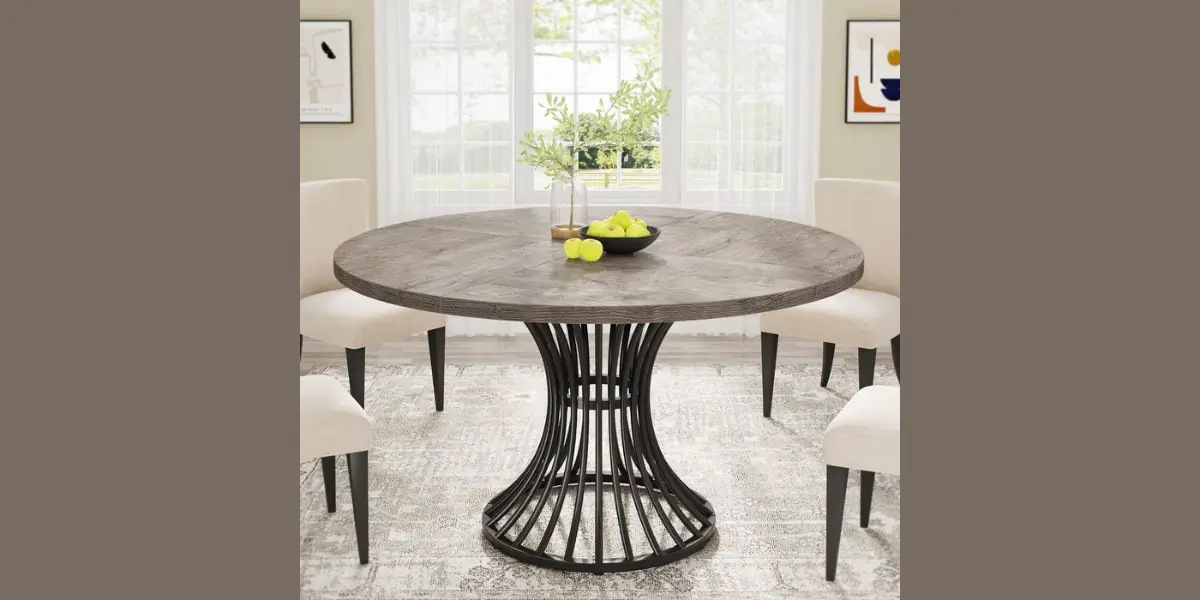

Mid century modern dining table ideas continue to shape some of the most effortlessly stylish interiors I design. There’s something timeless about clean lines, tapered legs, and warm wood tones that never feels overdone.
I’ve noticed that when a dining table follows this design philosophy, it instantly brings balance and structure to the room without adding visual clutter.
This style focuses on function, proportion, and honest materials, which is why it still feels relevant decades later.
In this guide, I’ll share distinctive table designs that combine simplicity, craftsmanship, and practical elegance for today’s homes.
What Defines an Authentic Mid Century Modern Dining Table
Mid century modern dining tables follow a clear design philosophy. I always look for clean geometry, tapered legs, and balanced proportions. These elements create a structured look without unnecessary decoration.
Natural materials play a major role in defining authenticity. Solid walnut, teak, and rosewood dominate this style because they age beautifully and maintain warmth. The focus remains on craftsmanship rather than ornament.
When I select a true mid-century piece, I pay attention to silhouette and scale. The design should feel light yet stable, simple yet intentional. That balance is what keeps this style timeless.
1. Walnut Rectangular Mid-Century Table
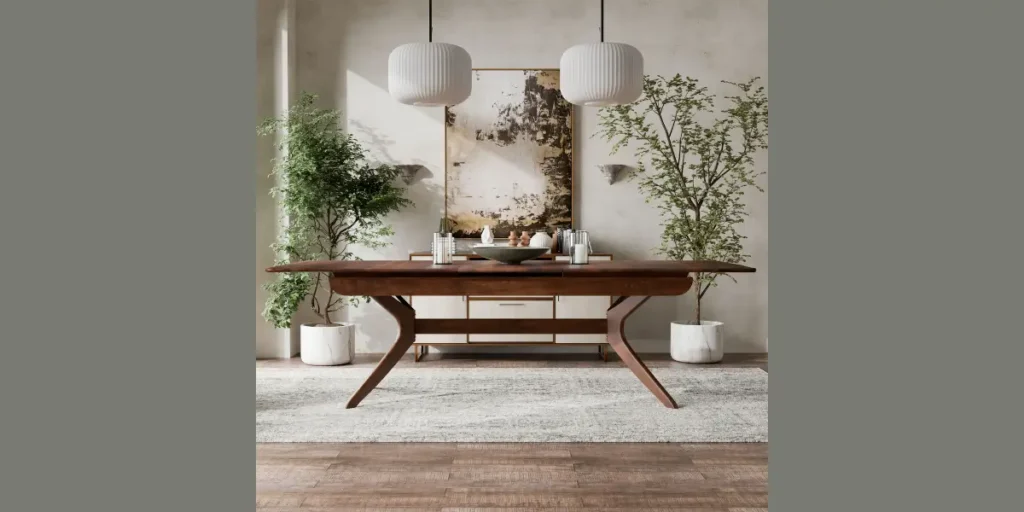
A walnut rectangular table represents the core of mid-century modern design. I often recommend this option because it delivers warmth and structure in equal measure. The rich walnut grain adds depth while the straight edges maintain clarity.
Tapered legs define the silhouette and prevent the table from feeling heavy. I prefer slim, slightly angled legs that enhance visual movement. This subtle detailing makes a significant difference in overall proportion.
This table works exceptionally well in open-plan dining rooms. It anchors the space confidently while maintaining a clean, uncluttered presence that supports everyday functionality.
2. Round Tulip Pedestal Dining Table
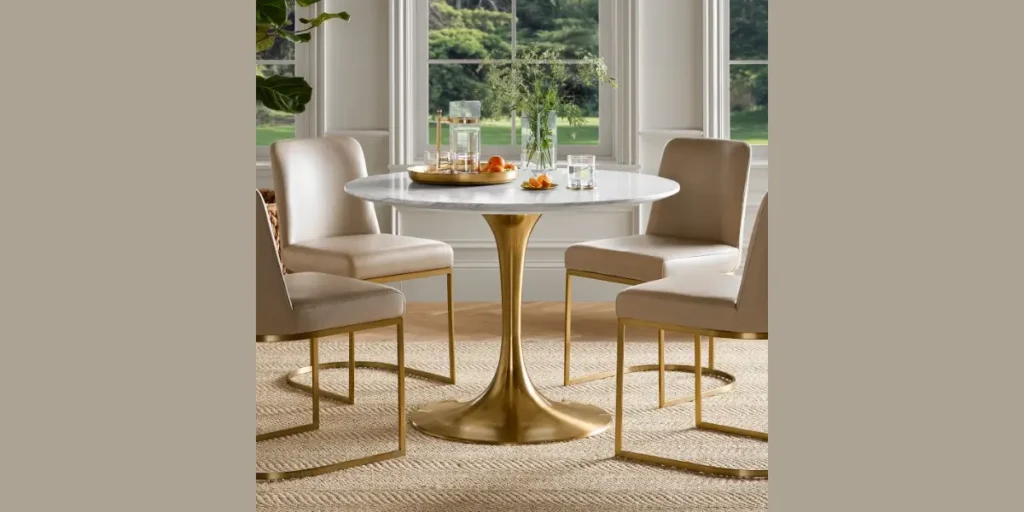
The round tulip table stands out for its sculptural pedestal base. I appreciate how the single central support eliminates visual clutter. This design keeps the area open and makes seating more flexible.
The smooth round top encourages natural conversation and improves flow in compact spaces. I often suggest this table for apartments or smaller dining areas where circulation matters.
Its sleek profile pairs beautifully with molded or upholstered chairs. The absence of corner legs allows the design to feel modern, fluid, and highly intentional.
3. Oval Teak Mid-Century Dining Table
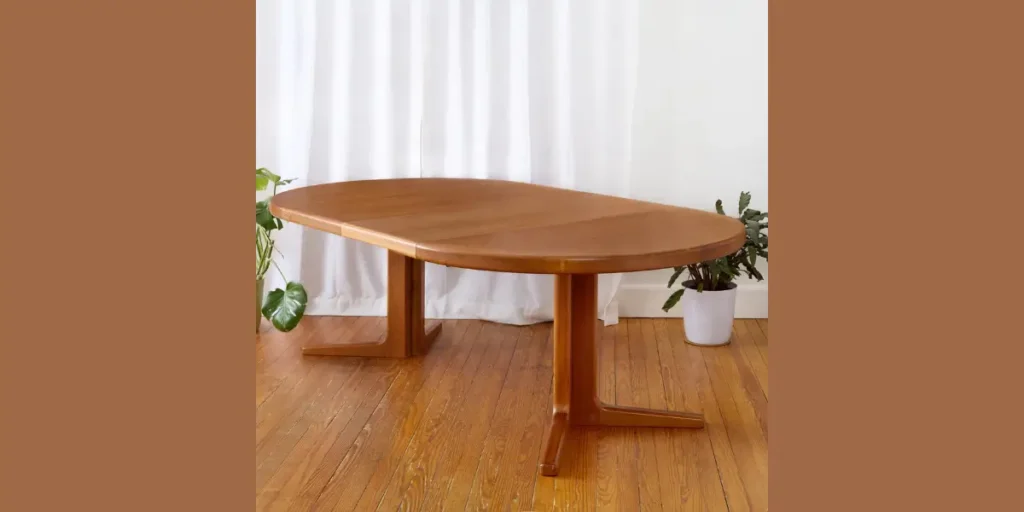
An oval teak dining table softens a room without sacrificing structure. I like using this shape when a rectangular layout feels too rigid. The curved edges improve movement around the table.
Teak offers exceptional durability and a warm golden tone that enhances mid-century authenticity. Its fine grain creates a polished yet understated finish. I usually recommend natural oil finishes to preserve its character.
This design suits both formal and casual settings. It balances elegance and comfort while maintaining the clean aesthetic that defines the era.
4. Extendable Mid-Century Dining Table
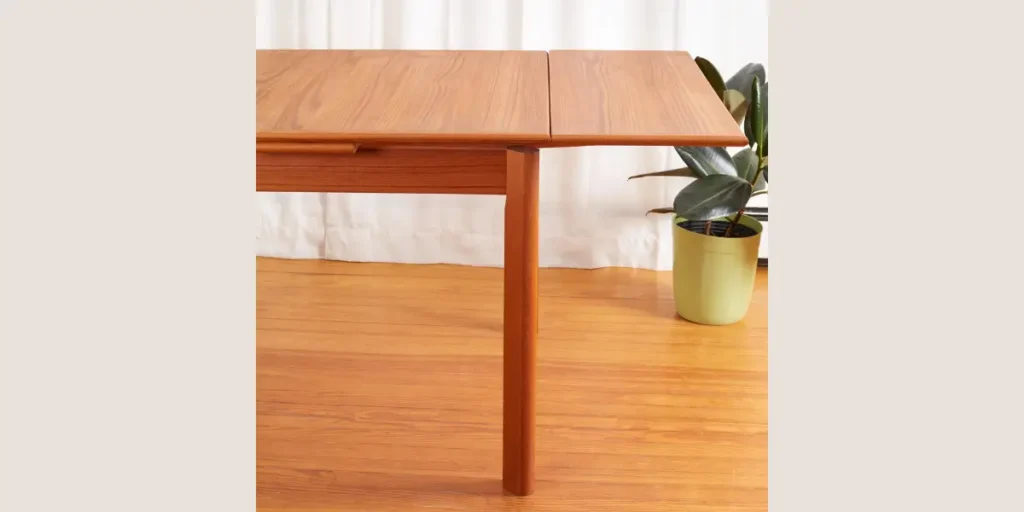
An extendable mid-century table combines practicality with timeless style. I often advise clients who entertain frequently to consider this flexible option. Hidden leaf extensions allow additional seating without compromising design.
When closed, the table maintains a streamlined appearance. The extension mechanism should operate smoothly and align seamlessly with the wood grain. Quality construction ensures long-term durability.
This design adapts easily to changing needs. It keeps the dining room refined for daily use while expanding effortlessly for gatherings.
5. Glass Top Mid-Century Dining Table
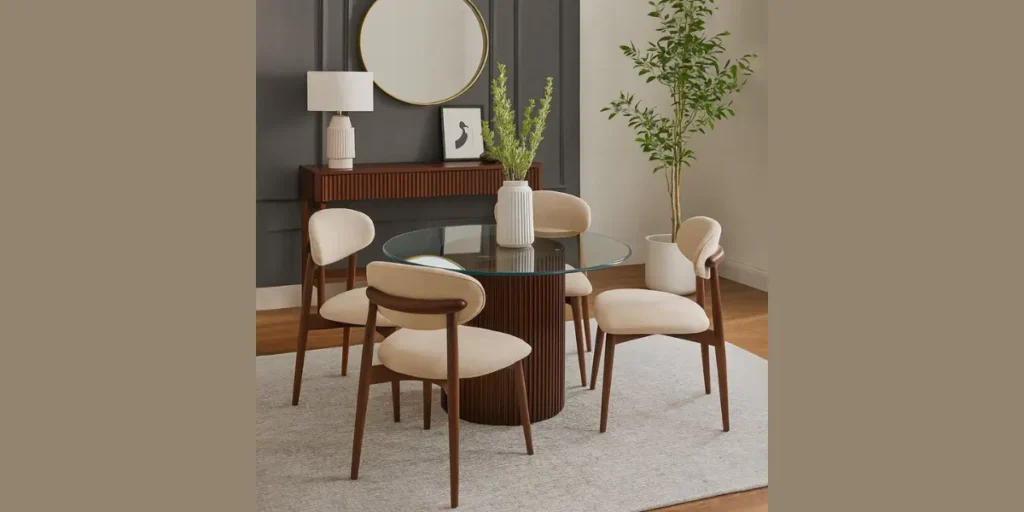
A glass top dining table introduces lightness into the mid-century aesthetic. I use this design when a space needs openness and visual breathing room. The transparency prevents the room from feeling crowded.
The sculptural wooden base beneath the glass becomes the focal point. I prefer bases with curved or angular detailing that highlight craftsmanship. This combination balances warmth and clarity.
This table works especially well in smaller dining rooms. It reflects light effectively and preserves the clean geometry central to mid-century design.
6. Scandinavian Inspired Mid-Century Table
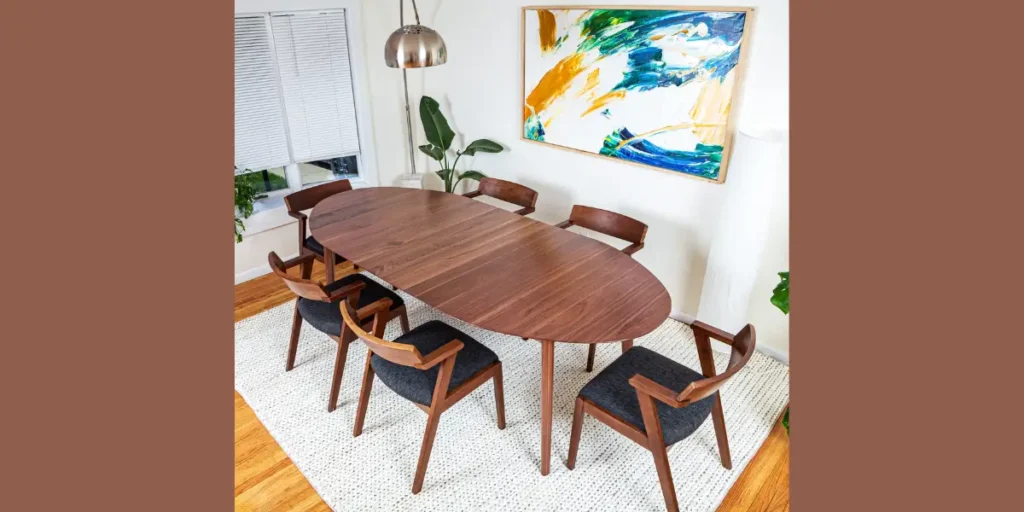
Scandinavian influence refines mid-century modern design even further. I often choose light oak or ash finishes to create an airy atmosphere. The emphasis remains on simplicity and function.
Straight lines and minimal detailing keep the table visually calm. I recommend pairing it with neutral upholstery and soft textures to enhance comfort. This approach strengthens the understated elegance.
This table suits bright interiors with natural light. It creates a relaxed yet structured dining environment that feels both modern and timeless.
7. Live Edge Mid-Century Modern Table
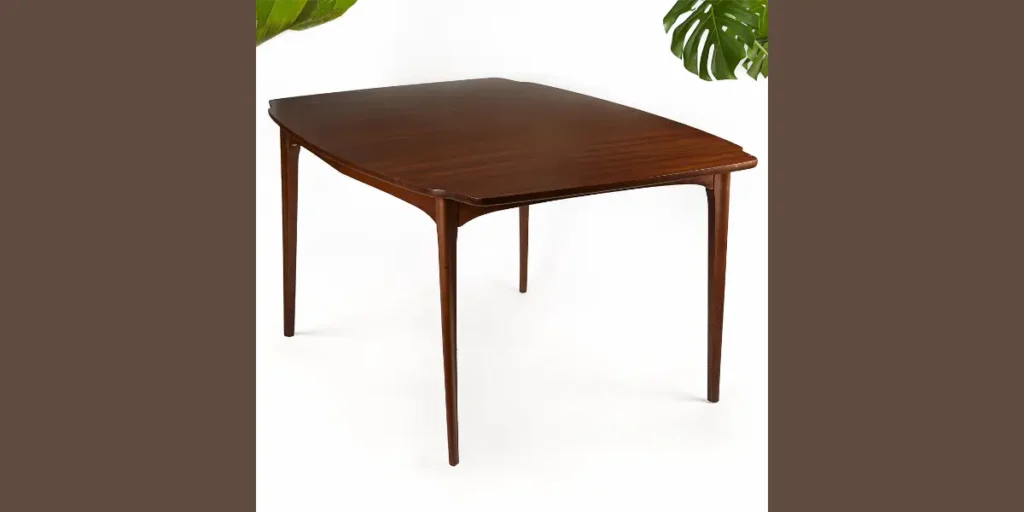
A live edge table introduces organic character into structured design. I appreciate how the natural wood contours contrast with clean tapered legs. This balance feels dynamic yet controlled.
Each slab carries unique grain patterns, making every piece distinct. I usually suggest keeping the finish matte to highlight authenticity. The legs should remain simple to avoid visual competition.
This design fits open dining areas where the table acts as a centerpiece. It merges natural beauty with mid-century restraint effectively.
8. Square Mid-Century Dining Table
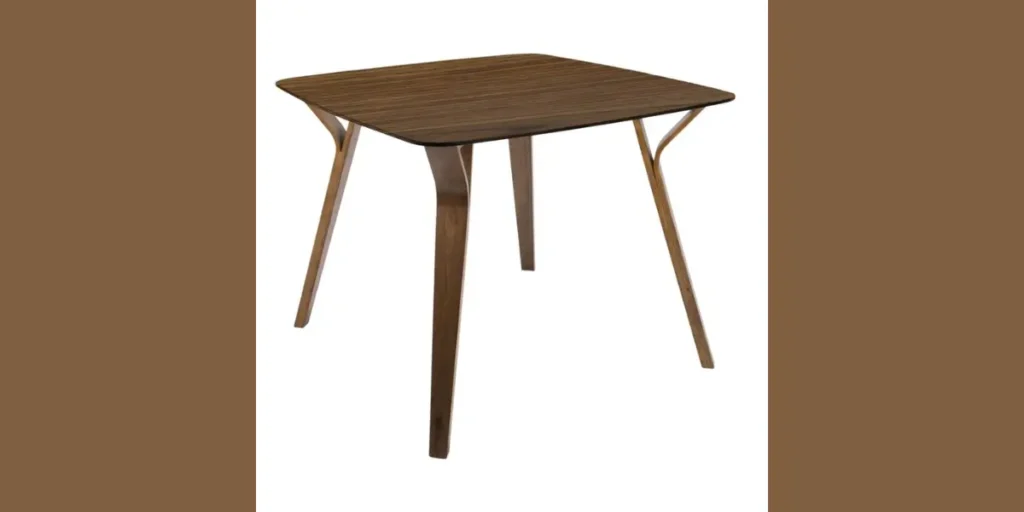
A square mid-century dining table works perfectly in symmetrical spaces. I often recommend it for compact rooms where layout precision matters. The equal sides create harmony and balanced seating.
Slim tapered legs maintain the era’s signature look. I prefer medium wood tones that prevent the design from feeling too dark or heavy. Proper spacing around the table ensures comfortable movement.
This table encourages intimate gatherings. It keeps the dining area organized, functional, and visually aligned with mid-century principles.
9. Marble Top Mid-Century Dining Table
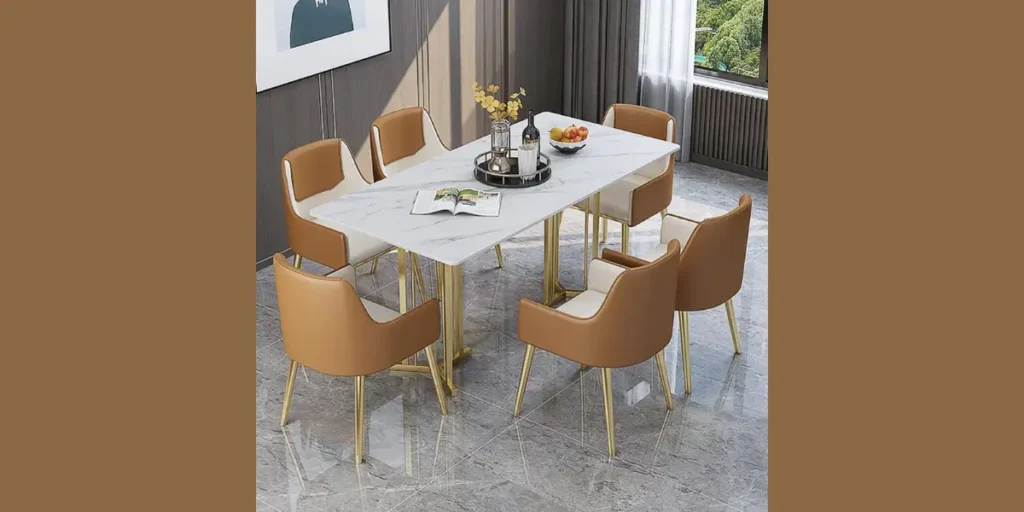
A marble top mid-century dining table blends luxury with clean architectural form. I often recommend this option when a client wants elegance without excessive ornamentation. The smooth marble surface contrasts beautifully with a sculptural wooden or pedestal base.
White or light gray marble keeps the design fresh and balanced. I always ensure the base remains simple, allowing the stone to stand out naturally. Proper sealing protects the surface and preserves its refined look.
This table suits sophisticated interiors that value both material richness and mid-century restraint. It feels polished yet never overpowering.
10. Drop-Leaf Mid-Century Dining Table
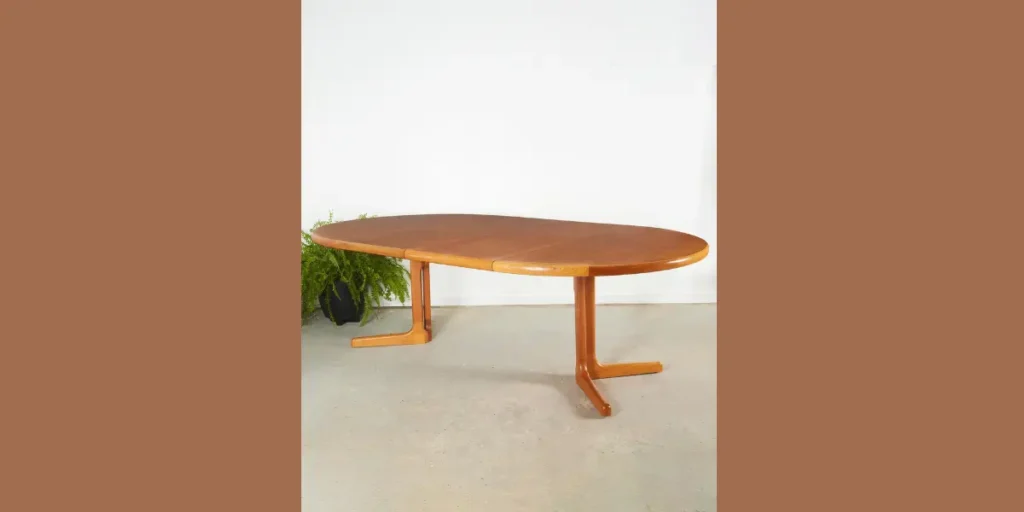
A drop-leaf dining table offers flexibility while maintaining classic mid-century lines. I like suggesting this design for smaller homes where space needs to adapt quickly. The foldable sides allow you to expand or reduce the tabletop easily.
When closed, the table remains compact and streamlined. Tapered legs preserve the authentic silhouette. I always check that the hinges and supports feel sturdy and well-constructed.
This design balances practicality with style. It supports everyday dining while expanding effortlessly for guests or special occasions.
11. Dark Rosewood Mid-Century Table
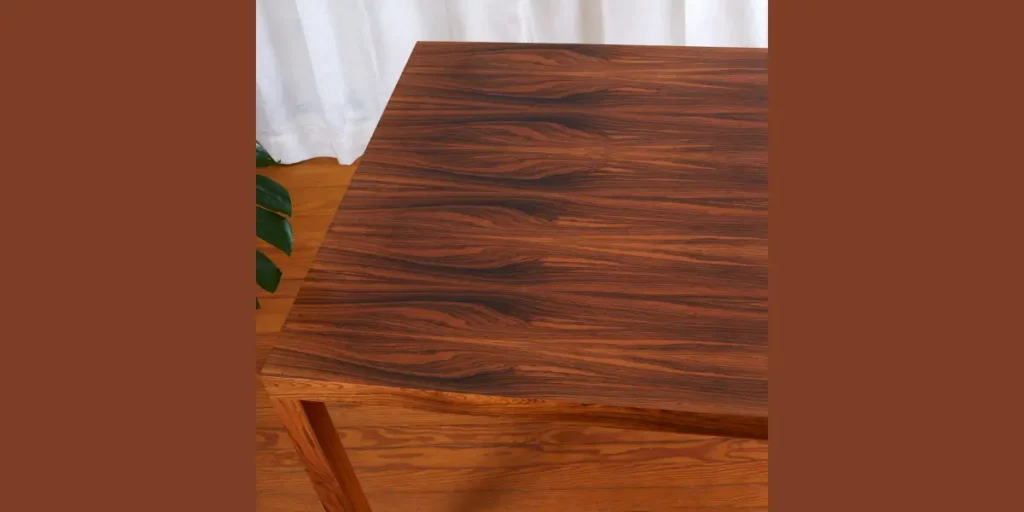
A dark rosewood dining table introduces depth and drama into a mid-century setting. I appreciate how its rich tone creates contrast against lighter walls or neutral flooring. The wood grain often appears bold yet refined.
Slim, angled legs prevent the darker finish from feeling heavy. I usually pair this table with lighter upholstered chairs to maintain visual balance. Good lighting enhances the wood’s natural sheen.
This table fits formal dining rooms beautifully. It delivers sophistication while staying true to the clean lines of the era.
12. Pedestal Base Wood Dining Table
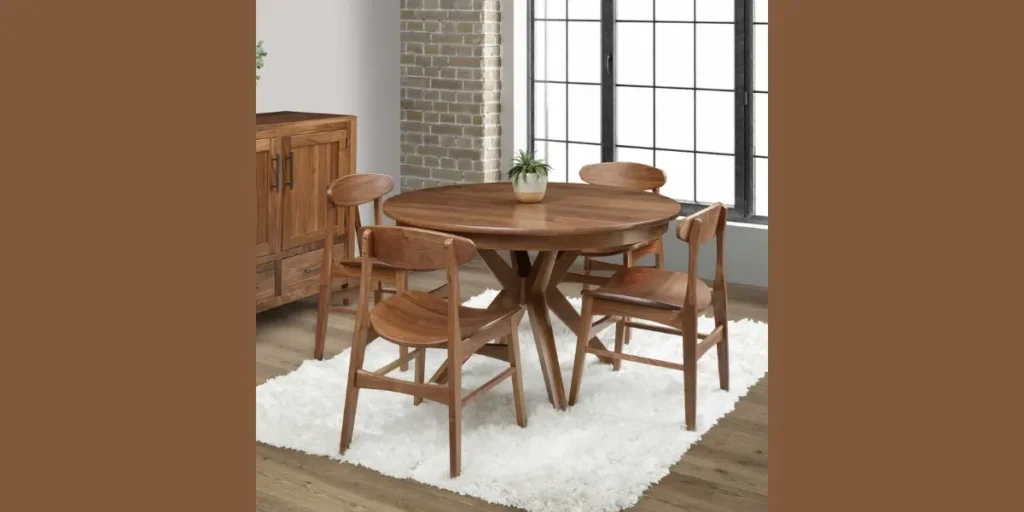
A pedestal base wood table eliminates leg clutter and improves seating flexibility. I often use this design in rooms where openness matters. The central base keeps the perimeter clear and comfortable.
Round or oval tops work especially well with pedestal structures. I prefer gently curved bases that echo mid-century sculptural influences. The wood finish should remain natural to highlight craftsmanship.
This table creates a smooth visual flow. It combines practicality with refined simplicity, making it ideal for both compact and spacious dining areas.
13. Two-Tone Mid-Century Dining Table
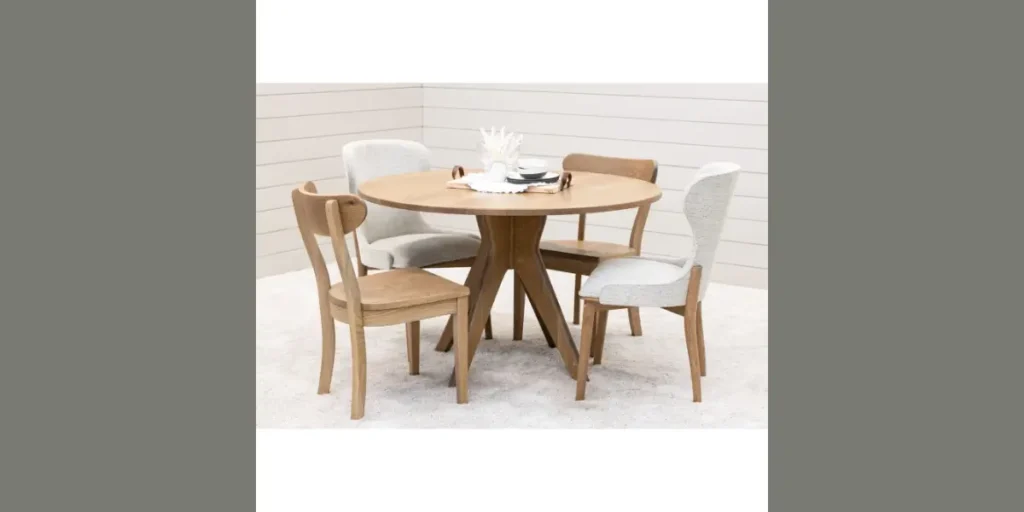
A two-tone dining table adds subtle contrast without complicating the design. I enjoy incorporating this style when a space needs visual interest. Combining light and dark wood tones creates depth while maintaining simplicity.
The contrast should feel intentional, not dramatic. I often recommend pairing a lighter tabletop with darker legs for balance. This approach preserves mid-century clarity while adding personality.
This table works well in contemporary homes that blend modern and vintage influences. It feels fresh yet grounded in classic design principles.
14. Minimalist Slab Mid-Century Table
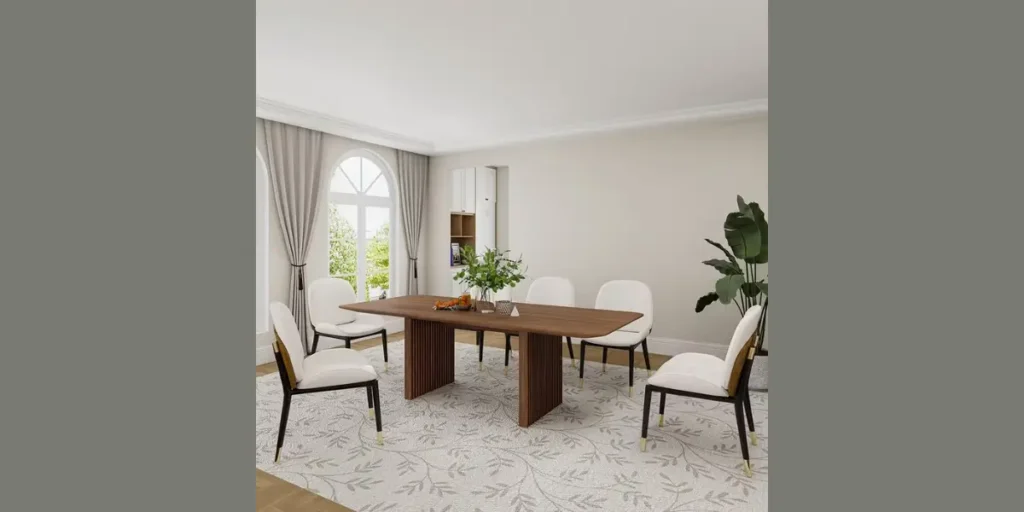
A minimalist slab table focuses entirely on proportion and material integrity. I often advise clients who appreciate understated elegance to choose this design. The thick slab top provides presence without decorative detailing.
Slim tapered legs keep the silhouette light and architectural. I prefer clean edges and smooth finishes that emphasize craftsmanship. Neutral surroundings allow the table to stand out naturally.
This design proves that simplicity creates lasting impact. When proportion, material, and structure align correctly, the dining space feels intentional and timeless.
Expert Guide to Choosing a Mid Century Modern Dining Table
Choosing the right mid century modern dining table requires attention to proportion, material, and everyday function.
I always begin by evaluating the room size and natural light. The table should feel balanced within the space, not oversized or visually heavy. Mid-century design relies on clean lines and thoughtful structure, so every detail matters.
I also focus on authentic wood finishes and construction quality. Solid walnut, teak, or rosewood provide durability and warmth that define this style.
Beyond appearance, I check extension mechanisms, joinery, and leg stability to ensure long-term performance. A well-chosen table should feel effortless in design but strong in craftsmanship.
Finally, I coordinate the table with surrounding décor. Iconic lighting, neutral palettes, and simple upholstered or molded chairs enhance the overall aesthetic. When everything aligns, the dining space feels cohesive and timeless.
Conclusion
Mid century modern design has remained relevant for decades because it respects proportion, material, and purpose. When I choose a dining table from this era, I focus on balance, clean lines, warm wood, and thoughtful structure working together effortlessly.
Whether you prefer walnut, teak, marble accents, or a sculptural pedestal base, the right table should enhance your space without overwhelming it.
A well-crafted mid-century dining table does more than complete a room; it creates a calm, functional environment where daily life unfolds naturally.
Invest in quality materials and proper scale, and your dining space will feel timeless, refined, and practical for years to come.
FAQs
Yes, many mid-century designs work beautifully in compact areas. Round, square, or drop-leaf tables maximize functionality without overwhelming the room. Their slim legs and clean lines help maintain openness.
Regular dusting and gentle cleaning with a wood-safe product keeps the surface protected. I advise avoiding excessive moisture and direct heat exposure. Periodic oiling can restore natural warmth and prevent drying.
Pedestal bases improve legroom and make seating more flexible. They work especially well with round or oval tops. For families, choosing a sturdy central base ensures stability and comfort.
Absolutely. I frequently integrate mid-century tables into modern interiors. Their clean silhouettes blend seamlessly with contemporary lighting and neutral color schemes.