
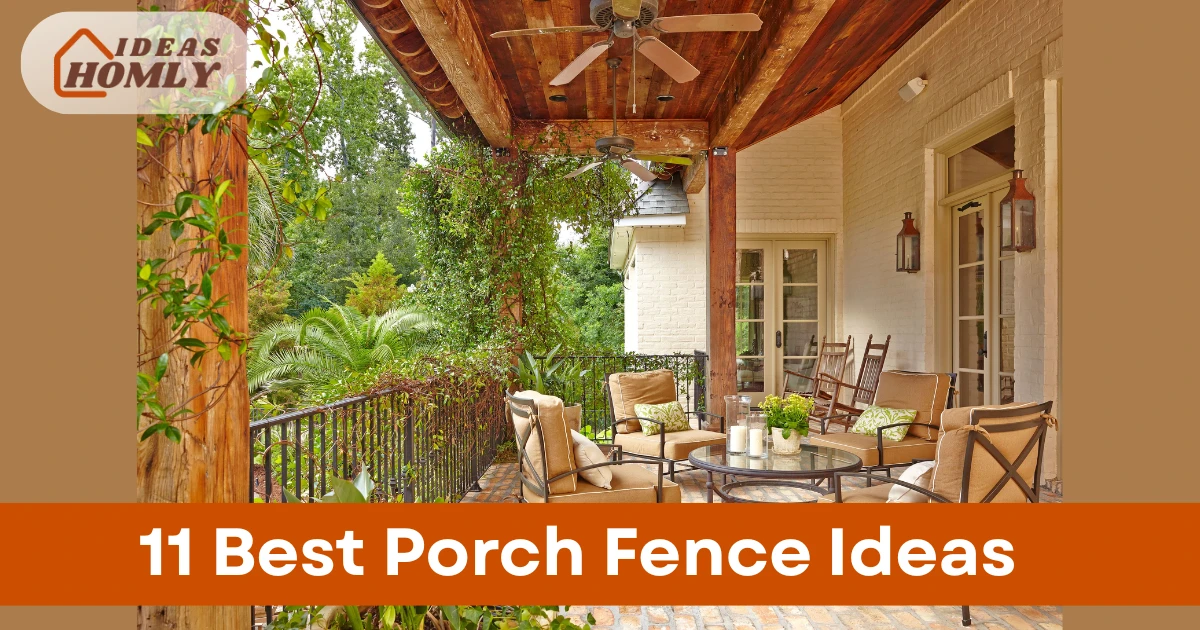

Adding a fence to your porch changes how you use your outdoor space every single day. I find that the right barrier provides safety for pets while making your home look polished.
You can achieve a custom look without spending a fortune by choosing the right materials. I suggest matching your house style to ensure the new addition looks like a planned feature.
Choosing the Right Style for Your Front Porch
Your porch serves as the face of your home so the fence style needs to match. I always look at window trim and siding before picking out a specific railing material.
Wood offers a classic feel that you can paint or stain to match any color. Metal options provide a modern or industrial look that requires very little maintenance over the years.
Safety remains the top priority for any elevated porch area where people gather regularly. You must check local building codes to ensure your new fence meets height requirements.
Most areas require railings to be at least 36 inches tall to prevent accidental falls. Using the right spacing between bars keeps small children and pets safe from slipping through.

25 Panels Garden Fencing Animal Barrier, 17in (H) X 27ft (L) Dog Dig Fence Barrier, 1.25in Gap Rustproof Metal Stakes Decorative Garden Fence, Ground Defense Border Fence for Outdoor, Yard, Patio
25 Panels Garden Fencing Animal Barrier, 17in (H) X 27ft (L) Dog Dig Fence Barrier,…
1. Classic White Picket Porch Fence
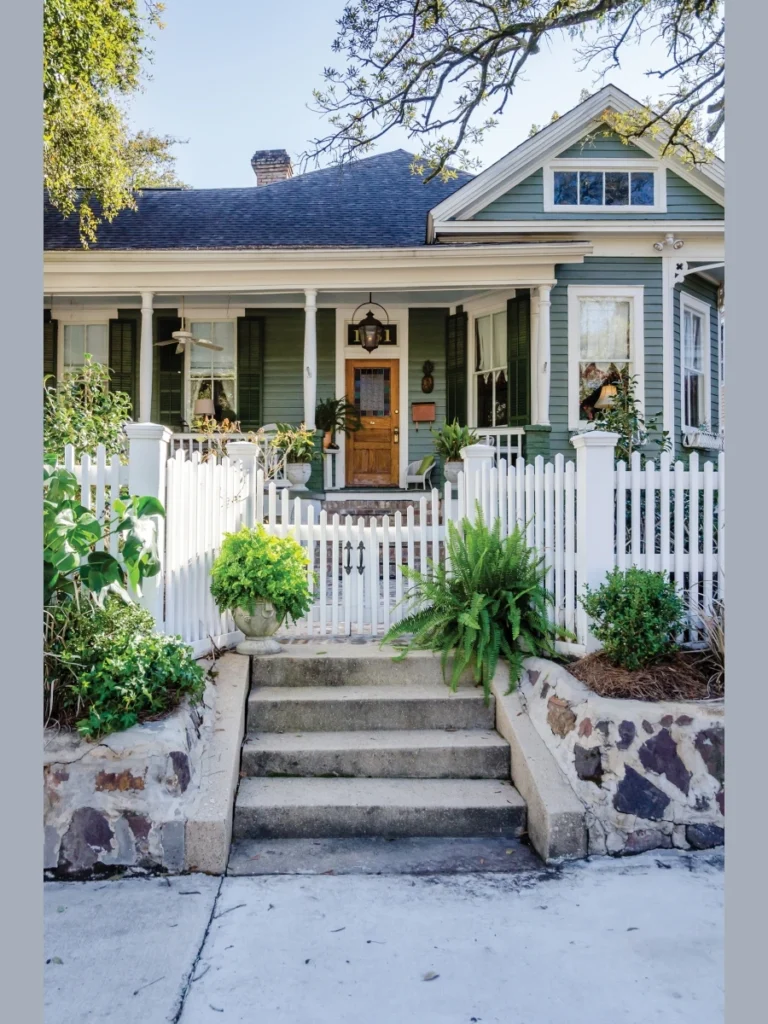
I love the timeless look of a white picket fence for traditional home styles. This design makes any cottage or farmhouse feel much more welcoming and friendly to guests.
The gaps between the pickets allow air to flow freely so the porch stays cool. I find that white vinyl options stay bright for years with just a simple wash.
You can find pre-assembled panels at most stores to make the installation process very fast. Vinyl is a great choice because you never have to deal with peeling or splinters.
I recommend keeping the gap around three inches so the fence looks solid from afar. This spacing ensures that small dogs cannot squeeze through the fence and wander away safely.

Thrivinest 10 Pack Animal Barrier Fence, No Dig Decorative Fence, 17in(H) x10ft(L) Rustproof Metal Small Garden Fence Border for Dogs Rabbits, Bottom Blocker for Outdoor Yard Patio
Thrivinest 10 Pack Animal Barrier Fence, No Dig Decorative Fence, 17in(H) x10ft(L) Rustproof Metal Small…
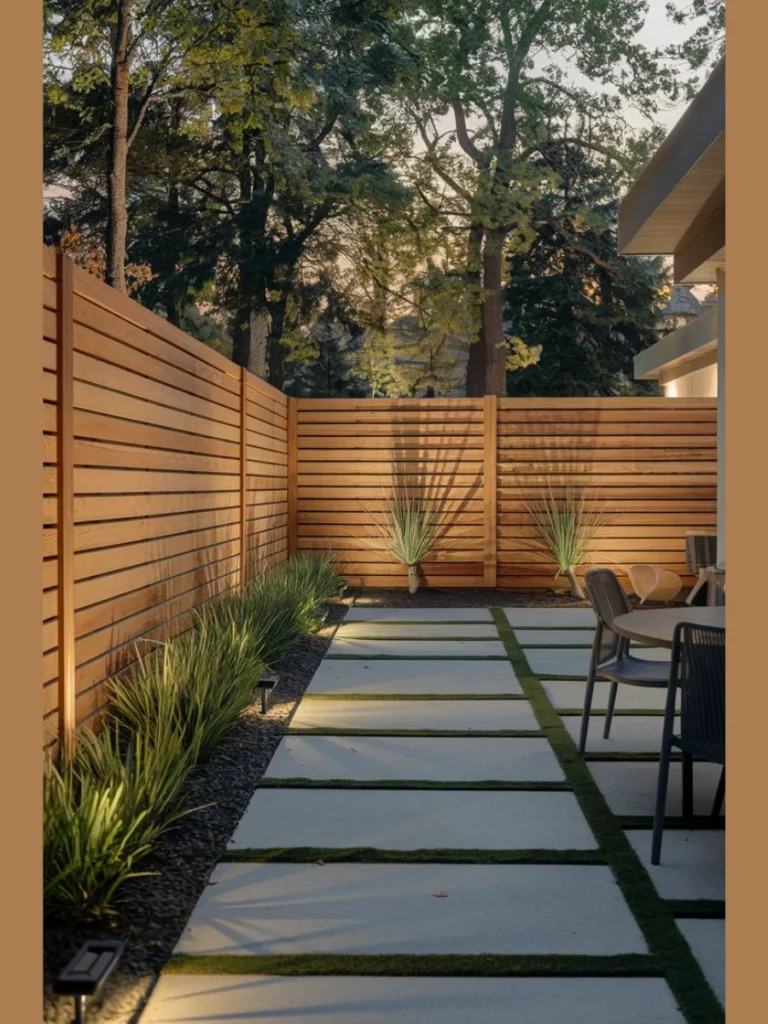
2. Horizontal Wood Slat Fence
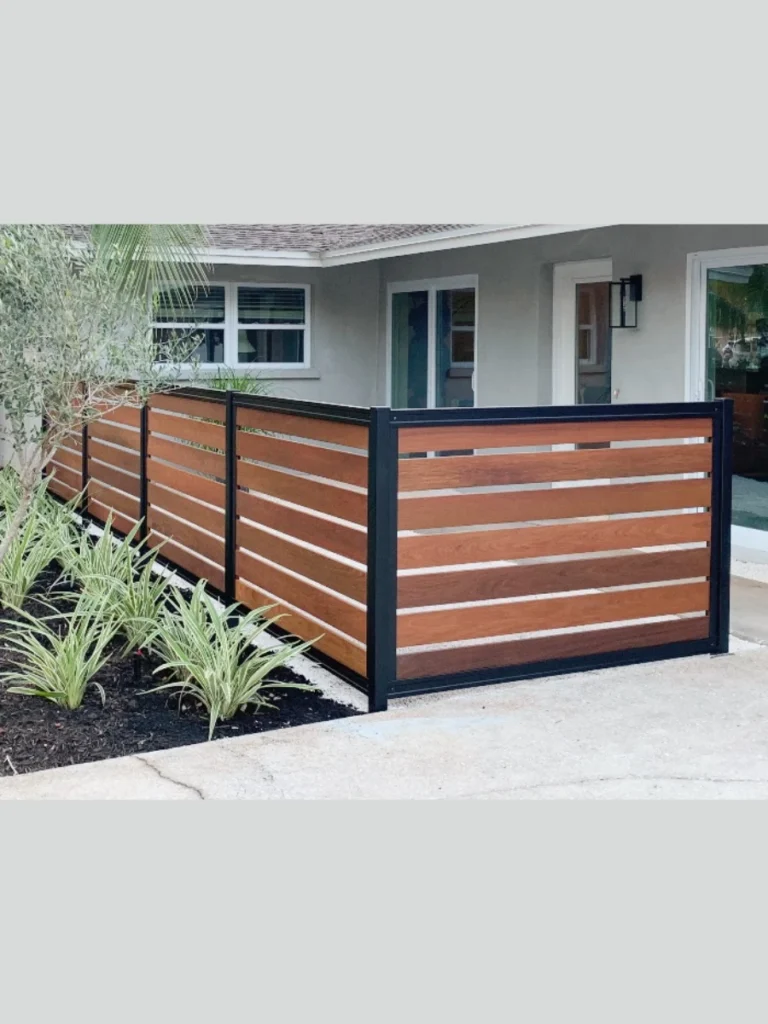
Modern homes look fantastic with horizontal slat fences because the clean lines emphasize width. I suggest using cedar or redwood because these woods naturally resist insects and moisture damage.
Horizontal lines create a contemporary feel that updates the look of an older ranch house. You can control the privacy level by adjusting the size of the gaps between boards.
Using thin spacers during installation ensures that every line stays perfectly level across the porch. I think a half-inch gap provides a high-end look while letting some light through easily.
Staining the wood a dark color brings out the grain and protects against weather. You will need to reapply the sealer every few years to keep it looking fresh.
3. Black Wrought Iron Railing
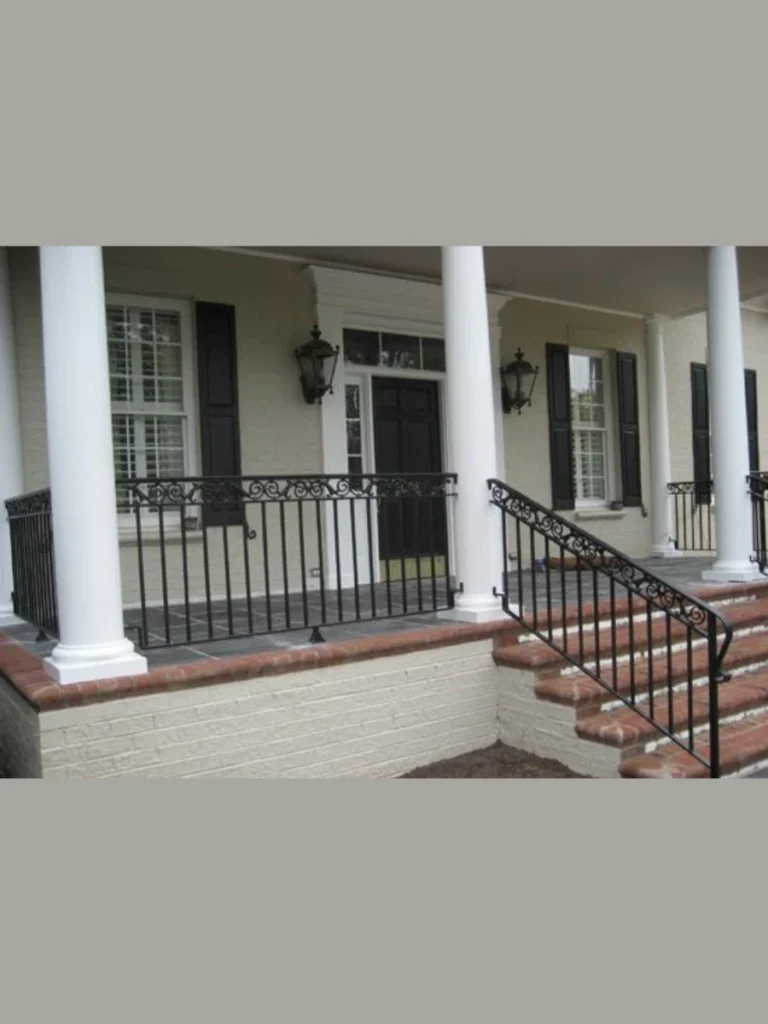
Wrought iron fences provide elegance and strength that other materials simply cannot match for porches. I appreciate how the thin bars disappear so your view of the garden remains unobstructed.
Modern powder-coated steel provides the same look as traditional iron but at a lower price. The coating protects the metal from rust and keeps the finish looking smooth for years.

Animal Barrier Fence, 10 Pcs Upgrade 1.26 in Gap Decorative Fences No Dig Fence for Rabbits and Dog Ground Defense, Rustproof Metal Wire Garden Fence Border for Garden & Patio Landscaping
Animal Barrier Fence, 10 Pcs Upgrade 1.26 in Gap Decorative Fences No Dig Fence for…
You can add decorative scrolls to the bars to give the fence a custom appearance. Simple, straight bars suit modern homes, while ornate designs fit Victorian or colonial styles perfectly.
Installation requires bolting the posts into the floor for maximum stability during social gatherings. It feels much more secure than lightweight aluminum options that might flex under heavy pressure.
4. Rustic Branch and Twig Fencing
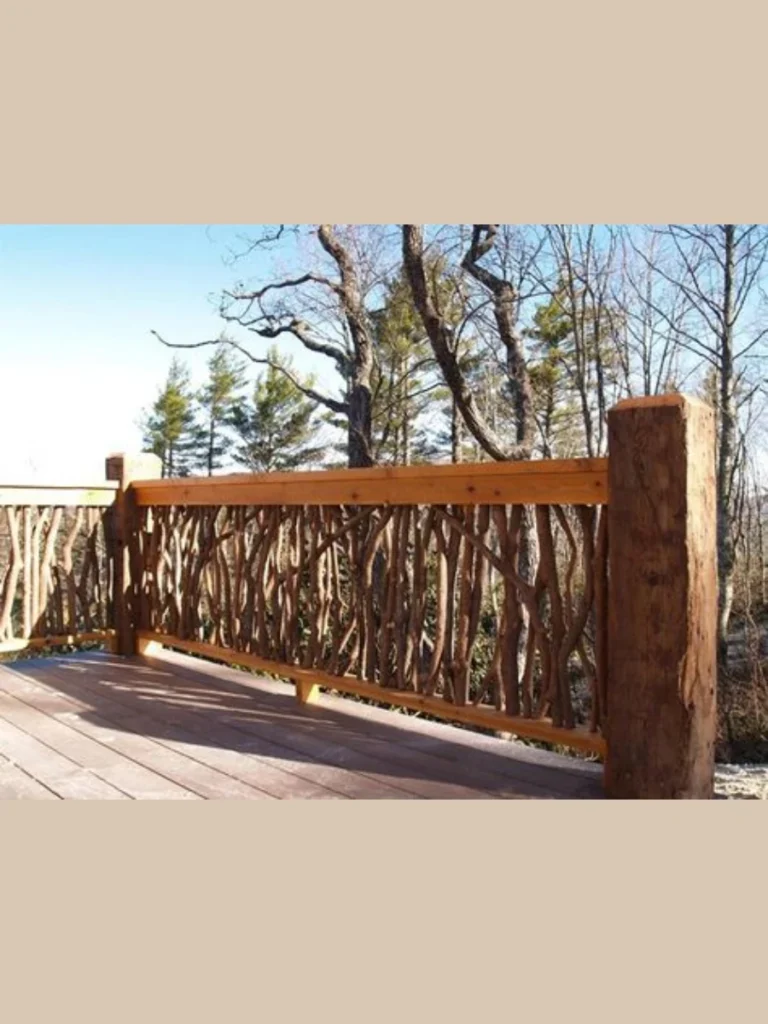
For a mountain cabin, nothing beats the charm of a fence made from natural branches. I find that using cedar limbs creates a unique look where no sections are identical.
You can build these by framing a box and filling it with interwoven rustic twigs. Using a random pattern for the interior creates a whimsical feel for wilder landscaping styles.
The natural texture of the bark adds a tactile element that feels warm and inviting. I suggest peeling bark off the main posts to prevent moisture from causing premature wood rot.
I recommend using galvanized nails to keep the irregular shapes securely in place for years. This design always starts a conversation with guests because it looks so different from standard options.
5. Solid Privacy Screen Fence
If your porch faces a busy street, you might want a solid fence wall. I like using tongue and groove boards because they lock together to eliminate all gaps.
This turns your front porch into a private room where you can relax in peace. I find that a six-foot height is usually enough to block the view of pedestrians.
Painting the interior a light color helps reflect sunlight and keeps the space feeling bright. The exterior can match your siding, so the fence looks like a part of the house.

Beautifully Handcrafted and Customizable Slate Kindly Remove Your Shoes Sign (12”x8” or 16"x10") Personalized House Sign. Improve the curb appeal of your property.
Beautifully Handcrafted and Customizable Slate Kindly Remove Your Shoes Sign (12”x8” or 16"x10") Personalized House…
Strong wind puts pressure on solid fences, so use oversized posts anchored deeply for safety. A well-built privacy fence should feel as solid as the walls of your home structure.
6. Sleek Glass Panel Railing
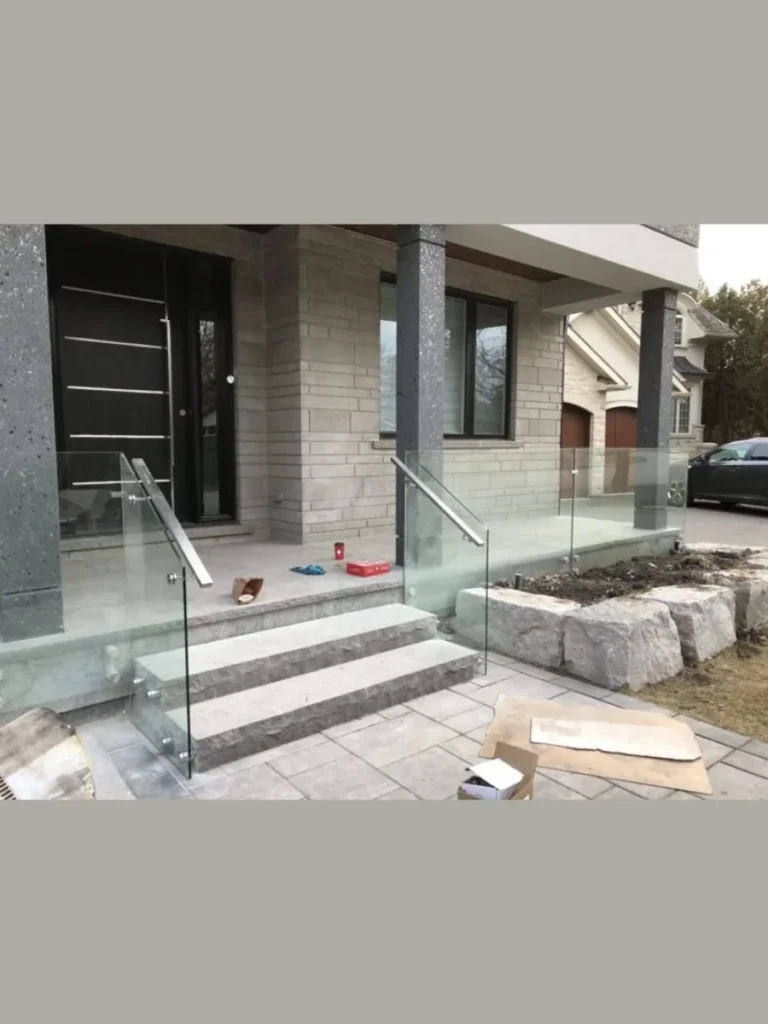
I think glass panels are the best way to maintain an open view from your porch. This modern design allows you to see your landscaping without any bars blocking the view.
Tempered safety glass provides incredible strength and can withstand high winds or heavy impacts. I find that the solid panels also act as a windbreak for chilly spring evenings.

Sassy Squirrel Beautifully Handcrafted Slate Home Welcome Plaque - Life is Better at The Lake 16"x10" or 12"x8" Improve The Curb Appeal of Your Lake House with This Bespoke House Sign.
Sassy Squirrel Beautifully Handcrafted Slate Home Welcome Plaque - Life is Better at The Lake…
Cleaning is straightforward since you can use standard glass spray and a soft cloth weekly. The panels are nearly impossible for children to climb because there are no horizontal bars.
You should opt for a frameless system if you want a completely invisible look for the house. I see this style increasing property value because it creates a luxury, high-end appearance immediately.
7. Industrial Stainless Steel Cable Fence
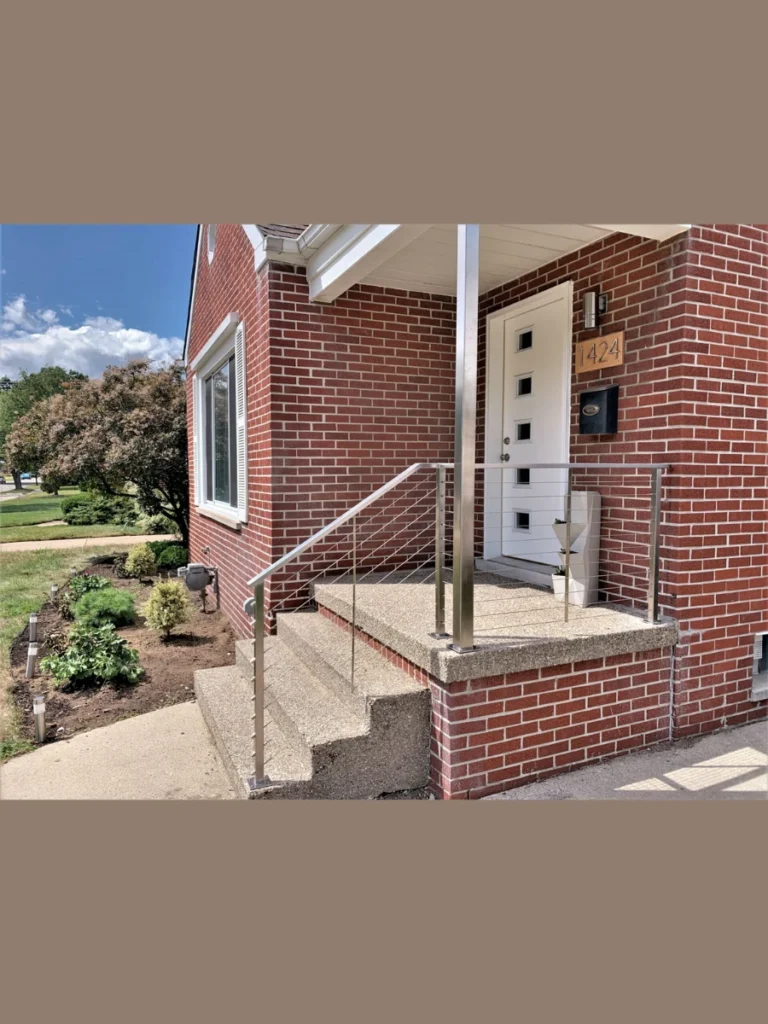
Cable railings offer a minimalist industrial look that I find perfect for contemporary coastal homes. The thin wires virtually disappear against the background while providing a very high level of security.
Stainless steel cables never rust or rot, even when exposed to salt air or heavy rain. I suggest using high-grade metal so you only have to worry about occasional tension adjustments.
You can pair these cables with wood posts to add warmth to the cold metal lines. This mix of materials creates a professional and custom feel that suits almost any porch shape.
Installation is easier than it looks because many companies sell pre-tensioned kits for DIY projects. The thin lines stay taut for years, which keeps the fence looking sharp and professional always.
8. Classic Diamond Lattice Porch Fence
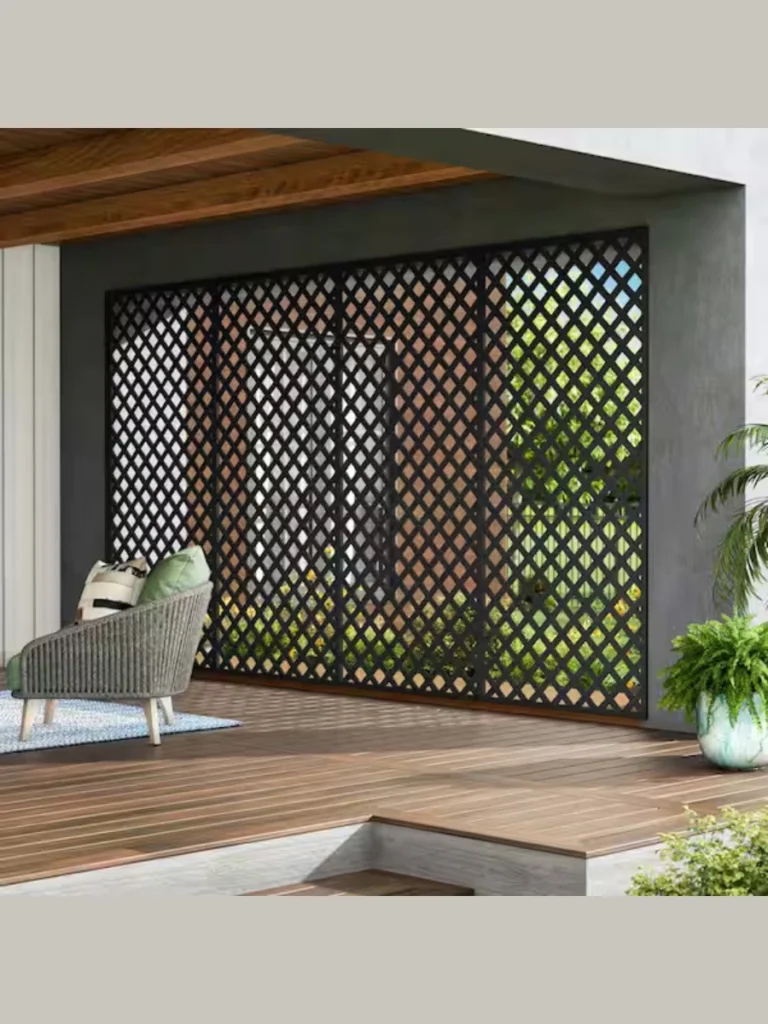
Lattice is a top choice for homeowners who want to grow climbing plants like roses. I find that the diamond pattern adds a delicate texture that softens the home exterior nicely.
You can choose vinyl lattice if you want a low-maintenance option that never needs painting. Wood lattice is also great for a more natural or rustic cottage feel that ages gracefully.
The small holes provide a balance of privacy while still letting a breeze pass through comfortably. I often see homeowners add lattice to the bottom of the porch to hide the foundation.
Double-thick lattice panels are much stronger and will not sag over time under sun exposure. I recommend framing the edges with solid wood to give the structure a finished and clean look.
9. Geometric Metal Screen Panels
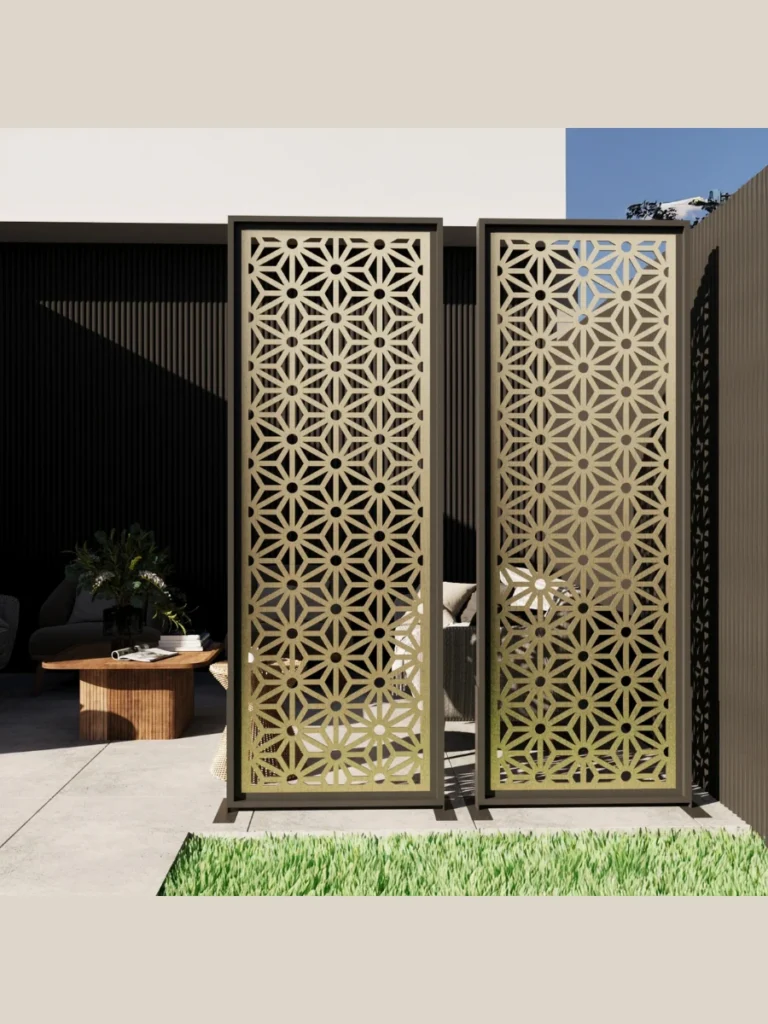
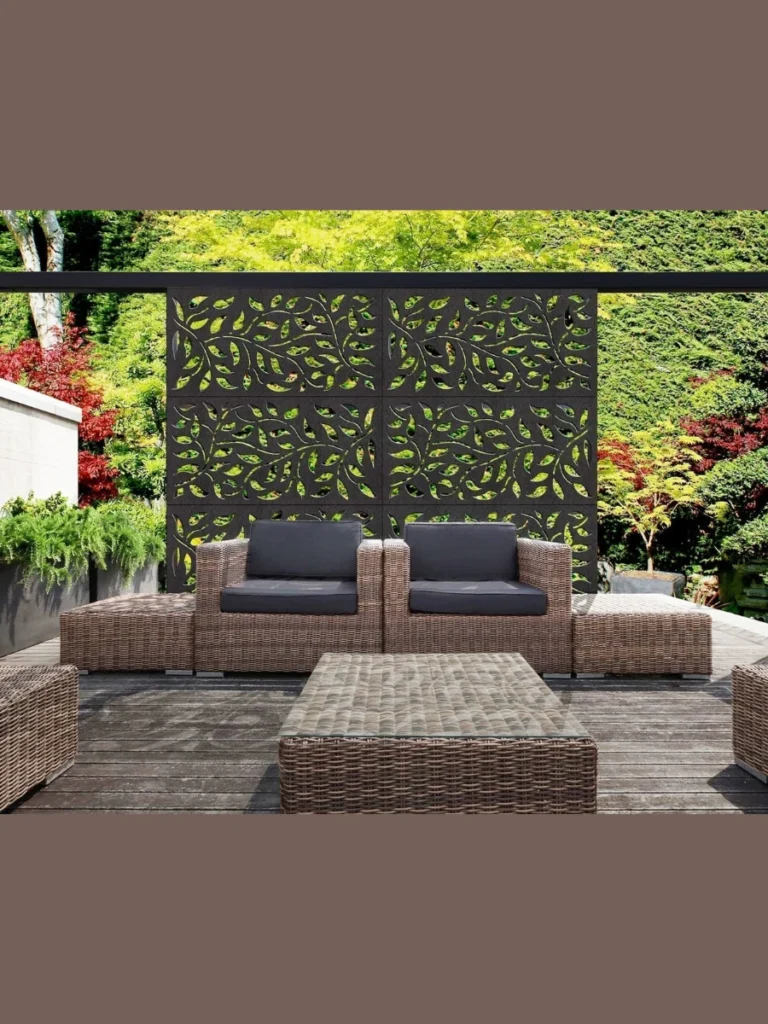
Laser-cut metal panels are becoming a popular trend for unique and artistic porch fence designs. You can choose patterns like leaves or abstract shapes to add a signature touch to your home.

HIHADUUM 20Ft(L) X 13Inch(H) Animal Barrier Fence - 14 Pack Garden Fence Panels, Metal Garden Edging Fence Border No Dig Fencing for Dog Rabbits Ground Stakes Defense and Outdoor Patio Fence Extension
HIHADUUM 20Ft(L) X 13Inch(H) Animal Barrier Fence - 14 Pack Garden Fence Panels, Metal Garden…

Sassy Squirrel Customizable Burgundy Slate Home Address Plaque (12"x6" or 18"x8") Personalized House Sign with and mounting Hardware Improve The Curb Appeal of Your Property (12"x6"`)
Sassy Squirrel Customizable Burgundy Slate Home Address Plaque (12"x6" or 18"x8") Personalized House Sign with…
These panels provide excellent privacy while serving as a beautiful piece of outdoor wall art. I like how the light creates interesting shadows on the porch floor during the afternoon hours.
Powder-coated aluminum is lightweight and resists corrosion even in the harshest winter weather conditions. You can find these in various colors, like bronze or matte black, to match your trim.
I find that using one or two panels as an accent works well with standard railings. This keeps the project affordable while still making your front entrance look very modern and stylish.
10. Mixed Material Stone and Wood Fence
Combining stone pillars with wood railings creates a sense of permanence and luxury for your porch. I find that the heavy base of stone makes the entire structure feel incredibly safe and stable.
You can use faux stone veneers to get the high-end look without the expensive masonry costs. The contrast between the cool stone and warm wood adds a lot of visual interest.
I suggest using thick cedar rails to bridge the gaps between the stone or brick columns. This style looks fantastic on craftsman or traditional colonial homes with large front entryways.
The stone sections provide a great place to mount outdoor lighting for better nighttime visibility. Your porch will look more like an architectural extension of the house rather than a simple deck.
11. Modern Vertical Slat Barrier
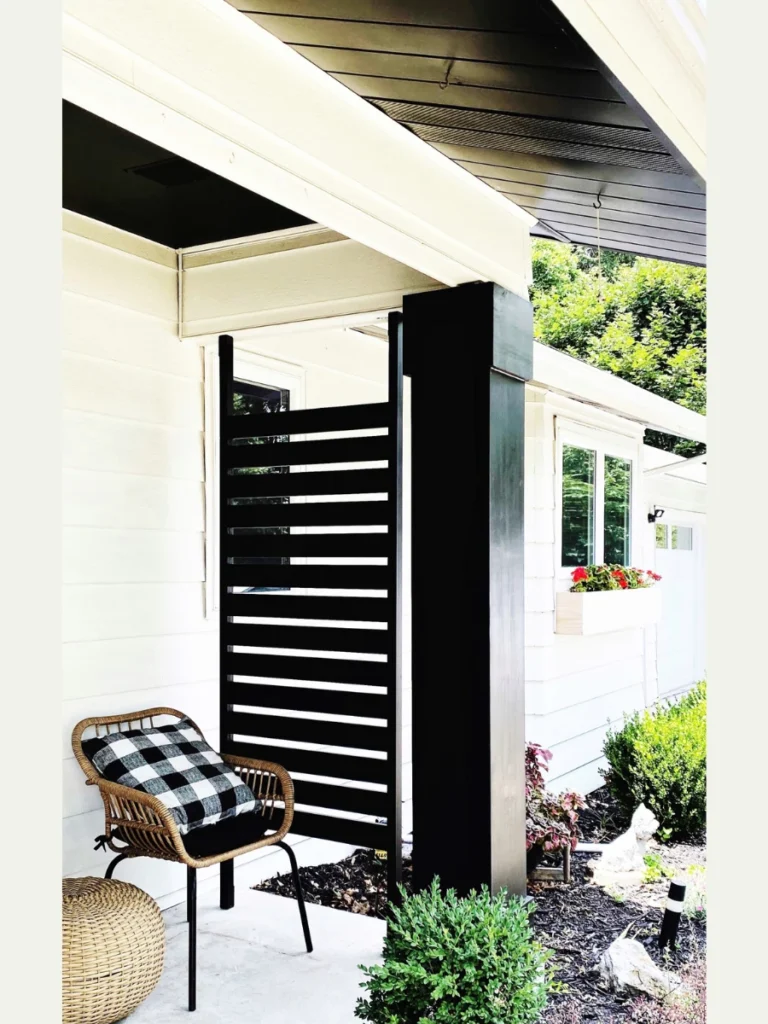
Vertical slats offer a clean and tall look that can make a small porch seem larger. I find that narrow boards placed close together provide excellent privacy from neighbors or the street.

AMAGABELI 4 Panels 44 in(H )X 12 ft(L) Decorative Garden Fence Gate,Dog Fence Outdoor for Yard,Rustproof Tall Garden Fencing Animal Barrier Metal Wire Panel Border with Leaves for Flower Bed Black
AMAGABELI 4 Panels 44 in(H )X 12 ft(L) Decorative Garden Fence Gate,Dog Fence Outdoor for…
This design is very popular in urban areas where space is tight and privacy is limited. You can use alternating heights for the slats to create a more dynamic and interesting silhouette.

Sassy Squirrel Beautifully Handcrafted and Customizable Slate Home Address Plaque (12"x8" or 16"x10") Personalized House Sign with and Hardware. Improve The Curb Appeal of Your Property (16"x10")
Sassy Squirrel Beautifully Handcrafted and Customizable Slate Home Address Plaque (12"x8" or 16"x10") Personalized House…
I recommend using light-colored wood to keep the porch from feeling too enclosed or dark inside. Vertical lines also prevent kids from climbing the fence, which is a great safety feature, naturally.
Sealing the ends of the boards is the most important step to prevent moisture from entering. A well-sealed vertical fence can last for decades while maintaining its beautiful and straight appearance.
Tips for Maintaining Your New Porch Fence
Regular maintenance ensures that your investment continues to look great for many years to come. I always recommend a quick inspection every spring to check for loose screws or signs of wear.
Cleaning your fence with mild soap and water removes the buildup of pollen and dust effectively. For wood fences, you should check for any soft spots that might indicate early stages of rot.
Metal railings might need a small touch-up with matching paint if they get scratched or dinged. I find that keeping plants trimmed back from the fence prevents trapped moisture from causing damage.
| Task | Frequency | Estimated Time | Tool Needed |
| General Cleaning | Twice a Year | 1 Hour | Garden Hose / Sponge |
| Wood Sealing | Every 3 Years | 4 Hours | Paint Brush / Sealer |
| Tightening Bolts | Once a Year | 20 Minutes | Wrench / Screwdriver |
| Glass Wiping | Monthly | 30 Minutes | Microfiber Cloth |
Professional Installation vs. DIY Porch Fencing
Deciding whether to hire a pro depends on your skill level and the fence material chosen. I find that vinyl and wood kits are very approachable for a weekend warrior with basic tools.
Metal and glass systems often require precise measurements that might be difficult for a first-timer. If your porch is high off the ground, you should consider hiring a professional for safety.
Pros know the local building codes and will ensure your railing is legally compliant and safe. I think the extra cost is often worth the peace of mind for complex or heavy materials.
You can save money by doing the demolition and site prep work yourself before the pros arrive. This allows the installers to focus on the technical work while you keep the budget lower.
Conclusion
I believe a well-chosen porch fence is the easiest way to upgrade your home’s curb appeal. It provides a sense of security and creates a clear boundary for your personal outdoor living space.

XCEL Black Steel Anti-Rust Fence Panel - Sharp End Pickets - 6.5ft W x 5ft H - Easy Installation - for Residential, Outdoor, Yard, Garden, Swimming Pool, on Concrete or Soil, 3-Rail, One Post included
XCEL Black Steel Anti-Rust Fence Panel - Sharp End Pickets - 6.5ft W x 5ft…

Sassy Squirrel Beautifully Handcrafted Slate Home Welcome Plaque (12”x8” or 16"x10") Improve The Curb Appeal of Your Property with This Bespoke House Sign.
Sassy Squirrel Beautifully Handcrafted Slate Home Welcome Plaque (12”x8” or 16"x10") Improve The Curb Appeal…
Whether you prefer modern metal or classic wood, there is a design that fits your budget. I find that the most successful projects are the ones that respect the original house architecture.
Take your time to choose materials that match your lifestyle and the time you have for upkeep. A beautiful fence will make you want to spend more time enjoying the fresh air outside.
Your home is your biggest investment, so adding high-quality features always makes financial sense in the end. I hope these ideas help you create the perfect porch for your family to enjoy for years.
FAQs
Most residential building codes require a minimum height of 36 inches for any elevated porch surface. I suggest checking with your local office because some areas might require 42 inches for safety.
Costs vary wildly based on material, but expect to pay between $15 and $60 per linear foot. I find that wood is usually the most affordable, while glass and high-end metal cost the most.
Yes, you can use specialized masonry anchors to secure metal or wood posts directly into your concrete floor. I recommend using a hammer drill to ensure the holes are clean and the bolts are tight.
A well-maintained and stylish fence definitely increases curb appeal, which can lead to a higher resale value. I see buyers often prioritizing homes that already have finished and safe outdoor living areas.
Aluminum and stainless steel are the champions of longevity because they do not rust or rot over time. I find that these materials often outlast the house siding if they are installed and cared for correctly.

Sassy Squirrel Beautifully Handcrafted and Customizable Slate Home Address Plaque (16"x10" or 12"x8") Personalized House Sign with and mounting Hardware. Improve The Curb Appeal of Your Property
Sassy Squirrel Beautifully Handcrafted and Customizable Slate Home Address Plaque (16"x10" or 12"x8") Personalized House…
Related Posts
- Top 12 Porch Tile Ideas
- 13 Best Porch Painting Ideas
- Top 14 Porch Paint Ideas
- 15 Best Porch Pergola Ideas
- Top 10 Porch Makeover Ideas
- 11 Best Porch Landscaping Ideas
Recommended for You

Greenes Fence Cedar Wood Garden Picket Fence 16" H x 8' L (6-Pack, 48' Total)
Greenes Fence Cedar Wood Garden Picket Fence 16" H x 8' L (6-Pack, 48' Total)