


I have gathered five more practical ways to enhance your outdoor area using functional design and high-impact greenery. These additional methods focus on creating a comfortable environment that serves your specific lifestyle needs throughout the year.
Smart Planning for Front Porch Greenery
I always start by looking at how much sun the front of the house actually gets during the day. You should track the light patterns for a few days to ensure you pick plants that won’t wilt by noon.
Good drainage is the next thing I check because nobody wants a swamp growing right next to their foundation. I usually suggest sloping the soil slightly away from the house to keep your porch floor dry and safe.
Selecting a cohesive color palette helps your landscaping look like it was professionally designed rather than a random collection. I like to match flower colors to the front door or the shutters to create a unified look.
I also think about how much time I actually want to spend pulling weeds on a Saturday morning. Choosing native plants usually means less work for me and more time enjoying a cold drink on the swing.
1. Low Maintenance Stone Edging and Perennials
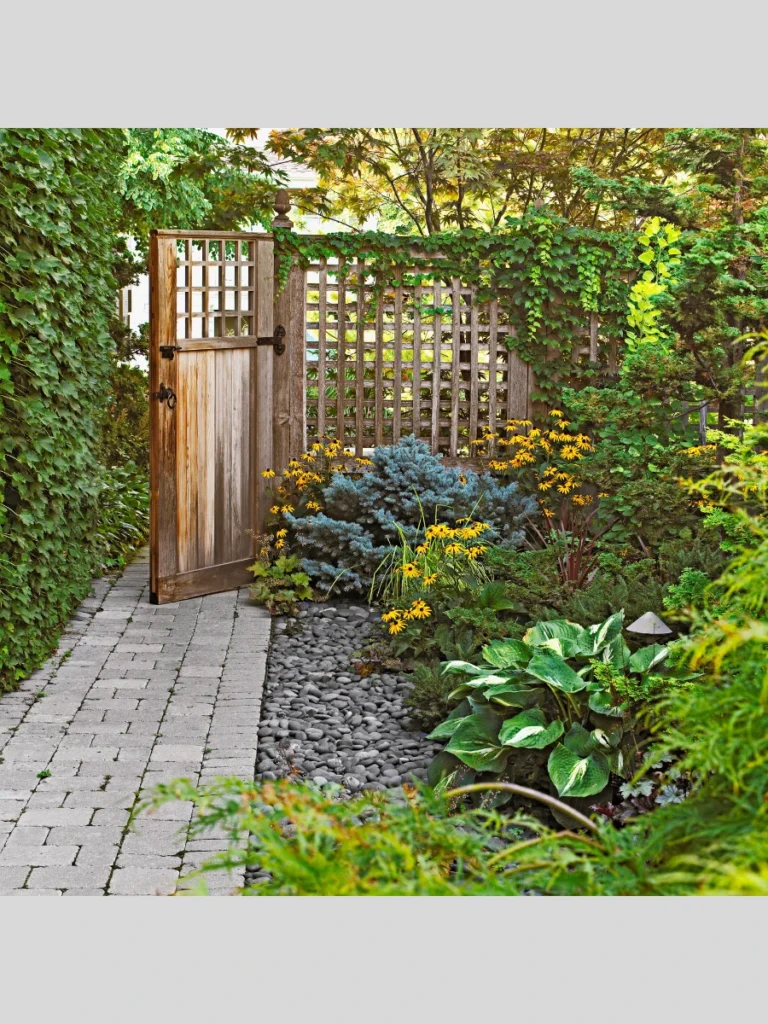
I found that swapping messy grass edges for clean stone borders makes the whole yard look instantly more expensive. Using heavy river rocks or Belgian blocks keeps the mulch from washing onto my walkway every time it rains.

SANKINS Magnetic Decorative Garage Door Hinges Hardware Kit Attractive Curb Appeal Faux Hinges Handles Decor Hardware 1 Carriage Door Accents 4 Hinges + 2 Handles Black
SANKINS Magnetic Decorative Garage Door Hinges Hardware Kit Attractive Curb Appeal Faux Hinges Handles Decor…
Perennials like hostas or lavender are my top choices because they come back every year without asking for much. I appreciate how these plants fill out over time to cover any awkward gaps in the flower beds.
I suggest laying down a heavy-duty weed barrier fabric before you place any stones or plants in the ground. This simple step saves me from hours of tedious maintenance and keeps the design looking sharp for several seasons.
Adding a few bags of cedar mulch provides a nice scent while also keeping the soil moist for my plants. The dark contrast of the mulch makes the green leaves pop and gives the porch a finished look.
2. Symmetry with Potted Boxwoods
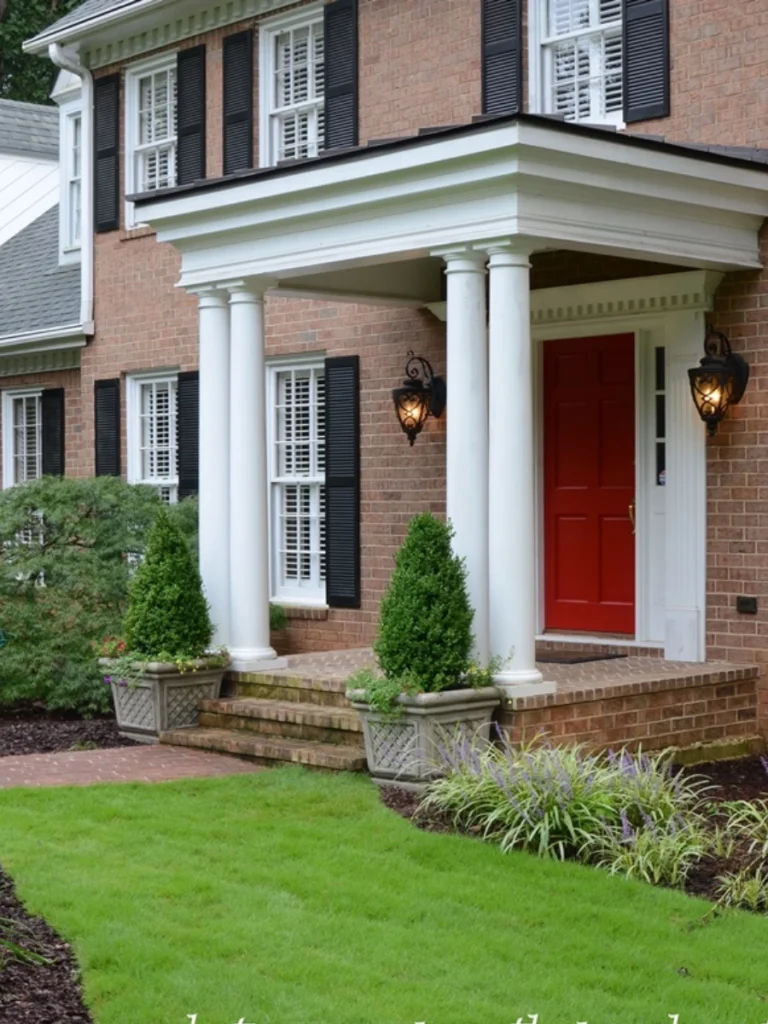
I love using matching planters on both sides of the steps to create a formal and balanced entrance. Boxwoods stay green all winter long, which means my porch doesn’t look depressing when the temperature finally drops.
Large ceramic pots offer a great way to add a splash of color without committing to a permanent paint job. I pick heavy containers that won’t blow over during those sudden summer thunderstorms that roll through the neighborhood.
I usually elevate my pots on small bricks or stands to prevent water from trapping underneath and staining the porch. This also improves airflow around the base of the plants, which keeps them much healthier in the long run.
Using high-quality potting mix is better than just digging up dirt from the backyard for these containers. I find that the added nutrients help the boxwoods stay vibrant and lush throughout the entire growing season.

Premium Quality & Strong Magnetic Garage Door Decorative Hardware - Set of 2 Handles + 4 Hinges - Faux Garage Door Accents Kit for Curb Appeal | No Installation Needed | Will Never Fall Off
Premium Quality & Strong Magnetic Garage Door Decorative Hardware - Set of 2 Handles +…
3. Vertical Trellis and Climbing Vines
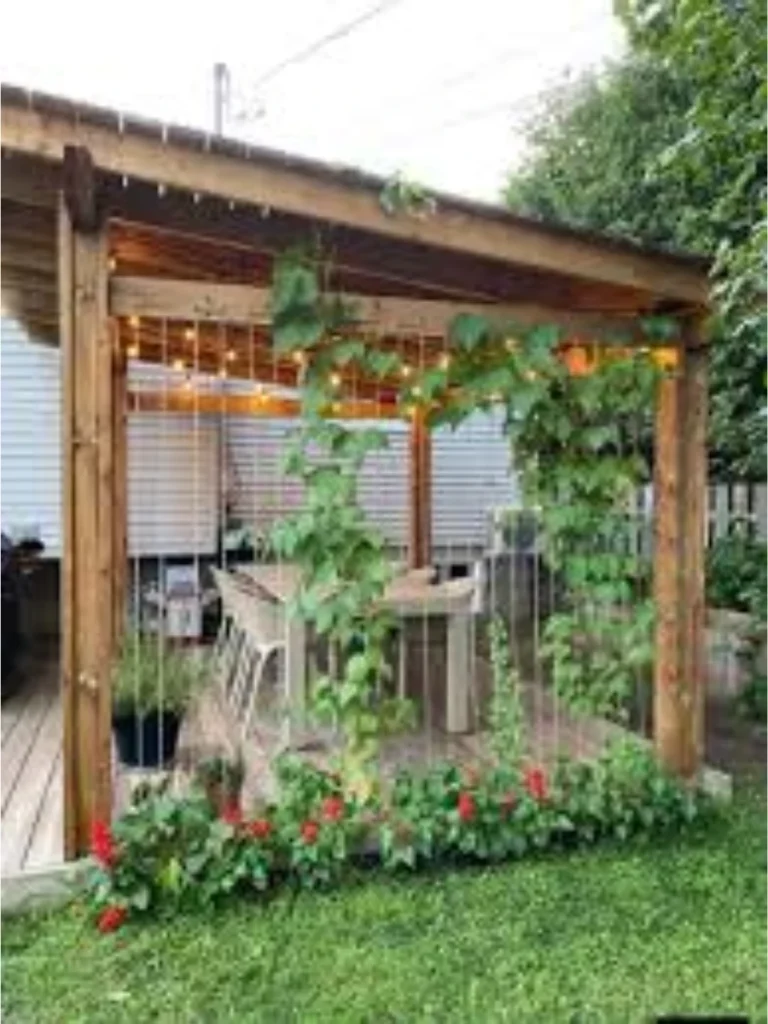
Installing a wooden trellis on a blank porch wall turns a boring space into a living piece of art. I prefer climbing roses or clematis because they grow upward and leave more floor space for my outdoor furniture.
I make sure to secure the trellis firmly to the siding so it can handle the weight of a heavy vine. It is much easier to install the support system before the plant gets too big and tangled.
Vines provide a natural privacy screen that blocks the view from the street without feeling like a literal wall. I enjoy the way the leaves rustle in the breeze while I am trying to read a book outside.
Pruning these climbers once a year keeps them from taking over the gutters or the roof line. I spend about twenty minutes with some shears to keep the growth looking intentional and tidy for the neighbors.

Curb Appeal: Forty Years of Falling for Houses and Finding Home
Curb Appeal: Forty Years of Falling for Houses and Finding Home
4. Layered Flower Beds for Depth
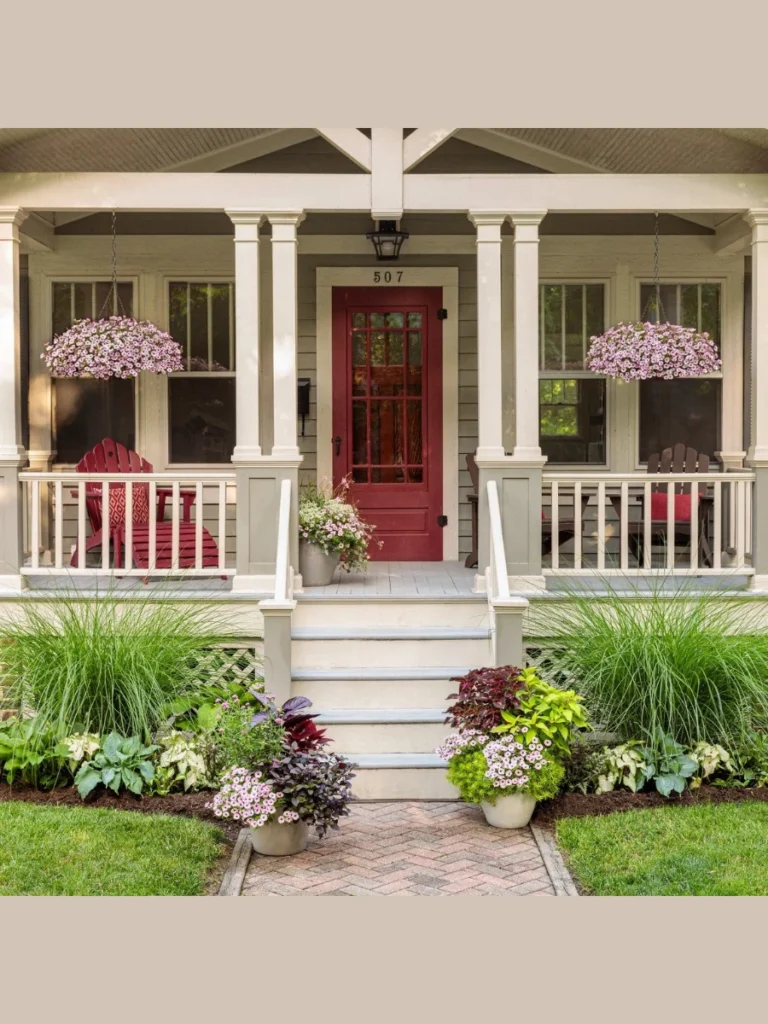
I arrange my flower beds by placing the tallest shrubs in the back and the shortest flowers in front. This creates a tiered look that allows me to see every single plant from the street or the porch.
Evergreen shrubs provide a solid backdrop that stays consistent even when the blooming flowers fade away in autumn. I use these as the “bones” of the garden to maintain structure throughout the entire calendar year.
Middle layers work best when I use plants with interesting textures like ferns or ornamental grasses for variety. These additions fill the space between the tall bushes and the low groundcover to prevent any empty spots.
I stick to a maximum of three main colors to keep the layered beds from looking too chaotic or busy. A limited palette feels more peaceful and intentional when I am pulling into the driveway after a long day.
5. Decorative Lighting for Nighttime Appeal
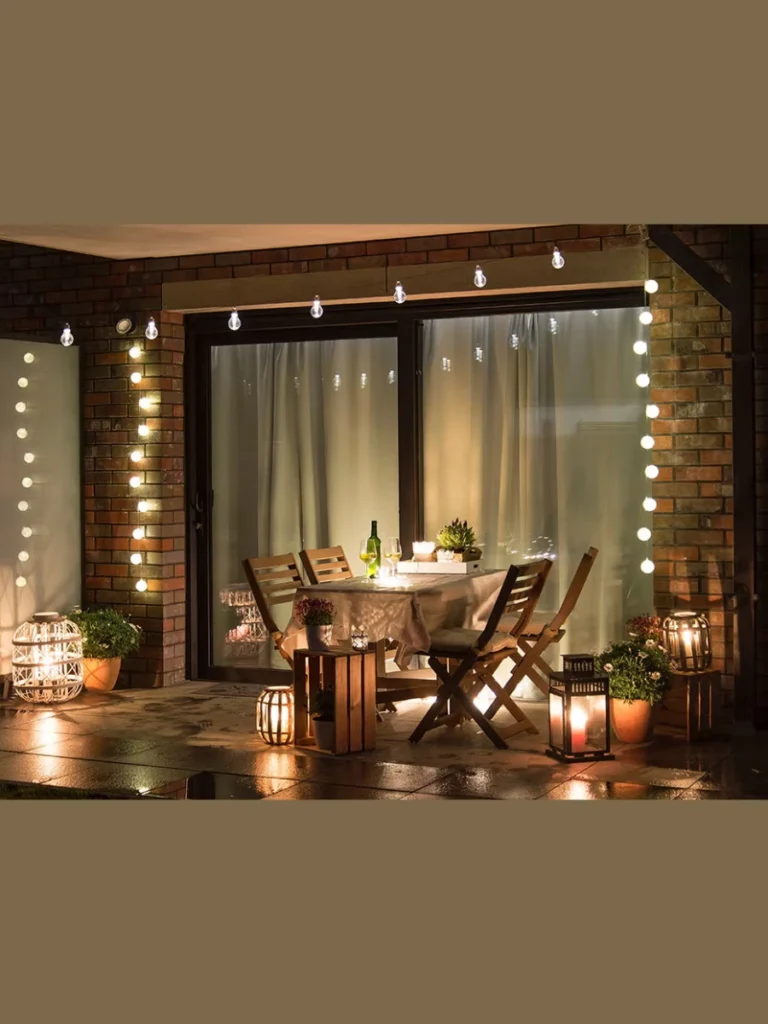
I use solar-powered path lights to highlight the walkway leading up to my porch steps at night. These are incredibly easy to install since I don’t have to mess around with any complicated outdoor electrical wiring.
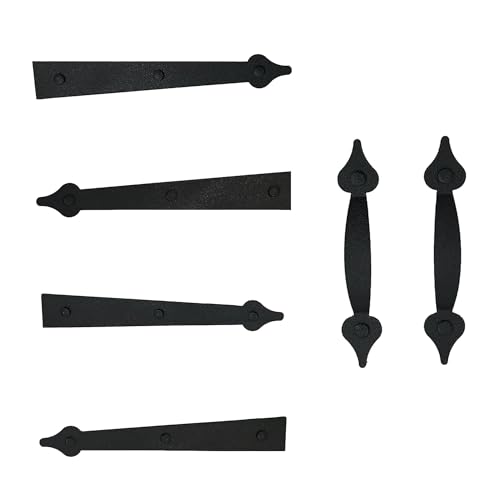
Magnetic Decorative Garage Door Hinges & Handles - Spear Style Garage Door Accents - Durable & Weatherproof - Curb Appeal Faux Hinges & Handles with Hardware Kit - Black
Magnetic Decorative Garage Door Hinges & Handles - Spear Style Garage Door Accents - Durable…
Up-lighting a specimen tree or a large shrub creates dramatic shadows that make the house look great after dark. I position the lights at the base of the plant and angle them upward to catch the leaves.
Small LED spotlights pointed at the porch house number help my friends find the right place during evening visits. It is a functional safety feature that also happens to look very polished and modern from the curb.
I prefer warm white bulbs over the harsh blue ones to create a cozy and welcoming atmosphere for guests. The softer glow mimics natural candlelight and makes the landscaping feel much more high-end and inviting for everyone.

HILLMASTER Decorative Magnetic Garage Door Hinges Hardware, 6 Pieces Garage Door Accents Attractive Curb Appeal Faux Hinges Handles Decor Hardware Kit, Black(4 Hinges+2 Handles)
HILLMASTER Decorative Magnetic Garage Door Hinges Hardware, 6 Pieces Garage Door Accents Attractive Curb Appeal…
6. Tiered Planters for Small Porch Steps
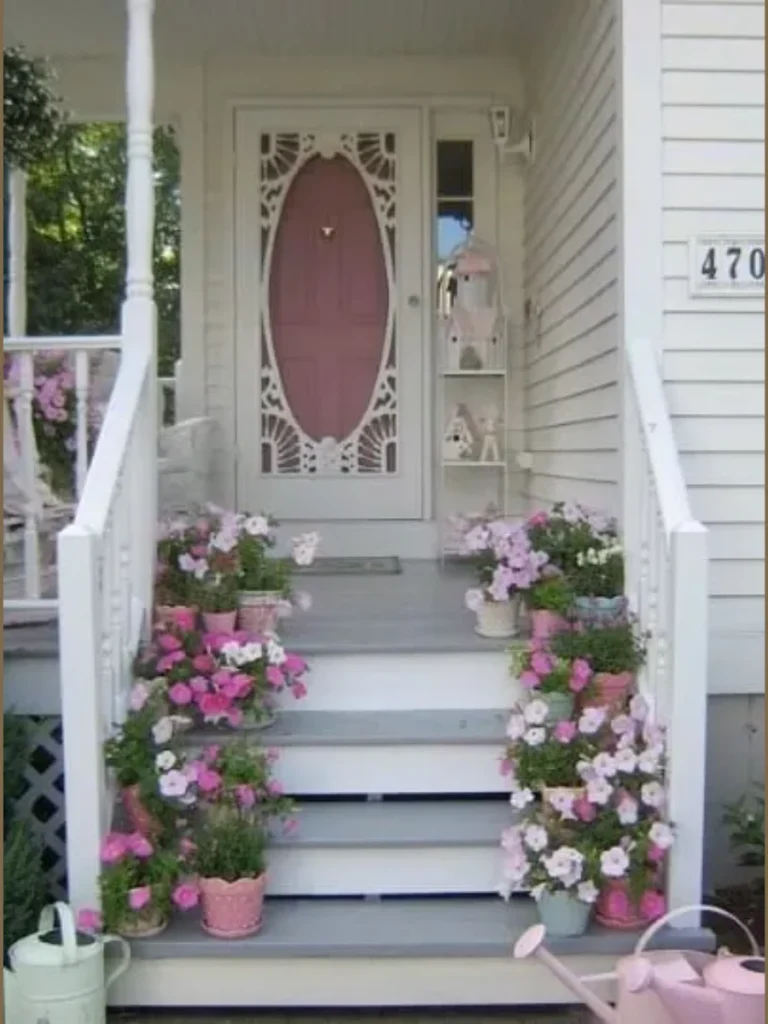
I use wooden tiered planters to maximize vertical space when the actual porch floor is a bit cramped. This allows me to grow a variety of herbs or flowers without blocking the path to my front door.
Building these levels myself was surprisingly simple and only required a few basic cedar boards from the local shop. I appreciate how the different heights create a waterfall effect of cascading greenery right next to my entryway.
I make sure to line each wooden box with plastic to prevent the damp soil from rotting the timber over time. This extra step keeps my planters looking brand new even after several seasons of heavy rain and watering.
Mixing trailing vines with upright plants in these tiers adds a professional touch to the overall display I created. I love how the sweet potato vines spill over the edges to soften the hard lines of the porch steps.
7. Native Bird-Friendly Shrub Borders
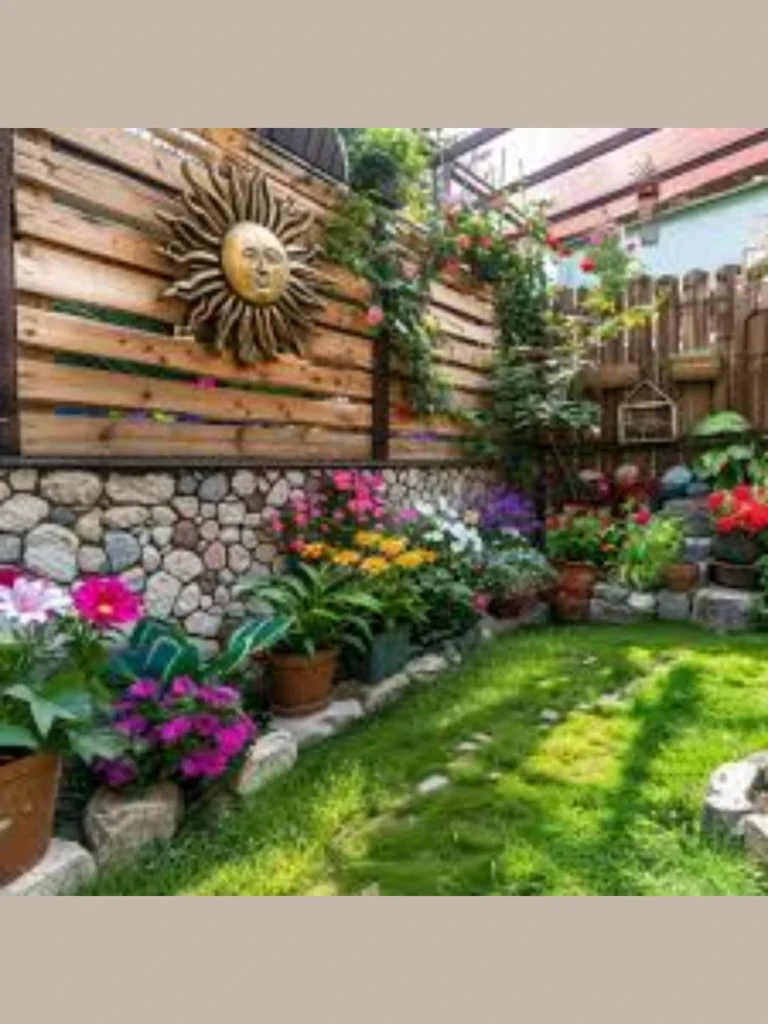
I replaced my thirsty lawn patches with berry-bearing shrubs that naturally attract local birds to my front yard area. Planting viburnum or holly provides a constant source of entertainment as I watch the wildlife from my porch chair.
These native species are much tougher than exotic plants because they already know how to handle our local weather extremes. I rarely have to use the hose once they are established which saves me a lot of money on water.

SANKINS Garage Door Magnetic Decorative Hardware Carriage Accents Faux Hinges Handle Kit Curb Appeal Decor,Pack of 1,Color Black
SANKINS Garage Door Magnetic Decorative Hardware Carriage Accents Faux Hinges Handle Kit Curb Appeal Decor,Pack…
I suggest grouping three or five of the same shrubs together to create a more impactful and natural-looking mass. This technique looks far more intentional than scattered individual plants and creates a better habitat for the birds I enjoy.
Maintaining these borders only takes a quick trim once a season to keep the branches from reaching over the walkway. I prefer this relaxed look over the stiff and formal hedges that require constant attention to stay perfect.
8. Integrated Bench and Planter Combos
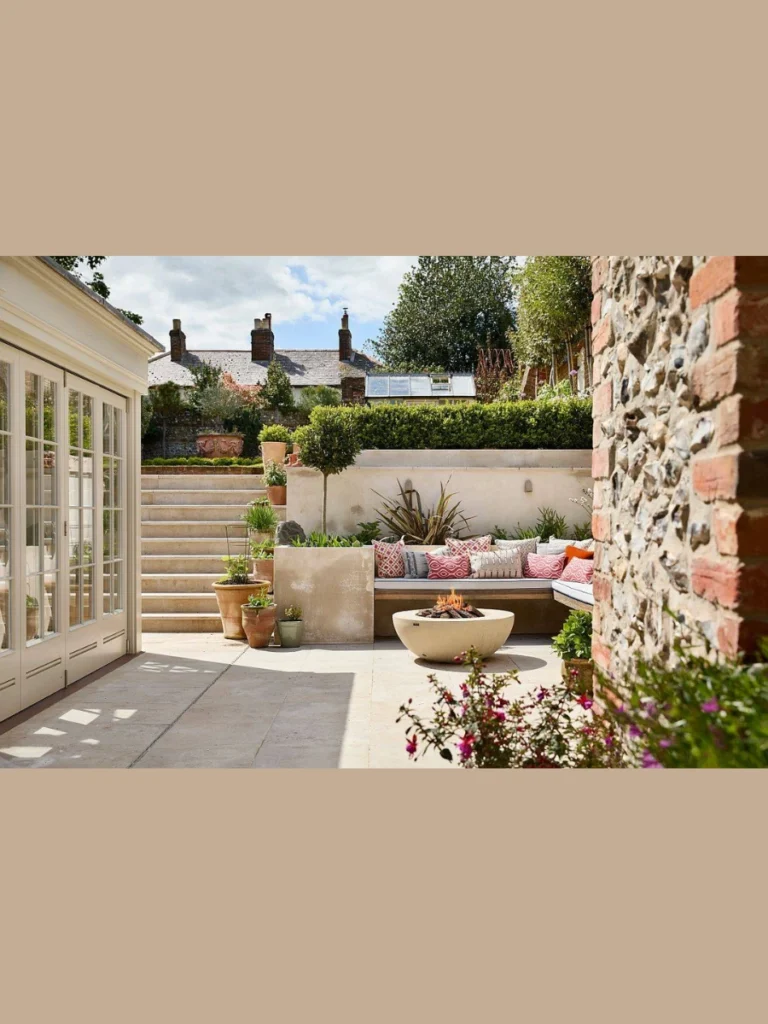
I installed a sturdy wooden bench with built-in planter boxes at each end to combine seating and garden space. This dual-purpose furniture gives me a place to lace up my boots while surrounded by the scent of fresh lavender.
Choosing a weather-resistant wood like teak or pressure-treated pine ensures the bench survives the winter without warping or cracking. I find that a quick coat of sealant every couple of years is all it needs to stay beautiful.
I use the built-in planters for seasonal flowers so I can change the look of my porch every few months. In the autumn I swap the summer petunias for bright mums to keep the entrance looking fresh and festive.
Adding a few outdoor cushions makes the space feel like a true extension of my living room rather than just an entrance. I pick fabrics that are UV-resistant so the sun doesn’t fade my favorite patterns within the first few weeks.

Curb Appeal: Age Gap Enemies-to-Lovers Lesbian Rimming Erotica (The Backdoor Sisterhood Book 40)
Curb Appeal: Age Gap Enemies-to-Lovers Lesbian Rimming Erotica (The Backdoor Sisterhood Book 40)
9. Modern Gravel and Grass Geometry
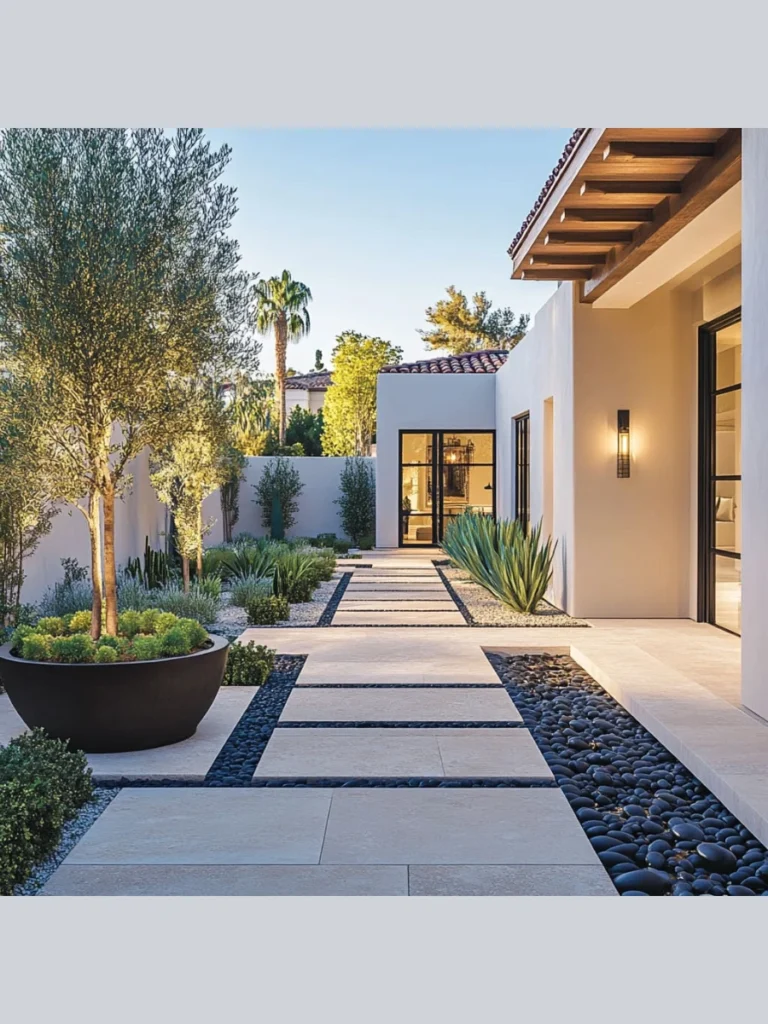
I created a sleek look by using light gray gravel paths interspersed with square patches of hardy ornamental grasses. The contrast between the crunch of the stone and the soft blades of grass adds a modern feel.
Using metal edging strips keeps the gravel exactly where it belongs so it doesn’t migrate into my flower beds or porch. This clean separation is the secret to making a DIY project look like a high-end architectural installation.
I prefer blue fescue or fountain grass for these sections because they maintain a tidy mound shape without much effort. These grasses don’t need mowing, which is a massive win for my weekend schedule and my lawnmower.
I often place a few large slate stepping stones within the gravel to provide a solid and level surface for walking. This prevents my shoes from sinking into the rocks and makes the trek to the porch much easier for guests.
10. Hanging Baskets with Automated Drip Lines
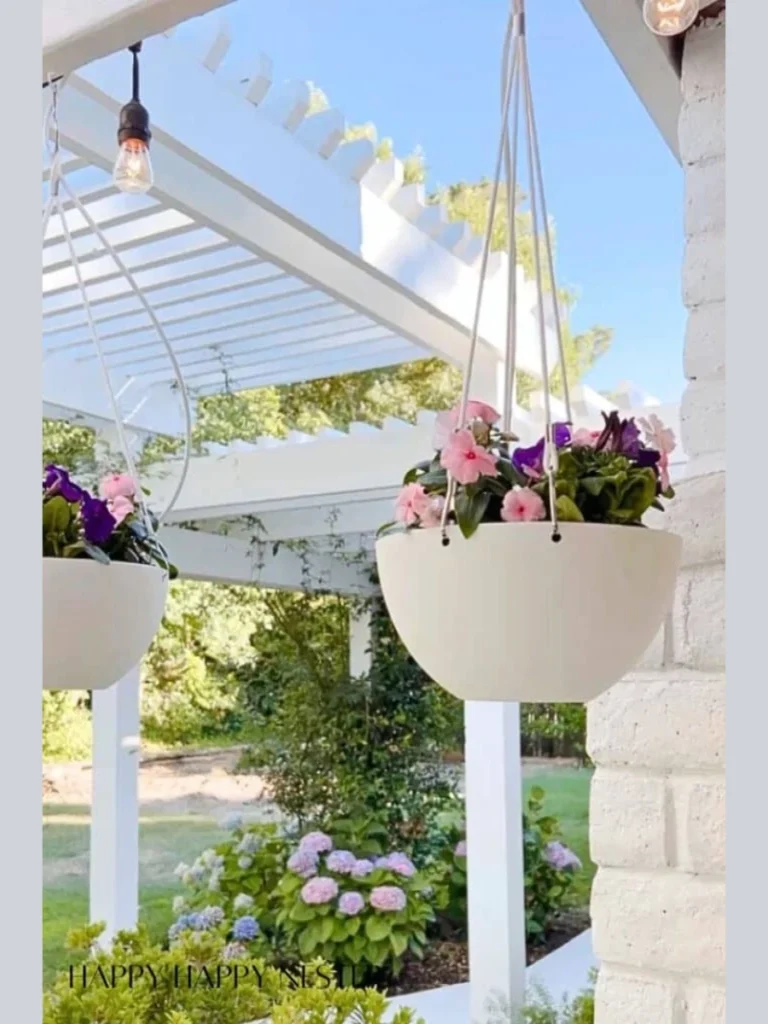
I love the look of lush hanging baskets, but I used to hate dragging a heavy watering can out every morning. Installing a tiny hidden drip line changed everything by keeping my fuchsias perfectly hydrated on a simple battery timer.
I run the thin black tubing along the porch rafters where it is completely invisible to anyone standing in my driveway. This system delivers water directly to the roots, which prevents the leaves from getting scorched by the afternoon sun.
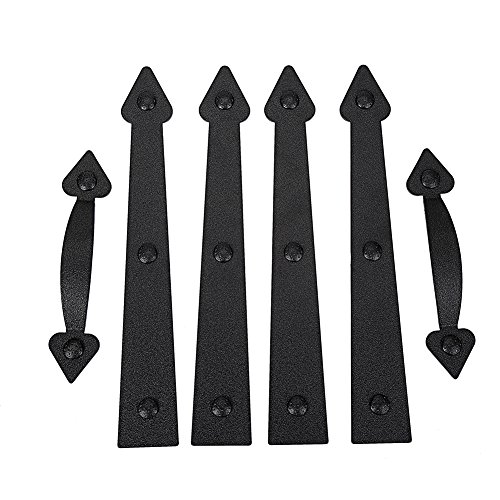
Magnetic Decorative Garage Door Curb Appeal Faux Hinges Handles Hardware Kit Color Black
Magnetic Decorative Garage Door Curb Appeal Faux Hinges Handles Hardware Kit Color Black
Using oversized baskets allows for more soil volume, which keeps the plants from drying out quite so fast in July. I find that the larger displays have a much bigger visual impact when viewed from the street at a distance.
I feed my hanging plants with a liquid fertilizer every two weeks to keep the blooms coming all summer long. This consistent routine ensures that my porch remains the most colorful one on the entire block from May until October.
11. Edible Herb Gardens in Vertical Pockets
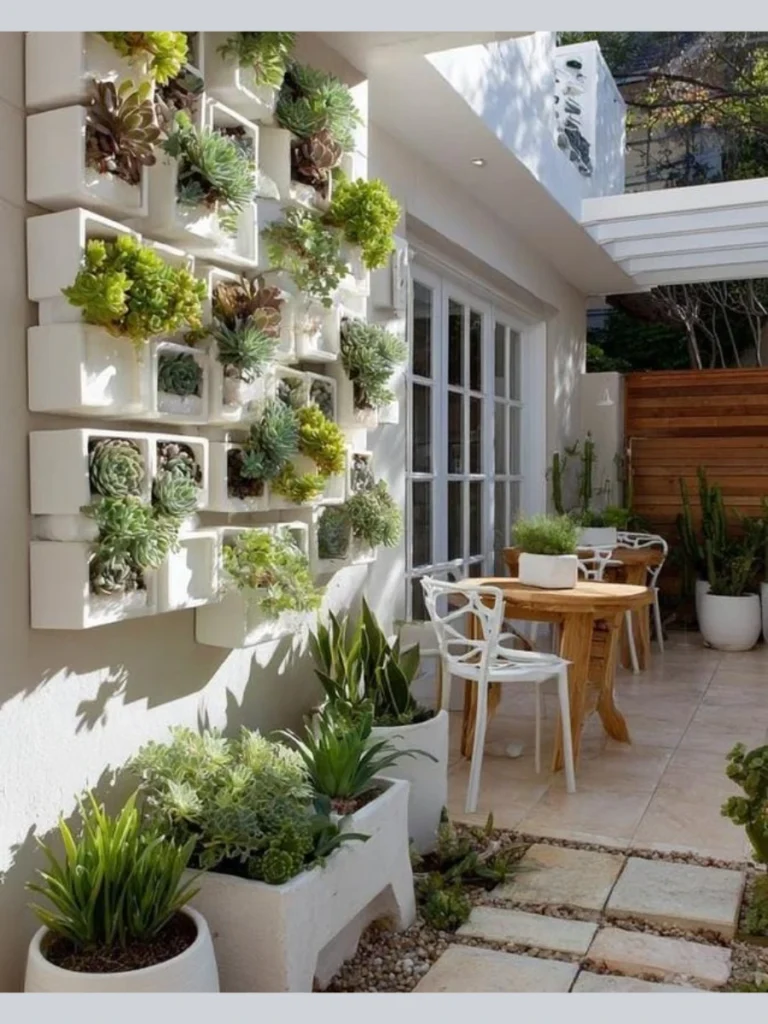
I love the idea of turning a sunny porch wall into a functional grocery store by using vertical felt planting pockets. This setup allows me to grow fresh basil and mint right next to my door without taking up any floor space.

Better Homes & Gardens Quick & Easy Curb Appeal
Better Homes & Gardens Quick & Easy Curb Appeal
I make sure to mount the planter onto a waterproof backing to protect my home’s siding from any moisture or dirt. Using a simple moisture-wicking system ensures that the top plants don’t dry out while the bottom ones stay soaked.
Picking herbs that I actually use in my kitchen makes the landscaping feel much more rewarding and personal for me. I find that the scent of fresh rosemary wafting through the screen door is better than any store-bought air freshener.
I suggest rotating the plants every few weeks to make sure each pocket gets enough sunlight for even and healthy growth. It only takes a second to swap them around, and it keeps the vertical wall looking lush and full all year.
Functional Landscaping Features
| Feature | Primary Benefit | Best Placement |
| Tiered Planters | Space Saving | Near Steps |
| Native Shrubs | Wildlife Habitat | Yard Borders |
| Gravel Paths | Low Water Use | Side Walkways |
| Drip Irrigation | Time Saving | Hanging Baskets |
Expert Tips for Porch Maintenance
I always tell my friends to start small so they don’t get overwhelmed by a massive weekend project they can’t finish. It is much better to have one perfectly manicured flower bed than an entire yard full of half-dead plants.
Checking the soil moisture with my finger is still the most reliable way to know if my porch pots need water. I never rely solely on a schedule because the wind and humidity change how fast the dirt dries out.

2026 New Solar House Numbers for Outside, IP65 Waterproof LED Dusk-to-Dawn, No-Drill Mount, Solar Light Numbers for House, for Homeowners Enhancing Curb Appeal (2,12cm/4.9in)
2026 New Solar House Numbers for Outside, IP65 Waterproof LED Dusk-to-Dawn, No-Drill Mount, Solar Light…
I keep a small pair of hand pruners in a porch drawer so I can snip off dead flowers while I drink my coffee. This “deadheading” encourages the plants to grow more blooms and keeps the landscaping looking tidy and well-maintained.
I suggest taking a photo of your porch every month to see how the landscaping evolves through the different seasons. This helps me identify any “dead zones” where I might need to add some evergreen color for the winter.
Final Thoughts on Outdoor Styling
I believe that your porch should be a reflection of your personal style and a welcoming spot for your family. Taking the time to plan your layout ensures that every plant and stone serves a clear and helpful purpose.
Consistency is the most important factor when you are trying to build a cohesive look that truly lasts for years. I stick to a few reliable materials and plant types to keep the design from feeling cluttered or messy.
I hope these ideas inspire you to get outside and start digging in the dirt to improve your own home entrance. Even a few small changes, like new mulch or matching pots, can make a massive difference in how you feel.
Building a beautiful exterior takes patience, but the reward of a relaxing porch view is worth every bit of the effort. I look forward to seeing how you use these suggestions to create a space that you truly love.
FAQs
I recommend using evergreens like boxwoods or hardy perennials like hostas and daylilies for the least amount of work. These plants are very forgiving and don’t require you to be a master gardener to keep them alive.

Faux Garage Door Window Kit, for Curb Appeal, Heritage Sandstone 2-Pack
Faux Garage Door Window Kit, for Curb Appeal, Heritage Sandstone 2-Pack
I focus on foliage plants like ferns, caladiums, and begonias that thrive without direct sunlight and still offer great color. You can also use light-colored gravel or white pots to brighten up a dark and gloomy corner.
I find that using mulch, decorative stones, and starting plants from seeds or small starts is the most affordable way to go. You can also repurpose old containers or build your own planters from scrap wood to save a lot of cash.
I like to interplant strong-smelling herbs like rosemary, mint, or marigolds, which naturally deter many common garden insects and pests. Keeping your plants healthy and well-watered also makes them much less attractive to bugs that look for weak targets.
I suggest using tall ornamental grasses or a trellis with climbing vines to create a soft, natural screen that still lets air flow. This feels much more inviting than a solid fence and adds a beautiful layer of greenery to your view.
Related Posts
- Top 12 Porch Landscape Ideas
- 13 Best Porch Remodeling Ideas
- Top 14 Porch Remodel Ideas
- 15 Best Porch Entrance Ideas
- Top 10 Front Porch Railing Ideas
- 11 Best Porch Stair Railing Ideas
Recommended for You

JusTell Artificial Round Cypress Ball Topiary Trees with Ground Spike, 4 Pack UV Resistant Faux Evergreen Bushes, No-Fade Fake Cedar Plants for Outdoor Garden Yard Patio Front Porch Landscaping
JusTell Artificial Round Cypress Ball Topiary Trees with Ground Spike, 4 Pack UV Resistant Faux…

Sassy Squirrel Beautifully Handcrafted Slate Home Welcome Plaque - Life is Better at The Lake 16"x10" or 12"x8" Improve The Curb Appeal of Your Lake House with This Bespoke House Sign.
Sassy Squirrel Beautifully Handcrafted Slate Home Welcome Plaque - Life is Better at The Lake…

Sassy Squirrel Beautifully Handcrafted Slate Home Welcome Plaque (12”x8” or 16"x10") Improve The Curb Appeal of Your Property with This Bespoke House Sign.
Sassy Squirrel Beautifully Handcrafted Slate Home Welcome Plaque (12”x8” or 16"x10") Improve The Curb Appeal…

Sassy Squirrel Customizable Burgundy Slate Home Address Plaque (12"x6" or 18"x8") Personalized House Sign with and mounting Hardware Improve The Curb Appeal of Your Property (12"x6"`)
Sassy Squirrel Customizable Burgundy Slate Home Address Plaque (12"x6" or 18"x8") Personalized House Sign with…

Sassy Squirrel Beautifully Handcrafted and Customizable Slate Home Address Plaque (16"x10" or 12"x8") Personalized House Sign with and mounting Hardware. Improve The Curb Appeal of Your Property
Sassy Squirrel Beautifully Handcrafted and Customizable Slate Home Address Plaque (16"x10" or 12"x8") Personalized House…

Beautifully Handcrafted and Customizable Slate Kindly Remove Your Shoes Sign (12”x8” or 16"x10") Personalized House Sign. Improve the curb appeal of your property.
Beautifully Handcrafted and Customizable Slate Kindly Remove Your Shoes Sign (12”x8” or 16"x10") Personalized House…

Sassy Squirrel Beautifully Handcrafted and Customizable Slate Home Address Plaque (12"x8" or 16"x10") Personalized House Sign with and Hardware. Improve The Curb Appeal of Your Property (16"x10")
Sassy Squirrel Beautifully Handcrafted and Customizable Slate Home Address Plaque (12"x8" or 16"x10") Personalized House…

Curb Appeal: The Weekend Guide to a House You're Proud to Pull Up To (The Handy Homeowner Series)
Curb Appeal: The Weekend Guide to a House You're Proud to Pull Up To (The…
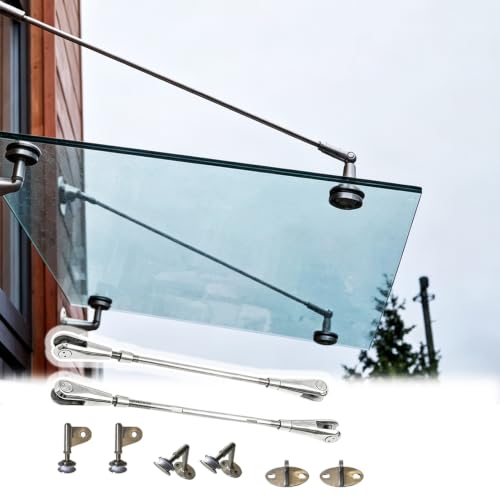
Complete Glass Canopy Hardware Kit with Stainless Steel Supports - Durable Awning System for Doors, Windows & Entrances - Easy Install, Sleek Modern Design for Enhanced Curb Appeal
Complete Glass Canopy Hardware Kit with Stainless Steel Supports - Durable Awning System for Doors,…