
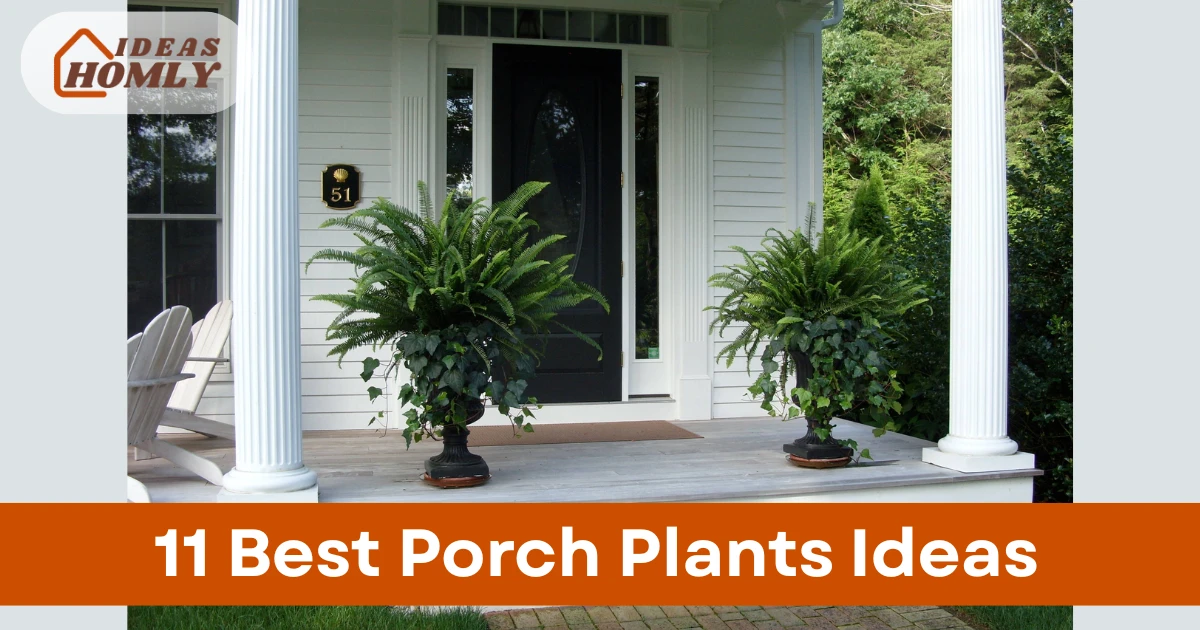

I know how it feels to look at a bare porch and wonder why it looks so sad compared to the neighbors’. Adding a few well-placed plants can quickly change the entire look of your home without requiring a massive renovation budget.
Essential Factors for Selecting the Best Porch Greenery
Understanding the microclimate of your front entrance is the most important step before you start buying any new greenery. I have realized that the amount of wind and heat reflected off your windows can drastically change how a plant grows.
You must identify the direction your house faces to determine how many hours of direct sunlight your containers will receive daily. I suggest watching the shadows move across your floorboards for one full day to map out the best spots for placement.
Drainage is a non-negotiable requirement for any plant living in a pot if you want to avoid root rot and yellowing leaves. I always make sure my decorative planters have large holes at the bottom to let excess water escape freely after a storm.
Selecting a high-quality potting medium provides the necessary nutrients that your plants need to flourish in a confined space. I find that using a mix with added perlite helps keep the soil light and fluffy so roots can breathe easily.
1. Classic Boston Ferns for Shady Porches
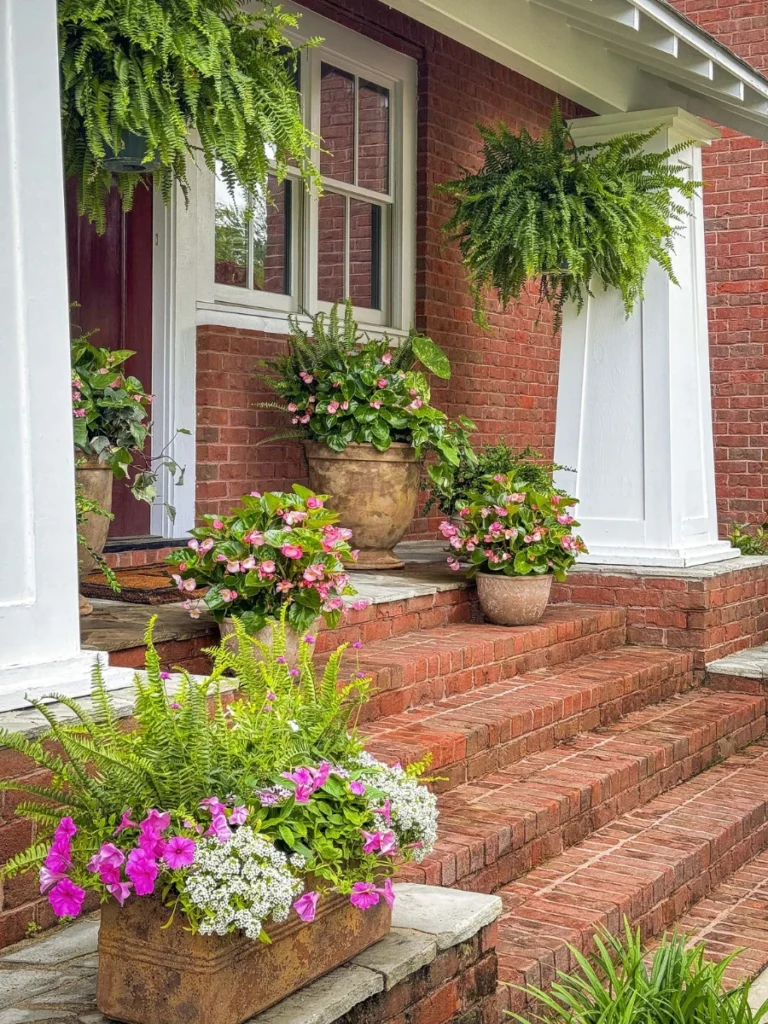
Boston Ferns offer a lush look that immediately makes any porch feel more established and traditional. These plants thrive in indirect light and love the humid air often found on a covered front porch.
I find that hanging these at different heights creates a green curtain that provides a bit of natural privacy. You just need to remember to mist them occasionally so they do not start looking like crispy brown sticks.
The feathered fronds add a soft texture that contrasts perfectly against hard wooden railings or brick siding. I usually pair mine with black wicker furniture to make the bright green color pop even more for visitors.
Maintenance is fairly simple as long as you keep the soil consistently moist throughout the warmer summer months. I suggest using a self-watering pot if you are the type of person who forgets to water for days.
2. Bright Red Geraniums for Sunny Spots
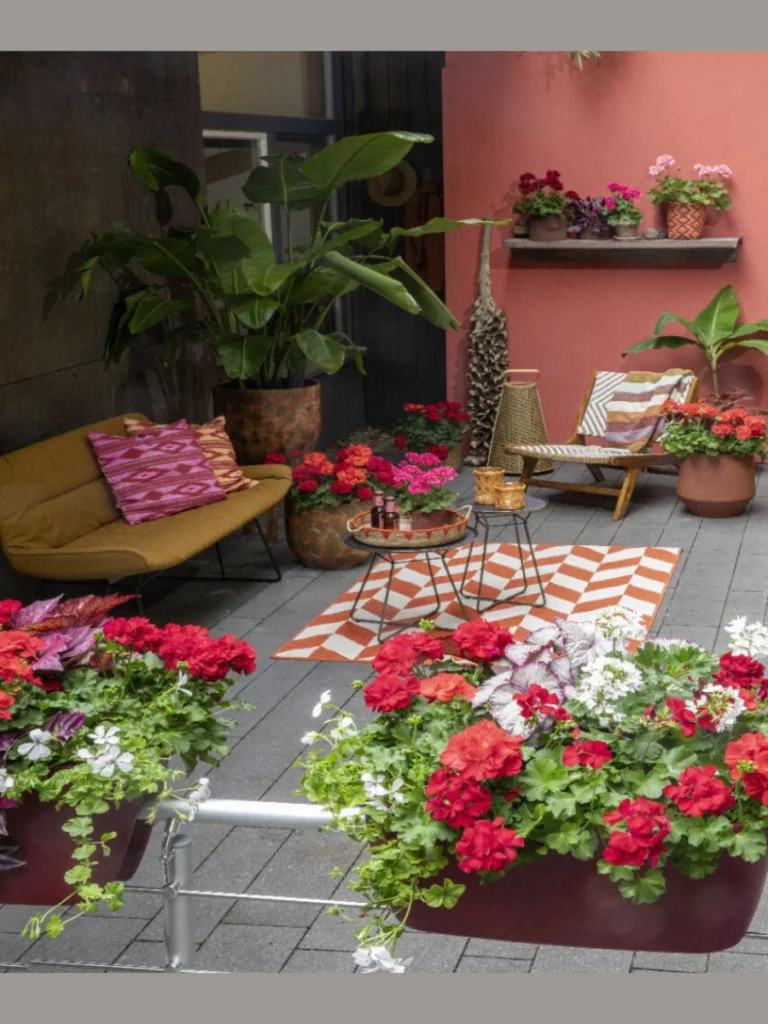
Geraniums are the workhorses of the porch world because they can handle intense heat and still bloom like crazy. I love using the bright red varieties to create a classic look that people can see from the street.
These plants enjoy being the center of attention and require plenty of direct sunlight to keep their flower heads heavy. You will notice they are quite forgiving if you miss a watering session during a busy work week.
I recommend deadheading the spent blooms regularly to encourage the plant to keep producing new flowers all season long. It is a bit of a chore, but the constant color makes the small effort totally worth your time.
Pinch back the stems if they start getting too leggy to ensure the plant stays bushy and full in its container. These look best in terracotta pots that allow the roots to breathe while sitting in the afternoon sun.
3. Elegant English Ivy for Vertical Interest
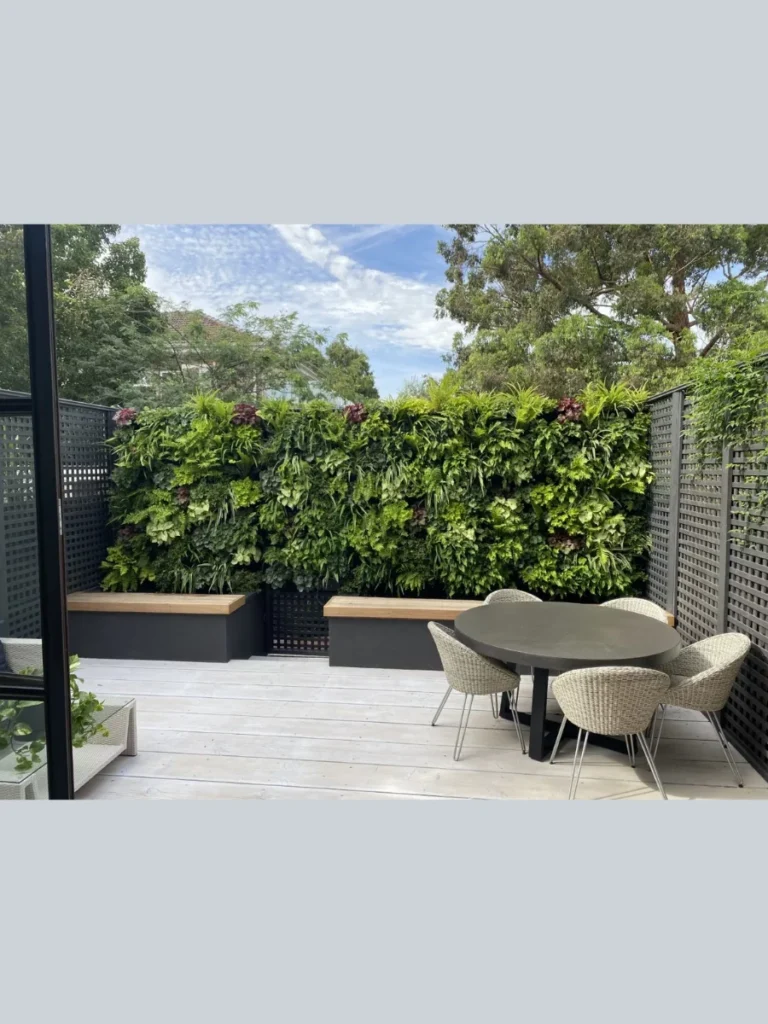
English Ivy is a fantastic choice if you want a plant that trails gracefully over the edges of your favorite pots. I often let mine climb up small decorative trellises to add some height to my corner displays.
This evergreen vine stays green all year, which helps your porch look alive even when other flowers have faded away. It handles shade very well, making it a reliable partner for porches with deep overhangs or large trees.
I have learned the hard way that you should keep this vine contained in pots so it does not take over. It grows fast and can be a bit aggressive if it finds a way to latch onto your house siding.
Variegated versions with white or yellow edges add a nice splash of brightness to the darker corners of a porch. You can easily trim the long trailers to keep the shape exactly how you want it for your space.
4. Colorful Petunias for Cascading Blooms
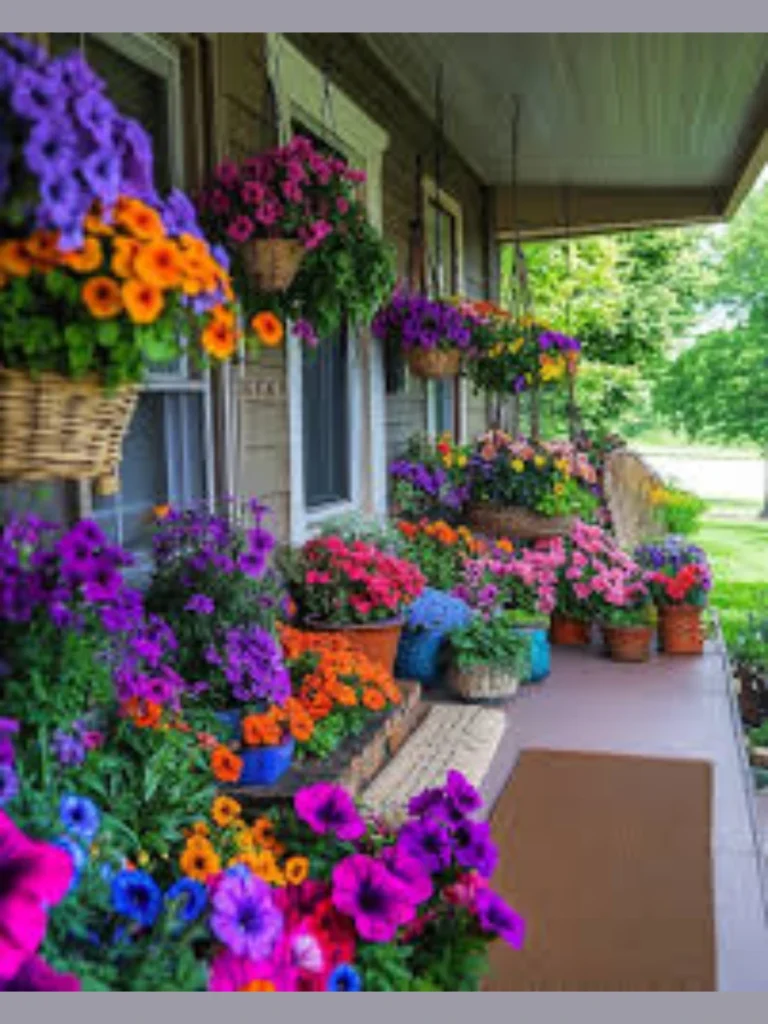
Petunias come in almost every color imaginable and are perfect for adding a massive amount of pigment to your entryway. I prefer the wave varieties because they grow so fast that they eventually hide the entire container from view.
They need a decent amount of food to stay looking their best, so I use a liquid fertilizer every two weeks. If you feed them well, they will reward you with a carpet of flowers that lasts until the first frost.
I usually mix two or three different colors in one large pot to create a custom look that feels very professional. Just make sure the pot has excellent drainage because these plants do not like having cold and soggy feet.
Be prepared for some sticky stems when you are cleaning up the old flowers, but that is just part of the charm. They smell wonderful in the evening, which is a nice bonus when you are sitting outside with a drink.
5. Hearty Hostas for Low Light Containers
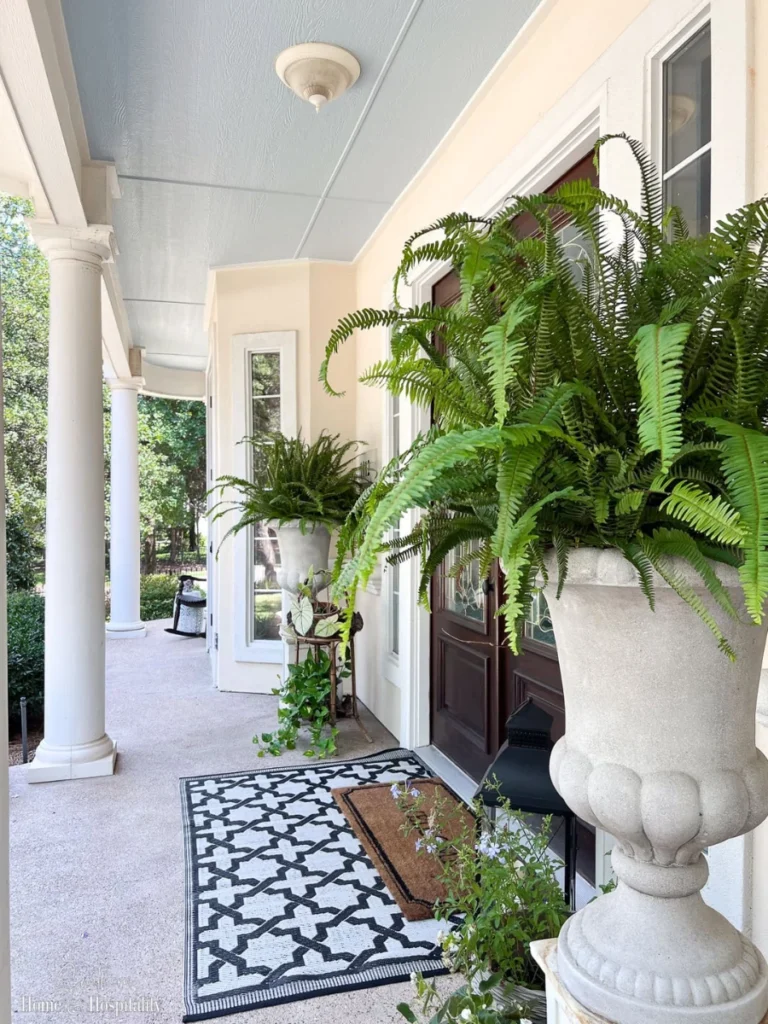
Hostas are the champions of the shade and offer some of the most beautiful foliage patterns you can find. I enjoy how their broad leaves fill up a large pot quickly without needing much help from me.

Dragon Tree Easy Plant 6 Inch Plant Pot, Real Plants for Living Room Decor, Office Plant, Low Light House Plants, House Plants Indoors Live Plants Indoor Plants Live Houseplants by Plants for Pets
Dragon Tree Easy Plant 6 Inch Plant Pot, Real Plants for Living Room Decor, Office…
You can find varieties with blue, lime green, or variegated leaves to match whatever color scheme your house features. These plants are incredibly resilient and usually come back year after year if you protect the roots in winter.
I have found that slugs love these as much as I do, so I keep them elevated on plant stands. Using a tall ceramic pot makes the leaves drape downward in a way that looks very intentional and high-end.
Watering them is a breeze since they do not dry out as fast as sun-loving plants in the open air. Just give them a good soak once or twice a week, and they will stay happy in their shady corner.
6. Vibrant Fuchsia for Hanging Baskets
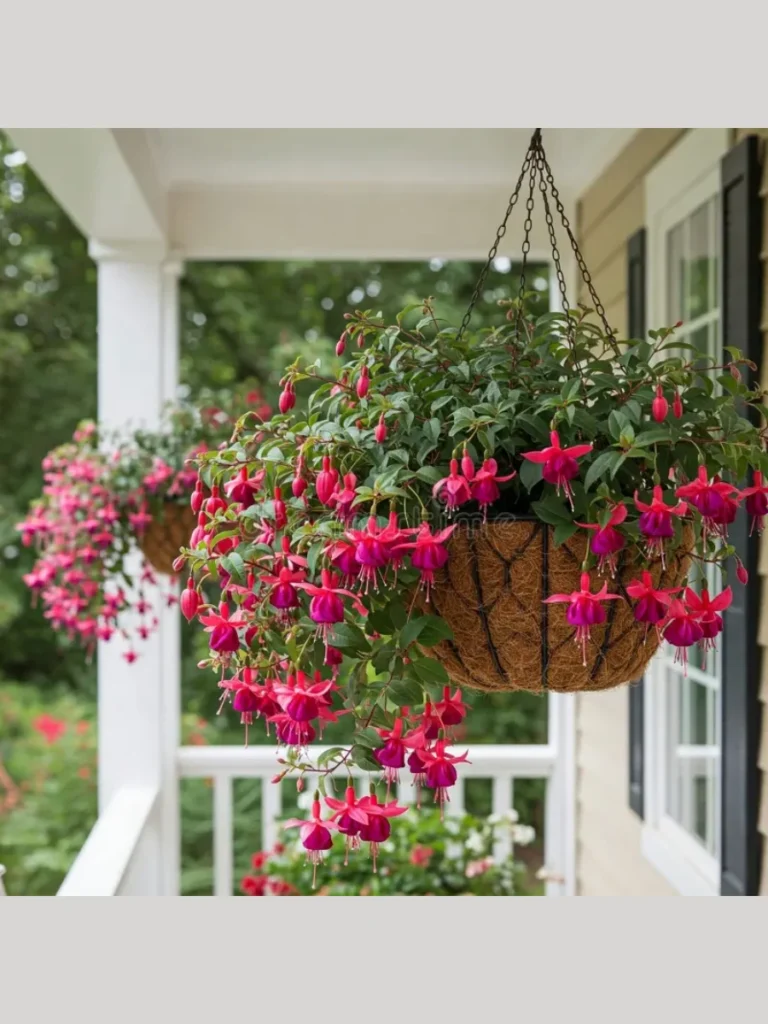
Fuchsia plants look like tiny colorful lanterns hanging from the ceiling, and they always start a conversation with guests. I find their teardrop shapes and bold purple tones to be much more interesting than standard porch flowers.
These plants prefer the cooler morning sun and need protection from the harsh afternoon heat to avoid wilting. I usually hang them on the east side of my home so they get that soft early light.
You have to be diligent with watering because hanging baskets dry out much faster than pots sitting on the ground. I check the soil daily during July to make sure these thirsty beauties do not start dropping their buds.
Hummingbirds are naturally attracted to the bright tubular flowers, so expect some feathered visitors throughout the summer months. It is like having a nature show right outside your front door while you enjoy your morning coffee.
7. Versatile Boxwood Shrubs for Structured Style
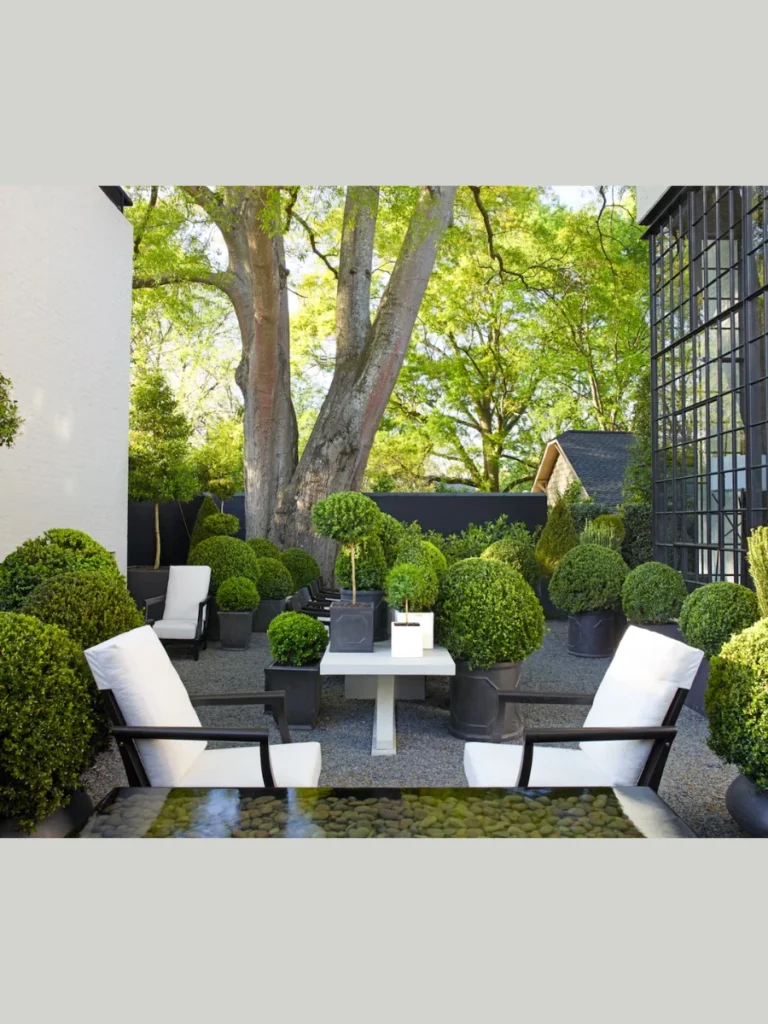
Boxwoods provide a formal and clean look that works perfectly for framing a front door with a bit of symmetry. I like to keep mine trimmed into neat spheres to give the porch a very sophisticated and organized feeling.
These evergreen shrubs stay green throughout the winter, which prevents your home entrance from looking abandoned during the cold months. They are tough enough to handle various weather conditions without losing their classic deep green color.
I suggest using heavy stone or concrete planters to keep these shrubs stable during high winds or summer storms. The weight of the planter also adds to the expensive look that these architectural plants naturally provide to a home.
You only need to prune them a couple of times a year to maintain that crisp and tidy circular shape. They grow slowly enough that you won’t feel like you are constantly fighting to keep them under control.
8. Dramatic Coleus for Bold Foliage Colors
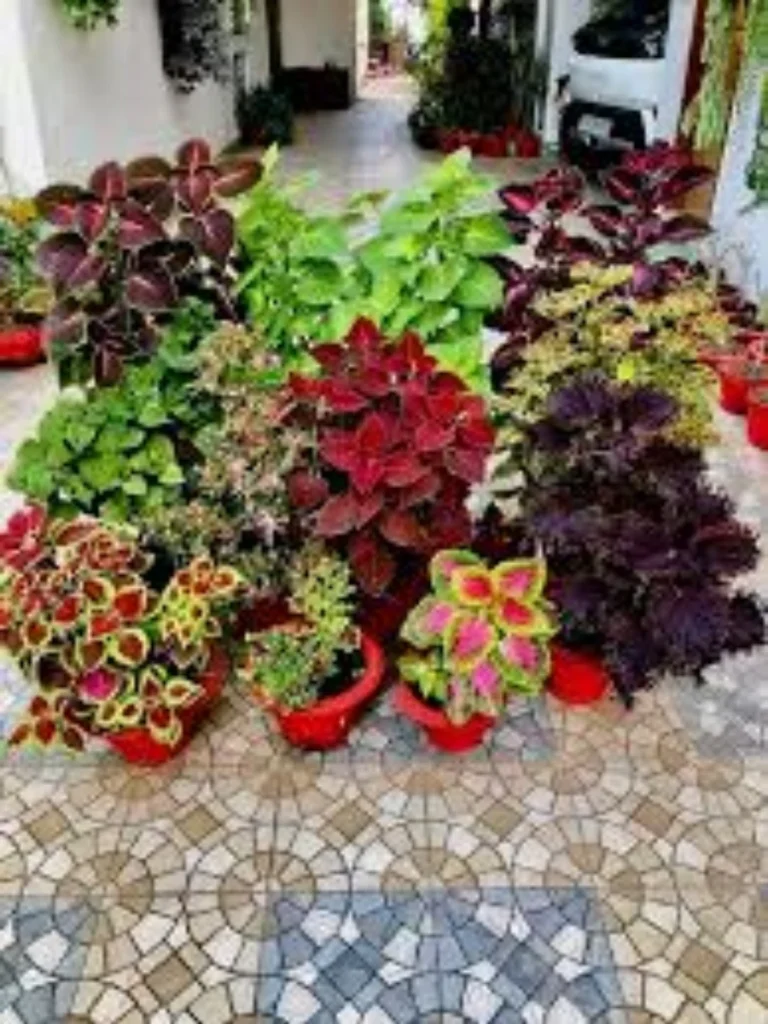
Coleus is a fantastic option if you want bright colors without having to worry about when the flowers will bloom. I am always impressed by the neon pinks and deep burgundies that these leaves can display in a single pot.
They thrive in both partial sun and shade, which makes them very easy to place on almost any porch layout. I often use them as the center filler in my large containers to provide a sturdy base of color.
I make sure to pinch off the small flower spikes as they appear to keep the energy focused on the leaves. This trick keeps the plant from getting too thin and encourages it to grow into a dense mound.
Mixing different varieties of coleus in one long planter box creates a tapestry effect that looks like a piece of art. They are very easy to grow from cuttings if you want to expand your collection for next year.
9. Fragrant Lavender for a Relaxing Scent
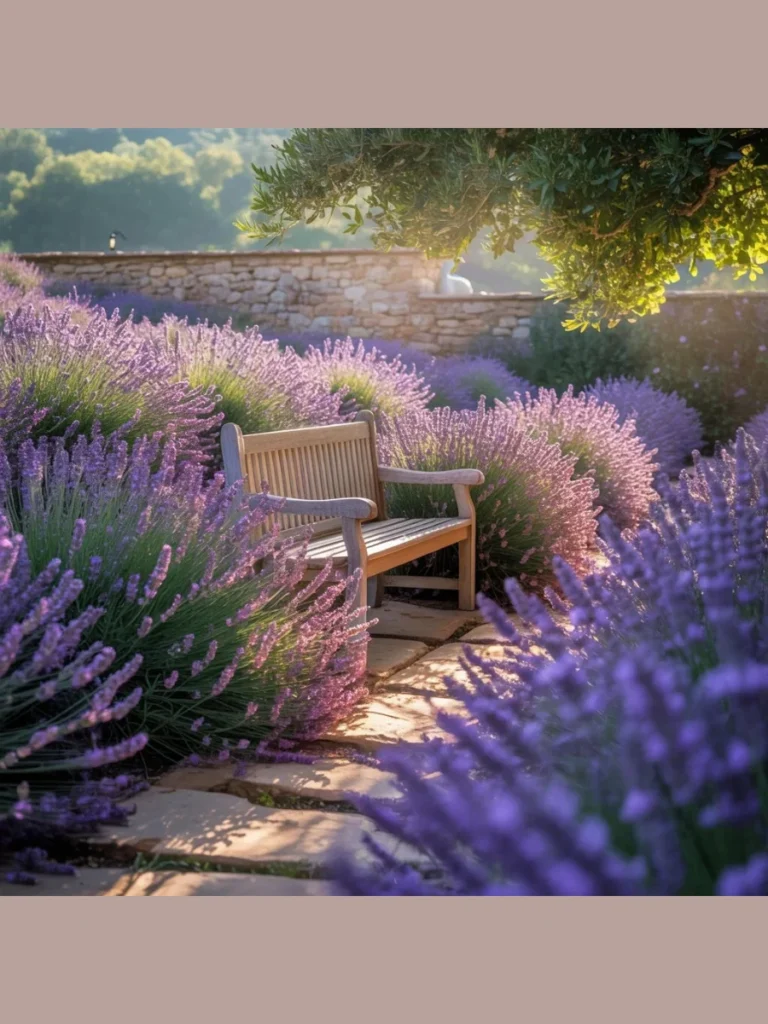
Lavender is a wonderful choice if you want your porch to smell like a spa every time you walk outside. I keep mine near the seating area so I can catch the scent whenever a light breeze blows through.
This plant absolutely loves the sun and needs soil that drains very quickly to prevent the roots from rotting. I usually add a bit of sand to my potting mix to ensure the water moves through freely.
The silvery-green foliage provides a nice contrast to the typical dark green leaves of other common porch plants and flowers. I love how the purple spikes stand tall and add a bit of height to my smaller herb gardens.
I find that pruning it back after the first bloom encourages a second flush of flowers later in the summer season. It is a hardy plant that handles the heat of the sidewalk or porch floor without any complaints.
10. Cheerful Marigolds for Natural Pest Control
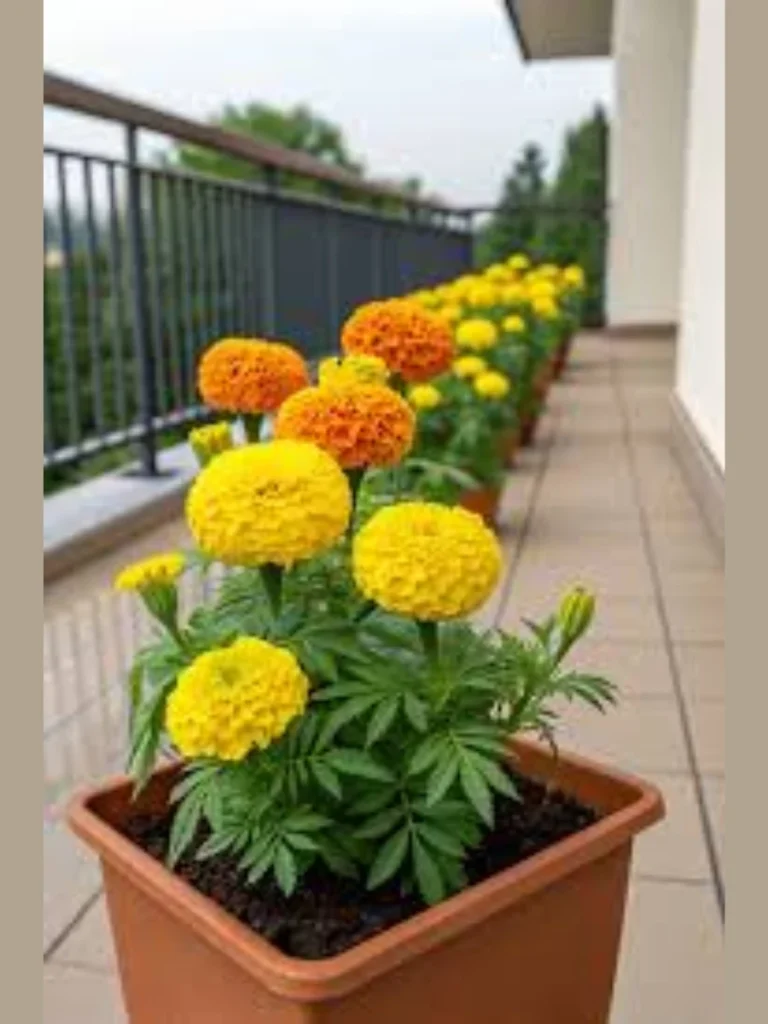
Marigolds are famous for their bright orange and yellow flowers that look like sunshine trapped in a small green plant. I use them along the edges of my porch because they are known to help keep unwanted bugs away.
They are incredibly easy to grow from seed or cheap nursery starts, making them a very affordable decorating option for anyone. I have noticed they are very tough and can handle the occasional heavy rain or wind without breaking.
You should remove the dead heads frequently to keep the plant looking fresh and to stop it from going to seed. This keeps the flowers coming in thick and fast all the way through the end of the fall.
I like to plant them in simple wooden crates for a rustic farmhouse look that feels very warm and welcoming. They are the perfect beginner plant because they rarely suffer from diseases or complicated growing requirements for the user.
11. Ornamental Peppers for Unique Autumn Color
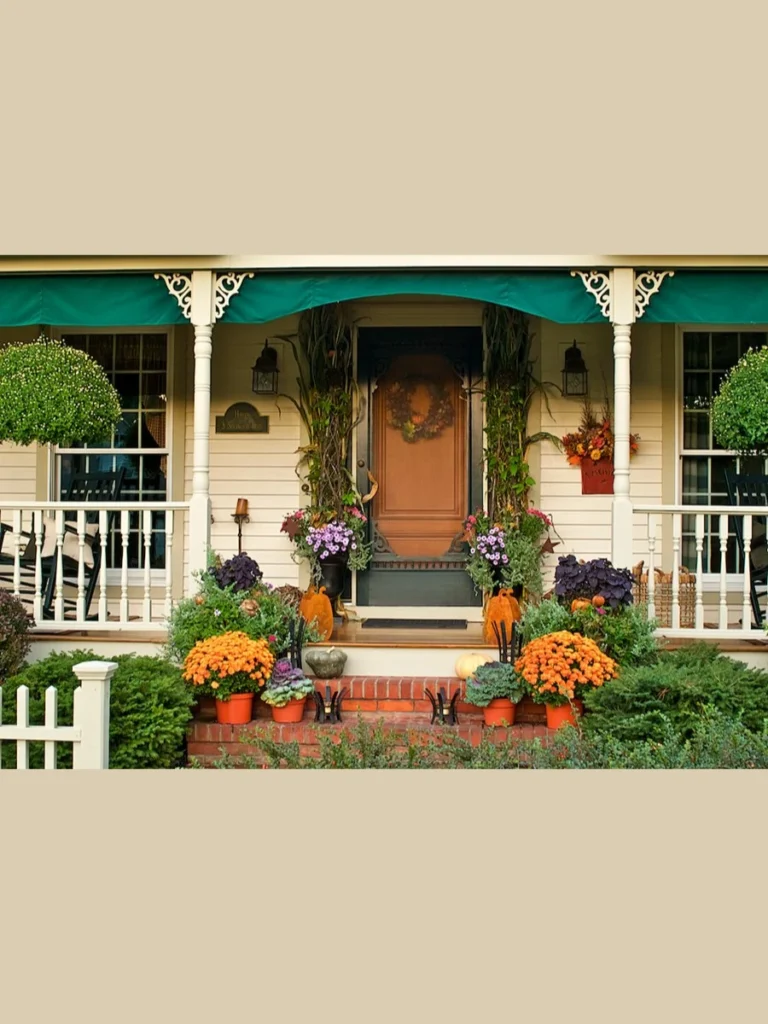
Ornamental peppers are a fun way to add unexpected pops of purple, red, and orange to your porch display. I find that these plants are much more durable than most delicate flowers when the summer heat gets intense.
The tiny peppers stand upright on the plant and look like colorful jewels against the dark green or black foliage. I usually place these on small side tables where people can see the intricate details of the fruit.
While these peppers are technically edible, they are usually grown for their looks and can be extremely spicy to taste. I keep them high up on pedestals so curious pets or small children do not accidentally take a bite.
They transition perfectly into the fall season and look great next to pumpkins or hay bales as the weather cools. I love how they maintain their bright colors long after other summer plants have started to fade away.
Practical Maintenance Guide for Porch Plants
Keeping your porch garden alive requires a basic understanding of how container environments differ from ground soil. I have learned that pots dry out much faster due to airflow and heat trapped by your home’s exterior walls.
Monitoring the moisture level of your containers is the most important task for any porch gardener. You should stick your finger an inch into the soil daily to see if it feels dry or damp.
Feeding your plants is a step you cannot skip if you want those impressive, professional-looking blooms all season long. I use a balanced liquid fertilizer every two weeks to replace the nutrients that wash out during regular watering.
Rotating your pots every week ensures that all sides of the plant receive an equal amount of light. This simple trick prevents your plants from leaning toward the sun and keeps their shape full and attractive.
Comparison of Porch Plant Care Requirements
| Plant Category | Watering Frequency | Sunlight Needs | Best Feature |
| Flowering Annuals | Daily in Summer | 6+ Hours Sun | Vibrant Colors |
| Foliage Plants | 2-3 Times Weekly | Shade to Part Sun | Leaf Texture |
| Hardy Shrubs | Weekly | Variable | Year-round Structure |
Helpful Tips for Designing Your Space
I always suggest starting with the largest pots first to create a solid anchor for your design. Using a variety of heights makes the space feel more curated and less like a random collection of items.
Mixing different leaf textures is a secret way to make your porch look like it was styled by a pro. I pair smooth, broad leaves with fine, wispy grasses to create a visual balance that is very pleasing.
Consider the color of your front door and siding when selecting the flower colors for your containers. You want shades that either complement your home or provide a bold contrast that catches the eye of passersby.
Don’t forget to include some non-plant elements like lanterns or small statues to add personality to your arrangements. I find that these decorative touches help the plants feel like a natural part of the home’s architecture.
Conclusion
Creating a beautiful porch garden is an achievable project that adds immediate value to your daily life. I have found that spending a few minutes outside each morning with my plants is the best way to start the day.
Choosing the right plant for your specific light conditions is the foundation of a successful and stress-free garden. You will save a lot of money and frustration by matching the plant to the environment rather than fighting it.
Consistency in watering and feeding will yield the best results for your home’s curb appeal and overall plant health. I recommend setting a schedule on your phone so you never forget to give your green friends some love.
Ultimately, your porch should reflect your personal style and be a place where you feel completely comfortable and relaxed. I hope these ideas help you build an outdoor space that you are truly proud to show off.
FAQs
Boston Ferns and Boxwoods are excellent choices because they are resilient and don’t require constant attention. I find that these plants handle a variety of conditions well while still looking very polished and clean.
During the peak of summer, most hanging baskets and small pots will need water at least once every single day. Larger ceramic pots can usually go two or three days, depending on how much direct sun they receive.
Evergreens like Boxwood or English Ivy can stay outside, but most flowering annuals will die when the first frost hits. I usually move my more sensitive potted plants into the garage or basement to protect them from freezing.
You should always use a high-quality potting mix designed specifically for containers to ensure proper drainage and aeration. I never use garden soil in pots because it is too heavy and can suffocate the plant roots.
Pinching back the tips of the stems encourages the plant to grow outward rather than just upward. This simple pruning technique results in a much bushier and healthier-looking plant that fills the container properly.
Related Posts
- Top 12 Porch Door Ideas
- 13 Best Backyard Porch Ideas
- Top 14 Outdoor Porch Decor Ideas
- 15 Best Outdoor Porch Ideas
- Top 10 Front Porch Ideas
- 11 Best Porch Inspirations