
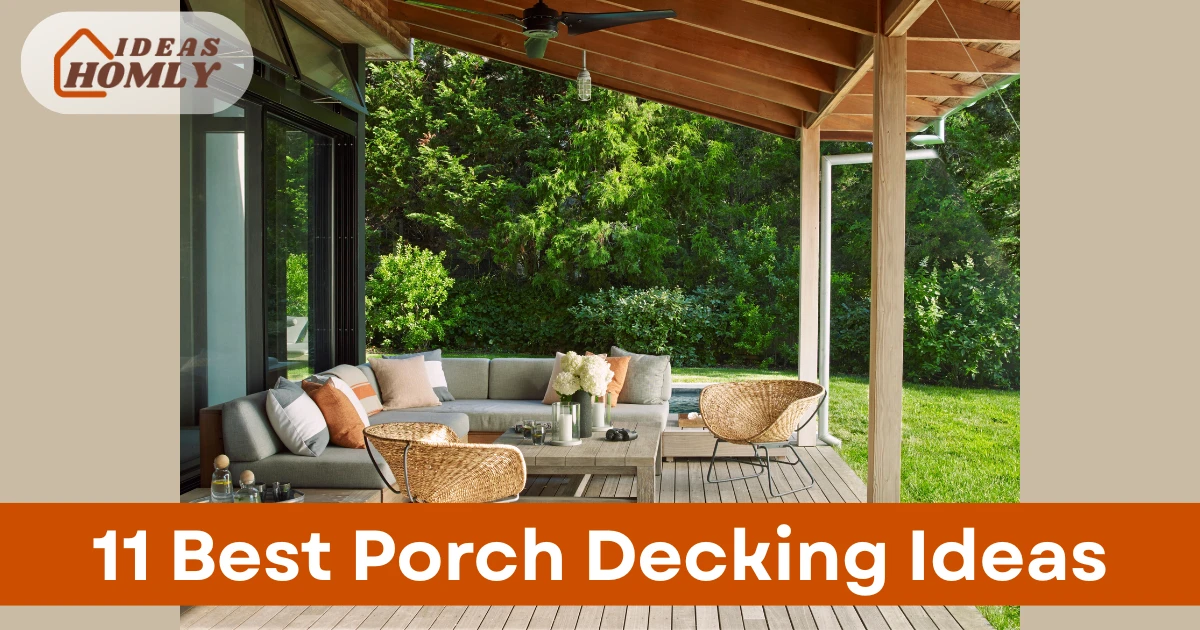

I know choosing a floor for your porch feels like picking a favorite child. It is the foundation of your outdoor relaxation zone, where you probably drink way too much coffee.
Selecting the right material determines how often you have to scrub the surface. I want you to have a space that looks expensive without draining your bank account.
These concepts focus on durability and visual appeal for any home style. My goal is to help you find a surface that handles rain and heavy foot traffic well.
What You Should Know Before Choosing Your New Porch Floor
I believe that understanding the technical side of your porch prevents expensive mistakes later. It is not just about picking a color that looks good with your siding.
You need to consider how the local weather will treat your chosen surface material. High humidity or direct sun can warp cheap boards in just a few seasons.
My experience shows that the structure underneath is just as important as the top. A solid frame ensures your new decking stays level and does not start squeaking.
I want you to think about how much maintenance you are actually willing to do. Some floors require annual work while others only need a quick seasonal rinse.
1. Durable Composite Wood Planks
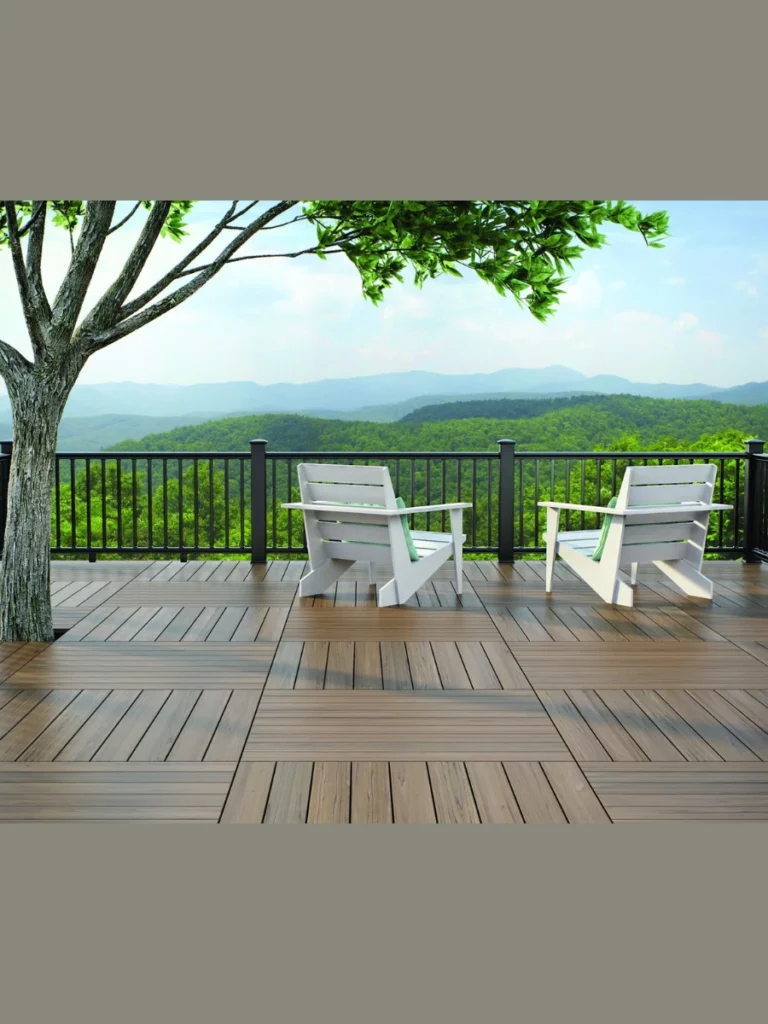
I love composite boards because they refuse to rot or splinter like old timber. You get to skip the annual staining ritual that usually ruins your weekends.
These planks come in shades that mimic real oak or maple perfectly. My neighbor installed these and spent the whole summer lounging instead of sanding.
Modern manufacturing makes these boards resistant to fading under the harsh sun. You can walk barefoot without worrying about getting a painful wood sliver.
Cleaning usually requires nothing more than a quick spray with a garden hose. It is a smart choice for anyone who hates doing manual labor outside.
2. Classic Pressure Treated Pine
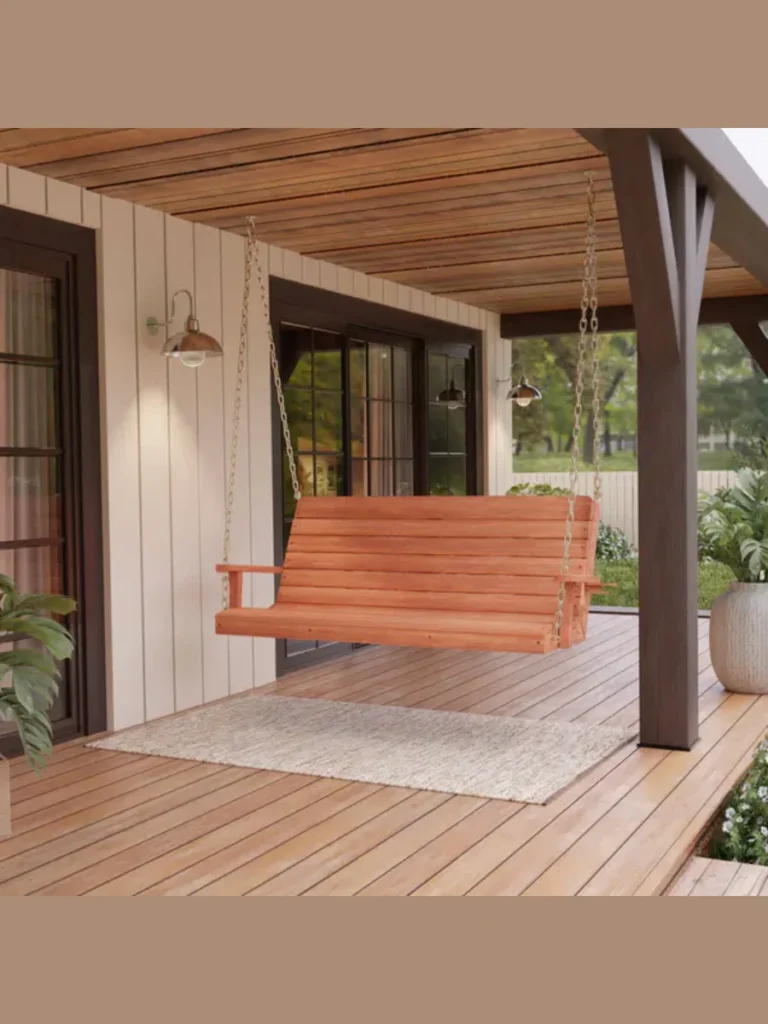
Pine is the reliable workhorse of the porch world for many budget-conscious homeowners. I find the natural grain patterns provide a cozy and traditional feel.
You can stain this wood any color to match your front door. It stays affordable while offering enough strength to support heavy patio furniture.
Chemical treatments help the wood resist insects and moisture damage for years. Just make sure you seal it every few years to keep it looking fresh.
I recommend this for people who enjoy the authentic scent of real wood. It provides a timeless look that never goes out of style or fashion.
3. Elegant Ipe Hardwood Flooring
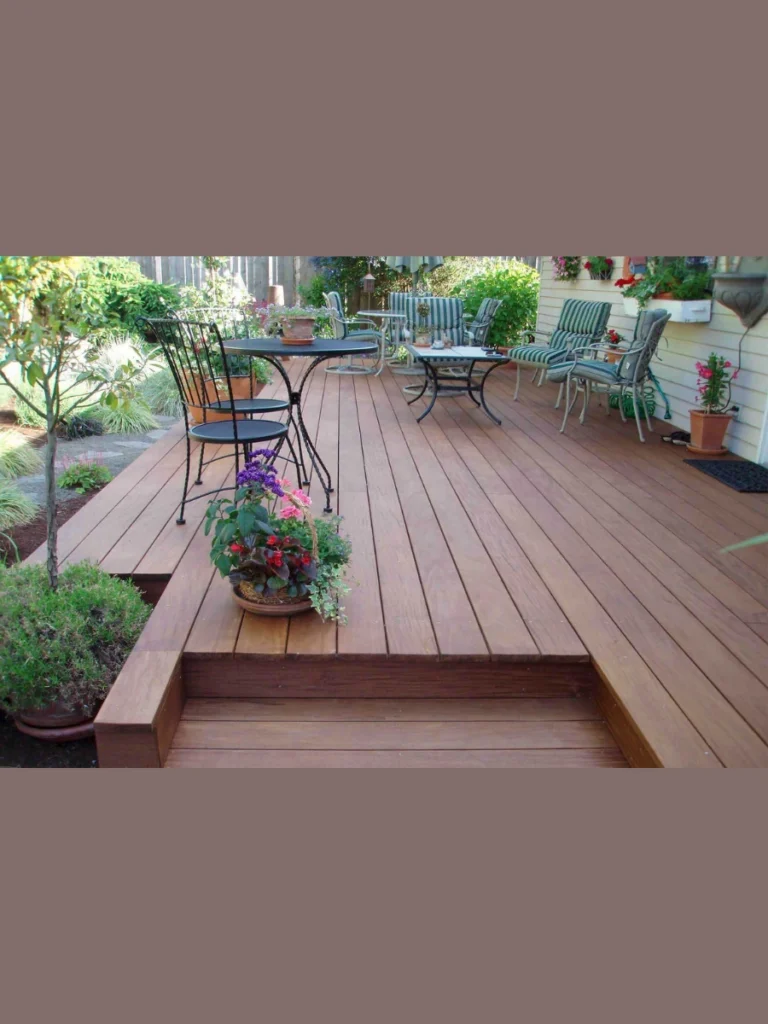
Ipe is basically the ironman of the wood world because it is incredibly dense. This Brazilian walnut is so heavy it actually sinks when dropped in water.
The rich brown tones look sophisticated on any high-end residential porch project. I think it adds a level of luxury that neighbors will definitely notice.
You won’t have to worry about scratches from dog claws or moving chairs. This wood naturally resists fire and decay without needing a single drop of chemical.
Oil the surface once a year to maintain that deep chocolate appearance. It is an investment that lasts for decades if you treat it right.
4. Painted Bold Patterned Floors
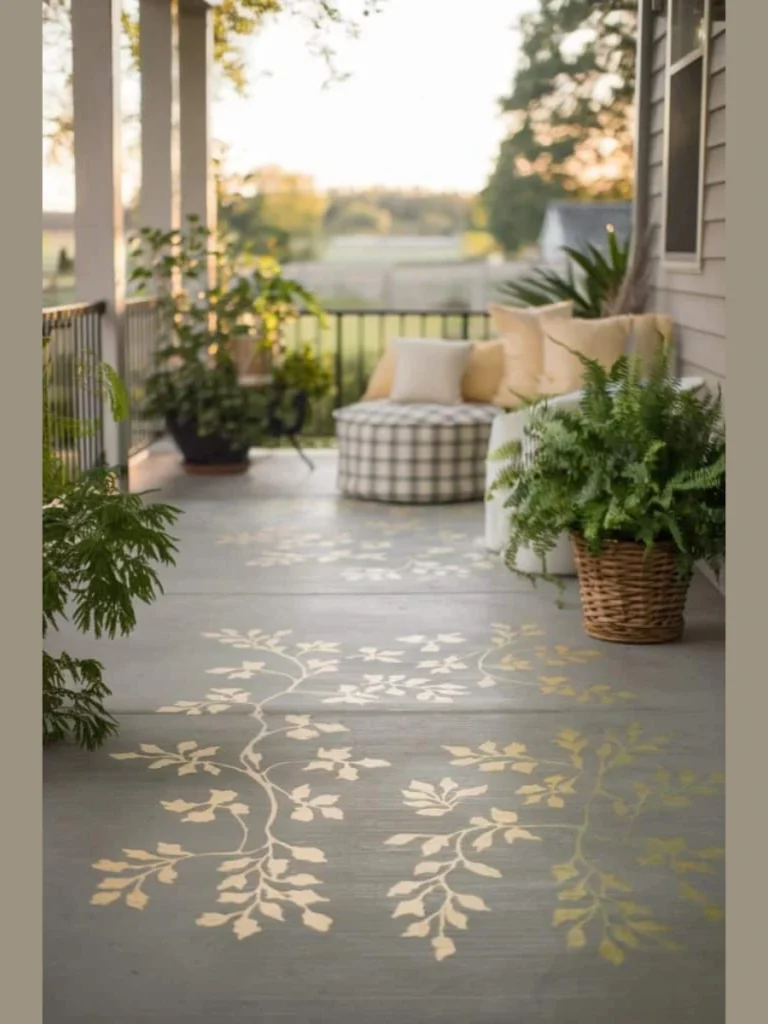
Sometimes a bucket of porch paint is the only tool you really need. I enjoy seeing a plain floor turn into a checkerboard masterpiece with some tape.
This is the fastest way to hide ugly stains on an old deck. You can choose a light grey to keep the surface cool during summer.
Using a stencil allows you to create a faux rug look without the mold. It gives your porch a personality that pre-finished boards simply cannot provide.
Apply a clear topcoat to prevent the design from peeling away too quickly. I find this approach perfect for creative souls on a very tight budget.
5. Reclaimed Wood For Rustic Charm
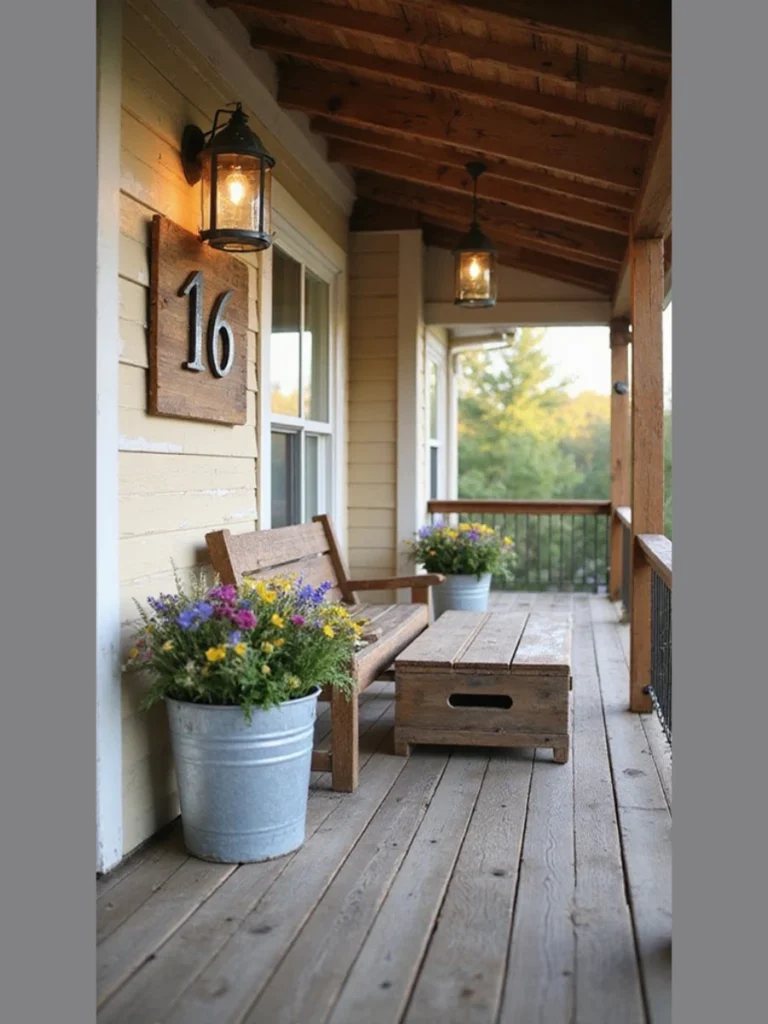
Using old barn wood gives your porch a story that new materials lack. I appreciate the weathered textures and nail holes that show real history.
This eco-friendly option keeps perfectly good timber out of the local landfill. It creates a warm atmosphere that feels like a mountain cabin retreat.
You should inspect every board for structural integrity before the installation process begins. Mixing different widths adds to the unique and handmade aesthetic of the space.
Seal the wood carefully to protect the aged surface from modern weather. It is the best way to get a vintage look that feels authentic.
6. Sustainable Bamboo Decking Planks
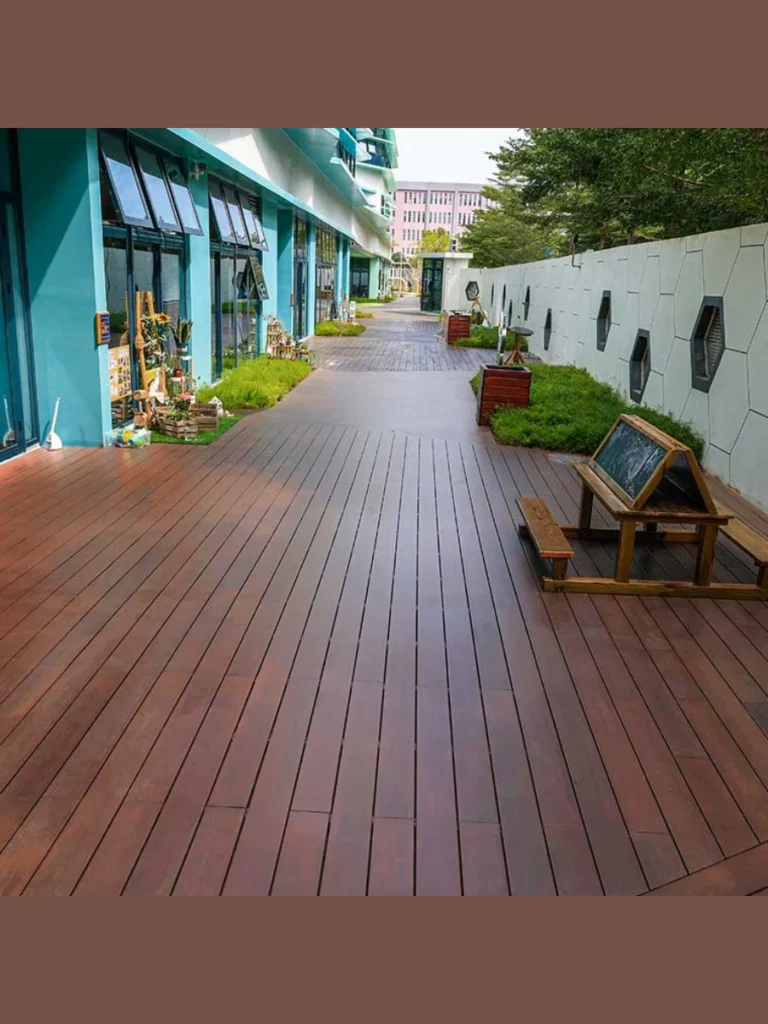
Bamboo grows incredibly fast making it a top pick for green living. I find the uniform appearance works well for modern and minimalist house designs.
These boards are surprisingly hard and can handle heavy outdoor grill equipment. You get a sleek look that feels much more expensive than it is.
The material naturally resists swelling when the humidity levels start to rise. It provides a smooth surface that feels great under your feet all day.
Most bamboo products come pre-finished to save you time during the setup. I suggest this for anyone wanting a contemporary and environmentally friendly porch.
7. Slip-Resistant Porcelain Exterior Tiles
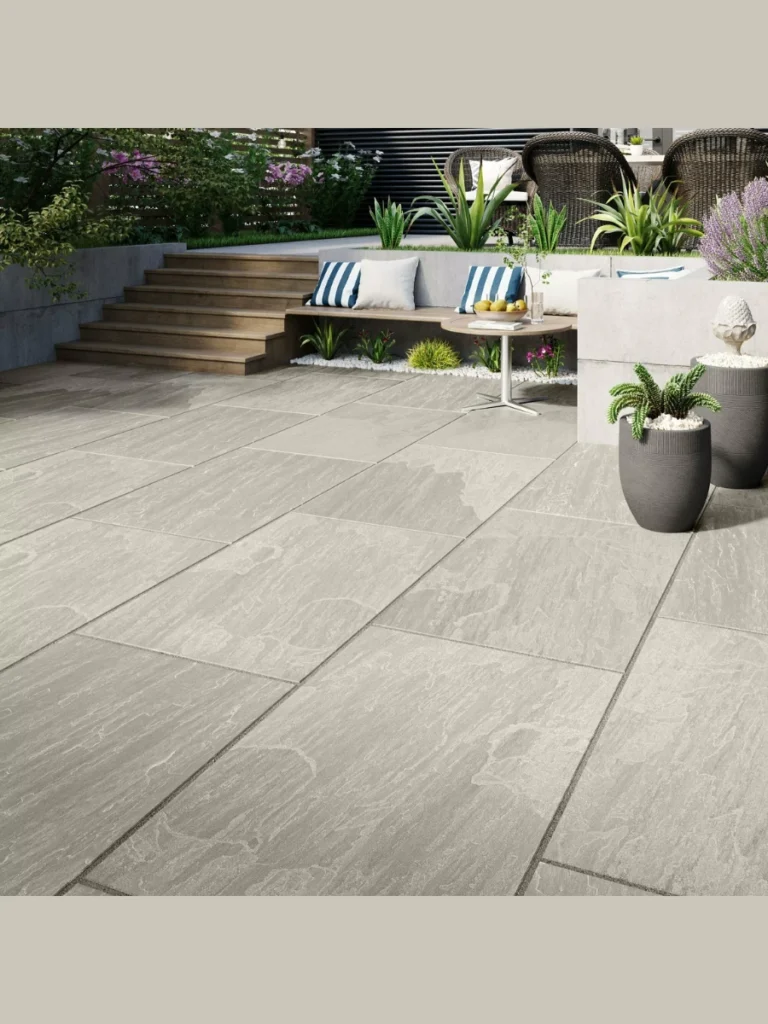
Tile isn’t just for bathrooms when you choose the right exterior grade. I like how these tiles can mimic stone or wood with amazing detail.
They are impossible to stain even if you drop a greasy burger. You get a permanent floor that stays level and beautiful for a lifetime.
Make sure your installer uses a frost-proof mortar to prevent winter cracking. The matte finish ensures nobody slides around when the porch gets wet.
This is a great way to bridge the gap between indoor and outdoor. I find it creates a seamless transition from your living room to nature.
8. Tropical Garapa Gold Decking
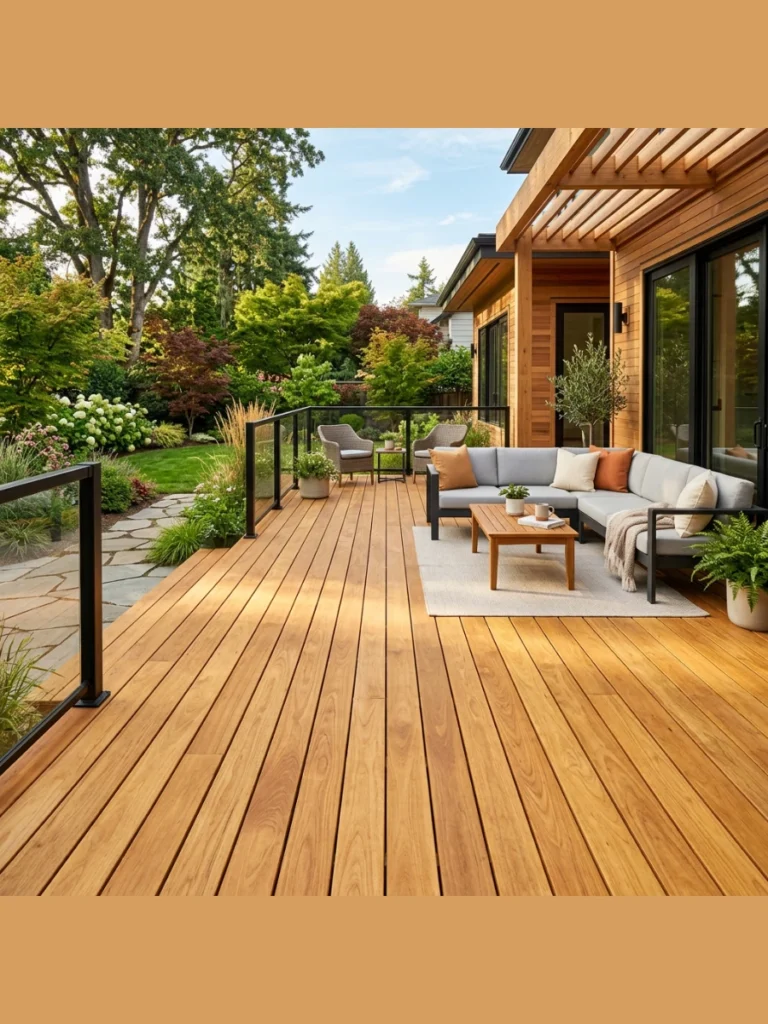
Garapa is a fantastic alternative if you want a golden glow without the Ipe price tag. I love how the lemon-yellow hues eventually weather into a sophisticated silvery grey.
This hardwood is naturally resistant to decay and wood-boring insects found in gardens. It provides a dense surface that stays much cooler than darker synthetic boards.
You should use stainless steel screws to prevent any black staining on the wood. I find the fine grain structure gives a very smooth finish underfoot.
Apply a UV-protectant oil if you want to keep that bright sandy color. It is perfect for homeowners who want an exotic look on a budget.
9. Chevron and Herringbone Layouts
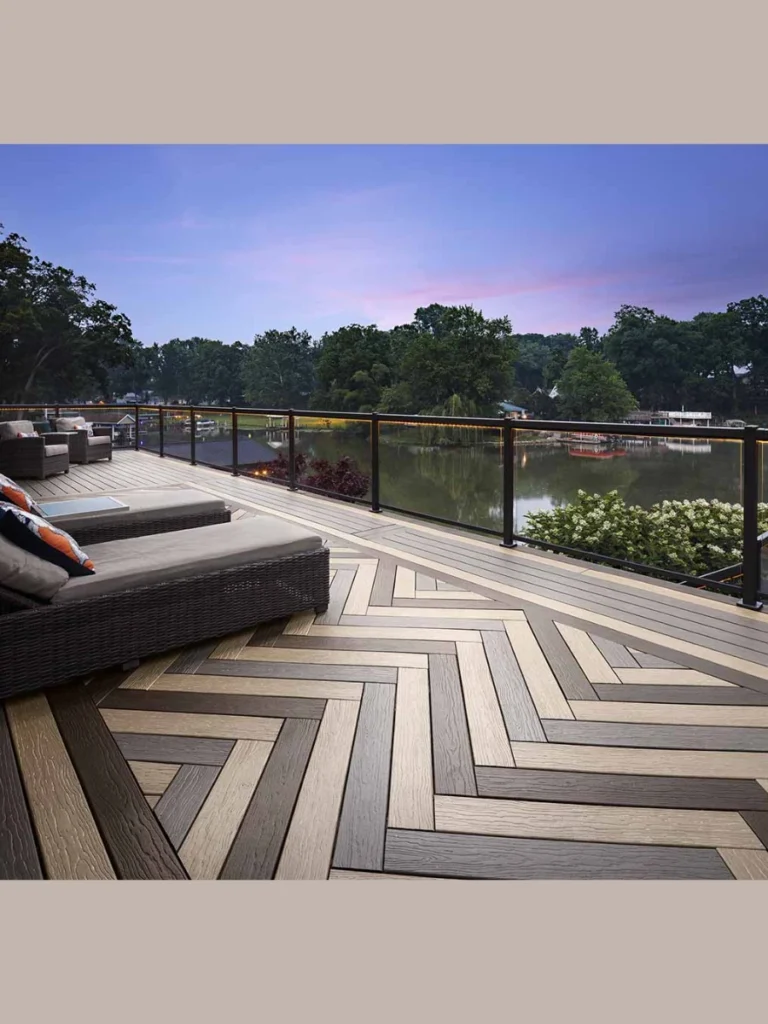
Changing the direction of your boards can turn basic timber into a work of art. I think a chevron pattern makes a small porch look significantly wider than it is.
This style requires more precise cuts and a bit more patience during the install. The visual interest it adds means you can skip buying expensive outdoor rugs.
You will need extra framing underneath to support the angled ends of the boards. I suggest this for people who want their home to stand out.
The pattern draws the eye toward your front door or a specific backyard view. It is a clever way to use standard materials in a premium way.
10. Thermal Modified Ash Wood
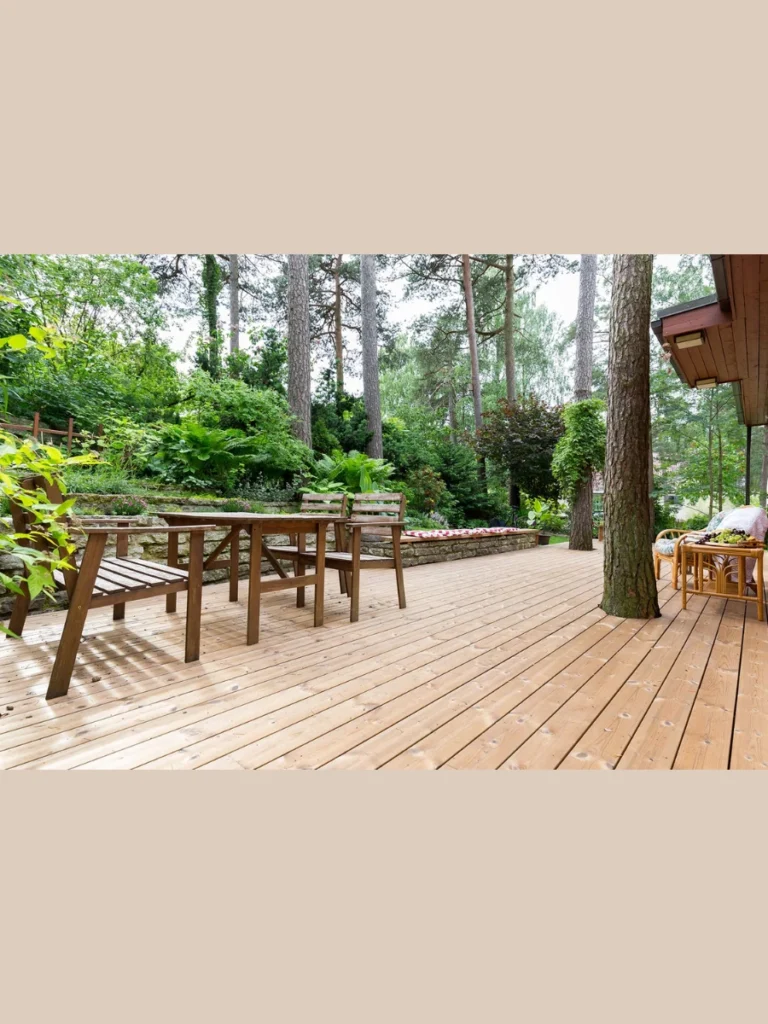
This wood goes through a high-heat “baking” process that makes it incredibly stable. I appreciate how it becomes moisture-resistant without using any toxic chemical treatments.
The process turns the ash a deep chocolate color that looks like expensive mahogany. It won’t warp or twist even if your porch gets direct afternoon sun.
You get the beauty of real wood with the lifespan of a composite product. My experience shows it holds its shape better than almost any other natural timber.
It is lightweight and easy to handle during the construction phase of your project. This is a top-tier choice for eco-conscious builders who want durability.
11. Concrete Pavers for Ground Porches
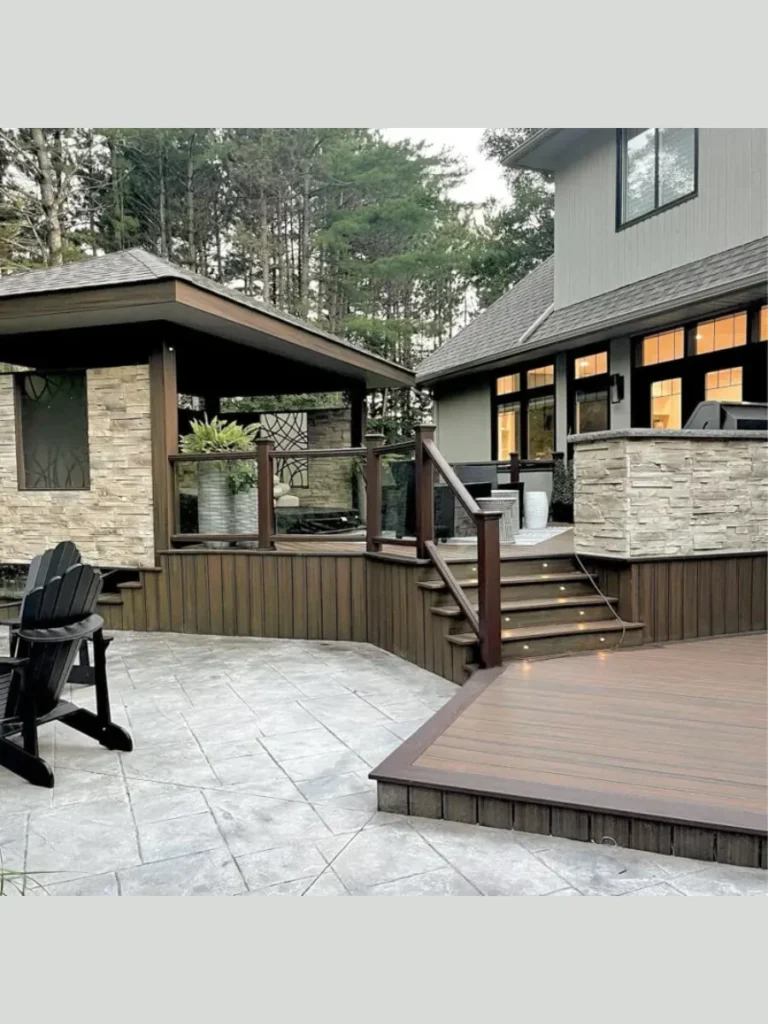
Using stone pavers creates a solid foundation that feels incredibly permanent and sturdy. I like the variety of shapes that allow for unique interlocking designs.
These are ideal for low-profile porches that sit close to the actual grass. You never have to worry about rot or structural beams failing over time.
Rainwater drains away easily through the sand joints between each heavy stone block. I find the texture provides excellent grip even during the heaviest rain storms.
You can mix colors to create a custom border around the porch edges. It is a low-maintenance solution that lasts longer than most wooden structures.
Porch Decking Material Comparison
| Material | Durability | Maintenance Level | Average Cost |
| Composite | Very High | Low | High |
| Treated Pine | Medium | High | Low |
| Ipe Wood | Extreme | Medium | Very High |
| Porcelain Tile | High | Very Low | Medium |
Quick Tips for Selecting Your Floor
- Check the Weight: Ensure your porch frame can support heavy materials like Ipe or tile.
- Sun Exposure: Darker colors absorb heat and might burn your feet in July.
- Drainage: Always slope the decking away from your house to prevent water pooling.
- Sample Testing: Place a sample board outside for a week to see the color change.
Helpful Guide for Planning Your Porch Project
Getting the layout right is just as vital as picking the actual material color. I suggest sketching your furniture placement before you drive the first screw into the wood.

Curtwith Grommets Outdoor Waterproof 24 Colours Available T for Patio Porch Decking Indoor/Outdoor Use 1 Piece 100 x 213 cm
Curtwith Grommets Outdoor Waterproof 24 Colours Available T for Patio Porch Decking Indoor/Outdoor Use 1…
Check your local building codes to see if you need a specific permit first. Nothing ruins a weekend like a visit from a grumpy city inspector holding a clipboard.
Think about the transition from your porch decking to the stairs and the sidewalk. Using a contrasting color for the edge boards makes the space much safer at night.
I always tell people to buy ten percent more material than they actually need. You will inevitably make a wrong cut or find a board with a knot.
Conclusion
Finding the right porch decking ideas depends on your personal style and local weather. I hope this guide helps you choose a material that fits your life.
Your porch is the first thing people see when they visit your lovely home. It deserves a floor that is both durable and easy on the tired eyes.
I prefer materials that let me spend more time relaxing and less time working. A smart investment now saves you from expensive repairs in a few years.
Take your time to look at samples in the actual light of your yard. You are now ready to build a space that you will truly enjoy.
FAQs
Composite and hardwoods like Ipe are the champions of longevity in the decking world. These materials can easily last over twenty-five years with very minimal effort from you.
Wood offers a natural beauty and lower upfront cost for most standard home projects. Composite is better if you hate staining and want a floor that never splinters.
You should choose a material with a textured finish or apply a non-slip coating. Regularly cleaning off algae and moss also helps keep the surface safe for walking.
This is only possible if your existing frame is still strong and completely rot-free. I usually recommend removing the old boards to inspect the beams for hidden damage.
Pressure-treated pine is almost always the most affordable real wood option on the market. Painting your existing floor is another great way to save money while improving looks.
Related Posts
- Top 12 Porch Style Ideas
- 13 Best Ceiling Paint Ideas
- Top 14 Modern Ceiling Pattern Ideas
- 15 Best Ceiling Fan Lights Ideas
- Top 10 Ceiling Walls Ideas
- 11 Best Ceiling Pendant Ideas