
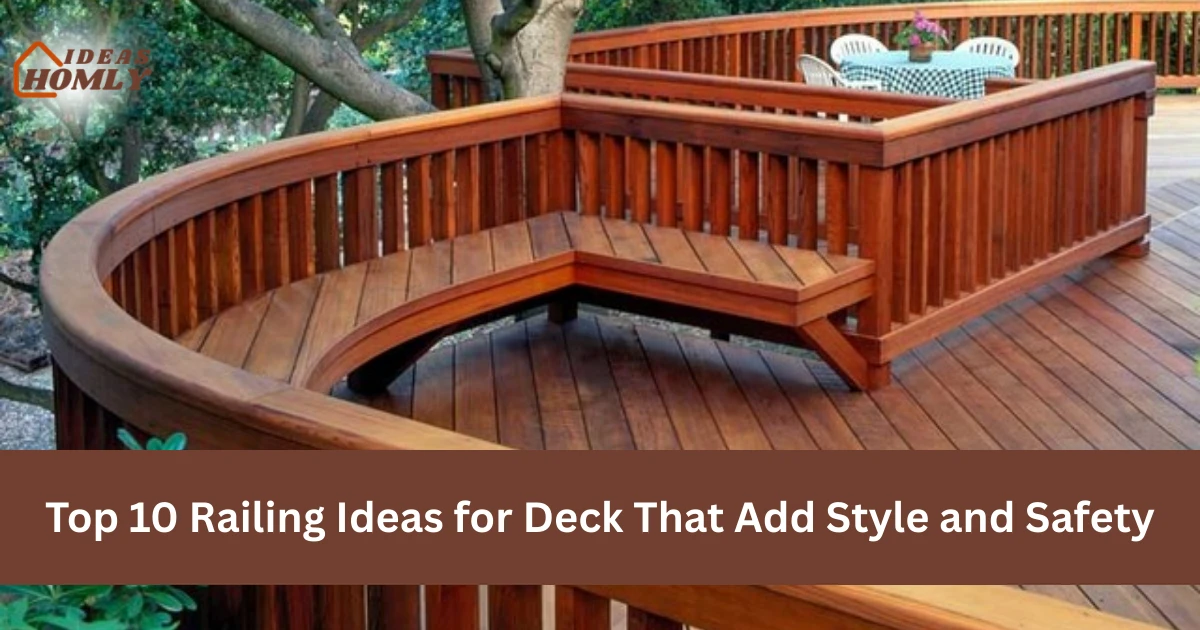

Top 10 railing ideas for deck are not just about looks, they decide how your outdoor space feels and functions. When I design or suggest a deck railing, I focus on safety, durability, and how it fits the home’s style. A good railing frames your deck the way a picture frame completes artwork.
Deck railing design also affects property value and daily comfort. If you choose wisely, your outdoor area feels open, secure, and welcoming. If you rush the decision, you may regret it every time you step outside.
In this guide, I will walk you through the best deck railing ideas that balance design, maintenance, and budget. I will keep things simple, practical, and realistic so you can actually build these ideas in real life.
1. Modern Cable Deck Railing Ideas for a Clean Look
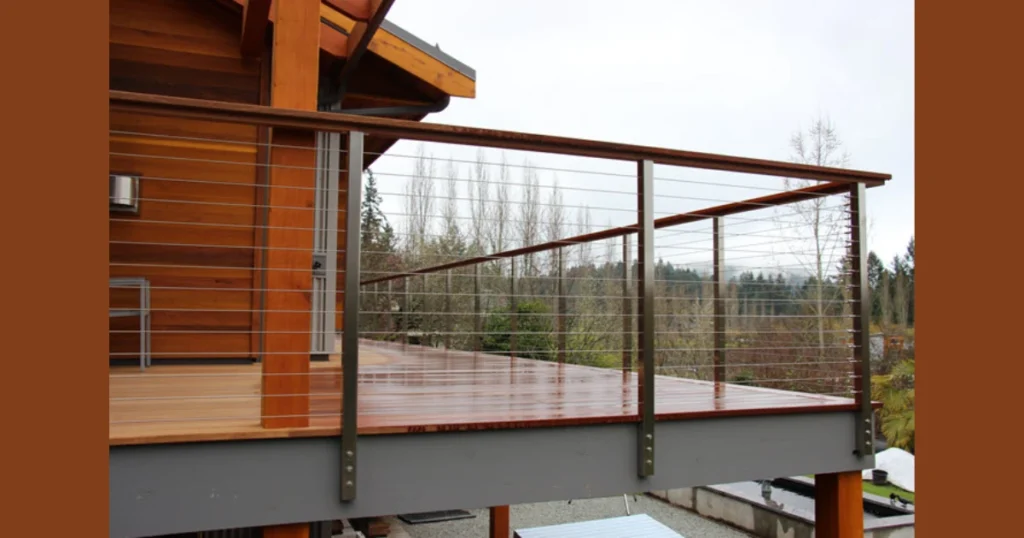
Modern cable deck railing ideas create an open and airy appearance. Stainless steel cables run horizontally between posts, which keeps views clear while maintaining safety. I often suggest this for elevated decks with scenic surroundings.
Cable railing works best for contemporary homes and lake houses. It allows airflow and does not block sightlines. However, you must install it properly to prevent cable sagging over time.
Maintenance stays moderate because stainless steel resists rust. You only need occasional cleaning and tension checks. If you want a professional and minimal deck railing design, this option delivers without feeling heavy.
2. Classic Wood Deck Railing for a Warm Outdoor Feel
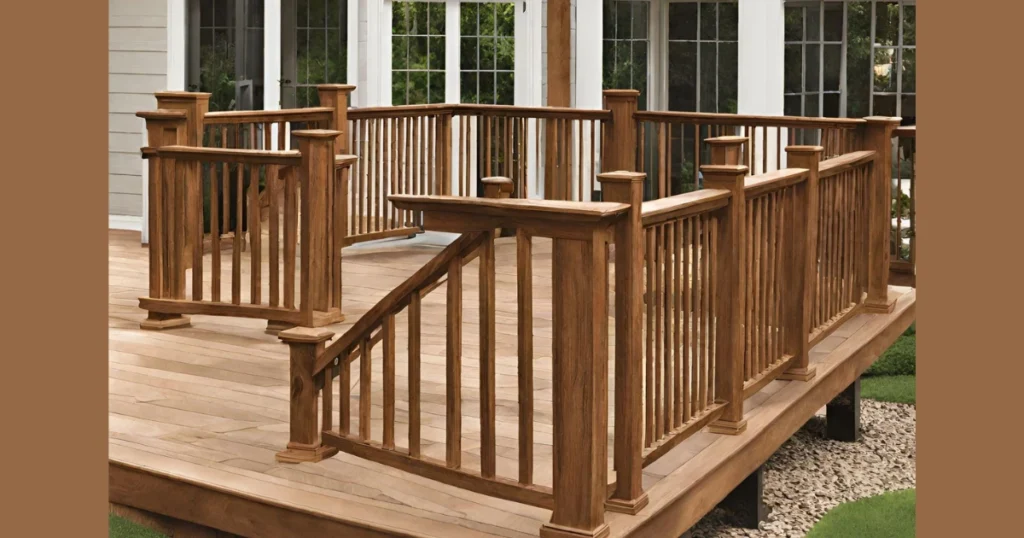
Classic wood deck railing brings natural warmth to any outdoor space. Wood blends beautifully with traditional, farmhouse, and rustic homes. I personally love cedar because it resists insects and moisture better than untreated lumber.
Wood railing allows endless customization. You can paint it white for a porch style look or stain it dark for a bold contrast. This flexibility makes it one of the most popular deck railing ideas.
Maintenance requires effort because wood needs sealing or staining every few years. If you enjoy hands-on upkeep and love natural texture, wood deck railing never disappoints.
3. Glass Deck Railing for an Open and Elegant View
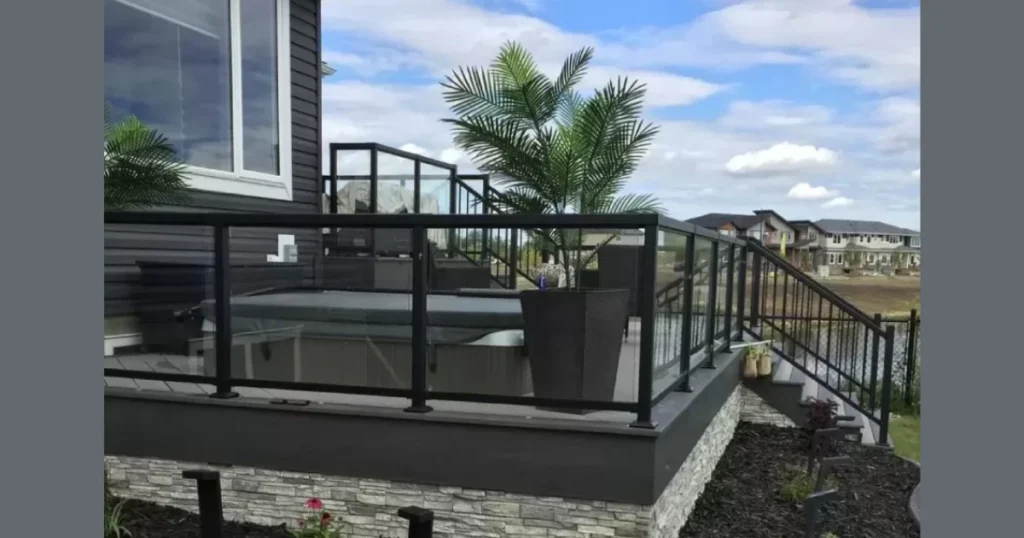
Glass deck railing gives your deck a sleek and high-end appearance. Tempered glass panels sit between metal or wood posts, offering protection without blocking views. I recommend this for poolside decks or homes with mountain scenery.
Glass railing increases visual space. Small decks feel bigger because nothing interrupts the view. It also blocks wind better than cable railing.
Cleaning remains the main task because fingerprints and dust show easily. If you want a modern deck railing idea that looks refined and bright, glass works beautifully.
4. Metal Deck Railing for Strength and Durability
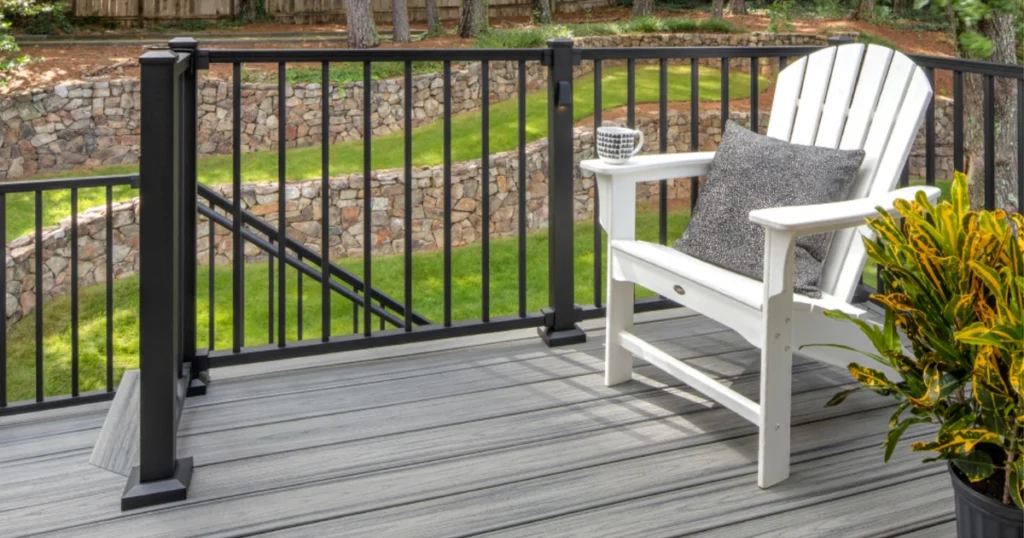
Metal deck railing offers long-term durability with minimal maintenance. Aluminum and wrought iron are common choices for outdoor railing ideas. I prefer powder-coated aluminum because it resists rust and stays lightweight.
Metal railings suit modern, industrial, and even traditional homes. They come in various patterns, from simple vertical balusters to decorative scroll designs.
Maintenance stays low compared to wood. A simple wash keeps it clean. If you want a sturdy and affordable deck railing option, metal performs reliably.
5. Composite Deck Railing for Low Maintenance Living
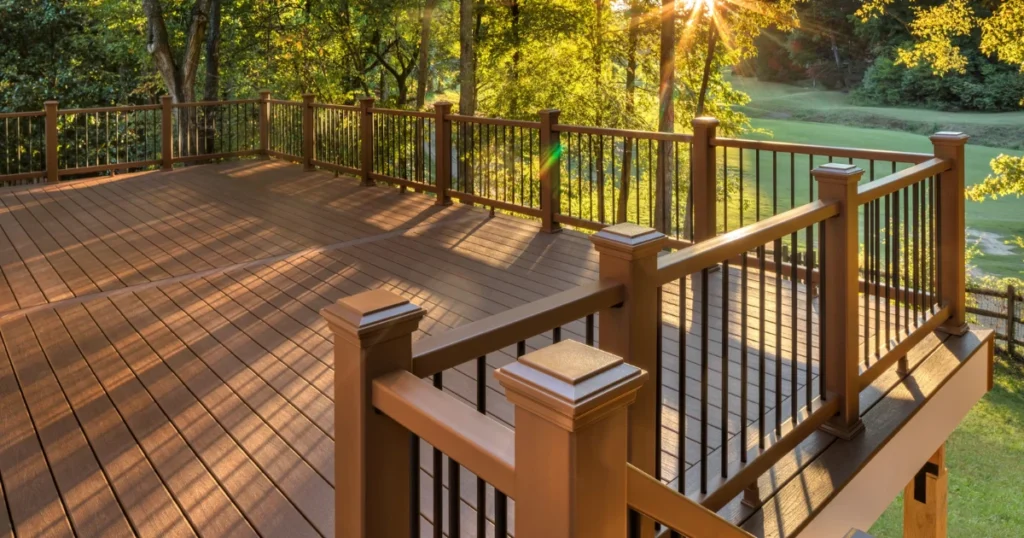
Composite deck railing provides a wood-like look without heavy upkeep. Manufacturers combine recycled wood fibers with plastic to create weather-resistant material. I often suggest this for homeowners who want less maintenance.
Composite railing pairs well with composite decking boards. The color stays consistent and does not fade quickly under sunlight.
The cost sits higher than basic wood, but long-term savings appear because you avoid repainting or sealing. If convenience matters to you, composite railing simplifies life.
6. Horizontal Wood Slat Deck Railing for a Modern Rustic Style
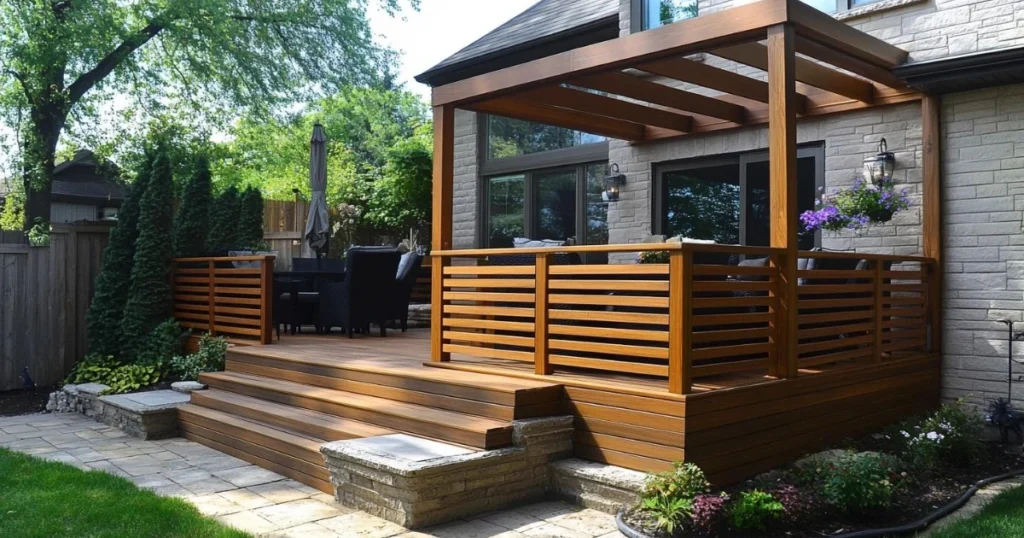
Horizontal wood slat deck railing adds a fresh twist to traditional wood designs. Instead of vertical balusters, evenly spaced horizontal boards create a sleek yet natural look. I often recommend this for modern farmhouse and coastal homes.
This deck railing idea feels stylish but still warm. It gives more privacy than cable railing while keeping the space visually open. The clean lines make even a simple deck look intentional and well-designed.
Maintenance stays similar to regular wood railing. You must seal or stain it regularly to protect against moisture. If you like modern deck railing ideas with a rustic touch, this one balances both worlds nicely.
7. Black Aluminum Deck Railing for a Professional Finish
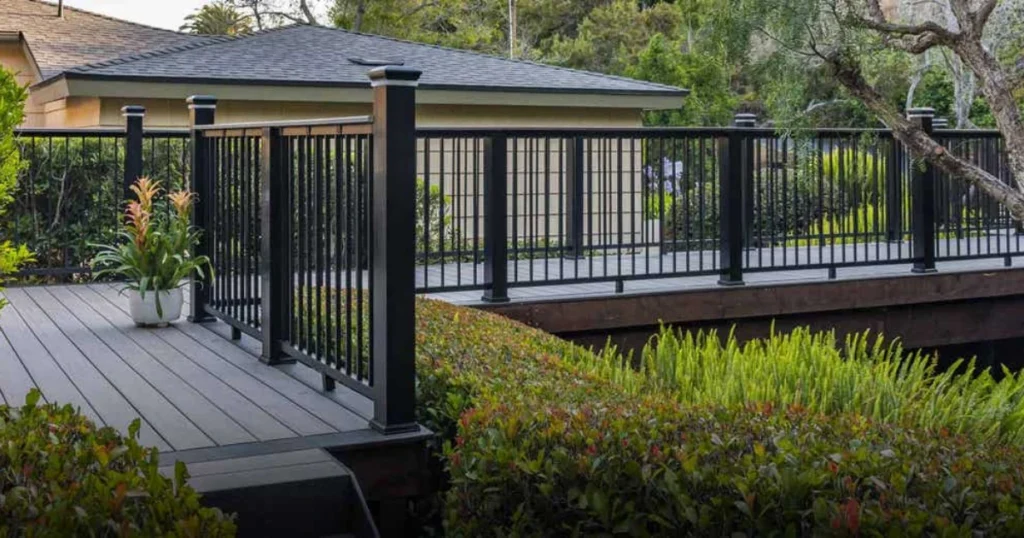
Black aluminum deck railing creates a bold and polished outdoor appearance. The dark finish frames the deck beautifully and works well with light decking boards. I have seen this option instantly upgrade older decks.
Aluminum resists rust and handles weather changes better than untreated steel. Powder coating protects the surface and reduces fading over time. That makes it one of the most durable outdoor railing ideas.
Maintenance stays very low because you only need occasional cleaning. If you want a professional look without high upkeep, black aluminum railing delivers strong value.
8. Farmhouse Style Deck Railing with Cross Patterns
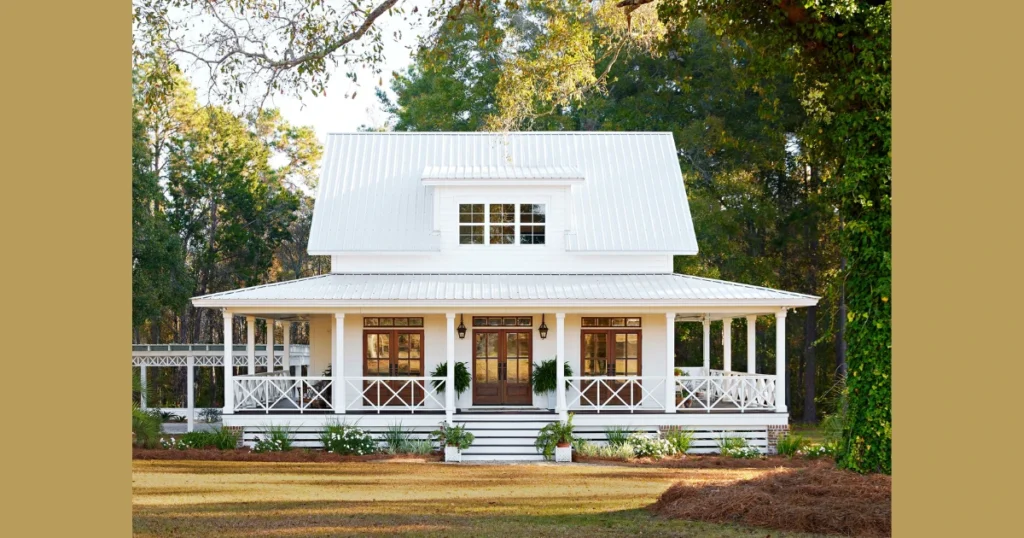
Farmhouse style deck railing uses X-shaped or crisscross wood patterns for visual character. This design works perfectly with country homes and wraparound porches. I personally like this for decks attached to traditional houses.
The cross pattern adds decorative detail without feeling too busy. It also provides solid support when built correctly. Many homeowners choose white paint for a classic farmhouse finish.
Maintenance depends on material choice. Wood versions need regular care, while composite alternatives reduce effort. If you want deck railing ideas that feel welcoming and nostalgic, this style fits well.
9. Mixed Material Deck Railing for a Custom Look
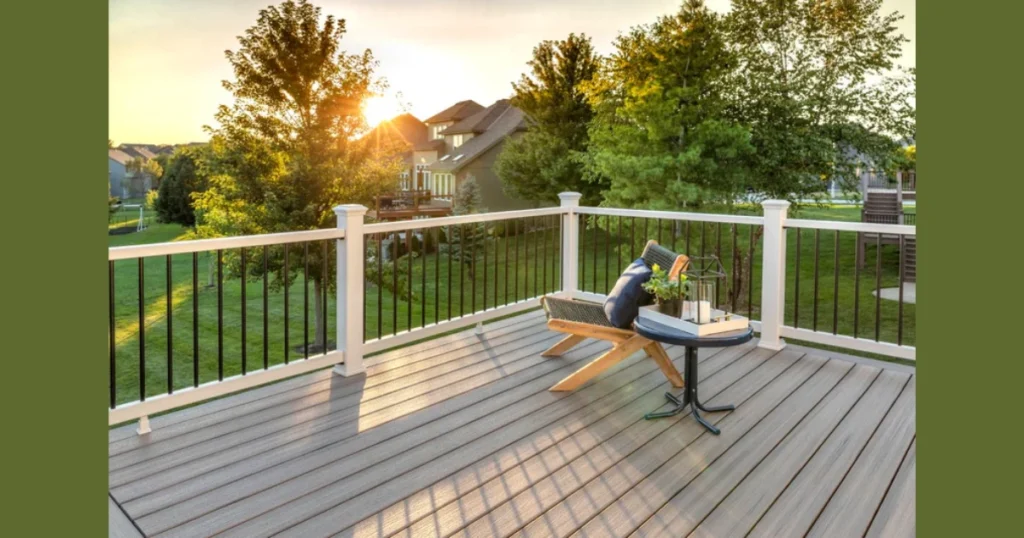
Mixed material deck railing combines two or more materials for added depth. For example, you can pair wood posts with metal balusters or glass panels with black frames. I enjoy suggesting this when homeowners want something unique.
This railing idea allows flexibility in design. You can control cost by mixing premium and budget materials wisely. It also creates strong contrast, which improves curb appeal.
Maintenance depends on the materials used. When chosen carefully, this style gives you both durability and design interest without overwhelming the deck.
10. Privacy Deck Railing Panels for Secluded Outdoor Spaces
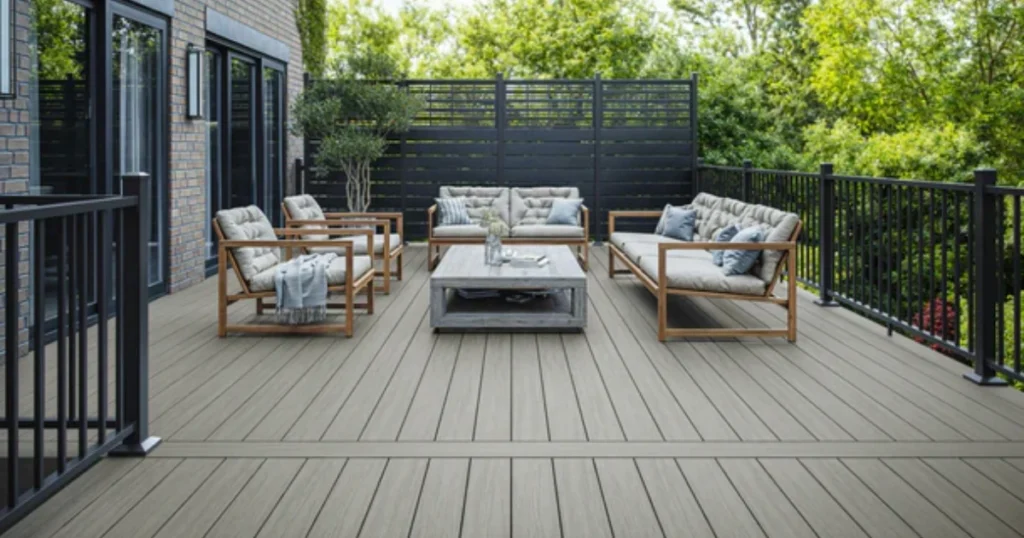
Privacy deck railing panels create a more enclosed and intimate outdoor area. These panels use tightly spaced boards, composite screens, or decorative metal sheets. I usually suggest this for urban homes where neighbors sit close by.
This railing idea blocks wind and increases comfort. It also gives you more freedom when relaxing or entertaining guests. Some designs include built-in planter boxes for added charm.
You must consider airflow and sunlight before choosing full privacy panels. If you value comfort and seclusion, this deck railing design improves outdoor living quality significantly.
How to Choose the Best Deck Railing for Your Home
Choosing the best deck railing depends on budget, style, and maintenance level. I always suggest deciding what matters most before selecting a material. Some people prioritize views, while others want low upkeep.
You should also check local building codes for height and spacing requirements. Safety always comes first, especially for elevated decks or homes with children.
Below is a simple comparison table to help you decide quickly.
Deck Railing Material Comparison Table
| Railing Type | Maintenance Level | Cost Range | Best For | View Visibility |
|---|---|---|---|---|
| Cable Railing | Medium | Medium High | Modern homes, scenic decks | Very High |
| Wood Railing | High | Low Medium | Traditional and farmhouse homes | Medium |
| Glass Railing | Medium | High | Poolside and elevated decks | Very High |
| Aluminum Railing | Low | Medium | Modern and urban homes | Medium |
| Composite Railing | Low | Medium High | Low maintenance living | Medium |
| Privacy Panels | Low Medium | Medium | Urban or close neighbors | Low |
Deck Railing Installation Tips and Smart Planning Guide
Choosing from the top 10 railing ideas for deck becomes easier when you plan correctly. I always tell homeowners that design looks great on paper, but installation determines long term success. Proper planning prevents expensive mistakes later.
You should measure your deck carefully before buying materials. Accurate measurements help you calculate post spacing, railing height, and panel sizes without waste.
You must also check local building codes before installation. Most areas require a minimum railing height of 36 to 42 inches for elevated decks.
5 Practical Tips Before Installing Deck Railing
1. Confirm local safety codes first.
Local regulations control railing height and baluster spacing. Following code keeps your deck safe and prevents legal issues.
2. Choose weather resistant fasteners.
Stainless steel or coated screws prevent rust stains. Cheap fasteners ruin even the best deck railing design.
3. Secure posts properly.
Strong posts create a stable railing system. I always recommend bolting posts directly to the deck frame.
4. Plan drainage and airflow.
Water buildup damages wood and metal. Leave small gaps where needed for ventilation.
5. Match railing style with deck material.
A composite deck looks better with composite or metal railing. Consistency improves overall appearance.
Common Mistakes to Avoid When Choosing Deck Railing Ideas
Many homeowners regret rushing their deck railing decision. I have seen beautiful decks look awkward because the railing style did not match the house exterior.
Ignoring maintenance requirements creates frustration later. Wood railing looks great, but it demands regular staining. If you dislike upkeep, choose composite or aluminum instead.
Some people focus only on price. Low cost materials may warp, rust, or crack within a few years. Spending slightly more often saves money long term.
Budget Planning for Deck Railing Projects
Budget planning helps you stay realistic from the start. Deck railing costs vary depending on material, design complexity, and labor.
Here is a simple cost overview to guide you.
| Material Type | Average Cost Per Linear Foot | Installation Difficulty | Long Term Maintenance Cost |
|---|---|---|---|
| Pressure Treated Wood | Low | Moderate | Medium High |
| Cedar or Hardwood | Medium | Moderate | Medium |
| Aluminum | Medium | Easy Moderate | Low |
| Glass Panels | High | Professional Needed | Medium |
| Composite | Medium High | Easy Moderate | Low |
| Cable System | Medium High | Professional Suggested | Low Medium |
Best Deck Railing Ideas Based on Home Style
Matching railing style to home architecture improves curb appeal instantly. I usually guide friends based on the home’s exterior theme.
Modern homes pair well with cable, glass, or black aluminum railing. These materials create clean lines and open space.
Farmhouse homes look better with wood or cross pattern railing. Natural textures maintain warmth and character.
Coastal homes benefit from white composite or horizontal wood slats. Light colors reflect sunlight and keep the space bright.
Conclusion
Top 10 railing ideas for deck offer something for every budget and home style. Each material balances design, durability, and maintenance differently. When you understand your priorities, the decision becomes clear.
I personally believe cable railing works best for open views, while composite railing wins for low maintenance living. Wood railing remains a timeless favorite if you enjoy hands on care.
If you read this far, you now understand design options, costs, maintenance needs, and safety considerations. This knowledge helps you choose a deck railing that looks great and lasts for years.
FAQs
Pressure treated wood usually costs the least upfront. However, you must consider long term maintenance expenses.
Aluminum and composite railing require minimal upkeep. You only need basic cleaning.
Tempered glass panels are strong and safe when installed correctly. Professional installation ensures proper stability.
Most residential decks require railing heights between 36 and 42 inches. Always check local building codes.
Cable and glass railing provide the clearest views. They keep the space open and bright.
Yes, mixed material railing creates a custom appearance. Ensure all materials resist outdoor weather.
Longevity depends on material. Aluminum and composite may last over 20 years, while wood lifespan varies based on maintenance.
Related Post
- Top 13 Railings Ideas for Exterior
- Top 14 Railing Ideas for Indoor Stairs
- Top 15 Railing Ideas for Outdoor Stairs
- 11 Best Railing Design Ideas
- 12 Best Railing Ideas for Interior