
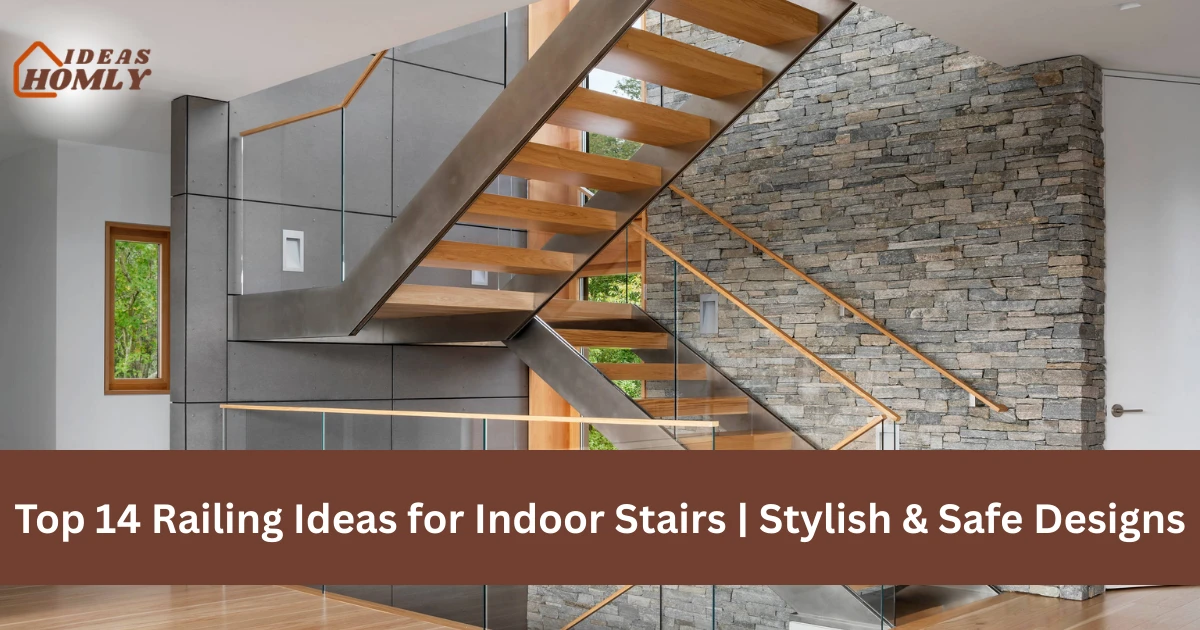

Indoor staircases can completely change the look of your home, and the right railing makes all the difference. When someone searches for top 14 railing ideas for indoor stairs, they want clear options that look good, feel safe, and match their interior style.
I wrote this guide for homeowners who want practical indoor stair railing ideas, not just pretty pictures. I will walk you through real design choices, materials, costs, and where each railing works best so you can choose confidently.
In this first session, I will cover the foundation and the first five best indoor stair railing ideas. Each idea includes design style, material details, pros, and where it fits best.
Why Choosing the Right Indoor Stair Railing Matters
The right indoor stair railing improves safety and defines your interior design. A staircase railing is not only a guardrail but also a strong visual element in your living room, hallway, or duplex layout.
A good railing design balances style, strength, and comfort. If the railing feels weak or looks outdated, it can ruin even the most beautiful staircase.
When I plan indoor railing designs, I focus on three things: safety standards, material durability, and how well the railing complements flooring, wall colors, and lighting.
1. Modern Wooden Railing for Indoor Stairs
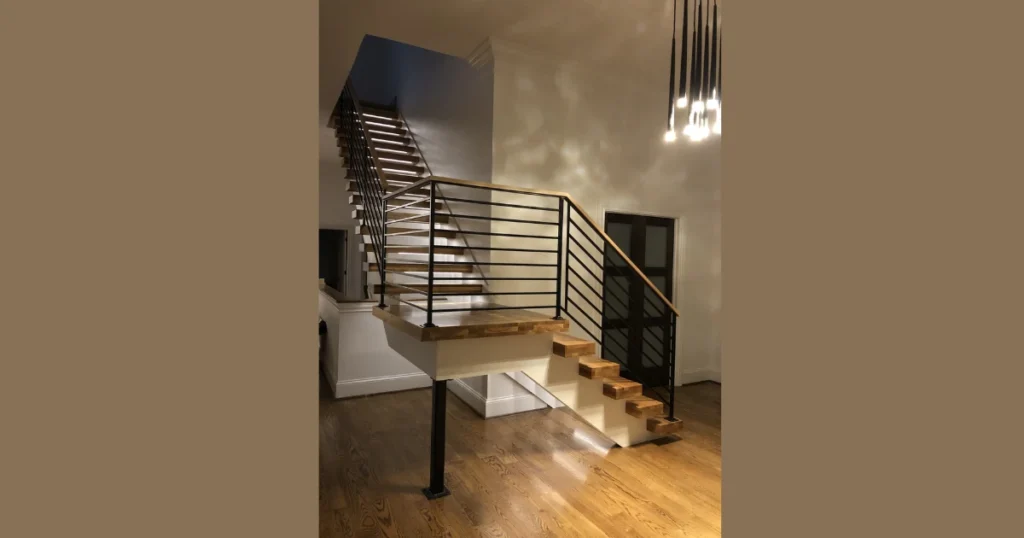
Modern wooden railings remain one of the most popular indoor stair railing ideas. Wood gives warmth, comfort, and a timeless look that fits almost any interior.
I personally prefer solid oak or walnut for indoor stair railings because they handle daily use well. These hardwood options resist dents better than softwood and look richer with age.
Wood stair railings work best in homes with wooden flooring, neutral wall colors, or farmhouse decor. They also feel comfortable to grip, which matters more than people think.
2. Glass Panel Railing for Indoor Stairs
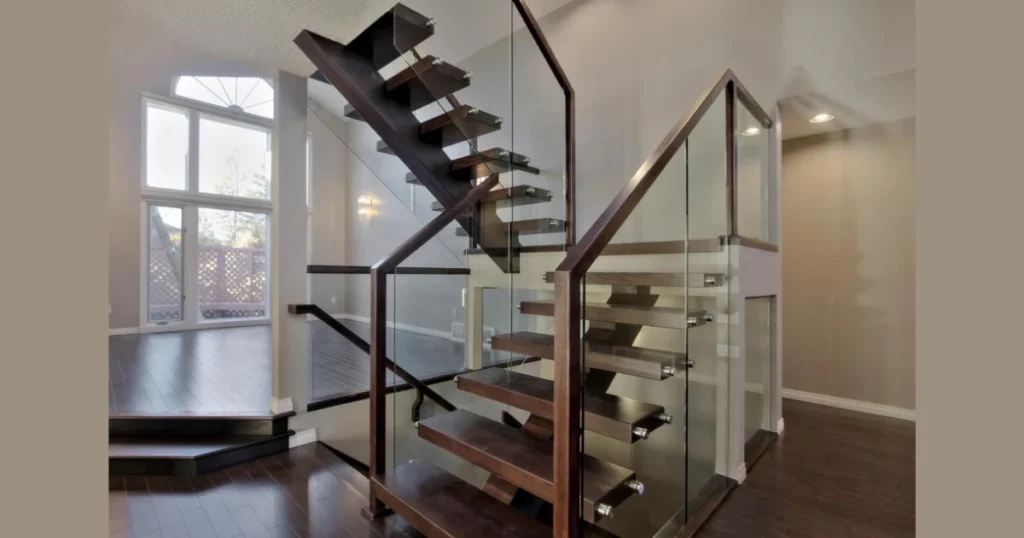
Glass panel railings create an open and spacious feel instantly. This indoor stair railing idea works especially well in small homes where you want to maximize natural light.
I have seen glass railings completely change narrow staircases into bright design features. They allow light to flow and make the interior feel larger.
Tempered glass is the standard choice because it resists breakage and meets safety requirements. However, you must clean it regularly to keep fingerprints away.
3. Wrought Iron Indoor Stair Railing
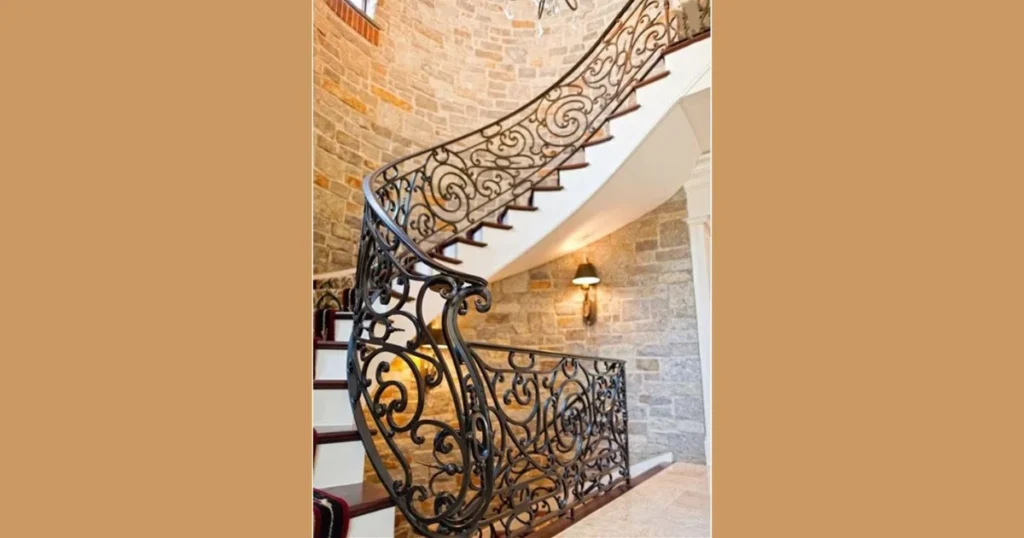
Wrought iron railings bring character and durability to indoor stairs. This railing style suits classic homes and adds strong architectural detail.
I like wrought iron designs when a staircase sits in a formal entryway. Decorative patterns can make the stair area look grand without being too flashy.
Iron railings require occasional polishing or repainting to prevent rust. Still, they last for decades when maintained properly.
4. Cable Railing for Indoor Stairs
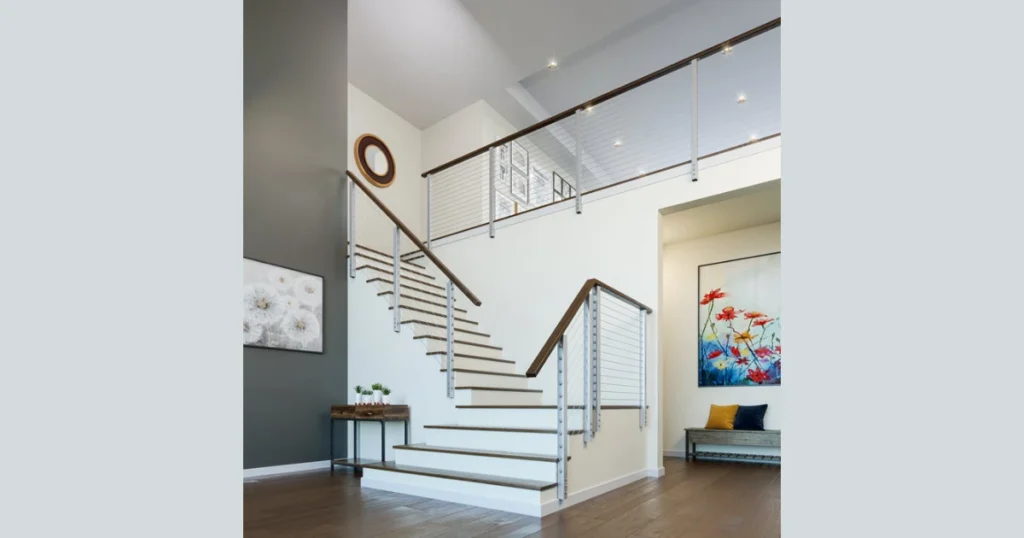
Cable railings offer a sleek and clean appearance. This modern indoor stair railing idea uses horizontal stainless steel cables instead of vertical balusters.
I recommend cable railings for open-concept homes because they do not block visibility. They keep the staircase safe while maintaining a minimal visual footprint.
Stainless steel cables resist corrosion and require very little maintenance. However, proper tension installation is important to ensure safety.
5. Metal and Wood Combination Railing
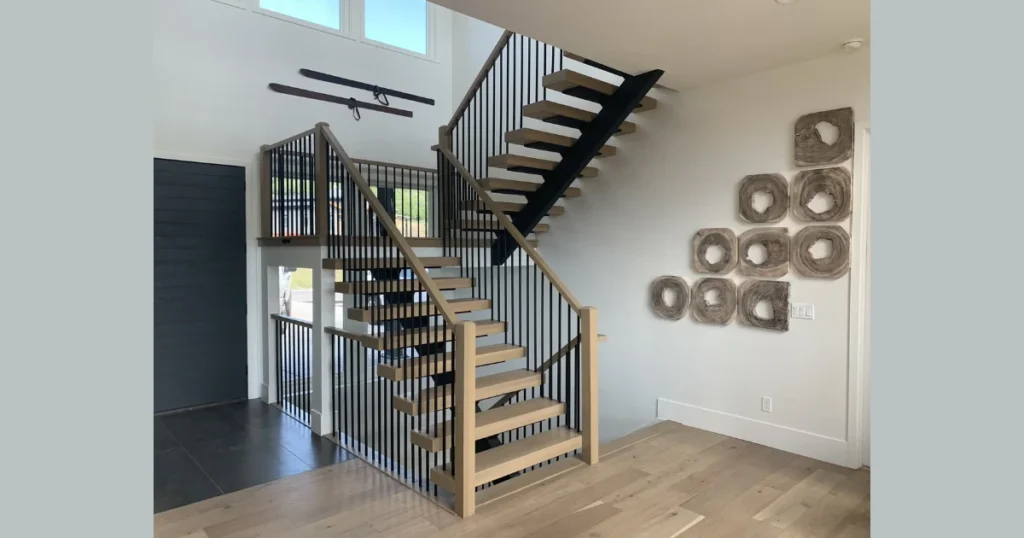
Metal and wood combination railings provide both warmth and strength. This indoor stair railing design mixes wooden handrails with metal balusters.
I often suggest this combination to homeowners who cannot choose between modern and classic styles. It gives the best of both worlds.
The wooden top rail feels comfortable to hold, while metal balusters add durability and visual contrast. The result looks balanced and elegant.
More Top Railing Ideas for Indoor Stairs That Actually Work in Real Homes
Now I will continue with more top railing ideas for indoor stairs that suit different interior styles and budgets. These designs focus on safety, durability, and how they visually shape your indoor staircase.
Each idea below solves a different need, whether you want a minimalist look, a farmhouse vibe, or something affordable yet stylish.
6. Minimalist Black Metal Railing for Indoor Stairs
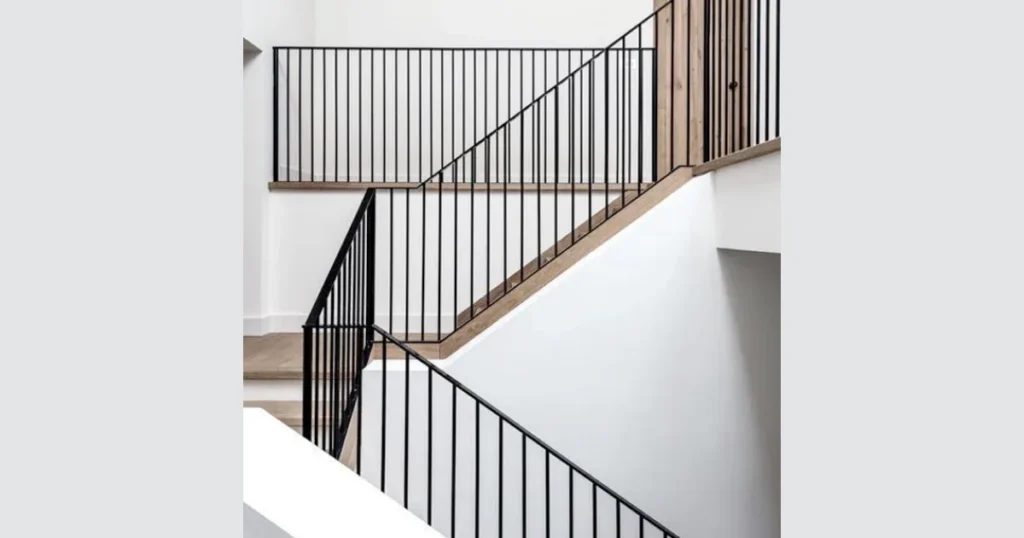
Minimalist black metal railings create a clean and modern statement instantly. This indoor stair railing idea works best in homes with neutral color palettes and simple decor.
I personally like matte black finishes because they hide fingerprints and minor scratches better than glossy paint. They also pair beautifully with white walls and wooden treads.
Black metal stair railings require very little maintenance. You only need occasional cleaning, which makes them practical for busy households.
7. Floating Stair Railing with Glass or Metal Support
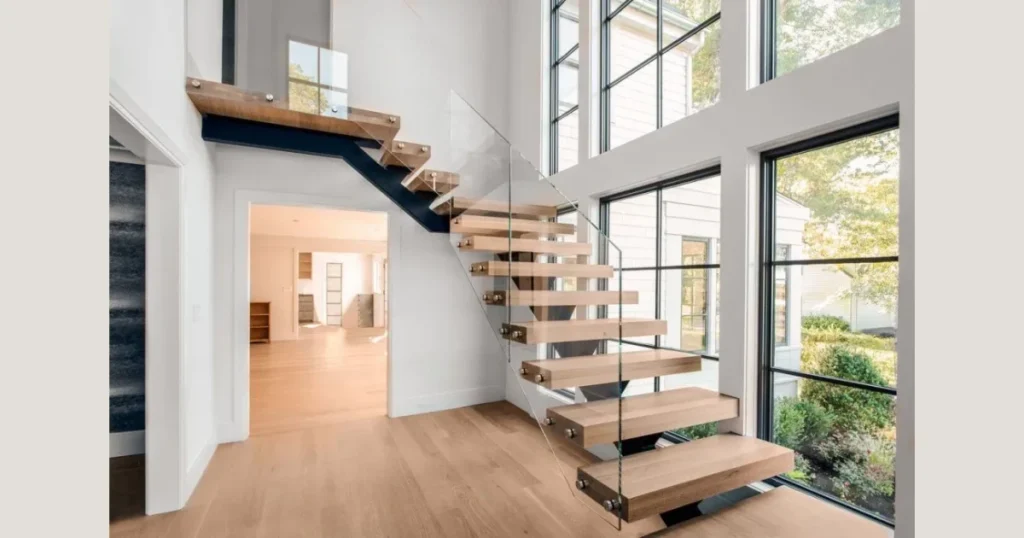
Floating stair railings give your staircase a light and airy feel. This railing idea usually works with floating or open-riser stairs.
I have seen floating railing systems transform compact spaces into visually larger areas. They create the illusion of openness without sacrificing safety.
You can combine floating stairs with glass panels or slim metal rods. Both options keep the design clean while maintaining structural strength.
8. Farmhouse Style Wooden Stair Railing
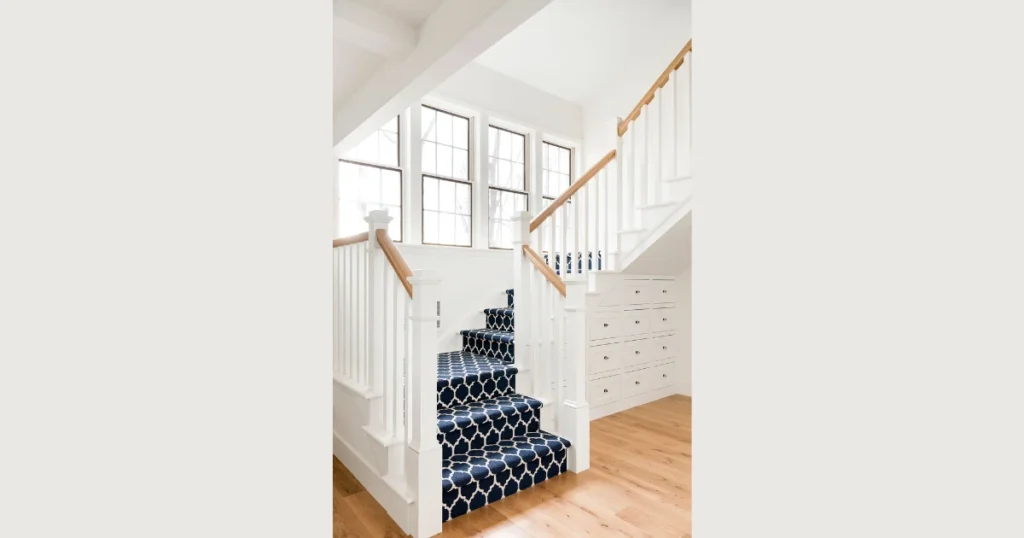
Farmhouse stair railings bring warmth and charm to indoor spaces. This indoor stair railing idea uses chunky wood posts, white balusters, and natural finishes.
I often suggest this design for homes with rustic flooring or neutral paint colors. It creates a welcoming atmosphere without looking outdated.
You can paint balusters white and keep the handrail stained for contrast. That small detail adds character without extra cost.
9. Horizontal Bar Railing for Indoor Stairs
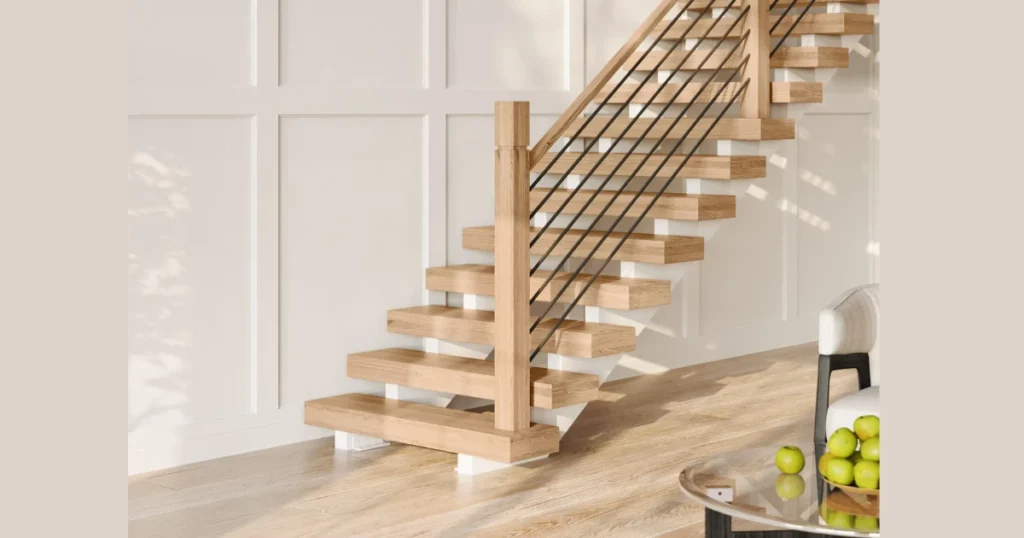
Horizontal bar railings give a sleek and contemporary appearance. Instead of vertical balusters, this indoor stair railing idea uses horizontal metal rods.
I like this design for modern homes because it creates a clean linear effect. It visually stretches the space and looks organized.
However, families with small children should consider spacing carefully. Safety spacing must meet local building codes.
10. Stainless Steel Indoor Stair Railing
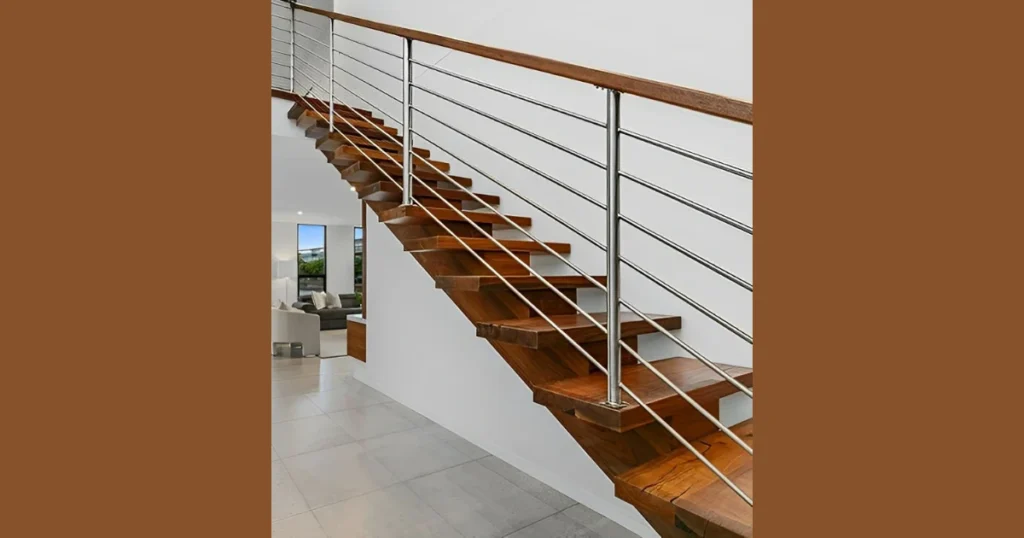
Stainless steel railings offer durability and a polished finish. This indoor stair railing idea suits contemporary homes with modern lighting and tile flooring.
I recommend stainless steel for homeowners who want strength without frequent maintenance. It resists corrosion and keeps its shine for years.
You can combine stainless steel with glass panels for a more premium look. That combination looks clean and professional.
11. Curved Indoor Stair Railing Design
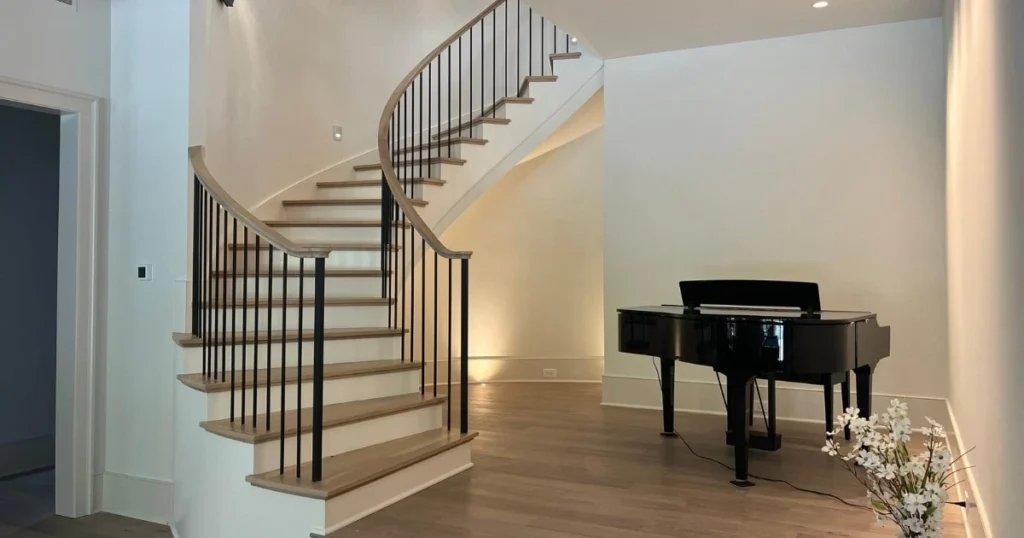
Curved stair railings add elegance and architectural interest. This design works best for spiral or curved staircases inside large homes.
I have always found curved railings visually impressive, especially in entry halls. They create movement and draw attention upward.
Custom fabrication is often required for curved railings. That increases cost but delivers a refined finish.
Comparison of These Indoor Stair Railing Ideas
Here is a quick overview to help you compare the last six railing ideas:
| Railing Style | Best For | Budget Level | Maintenance | Style Type |
|---|---|---|---|---|
| Black Metal | Modern homes | Medium | Low | Contemporary |
| Floating | Small spaces | High | Medium | Minimal |
| Farmhouse Wood | Family homes | Medium | Medium | Rustic |
| Horizontal Bars | Open layouts | Medium | Low | Modern |
| Stainless Steel | High traffic homes | Medium to High | Low | Contemporary |
| Curved Railing | Luxury homes | High | Medium | Elegant |
12. Budget-Friendly Simple Wooden Baluster Railing
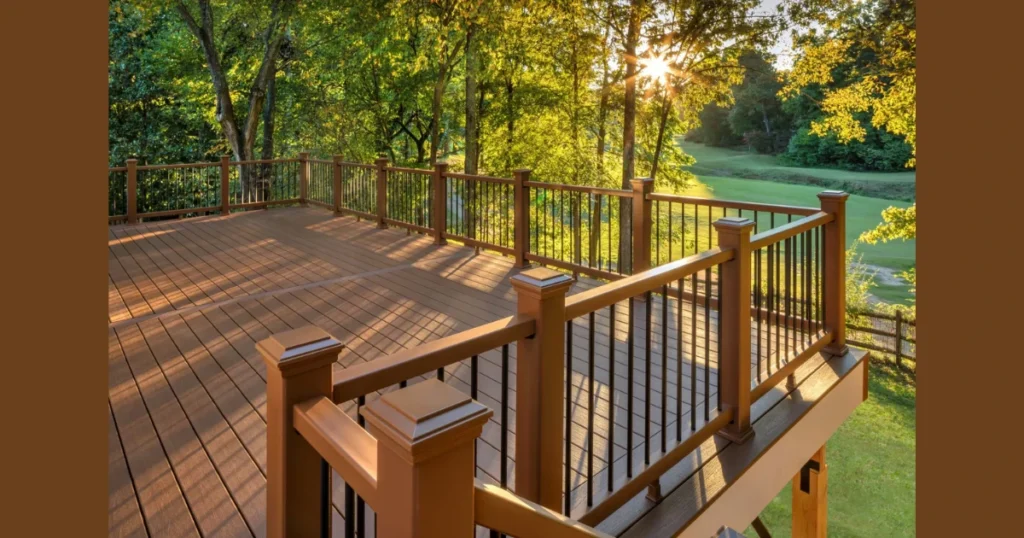
Simple wooden baluster railings offer a cost-effective indoor stair railing solution. This design uses evenly spaced vertical wooden spindles with a solid handrail.
I often recommend this option for homeowners who want safety without overspending. It delivers function first, and you can repaint or stain it anytime.
This railing works well in small homes and rental properties. It provides durability while keeping installation costs reasonable.
13. Half Wall and Railing Combination for Indoor Stairs
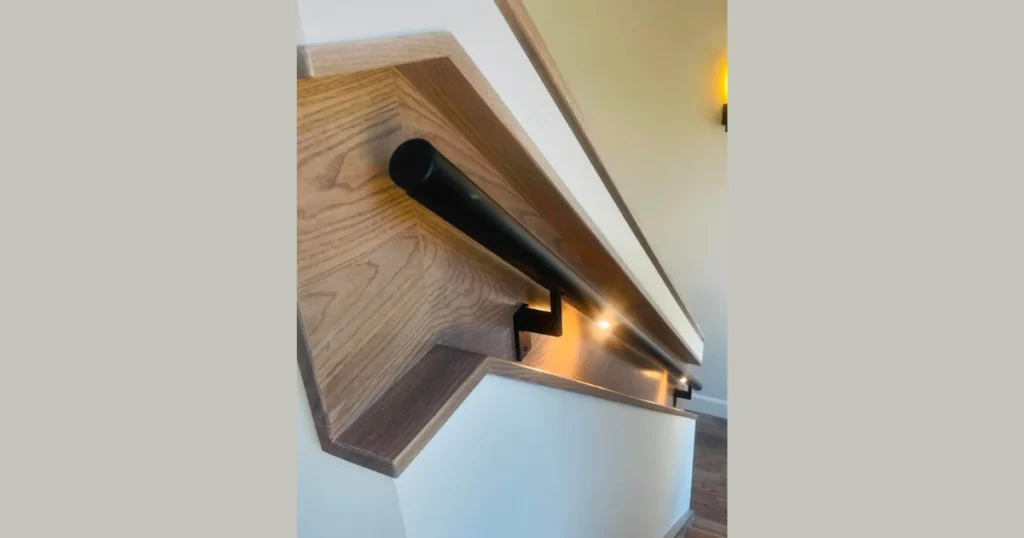
Half wall with railing combination creates a strong and structured look. This indoor stair railing idea uses a short drywall base with a railing installed above it.
I personally like this design for family homes because it adds extra safety and privacy. It also hides the lower part of the staircase.
You can install wood, metal, or glass above the half wall depending on your interior style. That flexibility makes it adaptable.
14. Custom Decorative Indoor Stair Railing Design
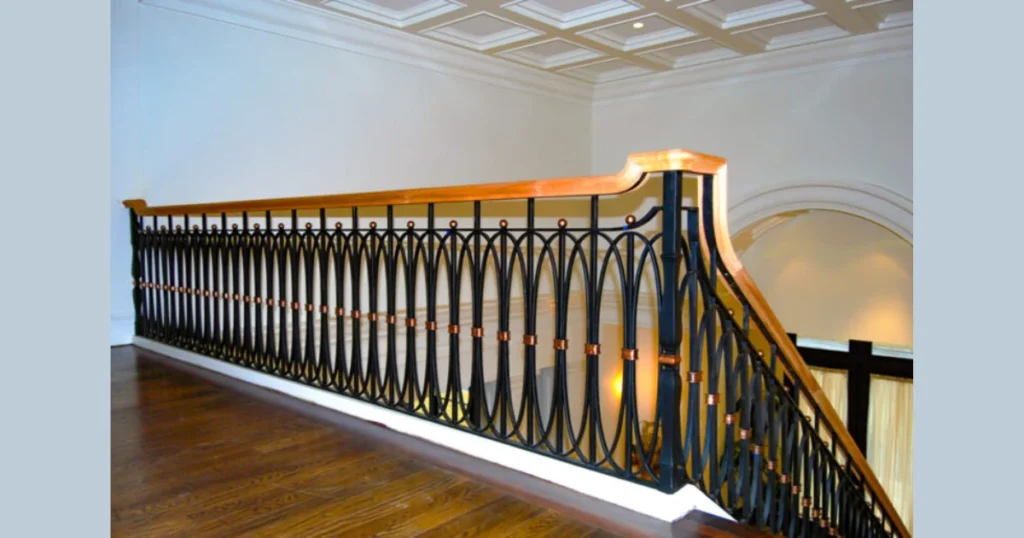
Custom decorative railings give homeowners full creative control. This indoor stair railing idea allows unique patterns, laser-cut panels, or mixed materials.
I suggest custom designs only when you have a clear interior theme. Otherwise, too much decoration can overwhelm the staircase.
Custom railings cost more, but they make the staircase a focal point. They work best in homes where design plays a big role.
Practical Guide to Choosing the Best Indoor Stair Railing
Choosing the best railing idea for indoor stairs requires clarity about space, safety, and budget. You should never choose based on style alone.
Here are practical steps I follow before selecting a staircase railing design:
1. Measure Staircase Width and Height
Correct measurements prevent design mistakes. Always check railing height requirements and spacing guidelines.
2. Match Railing with Flooring Material
Wood floors pair well with wood or black metal. Tile and marble match stainless steel or glass better.
3. Consider Household Safety
Children and elderly family members need strong grip handrails. Avoid wide gaps in horizontal designs.
4. Decide Maintenance Level
Glass requires frequent cleaning. Wood needs occasional polishing. Metal needs minimal upkeep.
Indoor Stair Railing Safety Tips
Indoor stair railings must meet safety standards to prevent accidents. Strong anchoring and proper installation matter more than appearance.
Here are important safety guidelines:
- Railing height should follow local building codes
- Baluster spacing must prevent child slipping
- Handrail must feel comfortable to grip
- Fixings must stay secure and stable
Cost Overview of Indoor Stair Railing Ideas
Indoor stair railing costs vary based on material and customization. Below is a general budget overview for planning.
| Railing Type | Approximate Cost Level | Customization |
|---|---|---|
| Basic Wood | Low | Moderate |
| Black Metal | Medium | High |
| Glass Panel | High | Moderate |
| Stainless Steel | Medium to High | Low |
| Custom Decorative | High | Very High |
Conclusion
The top 14 railing ideas for indoor stairs give you practical options for every home style and budget. From wooden railings to glass panels and custom designs, each option serves a different purpose.
If you want warmth and tradition, choose wood. If you prefer modern and open interiors, go for glass or cable. If safety and durability matter most, metal and stainless steel work reliably.
I always suggest balancing design with safety and maintenance before making a final decision. Your indoor stair railing should look good, feel secure, and last for years.
FAQs
Wood and metal are the most reliable materials for indoor stair railings. They balance durability, cost, and safety effectively.
Tempered glass railings are safe when installed properly. However, frequent cleaning is necessary to maintain clarity.
Simple wooden baluster railings are usually the most budget-friendly option. They provide safety without high installation costs.
Stainless steel resists rust in indoor environments. Regular cleaning keeps it looking polished.
Most indoor stair railings range between 34 to 38 inches in height. Always follow local building codes for safety compliance.
Yes, combining wood and metal or glass and steel creates a balanced modern look. Mixed materials often enhance interior appeal.
Glass, cable, and floating railing designs work best for small indoor staircases. They create openness and allow light flow.