
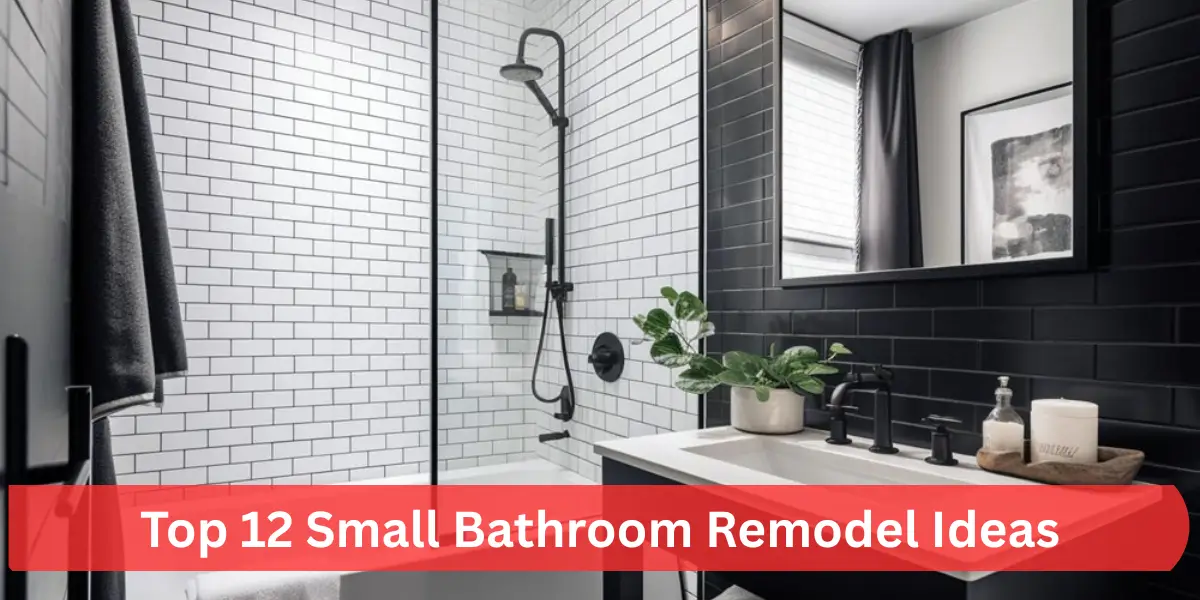

Remodeling a small bathroom often feels challenging, but I’ve learned that limited space can actually lead to smarter and more creative design decisions.
When space is tight, every choice, from layout to fixtures, needs to work harder and serve a clear purpose.
Over the years, I’ve seen how thoughtful remodeling can completely change the way a small bathroom functions and feels.
The right ideas don’t just improve appearance; they enhance comfort, storage, and daily usability.
By focusing on practical, space-efficient solutions, small bathroom remodel ideas can turn even the most compact layouts into stylish, well-organized, and surprisingly comfortable spaces.
1. Walk-In Shower with Clear Glass
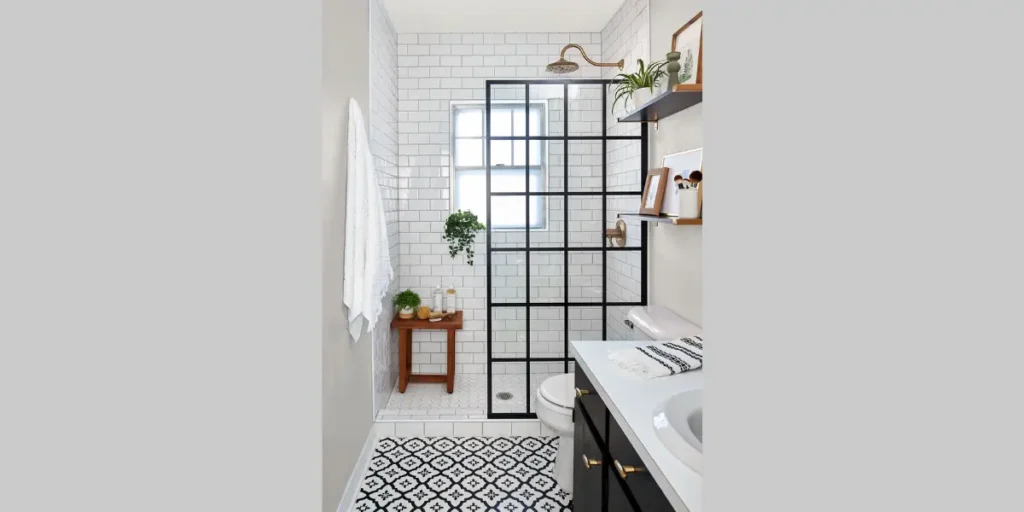
When I remodel a small bathroom, I often replace bulky tubs with a walk-in shower using clear glass.
Bathroom Design: Bathroom remodel ideas
Bathroom Design: Bathroom remodel ideas

How to Bathroom Remodel: A DIY Step-by-Step Homeowner’s Guide to Transform Your Bathroom (DIY Construction How To Guides)
How to Bathroom Remodel: A DIY Step-by-Step Homeowner’s Guide to Transform Your Bathroom (DIY Construction…
This change instantly removes visual barriers and makes the space feel more open and breathable.
I prefer frameless or minimal-frame glass because it allows light to move freely across the room. Tile details and lighting remain visible instead of feeling boxed in.
From a functional angle, walk-in showers also improve movement and cleaning.
With proper drainage and layout, this option maximizes space while keeping the bathroom modern and comfortable.
2. Floating Vanity to Free Up Floor Space
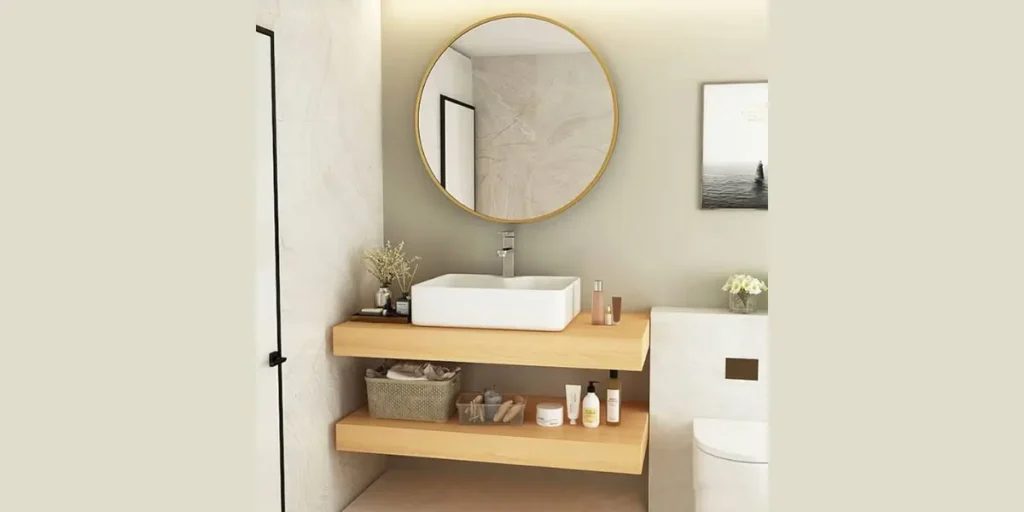
Floating vanities are one of my go-to solutions for tight bathrooms.
By mounting the vanity on the wall, I create the illusion of more floor space, which makes the room feel larger.
I usually choose compact designs with built-in drawers to maintain storage without visual bulk. The open area underneath adds lightness and improves circulation.
This approach also simplifies cleaning and keeps the layout flexible.
Floating vanities blend style and function, making them ideal for modern small bathroom remodels.

New Bathroom Idea Book: Style, Lighting, Storage, Fixtures (Taunton Home Idea Books)
New Bathroom Idea Book: Style, Lighting, Storage, Fixtures (Taunton Home Idea Books)
3. Light Color Palette for Visual Expansion
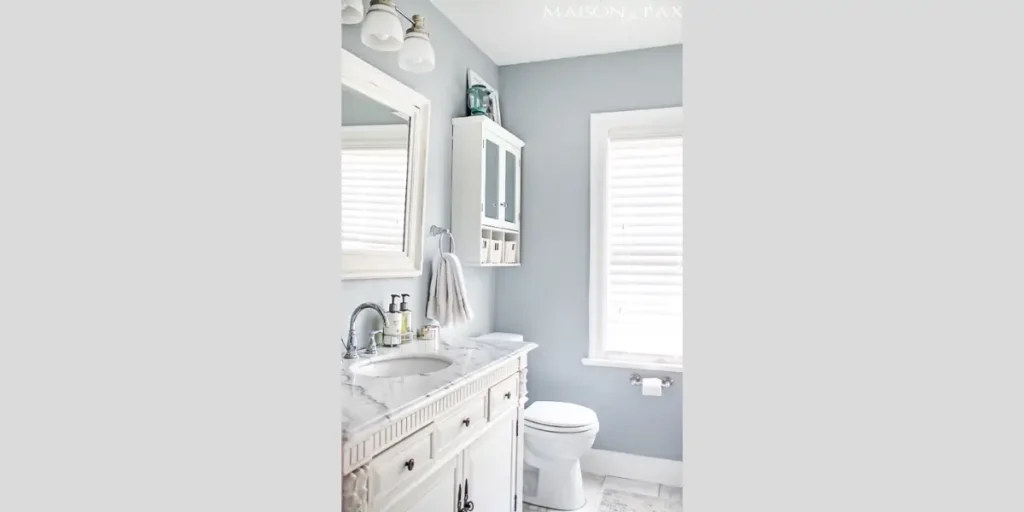
I rely on light color palettes when working with limited square footage.
Whites, soft grays, and warm neutrals reflect light and prevent the space from feeling closed in.
Instead of using multiple colors, I keep the palette consistent across walls, tiles, and fixtures.
This continuity helps the bathroom feel unified and less crowded.
Light tones don’t mean boring. With texture and subtle contrast, they create a clean, open atmosphere that works beautifully in small bathrooms.
4. Oversized Mirrors to Create Depth
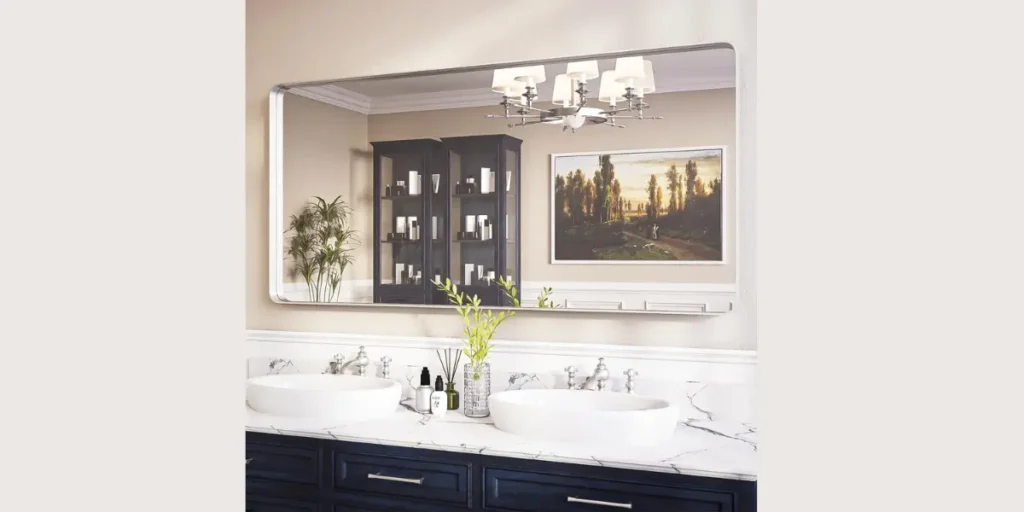
Large mirrors are one of the simplest yet most effective tools I use in small bathrooms.
They reflect both light and space, instantly making the room feel deeper and wider.
I often install mirrors that stretch across the vanity or wall. This removes visual breaks and strengthens the sense of openness.
Beyond aesthetics, oversized mirrors improve functionality.
They enhance lighting and usability while delivering a noticeable transformation without structural changes.
5. Built-In Shower Niches for Smart Storage
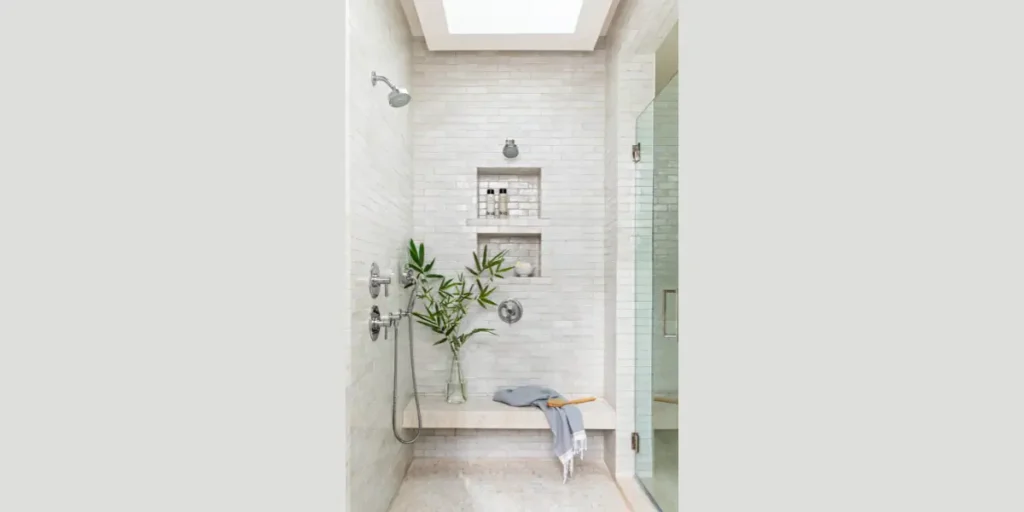
Storage becomes critical in small bathrooms, which is why I always plan built-in shower niches during a remodel.

The DIY Bathroom Remodel That Pays You Back: Save $17,000–$25,000 With Step-by-Step Plans for Walk-In Shower Conversions, Tiling, Plumbing, and Smart DIY Renovations
The DIY Bathroom Remodel That Pays You Back: Save $17,000–$25,000 With Step-by-Step Plans for Walk-In…
Niches provide storage without adding clutter or taking up space.
I integrate niches into the wall structure so they feel intentional rather than added later.
Matching tile helps them blend seamlessly into the design.
This solution keeps daily essentials within reach while maintaining a clean, streamlined shower area—perfect for compact layouts.
6. Pocket or Sliding Doors
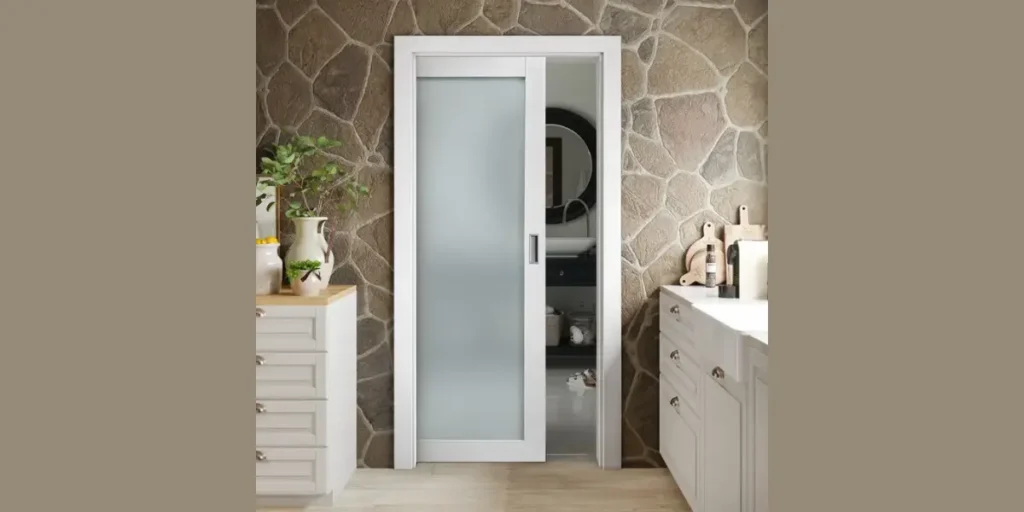
Traditional swing doors often waste valuable space in small bathrooms. I regularly replace them with pocket or sliding doors to improve layout efficiency.
By removing door clearance requirements, I open up options for better fixture placement.
The room instantly feels more flexible and functional.
Pocket doors work especially well in narrow bathrooms or remodels with tight entry points. They quietly solve a common space problem.
7. Vertical Storage to Use Wall Height
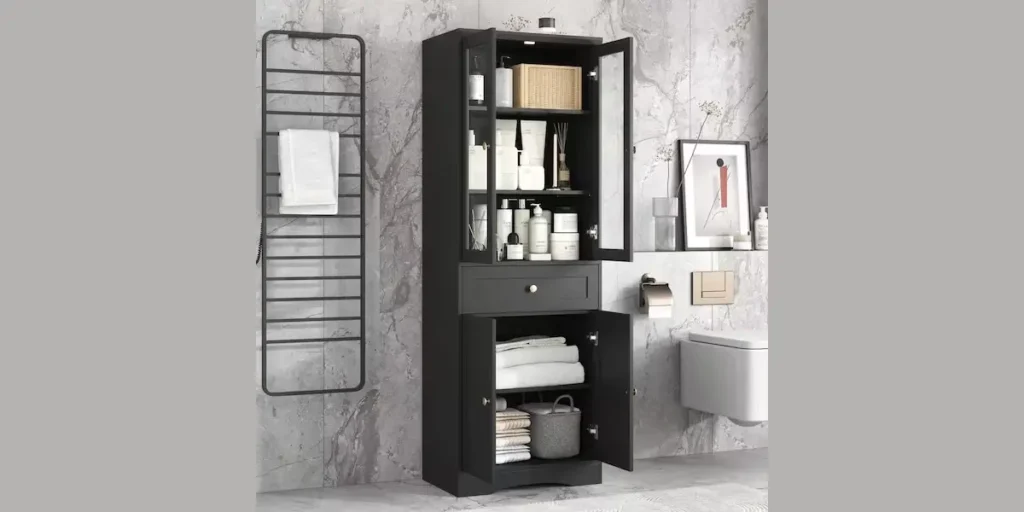
When floor space is limited, I shift focus upward. Vertical storage allows me to use wall height efficiently without crowding the room.

DIY BATHROOM REMODEL: Step-by-Step Guide to Plan, Domo, and Build Without Costly Mistakes (DIY Projects Book Series)
DIY BATHROOM REMODEL: Step-by-Step Guide to Plan, Domo, and Build Without Costly Mistakes (DIY Projects…
Tall cabinets, open shelving, or ladder-style storage keep essentials organized while leaving the floor clear.
I position them strategically to avoid visual overload.
This method increases storage capacity while preserving openness. Vertical solutions help small bathrooms stay organized and visually balanced.
8. Large Format Tiles for Cleaner Lines
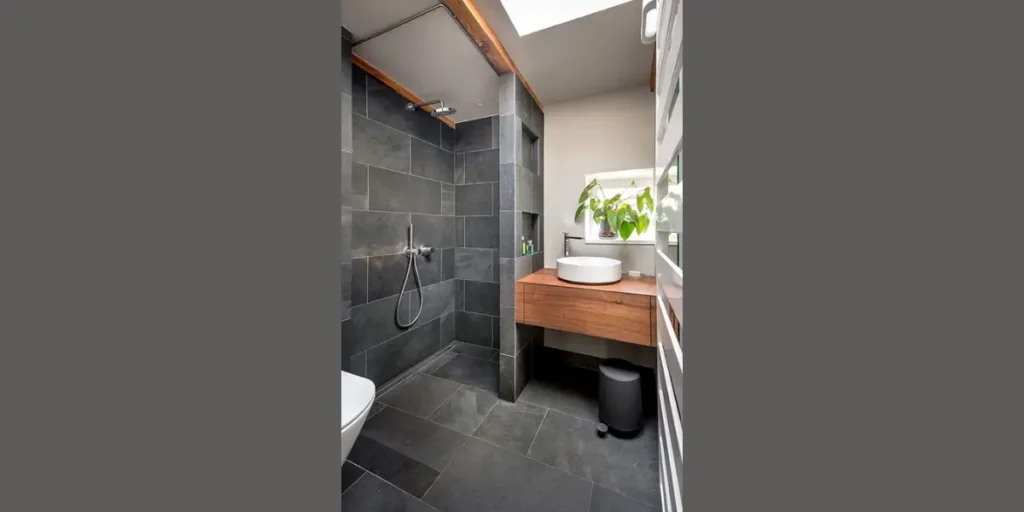
I often choose large format tiles in small bathrooms because they reduce grout lines. Fewer breaks in the surface make the space feel larger and calmer.
I keep tile colors light or neutral to enhance continuity.
Larger tiles also reflect light better, improving overall brightness.
From a maintenance standpoint, fewer grout lines mean easier cleaning. Large tiles combine practicality with a modern, spacious appearance.
9. Wall-Mounted Toilet for a Sleeker Layout
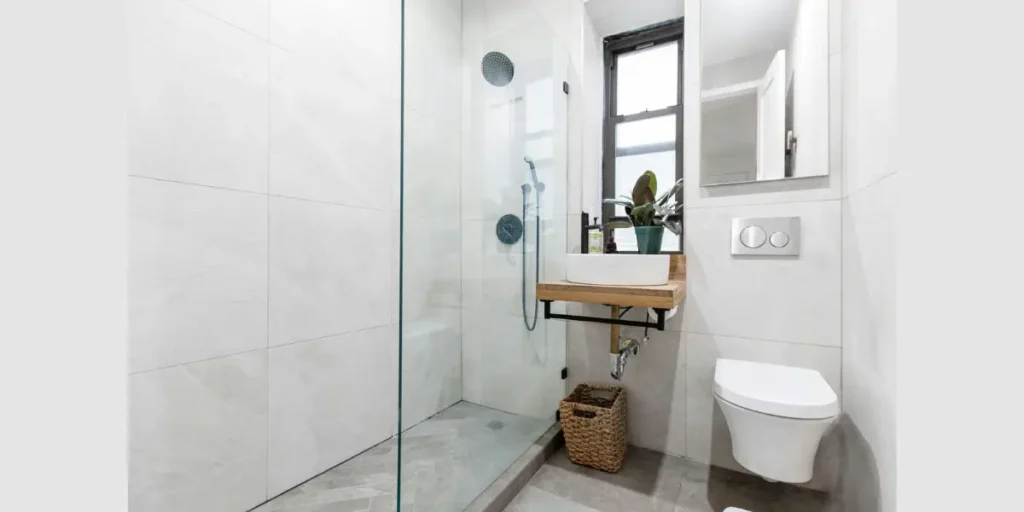
Wall-mounted toilets offer a major visual advantage in small bathrooms.
By hiding the tank inside the wall, I free up floor space and reduce visual clutter.
This design creates cleaner lines and makes the bathroom feel more open.

Bathroom Remodel: Rip It Out Rebuild It Right
Bathroom Remodel: Rip It Out Rebuild It Right
It also simplifies cleaning around the toilet area.
Although installation requires planning, the payoff is worth it. Wall-mounted toilets bring modern efficiency to compact spaces.
10. Recessed Shelving and Cabinets
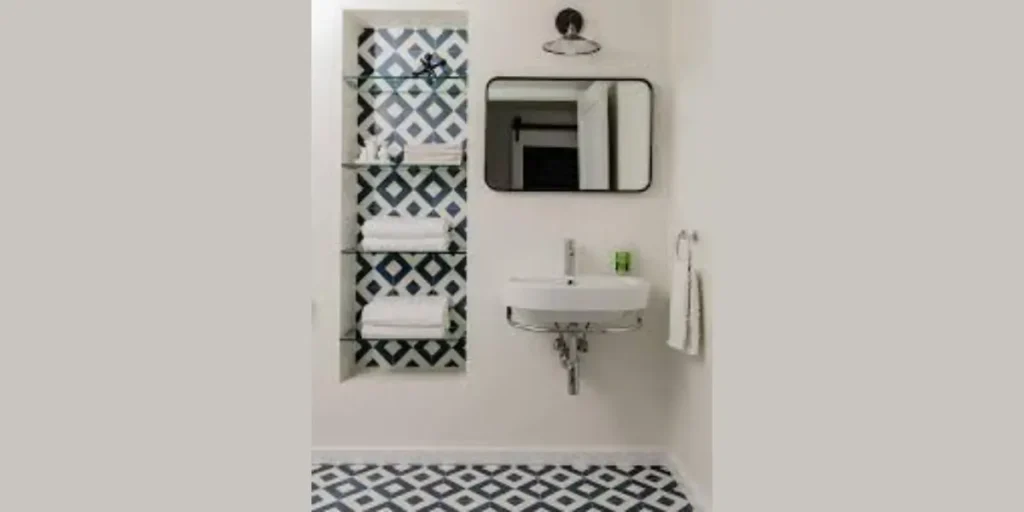
I prefer recessed storage whenever possible in small bathroom remodels.
By building shelves and cabinets into the wall, I gain storage without shrinking the room.
These solutions keep toiletries organized while maintaining smooth wall lines.
I often use mirrored or flush-front designs to keep them subtle.
Recessed storage works best when planned early. It delivers function without sacrificing valuable square footage.
11. Minimalist Fixtures and Hardware
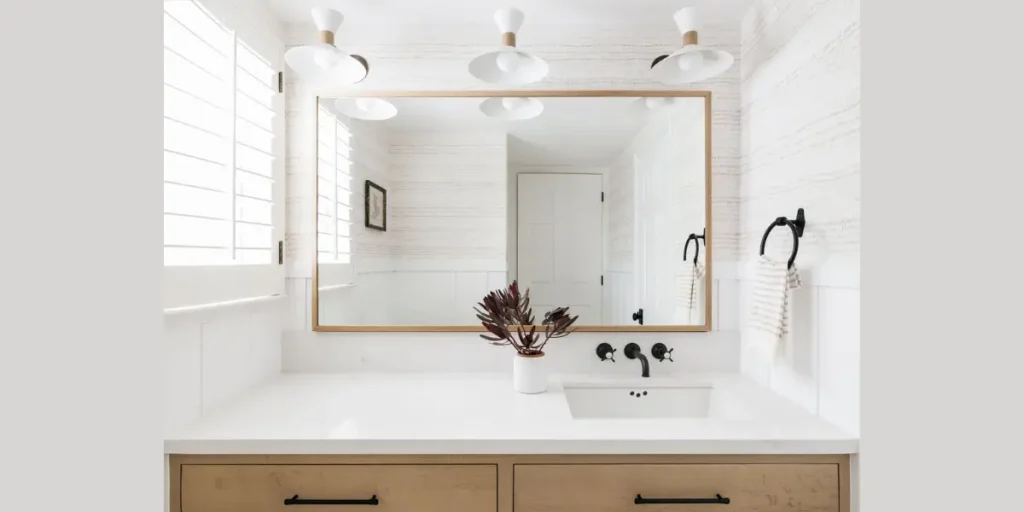
In small bathrooms, oversized fixtures can overwhelm the space.

Bathroom Remodel Planner & Organizer: Complete Project Workbook - Budget Tracker, Contractor Log, Materials & Daily Progress Journal
Bathroom Remodel Planner & Organizer: Complete Project Workbook - Budget Tracker, Contractor Log, Materials &…
I always choose minimalist faucets, handles, and accessories to keep the design light.
Slim profiles and clean shapes reduce visual noise and support a modern look.
I also stick to consistent finishes for cohesion.
Minimal hardware doesn’t feel plain—it feels intentional. This approach helps small bathrooms appear more refined and spacious.
12. Strategic Lighting to Add Depth
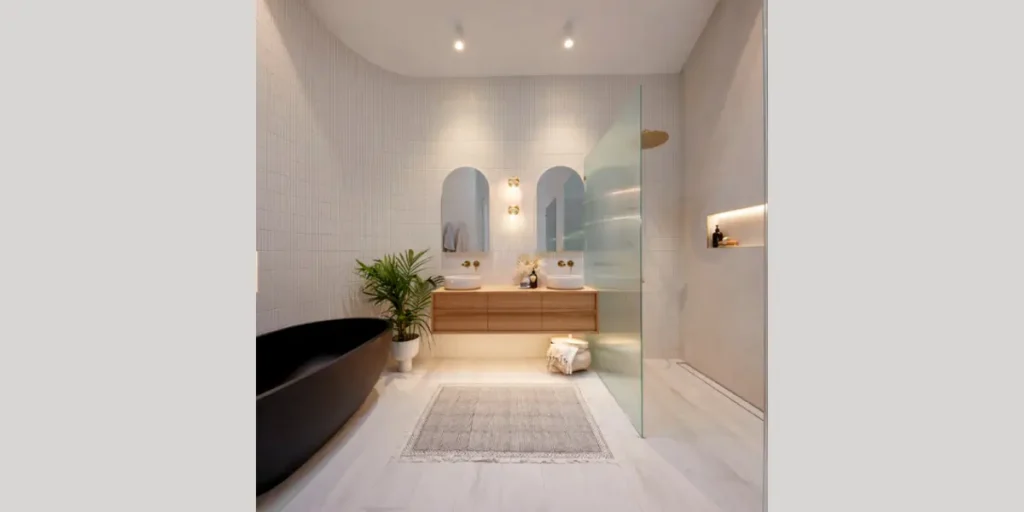
Lighting plays a major role in how small bathrooms feel.
I layer lighting to eliminate shadows and brighten corners that often feel cramped.
I combine overhead lighting with vanity lights and subtle accent illumination.
This strategy adds depth and improves functionality.
Well-planned lighting makes a small bathroom feel larger, warmer, and more inviting. It’s one of the most impactful remodel upgrades.

Kitchen and Bathroom Remodel: DIY Kitchen and Bathroom Design – Eco-Friendly Renovations, Home Remodel Cost Estimates, Efficient Layouts, and Stylish Upgrades for Maximum Home Value (Homeowner Books)
Kitchen and Bathroom Remodel: DIY Kitchen and Bathroom Design – Eco-Friendly Renovations, Home Remodel Cost…
How to Plan a Small Bathroom Remodel Without Wasting Space
When I plan a small bathroom remodel, I always start with layout efficiency rather than decoration.
Understanding traffic flow, storage needs, and lighting helps prevent costly mistakes.
I focus on solutions that serve more than one purpose, such as wall-mounted fixtures and built-in storage.
When space planning comes first, the design feels intentional, practical, and comfortable instead of crowded or forced.
FAQs
In my experience, layouts that prioritize open floor space work best. Walk-in showers, floating vanities, and compact fixtures improve movement. Keeping plumbing changes minimal also helps control costs and complexity.
I rely on light colors, large mirrors, and clear glass to create openness. These elements reflect light and reduce visual barriers. Proper lighting placement also makes a noticeable difference.
Yes, walk-in showers usually work better in tight spaces. They remove bulky edges and allow more flexible layouts. I recommend tubs only when they serve a clear household need.
I prefer moisture-resistant and low-maintenance materials such as porcelain tiles and quartz surfaces. These options stay durable without adding visual heaviness. They also age well over time.
Storage should cover daily essentials without overcrowding the space. I aim for built-in and vertical storage solutions that stay out of the way. Smart placement matters more than quantity.
Related Post
- 12 Popular Bathroom Remodeling Trends Ideas
- Top 10 Shower Remodel Ideas
- 5 Door Accessories Ideas
- Door Frame Ideas
- 6 Door Window Ideas
- 6 Door Accents
Conclusion
A small bathroom remodel doesn’t succeed by adding more, it succeeds by using space more intelligently. Through careful planning and thoughtful design choices, even the most compact bathrooms can feel open, efficient, and comfortable.

Kitchen and Bathroom Remodel: DIY Kitchen and Bathroom Design – Eco-Friendly Renovations, Home Remodel Cost Estimates, Efficient Layouts, and Stylish Upgrades for Maximum Home Value (Homeowner Books)
Kitchen and Bathroom Remodel: DIY Kitchen and Bathroom Design – Eco-Friendly Renovations, Home Remodel Cost…
I’ve found that prioritizing layout, light, and storage makes a bigger impact than expensive materials or complex features. When every element serves a clear purpose, the space feels balanced rather than crowded.
With the right remodel ideas, a small bathroom can function smoothly, look polished, and support daily routines without compromise, proving that smart design matters far more than square footage.