
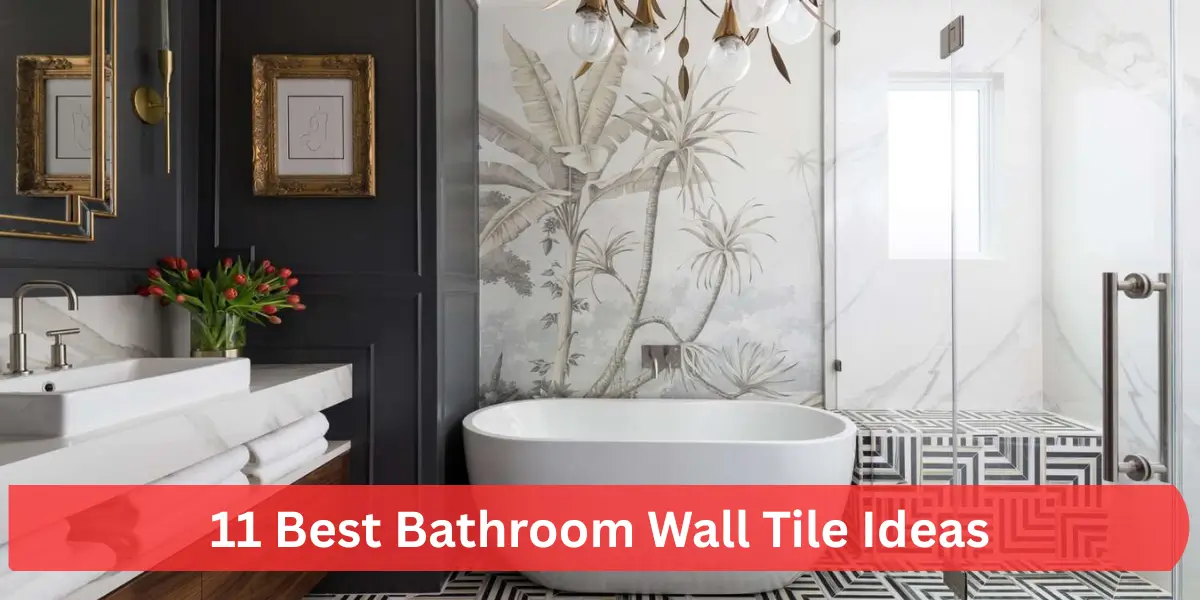

Bathroom wall tile ideas influence far more than just surface protection, they define the entire look and feel of the space. When I plan a bathroom, I always start with the wall tiles because they set the visual rhythm, reflect light, and handle daily moisture exposure.
The right tile choice can make a small bathroom feel taller, add warmth to a modern layout, or bring quiet luxury to a simple design. With today’s wide range of finishes, sizes, and layouts, wall tiles offer creative freedom without sacrificing durability.
In this article, I’ll share carefully selected bathroom wall tile ideas based on real design experience, practicality, and long-term performance.
1. Subway Wall Tiles
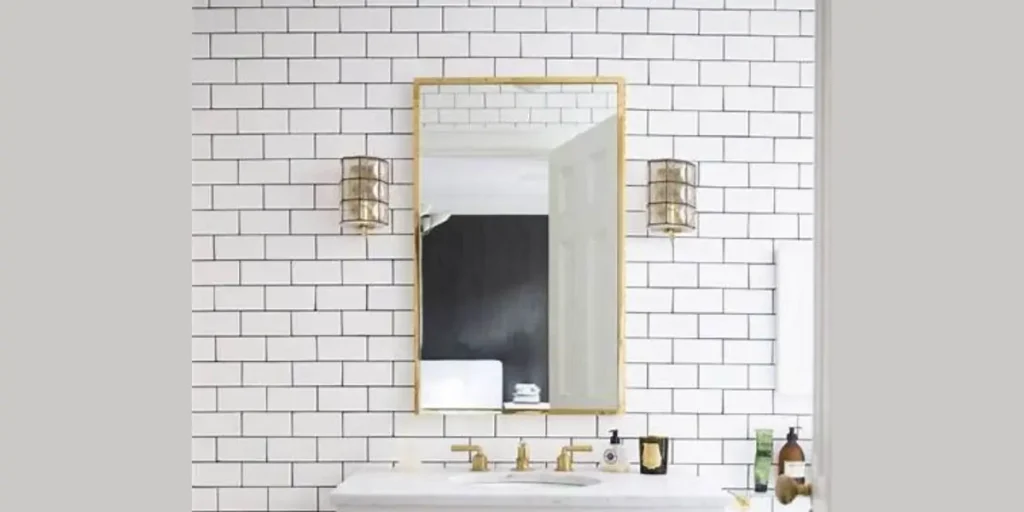
When I design bathrooms that need longevity, I often start with subway wall tiles. Their simple rectangular shape creates a clean backdrop that works across modern, classic, and transitional styles. I like how subway tiles reflect light and make walls feel crisp rather than heavy.
I usually play with layout to keep them interesting. Horizontal stacking feels traditional, while vertical stacking adds height and a modern edge. Grout color also changes the mood dramatically, from soft and seamless to bold and graphic.
From a practical perspective, subway tiles handle moisture extremely well. They clean easily and age gracefully, which makes them a reliable choice for daily-use bathrooms.
2. Marble Wall Tiles
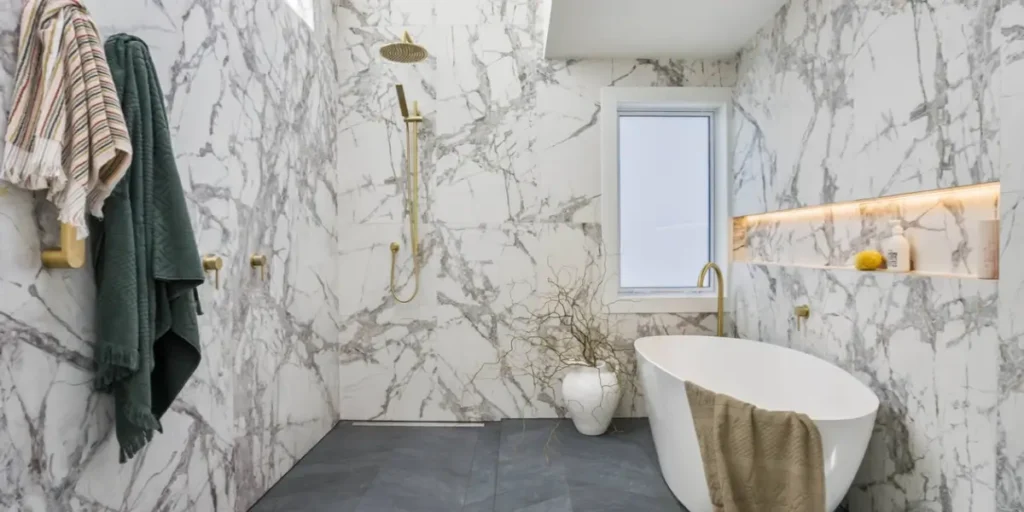
When a bathroom needs elegance, marble wall tiles instantly elevate the space. I’m drawn to natural veining because it adds movement and depth that manufactured finishes can’t replicate. Even a small marble feature wall can feel high-end.
I often use marble tiles behind vanities or inside showers to create a focal point without overwhelming the room. Lighter tones keep the bathroom airy, while darker marble adds drama when balanced with proper lighting.
Marble requires sealing, but with correct care it performs well long term. For clients seeking timeless luxury, marble wall tiles deliver both beauty and value.
3. Textured 3D Wall Tiles
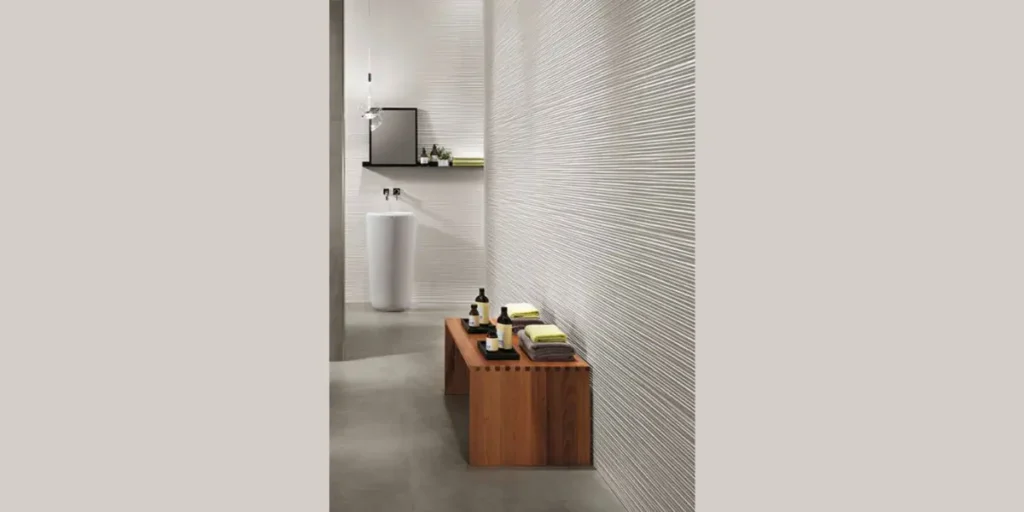
Textured 3D wall tiles help me add dimension to bathrooms that feel flat or minimal. Raised patterns catch light differently throughout the day, creating subtle shadows and movement on the wall. This adds visual interest without relying on color.
I usually apply 3D tiles to one feature wall so the texture stands out without overwhelming the space. Neutral shades work best, allowing the texture to do the work rather than loud colors.
These tiles are durable and moisture-friendly, making them practical for bathrooms. When paired with soft lighting, textured tiles transform plain walls into architectural features.
4. Large-Format Wall Tiles
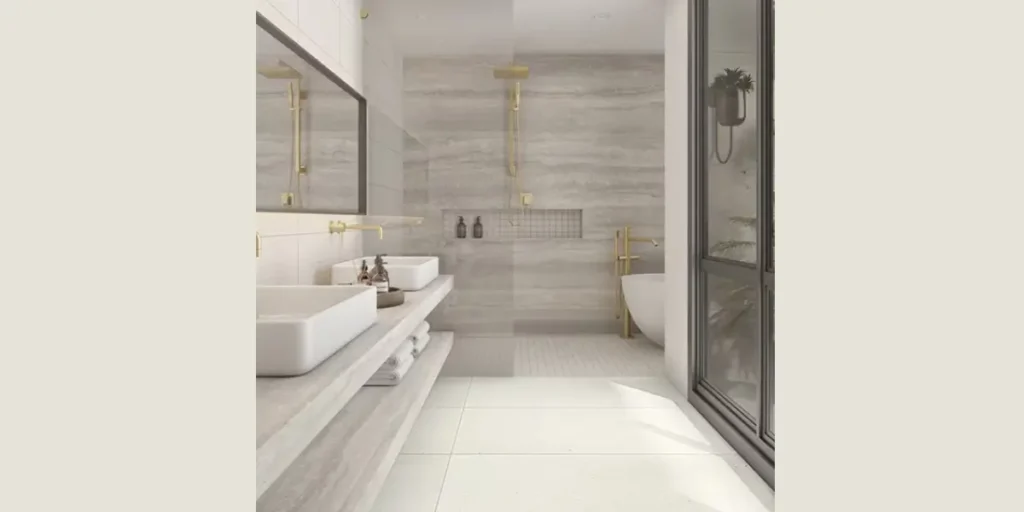
Large-format wall tiles are my go-to choice for modern bathrooms. Fewer grout lines create a clean, uninterrupted surface that feels calm and spacious. This look works especially well in small bathrooms.
I prefer using large tiles in neutral tones to enhance the seamless effect. When aligned carefully, they create a hotel-like finish that feels refined and intentional rather than busy.
Maintenance is another advantage. With less grout to clean, these tiles stay fresh with minimal effort. Large-format wall tiles combine visual simplicity with everyday practicality.
5. Hexagon Wall Tiles
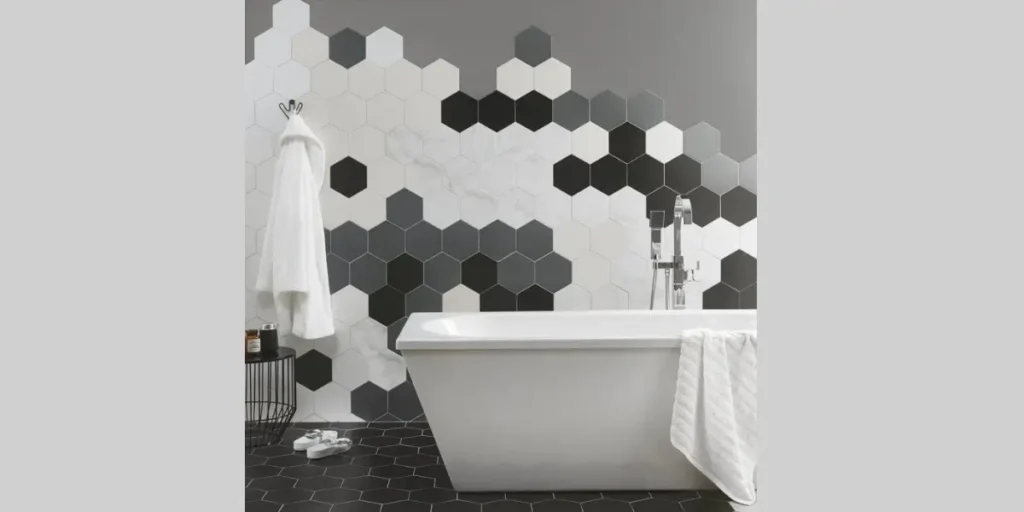
Hexagon wall tiles allow me to introduce geometry without harsh lines. Their honeycomb shape feels playful yet controlled, making them ideal for contemporary bathrooms. I often use them to add personality to feature walls.
I like mixing hex tiles with plain surfaces so the pattern doesn’t overwhelm the room. Soft color palettes feel timeless, while bold colors create a strong design statement.
Hexagon tiles are durable and moisture-resistant. With thoughtful placement, they bring structure and creativity to bathroom walls without sacrificing functionality.
6. Wood-Effect Wall Tiles
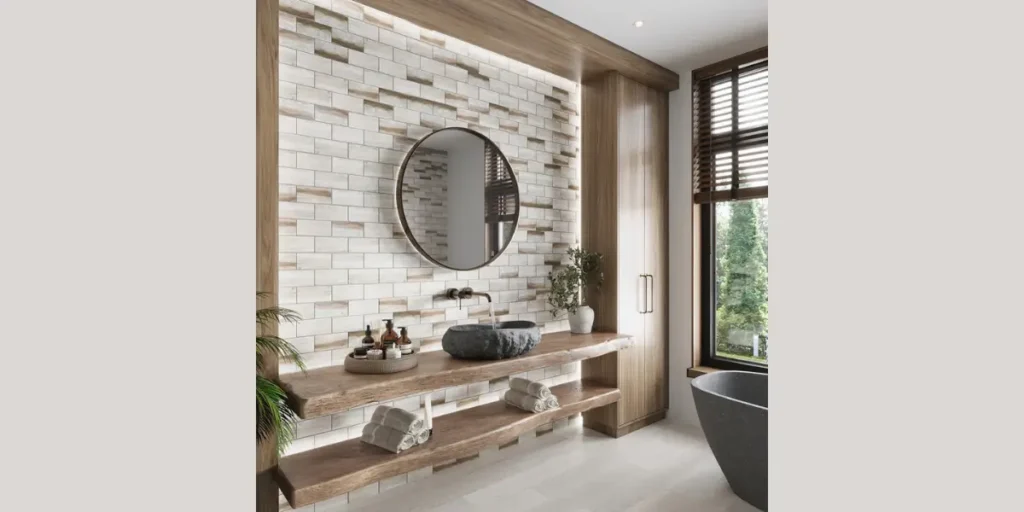
When clients want warmth without maintenance issues, I recommend wood-effect wall tiles. They replicate the texture and grain of wood while offering the durability of tile. This balance works beautifully in bathrooms.
I often use wood-look tiles to soften modern layouts or add contrast to stone surfaces. Vertical placement enhances the natural feel and visually lifts the space.
These tiles resist moisture and warping, which makes them ideal for humid environments. Wood-effect wall tiles bring comfort and character without compromising performance.
7. Moroccan / Patterned Wall Tiles
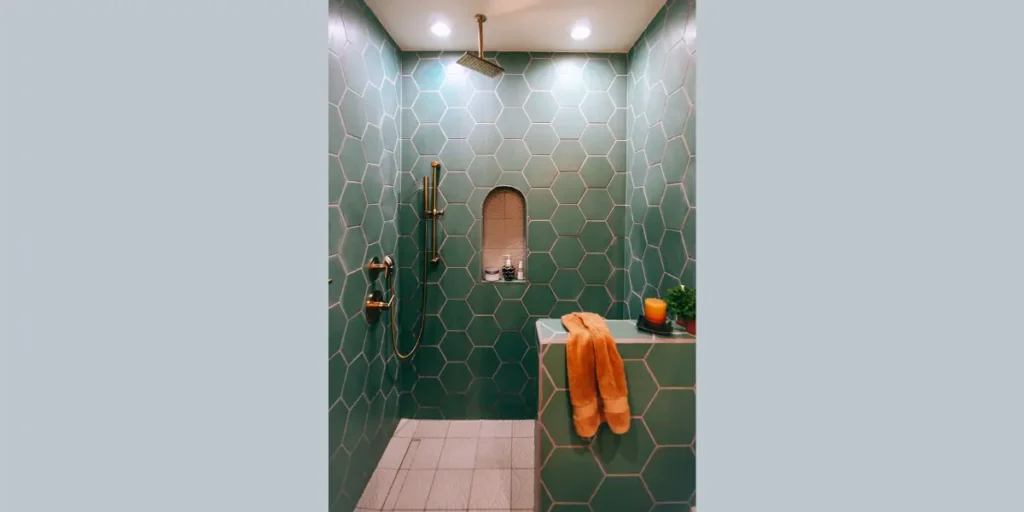
Patterned wall tiles help me introduce culture and personality into bathroom design. Moroccan-inspired motifs add rhythm and color that instantly draw the eye. Even small sections feel expressive.
I usually limit patterned tiles to a feature wall or niche. This keeps the design vibrant without overpowering the space. Neutral fixtures help balance the bold patterns.
These tiles work best when treated as artwork rather than background. With proper sealing and placement, patterned wall tiles remain durable and visually striking.
8. Matte Finish Wall Tiles
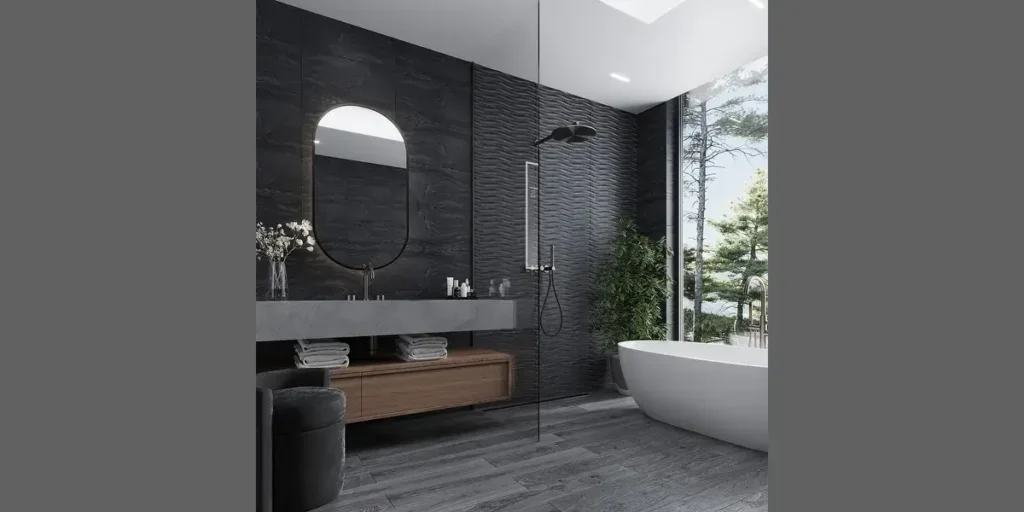
Matte wall tiles create a calm, understated look that I often use in modern bathrooms. Their low-reflection surface feels soft and sophisticated, especially under warm lighting.
I prefer matte finishes in neutral tones because they hide water spots and fingerprints better than glossy tiles. This makes the bathroom feel cleaner for longer.
Matte tiles are durable and slip-resistant, which adds to their practicality. When combined with simple layouts, they offer a refined, contemporary bathroom aesthetic.
9. Black Wall Tiles
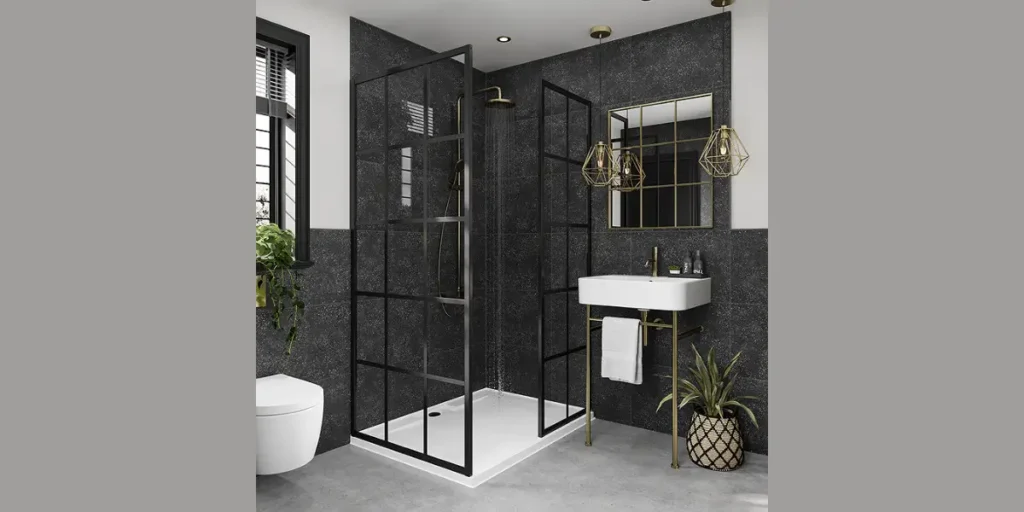
Black wall tiles help me create dramatic bathrooms with strong personality. When used correctly, they feel luxurious rather than heavy. I often pair them with brass or matte fixtures for contrast.
I usually limit black tiles to specific walls or pair them with lighter surfaces. Good lighting is essential to maintain balance and avoid a closed-in feel.
Modern black tiles are easy to maintain and moisture-resistant. With thoughtful styling, they deliver depth, elegance, and a striking visual impact.
10. Vertical Stacked Wall Tiles
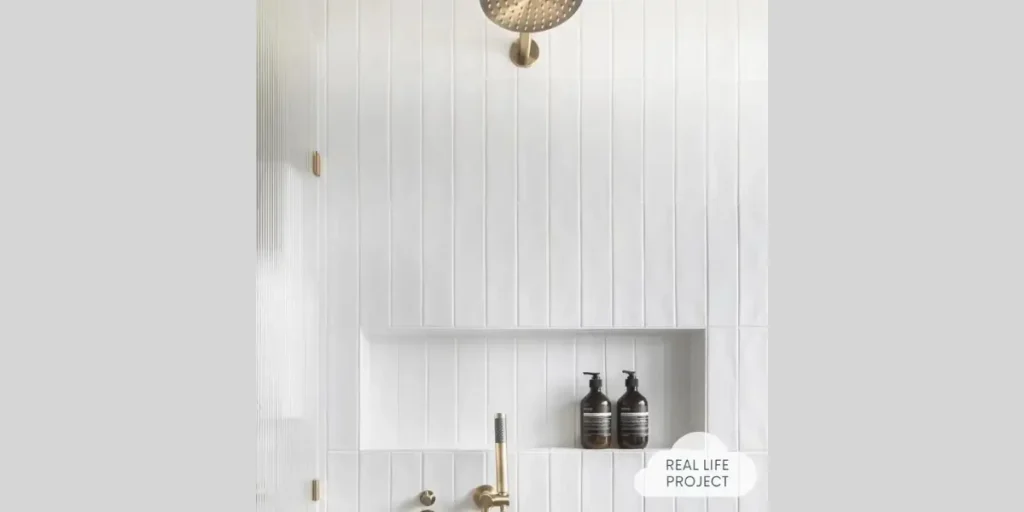
Vertical stacked wall tiles are a simple trick I use to make bathrooms feel taller. By directing the eye upward, this layout visually increases ceiling height and openness.
I prefer slim rectangular tiles for this pattern. Light colors amplify the effect, while darker tones add drama in well-lit spaces.
This layout works well in small bathrooms and shower walls. Vertical stacking adds modern structure while maintaining a clean and organized appearance.
11. Mosaic Wall Tiles
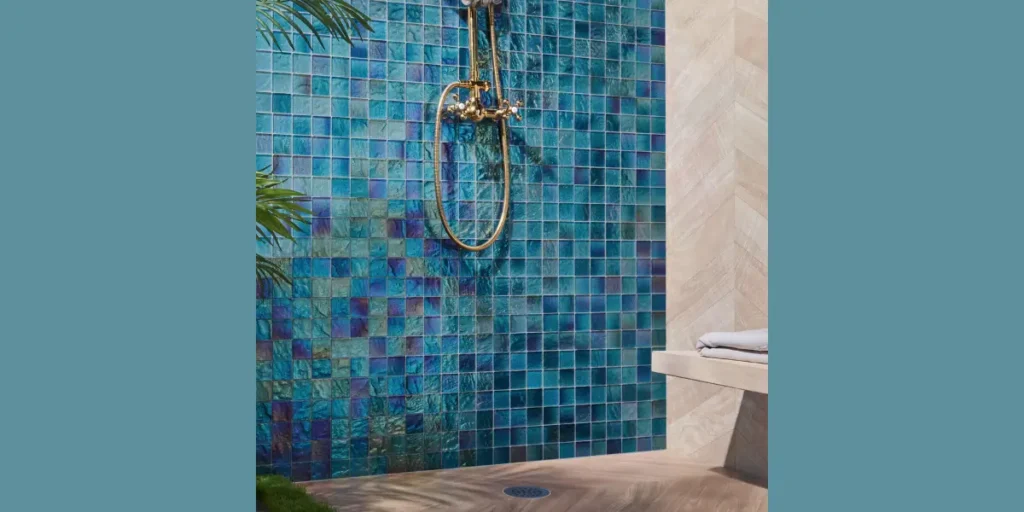
Mosaic wall tiles allow me to introduce fine detail and texture into bathroom design. Their small size creates intricate surfaces that catch light beautifully. I often use them for accents.
I apply mosaics in showers, niches, or behind vanities. This controlled placement keeps the design balanced while adding visual richness.
Mosaic tiles are highly durable and moisture-resistant. When used thoughtfully, they enhance bathrooms with texture, depth, and refined craftsmanship.
How Bathroom Wall Tile Layout Changes the Look of Space
When I plan a bathroom, tile layout is just as important as the tile itself. Horizontal layouts make walls feel wider, which works well in narrow bathrooms.
Vertical layouts draw the eye upward and help low ceilings feel taller and more open. Stacked patterns create a clean, modern look, while offset layouts feel more traditional and relaxed.
I also pay close attention to grout alignment because clean lines strengthen the overall design. With the right layout, even simple tiles can completely change how spacious and balanced a bathroom feels.
FAQs
For small bathrooms, I usually recommend vertical or large-format tile layouts. Vertical tiles visually increase height, while large tiles reduce grout lines and visual clutter. Both options help the space feel more open.
Yes, large wall tiles work very well in bathrooms when installed correctly. I prefer them because they create a seamless look and are easier to maintain. They also make bathrooms feel cleaner and more modern.
Patterned tiles can make a bathroom feel smaller if overused. I usually limit them to one feature wall or niche. This keeps the design interesting without overwhelming the space.
Both finishes work, but I choose based on lighting and maintenance. Matte tiles feel soft and hide water marks, while glossy tiles reflect light and brighten darker bathrooms. Each serves a different purpose.
Related Post
- 8 Best Outdoor Christmas Lights Ideas
- Top 8 Office Christmas Decorations Ideas
- Top 8 Christmas Bedroom Decor Ideas
- Top 10 Best Bathroom Tile Ideas
- Top 10 Best Bathroom Floating Shelves Ideas
- Top 12 Bathroom Shelf Ideas
Conclusion
Bathroom wall tiles form the foundation of both style and durability in a well-designed bathroom.
From my experience, the most successful spaces are created when tile material, layout, and finish work together rather than competing for attention.
The right wall tiles can visually expand a small bathroom, add warmth to a modern layout, or introduce subtle luxury without excess.
When you focus on proportion, placement, and long-term performance, wall tiles become more than a surface they become a design tool that shapes how the entire space feels and functions for years to come.