
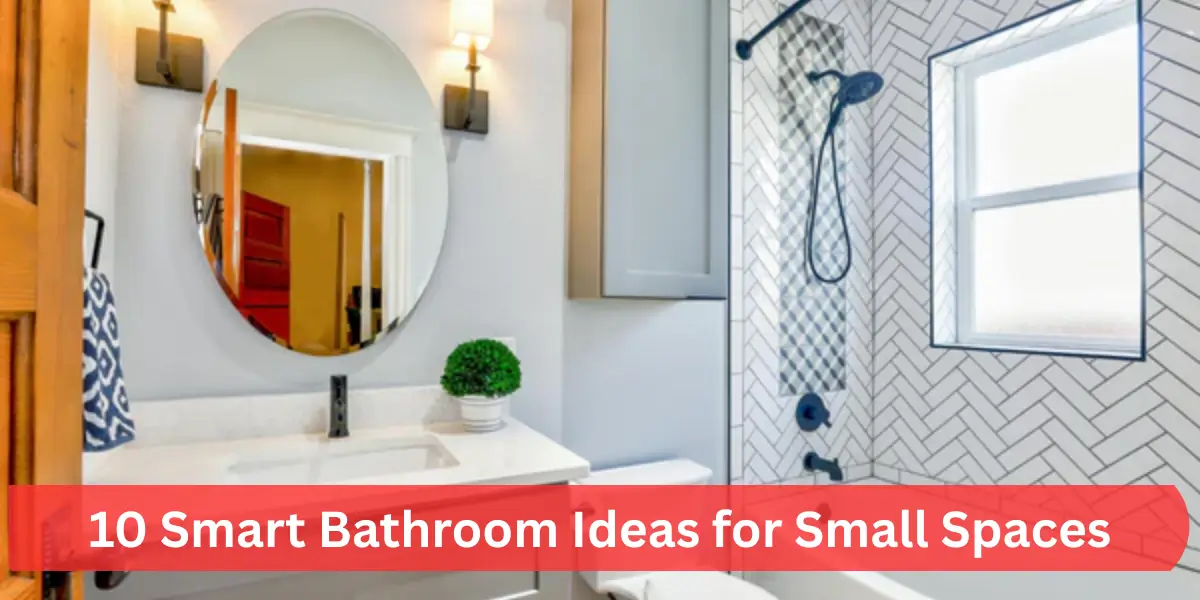

Bathroom ideas for small spaces require more than just good looks, they demand smart planning and intentional design. When I work with compact bathrooms, I focus on solutions that improve movement, storage, and visual openness without overwhelming the room.
Limited square footage doesn’t mean you have to sacrifice comfort or style. With the right layout choices, lighting strategies, and space-saving fixtures, even the smallest bathroom can feel efficient and inviting.
In this article, I’ll share practical and well-researched bathroom ideas for small spaces based on real design experience, helping you make the most of every inch while keeping the space modern, functional, and visually balanced.
1. Floating Vanity to Open Up Floor Space
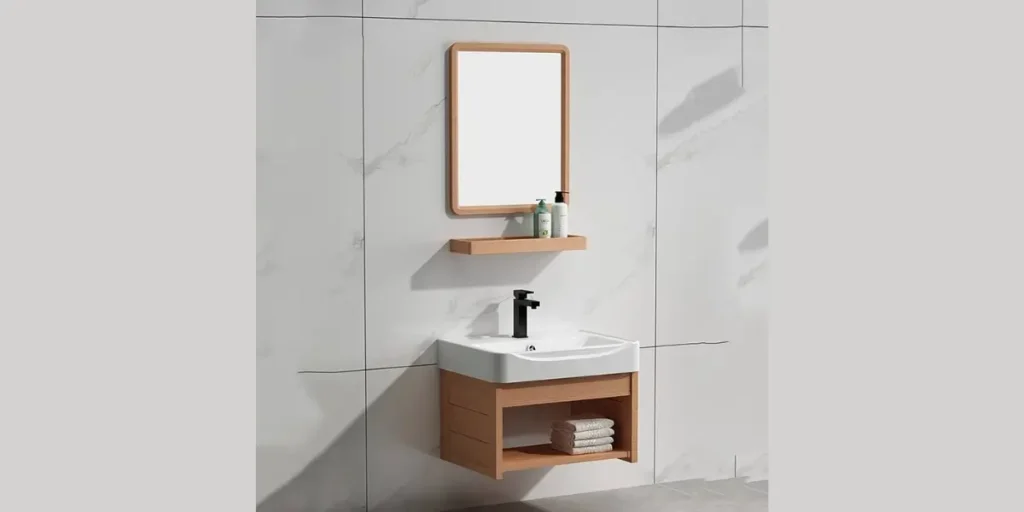
When I design a small bathroom, a floating vanity is one of my go-to solutions. By mounting the vanity on the wall, the floor remains visible, which instantly makes the room feel larger and less cramped. This visual openness matters a lot in tight spaces.
I usually choose slim-profile floating vanities with built-in drawers. They provide enough storage without adding bulk. Clean lines and handle-less designs keep the look light and modern.
From a practical point of view, floating vanities also make cleaning easier. With proper installation, they stay sturdy while improving both function and visual balance.
2. Walk-In Shower for a Seamless Layout
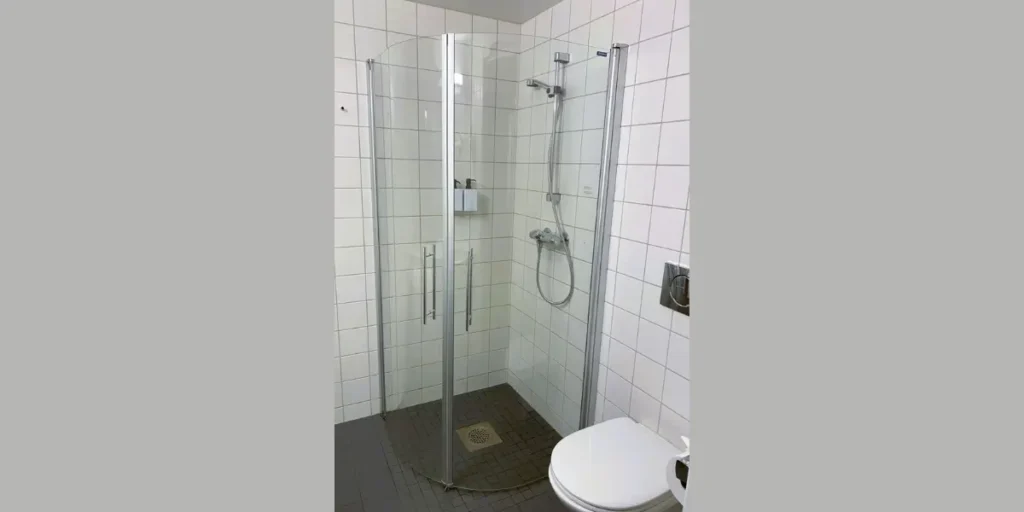
In small bathrooms, bulky tubs or framed showers often break the flow. I prefer walk-in showers with clear glass panels because they remove visual barriers and create continuity across the space.
Frameless glass allows the eye to travel freely, making the bathroom feel more open. I also keep shower flooring consistent with the rest of the bathroom to avoid visual breaks.
A walk-in shower improves both comfort and aesthetics. With smart drainage and proper waterproofing, it delivers a modern look without sacrificing daily usability.
3. Light Color Palette to Expand the Space
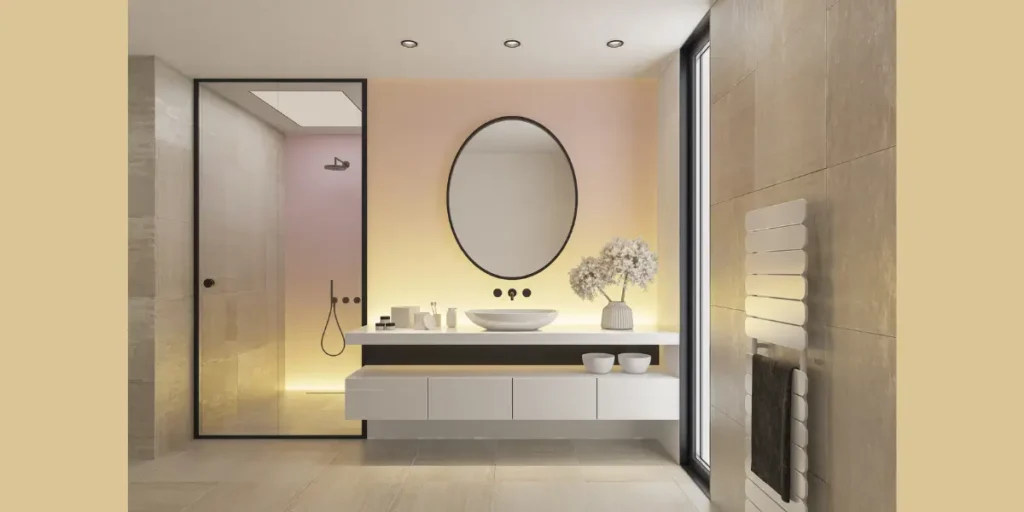
Color choice plays a major role in how small bathrooms feel. I often recommend light and neutral tones because they reflect light and make the room appear more spacious.
White, soft beige, and light gray work especially well on walls and tiles. I sometimes add subtle contrast through accessories to avoid a flat look.
Light colors help small bathrooms feel calm and breathable. When paired with good lighting, they prevent the space from feeling closed in or heavy.
4. Large Mirror to Create Depth
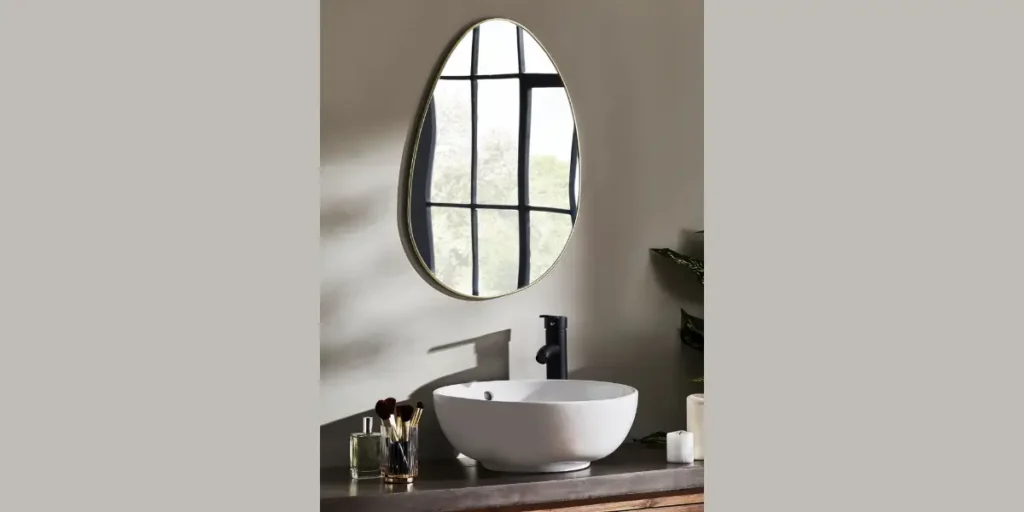
When space is limited, I use mirrors strategically to add depth. A large mirror reflects both natural and artificial light, instantly making a small bathroom feel bigger.
I usually place mirrors above the vanity or extend them across the wall. This trick visually doubles the space without any structural changes.
Beyond aesthetics, mirrors improve functionality during daily routines. A well-sized mirror enhances brightness while keeping the bathroom feeling open and balanced.
5. Vertical Storage to Use Wall Height
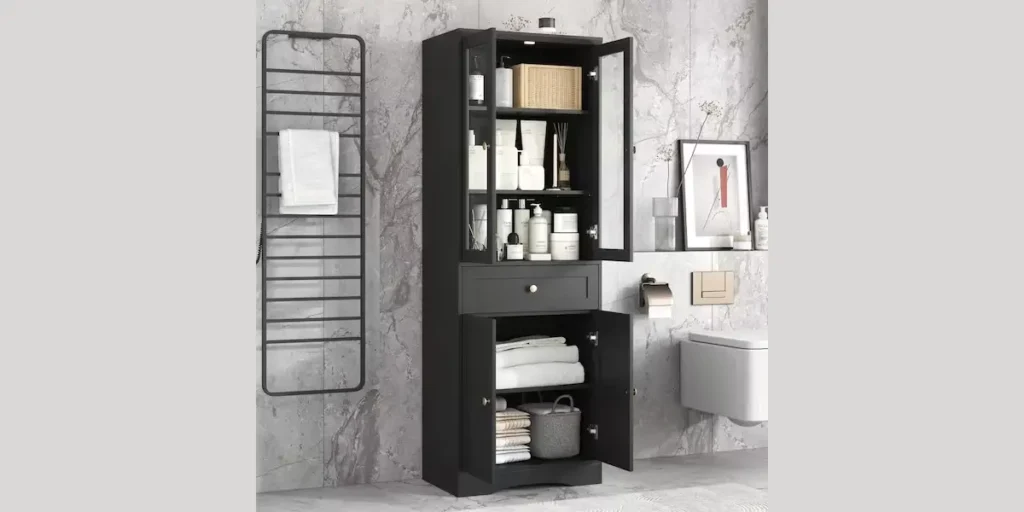
In small bathrooms, I always look upward. Vertical storage allows me to add shelves or tall cabinets without taking up valuable floor space.
I focus on slim cabinets and open shelves placed above toilets or near vanities. This keeps essentials accessible while maintaining clear movement areas.
Vertical storage works because it organizes clutter efficiently. When everything has a defined place, the bathroom feels larger, cleaner, and easier to manage.
6. Corner Sink or Vanity for Tight Layouts
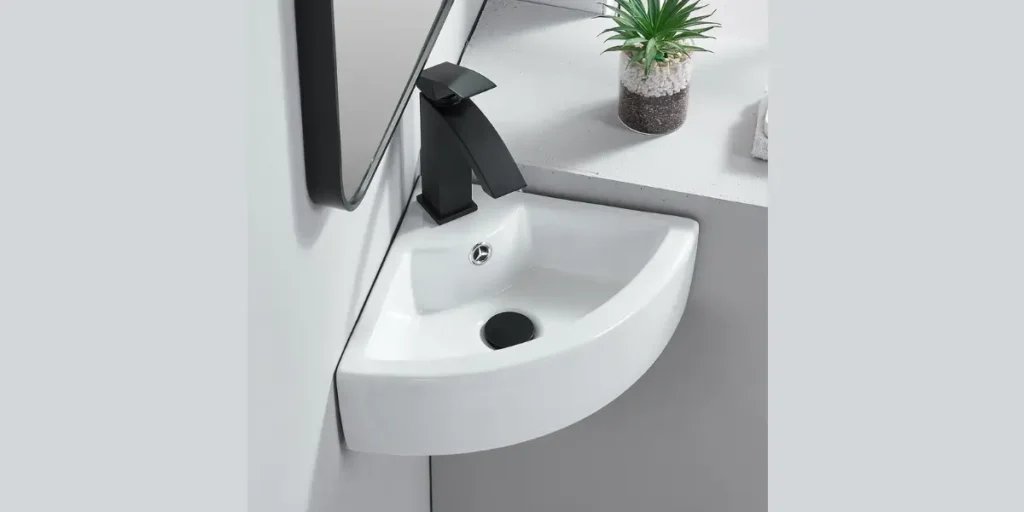
Corners often go unused in small bathrooms, so I turn them into functional zones. A corner sink or vanity fits neatly without blocking movement.
I select compact designs with rounded edges to maintain comfort. These fixtures work especially well in powder rooms or narrow layouts.
Corner solutions improve flow while preserving essential features. They make the bathroom feel thoughtfully designed rather than squeezed together.
7. Sliding or Pocket Door to Save Space
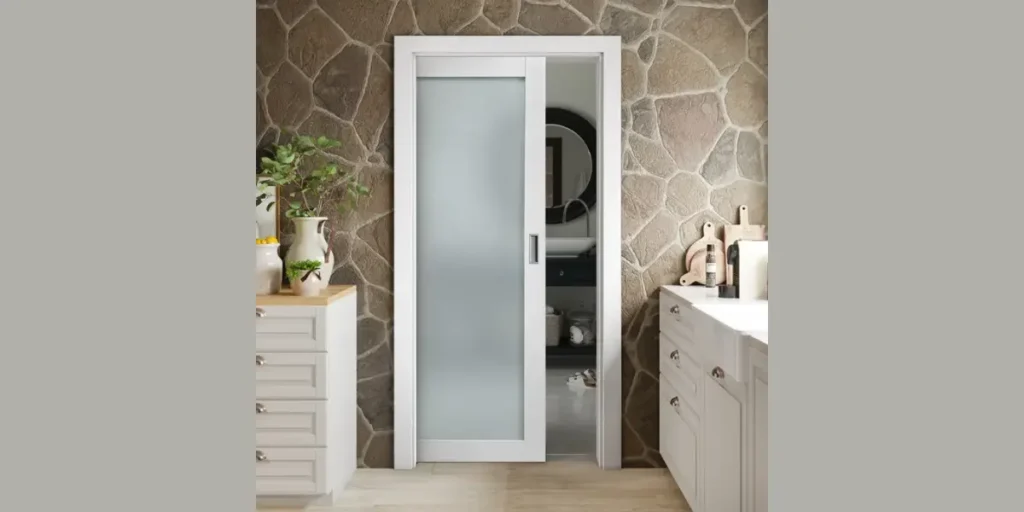
Traditional swing doors take up more room than most people realize. In small bathrooms, I often recommend sliding or pocket doors to free up usable space.
By eliminating door swing, you gain more flexibility in layout and fixture placement. This small change can dramatically improve movement.
Sliding doors also add a modern touch. They solve a practical problem while keeping the bathroom functional and visually clean.
8. Minimal Accessories to Avoid Visual Clutter
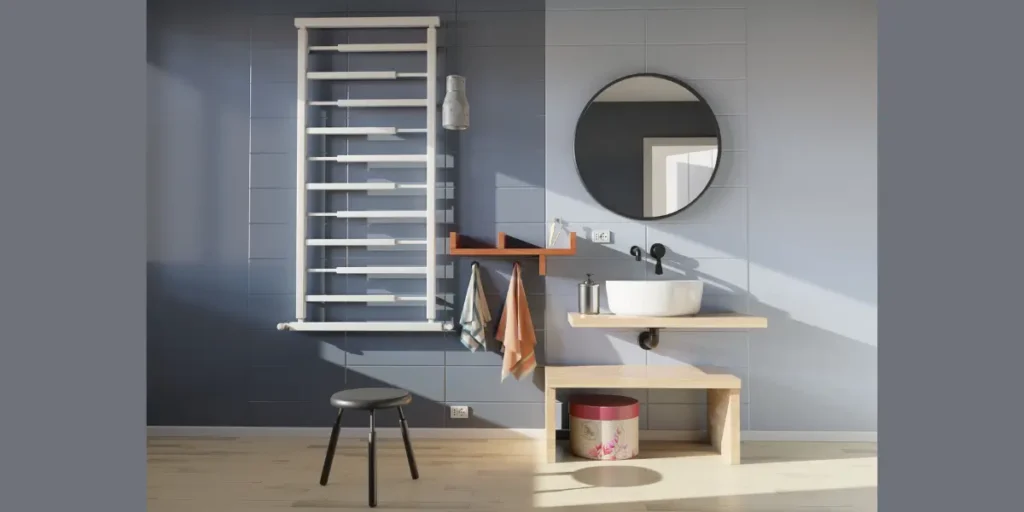
In compact bathrooms, less truly works better. I limit accessories to only what is essential to prevent visual overload.
I choose wall-mounted holders and keep countertops mostly clear. This creates breathing room and keeps the design intentional.
Minimal accessories make small bathrooms feel organized and calm. When surfaces stay uncluttered, the space feels more open and manageable.
9. Wall-Mounted Toilet for a Cleaner Look
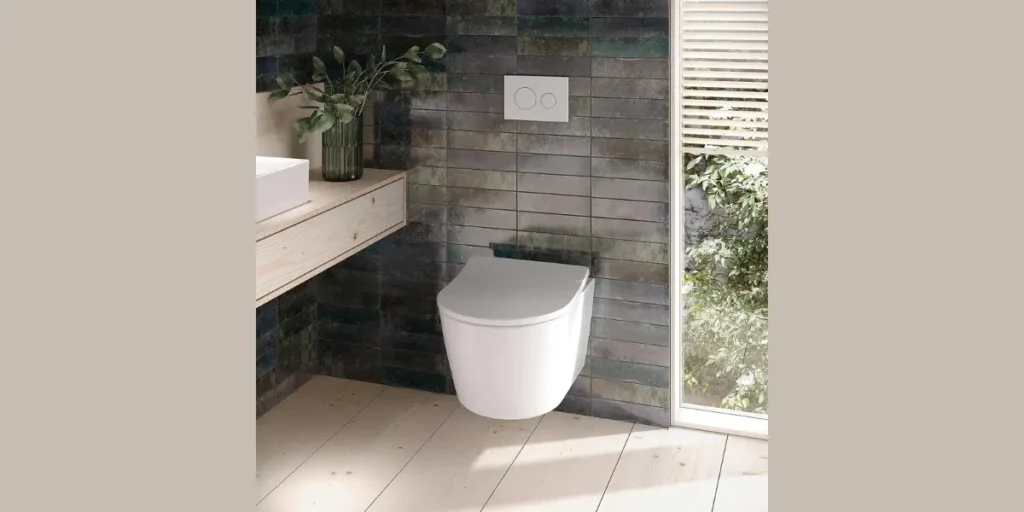
Wall-mounted toilets help free up floor space and simplify cleaning. I often use them in modern small bathrooms to reduce visual bulk.
By concealing the tank inside the wall, the bathroom looks sleeker and more streamlined. This design choice also improves hygiene.
Wall-mounted toilets enhance both aesthetics and function. They make the room feel lighter and more contemporary without reducing comfort.
10. Glass and Reflective Surfaces for Visual Expansion
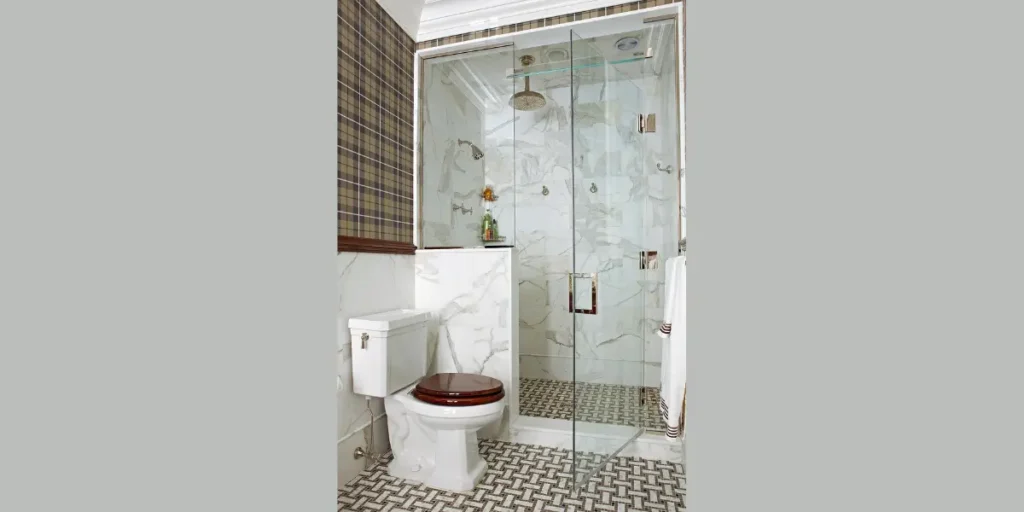
I rely on glass and reflective finishes to amplify light in small bathrooms. Glossy tiles, glass partitions, and polished surfaces help bounce light around the room.
These materials prevent the bathroom from feeling boxed in. I use them carefully to avoid glare while maintaining brightness.
Reflective surfaces work because they trick the eye into perceiving more space. When used thoughtfully, they make even the smallest bathroom feel open and inviting.
How to Maximize Space in a Small Bathroom Without Renovation
When I work with small bathrooms, I always look for ways to improve space without structural changes. Smart layout decisions, visual tricks, and space-saving fixtures can deliver noticeable results on a limited budget.
I focus on opening sightlines, reducing clutter, and improving storage placement rather than moving walls. Simple changes like mirrors, lighting, and wall-mounted elements often make the biggest difference.
With thoughtful planning, a small bathroom can feel more open, comfortable, and efficient without the cost or disruption of a full renovation.
FAQs
In my experience, the best layout keeps fixtures close to walls and maintains clear movement paths. Floating vanities and walk-in showers work especially well. A simple, uncluttered layout helps the bathroom feel more open and functional.
Absolutely, small bathrooms can look very stylish with the right design choices. I focus on clean lines, minimal accessories, and modern finishes. When everything feels intentional, size becomes less noticeable.
Compact fixtures like wall-mounted toilets, corner sinks, and slim vanities perform best in small bathrooms. They save space without reducing comfort. Choosing the right scale is more important than choosing trendy designs.
Good lighting makes a small bathroom feel brighter and more spacious. I often use layered lighting with mirrors and soft ceiling lights. Proper lighting reduces shadows and prevents the space from feeling tight or enclosed.
Related Post
- Top 12 Bathroom Makeover Ideas
- 10 Best Bathroom Accessories Ideas
- 12 Popular Bathroom Mirror Ideas
- Top 10 Bathroom Tile Colors Ideas
- 9 Small Bathroom Tile Design Ideas
Conclusion
Designing a bathroom for a small space is all about making intentional choices that serve both function and comfort.
From my experience, the most successful small bathrooms focus on smart layouts, light-enhancing elements, and clutter-free organization rather than unnecessary additions.
When every fixture and surface has a clear purpose, the room feels balanced instead of cramped. With thoughtful planning and the right design strategies, even the smallest bathroom can feel efficient, stylish, and welcoming.
A well-designed small bathroom proves that limited space does not limit good design, it simply requires smarter decisions.