
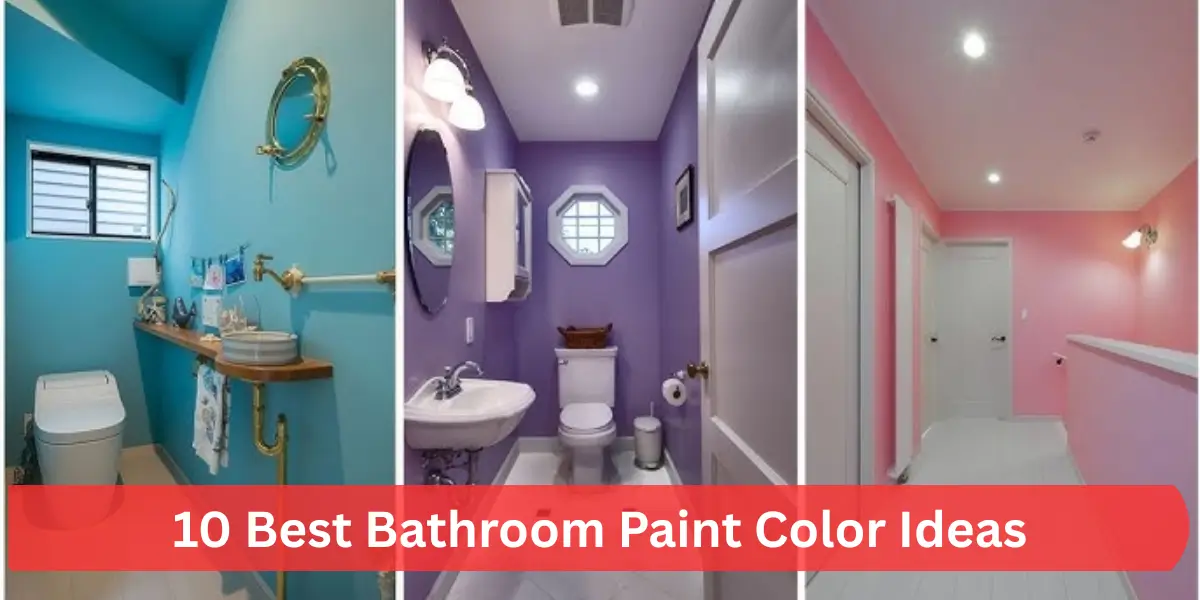

Bathroom paint color ideas play a crucial role in shaping how a bathroom looks, feels, and functions every day. When I plan a bathroom update, paint is always one of the first elements I consider because the right color can instantly improve light, mood, and visual balance.
A well-chosen shade can make a small bathroom feel open or add depth and character to a larger one. From calm neutrals to bold statement colors, paint offers flexibility without major renovation.
In this article, I’ll share carefully selected bathroom paint color ideas based on real design experience, lighting behavior, and long-term practicality, so you can choose confidently and avoid costly mistakes.
1. Soft White Bathroom Paint
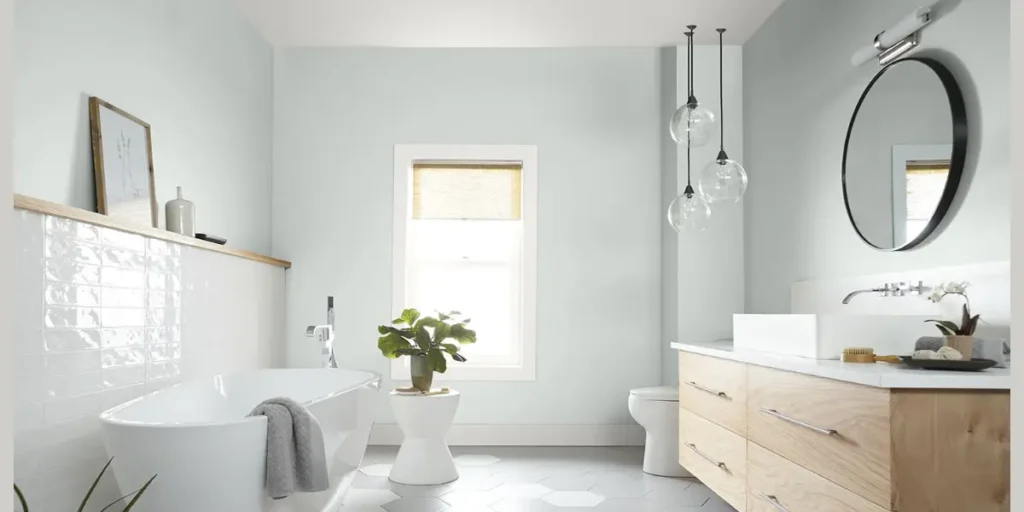
When I want a bathroom to feel instantly fresh, I often choose soft white paint. This shade reflects light beautifully and helps small bathrooms appear larger and more open. Unlike harsh bright white, soft white feels warmer and more welcoming.
I like using soft white in bathrooms with limited natural light because it brightens the space without looking flat. It also works well with almost every fixture finish, from chrome to matte black.
Soft white paint creates a calm base that never feels outdated. It allows tiles, vanities, and accessories to stand out while keeping the bathroom light, balanced, and easy to maintain over time.
2. Light Gray Bathroom Paint
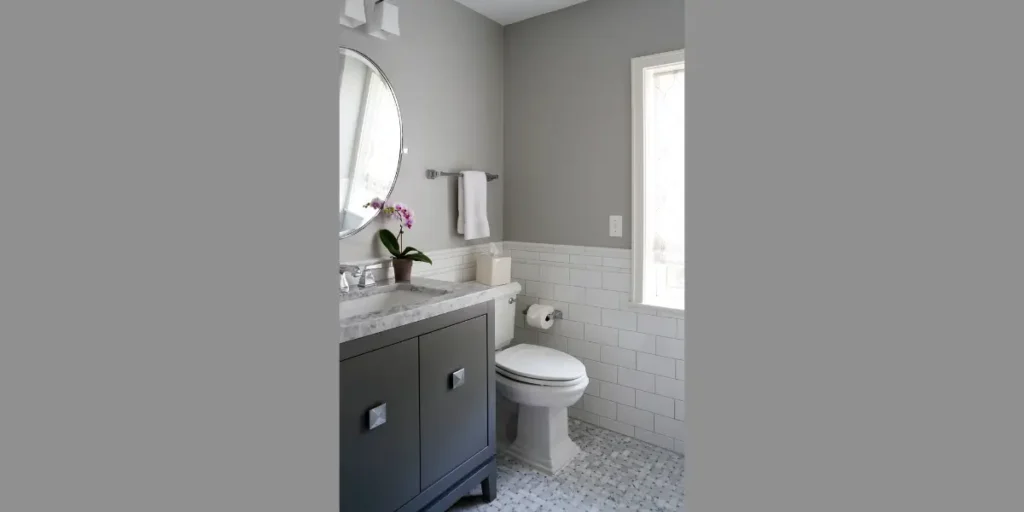
Light gray is one of my go-to bathroom paint colors when I want a modern yet neutral look. It adds subtle depth without overpowering the space. This shade works especially well in contemporary bathrooms.
I often pair light gray walls with white tiles or darker fixtures for contrast. The color adapts easily to both warm and cool lighting, which makes it versatile for different layouts.
Light gray feels sophisticated without being cold. It hides minor wear better than white and keeps the bathroom looking polished, making it a practical and stylish long-term choice.
3. Beige and Warm Neutral Paint
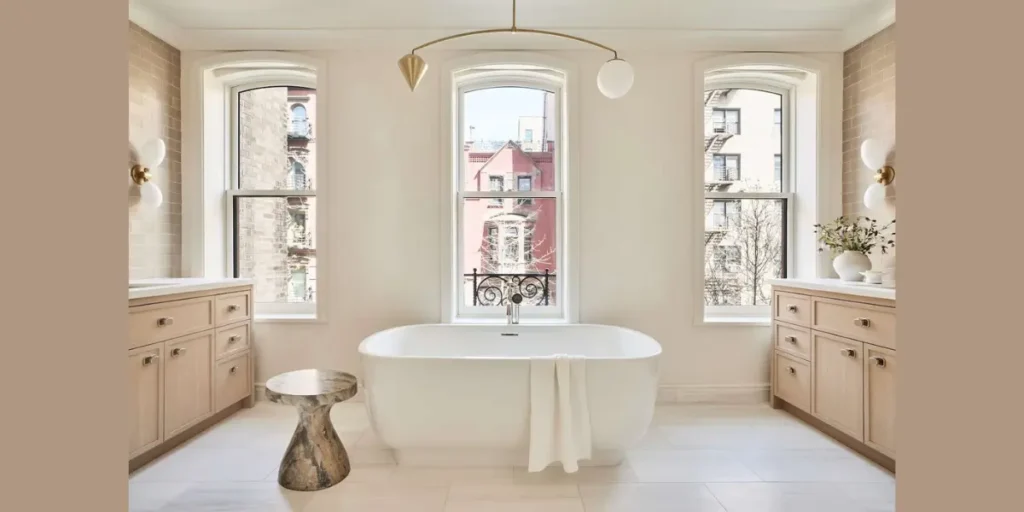
When comfort matters most, I recommend beige or warm neutral bathroom paint. These tones create a soft and welcoming atmosphere that feels relaxed rather than clinical.
I use warm neutrals in bathrooms that connect to bedrooms or living spaces because they blend smoothly with the rest of the home. They also pair beautifully with wood accents and stone finishes.
Beige tones age gracefully and resist trends. They provide warmth, balance, and flexibility, making them ideal for homeowners who want a timeless bathroom without frequent updates.
4. Soft Blue Bathroom Paint
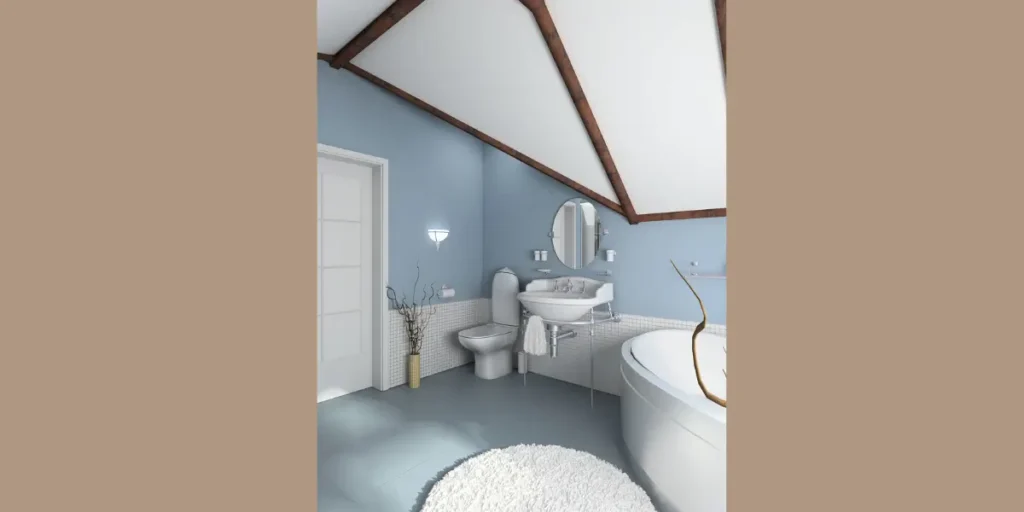
Soft blue bathroom paint helps create a peaceful and spa-like environment. I often use it in bathrooms meant for relaxation because it naturally feels soothing and fresh.
This shade works best when kept light and airy. I pair it with white fixtures and natural textures to avoid making the space feel cold or overly themed.
Soft blue paint enhances brightness while maintaining a sense of calm. It is especially effective in bathrooms where stress relief and comfort are a priority.
5. Sage Green Bathroom Paint
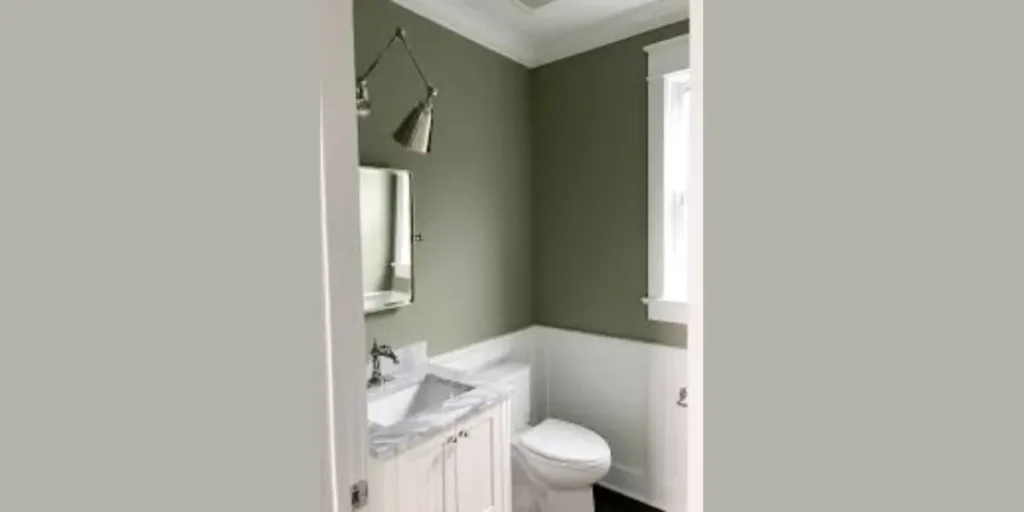
Sage green has become one of my favorite bathroom paint colors because it feels both modern and grounding. This muted green brings a natural element into the space without feeling heavy.
I often combine sage green walls with white tiles and wooden details. This creates a balanced look that feels organic and timeless rather than trendy.
Sage green works well in bathrooms that aim for a relaxed, nature-inspired feel. It offers visual interest while remaining easy on the eyes for daily use.
6. Charcoal Gray Bathroom Paint
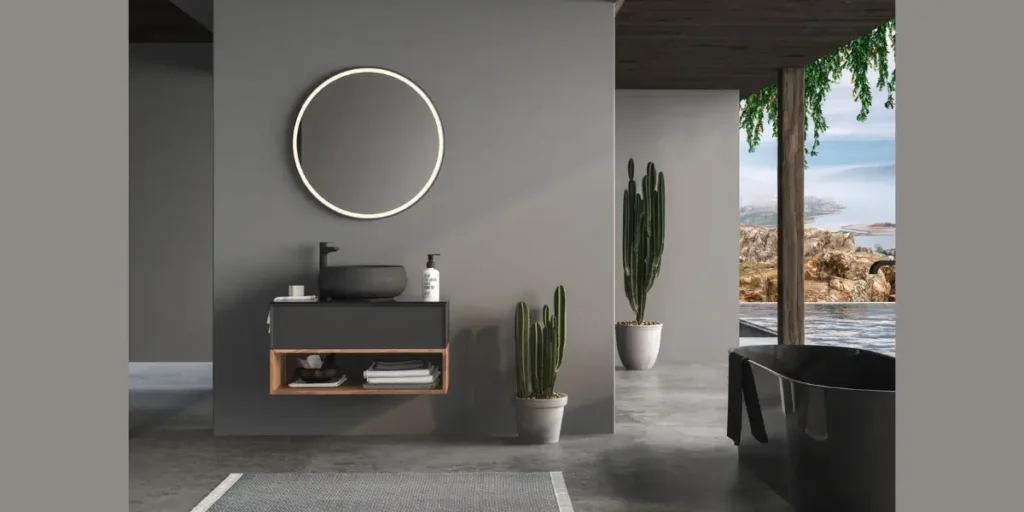
Charcoal gray paint adds drama and depth when used thoughtfully. I prefer this color in larger bathrooms or as an accent to avoid making the space feel closed in.
I balance charcoal walls with lighter tiles and strong lighting. This contrast keeps the bathroom feeling refined rather than dark or heavy.
Charcoal gray delivers a modern, upscale look. When applied correctly, it creates a confident design statement that feels intentional and elegant.
7. Blush Pink Bathroom Paint
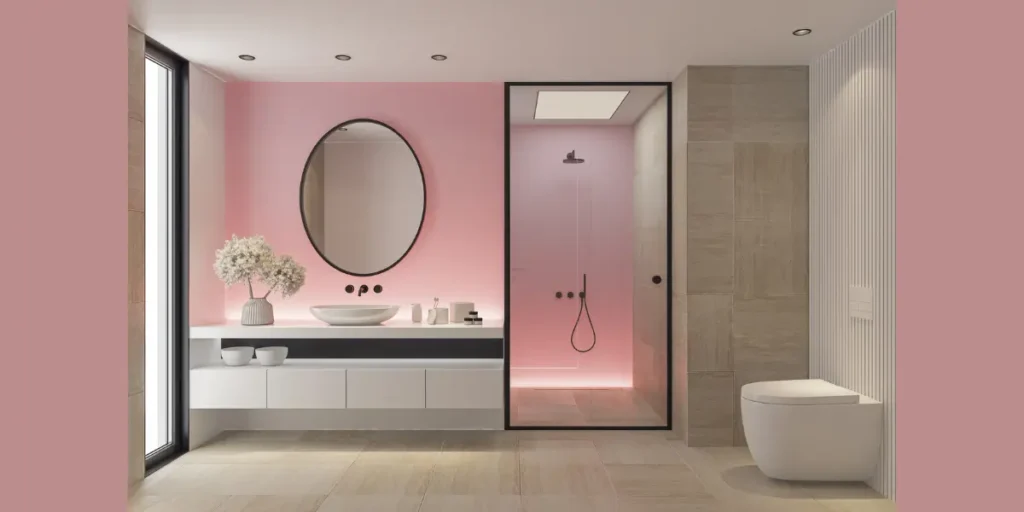
Blush pink brings subtle warmth and softness into a bathroom without feeling overly decorative. I use this color when clients want something different but still refined.
I pair blush pink with neutral fixtures and simple lines to maintain balance. The result feels modern, not playful, and surprisingly versatile.
Blush pink paint softens the bathroom environment and adds personality. It works well in both small and medium bathrooms when styled thoughtfully.
8. Navy Blue Bathroom Paint
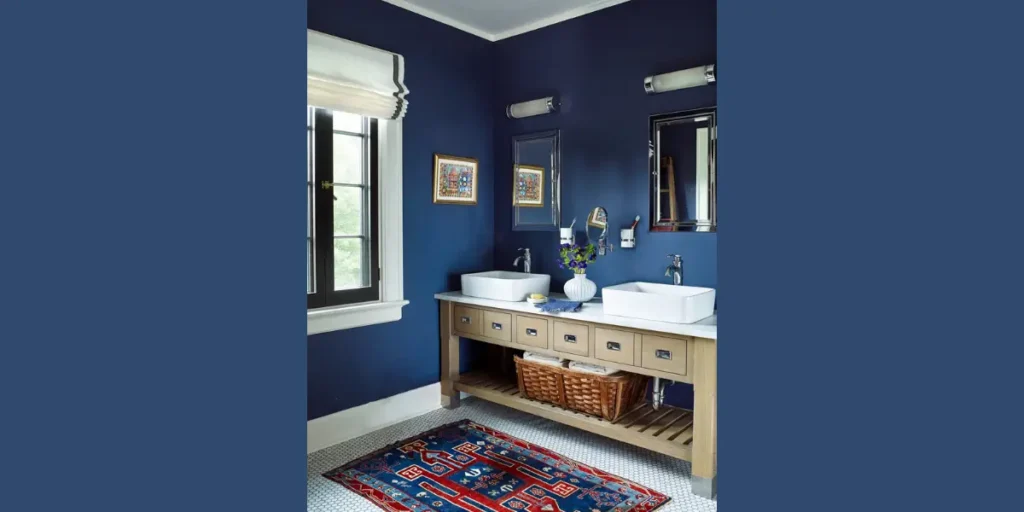
Navy blue creates a strong visual impact and adds depth to bathroom walls. I use it when aiming for a luxurious and confident look.
I always combine navy blue with lighter elements like white tiles or countertops. This prevents the space from feeling too dark while highlighting the richness of the color.
Navy blue works best in bathrooms with good lighting. It transforms the space into a bold yet elegant setting that feels intentional and high-end.
9. Earthy Taupe Bathroom Paint
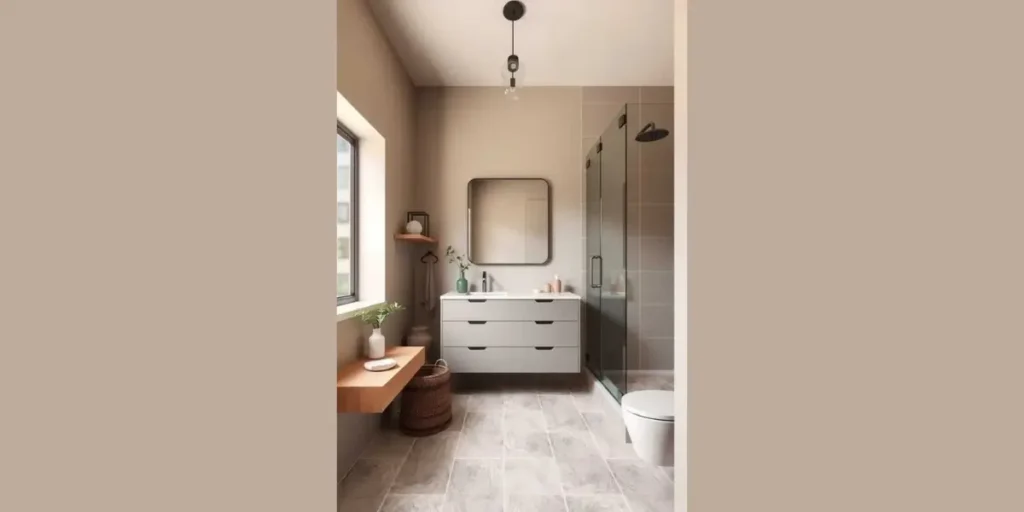
Taupe is a balanced blend of gray and beige, which makes it incredibly versatile. I often use it when homeowners want warmth without leaning too yellow or too cool.
This color adapts well to different lighting conditions and pairs easily with stone, tile, and wood. It keeps the bathroom feeling grounded and natural.
Earthy taupe offers long-term flexibility. It feels calm, mature, and polished, making it a reliable choice for bathrooms used daily.
10. Two-Tone Bathroom Paint
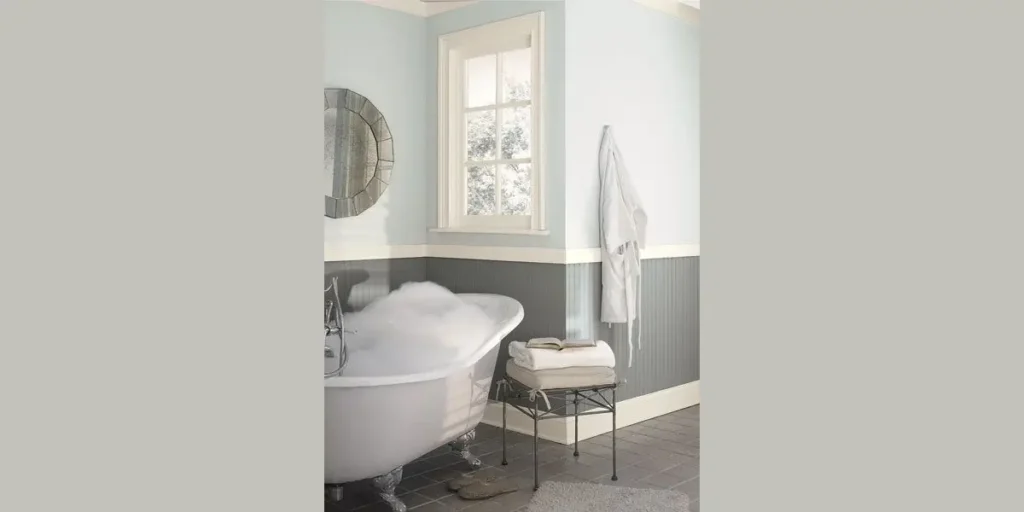
Two-tone bathroom paint adds structure and personality without overwhelming the space. I typically use a lighter shade on top and a deeper tone below.
This technique helps define walls and can visually balance proportions in small bathrooms. It also protects lower walls from wear and moisture.
Two-tone paint works because it adds interest while remaining controlled. When chosen carefully, it enhances the bathroom’s design and makes the space feel thoughtfully styled.
How to Choose the Right Paint Color for Your Bathroom Lighting
When I choose a bathroom paint color, lighting is always my first consideration. Natural light can soften colors, while artificial lighting can change how shades appear on the walls.
I test colors under both daylight and evening lighting to avoid surprises. Lighter shades work better in low-light bathrooms, while darker tones need strong, balanced lighting.
Understanding how light interacts with color helps ensure the bathroom looks consistent, comfortable, and visually pleasing throughout the day.
FAQs
For small bathrooms, I usually recommend light colors like soft white, light gray, or pale blue. These shades reflect light and make the space feel more open. Dark colors can work, but only with strong lighting and limited use.
Yes, dark paint colors can work well when used carefully. I prefer them in larger bathrooms or as accent walls. Proper lighting and contrast with lighter elements prevent the space from feeling closed in.
In my experience, satin or semi-gloss finishes perform best in bathrooms. They resist moisture and clean easily. Matte finishes can work, but only in low-humidity bathrooms with good ventilation.
Most bathroom walls need repainting every three to five years. High humidity and frequent cleaning can wear down paint faster. Quality paint and proper ventilation help extend the lifespan.
Related Post
- 10 Smart Bathroom Ideas for Small Spaces
- Top 12 Bathroom Makeover Ideas
- 10 Best Bathroom Accessories Ideas
- 12 Popular Bathroom Mirror Ideas
- Top 10 Bathroom Tile Colors Ideas
- 9 Small Bathroom Tile Design Ideas
Conclusion
Choosing the right bathroom paint color is one of the simplest yet most powerful ways to transform the space.
From my experience, the best results come from understanding how color interacts with light, size, and daily use rather than following trends blindly.
A thoughtful shade can make a bathroom feel brighter, calmer, or more refined without changing layouts or fixtures. When paint choices align with lighting conditions and personal comfort, the bathroom becomes more enjoyable and visually balanced.
By selecting colors with intention and practicality in mind, you create a space that feels fresh, functional, and timeless for years to come.