
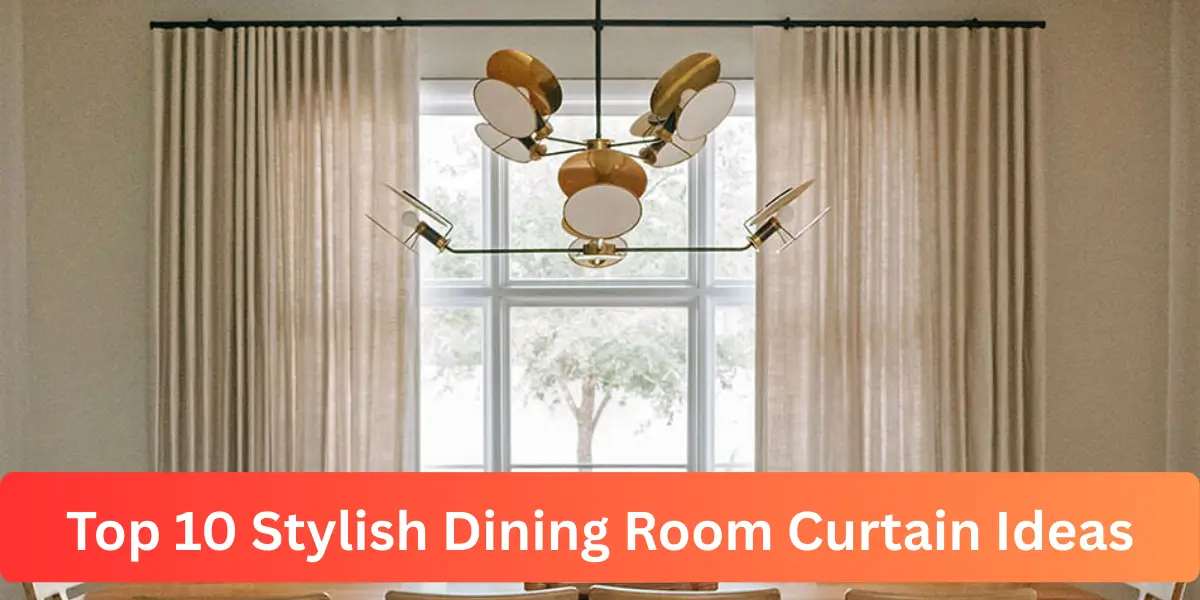

Dining room curtain ideas often determine whether a space feels polished or incomplete.
I have noticed that the right window treatment can instantly soften harsh light, frame the room beautifully, and add a layer of sophistication that furniture alone cannot achieve.
Curtains influence privacy, mood, and even how tall the ceilings appear. Instead of choosing fabric based only on color, I focus on length, texture, and how the material interacts with natural light.
When selected thoughtfully, curtains transform the dining area into a refined and inviting setting for everyday meals and special gatherings.
Why Curtains Play a Key Role in Dining Room Design
Curtains do far more than cover a window. I use them to control light, frame architectural details, and introduce softness into a structured space. The right fabric and length can visually raise ceilings and balance large walls.
When I design a dining room, I always consider how curtains interact with wall color, flooring, and furniture finishes. A thoughtful choice strengthens the overall composition and enhances the atmosphere throughout the day.
1. Floor to Ceiling Linen Curtains
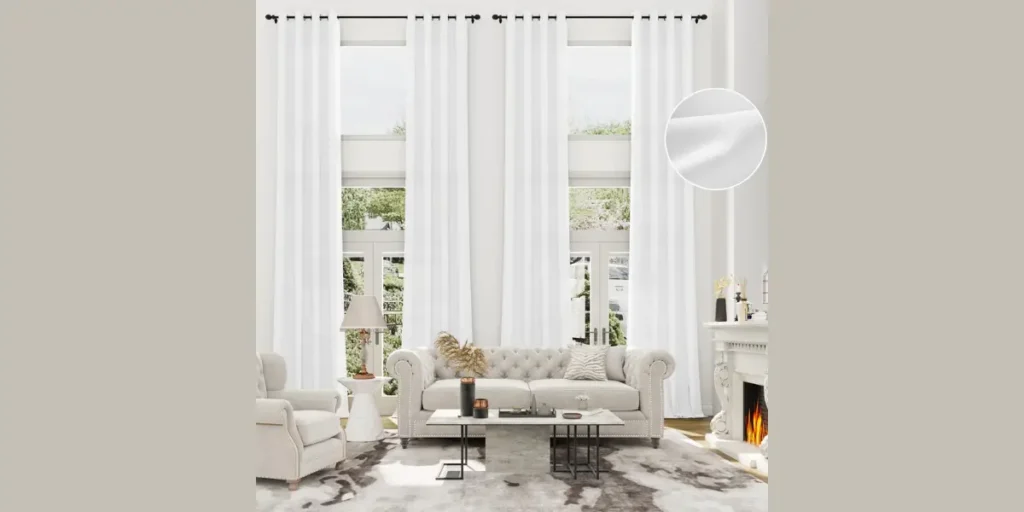
Floor to ceiling linen curtains create effortless elegance. I prefer mounting curtain rods higher than the window frame to draw the eye upward and make ceilings appear taller. This simple adjustment changes the entire perception of the room.
Linen allows natural light to filter gently without blocking it completely. The soft texture adds warmth while maintaining an airy feel. I often choose neutral tones for flexibility.
These curtains work beautifully in both modern and transitional interiors. They provide structure while keeping the dining space relaxed and inviting.
2. Sheer White Drapes for an Open Feel
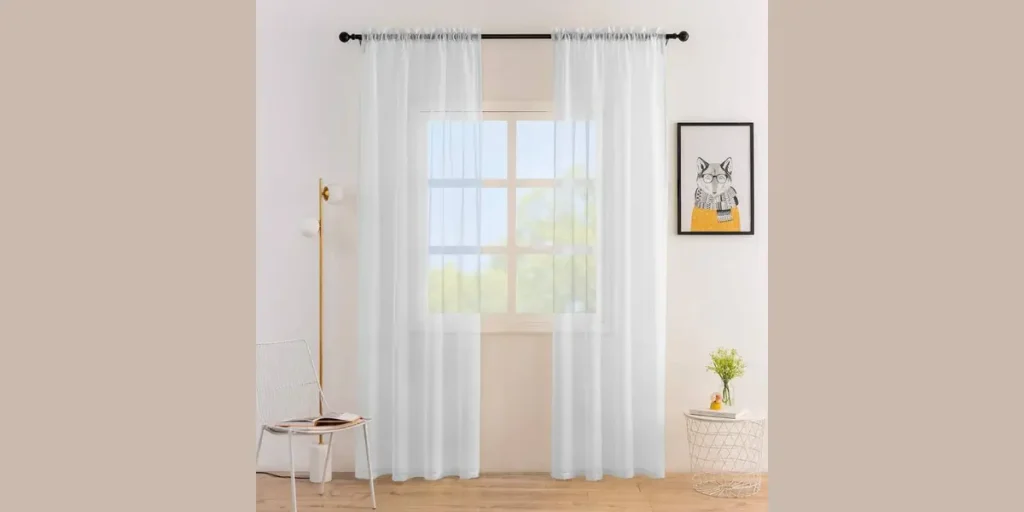
Sheer white drapes brighten the dining room instantly. I use them in spaces where maintaining natural light matters most. They soften sunlight without darkening the interior.
This option suits minimalist and contemporary dining rooms. The subtle fabric movement introduces elegance without visual heaviness.
Layering sheers with a second curtain panel increases flexibility. It allows privacy during evenings while preserving openness during the day.
3. Bold Patterned Curtains
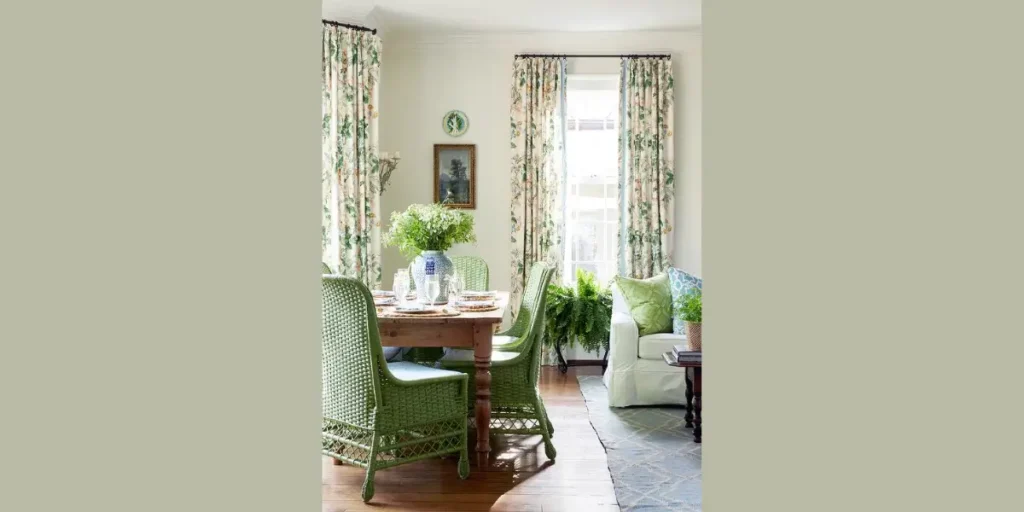
Patterned curtains introduce personality and visual interest. I rely on them when walls and furniture remain neutral. A geometric or floral print can energize the entire space.
The key lies in scale. I select patterns proportional to the room size to prevent overwhelming the layout. Balanced design keeps the room cohesive.
Bold curtains often become a focal feature. When coordinated carefully with accent colors, they elevate the dining room effortlessly.
4. Velvet Curtains for Luxury Appeal

Velvet curtains create a rich and dramatic atmosphere. I use heavier fabrics when I want the dining room to feel intimate and refined. The texture absorbs light beautifully and enhances depth.
Velvet also improves sound control. It reduces echo in larger rooms and makes gatherings feel more comfortable.
Deep jewel tones such as emerald or navy pair exceptionally well with metallic lighting. The result feels luxurious and intentional.
5. Neutral Beige or Taupe Panels
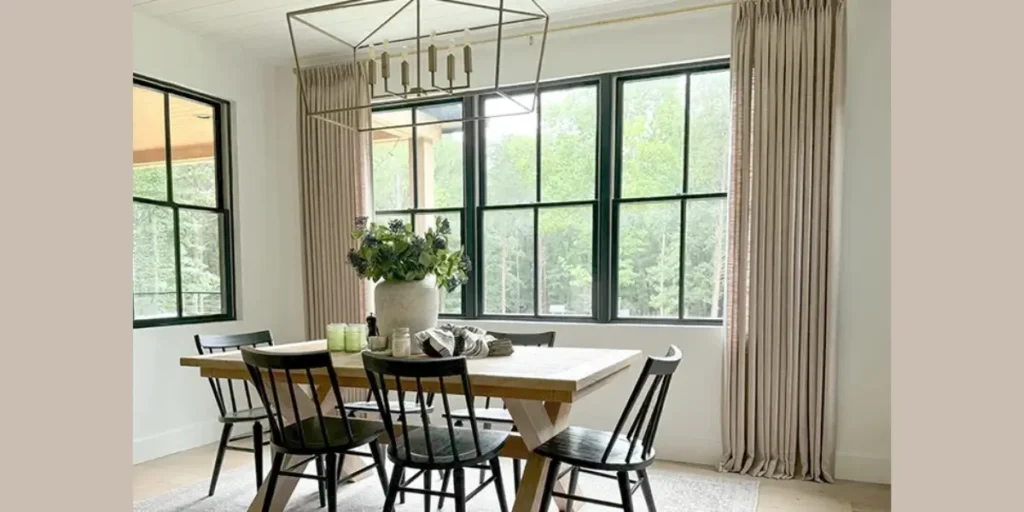
Neutral panels offer versatility and balance. I often recommend beige or taupe when homeowners want subtle elegance without drawing too much attention to the windows.
These tones complement a wide range of wall colors and furniture finishes. They allow statement lighting or artwork to remain the focal point.
Neutral curtains also provide long term flexibility. As décor evolves, the panels continue to blend seamlessly into the design.
6. Two Tone Curtain Design
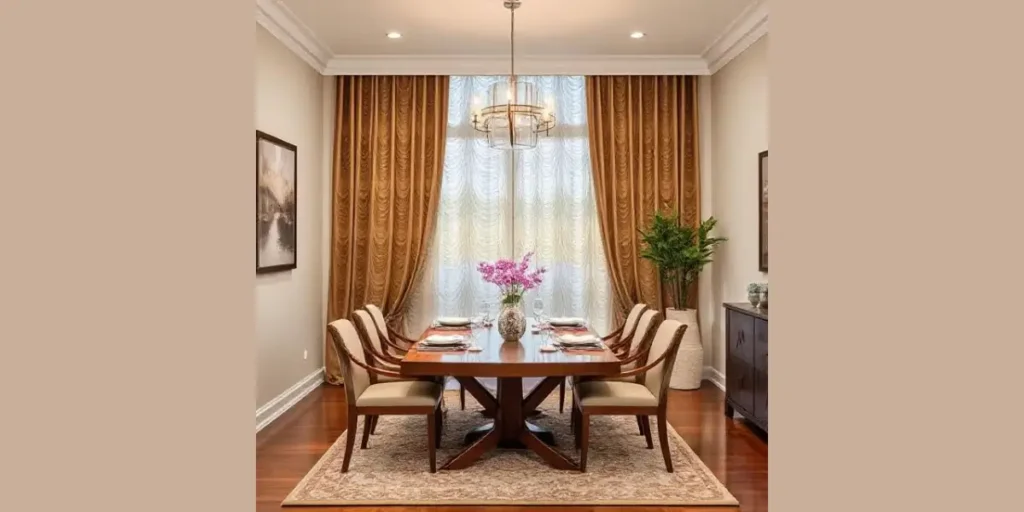
Two tone curtains introduce subtle contrast and structure. I use darker shades at the bottom and lighter tones above to create visual dimension. This technique enhances proportion.
Balanced color pairing ensures harmony. I test combinations carefully to prevent clashing undertones.
This design works particularly well in contemporary interiors. It adds character without relying on heavy patterns.
7. Roman Shades for a Tailored Look
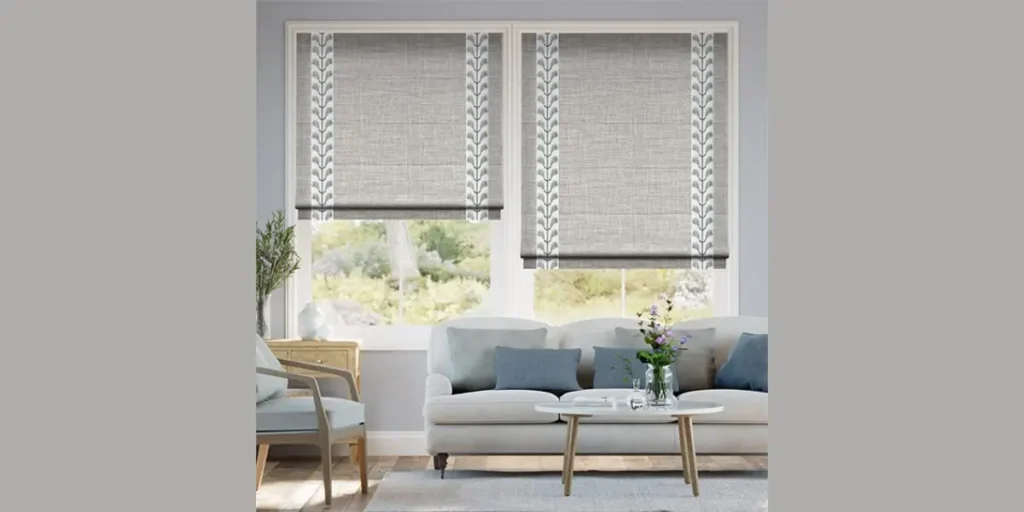
Roman shades deliver a clean and structured finish. I select them for dining rooms with limited wall space or smaller windows. Their tailored appearance keeps the design crisp.
Fabric choice influences impact. I often choose textured neutrals or subtle patterns to maintain sophistication.
Roman shades function efficiently. They provide light control while preserving a streamlined aesthetic.
8. Dark Moody Drapes
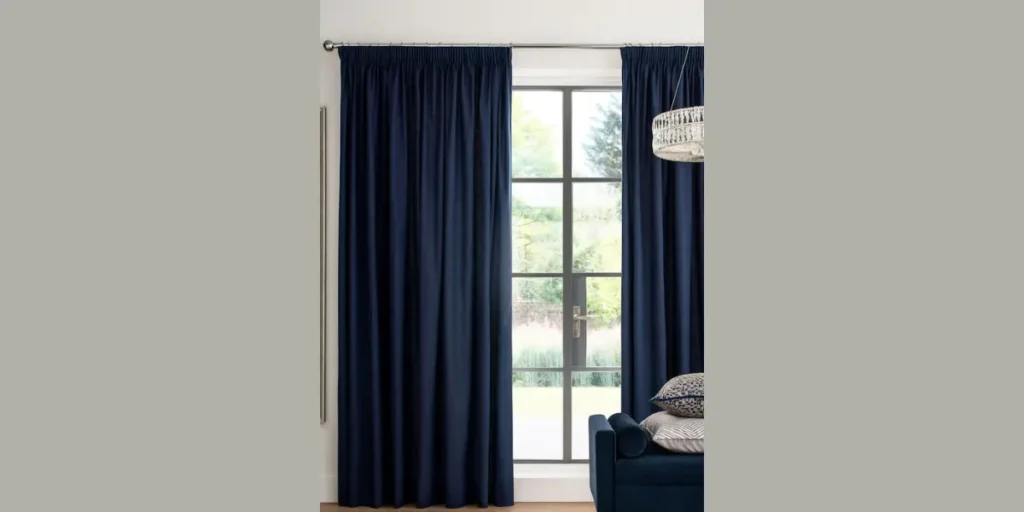
Dark drapes create intimacy and depth. I use navy, charcoal, or deep green tones in rooms with adequate lighting. The darker fabric adds dramatic contrast.
Proper lighting prevents heaviness. I balance dark curtains with lighter walls or reflective accents.
Moody drapes suit formal dining rooms particularly well. They enhance evening gatherings and create a refined atmosphere.
9. Layered Curtains With Sheers
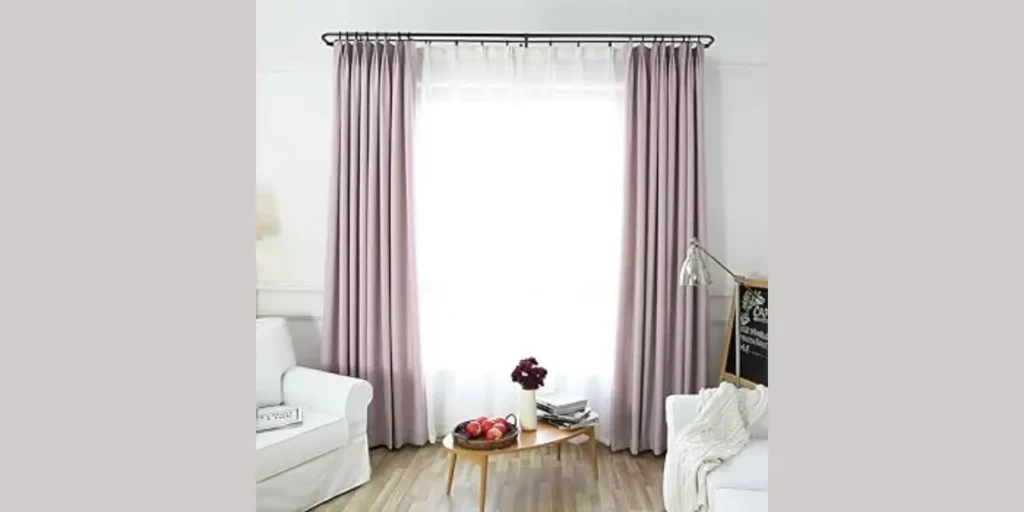
Layering curtains provides flexibility. I combine sheer panels with heavier drapes to adjust light levels throughout the day. This approach offers both elegance and practicality.
The dual layers add depth and texture. I ensure the rod and hardware support the weight and movement of both fabrics.
Layered curtains enhance sophistication. They allow seamless transition between daytime brightness and evening privacy.
10. Natural Woven or Bamboo Shades
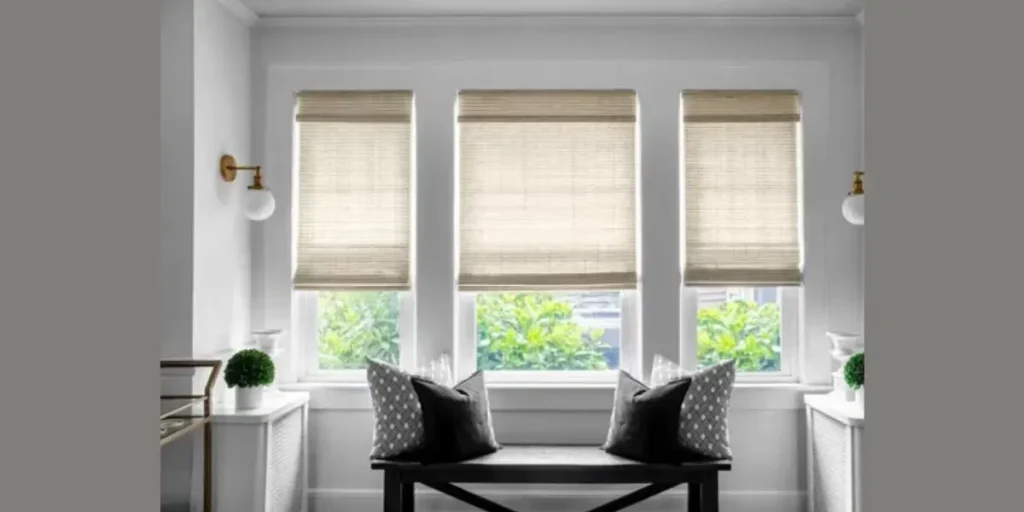
Natural woven shades introduce organic texture. I use bamboo or rattan options to add warmth and visual interest without heavy fabric.
These shades complement wooden tables and neutral walls beautifully. They create an earthy balance within the dining room.
Woven treatments also filter light softly. They provide privacy while maintaining connection to outdoor views.
How to Select the Perfect Curtains for Your Dining Space
Selecting curtains requires more than choosing a fabric you like. I always begin by measuring window height and width accurately to ensure proper proportion. The placement of the curtain rod can dramatically influence how tall and spacious the room appears.
I also evaluate how much natural light the dining room receives throughout the day. Fabric weight, opacity, and color all affect ambiance. A thoughtful decision balances privacy, brightness, and overall design harmony.
Choose the Proper Length for Visual Height
Curtain length plays a major role in the room’s appearance. I typically install panels that either lightly touch the floor or create a subtle puddle for a more formal look. Hanging curtains higher than the window frame elongates the walls visually.
Match Fabric Weight With Room Lighting
In bright dining rooms, I prefer light filtering fabrics such as linen or sheers. For rooms with intense sunlight or evening use, heavier materials like velvet offer better light control and warmth.
Coordinate Color With Walls and Furniture
Curtains should support the existing palette rather than compete with it. I compare fabric swatches against wall paint and upholstery to maintain cohesion. Balanced tones strengthen the design.
Consider Layering for Flexibility
Layering sheer panels with heavier drapes provides versatility. This approach allows you to adjust privacy and light levels according to time of day. It also adds depth and sophistication.
Select Durable and Easy to Maintain Materials
Dining areas experience regular use, so practicality matters. I choose fabrics that resist fading and are easy to clean. Durability ensures long term satisfaction without sacrificing style.
FAQs
Floor length curtains typically create the most elegant result. I recommend hanging rods slightly higher than the window frame to enhance ceiling height. Proper length prevents the room from appearing visually cut off.
Curtains do not need to match exactly, but they should coordinate. I prefer complementary tones that support the wall color while adding subtle contrast. This approach creates harmony without monotony.
Yes, dark curtains can work if balanced with lighter walls and proper lighting. I ensure the room has enough illumination to prevent heaviness. Contrast often adds depth rather than shrinking the space.
Linen, cotton blends, and performance fabrics offer durability and elegance. For more formal spaces, velvet adds richness and insulation. Fabric choice should reflect both lifestyle and desired ambiance.
Conclusion
Curtains have the power to complete a dining room in a way few other elements can. I always see them as the finishing layer that ties light, texture, and proportion together.
Whether you choose airy linens, tailored shades, or dramatic velvet panels, the right window treatment elevates the entire atmosphere.
Instead of treating curtains as an afterthought, approach them as a design feature.
When fabric, length, and color align with the room’s architecture and furnishings, the dining space feels cohesive, refined, and intentionally styled for everyday living and special gatherings alike.