
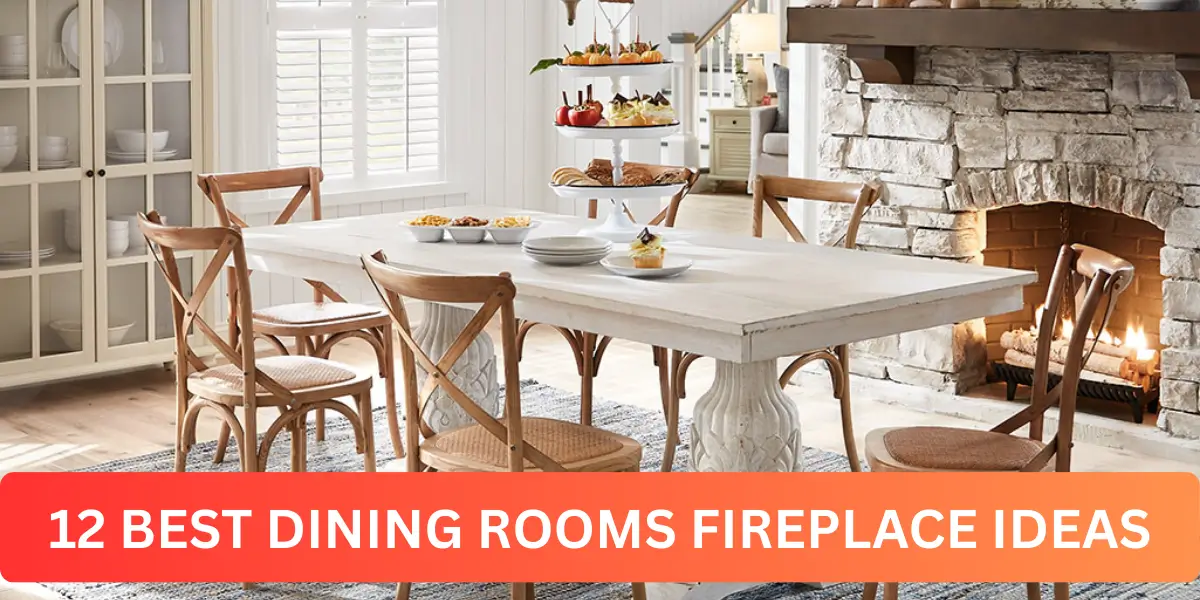

Dining rooms with fireplaces create an atmosphere that feels instantly inviting and intimate. I have always noticed how the presence of a fire transforms ordinary meals into memorable gatherings.
Beyond warmth, a fireplace introduces architectural character and a natural focal point that shapes the entire layout. When designed thoughtfully, it enhances both comfort and visual balance without overwhelming the space.
Whether traditional or modern, integrating a fireplace into the dining area requires careful proportion and material selection. With the right approach, it becomes more than a feature, it becomes the heart of the room.
Why a Fireplace Changes the Dining Room Experience
A fireplace shifts the entire mood of a dining room. I have seen how the glow of natural flame softens conversation and makes gatherings feel more personal.
It draws attention naturally, giving the room a clear focal point without needing excessive decoration.
Beyond atmosphere, a fireplace influences layout decisions. I always consider sight lines, table placement, and lighting balance to ensure the fire enhances rather than competes with the design. When positioned thoughtfully, it creates both comfort and structure.
1. Classic Stone Fireplace Focal Point
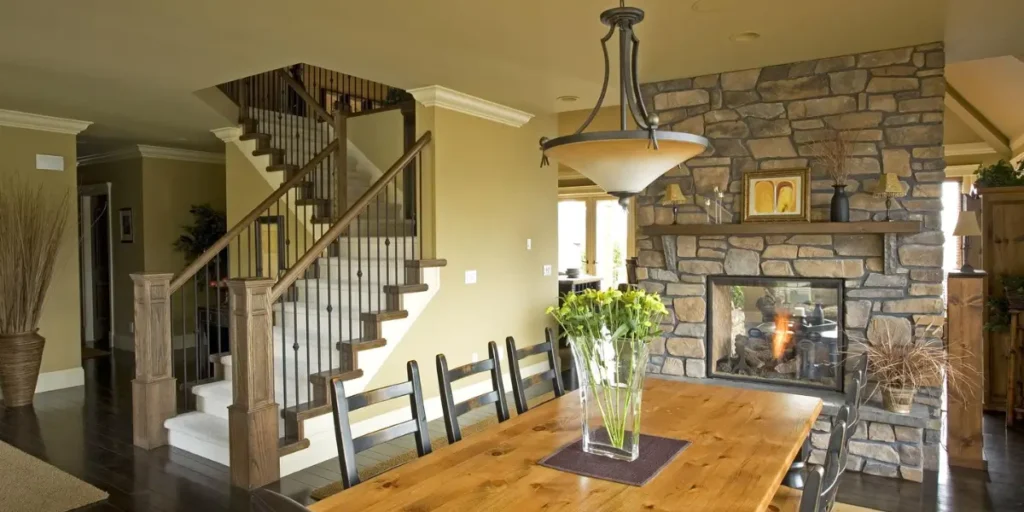
A stone fireplace immediately establishes texture and permanence in a dining room. I prefer natural stone with subtle variation because it adds character without looking overly polished. The organic surface becomes a strong architectural anchor.
Placing the dining table directly facing the fireplace strengthens its role as a focal point. I maintain balanced spacing to allow clear movement around the room. Proper proportion prevents the stone from overwhelming the space.
Warm lighting enhances the texture of the stone and highlights its depth. This combination creates a dining atmosphere that feels grounded and timeless.
2. Modern Linear Fireplace Design
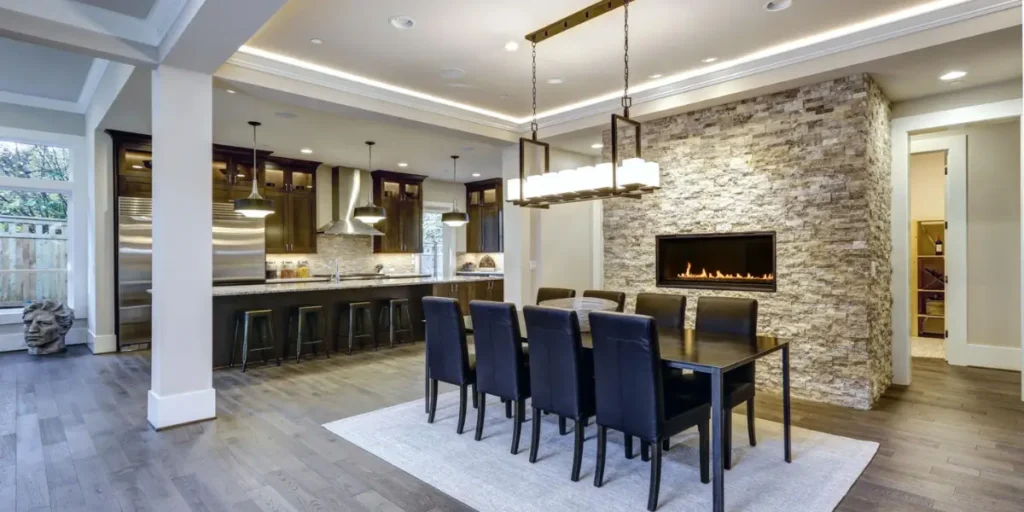
A modern linear fireplace introduces sleek simplicity. I often choose a horizontal design with a minimal surround to reinforce contemporary lines. The elongated flame provides visual interest without dominating the room.
This style works particularly well in modern dining layouts with clean furniture silhouettes. I align the dining table parallel to the fireplace for structural harmony. Symmetry strengthens the design.
Neutral wall tones help the flame stand out naturally. The result feels refined, balanced, and intentionally modern.
3. Double Sided Fireplace Between Rooms
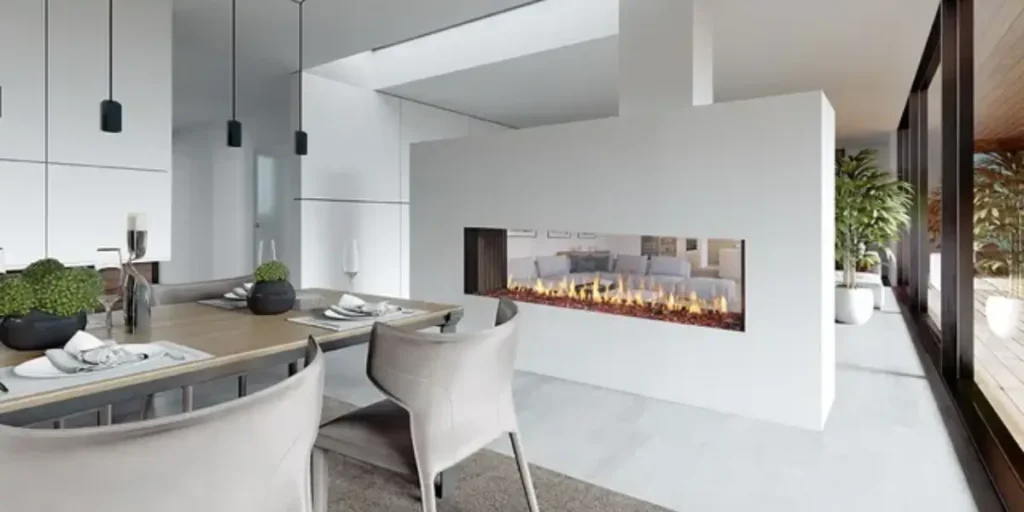
A double sided fireplace connects the dining area with adjacent spaces seamlessly. I use this design in open layouts where maintaining flow remains essential. The see through feature distributes warmth visually and physically.
Positioning the dining table near one side ensures the fireplace anchors the space without dividing it harshly. Clear sight lines maintain openness.
This configuration enhances both functionality and ambiance. It creates a shared focal point while preserving architectural continuity.
4. Fireplace with Built In Shelving
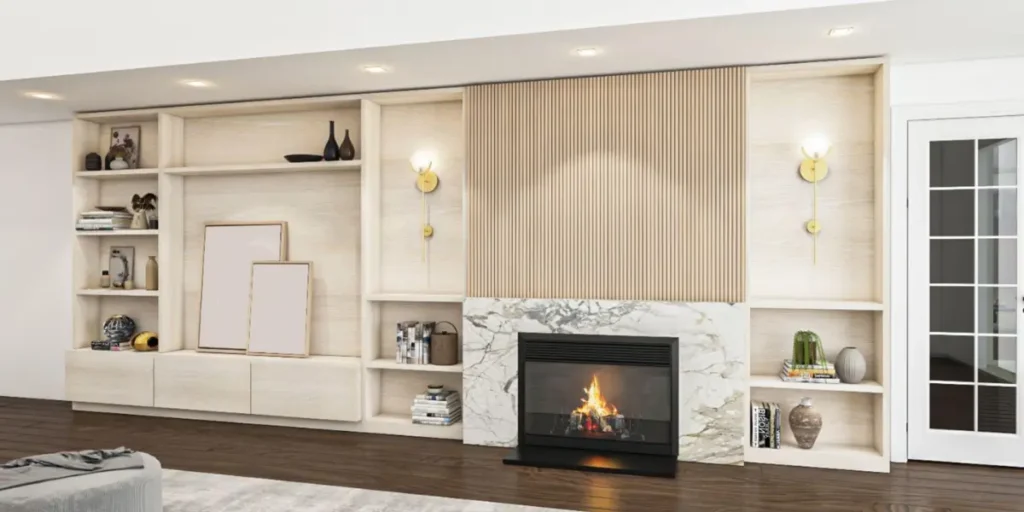
Built in shelving around a fireplace adds structure and symmetry. I design shelves that frame the hearth evenly to maintain balance. This approach combines storage and style effectively.
I keep décor on the shelves minimal to avoid clutter. A few books, ceramics, or subtle art pieces maintain elegance without distraction.
The combination of warmth and organization strengthens the overall dining experience. It ensures the fireplace feels integrated rather than isolated.
5. Traditional Brick Fireplace Charm
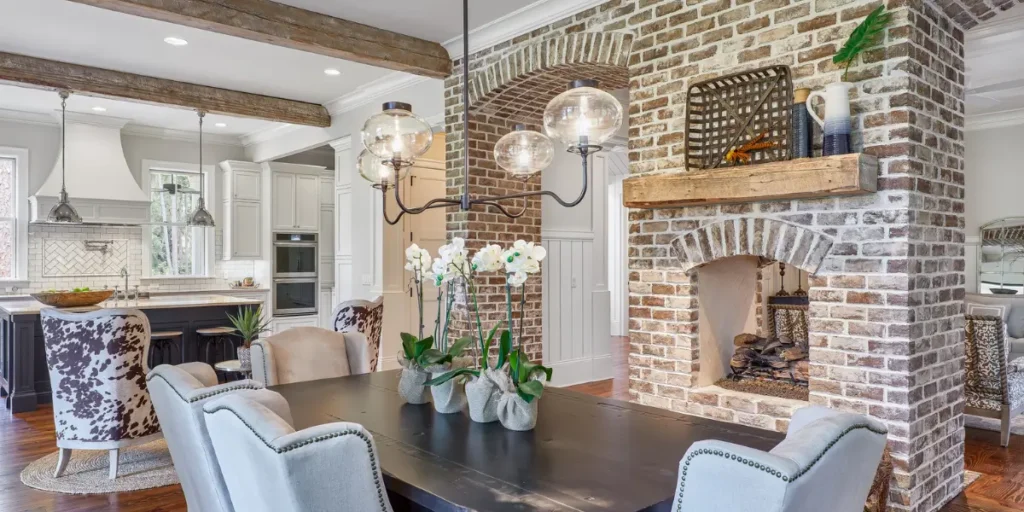
Brick fireplaces introduce warmth and classic character. I appreciate how exposed brick adds texture without requiring additional decorative layers. Its natural variation enriches the room.
In dining rooms with wooden tables and neutral walls, brick creates visual contrast while maintaining harmony. I balance it with soft lighting to prevent harsh shadows.
This design choice works well in both rustic and transitional interiors. It delivers comfort while preserving timeless appeal.
6. Fireplace as Accent Wall
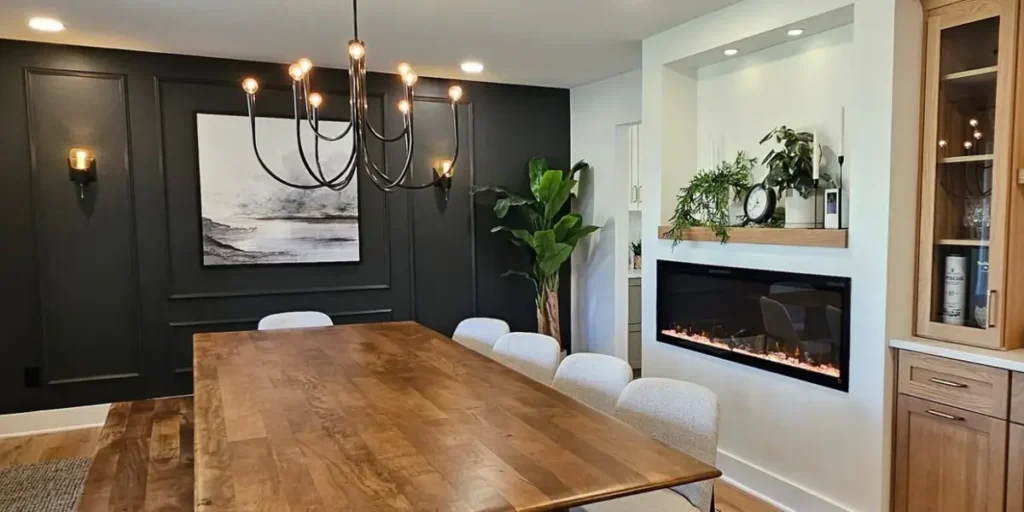
Turning the fireplace wall into an accent feature enhances drama and focus. I sometimes apply a contrasting paint color or textured finish to highlight the hearth.
This strategy ensures the fireplace becomes the intentional centerpiece of the dining room. Furniture arrangement then supports that focal point.
Balanced lighting remains essential. I use subtle wall lighting to emphasize depth and maintain visual clarity.
7. Minimal White Fireplace Surround
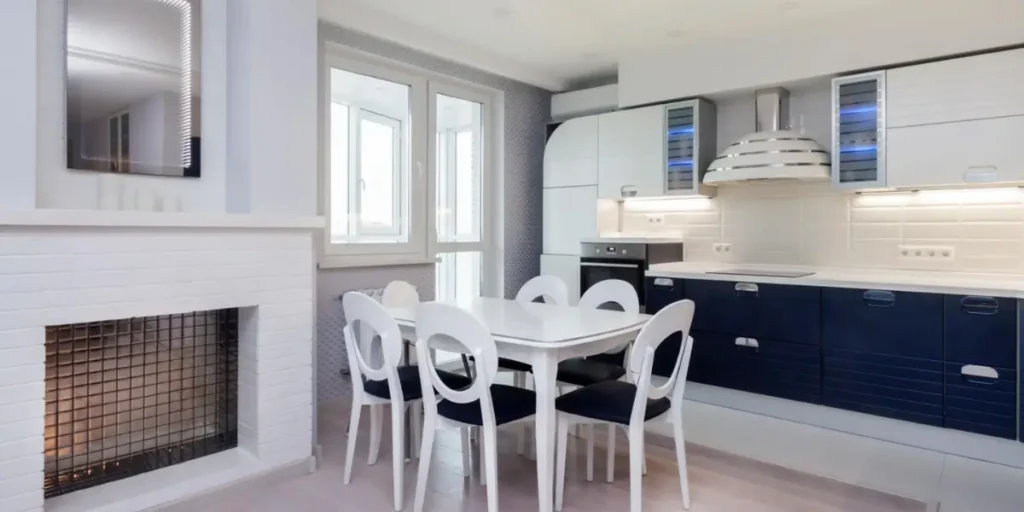
A white fireplace surround creates a clean and bright aesthetic. I choose crisp finishes when designing contemporary or transitional dining spaces.
White reflects light and prevents the fireplace from appearing heavy. It also pairs easily with various furniture styles and color palettes.
To add dimension, I incorporate subtle textures or metallic accents. This keeps the design refined while preserving simplicity.
8. Fireplace with Mantel Decor Styling
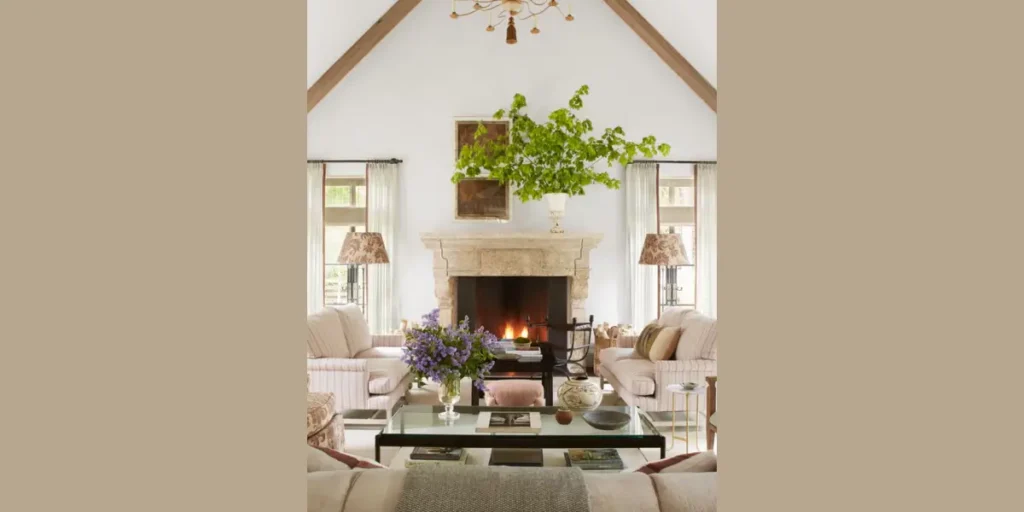
A mantel offers a natural opportunity for thoughtful styling. I approach it with restraint, selecting one large artwork or mirror as a central feature.
Proportion guides my choices. I avoid overcrowding the mantel to maintain balance with the dining table below.
When styled carefully, the mantel enhances the fireplace without competing for attention. It supports the room’s overall cohesion and visual harmony.
9. Corner Fireplace Layout
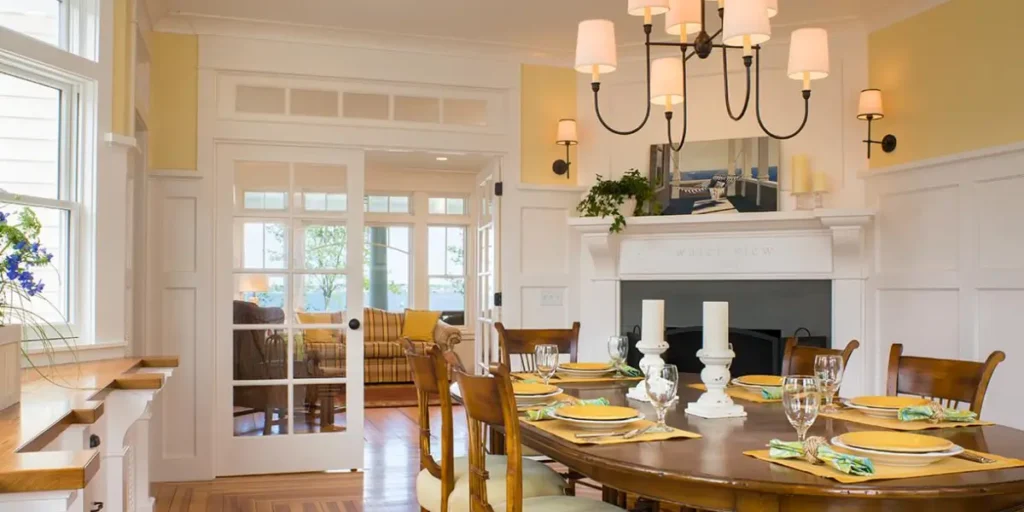
A corner fireplace offers a practical solution when wall space feels limited. I use this layout in smaller dining rooms where maintaining openness matters. By positioning the hearth at an angle, the room gains warmth without sacrificing usable wall area.
Furniture placement requires thoughtful planning. I align the dining table so that at least one side faces the fireplace, allowing guests to enjoy the view of the flame. Balanced spacing keeps movement comfortable.
This configuration feels intimate and efficient. It maximizes available square footage while preserving the fireplace as a meaningful design element.
10. Marble Fireplace Surround
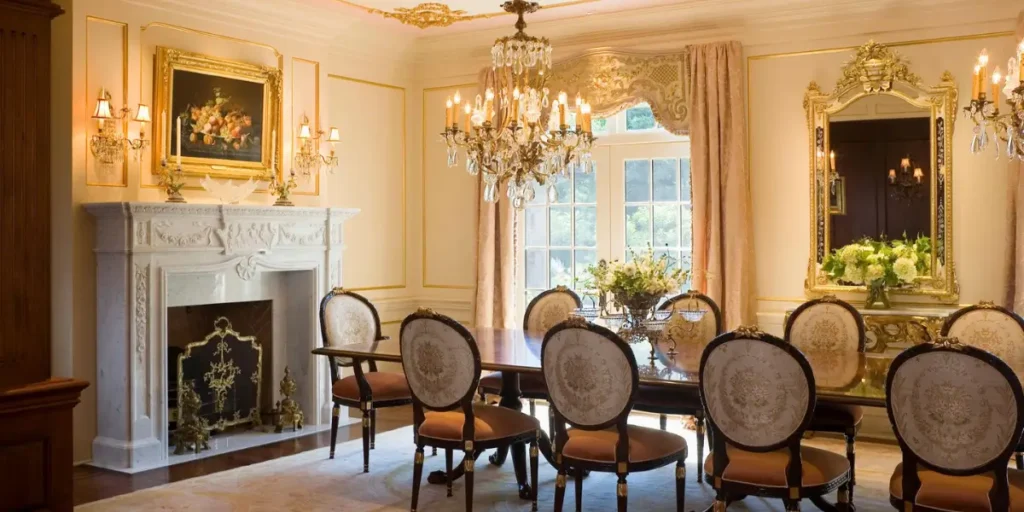
A marble surround introduces elegance and subtle texture to a dining room. I select marble with soft veining to maintain sophistication without overwhelming the space. The natural pattern adds refined visual interest.
Pairing marble with streamlined dining furniture enhances balance. I often combine it with upholstered chairs to soften the cool surface. Contrast strengthens the overall composition.
Proper lighting highlights the marble’s depth and detail. When executed thoughtfully, this design feels luxurious yet understated.
11. Fireplace with Wooden Beam Mantel
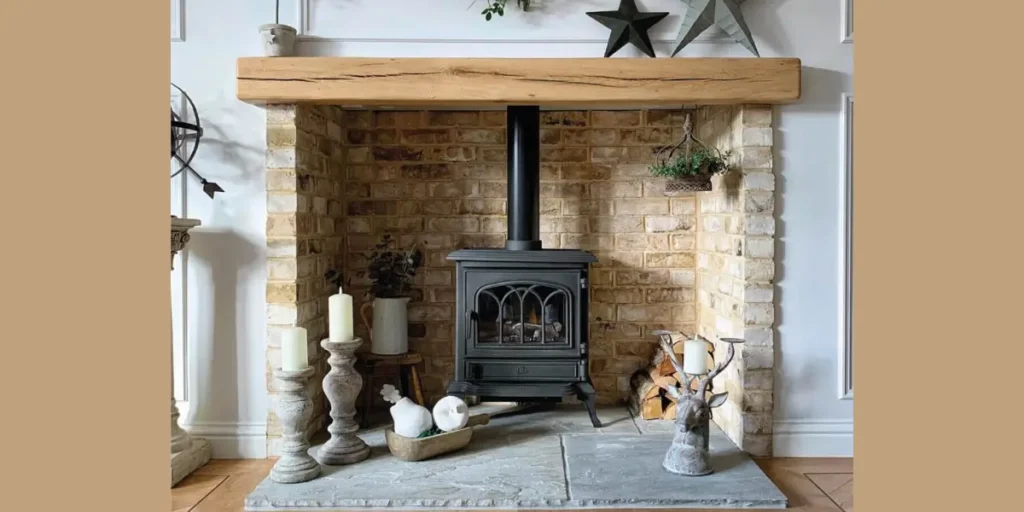
A wooden beam mantel adds warmth and material contrast to the fireplace. I prefer natural wood tones that complement the dining table or flooring. This continuity creates harmony across the room.
The beam introduces rustic character without making the design feel heavy. I keep the surrounding finishes simple to allow the natural grain to stand out.
When balanced with modern lighting or clean lines, the wooden mantel bridges traditional warmth and contemporary refinement effectively.
12. Open Concept Dining Room Fireplace Feature
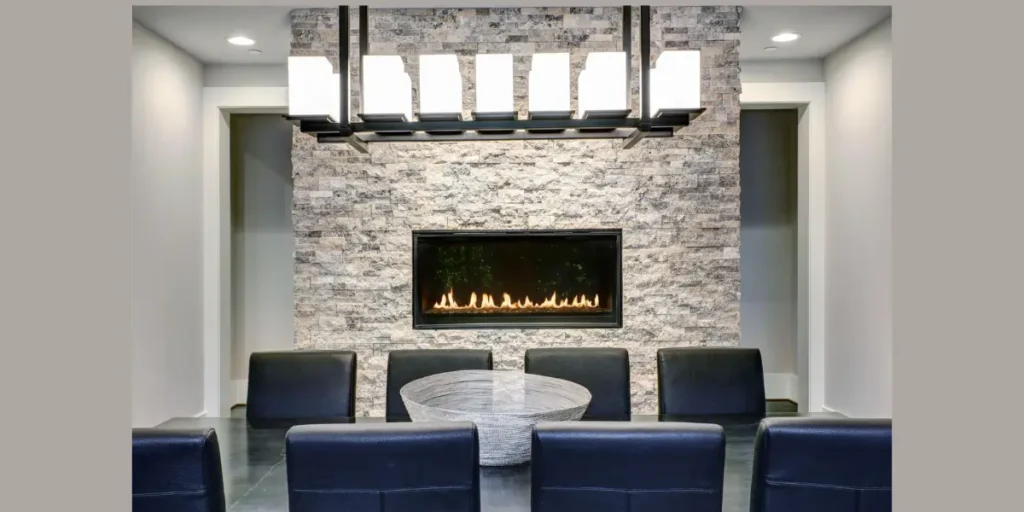
In open concept layouts, a fireplace can anchor the dining zone clearly. I position the dining table so the fireplace establishes a visual boundary without closing off the space.
Consistent flooring and coordinated materials maintain flow between the dining and living areas. Subtle zoning through lighting reinforces structure.
This approach ensures the fireplace feels intentional rather than decorative. It defines the dining room while preserving openness and architectural cohesion.
How to Position Dining Furniture Around a Fireplace
Positioning dining furniture around a fireplace requires balance between safety, comfort, and visual alignment.
I always begin by identifying the fireplace as the primary focal point and then arrange the dining table in a way that complements that focus. Clear sight lines ensure guests can enjoy both the meal and the warmth of the fire.
Spacing plays a crucial role. I maintain comfortable circulation paths so the room feels open rather than crowded. Thoughtful placement allows the fireplace to enhance the dining experience without dominating it.
Maintain Safe Clearance Distance
I ensure the dining table and chairs sit at a safe distance from the fireplace opening. This prevents heat exposure from affecting furniture finishes or fabric. Proper clearance also supports comfortable movement around the room.
Align Dining Table With Fireplace Focal Point
I typically position the table parallel or directly facing the fireplace to strengthen visual harmony. Alignment creates structure and prevents the layout from feeling random. When centered thoughtfully, the room feels balanced and intentional.
Balance Lighting With Fire Glow
Firelight provides warmth but not sufficient task lighting. I layer ambient and overhead lighting to maintain visibility during meals. This combination ensures the dining room feels cozy without becoming dim.
Avoid Blocking Heat Flow
I avoid placing large furniture pieces directly in front of vents or heat sources. Keeping the area around the fireplace unobstructed allows warmth to circulate evenly. This supports both comfort and efficiency.
Coordinate Materials for Cohesion
I select materials that complement the fireplace surround. For example, a stone hearth pairs well with natural wood or neutral textiles. Coordinated finishes unify the dining space visually.
FAQs
Yes, a fireplace can be completely safe when installed and maintained properly. I always recommend professional installation and regular inspection to ensure proper ventilation. Maintaining safe clearance between furniture and the fire source is essential for both safety and comfort.
I position the table so that it complements the fireplace without blocking it. Keeping a clear path around the table ensures smooth movement. Aligning the table with the focal point strengthens the overall layout.
Absolutely. I often blend traditional fireplaces with modern furniture to create contrast. Clean lined décor and balanced lighting help integrate classic elements into contemporary spaces seamlessly.
Stone, brick, marble, and plaster remain popular choices. I select materials based on the desired atmosphere and the overall design style. Durable and heat resistant finishes ensure long term functionality.
Not necessarily. When scaled appropriately, a fireplace can add warmth without reducing visual space. I use lighter surrounds and thoughtful furniture placement to maintain openness.
Conclusion
A fireplace does more than warm a dining room. It shapes the atmosphere, defines the layout, and creates a natural gathering point that elevates every meal.
I always view it as both a design anchor and an emotional element within the space. When proportion, materials, and furniture placement align, the fireplace enhances comfort without overpowering the room.
Whether you prefer stone, marble, brick, or a sleek modern surround, thoughtful integration makes all the difference.
With balanced lighting and intentional styling, a dining room with a fireplace becomes inviting, timeless, and memorable for everyday dining and special occasions alike.