


Coastal dining room ideas bring a sense of calm that instantly transforms everyday meals into relaxed, refreshing moments.
I have always admired how light filled spaces, soft color palettes, and natural textures can recreate the effortless beauty of the seaside.
Instead of overwhelming the room with themed décor, I focus on balance, openness, and subtle ocean inspired details.
When designed thoughtfully, a coastal dining space feels airy, welcoming, and timeless.
With the right mix of materials and tones, you can create an environment that reflects the tranquility of the shore without sacrificing sophistication.
What Defines a True Coastal Dining Room
A true coastal dining room feels open, relaxed, and naturally bright. I always begin by focusing on light filled spaces, soft color palettes, and materials that echo the simplicity of seaside living.
The goal is to create a room that feels fresh and breathable rather than overly styled.
For me, coastal design is more about mood than decoration. Instead of relying on bold nautical symbols, I incorporate subtle textures like linen, rattan, and lightly weathered wood.
These elements quietly reflect the charm of the coast without overwhelming the space.
When proportion, light, and texture work together, the dining room feels calm, inviting, and timeless. It should suggest the coast through atmosphere, not through excessive theme.
1. Light Blue and White Color Palette
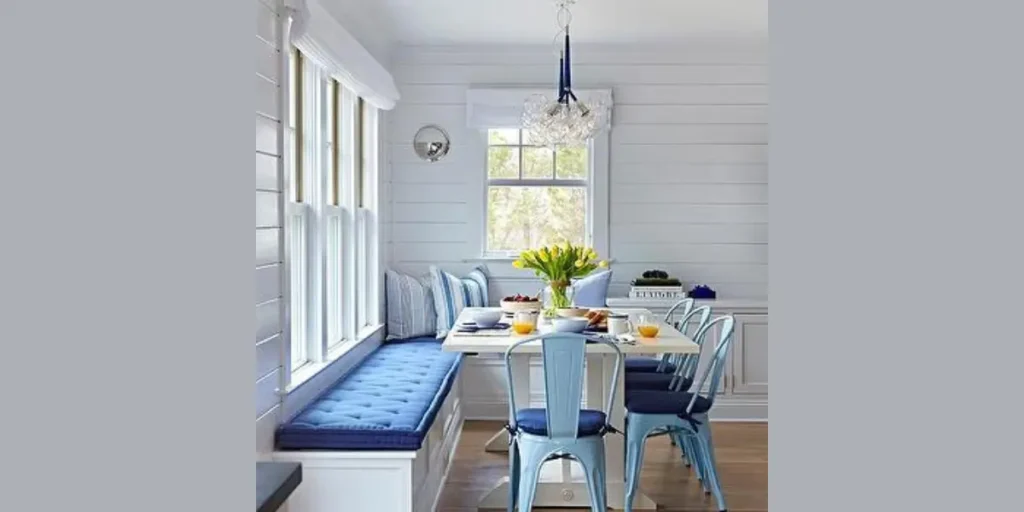
A light blue and white palette instantly sets the tone for a coastal dining room. I use soft sky blues paired with crisp white walls to create brightness and visual clarity. These tones reflect natural light beautifully.
This color combination feels calm and refreshing without overwhelming the space. I balance it with warm wood accents to prevent the room from feeling too cool.
When layered with subtle textures, the palette creates depth while maintaining a relaxed and airy atmosphere.
2. Natural Rattan or Wicker Chairs
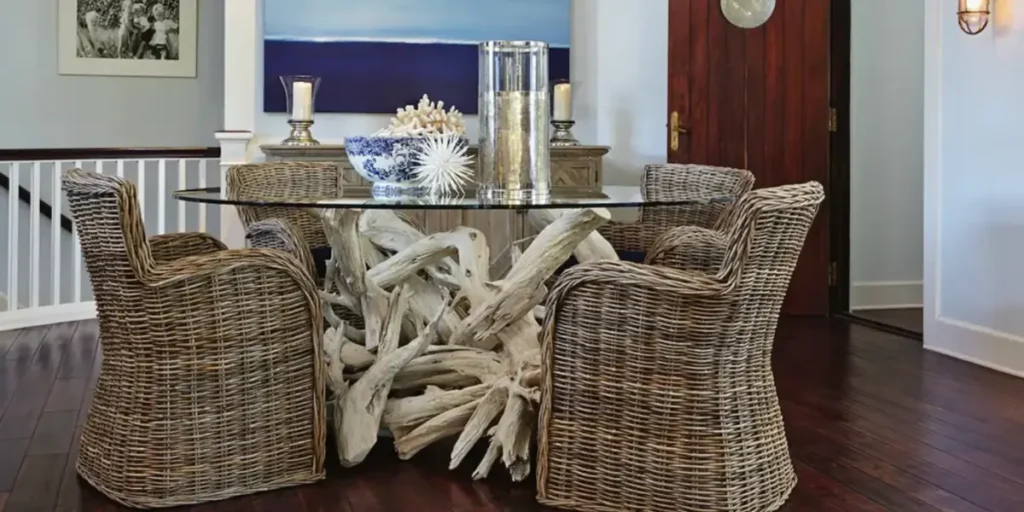
Rattan or wicker chairs introduce texture and authenticity. I often select woven seating to add warmth and visual softness against painted walls. The organic weave reflects coastal craftsmanship.
These chairs keep the space casual yet elegant. Their lightweight appearance prevents the dining area from feeling heavy.
Pairing them with neutral cushions enhances comfort while preserving simplicity. Texture becomes the focal point rather than excessive décor.
3. Driftwood Inspired Dining Table
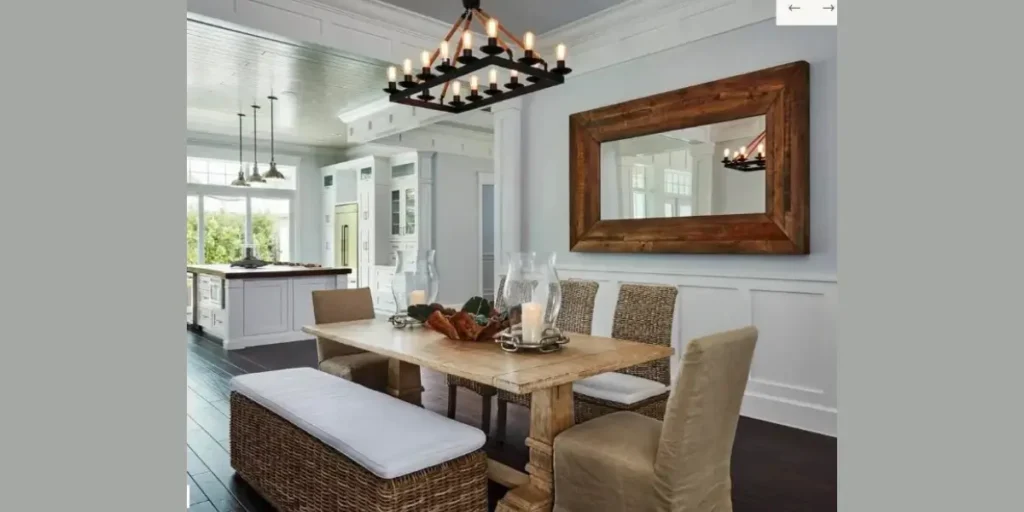
A driftwood inspired dining table anchors the room with organic character. I prefer weathered finishes that mimic natural aging from sea air. The grain and subtle imperfections add authenticity.
This table style pairs well with both modern and traditional coastal interiors. It grounds the lighter elements in the room.
To maintain balance, I surround it with lighter seating and soft fabrics. The contrast enhances warmth without disrupting openness.
4. Sheer Linen Curtains
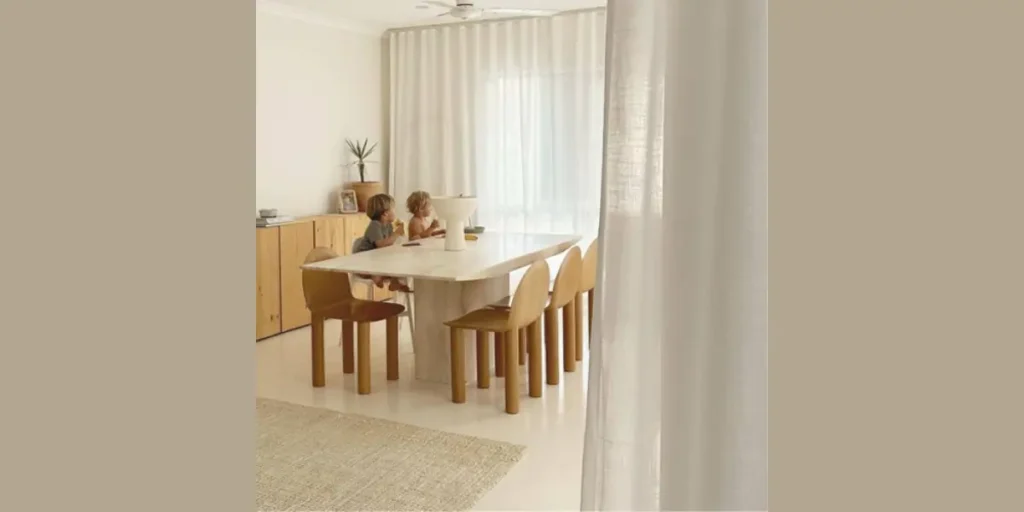
Sheer linen curtains allow sunlight to flow gently into the dining room. I choose lightweight fabrics that move naturally with airflow. This softness reinforces the breezy aesthetic.
The translucency maintains privacy while preserving brightness. Heavy drapery would disrupt the relaxed coastal mood.
Hanging curtains higher than the window frame enhances vertical space and improves proportion. This simple adjustment strengthens the airy atmosphere.
5. Coastal Pendant Lighting
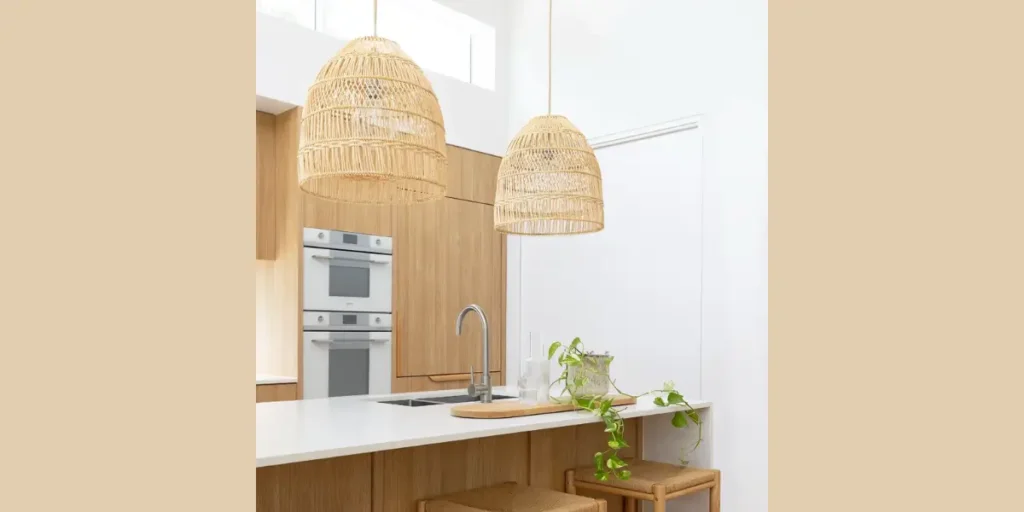
Coastal pendant lighting introduces texture through woven or rope inspired designs. I select fixtures that feel natural rather than ornate. The lighting should complement the room’s softness.
Proper placement above the dining table anchors the space visually. Warm bulbs enhance comfort during evening gatherings.
This lighting choice adds character without overpowering the overall design. It supports the coastal identity subtly.
6. Nautical Accent Decor
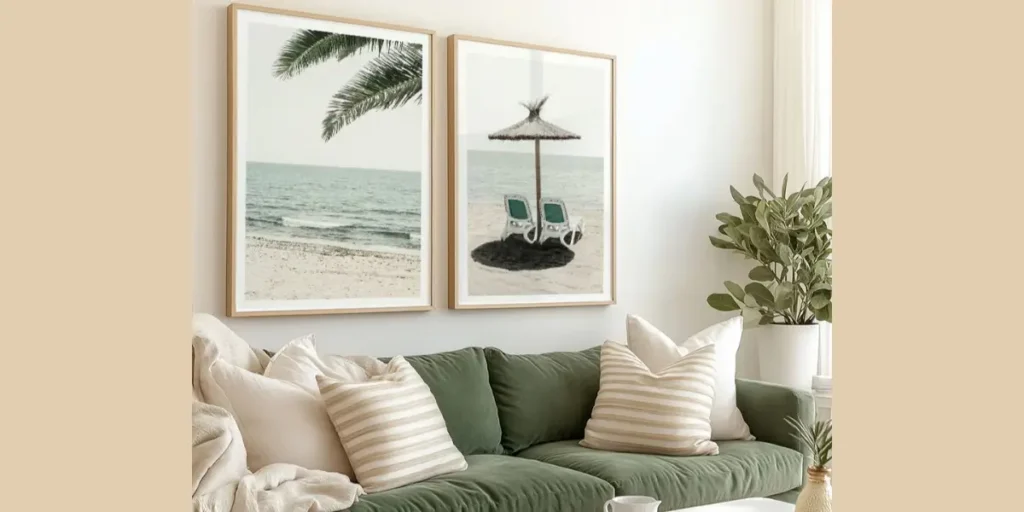
Subtle nautical accents add personality when used sparingly. I incorporate small elements such as coral sculptures or ocean inspired artwork to hint at the theme.
Overuse of obvious motifs can make the room feel staged. I focus on restraint and proportion to maintain sophistication.
Balanced placement ensures these accents enhance rather than dominate. The result feels curated and authentic.
7. Whitewashed Wood Finishes
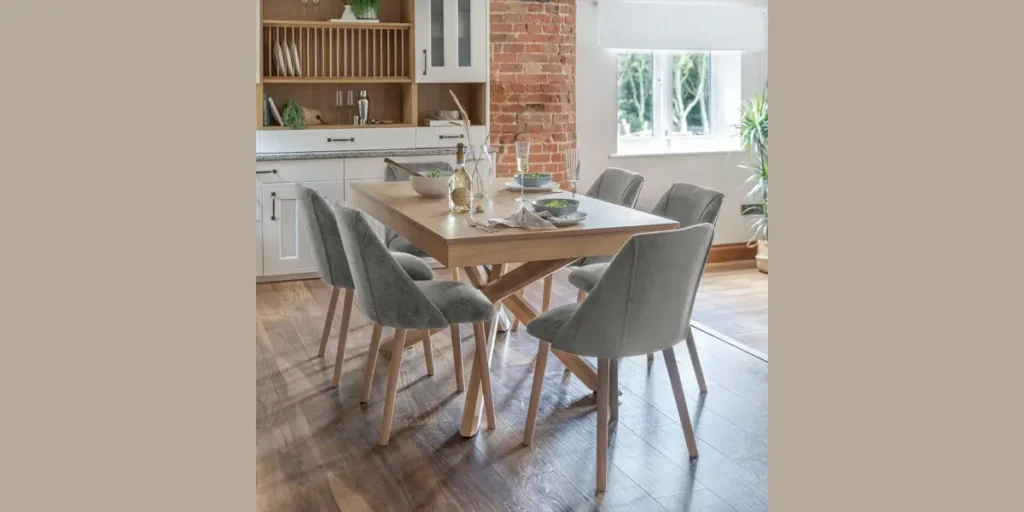
Whitewashed wood brightens the dining room while maintaining natural texture. I use this finish on furniture or wall paneling to reflect light effectively.
The softened wood tone feels relaxed and casual. It complements coastal color palettes effortlessly.
When combined with woven textiles, whitewashed finishes reinforce warmth without sacrificing brightness. The overall effect remains light and inviting.
8. Textured Natural Fiber Rug
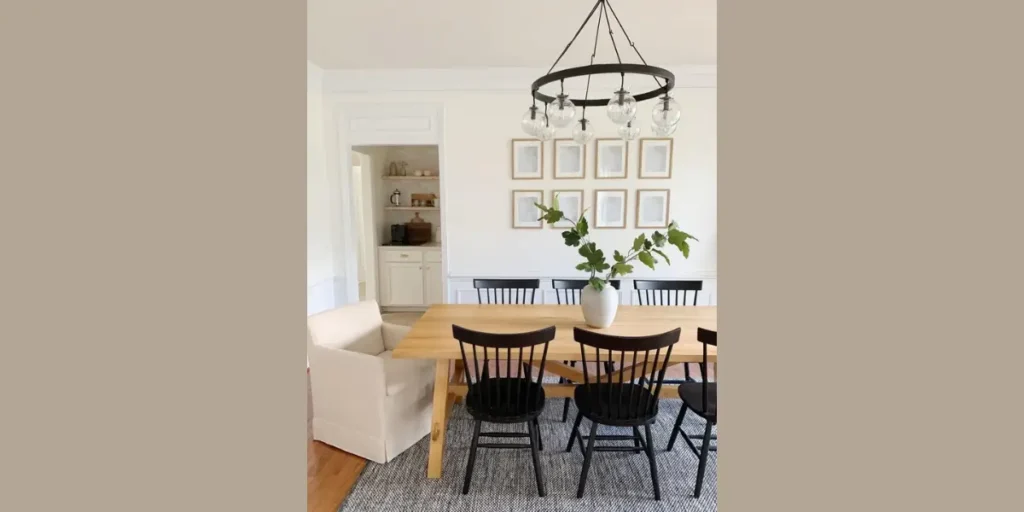
A natural fiber rug grounds the dining table and introduces subtle texture. I prefer jute or sisal for durability and authenticity.
These materials align with the organic principles of coastal design. They soften hard flooring while maintaining a relaxed aesthetic.
Proper sizing ensures the rug extends beyond the chairs. Balanced proportion keeps the arrangement cohesive and functional.
9. Open Shelving with Coastal Ceramics

Open shelving styled with blue and white ceramics strengthens the seaside theme. I arrange pieces with intentional spacing to avoid clutter.
The repetition of soft tones creates visual harmony. Shelving also adds functional storage.
Limiting decorative objects maintains simplicity. Each piece contributes without overwhelming the walls.
10. Indoor Greenery with Tropical Touch

Indoor greenery adds freshness and life to a coastal dining room. I often incorporate palms or ferns to enhance the tropical influence subtly.
Plants introduce natural movement and soften clean lines. Proper placement near natural light supports both health and design balance.
When used thoughtfully, greenery completes the space. It reinforces the connection between indoor comfort and outdoor inspiration.
How to Create a Coastal Dining Room Without Overdoing the Theme
Creating a coastal dining room requires balance and restraint. I always remind myself that the goal is to capture the feeling of the coast, not to recreate a beach souvenir shop.
Instead of filling the room with anchors, ropes, or seashell collections, I focus on light, texture, and proportion. The atmosphere should feel effortless and refined.
I begin with a soft, airy palette and build layers through natural materials such as linen, rattan, and weathered wood. Subtle ocean inspired tones work better than bold marine symbols.
When color, texture, and light work together harmoniously, the coastal theme feels authentic rather than forced.
Lighting also plays a critical role. I use warm, diffused lighting in the evening to maintain comfort while allowing natural daylight to dominate during the day.
Clear surfaces and intentional spacing keep the room open and breathable. With thoughtful planning, the design remains elegant, relaxed, and timeless.
FAQs
Soft blues, crisp whites, sandy beige tones, and muted greens typically define coastal interiors. I often layer these shades to create depth while maintaining brightness. The key is to keep the palette light and airy rather than dark or overly saturated.
Yes, coastal design actually works very well in smaller rooms. Light colors and natural textures help reflect light and make the space feel open. I focus on minimal furniture and clean lines to maintain a sense of spaciousness.
I avoid overusing nautical symbols and instead emphasize texture and tone. Subtle elements such as woven lighting or weathered wood create atmosphere without appearing decorative. Restraint ensures the room feels sophisticated.
Light wood tables, rattan chairs, and upholstered seating in neutral fabrics work beautifully. I prioritize comfort and simplicity over ornate detailing. Clean silhouettes maintain the relaxed coastal mood.
I style shelves with restraint, using ceramics, glass pieces, and subtle ocean inspired objects. Balanced spacing prevents clutter. Each item should contribute to the overall harmony rather than compete for attention.
Conclusion
A coastal dining room should feel like a quiet escape, not a themed display. I always approach this style with simplicity in mind, allowing light, texture, and natural materials to lead the design.
When soft blues, woven elements, and airy fabrics come together thoughtfully, the space feels effortless and welcoming.
The beauty of coastal interiors lies in balance. By focusing on proportion, subtle detail, and functional comfort, you can create a dining area that feels bright during the day and intimate in the evening.
With the right layering, your coastal dining room becomes a timeless retreat for everyday meals and meaningful gatherings.