
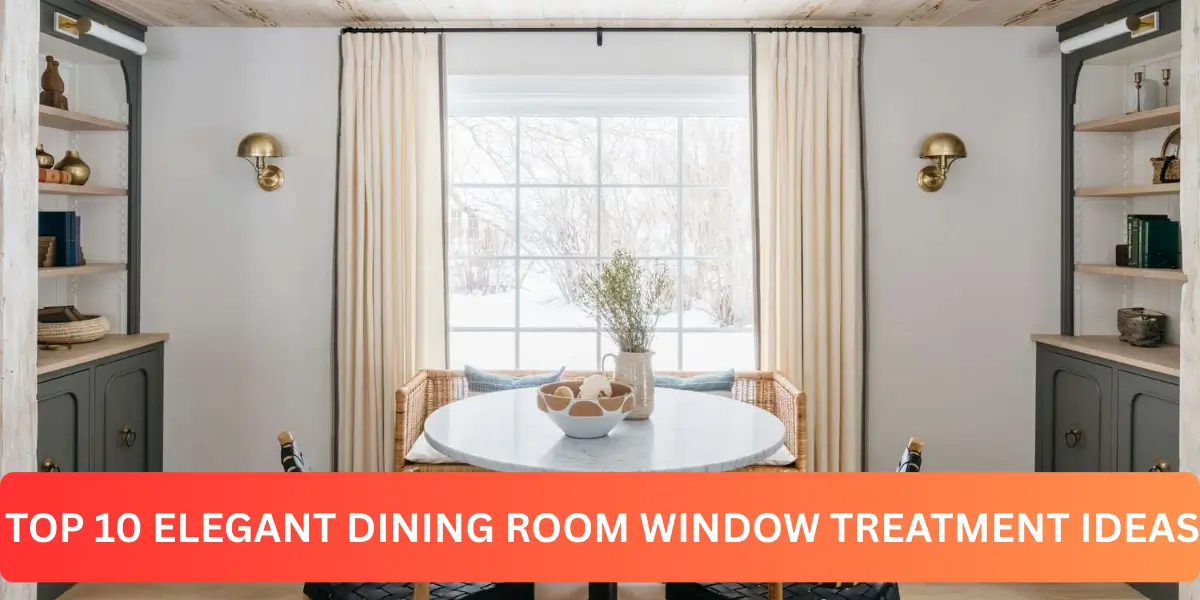

A dining room never feels complete until the windows are thoughtfully styled. I’ve seen beautifully furnished spaces lose their charm simply because the windows were ignored.
The right window choice doesn’t just frame the view it controls light, enhances privacy, and strengthens the entire design story. When I plan a space, I always treat windows as a focal feature, not an afterthought.
In this guide, I’ll walk you through practical and stylish dining room window treatment ideas that blend function with timeless elegance without overwhelming your décor.
Why the Right Window Styling Transforms a Dining Space
A well-designed dining room depends on balance. I always pay attention to how natural light enters the room and how it interacts with furniture, wall colors, and textures. Window treatments shape that experience more than most people realize.
When you choose the right style, you control glare during daytime meals and create a warm atmosphere for evening gatherings. Good window styling also improves privacy without sacrificing elegance.
Now let me walk you through ten carefully selected ideas that I personally find both practical and visually powerful.
1. Floor-to-Ceiling Drapes for Visual Height
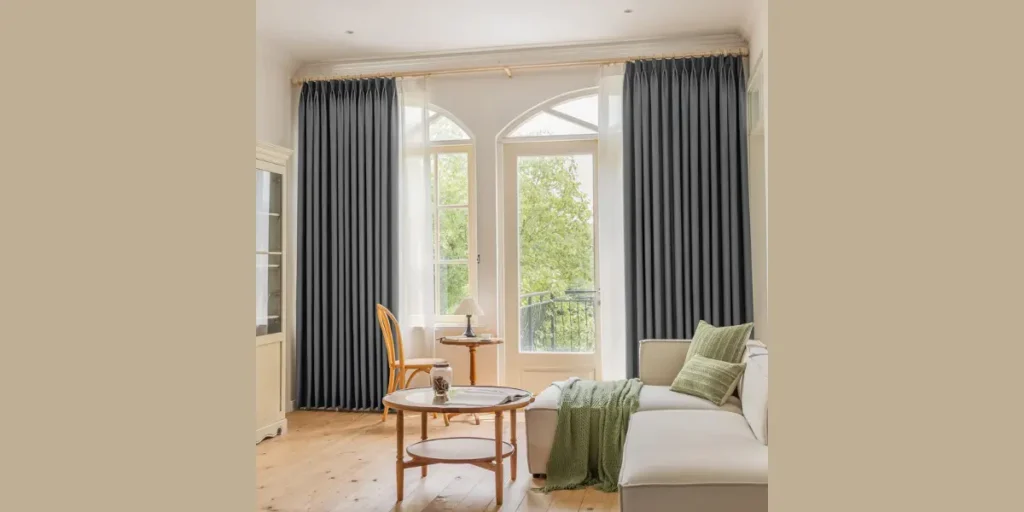
I often recommend floor-to-ceiling drapes when a dining room needs instant refinement.
Hanging curtains higher than the window frame draws the eye upward and makes ceilings appear taller. This technique works especially well in standard-height rooms that need a sense of grandeur.
Choose structured fabrics like linen blends or soft velvet to create movement without heaviness. I prefer neutral tones when the furniture already makes a statement, but deeper shades work beautifully in formal settings.
These drapes also help control light and echo, especially in rooms with hard flooring. When installed correctly, they deliver both function and quiet luxury.
2. Tailored Roman Shades for a Clean Finish
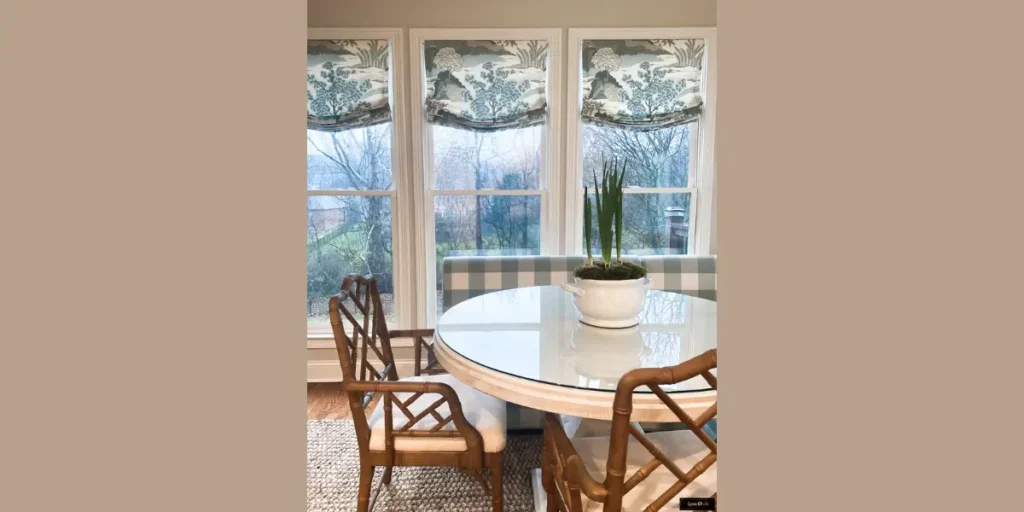
Roman shades offer structure without visual clutter. I use them in dining rooms where clients want softness but not excessive fabric. When raised, they fold neatly; when lowered, they create a smooth, polished surface.
Fabric choice makes all the difference. Subtle textures elevate the space, while bold prints add personality without overwhelming the room. I always ensure the pattern complements dining chairs or wall accents.
These shades work particularly well in smaller dining rooms because they stay close to the window. They maintain clean lines and make the space feel intentional and thoughtfully designed.
3. Sheer Panels for Soft Natural Light
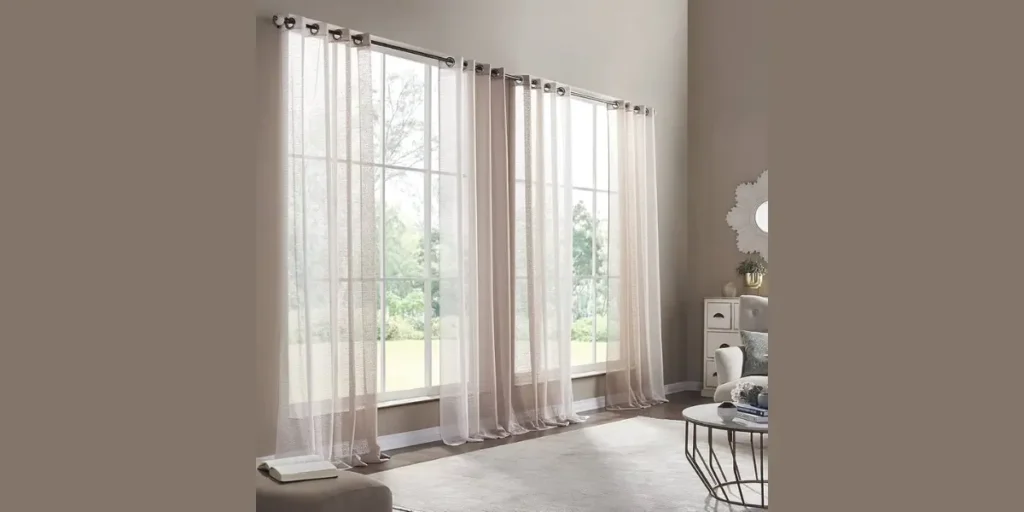
When a dining area receives strong daylight, I rely on sheer panels to soften the brightness. They filter sunlight gently and prevent harsh glare during meals. This approach keeps the space bright while maintaining comfort.
I often layer sheers with heavier curtains for flexibility. During the day, the room feels airy and open. In the evening, layered drapes create a more intimate setting.
Sheer panels also pair beautifully with minimalist or Scandinavian-inspired interiors. They allow architectural details and outdoor views to remain visible while adding a graceful finishing touch.
4. Wooden Blinds for Warm Texture
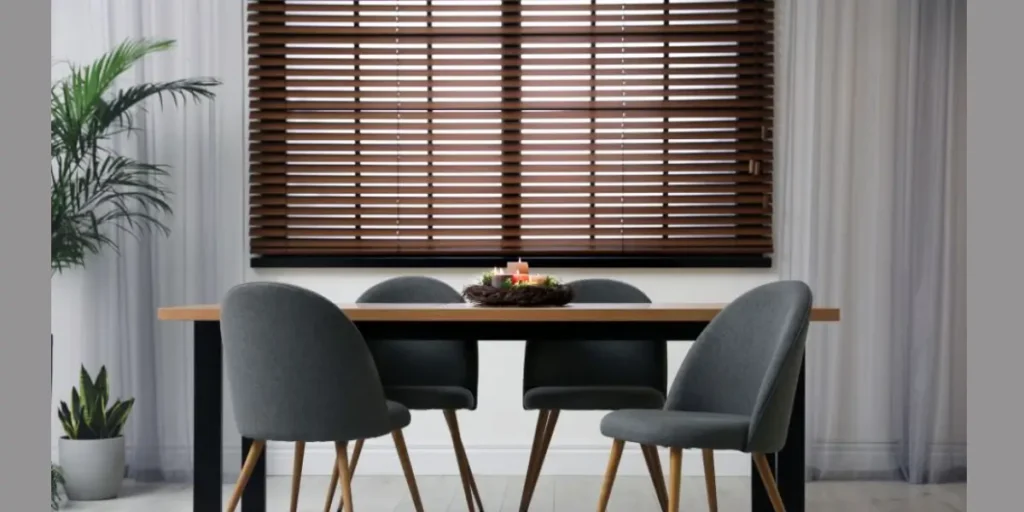
Wooden blinds introduce natural texture that instantly warms a dining room. I like using them in spaces with wooden tables or rustic finishes because they reinforce material harmony.
The adjustable slats give you precise light control. You can tilt them to reduce glare without darkening the entire room. That flexibility proves useful during both casual lunches and formal dinners.
For homes in humid climates, faux wood versions offer the same aesthetic with better durability. Either option delivers structure, clean lines, and dependable privacy without sacrificing style.
5. Layered Treatments for Depth and Flexibility
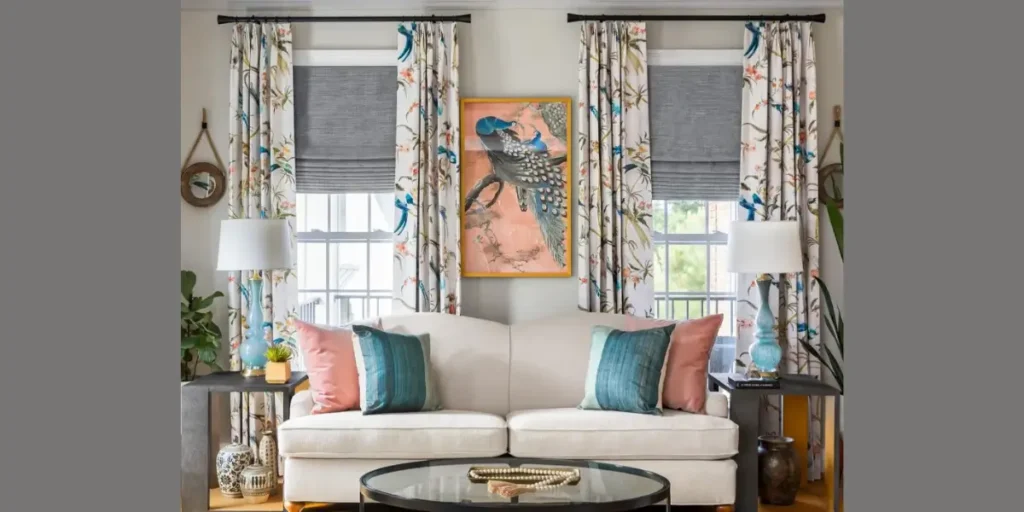
Layering window treatments adds dimension that single solutions cannot achieve. I often combine Roman shades with full-length curtains to create a tailored yet luxurious effect. This combination works well in larger dining spaces.
Layering also improves light management. You can use shades for daytime filtering and close heavier drapes at night for privacy. This setup adapts easily to different occasions.
Beyond practicality, layered treatments make the room feel professionally styled. They frame the window beautifully and add softness that balances hard furniture surfaces.
6. Patterned Drapes as a Statement Feature
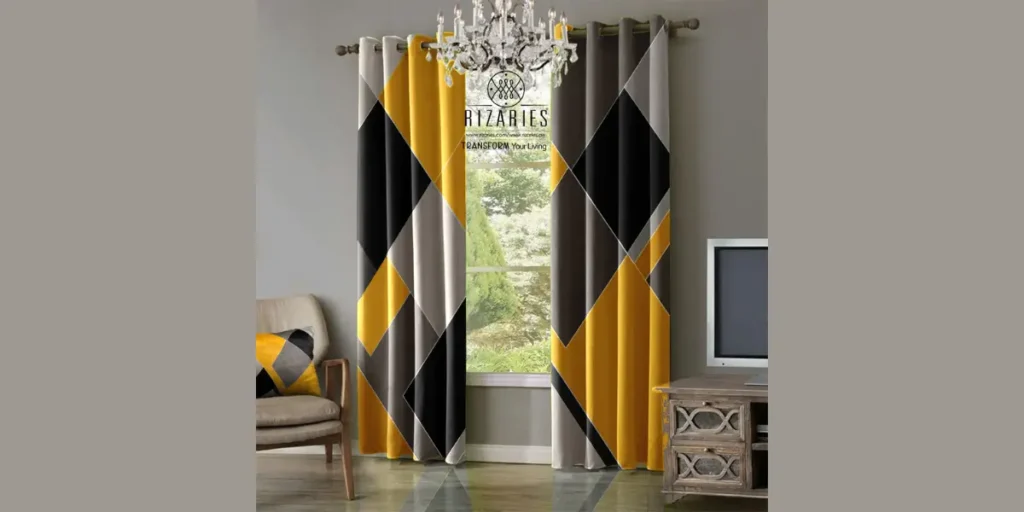
When a dining room feels too neutral, patterned drapes introduce energy. I like selecting geometric, floral, or subtle abstract prints that tie into existing color palettes. This approach creates cohesion rather than chaos.
Bold fabric can act as a focal point, especially when walls remain simple. I ensure the scale of the pattern matches the room size so it feels intentional.
Patterned drapes work particularly well in transitional interiors where classic and contemporary elements blend. They add personality while keeping the space sophisticated.
7. Woven Bamboo Shades for Organic Appeal
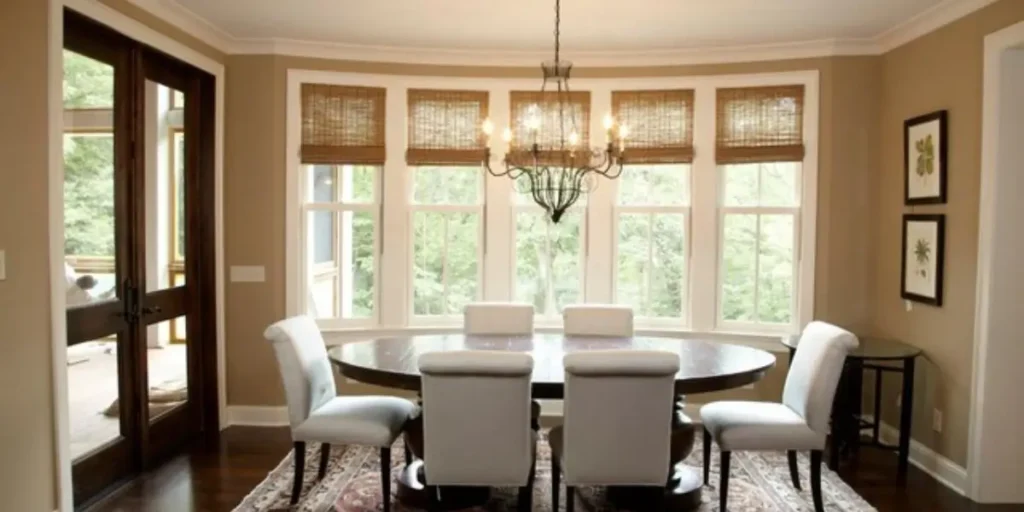
Natural woven shades bring texture and warmth that synthetic materials cannot replicate. I use bamboo or woven wood shades when I want a relaxed yet refined atmosphere.
These shades filter light beautifully and create subtle shadow patterns across the room. The effect feels calm and inviting, especially during daytime meals.
They pair effortlessly with coastal, farmhouse, or earthy interiors. For added softness, I sometimes layer them with light curtains to balance texture with elegance.
8. Valances for Traditional Elegance
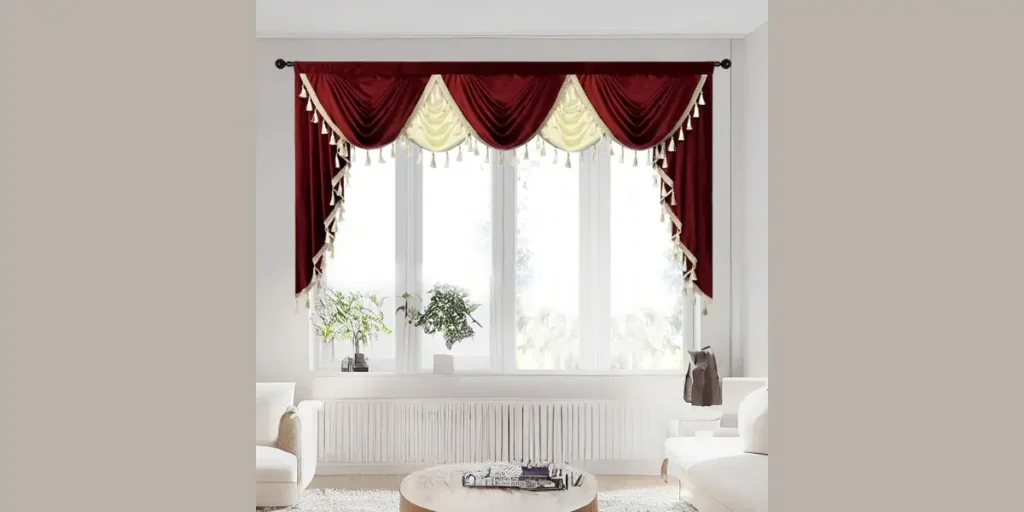
Valances offer decorative detail without covering the full window. I recommend them in formal dining rooms where clients want a classic touch without heavy drapery.
When paired with blinds or sheer panels, valances provide both style and practicality. They conceal curtain rods and add a polished upper frame to the window.
This option works best in traditionally styled homes with crown molding and detailed furniture. It enhances architectural character without overwhelming the space.
9. Café Curtains for Cozy Character
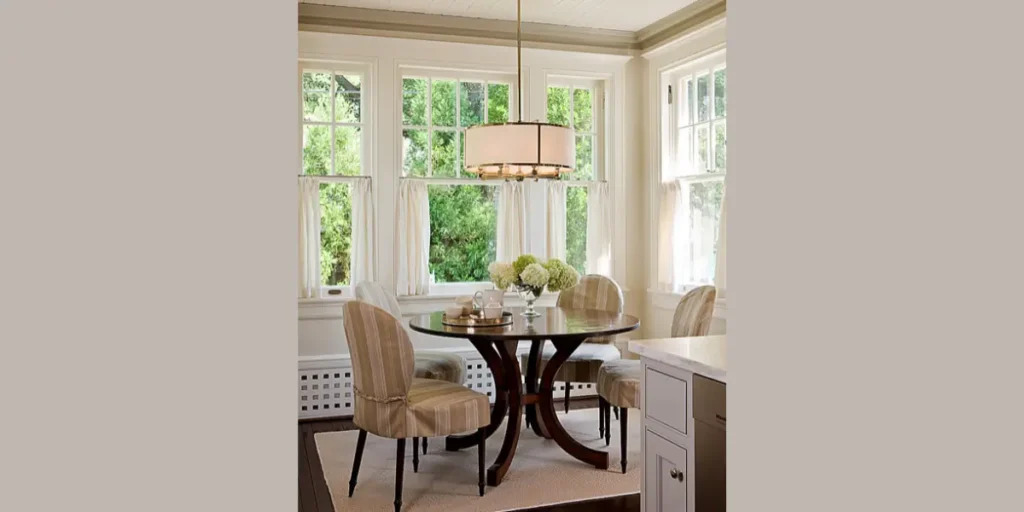
Café curtains cover the lower half of the window while leaving the top open. I often suggest them for breakfast nooks or smaller dining spaces that need privacy without blocking daylight.
They create a welcoming, casual atmosphere that feels warm and personal. Light fabrics maintain brightness while shielding the lower portion from outside view.
This treatment complements cottage, farmhouse, or vintage-inspired interiors. It delivers charm while remaining functional and easy to maintain.
10. Motorized Shades for Modern Convenience
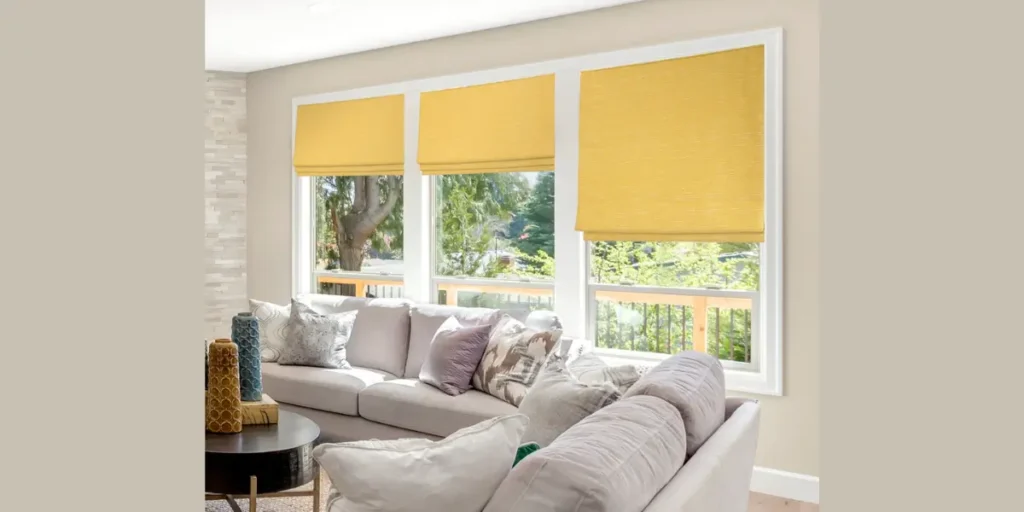
In contemporary homes, I frequently recommend motorized shades for effortless control. With a remote or smartphone, you can adjust light levels instantly. This feature proves especially useful for large or high windows.
Motorized options maintain a clean and uncluttered appearance because they eliminate cords. They also integrate well with smart home systems for scheduled adjustments.
Beyond convenience, they enhance energy efficiency by managing sunlight throughout the day. For modern dining rooms, this solution blends technology with sleek design seamlessly.
How to Choose the Right Dining Room Window Treatment
Selecting the right window treatment requires more than choosing a fabric you like. I always evaluate how the dining room functions throughout the day before making a recommendation.
Natural light, privacy needs, ceiling height, and overall décor style all influence the final decision.
A well-chosen treatment should enhance the atmosphere without competing with furniture or architectural details.
When you balance beauty with practicality, the result feels intentional and cohesive rather than decorative for the sake of it.
Key Factors to Consider
- Room Size and Ceiling Height
In smaller dining rooms, I prefer streamlined options like Roman shades or blinds that stay close to the window. For taller ceilings, full-length drapes create vertical emphasis and make the space feel more luxurious. - Natural Light Direction
South-facing rooms receive strong sunlight, so light-filtering or layered treatments help control glare. In darker spaces, sheer fabrics allow more daylight while maintaining softness. - Interior Design Style
The window treatment should reinforce the overall theme. Modern spaces benefit from clean-lined shades, while traditional rooms suit layered drapes or valances. I always match materials and tones with existing furniture. - Privacy Requirements
If your dining area faces the street, you need stronger coverage in the evening. Layered curtains or adjustable blinds offer better privacy control without sacrificing elegance. - Maintenance and Cleaning Ease
Dining rooms experience occasional spills and dust. I recommend fabrics that are easy to clean or materials like faux wood that resist moisture and stains.
Quick Comparison Table
| Treatment Type | Best For | Light Control | Style Impact |
|---|---|---|---|
| Floor Drapes | Formal or large rooms | Medium to High | Elegant and dramatic |
| Roman Shades | Compact dining areas | Medium | Clean and tailored |
| Wooden Blinds | Rustic or modern spaces | High | Structured and warm |
| Layered Options | Versatile spaces | Very High | Luxurious and layered |
| Motorized Shades | Contemporary homes | High | Sleek and modern |
This comparison helps narrow your options based on function and aesthetic preference. I always suggest choosing the style that aligns with both your daily routine and long-term design vision.
FAQs
In formal dining rooms, I usually recommend floor-to-ceiling drapes or layered treatments. They add depth, elegance, and structure while controlling evening privacy. Rich fabrics or subtle textures enhance the refined atmosphere without overpowering the décor.
The choice depends on the room’s lighting and overall palette. Lighter tones keep the space open and airy, while darker shades create contrast and intimacy. I typically coordinate the curtain color with chairs or rugs to maintain balance.
Yes, blinds provide excellent light control and a clean appearance. Wooden or faux wood styles add warmth and durability. They work especially well in modern or transitional interiors where structured lines are important.
I hang curtain rods higher than the window frame and extend them slightly beyond the sides. This technique visually enlarges the window and allows more light to enter when curtains are open. It creates a more expansive feel instantly.
Layering is not mandatory, but it offers flexibility. It allows you to adjust light levels throughout the day and create a more dimensional look. In larger dining rooms, layering often enhances the overall design impact.
Conclusion
Designing a dining space goes beyond selecting the right table or lighting, the windows deserve equal attention. I’ve found that when window treatments are thoughtfully chosen, the entire room feels more polished and intentional.
Whether you prefer structured shades, flowing drapes, or modern motorized solutions, the key is to align function with your lifestyle. Light control, privacy, and material harmony should guide every decision.
When you treat your windows as a design feature rather than an afterthought, you create a dining room that feels balanced, inviting, and effortlessly refined for everyday meals and special gatherings alike.