
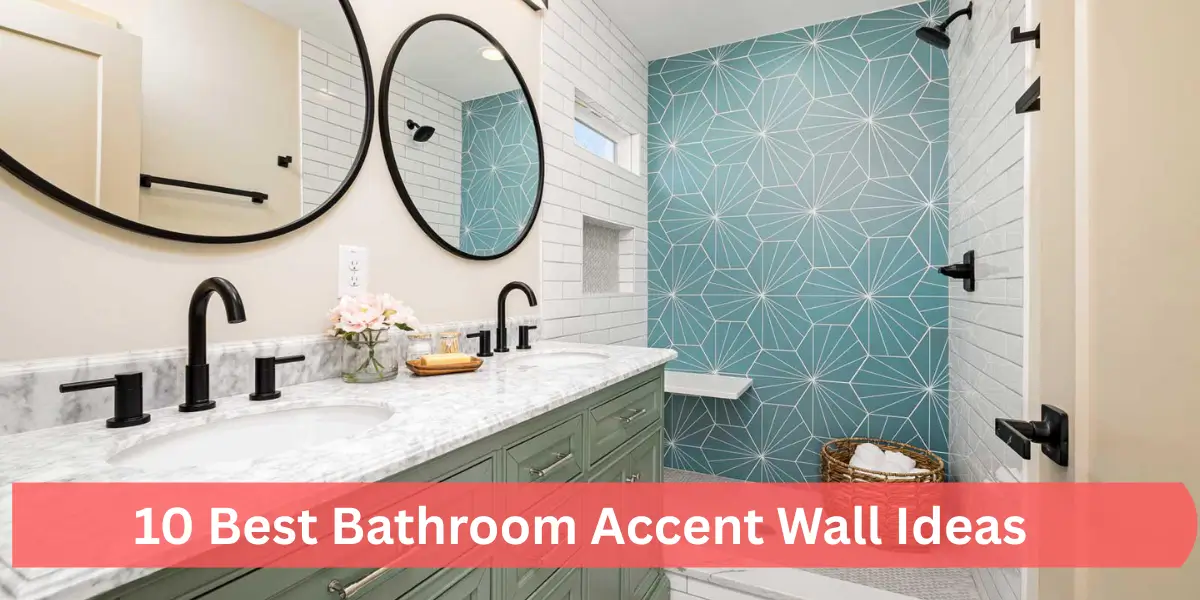

Bathroom accent wall ideas have become one of the most effective ways to add character without redesigning the entire space.
I’ve seen how a single well-designed wall can shift the mood of a bathroom from plain to visually striking.
Whether the goal is subtle texture or bold contrast, accent walls allow creativity while keeping the layout practical.
In this article, I’ll explore carefully selected bathroom accent wall ideas that work in real homes, not just showrooms.
Each idea focuses on balance, durability, and visual impact, helping you choose a design that enhances your bathroom without overwhelming it.
1. Textured Tile Accent Wall
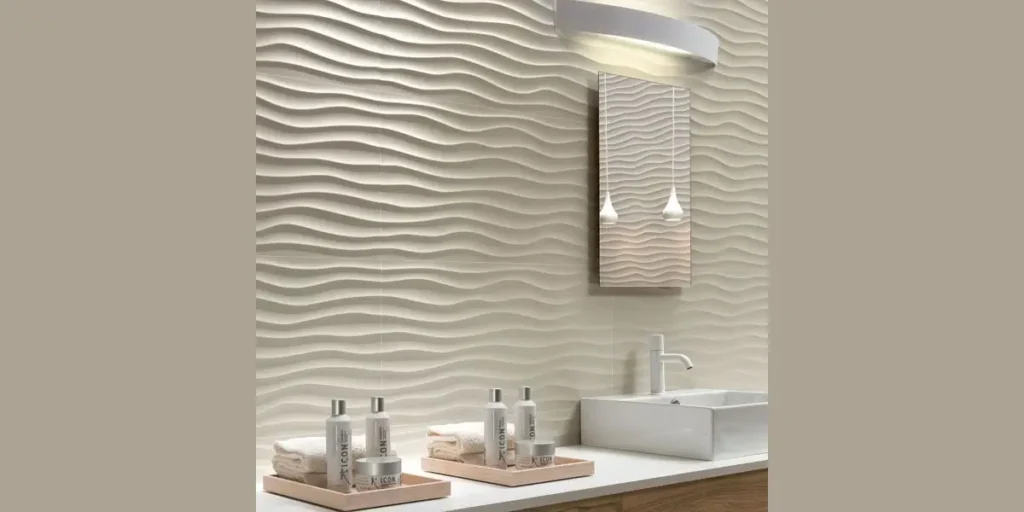
Textured tile accent walls instantly add depth, and I often use them when a bathroom feels visually flat.
These tiles create subtle shadows and movement, making the wall feel dynamic without relying on bold colors. They work especially well as a focal point behind the vanity or inside the shower.
I usually recommend neutral-toned textured tiles because they age better over time.
Soft ridges, fluted designs, or raised geometric patterns add interest while keeping the space calm and balanced.
This idea works because it enhances the bathroom without overpowering it. The texture adds character, yet the overall design remains clean, modern, and easy to live with daily.
2. Natural Stone Accent Wall
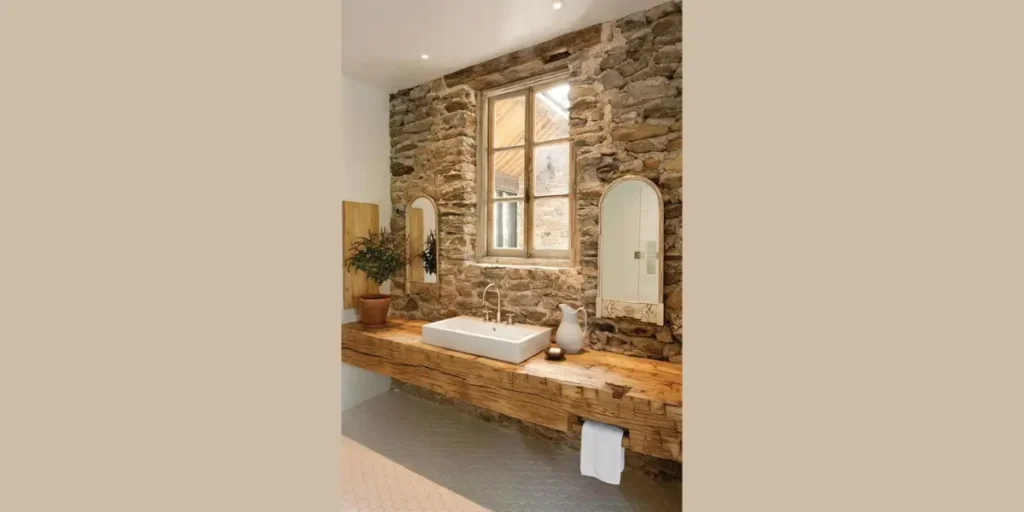
Natural stone accent walls bring authenticity that manufactured materials can’t replicate.
I’ve seen stone instantly elevate bathrooms by adding richness and organic texture. Each slab feels unique, which makes the space look intentional rather than mass-produced.
Materials like marble, travertine, and slate work beautifully on accent walls. I often place them behind freestanding tubs or along shower walls where the stone can truly stand out.
When sealed properly, stone performs well in bathrooms. It adds long-term value, visual depth, and a timeless quality that doesn’t rely on trends to remain relevant.
3. Bold Paint Color Accent Wall
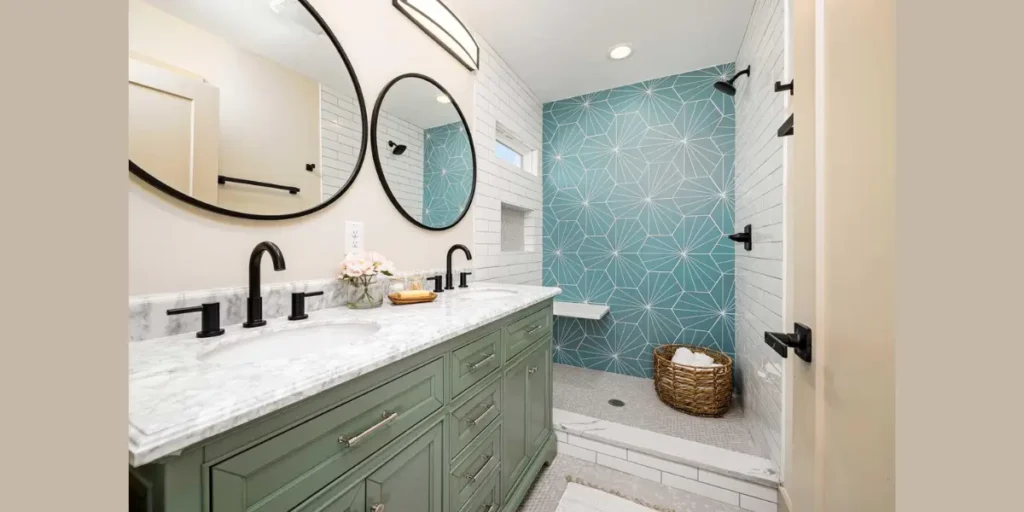
A bold painted accent wall is one of the simplest ways to transform a bathroom.
I recommend this approach when someone wants impact without major renovation. Deep blues, charcoal tones, or earthy greens immediately create contrast.
I usually suggest keeping the rest of the bathroom neutral so the accent wall doesn’t feel overwhelming.
Paint works best on vanity walls or behind mirrors where it frames the space naturally.
This idea succeeds because it’s flexible. You can update the look easily in the future, making bold paint a smart choice for both style and adaptability.
4. Wood Panel Accent Wall
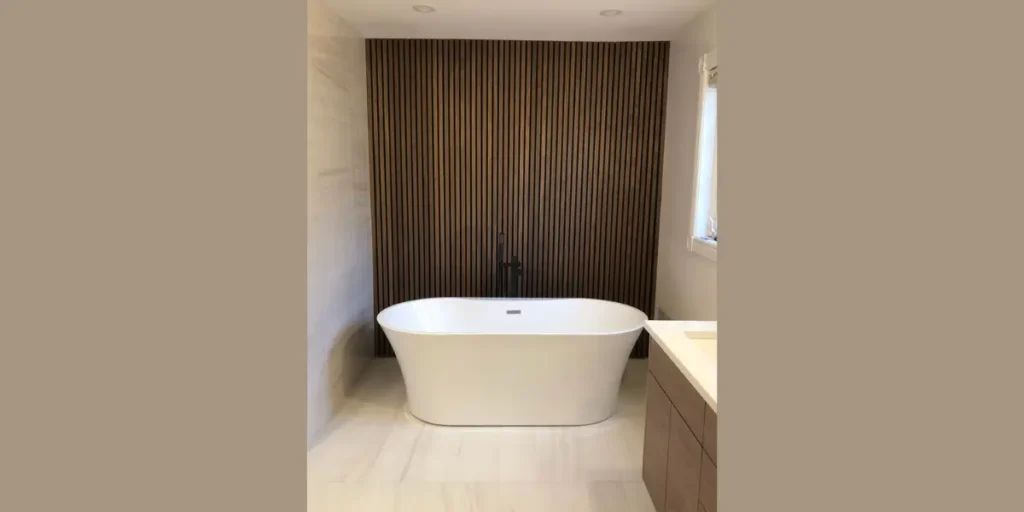
Wood panel accent walls add warmth that bathrooms often lack.
I’ve used them to soften modern designs and bring balance to spaces filled with tile and stone. The result feels inviting rather than cold.
Moisture-resistant wood panels or wood-look materials work best in bathrooms. I often install them vertically to create height and make the ceiling feel taller.
This accent wall style blends texture with comfort. When paired with neutral tiles and modern fixtures, wood panels create a relaxed yet refined atmosphere that feels both natural and intentional.
5. Patterned Tile Accent Wall
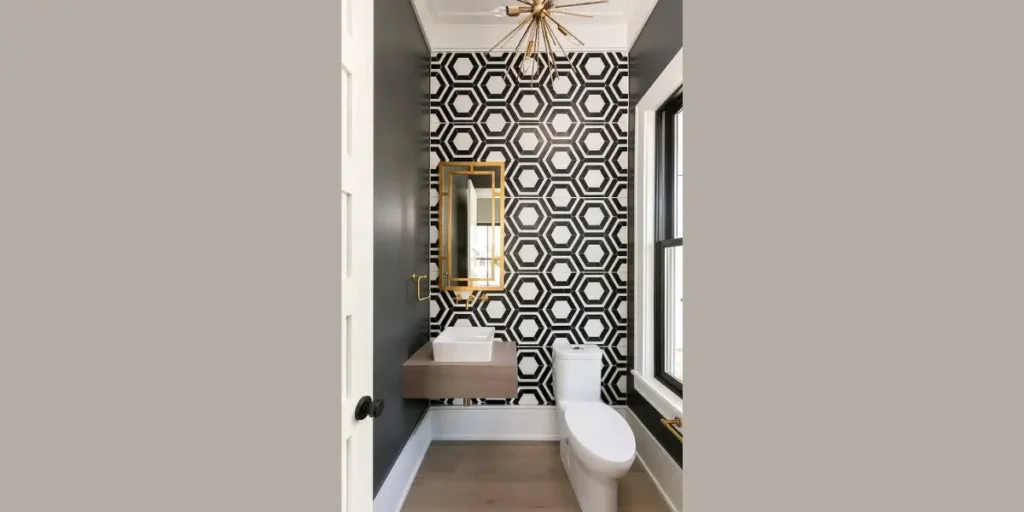
Patterned tile accent walls introduce personality and movement. I use them when a bathroom needs energy or a strong focal point. Geometric, Moroccan, or encaustic-style tiles work particularly well.
I usually limit patterned tiles to one wall to maintain balance.
When placed behind a vanity or in a shower niche, they add interest without overwhelming the entire room.
This idea works because it tells a visual story. The pattern draws attention, while the surrounding surfaces stay calm and supportive, keeping the overall design cohesive.
6. Wallpaper Accent Wall
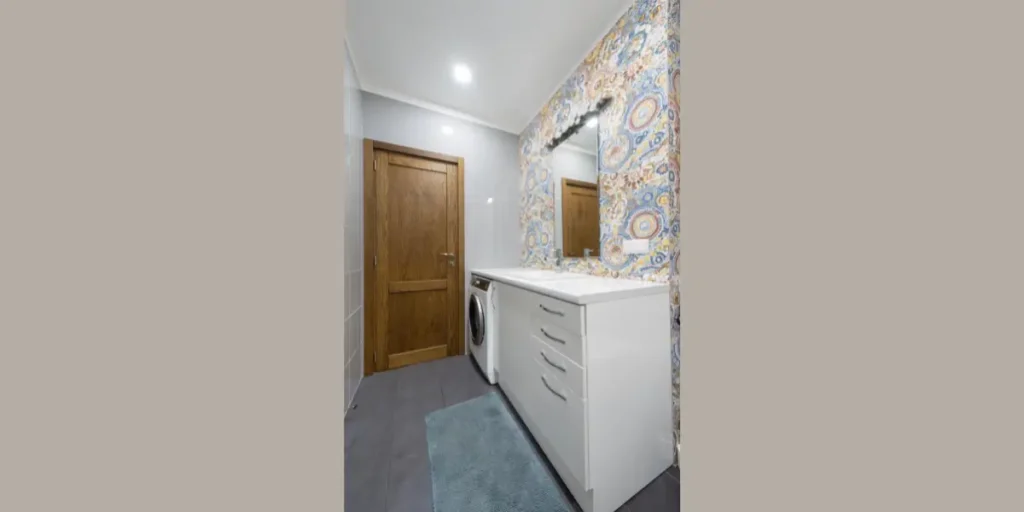
Wallpaper accent walls have become far more practical thanks to moisture-resistant options.
I’ve seen them transform powder rooms and guest bathrooms with minimal effort and maximum style.
Bold patterns, subtle textures, or nature-inspired designs add depth without permanent construction.
I usually recommend wallpaper for vanity walls where humidity remains manageable.
This idea stands out because it allows creative freedom. Wallpaper offers designs that tile and paint can’t always replicate, making it perfect for statement-driven bathrooms.
7. Concrete Finish Accent Wall
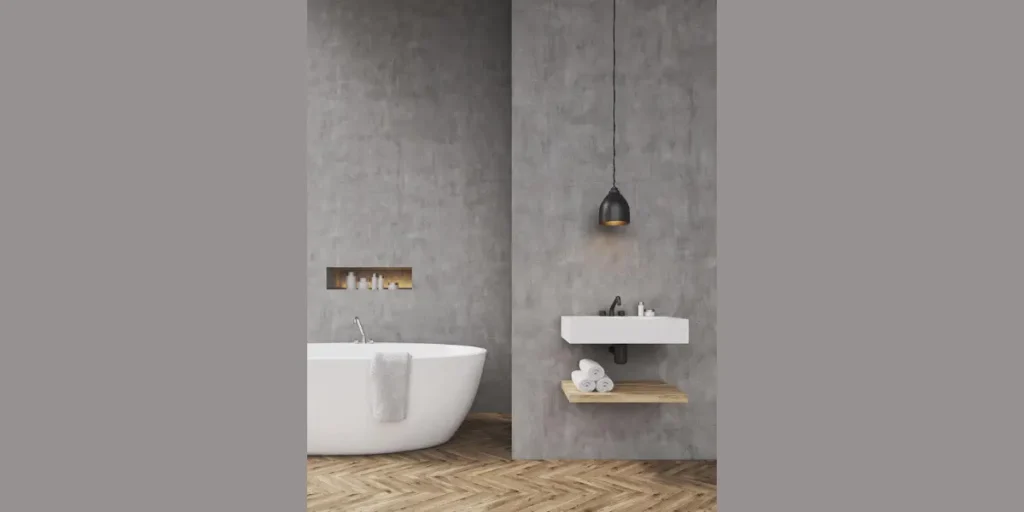
Concrete accent walls create a modern, industrial feel.
I often recommend this look for minimalist bathrooms where texture matters more than decoration. The finish feels raw yet refined.
Microcement or concrete-look finishes work best in wet areas. I usually pair them with black fixtures and simple lighting to keep the design cohesive.
This accent wall works because it relies on restraint. The simplicity of concrete adds character while keeping the bathroom sleek, contemporary, and visually grounded.
8. Vertical Slat Accent Wall
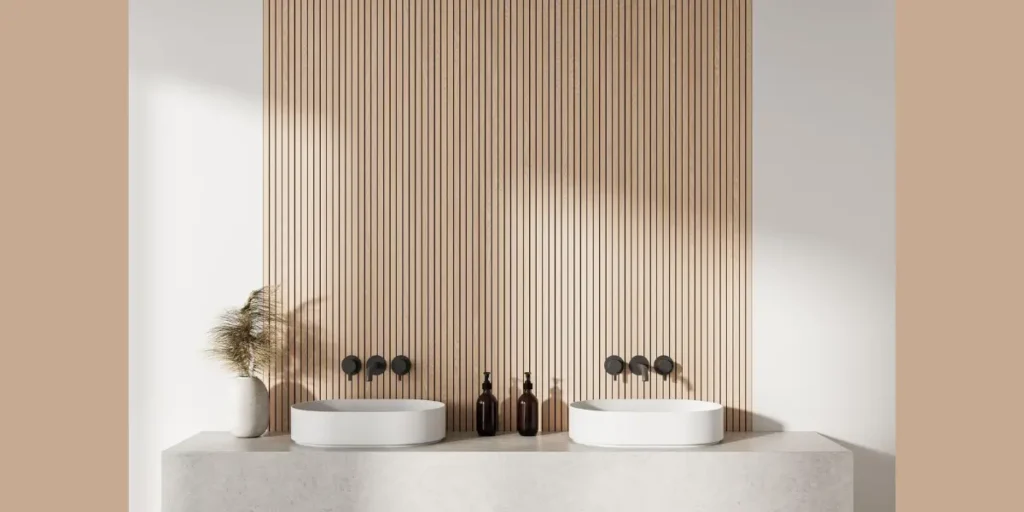
Vertical slat accent walls create rhythm and height. I use them when a bathroom feels short or boxy. The vertical lines naturally draw the eye upward.
Wood, MDF, or composite slats can all work when properly treated. I usually keep spacing consistent to maintain a clean, architectural look.
This idea succeeds because it combines structure with warmth.
The slats add depth without clutter, making the bathroom feel modern, balanced, and thoughtfully designed.
9. Mosaic Tile Accent Wall
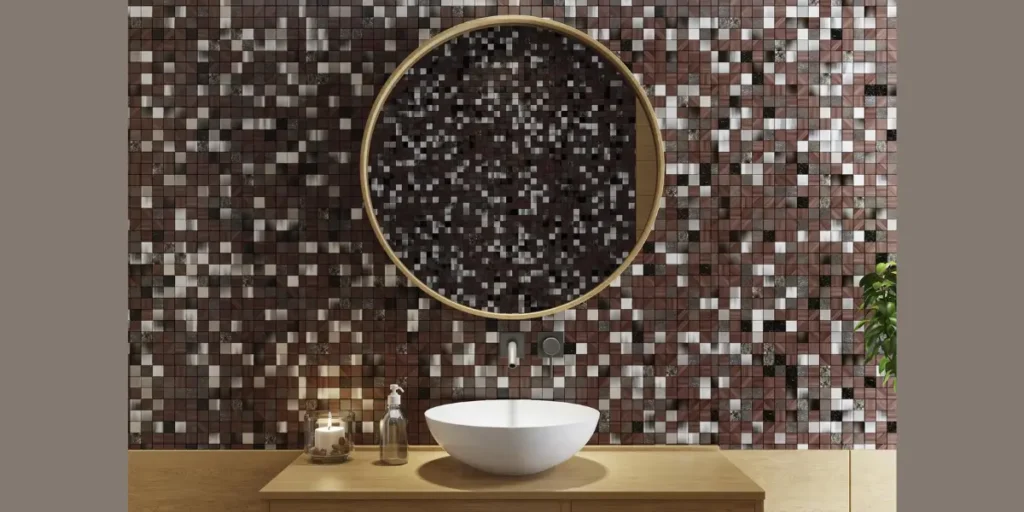
Mosaic tile accent walls bring fine detail and texture.
I often use them in shower areas or niches where close-up visual interest matters most.
Small tiles reflect light beautifully, adding richness even in compact bathrooms.
I usually choose neutral or monochromatic mosaics to keep the design elegant.
This approach works because it celebrates detail. The scale of the tiles adds sophistication without overwhelming the space, making the bathroom feel carefully curated.
10. Backlit Accent Wall
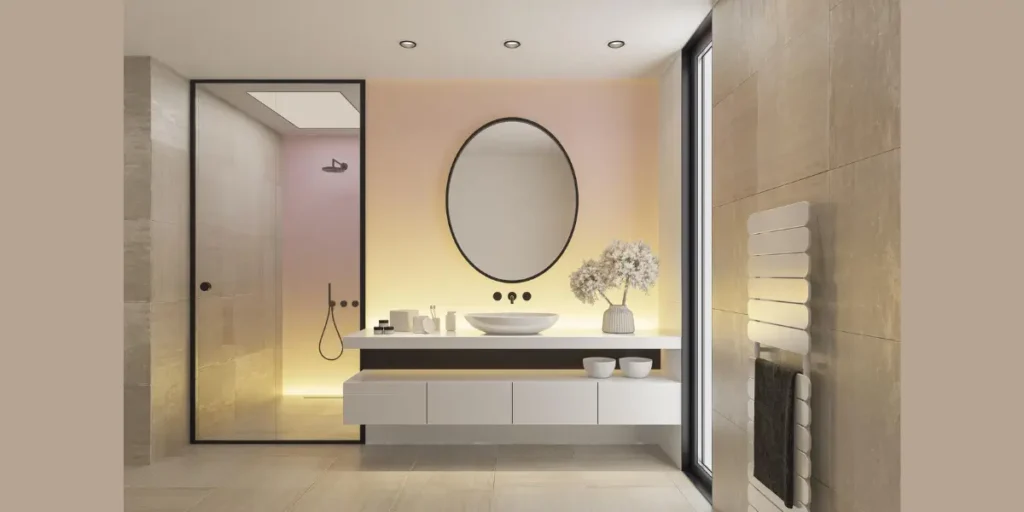
Backlit accent walls use lighting as part of the design. I’ve seen how integrated LED lighting transforms textured or stone walls into dramatic focal points.
I usually place backlighting behind mirrors, stone panels, or slatted walls to highlight depth. Soft, warm lighting works best for a relaxing effect.
This idea stands out because it combines material and light.
The result feels luxurious, modern, and immersive, elevating the bathroom without relying on heavy decoration.
How to Choose the Right Accent Wall for Your Bathroom
Choosing the right accent wall starts with understanding the bathroom’s layout and natural light.
I always look at which wall naturally draws attention, such as the vanity or shower wall, because an accent should enhance the design rather than compete with it.
Material selection matters just as much. I recommend choosing finishes that handle moisture well while still adding texture or contrast.
When the accent wall complements the fixtures, lighting, and color palette, the entire bathroom feels cohesive and intentionally designed.
Conclusion
Bathroom accent wall ideas offer one of the most effective ways to upgrade a space without a full renovation.
I’ve seen how the right accent wall can completely change the mood of a bathroom, making it feel more refined, modern, and thoughtfully designed.
Whether the goal is adding texture, warmth, or visual drama, success comes from balance and placement rather than excess.
When materials, lighting, and proportions work together, an accent wall feels intentional instead of decorative.
A well-chosen accent wall doesn’t just enhance aesthetics, it adds personality and long-term appeal to the entire bathroom.
FAQs
The best accent wall is usually the one that naturally stands out, such as the wall behind the vanity or inside the shower. I avoid walls with too many interruptions like doors or windows. A clean surface allows the accent design to shine.
Yes, accent walls can work very well in small bathrooms when used carefully. I recommend subtle textures, lighter tones, or vertical designs to avoid making the space feel crowded. One well-chosen wall adds depth without overwhelming the room.
Materials like tile, stone, concrete finishes, and moisture-resistant panels perform best in bathrooms. I always advise sealing natural materials properly to protect against humidity. Durability should guide material choices as much as appearance.
I usually recommend sticking to one accent wall per bathroom. More than one can create visual clutter and reduce impact. A single, well-executed wall delivers stronger design results.