
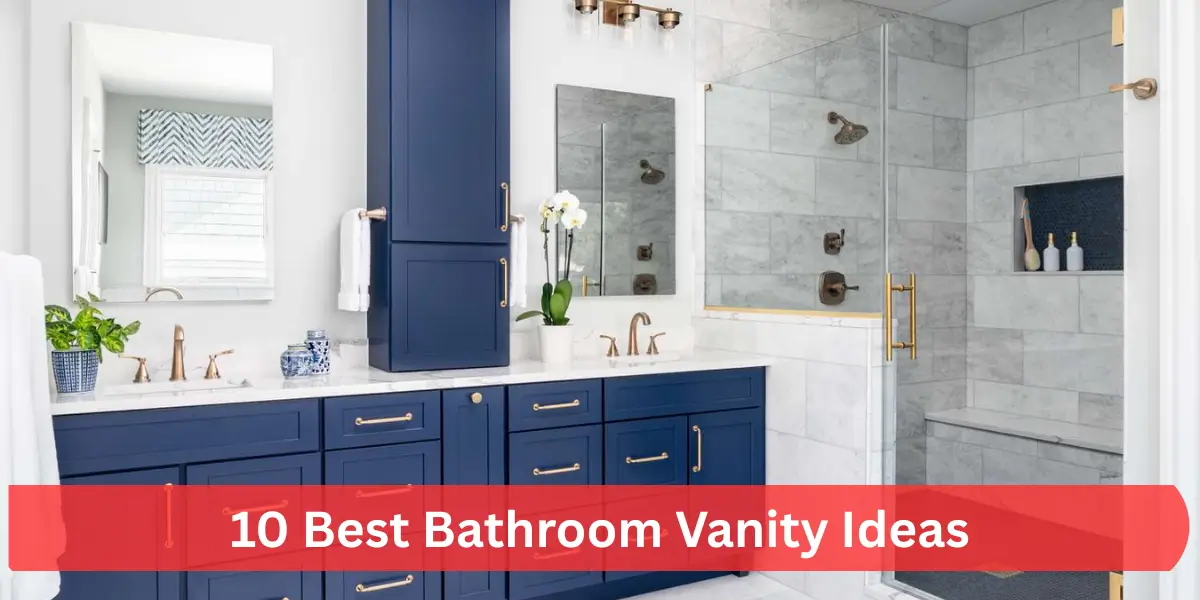

Bathroom vanity ideas often determine how functional and balanced a bathroom truly feels.
When I design or review a bathroom layout, I always treat the vanity as the core element because it combines storage, style, and daily usability in one place.
A well-chosen vanity can make a small bathroom feel organized or turn a large space into a refined retreat.
From sleek floating designs to custom-built solutions, today’s bathroom vanities offer far more than basic cabinets.
In this guide, I’ll share carefully researched vanity ideas based on real design principles, practical needs, and long-term performance so you can choose with confidence, not guesswork.
1. Floating Bathroom Vanity
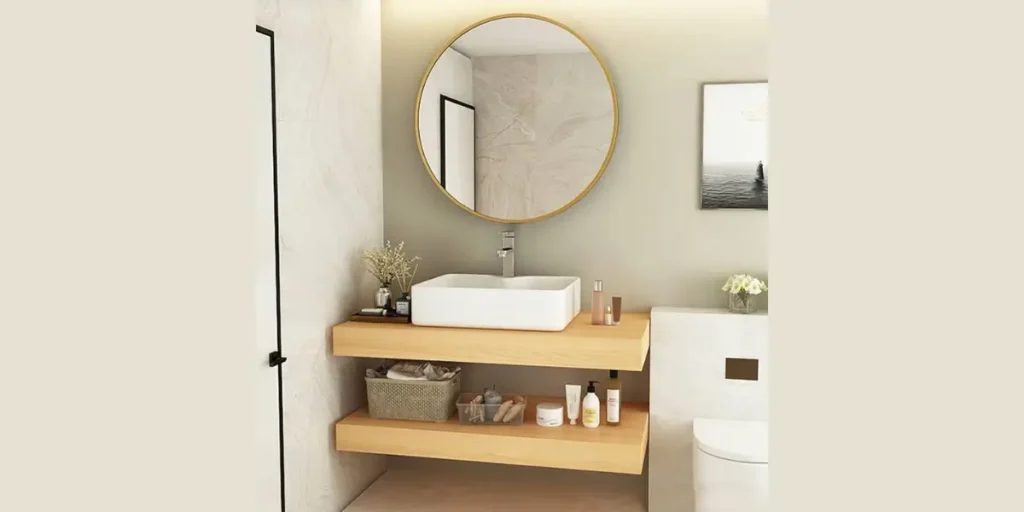
When I work on contemporary bathrooms, floating bathroom vanities are often my first choice.
Because they mount directly to the wall, they leave the floor visible, which instantly makes the bathroom feel larger and more open.
I find this especially useful in compact spaces where every visual inch matters.
Floating vanities also support a clean and minimal aesthetic. I usually pair them with handle-less drawers or push-to-open systems to maintain a seamless look. This design reduces clutter and keeps the focus on clean lines.
From a practical standpoint, floating vanities make floor cleaning easier. With proper wall support and quality installation, they remain strong, stable, and perfectly suited for daily use.
2. Double Sink Bathroom Vanity
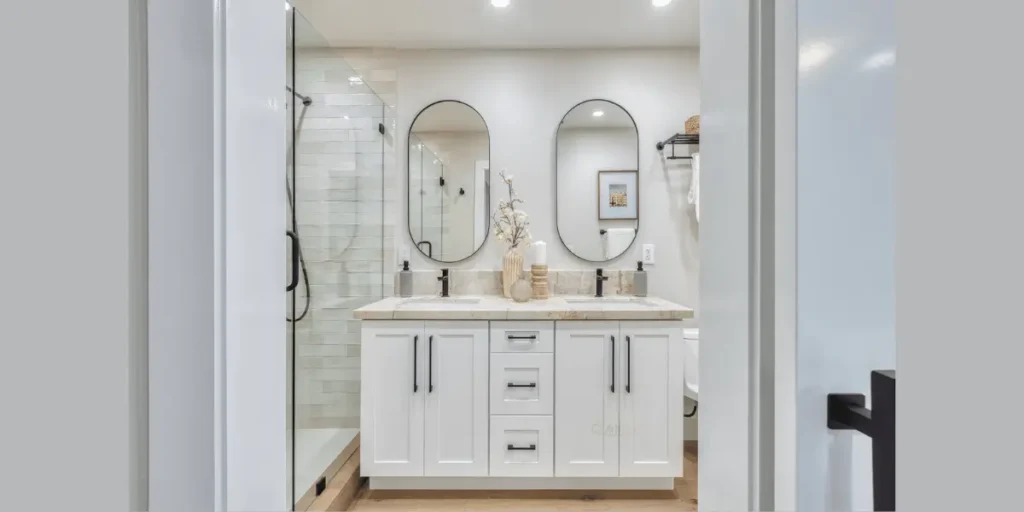
In shared bathrooms, I strongly recommend a double sink bathroom vanity. It allows two people to use the space simultaneously without crowding, which improves daily routines significantly.
This layout works best in master bathrooms with enough wall width.
I like how double vanities create visual balance. Symmetry in mirrors, sinks, and storage brings a sense of order and luxury to the room.
I often design them with individual drawers so each user has personal storage.
Beyond aesthetics, double vanities add long-term value to a home. Families and couples appreciate the convenience, making this option both practical and appealing from a resale perspective.
3. Rustic Wood Bathroom Vanity
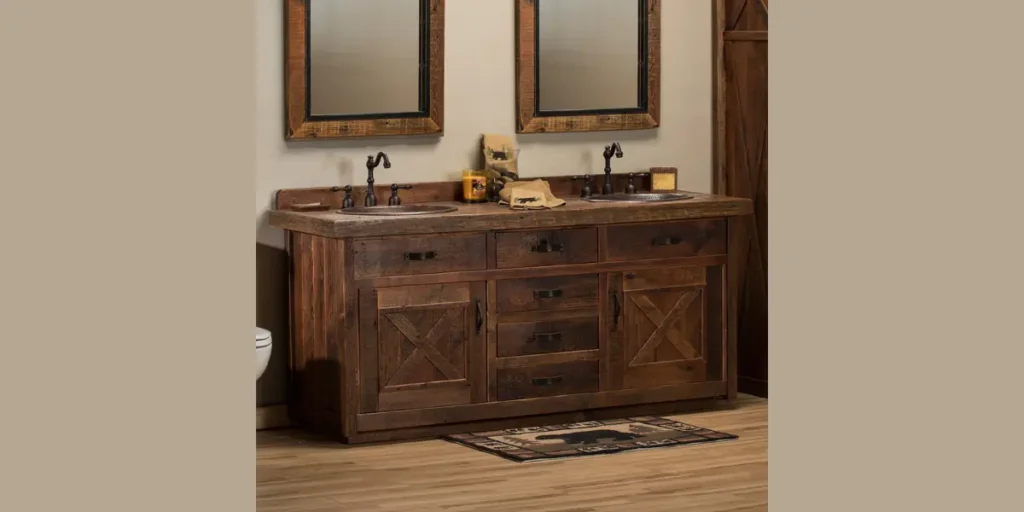
When a bathroom feels cold or overly modern, I introduce a rustic wood vanity to bring warmth into the space.
Natural wood textures instantly make the bathroom feel more welcoming and grounded. Reclaimed or solid wood adds character that manufactured finishes often lack.
I always ensure the wood receives proper sealing to protect it from moisture and humidity.
With the right finish, wood performs well even in bathrooms with frequent use. This step is critical for long-term durability.
Rustic vanities pair beautifully with stone countertops or matte black hardware. I use them to create contrast, allowing the vanity to become a focal point without overwhelming the overall design.
4. Minimalist Bathroom Vanity
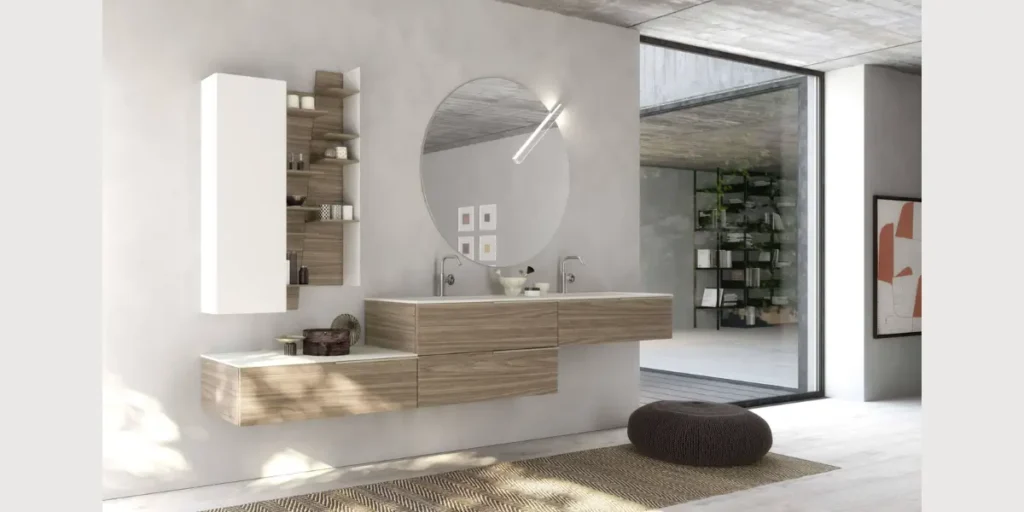
Minimalist bathroom vanities focus on simplicity, and I rely on them when clarity and order matter most.
These vanities use straight lines, neutral colors, and simple forms to create a calm visual environment. I find them ideal for modern homes.
I often design minimalist vanities with hidden storage and flat-front drawers. This approach removes visual noise and helps the bathroom feel organized.
Every element serves a purpose, which supports both design and daily function.
From a usability perspective, minimalist vanities reduce maintenance. Fewer details mean fewer areas for dust or moisture buildup.
This makes them practical for homeowners who value clean design and easy upkeep.
5. Freestanding Bathroom Vanity
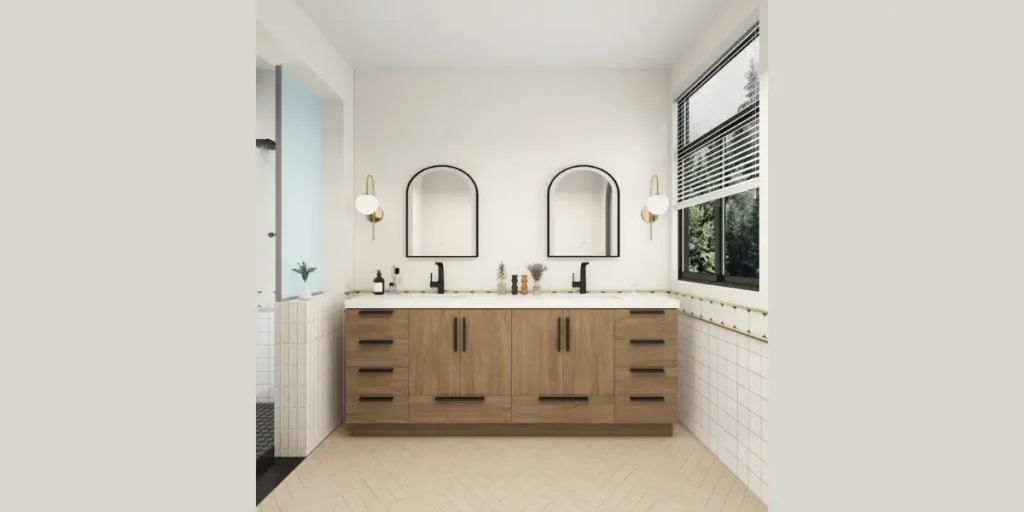
Freestanding bathroom vanities remain a classic option that I use across many design styles.
Because they sit directly on the floor, they feel sturdy and familiar, similar to traditional furniture. This makes them easy to integrate into existing layouts.
I like the flexibility freestanding vanities offer. Homeowners can replace or upgrade them without major wall modifications. This adaptability works well for long-term planning and future renovations.
Design-wise, freestanding vanities suit both traditional and transitional bathrooms. With the right finish and hardware, they can feel elegant, practical, and timeless without appearing outdated.
6. Wall-to-Wall Bathroom Vanity
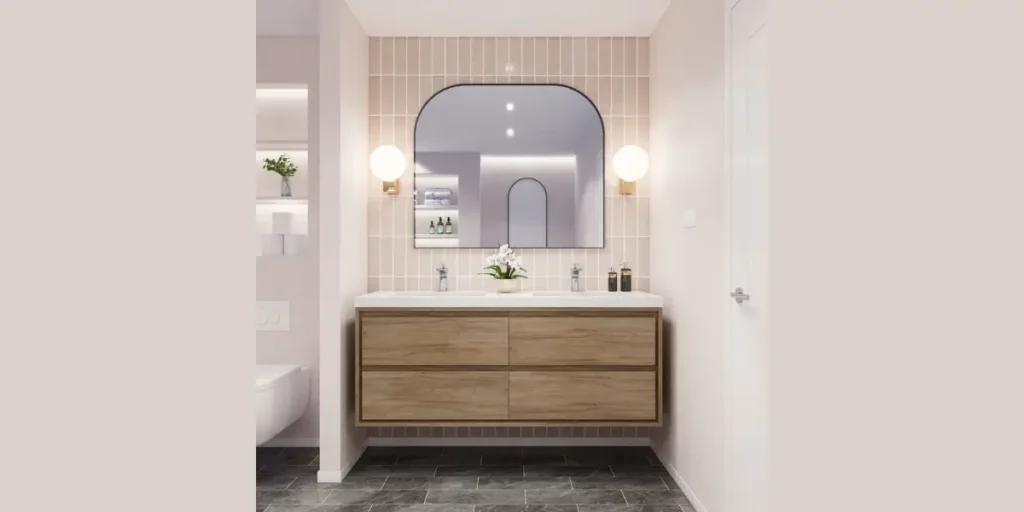
When storage is a top priority, I recommend a wall-to-wall bathroom vanity. This design uses the full width of the wall, allowing me to maximize drawer and cabinet space. It works especially well in large bathrooms.
I often customize these vanities to include deep drawers, concealed compartments, and integrated organizers.
This keeps everyday items hidden while maintaining a clean appearance. Organization becomes effortless with this layout.
Visually, wall-to-wall vanities create a high-end, built-in look. When paired with matching countertops and mirrors, they transform the bathroom into a cohesive and luxurious space.
7. Open Shelf Bathroom Vanity
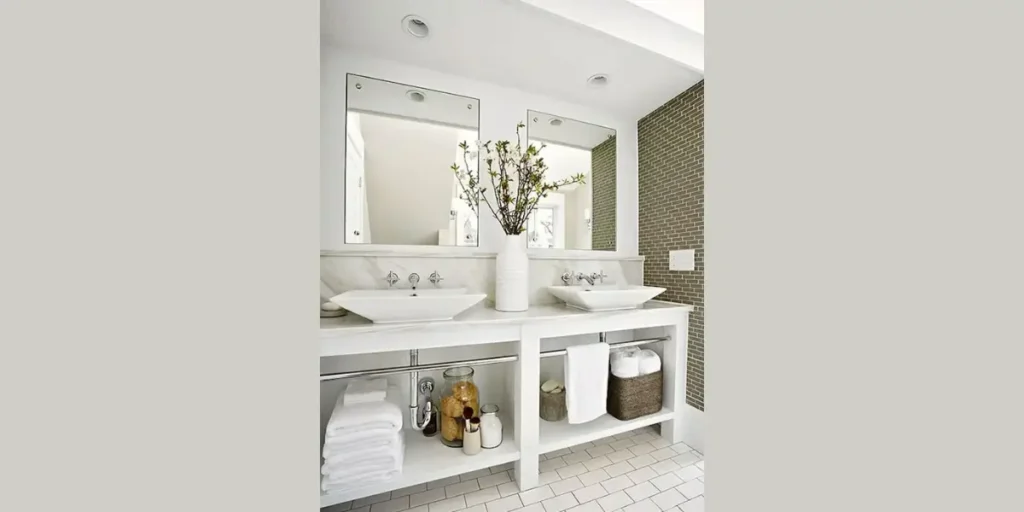
Open shelf bathroom vanities help create a relaxed and breathable atmosphere. I use them when a bathroom feels too heavy or enclosed. Removing cabinet doors allows light to flow more freely through the space.
I typically style open shelves with baskets, folded towels, or minimal accessories.
This keeps the vanity functional without appearing cluttered. Thoughtful styling plays a key role in making this design work.
While open shelving requires discipline, it encourages organization. I suggest this option for guest bathrooms or design-focused spaces where aesthetics and accessibility matter more than concealed storage.
8. Vintage Bathroom Vanity
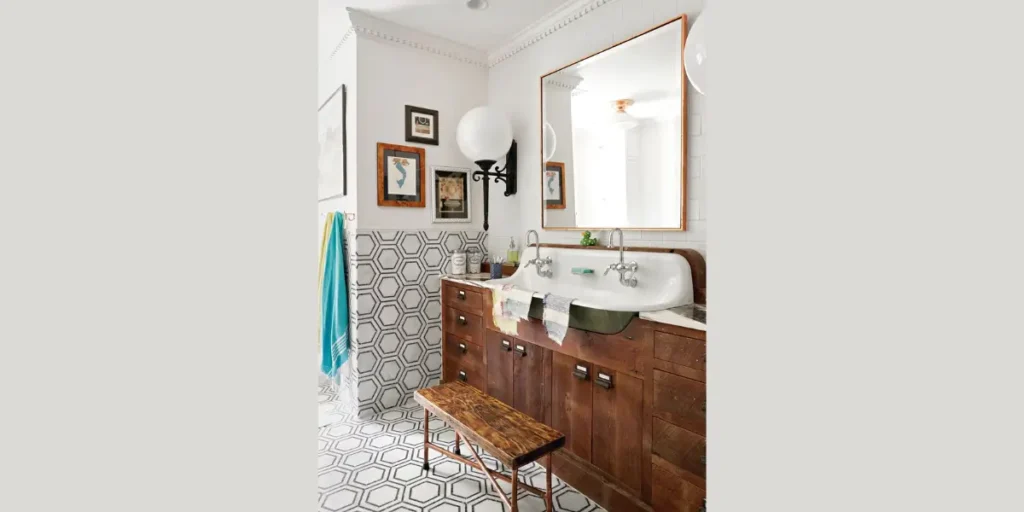
Vintage bathroom vanities allow me to introduce personality into a space.
Whether inspired by antique furniture or classic detailing, these vanities bring depth and uniqueness to bathroom design. I use them when clients want something distinctive.
I often restore or replicate vintage finishes using modern materials. This preserves the charm while ensuring durability and functionality. The result feels authentic without compromising performance.
Vintage vanities pair well with modern fixtures, creating a balanced contrast. This mix of old and new adds richness to the bathroom and prevents the space from feeling overly themed.
9. Compact Bathroom Vanity
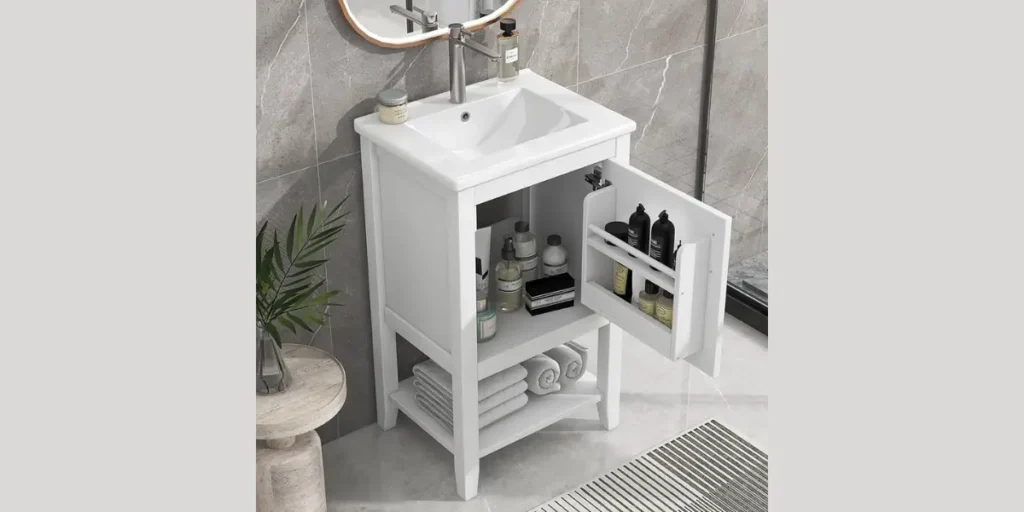
For powder rooms and small bathrooms, compact vanities provide the perfect balance of function and proportion.
I select narrow-depth designs that fit comfortably without blocking movement or visual flow.
I focus on vertical storage and integrated drawers to make the most of limited space. Even a small vanity can offer surprising functionality when designed intelligently.
Compact vanities help small bathrooms feel intentional rather than cramped. With the right finish and lighting, they enhance usability while maintaining a clean, well-planned appearance.
10. Custom Bathroom Vanity
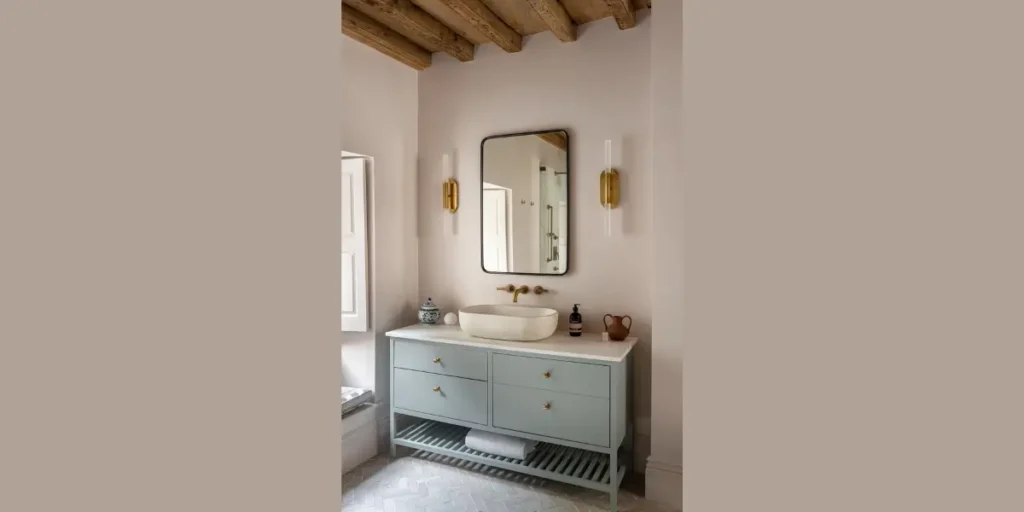
When standard options fall short, I turn to custom bathroom vanities. Custom designs allow me to tailor size, storage, materials, and layout to the exact needs of the space. This ensures nothing feels forced.
I work closely with measurements, plumbing placement, and user habits during the design process.
This results in a vanity that supports daily routines efficiently while reflecting personal style.
Although custom vanities require a higher investment, they deliver unmatched functionality and cohesion. For homeowners seeking a long-term solution, this option offers complete control and lasting satisfaction.
How to Choose the Right Bathroom Vanity for Your Space
When I help someone choose a bathroom vanity, I always begin with how the bathroom is used on a daily basis.
A primary bathroom needs more storage and durability, while a guest or powder room benefits from lighter, space-saving designs.
I also look at layout, door swing, and plumbing placement before finalizing a style. The right vanity should support movement, improve organization, and visually balance the room.
When design and function work together, the bathroom feels comfortable, efficient, and intentionally planned rather than crowded or underutilized.
Conclusion
A bathroom vanity is more than a storage unit, it shapes how the entire bathroom functions and feels every day.
Through my experience, I’ve seen how the right vanity can simplify routines, reduce clutter, and elevate the overall design without unnecessary complexity.
Whether the goal is maximizing space, adding character, or creating a seamless modern look, thoughtful selection always makes the difference.
By focusing on layout, materials, and real usage needs, you can choose a vanity that works beautifully today and continues to perform well over time.
A smart vanity choice turns an ordinary bathroom into a well-designed, purposeful space.
FAQs
In small bathrooms, I usually recommend floating or compact vanities. These designs take up less visual space and help the room feel more open. Wall-mounted options also make floor cleaning easier and improve flow. Choosing light colors and simple finishes further enhances the sense of space.
Yes, floating vanities are very strong when installed correctly. I always ensure they are anchored into wall studs or reinforced framing. High-quality materials and professional installation make them just as reliable as freestanding units. With proper support, they handle daily use without issues.
The right amount of storage depends on how many people use the bathroom. I typically plan space for daily essentials, cleaning supplies, and personal items without overcrowding drawers. Too little storage creates clutter, while too much can make the vanity feel bulky. Balance is key.
In my experience, a custom vanity is worth it when standard sizes or layouts don’t fit the space properly. Custom designs allow better use of awkward corners or unusual plumbing locations. They also offer personalized storage solutions. While the cost is higher, the long-term functionality often justifies it.