


I want to help you move past the boring flat white ceilings that make a room feel unfinished. Most people forget the fifth wall even exists until they realize how much character a simple pattern adds to their daily view.
Creative Ceiling Design Choices for Every Room
I believe a well-planned ceiling layout serves as the visual anchor for your entire interior design scheme. Most homeowners overlook this space because they think it requires a massive renovation or a professional contractor for every small change.
You can actually achieve a high-end look by selecting patterns that complement your existing furniture and wall colors without clashing. I often suggest starting with a clear vision of the room’s purpose, so the overhead design doesn’t feel like a random afterthought.
Adding texture or geometric lines to your ceiling creates a sense of depth that draws the eye upward and makes the room feel taller. I have seen simple rooms turn into luxury suites just by focusing on the symmetry of the overhead patterns and materials used.
Selecting the right materials, like wood or plaster, ensures your ceiling remains a durable and attractive feature for many years to come. I recommend researching how different light fixtures interact with these patterns to avoid creating awkward shadows that might ruin the intended aesthetic.
1. Classic Coffered Ceiling Patterns
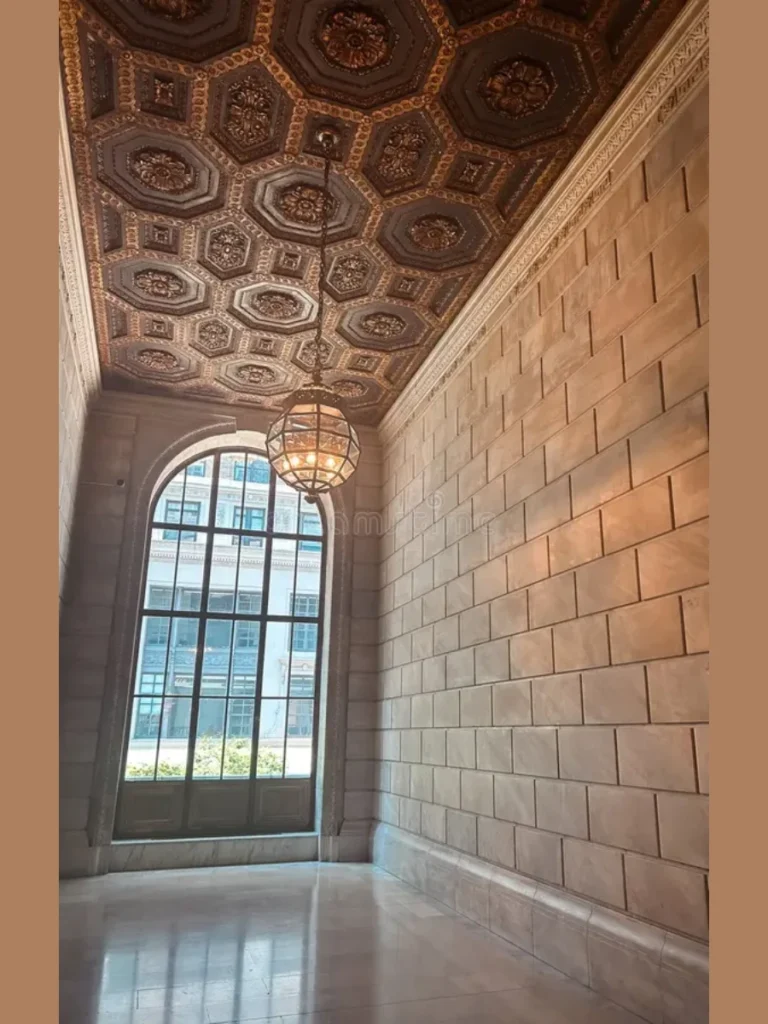
I find that the traditional grid of a coffered ceiling brings an immediate sense of structural elegance to any formal dining room. This architectural choice uses recessed panels framed by heavy beams to create a depth that feels both historic and incredibly sturdy.
You can customize the depth of the beams to suit the height of your room, so the pattern does not feel overwhelming. I noticed that painting the inner panels a slightly lighter shade than the beams helps the geometry pop without looking too busy.
Installing these beams requires some basic carpentry skills but the result often increases the perceived value of your home significantly. I usually suggest this pattern for larger rooms where the repetitive square or rectangular shapes can truly spread out and breathe.
If you want a modern twist on this classic look, you might try using thinner slats instead of thick traditional beams for the grid. This approach keeps the sophisticated rhythm of the coffers while fitting perfectly into a more contemporary or minimalist home environment.
2. Geometric Wood Slat Layouts
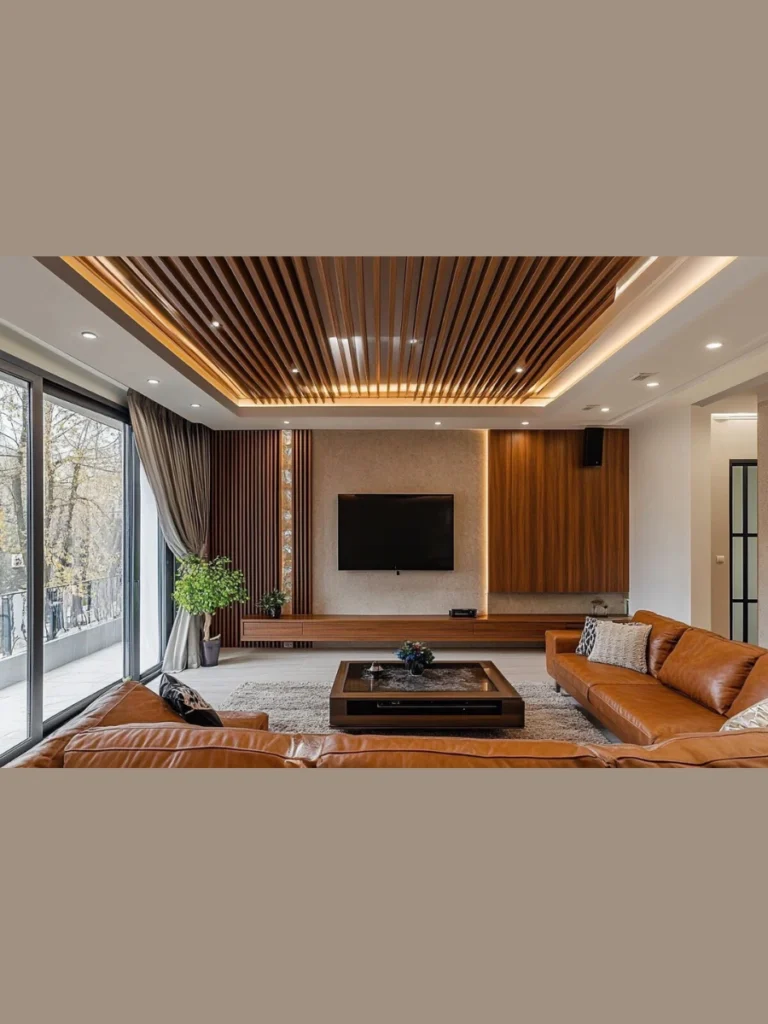
I really love how natural wood slats can create a warm and rhythmic pattern that feels like a piece of modern art. Parallel lines of oak or pine provide a clean look that works exceptionally well in home offices or entryways where first impressions matter.
You can experiment with the spacing between each slat to control how much of the dark backing material shows through the gaps. I think this contrast adds a layer of sophistication that standard drywall simply cannot match no matter how many coats of paint you apply.
Diagonal installations offer a more energetic feel if you want to break away from the standard horizontal or vertical alignment of most rooms. I have found that running the slats toward a window helps guide natural light deeper into the living space during the afternoon.
Maintenance for these wood patterns is surprisingly easy if you use a quality sealant to protect the timber from moisture and dust. I suggest using hidden fasteners during the installation process so the clean lines of the wood remain the main focus of the viewer.
3. Sophisticated Herringbone Patterns
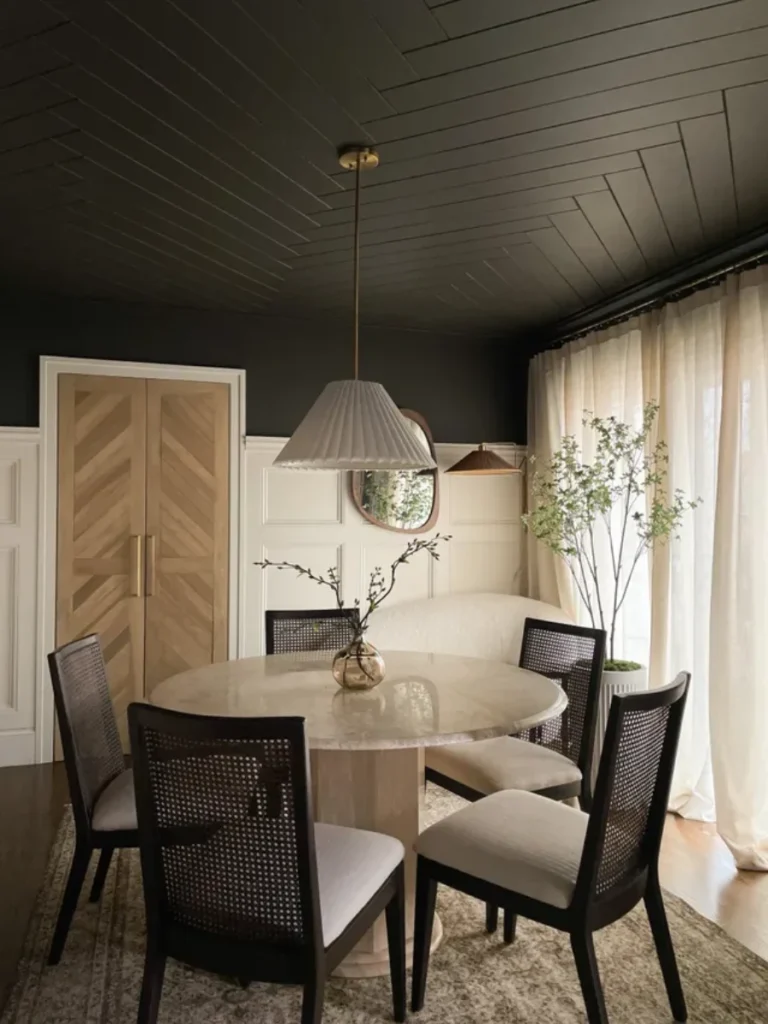
I am always impressed by how a herringbone pattern can make a ceiling look like a custom piece of handcrafted furniture. This V-shaped arrangement of boards creates a sense of movement that leads the eye across the room in a very natural way.
Using reclaimed wood for this specific pattern adds a rustic charm and a bit of history to your renovation project. I appreciate how the varying tones of the wood planks create a natural mosaic that doesn’t require any additional decor to look complete.
You should pay close attention to the starting point of the pattern to ensure the symmetry remains perfect as you reach the walls. I often tell my friends that a slightly off-center herringbone can be a bit distracting once you sit down and look up.
This pattern works beautifully in kitchens or hallways where you want to add a high level of detail without taking up floor space. I think it provides a perfect balance between traditional craftsmanship and the bold design choices found in modern luxury homes.
4. Subtle Tray Ceiling Borders
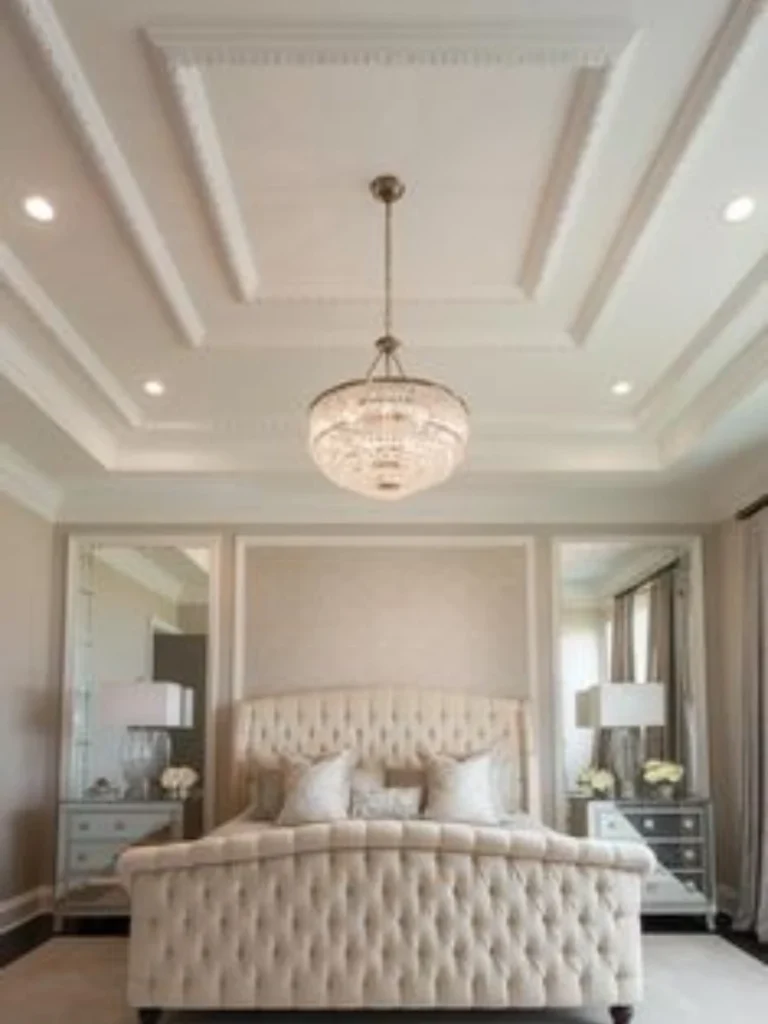
I think tray ceilings are the best solution if you want to add architectural interest without committing to a full-surface pattern. This design features a recessed center section that creates a frame around the perimeter of the room like an inverted tray.
You can use the vertical edge of the tray to hide LED strip lighting which provides a soft and indirect glow at night. I found that this hidden light source highlights the pattern of the ceiling without the need for bulky and expensive chandeliers.

Depuley Modern Ceiling Fan with Light: 42-Inch Black Small Fans for Bedroom Indoor Outdoor - Dimmable Low Profile Ceiling Fans with Remote Control Flush Mount 5 Reversible Black Blades 6 Speeds Timer
Depuley Modern Ceiling Fan with Light: 42-Inch Black Small Fans for Bedroom Indoor Outdoor -…
Painting the inner “tray” a contrasting color or applying a subtle wallpaper pattern can make the center of the room feel more intimate. I enjoy how this simple structural change can define different zones in an open-concept living area without using physical walls or dividers.
Adding crown molding to the edges of the tray increases the level of detail and gives the room a very polished finish. I recommend this idea for master bedrooms because it creates a cozy atmosphere that feels much more expensive than a standard flat ceiling.
5. Intricate Stenciled Paint Designs
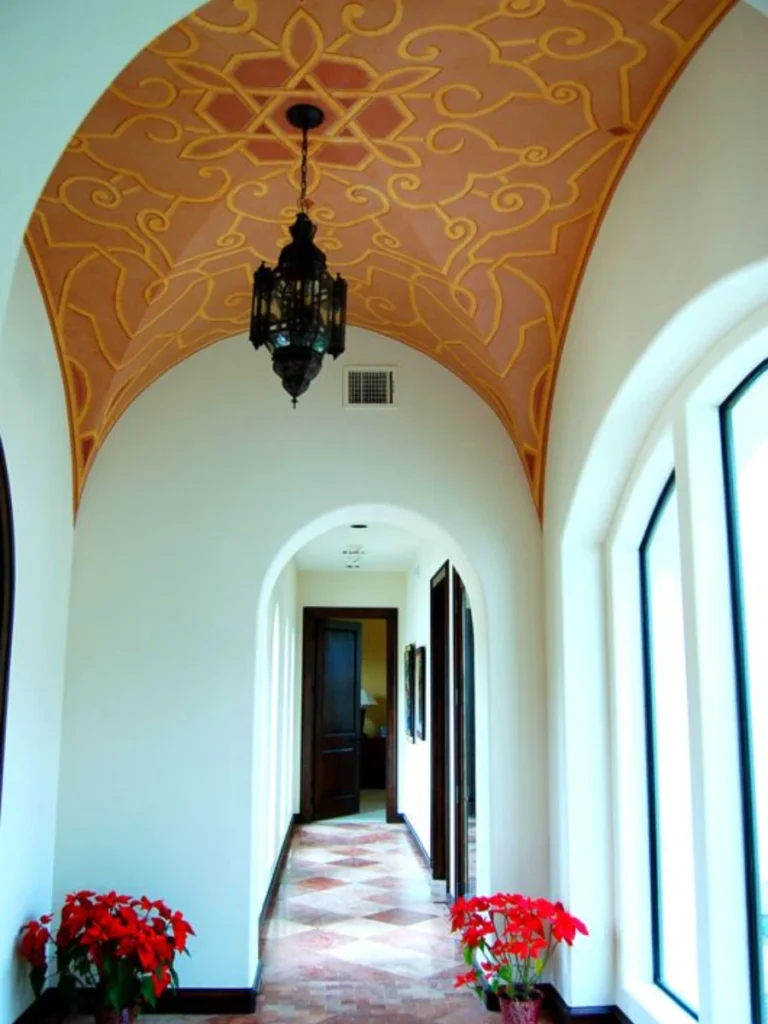
I find that stenciling is the most affordable way to get a custom pattern without hiring a professional mason or carpenter. You can use large-scale Moroccan or Victorian stencils to create a repetitive motif that looks like expensive custom plasterwork from a distance.
I suggest using a flat finish paint for the base and a semi-gloss for the stencils to create a subtle play of light. This technique allows the pattern to appear and disappear depending on the angle of the sun entering the room throughout the day.
You need a steady hand and a good ladder, but the ability to choose your own colors makes this project very personal. I think it is a great way to tie in the colors of your area rug or throw pillows with the rest of the room.
If you get tired of the look after a few years, you can simply paint over it and start fresh with a new design. I appreciate this flexibility because it allows you to stay current with home decor trends without doing a full structural demolition.
6. Elegant Tin Ceiling Tile Patterns
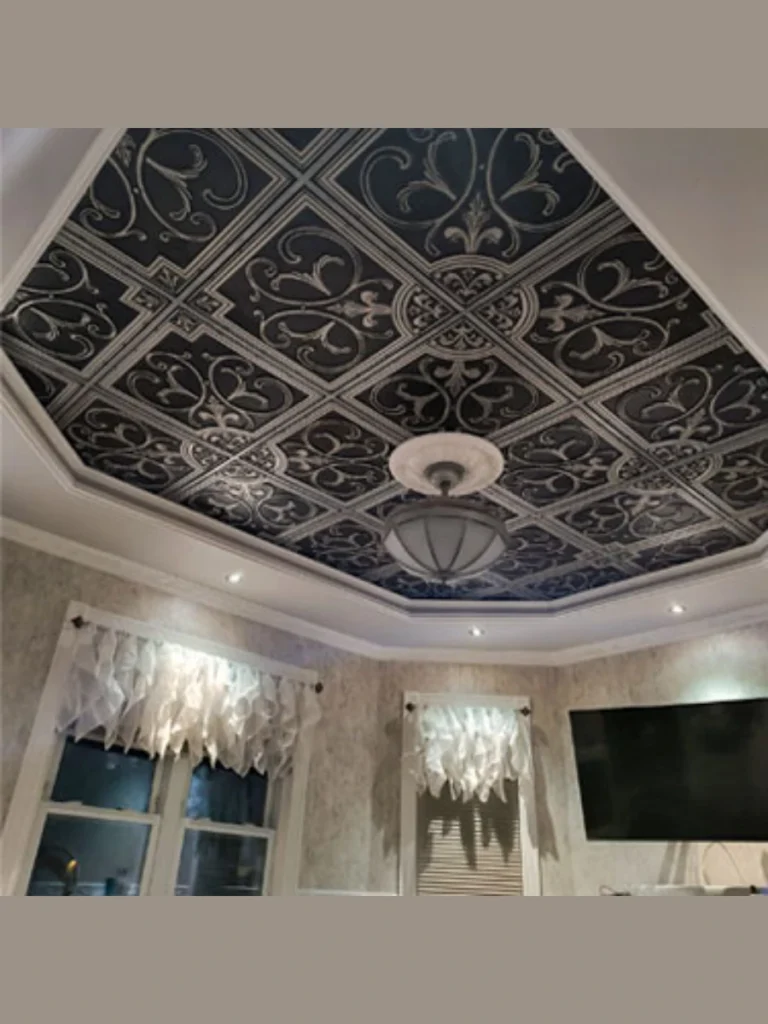
I think metallic tin tiles are a fantastic way to bring a vintage or industrial vibe to a modern kitchen or basement bar. These tiles often feature embossed floral or geometric patterns that reflect light in a way that makes a dim room feel much brighter.
You can find these tiles in various finishes like copper, brass, or brushed nickel to match your cabinet hardware and light fixtures. I have seen many people use faux-tin versions made of lightweight PVC, which are much easier to install for a solo DIY project.

VICNIE 2-Light Flush Mount Ceiling Light,12 inch Modern Ceiling Light Fixture with Brushed Nickel Metal and Frosted Glass Shade for Hallway, Kitchen, Bedroom
VICNIE 2-Light Flush Mount Ceiling Light,12 inch Modern Ceiling Light Fixture with Brushed Nickel Metal…
The repetitive nature of the tile grid provides a sense of order and symmetry that grounds a room with high ceilings and open spaces. I suggest using a dark grout or overlapping edges to ensure the seams between the tiles remain invisible to the naked eye.
I personally love the way a copper-toned ceiling ages over time, developing a unique patina that adds character to your home’s interior. It is a bold choice that serves as a conversation starter whenever guests look up from their dinner plates or drinks.
7. Natural Bamboo Slat Designs
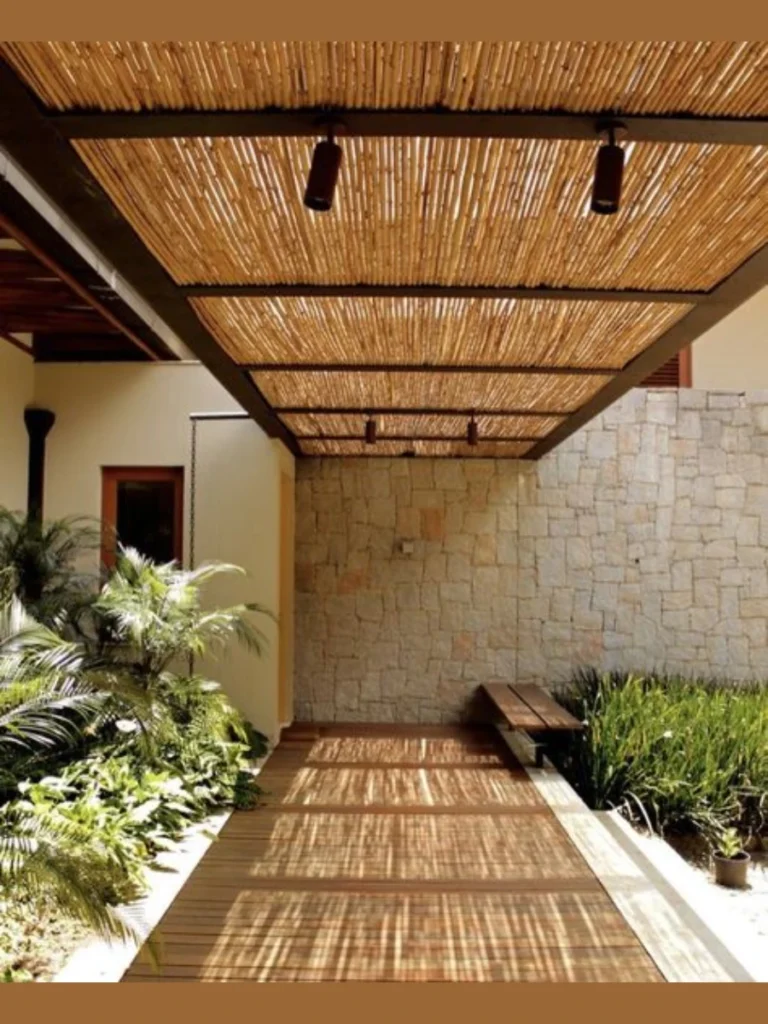
I find that bamboo slats offer a refreshing and eco-friendly alternative for those who want a tropical or zen-like atmosphere in their living space. The thin, rounded textures of the bamboo create a fine-lined pattern that feels much lighter and airier than heavy hardwood planks.
You can install these in a linear fashion or create a woven mat look that adds a lot of organic texture to a sunroom. I appreciate how the natural variations in the bamboo color create a striped effect that looks professionally designed without much extra effort.
This material is particularly great for covered outdoor patios because it handles humidity well while providing a finished look to the porch structure. I have noticed that it pairs perfectly with potted plants and rattan furniture to create a cohesive island-inspired retreat.
Using a staple gun and some construction adhesive makes the installation process quick enough to finish over a single productive weekend at home. I recommend this for anyone who wants a unique texture that moves away from the standard suburban home improvement catalog look.
8. Minimalist Drywall Reveal Patterns
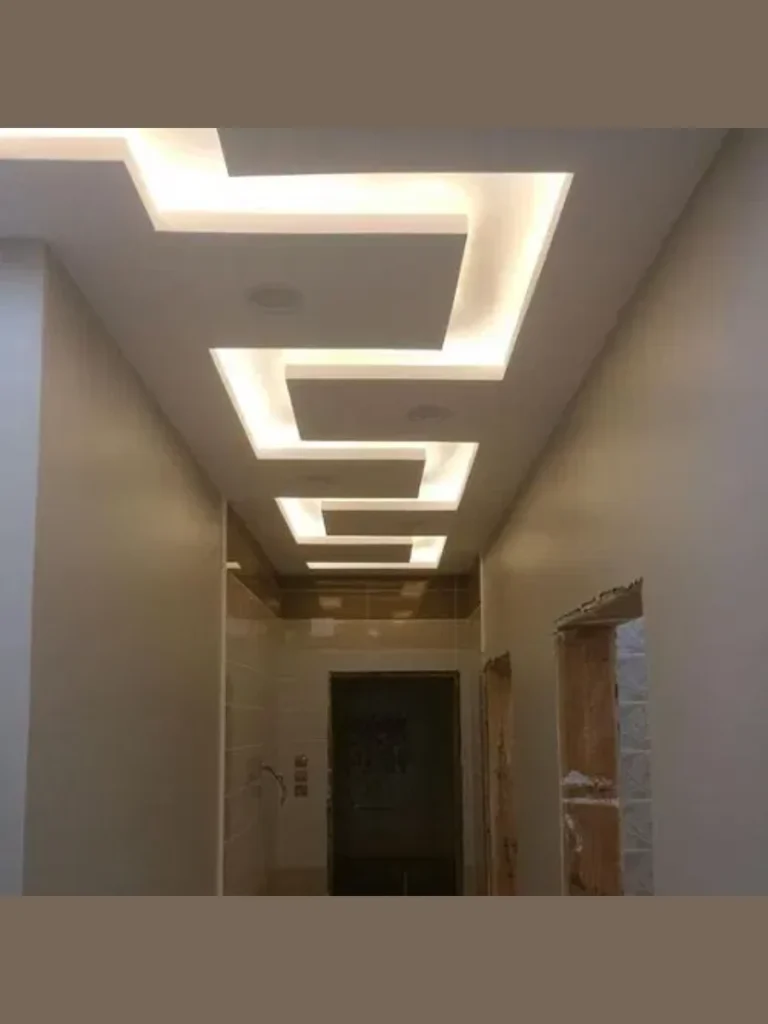
I believe that drywall reveals are the ultimate choice for a modern home where clean lines and hidden details are the main priority. This technique involves leaving small gaps between drywall sheets to create thin, dark recessed lines that form large geometric shapes.
It creates a very subtle pattern that only reveals itself through the play of shadows and light across the smooth white surface. I think this is a brilliant way to add architectural interest to a gallery-style hallway without distracting from the artwork on the walls.
You will need a very skilled drywall finisher to ensure the edges of the reveals are perfectly straight and crisp for the best effect. I have found that adding a thin aluminum trim inside the gaps can give the lines a sharp, metallic glint when hit by light.
This design choice is perfect for those who dislike the “heavy” look of wood or molding but still want the ceiling to feel designed. I suggest planning the layout around your HVAC vents and recessed lights so the lines feel intentional and well-integrated into the space.

VOLISUN Low Profile Ceiling Fans with Lights and Remote, Fandelier Ceiling Fan Flush Mount, 3000K-6500K Smart Bladeless LED Fan Light, Black Modern Ceiling Fans with Lights for Bedroom
VOLISUN Low Profile Ceiling Fans with Lights and Remote, Fandelier Ceiling Fan Flush Mount, 3000K-6500K…
9. Bold Wallpaper Ceiling Accents
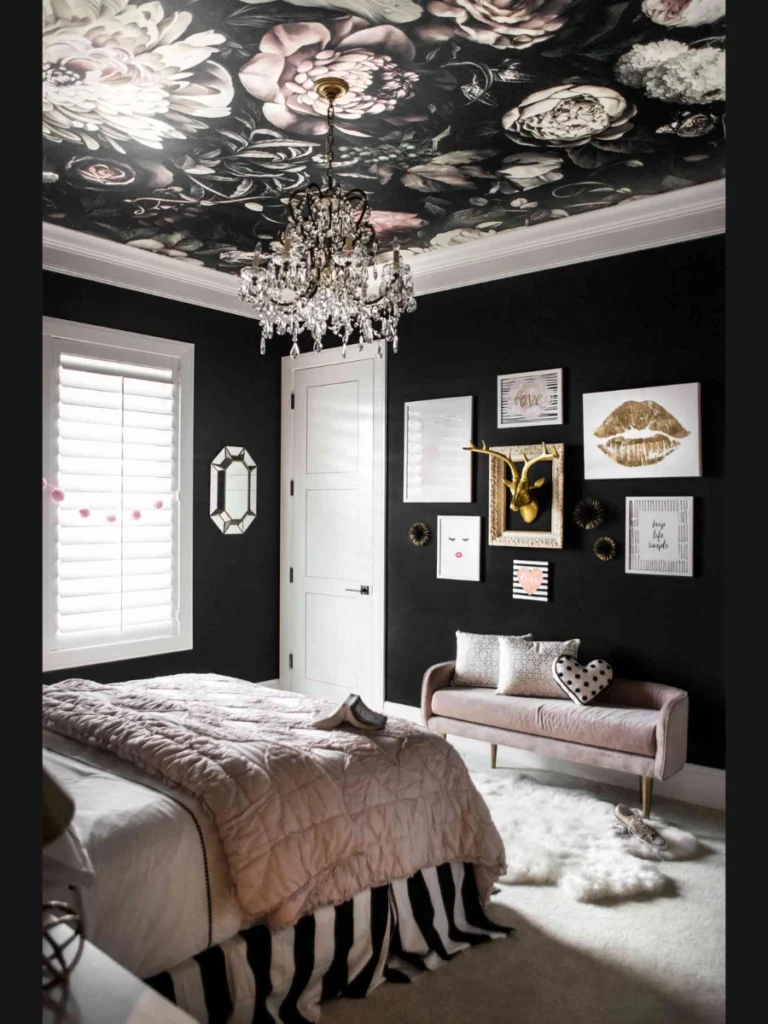
I am a big fan of using wallpaper on the ceiling because it allows for patterns that would be nearly impossible to paint by hand. From intricate floral designs to bold art deco gold lines, the ceiling becomes a massive canvas that defines the room’s entire personality.
You should choose a pattern that looks good from every angle since you will be viewing it from various positions while moving around. I often suggest peel-and-stick options for beginners so you can adjust the alignment of the pattern without the mess of traditional wallpaper paste.
Using a pattern with a dark background can make a tall, drafty bedroom feel much more intimate and secure for a better night’s sleep. I noticed that guests are always surprised and delighted when they look up and see a burst of color where they expected white.
It is important to ensure your ceiling is perfectly smooth before applying the paper to prevent any bubbles or peeling over time. I recommend this as a budget-friendly way to achieve a high-end designer look that reflects your personal style and creative flair.
10. Rustic Tongue and Groove Planking
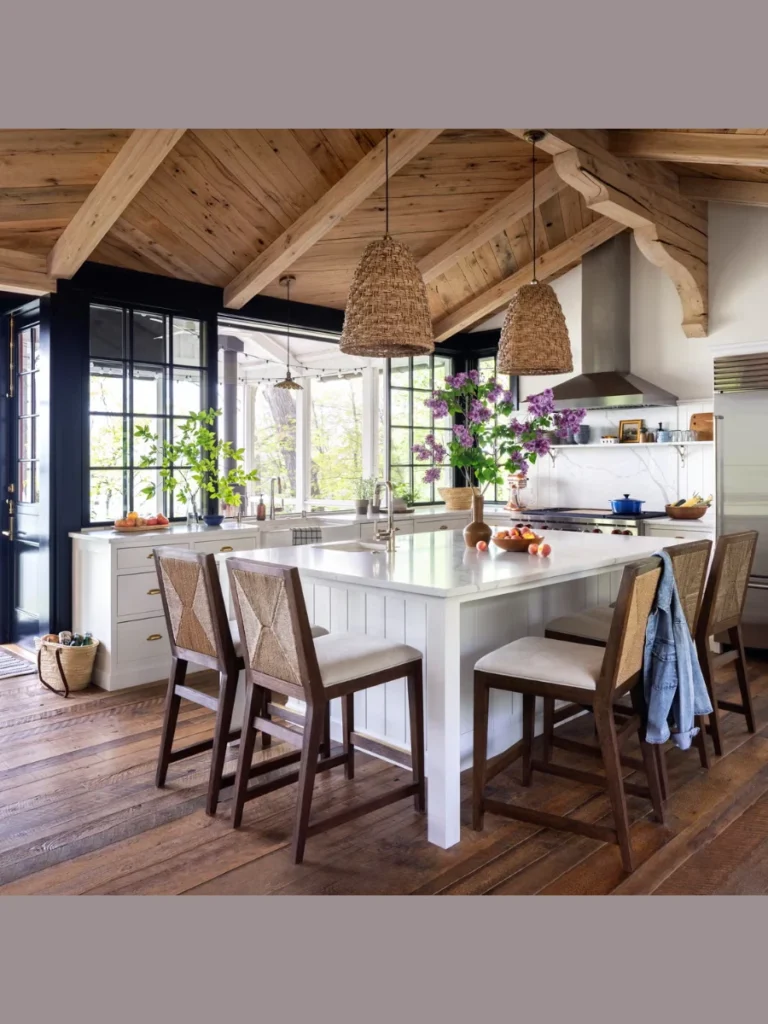
I find that tongue and groove planks are the gold standard for creating a cozy, farmhouse-style ceiling that feels incredibly warm and inviting. The visible seams between the boards create a long, linear pattern that can make a narrow room appear much wider or longer.
You can paint the planks a bright white for a coastal “Cottagecore” look or leave them stained for a more traditional mountain cabin aesthetic. I enjoy the way the natural knots in the wood add a layer of rustic detail that you just can’t get with manufactured materials.
The interlocking design of the boards makes the installation very sturdy and helps to hide any imperfections in the original ceiling surface underneath. I usually suggest running the boards perpendicular to the floor joists to ensure the pattern is structurally sound and visually balanced.
It is a timeless choice that never seems to go out of style, which is great for the long-term resale value of your property. I think this pattern works best in vaulted ceilings where the height allows the wood texture to truly dominate the visual space.
11. Modern Hexagon Ceiling Panels
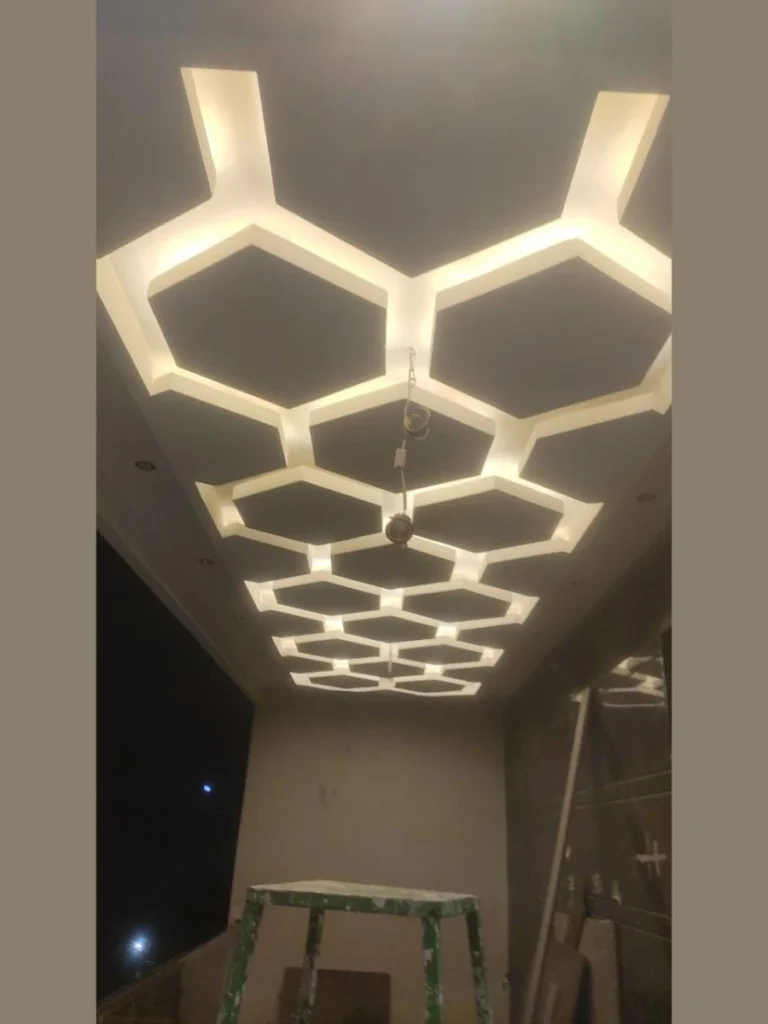
I think hexagonal panels are a great way to introduce a futuristic or beehive-inspired pattern that breaks away from standard four-sided shapes. These panels can be made of acoustic foam, wood, or even 3D-printed materials to create a ceiling that looks like a honeycomb.
You can mix and match different colors or depths to create a topographical effect that changes as you walk across the room. I have seen this used effectively in home theaters where the shapes also help to diffuse sound and improve the overall audio quality.
The installation usually involves a simple clip or adhesive system that allows you to swap out individual hexagons if you want to change the color. I appreciate this modular approach because it gives you the freedom to evolve the pattern over time without starting from scratch.
I recommend using integrated hexagonal lights within the pattern to create a seamless look where the light source is part of the design. It is a bold, high-tech choice that works perfectly in a gaming room or a contemporary creative studio space.
12. Classic Plaster Molding Rosettes
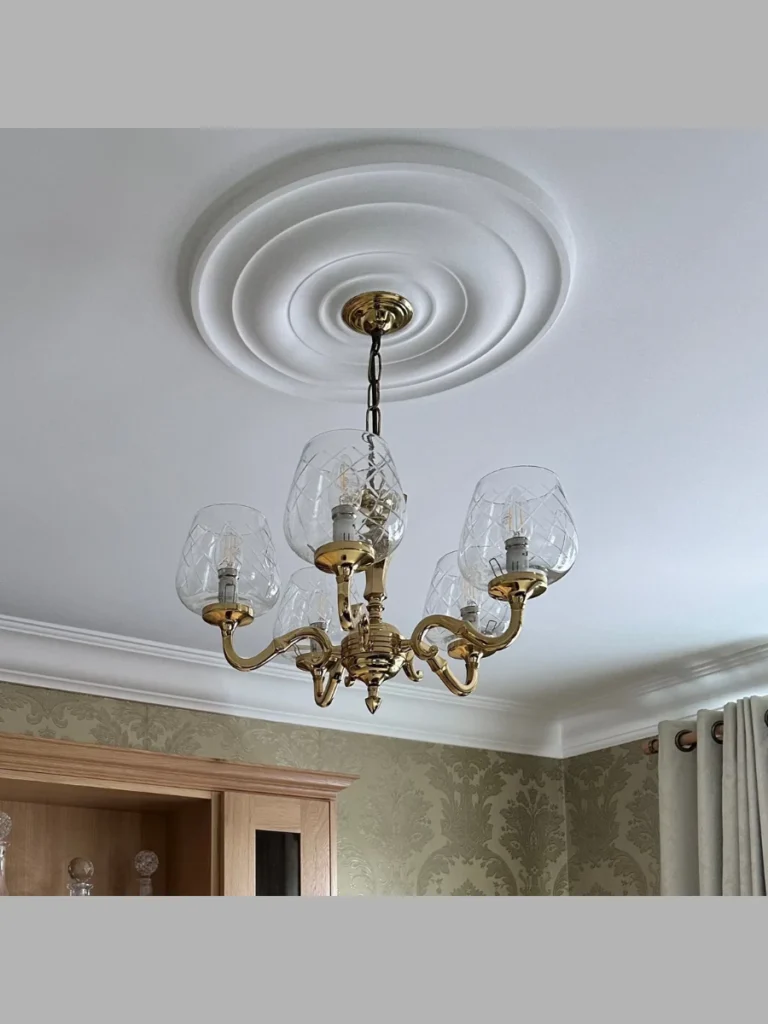
I find that adding a plaster rosette or medallion around a central light fixture is the easiest way to introduce a traditional pattern. These circular designs often feature intricate acanthus leaves or scrolls that give a room a sense of historical weight and elegance.
You can find lightweight polyurethane versions that look exactly like heavy plaster but are much safer and easier to glue to your ceiling. I think painting the medallion a slightly different shade than the ceiling helps the ornate details stand out and catch the eye.
It serves as a perfect focal point that draws attention to a beautiful chandelier or a high-quality ceiling fan in a living room. I have found that pairing a rosette with matching crown molding creates a cohesive look that feels like a professional restoration project.
This is an excellent option for those who live in older homes and want to respect the original architecture while adding a bit of personal flair. I suggest choosing a size that is slightly wider than your light fixture to ensure the proportions look correct from the floor.
13. Industrial Exposed Concrete Textures
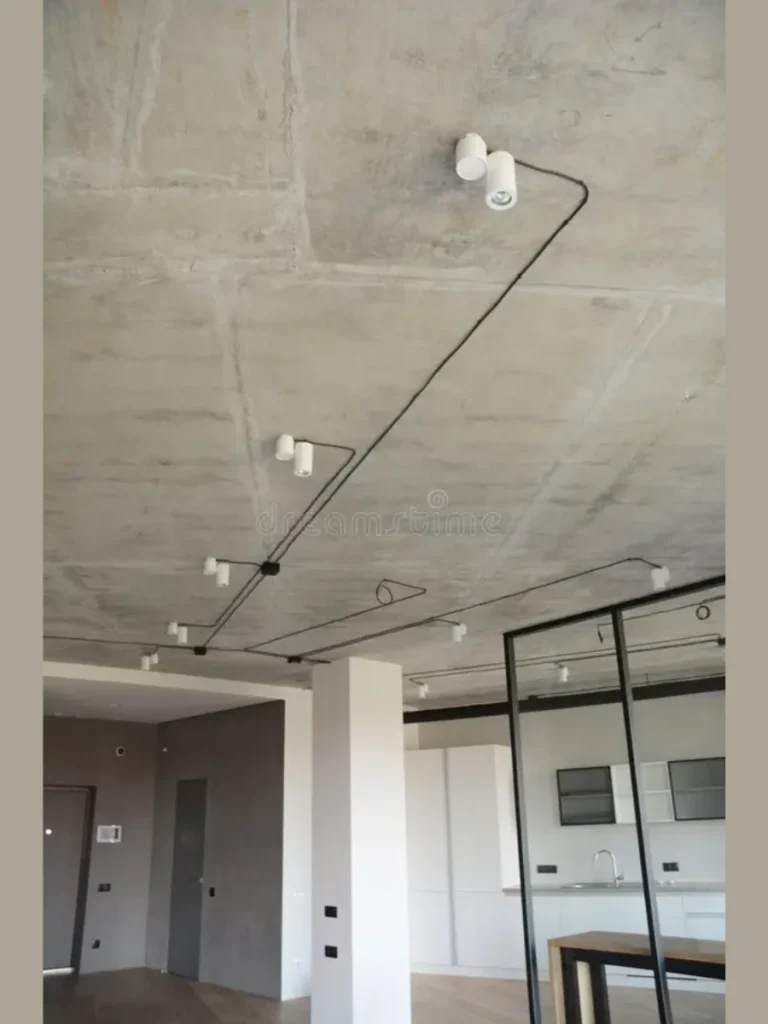
I think the raw pattern of exposed concrete with form-work lines is a stunning choice for anyone who loves a modern, loft-style aesthetic. The subtle ridges left by the wooden boards used to pour the concrete create a natural, brutalist pattern that feels very honest.
You don’t actually need a solid concrete house to get this look, as there are many high-quality micro-cement finishes that can be applied over drywall. I appreciate the cool, grey tones because they provide a neutral backdrop that makes colorful furniture and art pop.
The industrial look is very low-maintenance and doesn’t show dust or imperfections as easily as a flat, painted white ceiling does. I noticed that this texture works exceptionally well when paired with exposed conduit or black metal light tracks for a “warehouse” vibe.

teyeard 39" Modern Ceiling Fan with Lights and Remote, Low Profile Ceiling Fans with Tri-Color Light 6-Speed Wind, Flush Mount Ceiling Fan with Led Light for Living Room Bedroom Dining Room,Black
teyeard 39" Modern Ceiling Fan with Lights and Remote, Low Profile Ceiling Fans with Tri-Color…
It adds a sense of permanence and strength to a room that makes the interior feel grounded and very sophisticated in a minimalist way. I suggest using warm wood furniture to balance the coolness of the concrete so the room doesn’t feel too cold or uninviting.
14. Sophisticated Beadboard Layouts
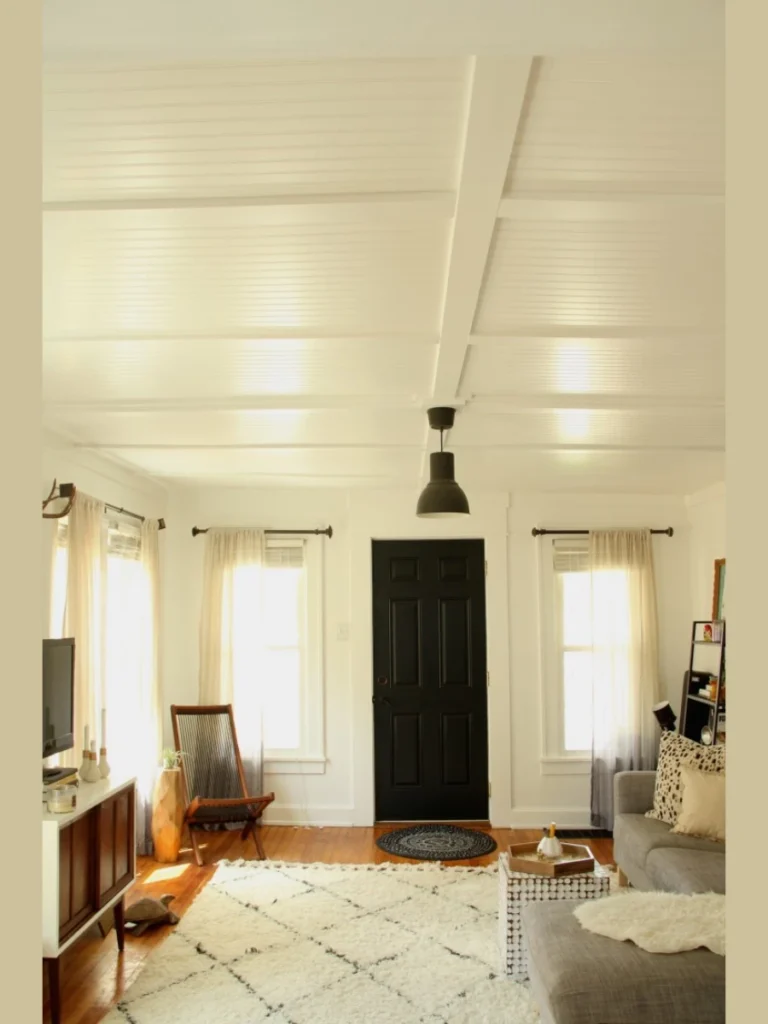
I believe beadboard is a fantastic choice for adding a delicate, striped pattern that feels very traditional and clean at the same time. This material features narrow vertical grooves, known as “beads,” that create a fine-scale rhythm perfect for smaller rooms or bathrooms.
You can use large 4×8 sheets for a quick installation or individual planks for a more authentic and detailed look on your ceiling. I find that white beadboard reflects a lot of light, which helps a small, windowless bathroom feel much more spacious and bright.
It is also a very popular choice for porch ceilings because it adds a layer of “finished” detail to an otherwise utilitarian outdoor space. I have seen many people paint their porch beadboard a light “Haint Blue” to follow traditional southern design customs and ward off insects.
The texture is subtle enough that it won’t clash with busy wall patterns or colorful rugs, making it a very safe and versatile design choice. I recommend this for anyone who wants to add a touch of “shabby chic” or coastal charm to their home renovation project.
Professional Guide for Choosing Ceiling Designs
I believe the secret to a successful ceiling project lies in matching the pattern scale to your room’s overall square footage. Selecting a massive coffered grid for a tiny laundry room usually makes the space feel cramped rather than luxurious or high-end.
You should always consider the existing height of your walls before adding any materials that might hang down and reduce headspace. I have noticed that vertical patterns or light-colored wood slats can trick the eye into thinking a low ceiling is actually much taller.
Lighting plays a major role in how these patterns appear to your guests and family members throughout the day and night. I suggest installing dimmable recessed lights or hidden LED strips to highlight the textures and shadows created by your new architectural features.

Shine LUEST Modern Ceiling Light, 41.3'' Dimmable LED Black Flush Mount Ceiling Lights with Remote Acrylic Round Ceiling Lamp Fixture for Low Ceiling Bedroom Living Room Dining Room, 108W
Shine LUEST Modern Ceiling Light, 41.3'' Dimmable LED Black Flush Mount Ceiling Lights with Remote…
I recommend checking for any plumbing or electrical access points before you permanently seal a pattern over your existing drywall surface. It is much easier to install a removable access panel now than to tear down beautiful woodwork later for a simple pipe repair.
Comparison of Ceiling Installation Factors
| Ceiling Idea | Installation Time | Material Cost | Durability |
| Tin Tiles | 1-2 Days | High | Very High |
| Beadboard | 1 Day | Low | Medium |
| Wallpaper | 4-6 Hours | Medium | Low |
| Stencils | 2 Days | Very Low | High |
Successful Project Execution Tips
I find that painting your materials before you move them to the ceiling saves your neck and back from a lot of unnecessary strain. It is much easier to stain wood planks on a pair of sawhorses than to brush them while standing on a tall ladder.
You should always use a stud finder to mark the location of your joists so your heavy wood or metal patterns are securely fastened. I have seen many DIY projects fail because the weight of the new ceiling was only supported by thin sheets of old drywall.
Keeping a small amount of leftover paint or stain is a smart move for fixing any scuffs that happen during the final installation phase. I usually suggest inviting a friend to help hold long boards in place while you use the nail gun to secure them.
Measuring twice and cutting once is a cliché for a reason, especially when working with expensive materials like oak or copper. I think taking your time with the layout phase ensures that your pattern looks centered and professional once the entire project is finished.
Conclusion
I think upgrading your ceiling is one of the most impactful ways to increase the visual appeal and character of your favorite rooms. Moving away from standard flat finishes allows you to express your personality through textures and shapes that most people simply ignore.
You can choose between budget-friendly paint designs or high-end structural beams depending on your current renovation goals and total project budget. I enjoy how a simple change in overhead can make old furniture and decor feel brand new by changing the room’s entire energy.
I encourage you to experiment with samples and small sections before committing to a full-room installation of a bold or dark pattern. Seeing how the color looks in your actual home lighting will give you the confidence to move forward with the complete transformation.
I believe your home should reflect your unique taste, and the ceiling provides the perfect canvas for creative and architectural expression in any room. I hope these ideas inspire you to look up and see the potential for a more beautiful and interesting living space.

FRIDEKO HOME Semi Flush Mount Ceiling Light Fixture - 3-Light Modern Ceiling Lamp with Drum Shade, Linen Fabric Chandelier Ceiling Light for Bedroom Living Room Hallway Entryway
FRIDEKO HOME Semi Flush Mount Ceiling Light Fixture - 3-Light Modern Ceiling Lamp with Drum…
FAQs
I suggest using beadboard or a simple tray ceiling with light colors to add detail without making the small space feel claustrophobic or dark.
You certainly can, and it is actually a great way to hide an ugly texture without the mess of scraping and sanding old drywall.
It is quite durable as long as you use high-quality adhesive and ensure the room does not suffer from extreme humidity or frequent leaks.
I have found that high-quality architectural details like coffers often increase the perceived value and help a home stand out during a competitive sale.
I recommend using a soft microfiber duster or a vacuum with a brush attachment to remove dust from the grooves without scratching the finish.
Related Posts
- 15 Best Ceiling Fan Lights Ideas
- Top 10 Ceiling Walls Ideas
- 11 Best Ceiling Pendant Ideas
- Top 12 Ceiling Chandelier Ideas
- 13 Best Ceiling Panels Ideas
- Top 14 Ceiling Decoration Ideas