
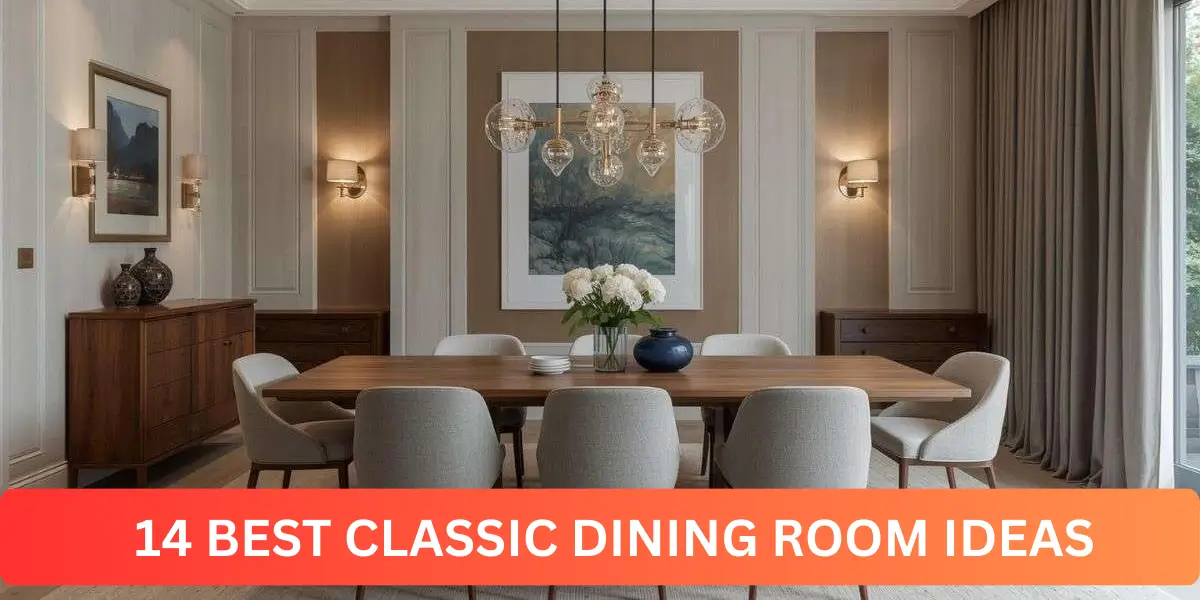

Classic dining room ideas continue to captivate because they bring structure, grace, and lasting appeal into a home. I have always admired how traditional details, when thoughtfully arranged, create a sense of order and quiet luxury.
A well designed classic space feels intentional rather than excessive, with every element working in harmony. From symmetrical layouts to refined finishes, the beauty lies in balance.
In this guide, I will share carefully considered inspiration to help you shape a dining room that feels elegant, welcoming, and enduring without appearing outdated.
What Defines a Truly Classic Dining Room?
A classic dining room relies on balance, proportion, and refined detailing. I always begin by focusing on symmetry because it creates visual order and calm. Every piece should feel intentional rather than decorative for its own sake.
Quality materials also define the style. Rich wood tones, layered textiles, and timeless lighting choices establish depth without overwhelming the space. When these elements work together, the room feels elegant and enduring rather than trend driven.
Now let me walk you through the first eight ideas that consistently shape a sophisticated and timeless dining environment.
1. Elegant Crystal Chandelier
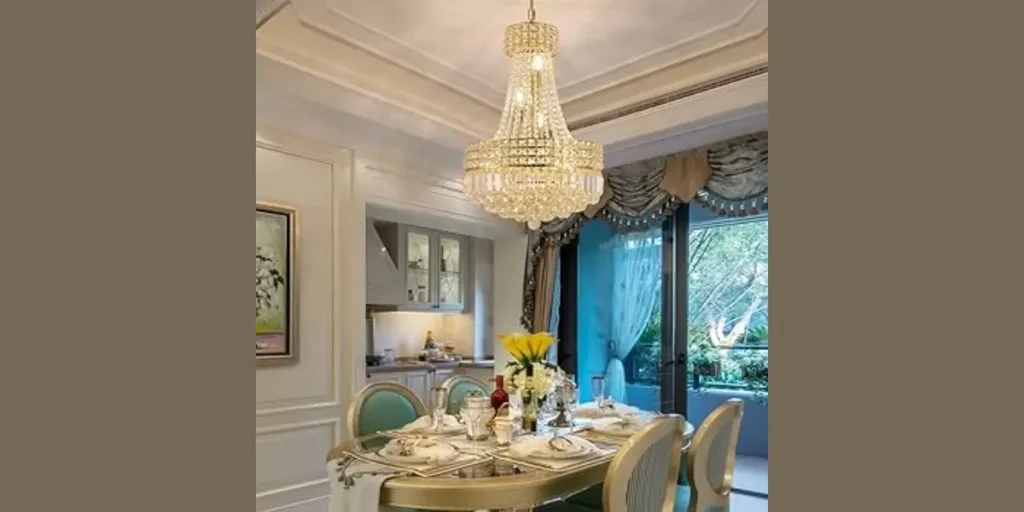
A crystal chandelier immediately anchors a classic dining room. I often treat it as the crown of the space because it draws the eye upward and defines the table area. Its reflective surfaces enhance natural and artificial light beautifully.
Scale plays a critical role. I always ensure the chandelier diameter complements the table size and ceiling height. Proper proportion keeps the room balanced and harmonious.
This lighting choice adds sparkle without excess. When paired with refined furnishings, it reinforces the sense of timeless luxury that defines classic interiors.
2. Rich Dark Wood Dining Table
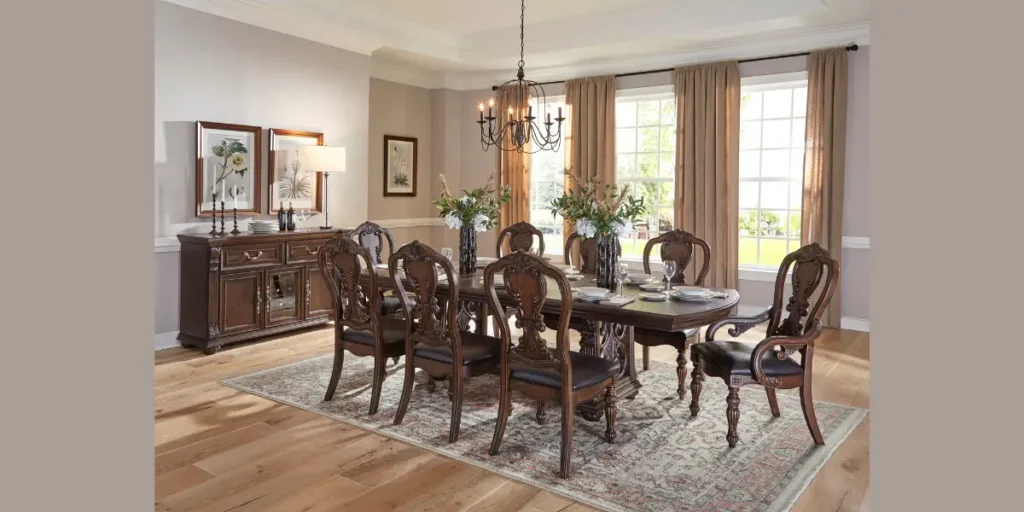
A dark wood dining table forms the heart of a traditional setting. I prefer solid mahogany or walnut because their depth and grain create warmth and authority. The table should feel substantial and durable.
Carved edges or subtle detailing elevate the craftsmanship without making the piece feel ornate. I balance the richness of the wood with lighter textiles to maintain visual harmony.
This foundation anchors the entire room. A high quality wood table supports both daily meals and formal gatherings while reinforcing timeless appeal.
3. Upholstered High Back Chairs
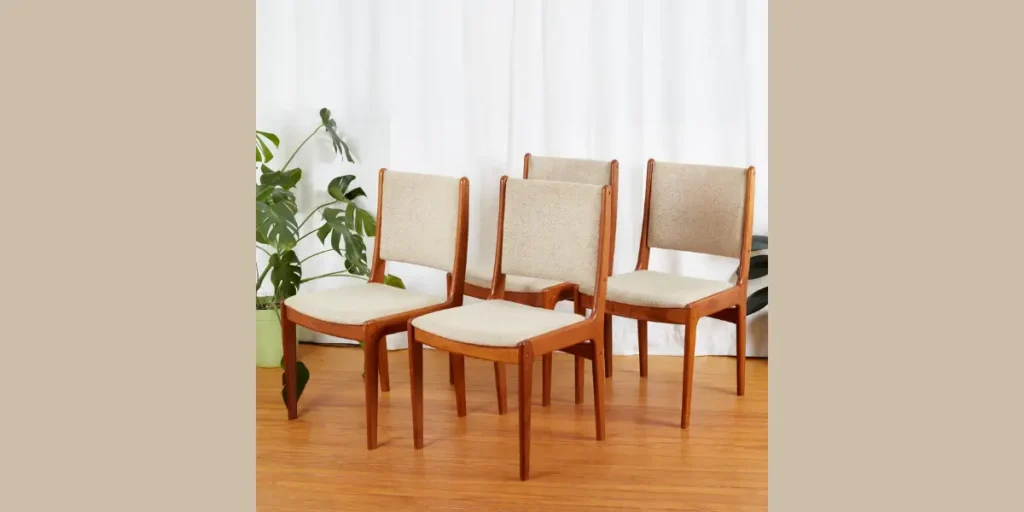
High back upholstered chairs introduce comfort and sophistication simultaneously. I often select neutral fabrics such as linen or velvet to maintain elegance without visual heaviness.
Tufted detailing or nailhead trim can add refinement when used thoughtfully. I ensure the chair height complements the table proportions for visual balance.
These chairs soften the structured layout and create an inviting atmosphere. They contribute to the overall sense of formality while remaining practical for extended dining experiences.
4. Decorative Wall Molding
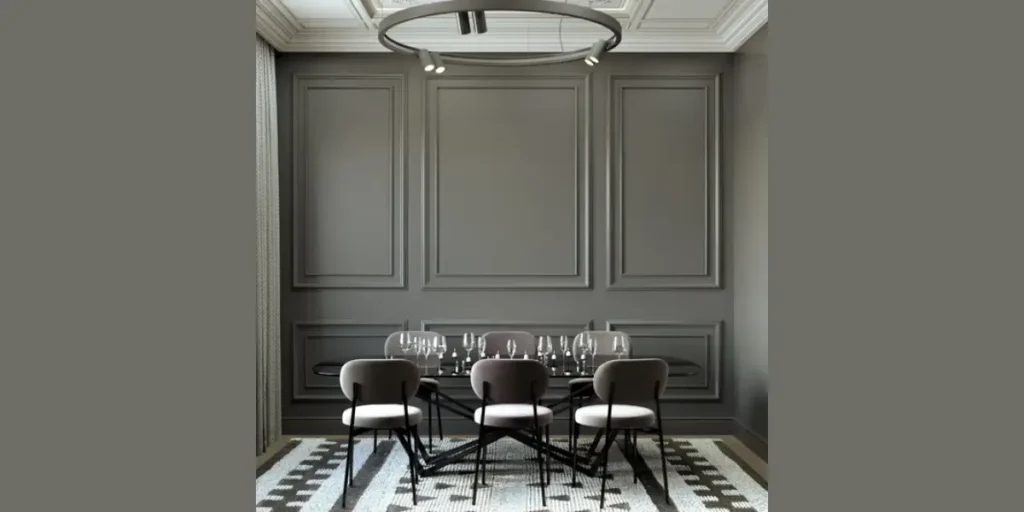
Wall molding elevates plain surfaces into architectural features. I frequently incorporate wainscoting or panel molding to frame the dining area with subtle detail.
The key lies in proportion and spacing. I align molding panels symmetrically to reinforce structure and order within the room.
This addition enhances the sense of craftsmanship without requiring bold color changes. It provides timeless character and depth that immediately strengthens a classic design.
5. Formal China Cabinet
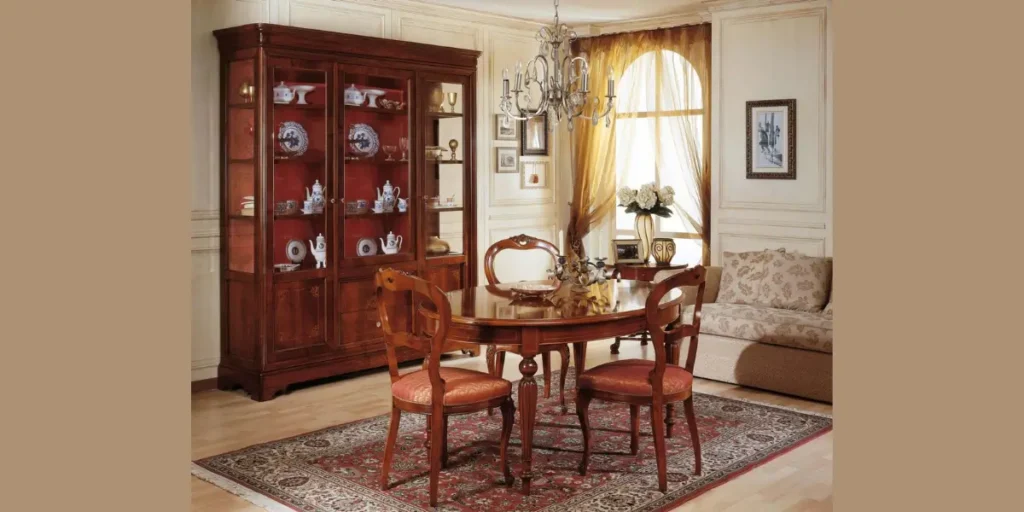
A china cabinet adds both storage and display opportunity. I like positioning it along a balanced wall to maintain symmetry within the layout.
Glass panels allow fine dinnerware or crystal pieces to become part of the décor. I keep the arrangement curated rather than overcrowded.
This piece reinforces tradition and function simultaneously. It preserves heritage elements while contributing to the refined atmosphere of a classic dining room.
6. Neutral and Gold Color Palette
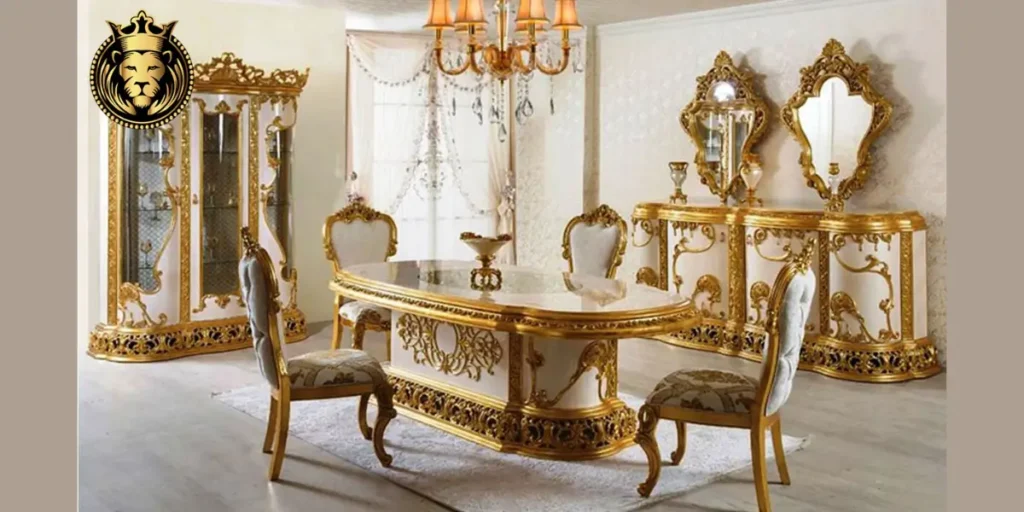
A neutral palette layered with gold accents creates warmth and understated luxury. I often combine cream walls with subtle metallic finishes to reflect light gently.
Gold details in lighting fixtures or hardware introduce elegance without overpowering the space. I avoid overly bright tones to maintain restraint.
This color combination feels timeless and adaptable. It enhances the richness of wood furniture while preserving balance and cohesion throughout the room.
7. Ornate Area Rug
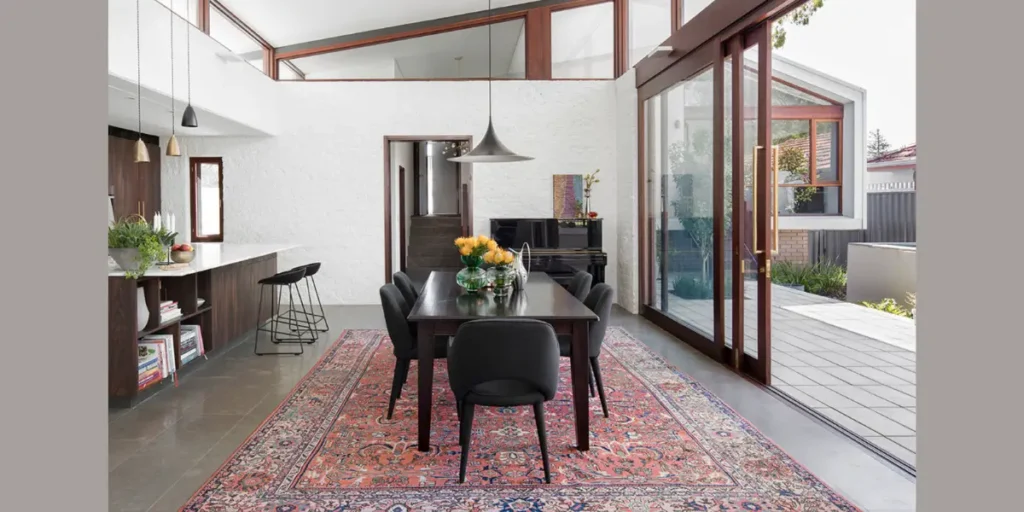
An ornate area rug anchors the dining table visually. I select traditional patterns that introduce subtle color variation without clashing with furniture.
The rug should extend beyond the table edges to accommodate chairs comfortably. Proper sizing ensures both practicality and aesthetic balance.
This layer adds texture and warmth underfoot. It defines the dining zone clearly while reinforcing the room’s traditional character and visual depth.
8. Crown Molding Ceiling Detail
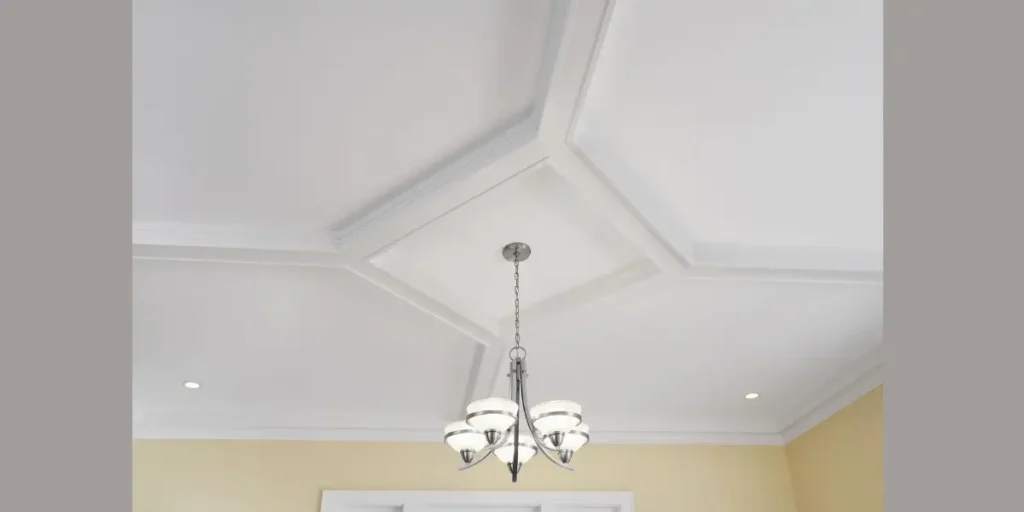
Crown molding frames the ceiling elegantly and completes the architectural outline of the room. I often view it as the finishing detail that ties walls and ceiling together.
Clean lines and proportional scale prevent the molding from appearing heavy. I choose profiles that match the overall style of the home.
This subtle addition enhances cohesion and refinement. It reinforces the timeless nature of classic dining rooms without demanding attention, allowing other elements to shine gracefully.
9. Symmetrical Layout Design
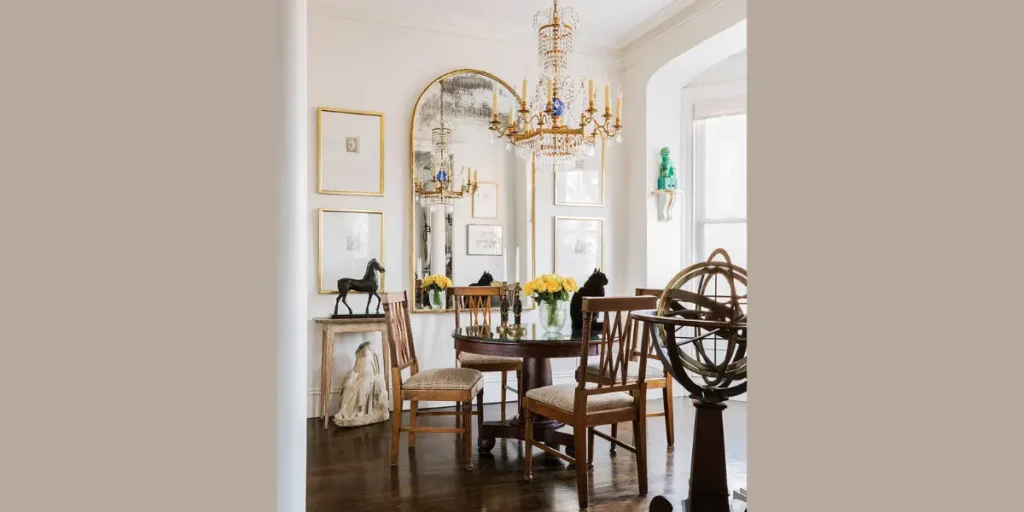
Symmetry forms the backbone of classic interiors. I always begin by centering the dining table beneath the main light fixture to establish visual order. Matching chairs, balanced wall décor, and evenly spaced furniture create calm structure.
I often place a buffet or china cabinet directly opposite a focal wall to reinforce alignment. Even small details like identical table lamps or framed artwork contribute to harmony.
This structured arrangement makes the room feel intentional and composed. When every element aligns thoughtfully, the dining space reflects timeless elegance rather than randomness.
10. Draped Floor to Ceiling Curtains
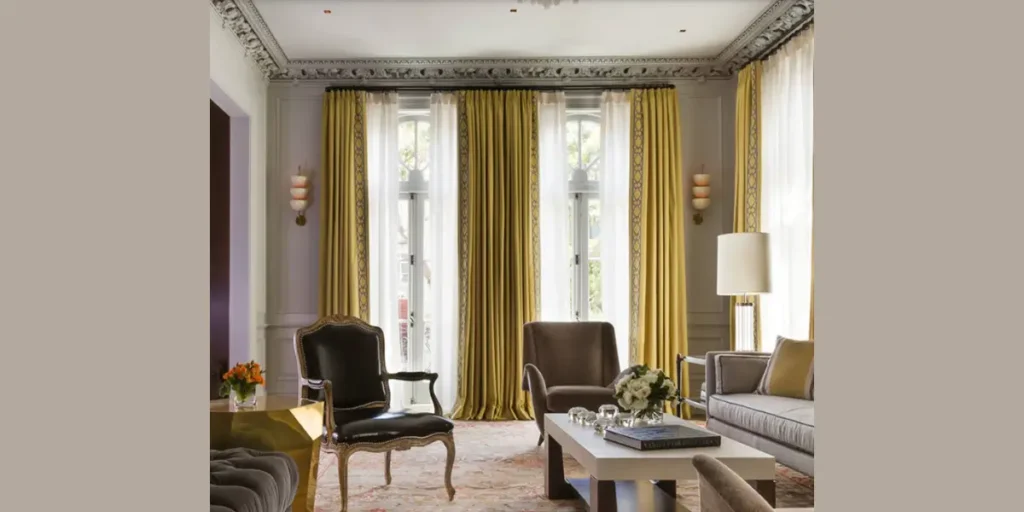
Long, tailored drapes introduce softness and grandeur. I prefer rich fabrics such as velvet, silk blends, or heavy linen to frame windows gracefully. The vertical length enhances ceiling height visually.
Proper installation matters. I mount curtain rods slightly above the window frame to create a refined silhouette. Balanced pleats and neutral tones maintain sophistication.
These drapes soften architectural lines and improve acoustics. They add depth and polish while reinforcing the classic character of the dining room.
11. Antique Buffet or Sideboard
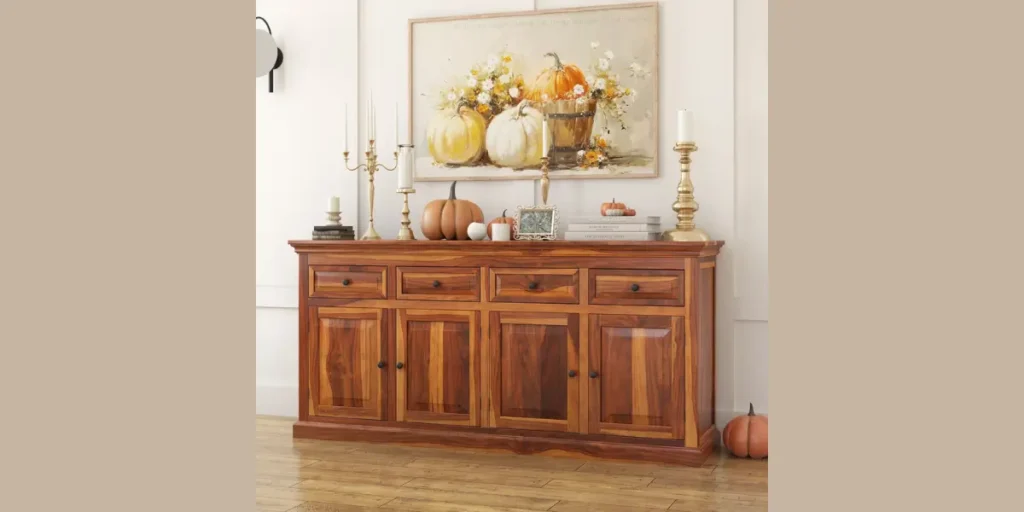
An antique buffet provides both storage and decorative presence. I often choose carved wood pieces with subtle detailing that complements the dining table. The surface becomes an ideal display area.
I style it with restrained accessories such as a mirror, candlesticks, or fresh florals. Balance remains essential to avoid visual clutter.
This furniture piece grounds the room and strengthens traditional charm. It blends practicality with elegance while enhancing the overall classic composition.
12. Wall Sconces for Layered Lighting
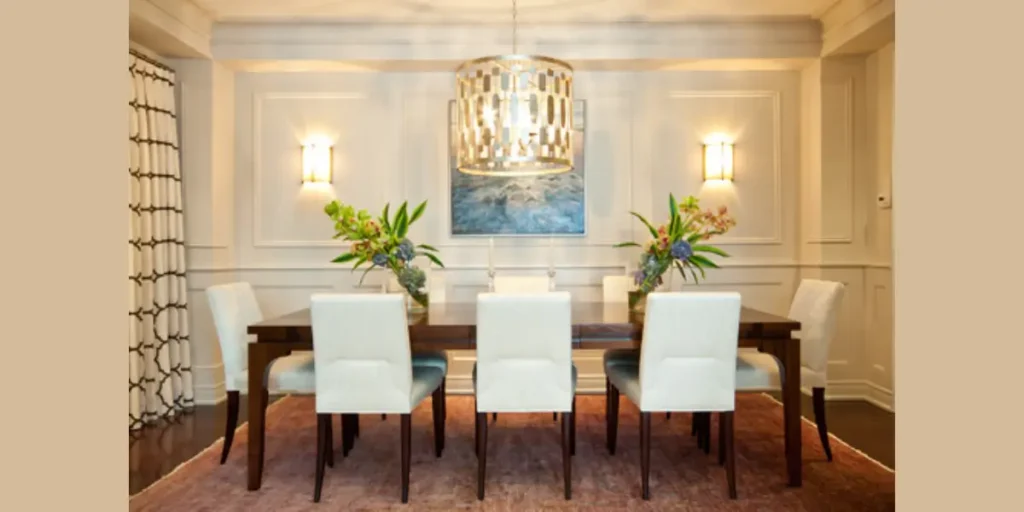
Layered lighting defines ambiance in a classic setting. I incorporate wall sconces to create warmth and highlight architectural features. Their placement should mirror one another for symmetry.
Soft warm bulbs enhance intimacy and complement the chandelier’s glow. I select brass or antique finishes to maintain cohesion with other metallic accents.
Wall sconces enrich the lighting scheme without overwhelming it. They contribute subtle elegance and reinforce the structured atmosphere of a timeless dining room.
13. Refined Table Centerpiece Styling
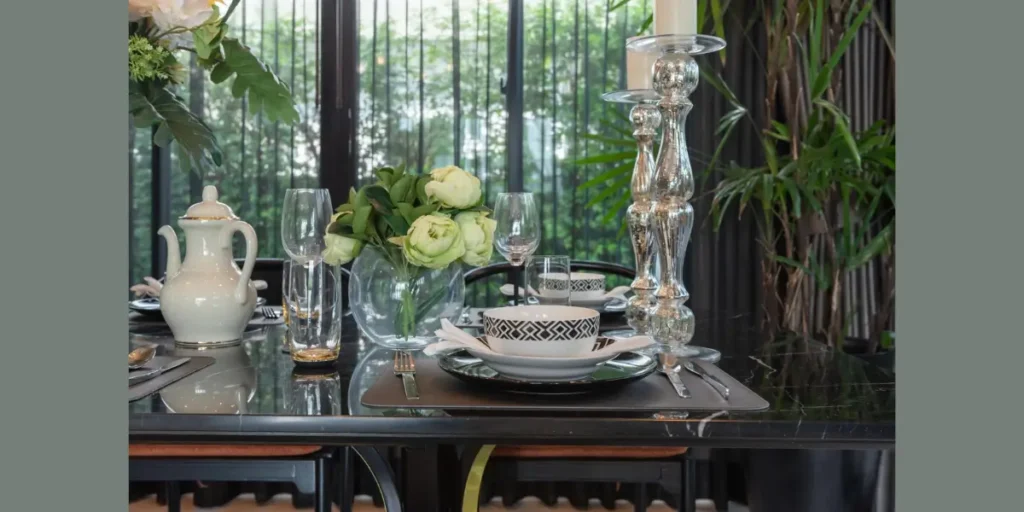
A well considered centerpiece elevates the dining experience. I prefer fresh floral arrangements, crystal bowls, or classic candlesticks to maintain authenticity. Scale must remain proportional to the table size.
I avoid overcrowding the surface and ensure guests maintain clear sightlines across the table. Simplicity enhances refinement.
A carefully styled centerpiece adds life and sophistication. It completes the setting while supporting the balanced, understated nature of classic design.
14. Traditional Artwork and Decorative Mirrors
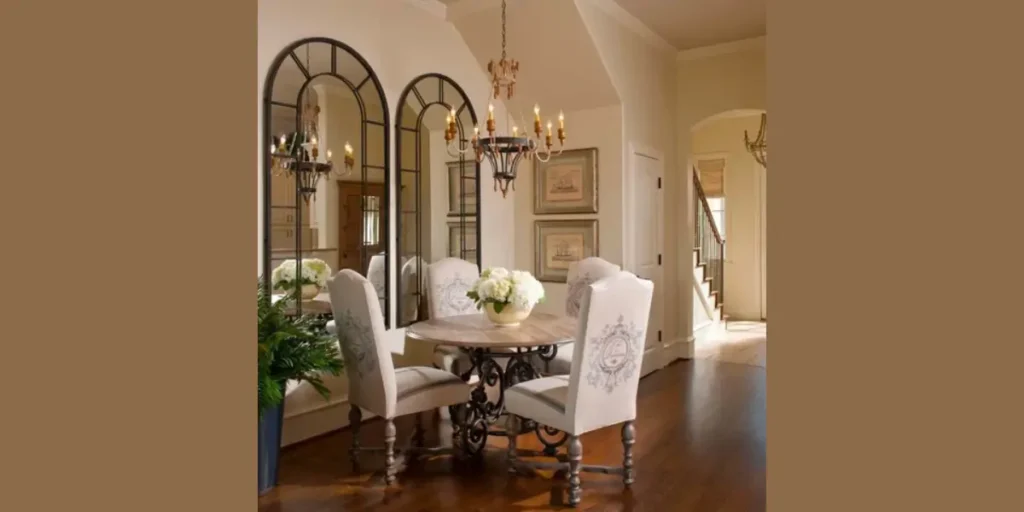
Artwork and mirrors reinforce elegance and history. I often select framed oil paintings or classic landscapes that align with the room’s color palette.
Decorative mirrors expand light and enhance symmetry when placed thoughtfully. I center them above buffets or between sconces to maintain balance.
These wall elements enrich the visual narrative of the space. They introduce depth, cultural influence, and timeless character without overpowering the overall composition.
How to Achieve a Perfectly Balanced Classic Dining Room
Creating a balanced classic dining room requires discipline and attention to proportion. I always begin by establishing symmetry in the layout because it brings order and visual calm.
The dining table should sit centrally beneath the main light fixture, with surrounding furniture arranged thoughtfully to maintain alignment. When spacing feels intentional, the entire room appears refined rather than crowded.
Material selection plays a defining role. I focus on rich wood tones, layered textiles, and warm metallic accents that complement one another.
Each element should feel substantial and cohesive. High quality craftsmanship enhances authenticity, while subtle detailing prevents the room from looking over decorated.
Lighting completes the composition. I combine a central chandelier with wall sconces or lamps to create depth and softness. When these layers work together, the space feels elegant, inviting, and timeless without appearing outdated.
Conclusion
A classic dining room never relies on trends to make an impression. Its strength comes from proportion, craftsmanship, and thoughtful layering. I always remind clients that timeless elegance grows from restraint rather than excess.
When rich wood tones, balanced lighting, and architectural details work together, the space feels refined yet welcoming. Classic design is not about copying the past but about honoring enduring principles that still resonate today.
By focusing on symmetry, quality materials, and subtle accents, you can create a dining room that feels sophisticated, comfortable, and relevant for years to come.
FAQs
Neutral shades such as cream, beige, taupe, and soft gray create a timeless base. I often introduce gold or brass accents to add warmth and refinement. These tones support rich wood finishes without overpowering the room.
Start with symmetrical furniture placement and incorporate classic elements such as a chandelier, wall molding, and a dark wood table. Layered lighting and refined textiles further enhance the traditional atmosphere.
Yes, symmetry defines the structure of classic interiors. Balanced placement of furniture, lighting, and décor creates visual harmony. Without symmetry, the room may feel disorganized rather than timeless.
Absolutely. I recommend choosing scaled down furniture, lighter color palettes, and simple molding details. Maintaining proportion ensures the space feels elegant without becoming cramped.
A crystal or ornate chandelier works beautifully as the main focal point. Pair it with wall sconces or subtle accent lighting to create layered illumination that enhances warmth and depth.