
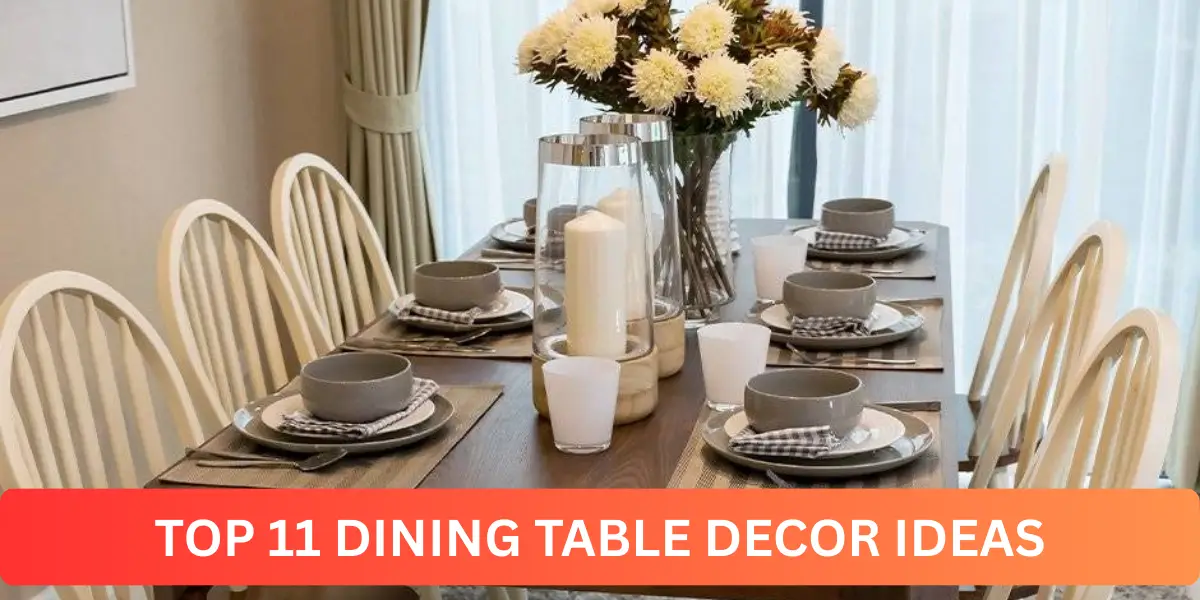

A dining table often sets the tone for the entire room, yet it is surprisingly easy to overlook. I have noticed that even the most beautiful dining spaces feel incomplete without thoughtful styling at the center.
The right combination of height, texture, and color can transform everyday meals into a more refined experience.
In this guide, I will share dining table decor ideas that balance elegance with practicality, helping you create a setup that feels curated, welcoming, and perfectly suited to both daily use and special gatherings.
Why Dining Table Styling Shapes the Entire Room
The dining table naturally draws attention because it sits at the center of the room. I always treat it as a visual anchor that connects furniture, lighting, and color. When styled thoughtfully, it strengthens the overall design rather than competing with it.
Balanced proportions, controlled height, and intentional layering make a table feel curated instead of cluttered. Even simple additions can elevate the atmosphere significantly.
Here are the first eight decor ideas that I rely on to create a refined and functional dining table setup.
1. Elegant Fresh Flower Centerpiece
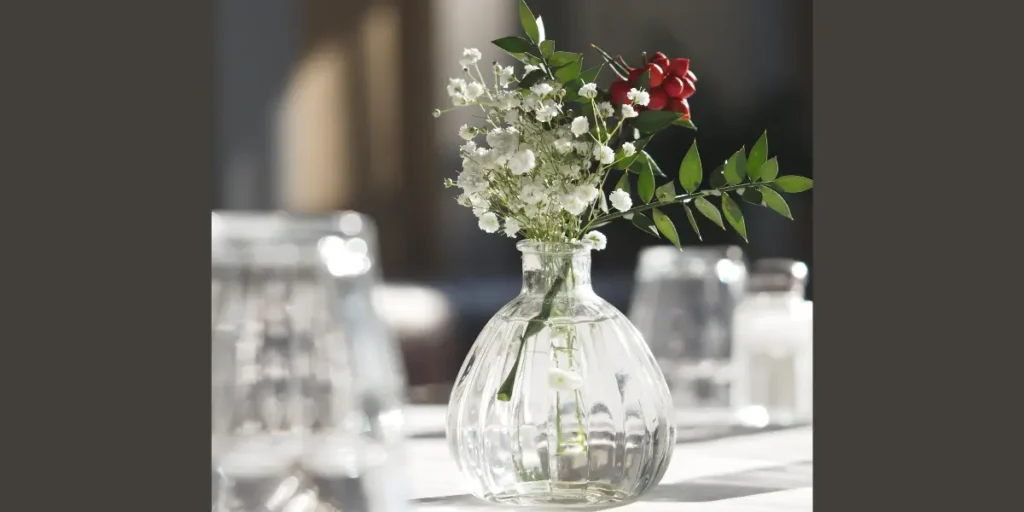
Fresh flowers instantly bring life and movement to a dining table. I prefer seasonal blooms because they feel authentic and naturally aligned with the time of year. A simple ceramic or glass vase keeps the arrangement polished.
Height matters when selecting a floral centerpiece. I ensure it remains low enough to maintain clear sightlines across the table. This keeps conversations comfortable and uninterrupted.
Flowers introduce softness and color without overwhelming the surface. When styled carefully, they create a welcoming atmosphere suitable for both everyday dining and special gatherings.
2. Layered Table Runner Styling
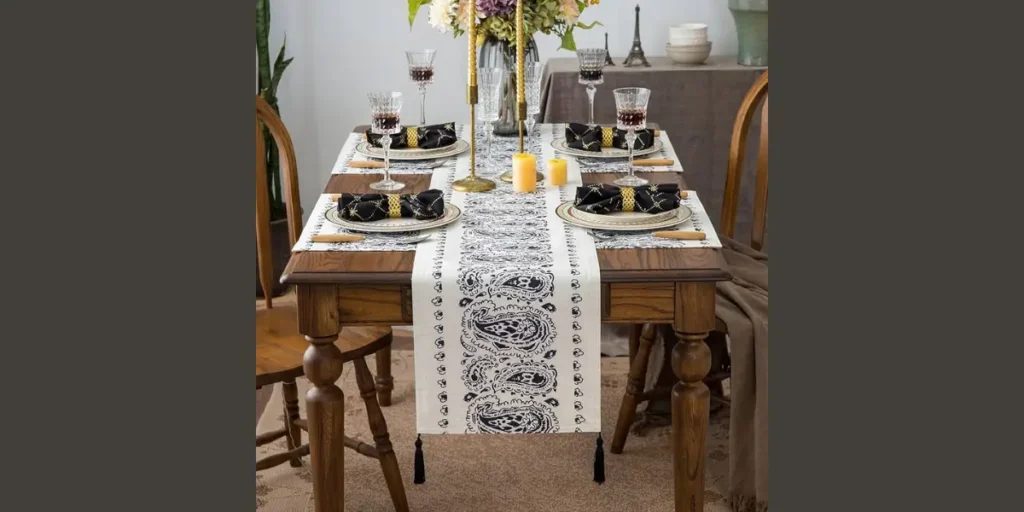
A table runner defines the center line of the table and adds subtle texture. I often choose linen or cotton blends to maintain a relaxed yet refined appearance. Neutral tones create cohesion with surrounding décor.
Layering a runner with placemats or smaller decorative elements introduces depth. I focus on proportion so the table still feels open and functional.
This approach works particularly well in long rectangular dining tables. It frames the space neatly while enhancing visual structure without excessive decoration.
3. Statement Decorative Bowl
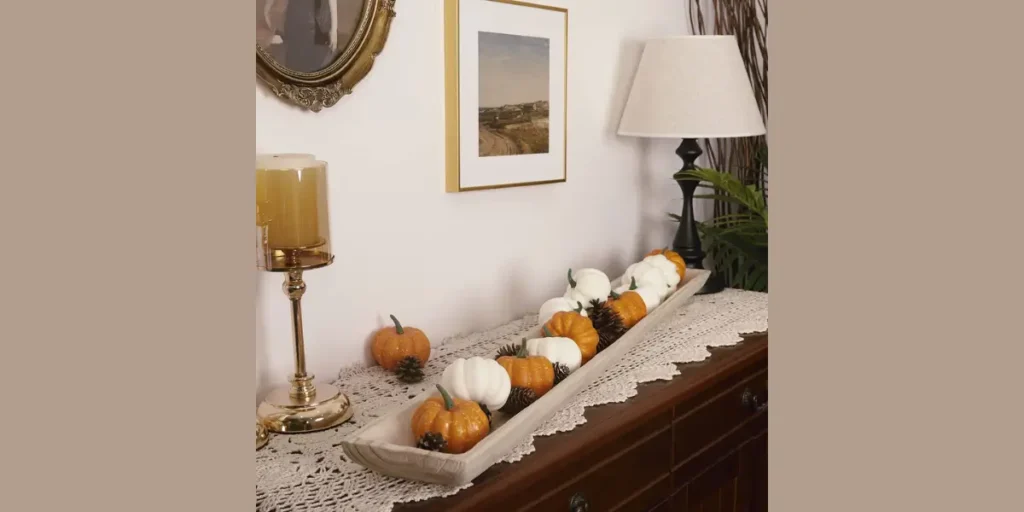
A large decorative bowl offers a minimalist focal point. I frequently use wood, ceramic, or stone finishes to complement the table material. The simplicity keeps the design clean.
You can fill the bowl with seasonal fruit or leave it empty for understated elegance. I prefer natural elements that feel organic rather than overly styled.
This decor idea works well in modern and transitional interiors. It maintains clarity and creates balance without cluttering the dining surface.
4. Candle Arrangement for Warmth
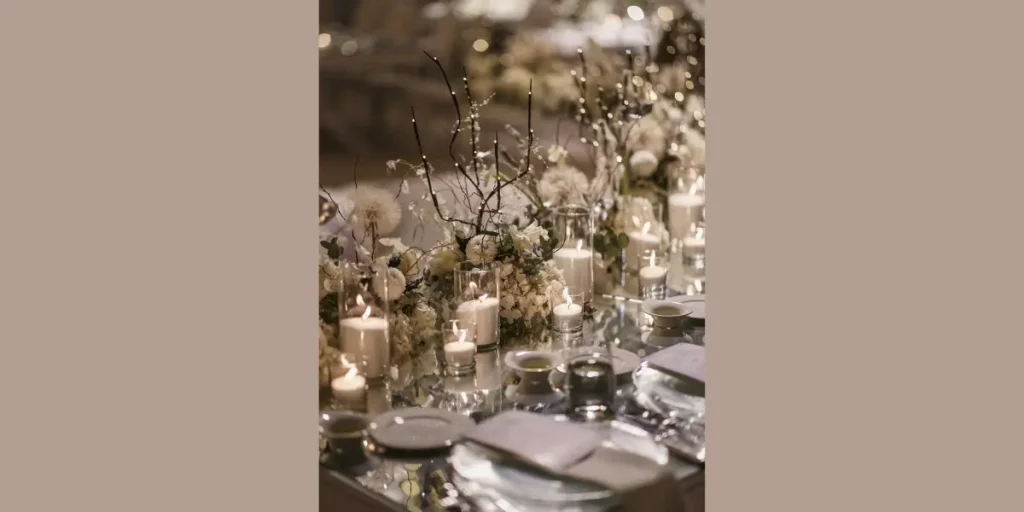
Candles add immediate warmth and intimacy. I combine pillar candles of varying heights to create rhythm and visual interest. Neutral tones maintain elegance.
Safety and spacing remain important. I arrange them securely and avoid overcrowding the center of the table.
Candlelight transforms evening dining experiences. It softens shadows and enhances ambiance, making the space feel inviting and refined without requiring elaborate decoration.
5. Seasonal Decorative Accents
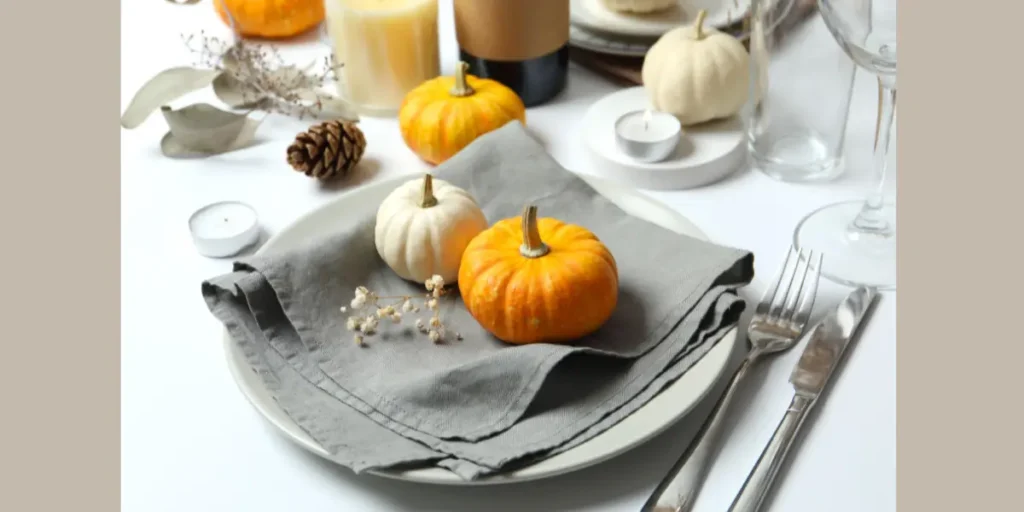
Seasonal styling keeps the dining table feeling fresh throughout the year. I incorporate subtle elements such as greenery in winter or woven textures in summer.
The key lies in moderation. I avoid overly themed décor and instead focus on natural materials that reflect the season gently.
Updating small accents regularly prevents monotony. This approach allows the dining space to evolve without major changes or unnecessary expense.
6. Minimalist Modern Arrangement
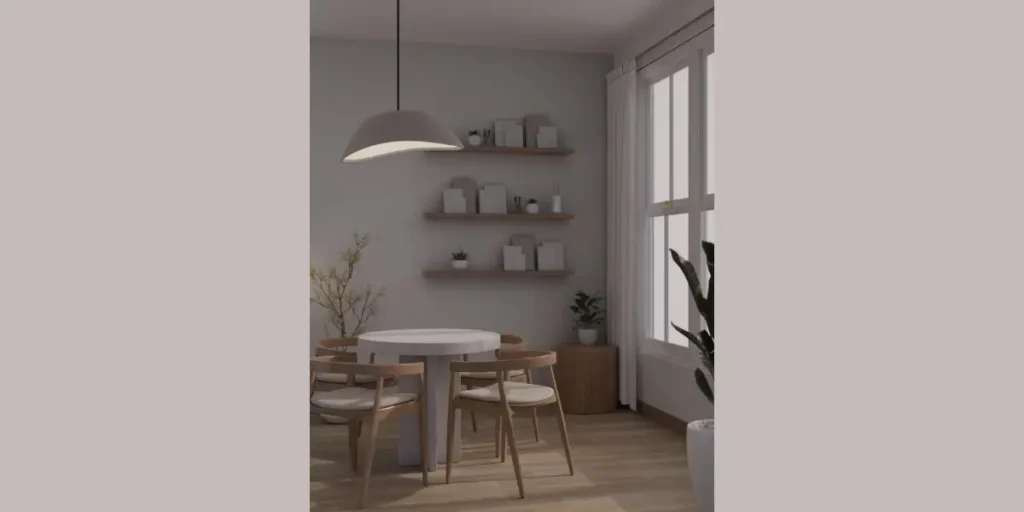
Minimalism emphasizes restraint and clarity. I often limit the table decor to one or two strong elements to maintain visual calm. Clean lines reinforce a modern aesthetic.
Negative space plays an essential role in this style. I ensure enough open surface remains for practicality and comfort.
This approach suits contemporary homes where simplicity defines the overall design language. It feels refined and intentional without appearing sparse.
7. Rustic Wooden Tray Display
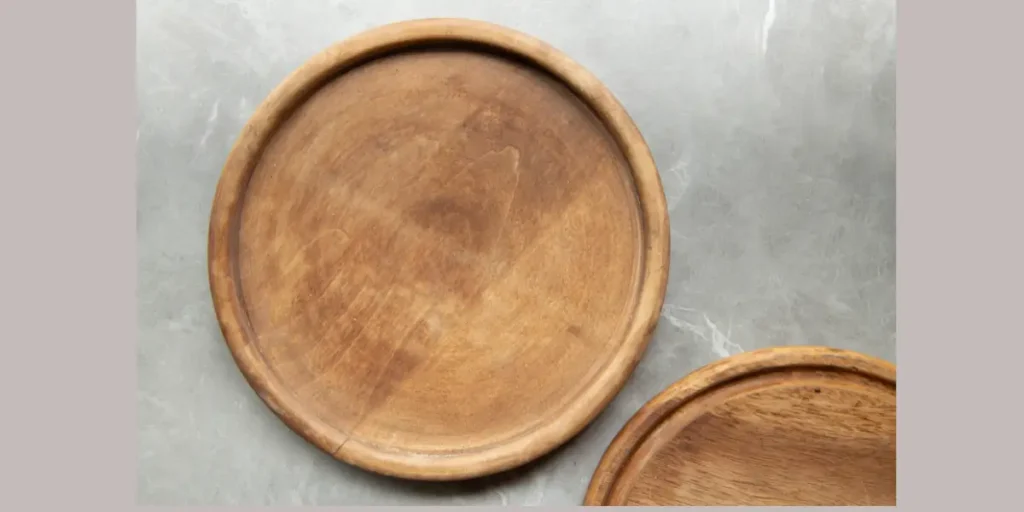
A wooden tray organizes smaller decor items beautifully. I use it to group candles, small plants, or ceramics into a cohesive arrangement. The tray creates structure instantly.
This styling method prevents the table from feeling scattered. By containing elements within a defined boundary, the setup appears polished.
Rustic trays pair especially well with farmhouse or transitional interiors. They add warmth while maintaining practical functionality for everyday use.
8. Greenery and Potted Plants
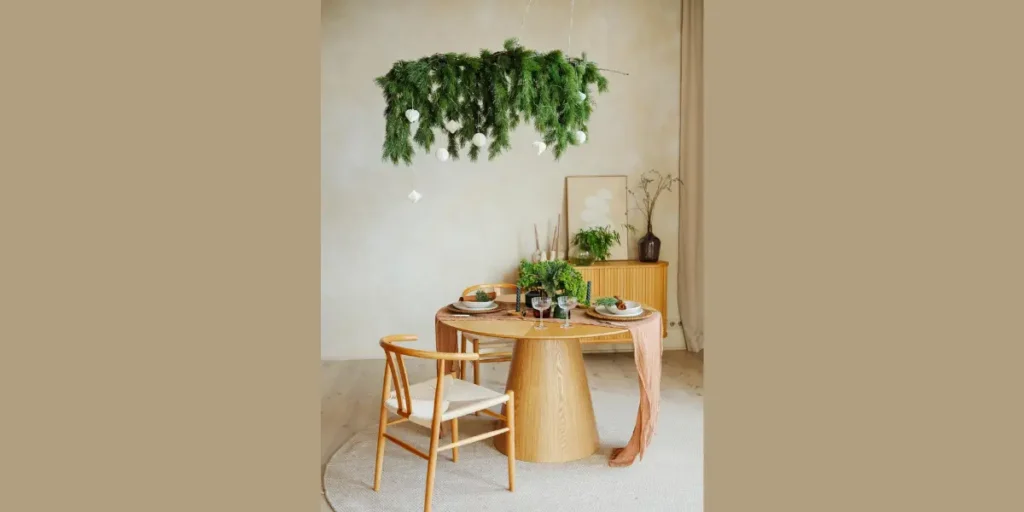
Greenery introduces freshness and texture. I often select low maintenance plants such as succulents or small potted herbs for subtle natural detail.
I keep arrangements low to maintain clear lines of sight across the table. Balanced placement ensures symmetry and harmony.
Plants soften the dining environment and enhance overall warmth. When styled thoughtfully, greenery complements nearly any design style while maintaining practicality.
9. Sculptural Decorative Objects
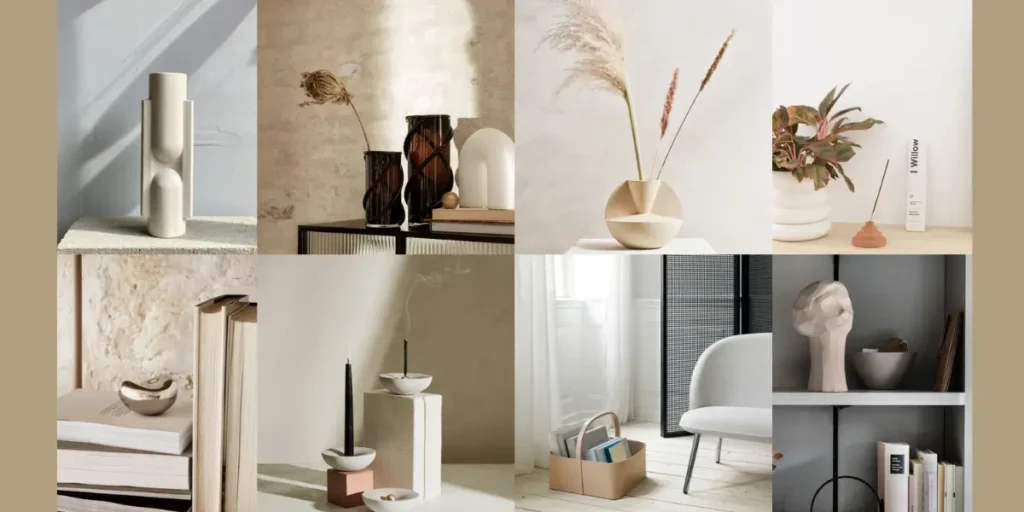
A sculptural object can turn a simple dining table into a curated focal point. I often choose one bold ceramic, stone, or metal piece that reflects the room’s overall style. The key is selecting something with presence rather than filling the table with small accessories.
Scale plays an important role in this approach. I ensure the object feels proportionate to the table size and does not obstruct daily functionality. One strong piece often creates more impact than several smaller ones.
This styling idea works beautifully in modern and contemporary interiors. It adds artistic character while maintaining clarity and balance.
10. Coordinated Place Settings
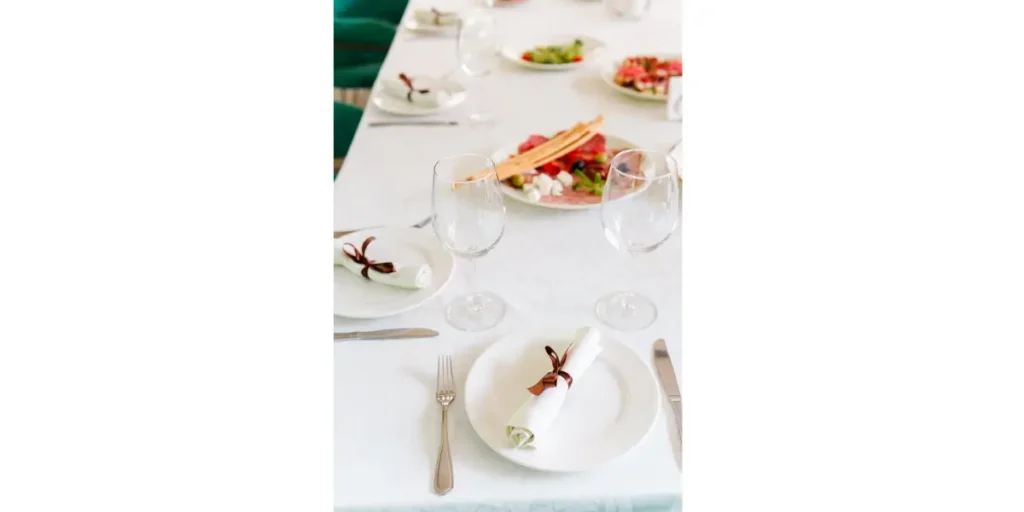
Thoughtfully arranged place settings elevate even everyday meals. I pay attention to how plates, napkins, and cutlery align visually. Coordinated tones create harmony without looking overly formal.
Layering charger plates, textured napkins, and simple glassware introduces subtle depth. I keep patterns controlled so the table feels cohesive rather than busy.
This decor idea enhances practicality and aesthetics simultaneously. It turns daily dining into a more refined experience while keeping the table functional and inviting.
11. Layered Lighting Influence
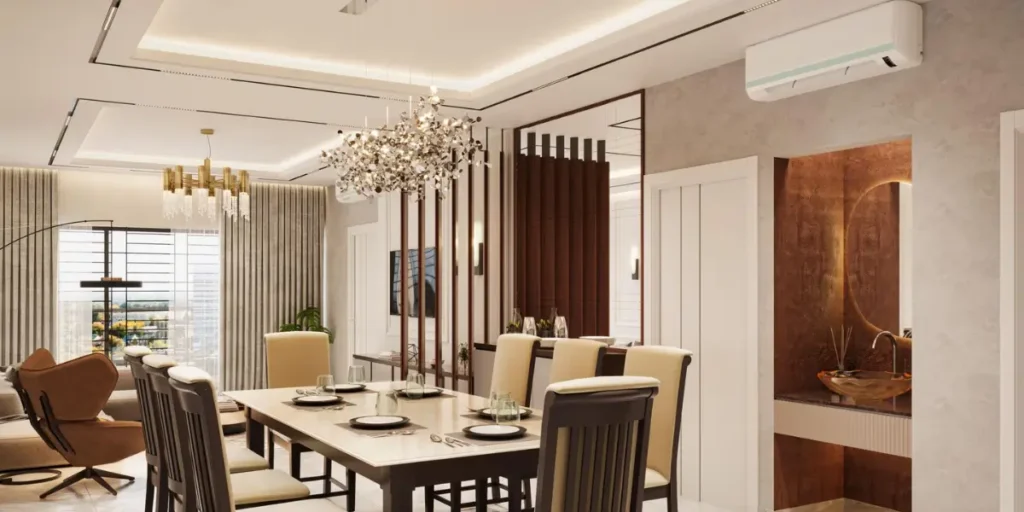
Lighting shapes how table decor appears at different times of day. I always consider the relationship between overhead fixtures and tabletop elements. A well placed pendant light highlights centerpieces beautifully.
Combining overhead lighting with candles or subtle accent lamps creates depth. I prefer warm light tones to enhance texture and soften shadows.
Layered lighting elevates the entire dining experience. It ensures decor feels intentional while maintaining comfort and atmosphere throughout the day and evening.
How to Style a Dining Table Without Clutter
Styling a dining table requires discipline as much as creativity. I always begin by assessing how the table functions daily before adding decorative elements.
A beautiful setup should never interfere with comfort, movement, or serving space. Leaving intentional empty areas prevents the table from feeling overcrowded and preserves visual balance.
Color control makes a significant difference. I typically limit the palette to two or three tones that complement the dining room. When hues align with surrounding furniture and textiles, the arrangement feels cohesive rather than random. Balanced proportions between tall and low elements also help maintain clarity.
Functionality remains essential. I choose decor pieces that are easy to move when needed, such as trays or compact centerpieces.
By keeping styling intentional and restrained, the dining table feels polished, practical, and welcoming rather than busy or over decorated.
Conclusion
Dining table decor should feel intentional rather than excessive. I always remind myself that the goal is to enhance the space, not compete with it.
When you balance height, texture, and color thoughtfully, even the simplest arrangement can feel elevated.
A well styled table supports daily meals while adapting easily for gatherings and celebrations. By focusing on proportion and restraint, you create a setup that feels curated, welcoming, and practical.
With the right combination of centerpiece, lighting, and subtle accents, your dining table becomes a refined focal point that completes the entire room.
FAQs
For daily styling, I recommend keeping decor simple and functional. A low centerpiece, a small tray, or fresh greenery adds character without obstructing meals. The key is maintaining open space for practicality while enhancing visual appeal.
A centerpiece should either be low enough to allow clear conversation or tall enough to sit above eye level. Medium height pieces often interrupt sightlines, so I avoid them unless they are very slim.
Less is usually more. I focus on one primary focal element and possibly one or two supporting pieces. Overcrowding reduces impact and makes the table feel cluttered rather than curated.
Yes, but cohesion is essential. I combine styles through consistent color tones or complementary materials. Without a unifying element, the arrangement can appear disjointed.