
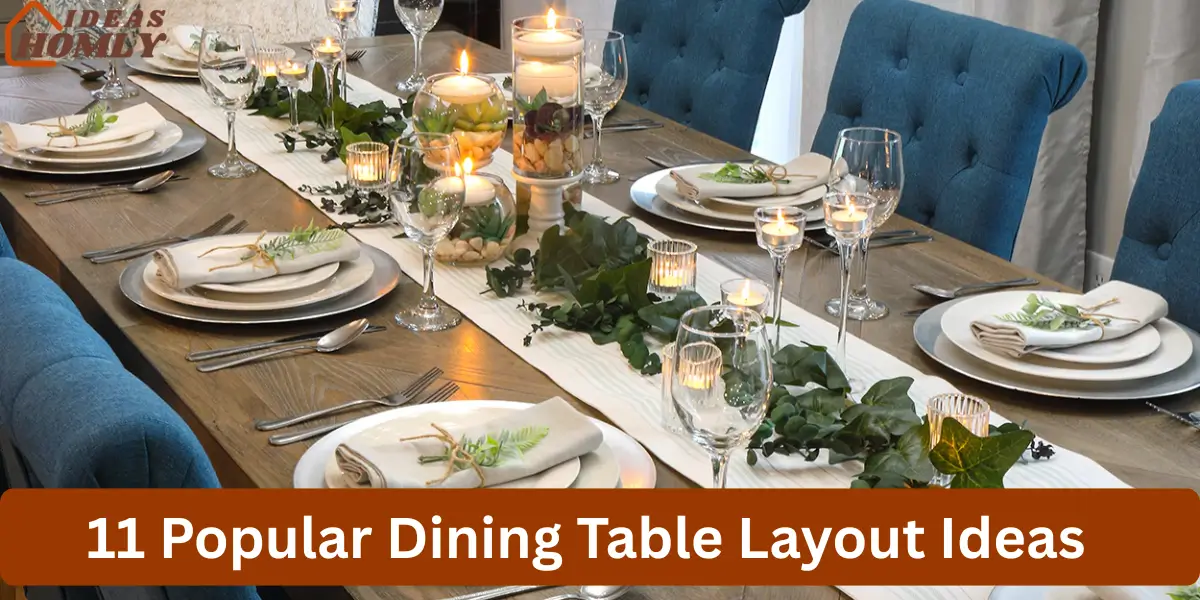

The way you position your dining table can completely change how a room feels and functions. I have seen beautiful furniture lose its impact simply because the layout restricted movement or blocked natural light.
A thoughtful arrangement improves comfort, conversation, and overall balance. Instead of focusing only on décor, I always begin with placement and circulation.
In this guide, I will share practical dining table layout ideas that help you maximize space, enhance flow, and create a dining area that feels open, intentional, and easy to use every day.
Why Smart Dining Table Placement Changes Everything
Before choosing décor or lighting, I always evaluate how the dining table sits within the room. Placement influences circulation, visual balance, and how comfortably guests can move around. A poorly positioned table can make even a large room feel cramped.
I focus on traffic flow first. Walkways should feel natural, and chairs must slide out easily without blocking doors or pathways. Lighting alignment also matters because it reinforces proportion and structure.
When layout works well, the dining room feels effortless. Now let’s explore eleven practical ideas that improve both function and style.
1. Classic Centered Layout
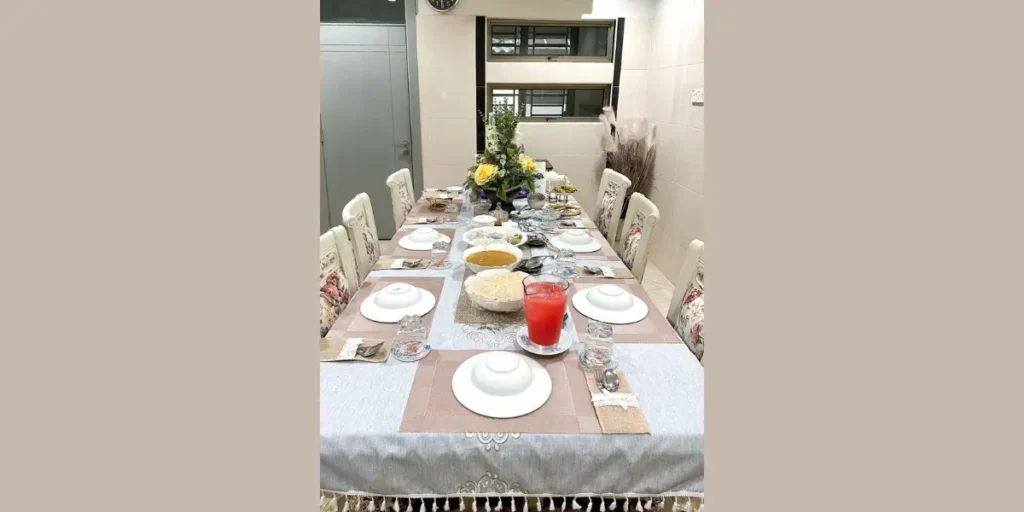
A classic centered layout positions the dining table directly in the middle of the room. I often use this approach in symmetrical spaces where balance matters most. The table aligns naturally with the main light fixture above.
This placement creates equal clearance on all sides, which improves movement and visual harmony. I measure carefully to maintain consistent spacing.
This layout works beautifully in formal dining rooms. It feels structured, organized, and timeless while supporting comfortable circulation.
2. Open Concept Zoning Layout
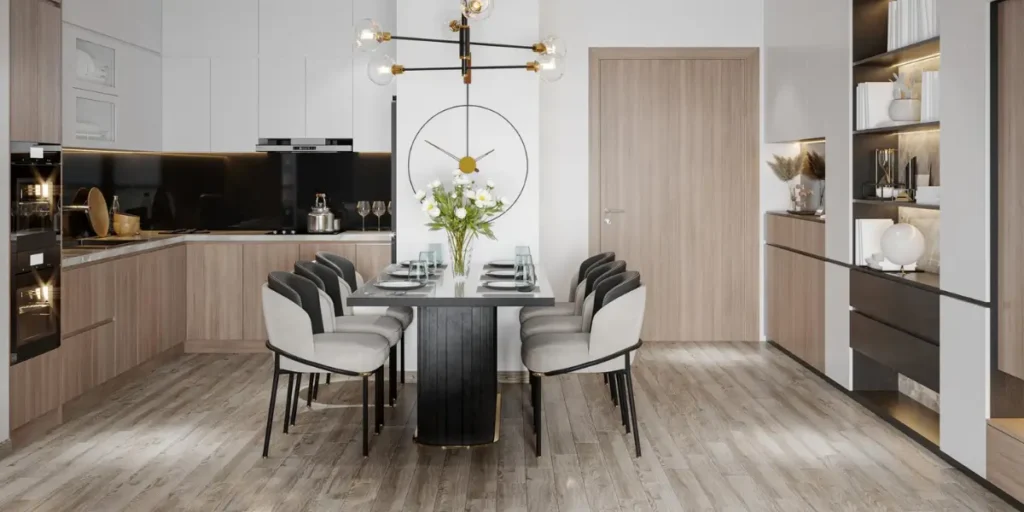
In open floor plans, I use the dining table to define a separate zone without walls. Placing a rug beneath the table visually anchors the space.
I align lighting and seating to reinforce boundaries. This prevents the dining area from blending into the living or kitchen space.
This layout improves structure while preserving openness. It creates purpose and balance within large multifunctional areas.
3. Corner Placement Layout
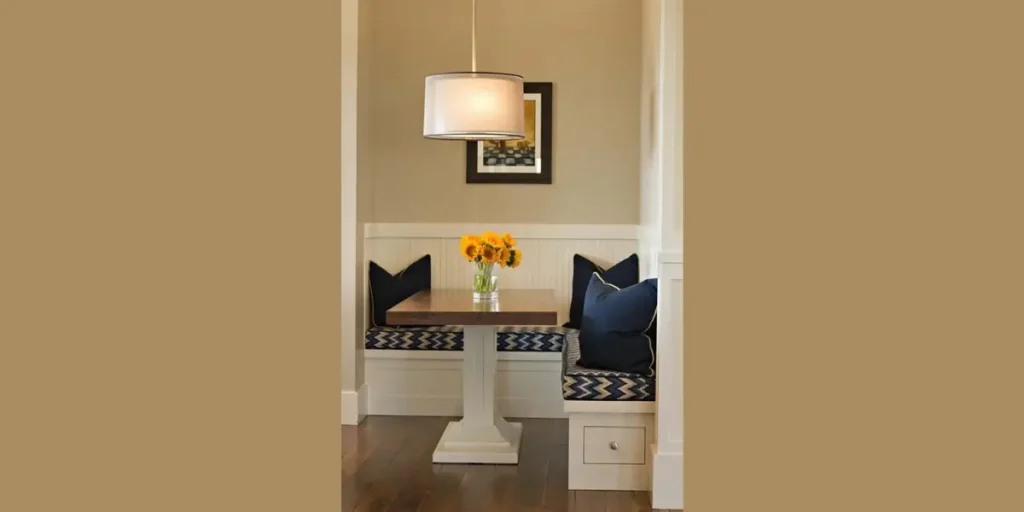
Corner placement maximizes usable floor space in smaller rooms. I recommend this layout for apartments or compact dining areas.
A round or square table fits best in corners because it maintains smoother movement. I ensure enough clearance for chairs to function comfortably.
This strategy frees central floor space and improves flexibility. It feels efficient without compromising usability.
4. Window-Focused Layout
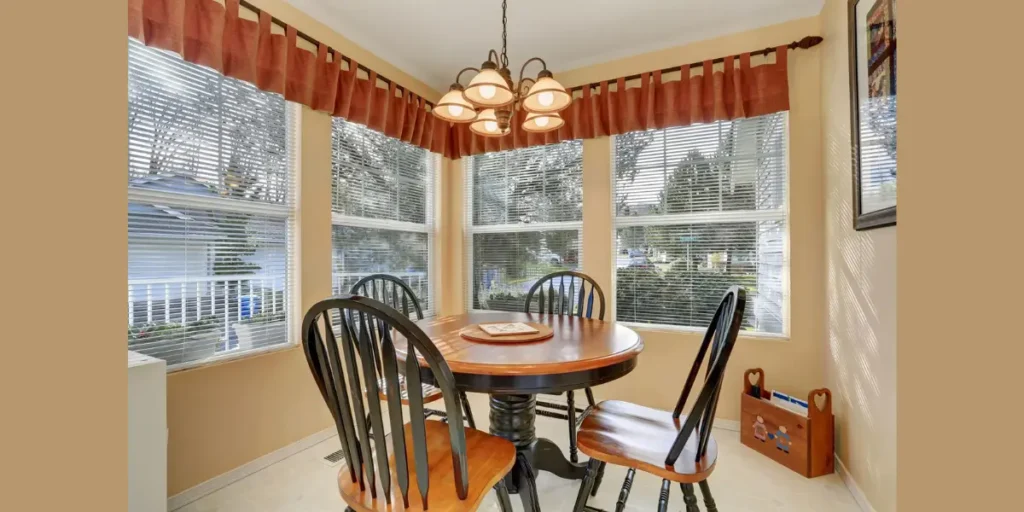
Positioning the dining table near a window enhances natural light and visual openness. I prefer this layout when the view adds value to the experience.
Natural light improves ambiance during daytime meals. I adjust table orientation to avoid glare while maximizing brightness.
This layout creates an airy and welcoming atmosphere. It connects indoor dining with the surrounding environment.
5. Banquette Seating Layout
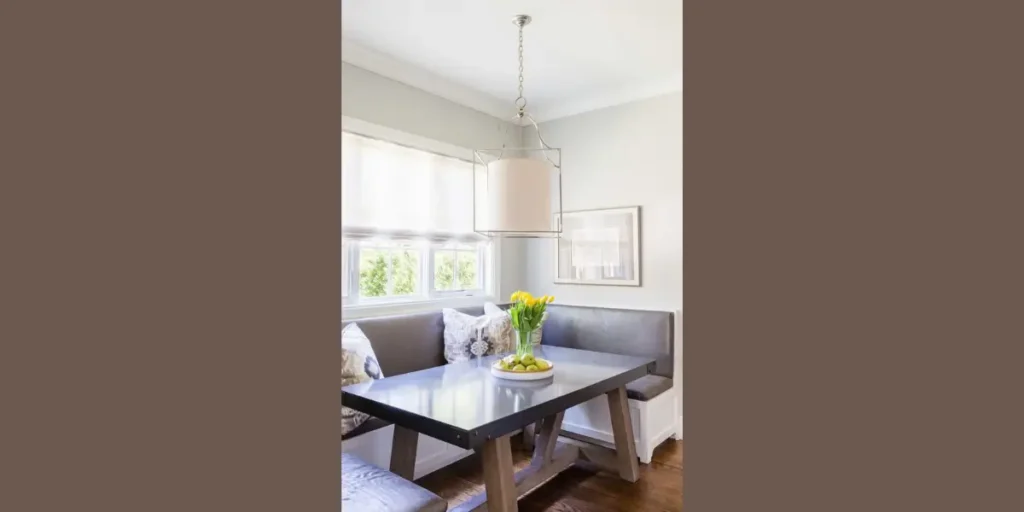
A banquette seating layout integrates built-in benches along one wall. I use this approach to maximize seating capacity in limited spaces.
The bench eliminates the need for chairs on one side, improving traffic flow. I pair it with a rectangular or round table for efficiency.
This layout feels cozy and practical. It works particularly well in breakfast nooks and casual dining corners.
6. Long Rectangular Hall Layout
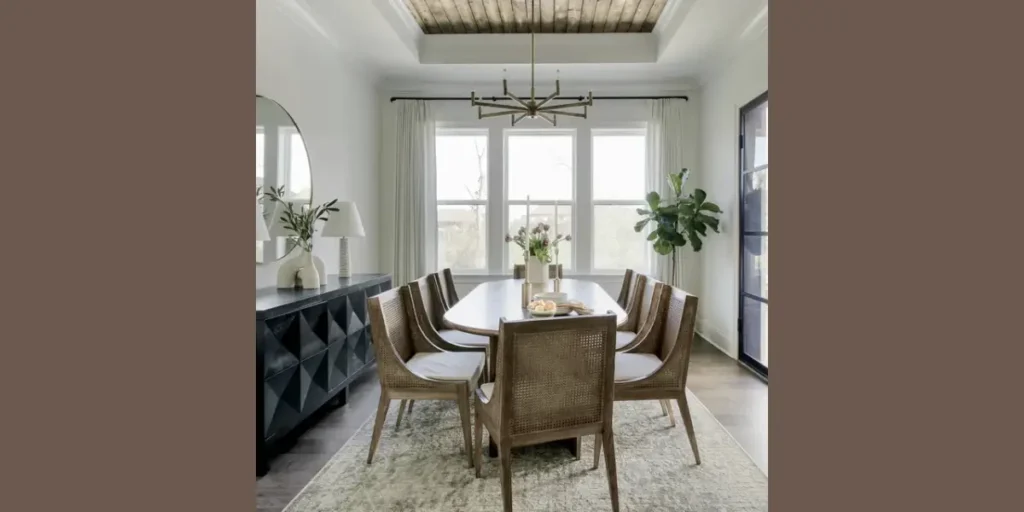
For narrow dining rooms, I align the table lengthwise to match the room’s shape. This preserves walkway space on either side.
Slim chairs enhance movement and prevent overcrowding. I maintain consistent clearance from walls to ensure comfort.
This layout supports flow in elongated spaces. It emphasizes proportion while maintaining practicality.
7. Round Table Central Focus Layout
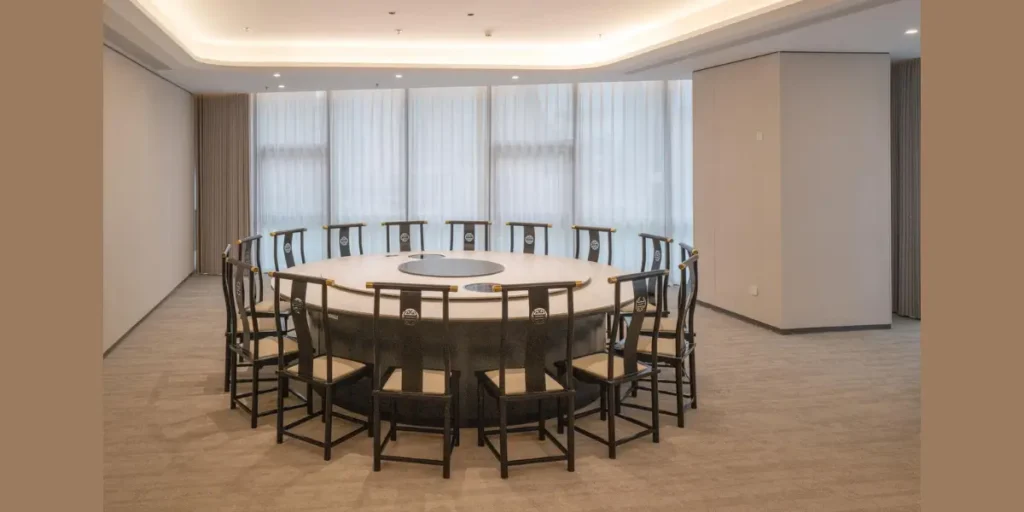
A round table centered in the room softens sharp architectural lines. I choose this layout when I want to encourage conversation.
Circular placement improves circulation because there are no corners to obstruct movement. I align lighting directly above the center.
This approach feels inviting and balanced. It works particularly well in square rooms or compact layouts.
8. Parallel Kitchen Layout
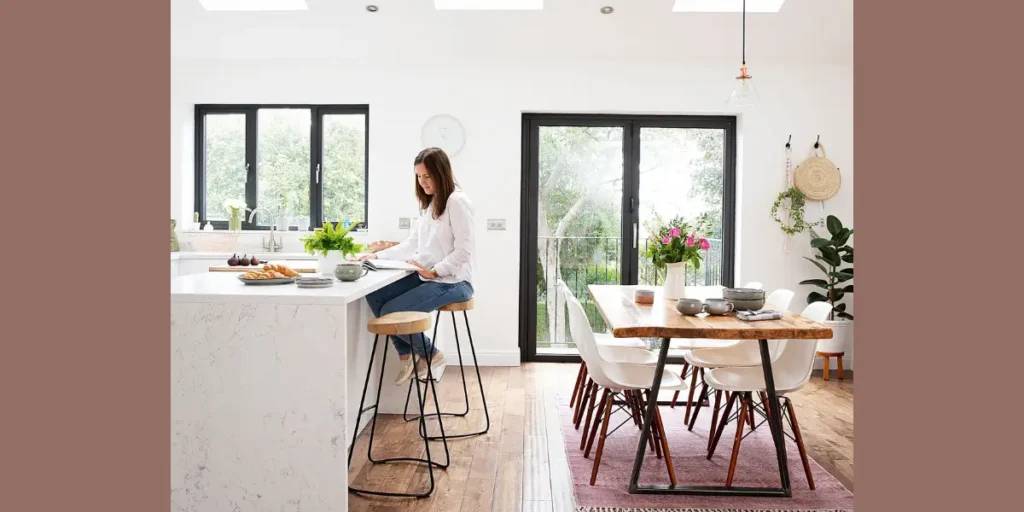
Placing the dining table parallel to a kitchen island enhances functionality. I use this layout in open kitchens for convenient serving.
Alignment creates visual continuity between cooking and dining areas. I ensure enough space between the island and table.
This arrangement supports daily use and efficient movement. It blends practicality with structured design.
9. Statement Chandelier Anchored Layout
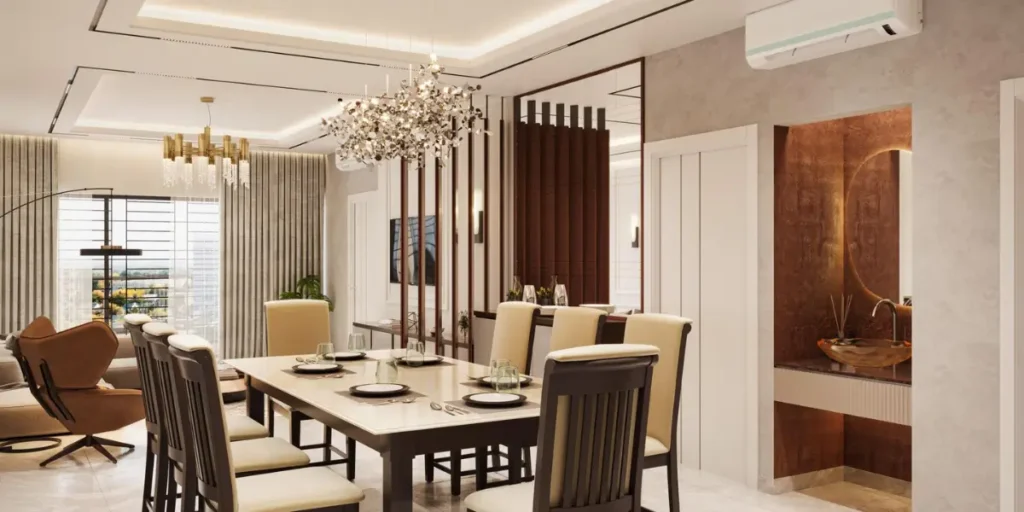
I often center the dining table beneath a statement chandelier to create strong visual hierarchy. The lighting fixture becomes the focal anchor.
Proper alignment reinforces proportion and symmetry. I adjust table position slightly if needed to match ceiling placement.
This layout enhances elegance and clarity. It works well in both modern and traditional dining rooms.
10. Diagonal Layout
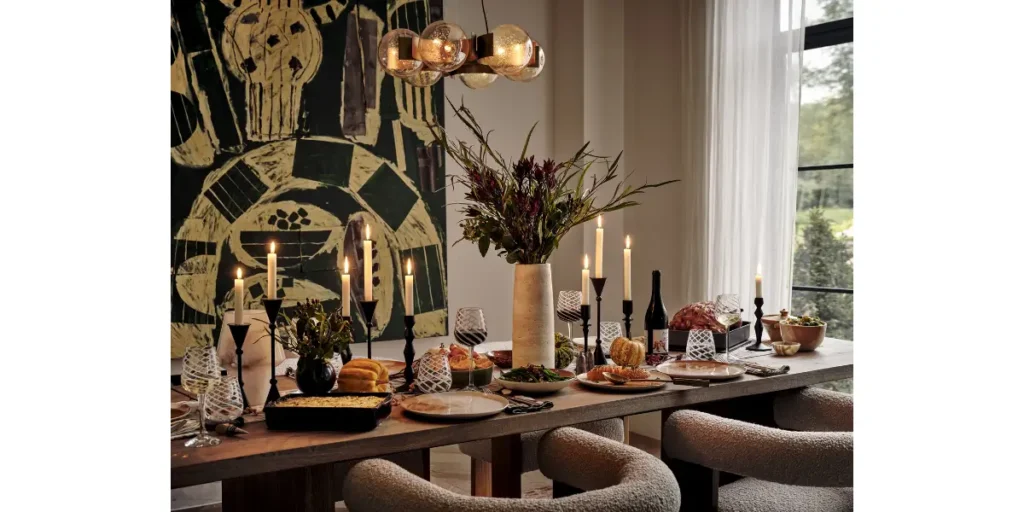
A diagonal layout introduces dynamic visual interest. I use this strategy in large rooms where traditional placement feels predictable.
Angled positioning softens rigid architecture and creates movement. I carefully measure clearance to maintain practicality.
This approach adds creativity without sacrificing functionality. It suits spacious interiors that allow flexibility.
11. Multi Purpose Layout with Extendable Table
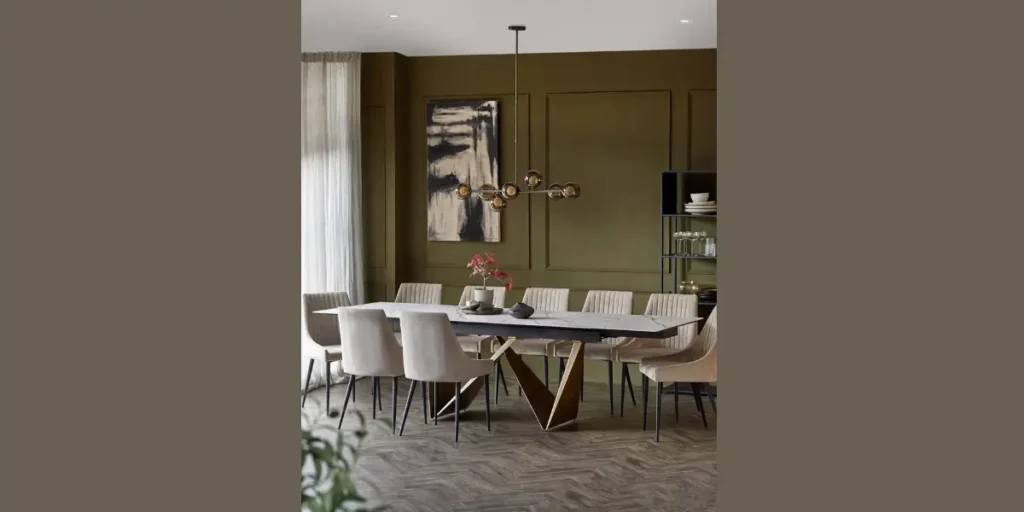
A multi purpose layout incorporates an extendable table to adapt to gatherings. I position it centrally while maintaining compact everyday spacing.
Extension leaves expand capacity without altering base alignment. I ensure the surrounding clearance accommodates full extension.
This layout offers flexibility and efficiency. It supports both intimate meals and larger events seamlessly.
Practical Planning Tips for Dining Table Placement
Thoughtful planning prevents common layout mistakes. I always begin by measuring the room carefully before placing any furniture.
Clearance, lighting alignment, and traffic patterns determine whether a layout will feel balanced or restrictive. Even a beautifully designed dining table can feel awkward if spacing is ignored.
I also evaluate how the dining space connects with adjacent areas such as the kitchen or living room.
Smooth movement between zones enhances functionality. When proportions feel right, the room naturally supports both everyday meals and special gatherings.
Important Considerations
Maintaining at least three feet of clearance around the table ensures chairs move freely and walkways remain unobstructed. I consider this rule essential for comfortable circulation.
Lighting alignment plays a significant role in visual harmony. I always center pendant lights or chandeliers directly above the table to reinforce balance.
Traffic patterns should guide placement decisions. I avoid blocking entryways or creating tight passageways that disrupt movement.
Table shape influences layout flexibility. Round tables work well in smaller spaces, while rectangular designs suit longer rooms.
Balancing furniture scale prevents overcrowding. I match table size proportionally with the room dimensions.
Clearance and Space Guidelines
| Room Size | Recommended Table Shape | Ideal Layout Approach |
|---|---|---|
| Small Room | Round or Square | Corner or central |
| Narrow Room | Rectangular | Lengthwise alignment |
| Open Plan | Any shape | Zoned placement |
| Large Room | Oval or Rectangular | Centered or diagonal |
Selecting the appropriate table shape based on room size improves both comfort and visual structure. I always prioritize proportion over trend.
Conclusion
A well planned dining table layout does more than organize furniture. It shapes how the room feels, how people move, and how comfortably guests gather.
I always approach placement with careful measurement and attention to flow before considering decorative elements. When clearance, lighting alignment, and proportion work together, the space feels effortless and inviting.
Whether you prefer a centered arrangement, a zoned open concept layout, or a flexible extendable setup, the key lies in thoughtful planning.
By prioritizing movement and balance, you can create a dining area that functions beautifully every single day.
FAQs
I recommend maintaining at least three feet of clearance on all sides of the table. This ensures chairs slide out easily and guests can move comfortably without feeling restricted.
Centering works well in symmetrical rooms, but it is not mandatory. In smaller or irregular spaces, corner or zoned layouts often provide better functionality and improved flow.
Yes, especially in compact rooms. A round or square table fits efficiently in a corner while preserving central floor space for movement. Proper clearance remains essential.
Yes, aligning lighting directly above the table enhances proportion and visual balance. It also ensures even illumination across the surface.